From managing the customer experience through to packaging services in line with your broader philosophy, today’s multi-faceted spas have important lessons to teach health club operators. Liz Holmes shares her thoughts
By Liz Holmes | Published in Health Club Management 2013 issue 8
Fitness and spa can be integrated in wellness packages
We know that 12.6 per cent of the population are currently members of health clubs or publicly owned fitness facilities. We also know that the number of people becoming members of a health and fitness club has increased by 4.5 per cent in the last year. (Source: The Leisure Database Company)
But behind these positive figures, the sad truth is that the yield per member across the fitness industry is suffering, with low-cost operators inflating membership numbers. So what other health, wellness and beauty services are members spending their hard-earned cash on, and how can health club operators tap into these channels to broaden their own offerings and optimise revenue?
While membership yield will continue to be a key focus for the fitness industry, I believe the modern health club has many lessons to learn from the spa sector in terms of driving yield. Spa businesses models of course vary – from the destination spa through to the high street beauty offering – but the thing that defines their success is a strong understanding and delivery of the customer experience: not only in terms of each individual customer, but also what each customer expects out of each individual visit.
Historically considered the soft and fluffy relation of the health and fitness club, spas are now stepping up to provide multi-faceted services that are able to secure their business success. So what can fitness operators learn from this example?
Spa trends Three years ago, the Spafinder Trend Report predicted that the spa industry would move its focus from pampering treatments to a broader spectrum of health and wellness treatments previously associated with health clubs and complementary health centres. This is reflected in the offering of both day and residential spas, which now include services such as nutritional consultations and inch loss programmes alongside facials and massages.
Espa Life at The Corinthia in London and Gleneagles hotel in Scotland, for example, offer full health assessments with individual wellness programmes, while day spas such as the award-winning Zen Spa in Edinburgh put lifestyle advice, based on the whole person, at the heart of client consultations.
Fiona Fowley, Zen Spa’s co-founder, explains: “While most of our treatments are about improving the appearance of skin, our clients are more aware than ever that their lifestyle plays a huge part in bringing about the changes they want. We’re training our therapists in offering detailed consultations to reflect this, as well as linking up with other specialists such as personal trainers and nutritionists to complete the picture.”
Holistic health Health clubs have the opportunity to tap into this holistic trend by taking elements of what works for the spa industry and re-packaging them to appeal more to the health club market. This will allow clubs to explore revenue streams that create secondary spend opportunities for members, as well as pay-as-you-go, day visitor experiences that don’t dilute the membership offer.
People are increasingly time-poor but still want results; they need their club to provide a personal service with bespoke programmes and wellness treatments to get them to where they want to be, and keep them there. By understanding members' broader needs and meeting these with personalised services, we can improve retention and secondary spend.
Services such as full health screening, nutritional consultations or specific wellness workshops do not necessarily require additional facilities, and in the main fit with the skillset of fitness teams. However, they do need a marketing strategy and must be linked to the membership induction process. Developing the offer further – into more relaxing spa-type services such as massage, reflexology or beauty treatments – involves getting the design and customer journey right for the individual club.
The Reebok Sports Club London is a great example, driving additional revenue by improving services such as spa and personal training (see also p32). Diane Kay, club manager, explains: “We've always had an individual approach to our members: a PT director matches members with the right trainer for their needs, and a help and advice desk offers extra support. Now our expanded range of services can fulfil members' broader needs.”
Meanwhile non-members can use the Reebok club facilities prior to any spa treatment, finish with lunch, or drop in to the wellness centre for medical services.
Enhancing the offer But before we consider developing the health club offering, a club first needs to look at its USPs so it enhances and develops these, rather than creating bolt-on services that have no real link to the club’s philosophy. Clients have an instinct for inauthentic offerings, and can sniff out a money-making scheme if it’s not well thought through with the client experience in mind.
Ray Payne of Topaz Consulting – which provides design and management services to the spa and leisure industry – advises health clubs to consider the client journey from start to finish when considering developing new facilities or services. “Investment in facilities will only work if it becomes an integral part of the business and actually delivers something the client or member wants,” he explains.
Beverley Beyes, director of Sparcstudio, adds: “Tacking a few generically styled treatment rooms onto a club will not create a credible offer that will appeal to the fitness member or indeed a potential day spa guest. A better bet is to create a distinct offer with its own brand and identity.
“Location within the club is key. Basing the spa at the front of a club can create greater awareness and visibility, as well as access for non-members. Alternatively, choosing a location within the heart of a club can ensure a closer link to other facilities such as a thermal suite and pool area, enabling the club operator to offer more of a complete spa experience, which can be marketed to non-members as a package.”
Driving yield If health clubs can tap into the day visitor model, this will have a positive impact on yield – but it will require a management strategy that measures and drives the customer experience, and a sales and marketing strategy to promote expanded services. This approach works well for the hybrid spa-health club model, which understands the importance of meeting the needs of members and non-members alike.
In the north-east of England, two-time ukactive FLAME finalist Rockliffe Hall hotel, spa and golf club offers a high-end fitness service, with a reputation as a pay-as-you go destination for wellness programmes and spa days. The two aspects of the business complement one another: a membership base of 750 people ensures a lively class programme and supports excellent facilities, while day visitors drive a separate yet integrated revenue stream.
It’s interesting to note average spend per day guest falls close to the monthly membership subscription fee of £110, with the main benefit of pay-as-you-go day packages being the ability to closely control the client journey and the flow of guests at any one time, ensuring the highest level of personal service.
Can fitness embrace spa? Health clubs and gyms are the real wellness and coaching experts, but I believe not enough is being done to enhance the fitness industry's reputation in the fields of customer service, customer experience and holistic health and wellness programming.
The fitness spa experience doesn’t have to involve scented candles or whale music, but it must expand the customer experience far beyond swiping a membership card to gain access to a set of facilities. Clubs need to appeal to the lifestyle of their customers, embracing the whole person by: offering a full wellness consultation for every new member; identifying that exercise is only part of the picture by offering the type of helpful wellness advice which can be applied day-to-day, including relaxation; and never forgetting that every visit should leave a positive memory so customers want to return.
Fitness professionals have the expertise to get people fit. Now they need to promote their ability to help people manage their stress and have an all-round healthier lifestyle to appeal to the 87.4 per cent of the population who are not currently members of a gym.
Facilities and design play a key role in creating a day visitor offering, but behind this has to be the intention to create an inspired experience that offers an outcome. That outcome may be simply a well-earned rest, a shared and fun experience like a boot camp or dance class, a workshop in healthy nutrition or an anti-ageing facial.
My hope is that we have enough managers in the sector who work with KPIs that measure the client experience, rather than just member retention figures at the end of the month: our long-term success depends on it.
From managing the customer experience through to packaging services in line with your broader philosophy, today’s multi-faceted spas have important lessons to teach health club operators. Liz Holmes shares her thoughts
By Liz Holmes | Published in Health Club Management 2013 issue 8
Fitness and spa can be integrated in wellness packages
We know that 12.6 per cent of the population are currently members of health clubs or publicly owned fitness facilities. We also know that the number of people becoming members of a health and fitness club has increased by 4.5 per cent in the last year. (Source: The Leisure Database Company)
But behind these positive figures, the sad truth is that the yield per member across the fitness industry is suffering, with low-cost operators inflating membership numbers. So what other health, wellness and beauty services are members spending their hard-earned cash on, and how can health club operators tap into these channels to broaden their own offerings and optimise revenue?
While membership yield will continue to be a key focus for the fitness industry, I believe the modern health club has many lessons to learn from the spa sector in terms of driving yield. Spa businesses models of course vary – from the destination spa through to the high street beauty offering – but the thing that defines their success is a strong understanding and delivery of the customer experience: not only in terms of each individual customer, but also what each customer expects out of each individual visit.
Historically considered the soft and fluffy relation of the health and fitness club, spas are now stepping up to provide multi-faceted services that are able to secure their business success. So what can fitness operators learn from this example?
Spa trends Three years ago, the Spafinder Trend Report predicted that the spa industry would move its focus from pampering treatments to a broader spectrum of health and wellness treatments previously associated with health clubs and complementary health centres. This is reflected in the offering of both day and residential spas, which now include services such as nutritional consultations and inch loss programmes alongside facials and massages.
Espa Life at The Corinthia in London and Gleneagles hotel in Scotland, for example, offer full health assessments with individual wellness programmes, while day spas such as the award-winning Zen Spa in Edinburgh put lifestyle advice, based on the whole person, at the heart of client consultations.
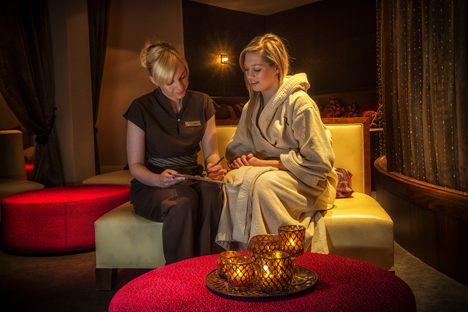
Fiona Fowley, Zen Spa’s co-founder, explains: “While most of our treatments are about improving the appearance of skin, our clients are more aware than ever that their lifestyle plays a huge part in bringing about the changes they want. We’re training our therapists in offering detailed consultations to reflect this, as well as linking up with other specialists such as personal trainers and nutritionists to complete the picture.”
Holistic health Health clubs have the opportunity to tap into this holistic trend by taking elements of what works for the spa industry and re-packaging them to appeal more to the health club market. This will allow clubs to explore revenue streams that create secondary spend opportunities for members, as well as pay-as-you-go, day visitor experiences that don’t dilute the membership offer.
People are increasingly time-poor but still want results; they need their club to provide a personal service with bespoke programmes and wellness treatments to get them to where they want to be, and keep them there. By understanding members' broader needs and meeting these with personalised services, we can improve retention and secondary spend.
Services such as full health screening, nutritional consultations or specific wellness workshops do not necessarily require additional facilities, and in the main fit with the skillset of fitness teams. However, they do need a marketing strategy and must be linked to the membership induction process. Developing the offer further – into more relaxing spa-type services such as massage, reflexology or beauty treatments – involves getting the design and customer journey right for the individual club.
The Reebok Sports Club London is a great example, driving additional revenue by improving services such as spa and personal training (see also p32). Diane Kay, club manager, explains: “We've always had an individual approach to our members: a PT director matches members with the right trainer for their needs, and a help and advice desk offers extra support. Now our expanded range of services can fulfil members' broader needs.”
Meanwhile non-members can use the Reebok club facilities prior to any spa treatment, finish with lunch, or drop in to the wellness centre for medical services.
Enhancing the offer But before we consider developing the health club offering, a club first needs to look at its USPs so it enhances and develops these, rather than creating bolt-on services that have no real link to the club’s philosophy. Clients have an instinct for inauthentic offerings, and can sniff out a money-making scheme if it’s not well thought through with the client experience in mind.
Ray Payne of Topaz Consulting – which provides design and management services to the spa and leisure industry – advises health clubs to consider the client journey from start to finish when considering developing new facilities or services. “Investment in facilities will only work if it becomes an integral part of the business and actually delivers something the client or member wants,” he explains.
Beverley Beyes, director of Sparcstudio, adds: “Tacking a few generically styled treatment rooms onto a club will not create a credible offer that will appeal to the fitness member or indeed a potential day spa guest. A better bet is to create a distinct offer with its own brand and identity.
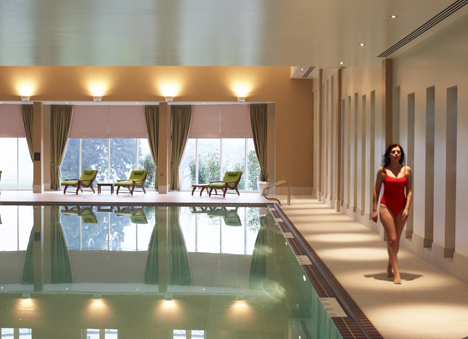
“Location within the club is key. Basing the spa at the front of a club can create greater awareness and visibility, as well as access for non-members. Alternatively, choosing a location within the heart of a club can ensure a closer link to other facilities such as a thermal suite and pool area, enabling the club operator to offer more of a complete spa experience, which can be marketed to non-members as a package.”
Driving yield If health clubs can tap into the day visitor model, this will have a positive impact on yield – but it will require a management strategy that measures and drives the customer experience, and a sales and marketing strategy to promote expanded services. This approach works well for the hybrid spa-health club model, which understands the importance of meeting the needs of members and non-members alike.
In the north-east of England, two-time ukactive FLAME finalist Rockliffe Hall hotel, spa and golf club offers a high-end fitness service, with a reputation as a pay-as-you go destination for wellness programmes and spa days. The two aspects of the business complement one another: a membership base of 750 people ensures a lively class programme and supports excellent facilities, while day visitors drive a separate yet integrated revenue stream.
It’s interesting to note average spend per day guest falls close to the monthly membership subscription fee of £110, with the main benefit of pay-as-you-go day packages being the ability to closely control the client journey and the flow of guests at any one time, ensuring the highest level of personal service.
Can fitness embrace spa? Health clubs and gyms are the real wellness and coaching experts, but I believe not enough is being done to enhance the fitness industry's reputation in the fields of customer service, customer experience and holistic health and wellness programming.
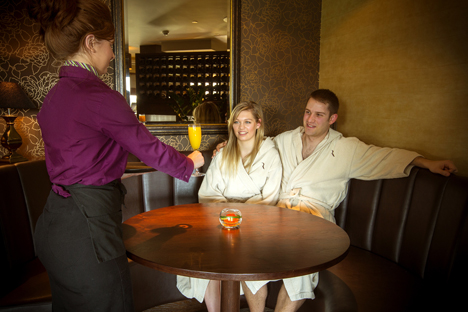
The fitness spa experience doesn’t have to involve scented candles or whale music, but it must expand the customer experience far beyond swiping a membership card to gain access to a set of facilities. Clubs need to appeal to the lifestyle of their customers, embracing the whole person by: offering a full wellness consultation for every new member; identifying that exercise is only part of the picture by offering the type of helpful wellness advice which can be applied day-to-day, including relaxation; and never forgetting that every visit should leave a positive memory so customers want to return.
Fitness professionals have the expertise to get people fit. Now they need to promote their ability to help people manage their stress and have an all-round healthier lifestyle to appeal to the 87.4 per cent of the population who are not currently members of a gym.
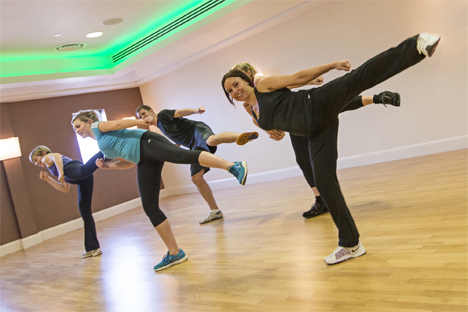
Facilities and design play a key role in creating a day visitor offering, but behind this has to be the intention to create an inspired experience that offers an outcome. That outcome may be simply a well-earned rest, a shared and fun experience like a boot camp or dance class, a workshop in healthy nutrition or an anti-ageing facial.
My hope is that we have enough managers in the sector who work with KPIs that measure the client experience, rather than just member retention figures at the end of the month: our long-term success depends on it.
Global Wellness Day (GWD) will mark its 15th anniversary on Saturday 13 June 2026, with the
theme: #JoyMagenta – a celebration of the healing qualities of simple gestures and activities
that spark joy.
Global luxury hospitality brand, Six Senses, has partnered with longevity healthcare provider,
HUM2N, to launch a clinic at Six Senses London, at The Whiteley.
As part of its first hotel partnership, Mayrlife – the medical health resort company known for its
site in Altaussee, Austria – has launched a day clinic at the Rosewood Vienna.
Premium London health club, KX Chelsea, will imminently unveil its most significant
redevelopment since its launch in 2002 to create an integrated wellness model combining
training, recovery and relaxation.
Rosewood Le Guanahani St Barth, on the northeast coast of Saint Barthélemy in the French
West Indies, is offering a programme of ocean-inspired yoga classes between 8-14 June to
celebrate Global Wellness Day (GWD).
Hotel de France, located on the British Isle of Jersey, has created a wellness retreat package
that includes a hot yoga session that will take place in Jersey Zoo’s butterfly sanctuary.
The Ritz-Carlton, Langkawi, in Malaysia, has revealed a schedule for Global Wellness Day
(GWD) that includes guided rainforest walks, mindful movement and guided coastal meditation
experiences.
Longevitix, a clinical platform for preventive and longevity medicine, has launched its AI-
powered intelligence system to help physicians deliver continuous, personalised longevity-
focused care at scale.
Atmantan Wellness Centre, an integrative wellness destination in Mulshi, near Pune in India, is
expanding its portfolio by adding a new centre in Hyderabad that will launch between 2028 and
2029.
A recent survey by the UK Spa Association (UKSA) into the industry’s approach to cancer care
has revealed that almost half of participating respondents (46 per cent) are unaware that
cancer is a disability and guests with a cancer diagnosis must be given