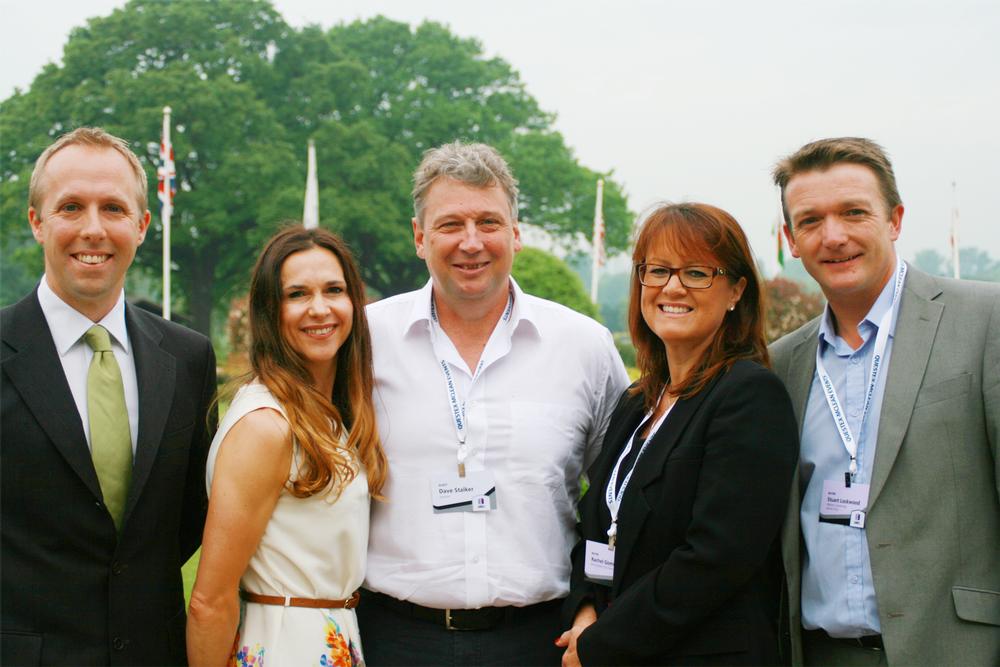
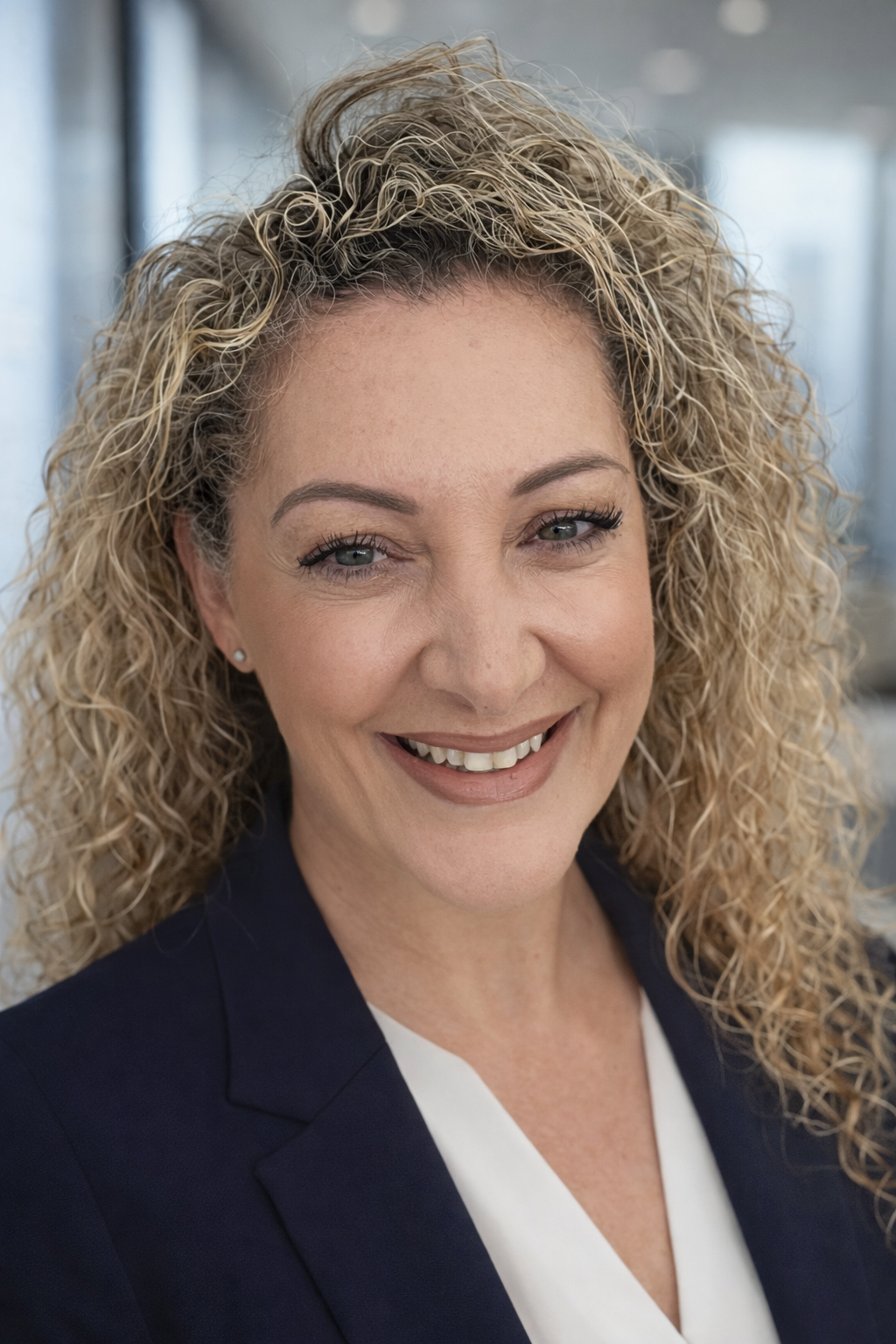
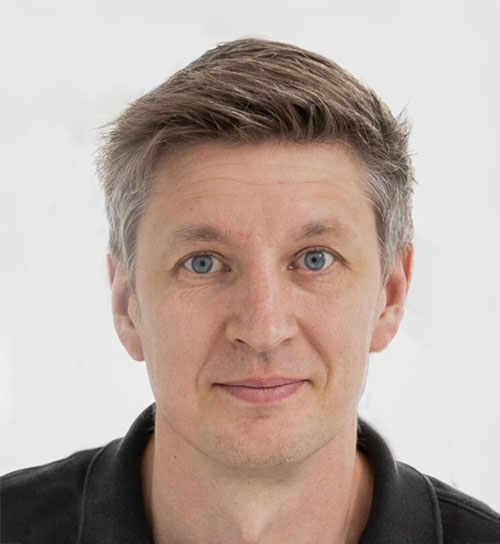
David Stalker with the panellists, Tom Fairey,
Michelle Dand, Rachel Gomm and Stuart Lockwood
Question How can we ensure staff in our facilities are qualified to deliver positive outcomes that answer the needs of the government’s health agenda?
Tom Fairey Most local authorities we advise are managing funding cuts and having to find new efficiencies in leisure services. Inevitably this means staff levels have been squeezed and it’s already a challenge to find funding in the budget to meet mandatory training requirements.
While delivering health interventions that address the needs of special populations does create opportunities, I question where the funding for all the necessary, additional staff training will come from.
Rachel Gomm The delivery of GP referral programmes is not a new concept, but the introduction of the Health & Social Care Bill in 2013 – which encourages local authorities to take responsibility for the health of their local populations and offers access to an £8bn ring-fenced fund – creates a huge opportunity.
To take full advantage of this opportunity, staff need to be given sufficient knowledge and tools to offer professional advice and mentoring services to special populations. This might include people dealing with cancer, mental health issues, emphysema and elderly people at risk of falling. We’ve already started to roll out REPs Level 4 training, but there’s still a great deal of work to be done to ensure our sector is viewed as a true, go-to, results-driven solutions partner.
Michelle Dand SLM recently launched Everyone Health as a separate division from Everyone Active. This brand will bid independently for local health contracts, to deliver evidence-based preventative and treatment services for local authorities.
Working more closely with local authorities to address local health issues does create a massive opportunity, but to meet this need it’s imperative that new training pathways are developed to help our staff gain the knowledge and skills they need to deliver relevant health services with positive, measurable outcomes.
Stuart Lockwood We need to find ways to work with the local authority to deliver more community health initiatives. I still feel, as a sector, we need to focus on service standards in our core business, and work harder to provide a top quality service to the general community with non-specific health needs. Once we crack this, then we can concentrate on catering for special populations.
Question Does the growth in mass participation events such as Tough Mudder, Cycling Sportives and fun runs – along with the more aggressive hunt for new participants by National Governing Bodies (NGBs)of sport – represent an opportunity or a threat to our sector?
Tom Fairey Mass participation events give people a training purpose, a goal to be achieved. These people will be looking for venues to train in and advice on how to prepare – great news for our sector.
Working in partnership with NGBs can help operators think more creatively about their provision. We’ve developed some really innovative, successful offerings – such as indoor ‘extreme’ – in partnership with clients who are willing to embrace change and give people what they want. Both operators and NGBs share an ambition to get more people involved in regular physical activity, so partnering makes total sense.
Michelle Dand NGBs make fantastic partners, giving us access to new audiences. For example, we’re working with British Triathlon to develop and deliver more affordable, accessible triathlon events in local communities. In addition to attracting more people into our centres to train, this also helps British Triathlon achieve Sport England participation targets.
Rachel Gomm Working with NGBs has helped us take physical activity opportunities out to the community, expanding our reach beyond the confines of our leisure centres.
Stuart Lockwood Mass participation events enable us to engage a larger slice of the local population than if we just focus our attention on what physical activities we can provide via our leisure centres. We’re currently working with Oldham Council and other community partners to deliver a local 5km, 7km and half marathon event.
In addition to encouraging more people to directly take part in physical activity, these events also engage other groups within the community – local volunteer organisations and youth groups, for example. This creates a pool of local talent for employers and gives volunteers an opportunity to gain vital work experience, which can then help them secure a paid job.
Question What are your organisations doing to collect evidence-based data and measure user outcomes?
Michelle Dand Over the last couple of years, Everyone Active has developed an online offering to reach people in the community who are not using our leisure centres. This creates a huge data pool, and the next step is to work on collating and analysing that data.
In addition to this, we’re also conducting audits of existing data, implementing minimum datasets for consistency and quality assured measurable health outcomes to demonstrate effectiveness.
We do, however, recognise there’s more to be done. In recognition of the need for data collection, Everyone Health is currently developing a bespoke software solution.
Rachel Gomm Birmingham City Council has combined deprivation data with its own records and worked with partners to analyse the data. Findings have reported that, for every pound invested in Be Active – Birmingham’s physical activity programme – there has been £22-worth of healthcare related benefits.
When we present results like this, it’s difficult for local authorities and clinical commissioning groups not to take our sector seriously.
Stuart Lockwood The key is being able to prove that health and fitness interventions result in behavioural change and, while we recognise a need to get to this point, we’re not there yet.
We have isolated examples where we’re achieving this – such as through our GP referral programmes – but this kind of measurement and analysis needs to become a standard rather than an exception if we’re to secure significant public health funding.
Panellists - Tom Fairey, Business development manager, Alliance Leisure Services - Michelle Dand, Group fitness development manager, Everyone Active - Rachel Gomm, Business development manager, Birmingham Sport & Events - Stuart Lockwood, CEO, Oldham Community Leisure
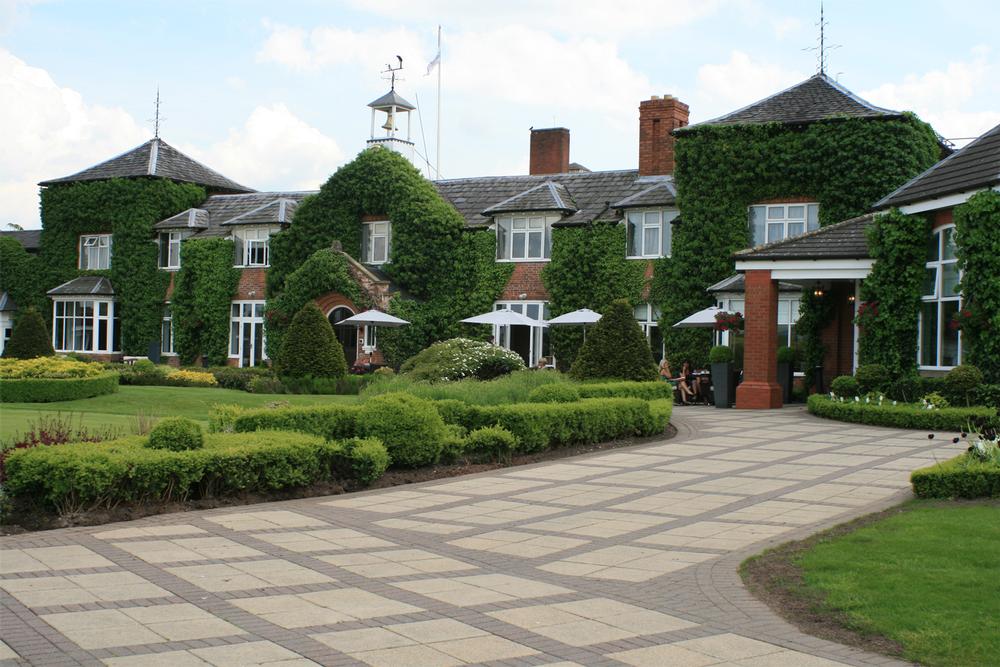
Health and fitness professionals gathered at The Belfry in Wishaw, West Midlands, to discuss and examine industry topics
David Stalker with the panellists, Tom Fairey,
Michelle Dand, Rachel Gomm and Stuart Lockwood
Question How can we ensure staff in our facilities are qualified to deliver positive outcomes that answer the needs of the government’s health agenda?
Tom Fairey Most local authorities we advise are managing funding cuts and having to find new efficiencies in leisure services. Inevitably this means staff levels have been squeezed and it’s already a challenge to find funding in the budget to meet mandatory training requirements.
While delivering health interventions that address the needs of special populations does create opportunities, I question where the funding for all the necessary, additional staff training will come from.
Rachel Gomm The delivery of GP referral programmes is not a new concept, but the introduction of the Health & Social Care Bill in 2013 – which encourages local authorities to take responsibility for the health of their local populations and offers access to an £8bn ring-fenced fund – creates a huge opportunity.
To take full advantage of this opportunity, staff need to be given sufficient knowledge and tools to offer professional advice and mentoring services to special populations. This might include people dealing with cancer, mental health issues, emphysema and elderly people at risk of falling. We’ve already started to roll out REPs Level 4 training, but there’s still a great deal of work to be done to ensure our sector is viewed as a true, go-to, results-driven solutions partner.
Michelle Dand SLM recently launched Everyone Health as a separate division from Everyone Active. This brand will bid independently for local health contracts, to deliver evidence-based preventative and treatment services for local authorities.
Working more closely with local authorities to address local health issues does create a massive opportunity, but to meet this need it’s imperative that new training pathways are developed to help our staff gain the knowledge and skills they need to deliver relevant health services with positive, measurable outcomes.
Stuart Lockwood We need to find ways to work with the local authority to deliver more community health initiatives. I still feel, as a sector, we need to focus on service standards in our core business, and work harder to provide a top quality service to the general community with non-specific health needs. Once we crack this, then we can concentrate on catering for special populations.
Question Does the growth in mass participation events such as Tough Mudder, Cycling Sportives and fun runs – along with the more aggressive hunt for new participants by National Governing Bodies (NGBs)of sport – represent an opportunity or a threat to our sector?
Tom Fairey Mass participation events give people a training purpose, a goal to be achieved. These people will be looking for venues to train in and advice on how to prepare – great news for our sector.
Working in partnership with NGBs can help operators think more creatively about their provision. We’ve developed some really innovative, successful offerings – such as indoor ‘extreme’ – in partnership with clients who are willing to embrace change and give people what they want. Both operators and NGBs share an ambition to get more people involved in regular physical activity, so partnering makes total sense.
Michelle Dand NGBs make fantastic partners, giving us access to new audiences. For example, we’re working with British Triathlon to develop and deliver more affordable, accessible triathlon events in local communities. In addition to attracting more people into our centres to train, this also helps British Triathlon achieve Sport England participation targets.
Rachel Gomm Working with NGBs has helped us take physical activity opportunities out to the community, expanding our reach beyond the confines of our leisure centres.
Stuart Lockwood Mass participation events enable us to engage a larger slice of the local population than if we just focus our attention on what physical activities we can provide via our leisure centres. We’re currently working with Oldham Council and other community partners to deliver a local 5km, 7km and half marathon event.
In addition to encouraging more people to directly take part in physical activity, these events also engage other groups within the community – local volunteer organisations and youth groups, for example. This creates a pool of local talent for employers and gives volunteers an opportunity to gain vital work experience, which can then help them secure a paid job.
Question What are your organisations doing to collect evidence-based data and measure user outcomes?
Michelle Dand Over the last couple of years, Everyone Active has developed an online offering to reach people in the community who are not using our leisure centres. This creates a huge data pool, and the next step is to work on collating and analysing that data.
In addition to this, we’re also conducting audits of existing data, implementing minimum datasets for consistency and quality assured measurable health outcomes to demonstrate effectiveness.
We do, however, recognise there’s more to be done. In recognition of the need for data collection, Everyone Health is currently developing a bespoke software solution.
Rachel Gomm Birmingham City Council has combined deprivation data with its own records and worked with partners to analyse the data. Findings have reported that, for every pound invested in Be Active – Birmingham’s physical activity programme – there has been £22-worth of healthcare related benefits.
When we present results like this, it’s difficult for local authorities and clinical commissioning groups not to take our sector seriously.
Stuart Lockwood The key is being able to prove that health and fitness interventions result in behavioural change and, while we recognise a need to get to this point, we’re not there yet.
We have isolated examples where we’re achieving this – such as through our GP referral programmes – but this kind of measurement and analysis needs to become a standard rather than an exception if we’re to secure significant public health funding.
Panellists - Tom Fairey, Business development manager, Alliance Leisure Services - Michelle Dand, Group fitness development manager, Everyone Active - Rachel Gomm, Business development manager, Birmingham Sport & Events - Stuart Lockwood, CEO, Oldham Community Leisure
Health and fitness professionals gathered at The Belfry in Wishaw, West Midlands, to discuss and examine industry topics
Private hotel owner and developer HVL Hotels will open a new luxury resort and tourism
destination called Laval Hunter Valley in the second half of 2027 in Pokolbin, Australia.
The annual wellness festival dedicated to wellbeing, culture, longevity and human connection,
called Alma, will be hosted by Rocco Forte hotel, Verdura Resort in Sicily, Italy.
Capella Hotel Group has appointed Feisal Jaffer as chief development officer as the company
ramps up its global expansion of both its Capella and Patina brands.
People taking GLP-1 weight loss medications such as Ozempic, Wegovy, Mounjaro and Zepbound
may be losing weight, but they’re also becoming less physically active, according to new
research presented at the ENDO 2026 annual meeting of the Endocrine Society
Abu Dhabi-based investment firm Mubadala Capital has made a binding, fully financed
€1 billion
offer to acquire Pierre and Vacances SA, the European holiday resort operator behind the
continental European Center Parcs business.
Global retreat trade show, Synergy The Retreat Show, has launched a resource called The
Source, which hosts an open-access online Transformation Series programme.
The Standards Authority for Touch in Cancer Care (SATCC) charity has announced its first five-
day Living with Cancer and Beyond retreat, which will be held at Carden Park Hotel and Spa in
Cheshire, UK, between 1 and 5 September.
Patmos Aktis, a Luxury Collection Resort and Spa, has opened in Greece, with a renovated and
rebranded wellness offering called Ansana Wellness and Spa.