SPECIALIST FITNESS MICROGYMS Microgyms – centres specialising in just one area of fitness – are taking the health club market by storm. They’re also creating a new breed of exerciser which spas can also target.
Standalone cycling studios are leading the way, but other formats – from functional training to group exercise – are gaining popularity. And research by Dr Paul Bedford, a UK-based retention expert in the fitness sector, shows people are becoming more targeted with each club they join, wanting a specific type of yoga, group cycling or equipment.
Savvy spa operators will monitor the microgym movement and emulate the experience by putting on themed workouts with special guest instructors to tap into this audience. They’ll base this on what’s popular with their own spa-goers, with specialised yoga being an obvious fit. We also expect to see partnerships forming between microgym and spa owners.
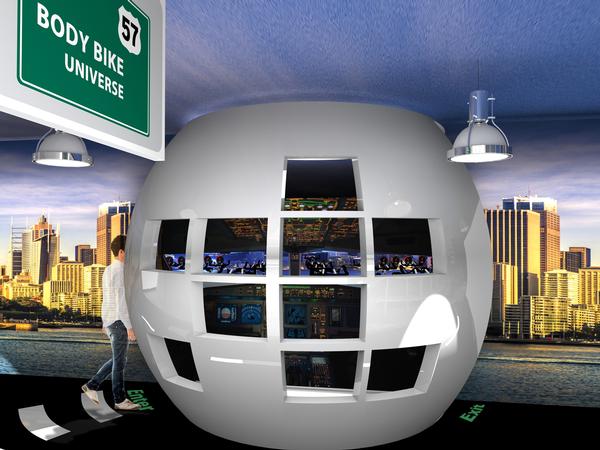
Microgyms: Standalone cycling studios are leading the way
ACCESS TO EXPERTS VIRTUAL TRAINER Given their ability to generate value from under-used space, virtual exercise classes – already popular with a number of leading fitness operators – are likely to be picked up by spas going forwards.
Most systems allow operators to either pre-schedule classes or let customers choose sessions on-demand, or offer a combination of the two.
A big advantage for the customer, other than the flexibility of the schedule, is that they enable facilities to offer world-class instruction and a huge variety of trainers. Virtual group exercise provider Gaiam, for example, provides yoga sessions by Rodney Yee. Other major brands such as Les Mills and Zumba have also entered the virtual arena, which suggests that it’s on the brink of rapid growth.
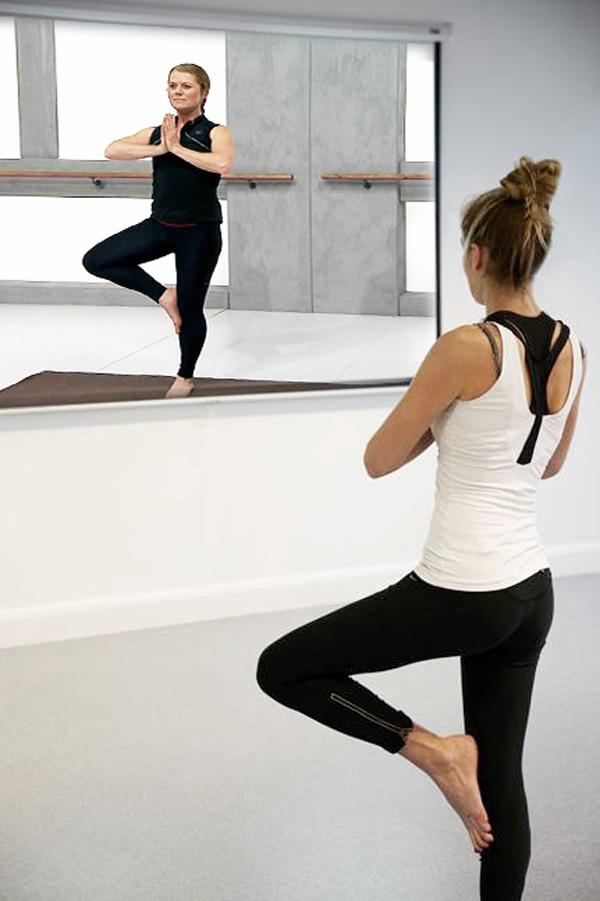
Virtual classes: World-class instruction
GROWING INTEREST EDIBLE ENVIRONMENTS Going to the spa to get your hands in the soil and do some gardening may seem an unlikely idea, but we think growing and spa are natural bedfellows and predict this trend will take off.
Growing is the new rock and roll, with horticulture degrees at full capacity, foraging becoming a career choice and communities being built around brands like Modern Farmer, the New York-based magazine that’s attracting a crowd who love to grow and eat.
In the restaurant sector, chefs now view the soil as the starting point for their craft, with some investing in their own farms, while new resort Kittitian Hills, which opened in St Kitts last year, has an edible golf course.
Edible parks and edible ponds are also becoming more popular around the world in response to the drive to make communities more local, natural and sustainable. The message is: if you can make it edible, then do so.
We expect to see spas embracing the Grower movement in a multitude of ways, such as adding rooftop gardens and opening up space for growing. Working in the gardens and with the soil – with the added health benefits associated with Earthing – could be an enjoyable part of the spa experience. This is especially the case for those who live in cities. Being able to graze on the landscape while enjoying the outdoors is a nourishing and healing pleasure that fits perfectly with the spa ethos and chimes with the growing interest in food as medicine.
PHOTO WWW.SHUTTERSTOCK.COM
Edible parks are becoming more popular, linking in with the growing interest in food as medicine
THE SECOND BRAIN GUT HEALTH A growing body of science is revealing just how essential our digestion is to overall physical and mental wellbeing.
The 9-metre long enteric nervous system, which runs from the oesophagus to the anal canal, is referred to as ‘the second brain’ because it contains around half a billion nerve endings – more than the spinal cord. It not only controls digestion but also exerts a powerful effect on hunger and appetite hormones like ghrelin and CCK, as well as immunity and mood. Not only that, but it manufactures around 50 per cent of the feelgood hormones serotonin and dopamine.
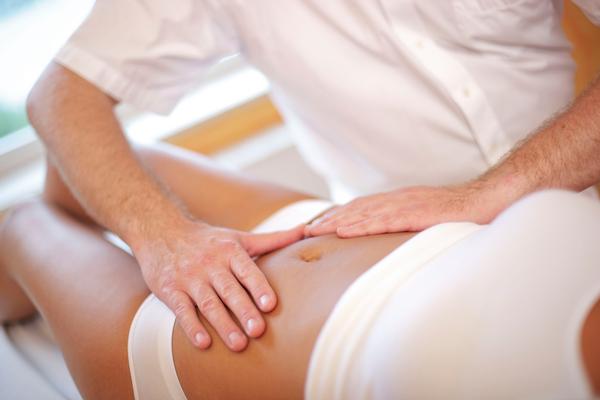
The FX Mayr cure is a renowned treatment for digestion in Austria, but is less well known internationally. It’s based on a restricted calorie, low-starch regime, Epsom salts to cleanse the bowel and abdominal massage. We predict huge growth in the number of spas offering gut health programmes as research backs up its importance in underpinning wellness.
Gut health: The FX Mayr cure includes abdominal massage alongside a restricted calorie, low-starch regime and use of Epsom salts
WELCOMING GUESTS NO FRONT DESK The latest innovations in cloud software are enabling health club spa operators to move away from the idea of a front desk and receptionist, instead welcoming guests with a tablet computer and a personal greeting at check-in.
Spas and hotels are already experimenting with tablet check-ins, while some restaurants are trialling app payments that allow customers to avoid a wait for their bill: they can just pay and go once they’ve finished their meal.
AUTOMATION ROBOT THERAPISTS The ability to perceive the minds of others is emerging in robots, and the field continues to develop and evolve. We predict the spa and wellness industry will eventually employ robot therapists to carry out some, if not all, work in spas.
The world of work is changing fast. A recent report by Oxford University’s Oxford Martin School, The Future of Employment, says 45 per cent of jobs currently done by humans will be computerised in 20 years. The advent of robot workers will overlap with this as businesses strive to reduce labour costs and increase profitability.
Robots are already capable of scanning and appraising materials and interacting with them appropriately, so some of the elements of both hardware and software which are required for the leap into delivering a treatment are already in existence. Unlike humans, robots can be programmed (and reprogrammed) quickly to follow highly technical and complex procedures – imagine the comprehensive spa menus and levels of customisation that would be possible if treatments were delivered by robots instead of humans. Some may also prefer to be treated by robot, as it removes any embarrassment at being naked in front of another person.
Robots are capable of making connections between data and basing actions on the latest research findings, because they can upload, process and analyse vast quantities of data.
ALL PHOTOS: WWW.SHUTTERSTOCK.COM
High levels of customisation would be possible if spa treatments were delivered by robots rather than humans
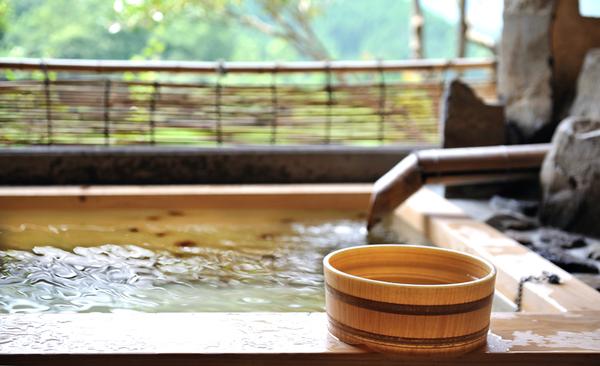
THE OLYMPIC EFFECT SPA BOOM IN JAPAN Tokyo’s hospitality industry will gain much pace in the run-up to the 2020 Olympics in anticipation of tourists; London’s 2012 Games attracted 698,000 visitors according to official figures. Expect to see much focus on onsen (hot spring facilities), which are a highlight of the Japanese spa industry.
Japan’s onsen will be promoted to tourists
PREDICTING PURCHASING WEATHER CHANNEL In the US, the Weather Channel has rebranded as the Weather Co. The Atlanta-based business has more than 75 years of weather data, which it’s using to predict not only the weather but also when people are more likely to buy certain goods. We believe that big data like this will increasingly be used to help spa operators understand customer behaviour and how to optimise income.
THE BASICS ARE NOW A USP CLEAR AIR AND WATER Breathing clean air, and drinking and bathing in clean water, are three fundamentals of health. And yet for some people who live in toxic places, there’s no respite from the assault of pollution.
Spas that offer access to clean air and water will find this USP is increasingly sought by consumers, and we foresee a new trend emerging around the provision of both, by either natural or artificial means. Consumers will value the opportunity to take a healing break from invasive and unhealthy atmospheres.
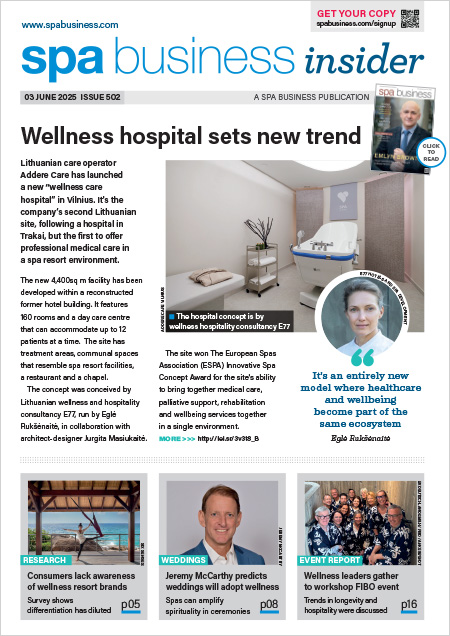
We expect spas with access to clean air and water to devise healing programmes, while those located in polluted places will have the opportunity to offer special rooms where guests can enjoy breathing clean air and bathing in pure water. This will extend to concepts such as sensory rooms with 360-degree screens, in which it will be possible to simulate standing on a beach, in a wood or in a lavender field.
ALL PHOTOS THIS PAGE: WWW.SHUTTERSTOCK.COM
Spas with access to clean air and water could look to devise special healing programmes
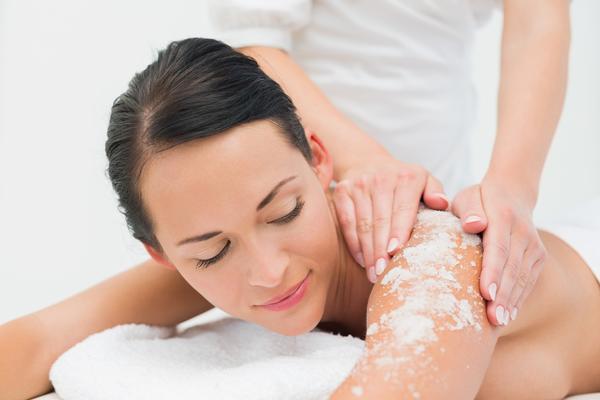
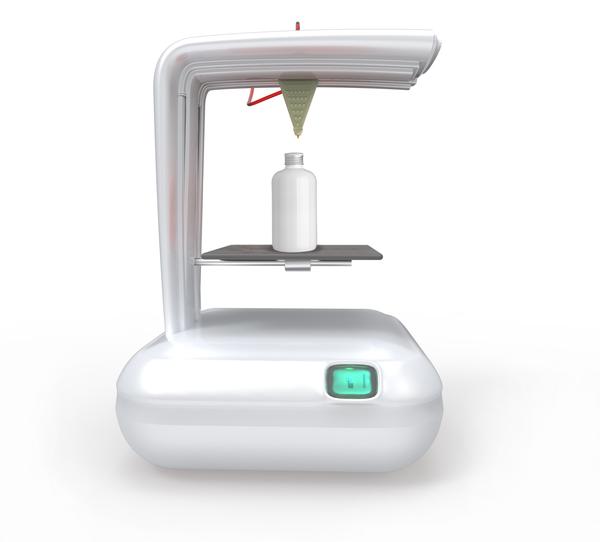
3D PRINTING PRODUCT WILL BE ‘PRINTED’ ON-SITE The therapist goes to the cupboard to get another bottle of body scrub to do a treatment and finds someone took the last one. A disaster? Today perhaps, but not for much longer. Soon it will be possible to 3D print more to order on-site.
The implications of this for the spa industry are huge and will change both the economics of spa operations and the relationship between suppliers and operators. 3D printing products on-site will mean they’re fresher, so fewer preservatives will be needed, shipping costs will be lower, and storage and packaging will be reduced. Product companies that gear up for this hugely disruptive trend will have the advantage of controlling the intellectual property rights to their own formulations. But those that sit back and do nothing will find that – as with the drug industry – there will be competitors who adapt their formulae and create generic versions.
The power of the brand and the control suppliers exert over the infrastructure will be key. If a product house creates an option that licenses clients to 3D print a branded product for use in treatments, they will retain market share; if not they could potentially lose their business.
PHOTO: WWW.SHUTTERSTOCK.COM
3D printing products on-site will mean they’re fresher
PHOTO: WWW.SHUTTERSTOCK.COM
Product houses must gear up for 3D printing or lose out to generic versions
PLAYING WITH FOOD TASTE SENSATION Living Food – a concept from biology and robotics student Minsu Kim – proposes the addition of live organisms to fine dining. Kim foresees a time when we move beyond the oyster to where “a vegetable plays with your fork, while noodles tickle your tongue as you eat them”, and plates of food become living, pulsating things.
The colour, shape, weight and size of cutlery and crockery also affect taste. Researchers from Oxford University in the UK have found that food tastes saltier if eaten with a knife, and feels denser and more expensive if a light plastic spoon is used. Drinks served in cold-coloured glasses seem to quench the thirst more.
We foresee a time when this thinking is adopted by spas and health clubs, and incorporated into a holistic, sensory dining experience for clients.
ALL PHOTOS: WWW.SHUTTERSTOCK.COM
The colour, shape, weight and size of cutlery and crockery affect taste
TUNING IN OR JUST CREEPY? FACIAL RECOGNITION Understanding consumers’ true feelings and motivations has been the concern of neuromarketers for some years: what we say we want and what we really want are often two completely different – and sometimes contradictory – things.
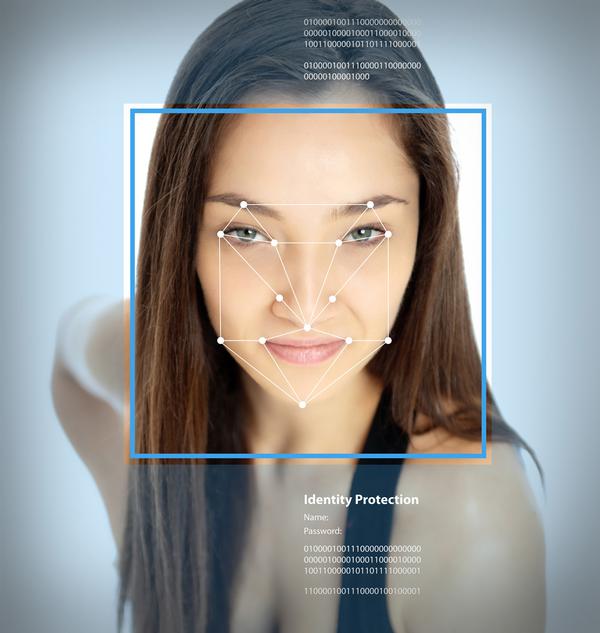
Now, facial gesture recognition and profiling software is coming to market that’s enabling retailers to identify mood and respond accordingly. Coffee brand Douwe Egberts conducted a PR stunt by installing a vending machine at a Johannesburg airport: travellers got a free cup when the facial recognition software detected them yawning.
We expect hospitality companies such as spas and hotels to deploy facial-recognition software to assess customers’ moods before, after and even during visits. Are they relaxed and content, or are they disengaged or annoyed? The software could give valuable insight into guest experiences and, in turn, be used to improve services.
ALL PHOTOS: WWW.SHUTTERSTOCK.COM
Reading a face: Are your customers relaxed and happy?
LAWSUITS ON THE HORIZON BAD PRODUCTS Rub garlic on your feet and soon its delicate smell will make itself known on your breath, such is the amazing absorptive power of the skin.
With such a mainline into the circulatory and lymphatic systems, the skin is a miracle. But skin can’t discriminate between beneficial and harmful substances and will absorb everything it’s exposed to.
In the highly competitive spa industry, product houses fight for market share and produce endless streams of new and ever more ‘efficacious’ product lines that claim to reverse ageing and variously firm, brighten, whiten, lighten and rejuvenate the skin.
Where these products are ineffective there’s less cause for concern, because this limits the potential for damage. However, where they have active ingredients, their use – especially when randomly combined – amounts to a giant experiment at the expense of the consumer and no-one can accurately predict the outcome.
Ethical suppliers factor this into their R&D and ensure their products are harmless, but there are some who compromise for commercial gain; we expect health-related issues triggered by these products to lead to a backlash from consumers – and potentially even see lawsuits being brought.
ALL PHOTOS: WWW.SHUTTERSTOCK.COM
Health issues triggered by use of damaging products may even lead to lawsuits being brought
ABOUT THE AUTHORS
Liz Terry has been writing about and analysing the global leisure industries since 1983. She’s MD of Leisure Media and editor of Spa Business and Spa Opportunities magazines.
Katie Barnes has a 13-year career in international spa, beauty and health media. She’s managing editor of Spa Business magazine and was launch editor of the Spa Business Handbook.
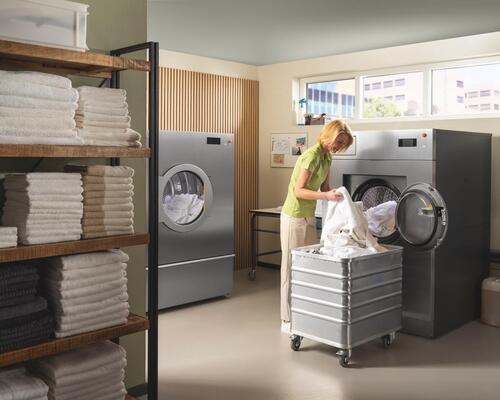
In today’s premium spa environment, every detail shapes the guest experience – right down to
the softness of towels and the freshness of linens. [more...]
SPECIALIST FITNESS MICROGYMS Microgyms – centres specialising in just one area of fitness – are taking the health club market by storm. They’re also creating a new breed of exerciser which spas can also target.
Standalone cycling studios are leading the way, but other formats – from functional training to group exercise – are gaining popularity. And research by Dr Paul Bedford, a UK-based retention expert in the fitness sector, shows people are becoming more targeted with each club they join, wanting a specific type of yoga, group cycling or equipment.
Savvy spa operators will monitor the microgym movement and emulate the experience by putting on themed workouts with special guest instructors to tap into this audience. They’ll base this on what’s popular with their own spa-goers, with specialised yoga being an obvious fit. We also expect to see partnerships forming between microgym and spa owners.
Microgyms: Standalone cycling studios are leading the way
ACCESS TO EXPERTS VIRTUAL TRAINER Given their ability to generate value from under-used space, virtual exercise classes – already popular with a number of leading fitness operators – are likely to be picked up by spas going forwards.
Most systems allow operators to either pre-schedule classes or let customers choose sessions on-demand, or offer a combination of the two.
A big advantage for the customer, other than the flexibility of the schedule, is that they enable facilities to offer world-class instruction and a huge variety of trainers. Virtual group exercise provider Gaiam, for example, provides yoga sessions by Rodney Yee. Other major brands such as Les Mills and Zumba have also entered the virtual arena, which suggests that it’s on the brink of rapid growth.
Virtual classes: World-class instruction
GROWING INTEREST EDIBLE ENVIRONMENTS Going to the spa to get your hands in the soil and do some gardening may seem an unlikely idea, but we think growing and spa are natural bedfellows and predict this trend will take off.
Growing is the new rock and roll, with horticulture degrees at full capacity, foraging becoming a career choice and communities being built around brands like Modern Farmer, the New York-based magazine that’s attracting a crowd who love to grow and eat.
In the restaurant sector, chefs now view the soil as the starting point for their craft, with some investing in their own farms, while new resort Kittitian Hills, which opened in St Kitts last year, has an edible golf course.
Edible parks and edible ponds are also becoming more popular around the world in response to the drive to make communities more local, natural and sustainable. The message is: if you can make it edible, then do so.
We expect to see spas embracing the Grower movement in a multitude of ways, such as adding rooftop gardens and opening up space for growing. Working in the gardens and with the soil – with the added health benefits associated with Earthing – could be an enjoyable part of the spa experience. This is especially the case for those who live in cities. Being able to graze on the landscape while enjoying the outdoors is a nourishing and healing pleasure that fits perfectly with the spa ethos and chimes with the growing interest in food as medicine.
PHOTO WWW.SHUTTERSTOCK.COM
Edible parks are becoming more popular, linking in with the growing interest in food as medicine
THE SECOND BRAIN GUT HEALTH A growing body of science is revealing just how essential our digestion is to overall physical and mental wellbeing.
The 9-metre long enteric nervous system, which runs from the oesophagus to the anal canal, is referred to as ‘the second brain’ because it contains around half a billion nerve endings – more than the spinal cord. It not only controls digestion but also exerts a powerful effect on hunger and appetite hormones like ghrelin and CCK, as well as immunity and mood. Not only that, but it manufactures around 50 per cent of the feelgood hormones serotonin and dopamine.
The FX Mayr cure is a renowned treatment for digestion in Austria, but is less well known internationally. It’s based on a restricted calorie, low-starch regime, Epsom salts to cleanse the bowel and abdominal massage. We predict huge growth in the number of spas offering gut health programmes as research backs up its importance in underpinning wellness.
Gut health: The FX Mayr cure includes abdominal massage alongside a restricted calorie, low-starch regime and use of Epsom salts
WELCOMING GUESTS NO FRONT DESK The latest innovations in cloud software are enabling health club spa operators to move away from the idea of a front desk and receptionist, instead welcoming guests with a tablet computer and a personal greeting at check-in.
Spas and hotels are already experimenting with tablet check-ins, while some restaurants are trialling app payments that allow customers to avoid a wait for their bill: they can just pay and go once they’ve finished their meal.
AUTOMATION ROBOT THERAPISTS The ability to perceive the minds of others is emerging in robots, and the field continues to develop and evolve. We predict the spa and wellness industry will eventually employ robot therapists to carry out some, if not all, work in spas.
The world of work is changing fast. A recent report by Oxford University’s Oxford Martin School, The Future of Employment, says 45 per cent of jobs currently done by humans will be computerised in 20 years. The advent of robot workers will overlap with this as businesses strive to reduce labour costs and increase profitability.
Robots are already capable of scanning and appraising materials and interacting with them appropriately, so some of the elements of both hardware and software which are required for the leap into delivering a treatment are already in existence. Unlike humans, robots can be programmed (and reprogrammed) quickly to follow highly technical and complex procedures – imagine the comprehensive spa menus and levels of customisation that would be possible if treatments were delivered by robots instead of humans. Some may also prefer to be treated by robot, as it removes any embarrassment at being naked in front of another person.
Robots are capable of making connections between data and basing actions on the latest research findings, because they can upload, process and analyse vast quantities of data.
ALL PHOTOS: WWW.SHUTTERSTOCK.COM
High levels of customisation would be possible if spa treatments were delivered by robots rather than humans
THE OLYMPIC EFFECT SPA BOOM IN JAPAN Tokyo’s hospitality industry will gain much pace in the run-up to the 2020 Olympics in anticipation of tourists; London’s 2012 Games attracted 698,000 visitors according to official figures. Expect to see much focus on onsen (hot spring facilities), which are a highlight of the Japanese spa industry.
Japan’s onsen will be promoted to tourists
PREDICTING PURCHASING WEATHER CHANNEL In the US, the Weather Channel has rebranded as the Weather Co. The Atlanta-based business has more than 75 years of weather data, which it’s using to predict not only the weather but also when people are more likely to buy certain goods. We believe that big data like this will increasingly be used to help spa operators understand customer behaviour and how to optimise income.
THE BASICS ARE NOW A USP CLEAR AIR AND WATER Breathing clean air, and drinking and bathing in clean water, are three fundamentals of health. And yet for some people who live in toxic places, there’s no respite from the assault of pollution.
Spas that offer access to clean air and water will find this USP is increasingly sought by consumers, and we foresee a new trend emerging around the provision of both, by either natural or artificial means. Consumers will value the opportunity to take a healing break from invasive and unhealthy atmospheres.
We expect spas with access to clean air and water to devise healing programmes, while those located in polluted places will have the opportunity to offer special rooms where guests can enjoy breathing clean air and bathing in pure water. This will extend to concepts such as sensory rooms with 360-degree screens, in which it will be possible to simulate standing on a beach, in a wood or in a lavender field.
ALL PHOTOS THIS PAGE: WWW.SHUTTERSTOCK.COM
Spas with access to clean air and water could look to devise special healing programmes
3D PRINTING PRODUCT WILL BE ‘PRINTED’ ON-SITE The therapist goes to the cupboard to get another bottle of body scrub to do a treatment and finds someone took the last one. A disaster? Today perhaps, but not for much longer. Soon it will be possible to 3D print more to order on-site.
The implications of this for the spa industry are huge and will change both the economics of spa operations and the relationship between suppliers and operators. 3D printing products on-site will mean they’re fresher, so fewer preservatives will be needed, shipping costs will be lower, and storage and packaging will be reduced. Product companies that gear up for this hugely disruptive trend will have the advantage of controlling the intellectual property rights to their own formulations. But those that sit back and do nothing will find that – as with the drug industry – there will be competitors who adapt their formulae and create generic versions.
The power of the brand and the control suppliers exert over the infrastructure will be key. If a product house creates an option that licenses clients to 3D print a branded product for use in treatments, they will retain market share; if not they could potentially lose their business.
PHOTO: WWW.SHUTTERSTOCK.COM
3D printing products on-site will mean they’re fresher
PHOTO: WWW.SHUTTERSTOCK.COM
Product houses must gear up for 3D printing or lose out to generic versions
PLAYING WITH FOOD TASTE SENSATION Living Food – a concept from biology and robotics student Minsu Kim – proposes the addition of live organisms to fine dining. Kim foresees a time when we move beyond the oyster to where “a vegetable plays with your fork, while noodles tickle your tongue as you eat them”, and plates of food become living, pulsating things.
The colour, shape, weight and size of cutlery and crockery also affect taste. Researchers from Oxford University in the UK have found that food tastes saltier if eaten with a knife, and feels denser and more expensive if a light plastic spoon is used. Drinks served in cold-coloured glasses seem to quench the thirst more.
We foresee a time when this thinking is adopted by spas and health clubs, and incorporated into a holistic, sensory dining experience for clients.
ALL PHOTOS: WWW.SHUTTERSTOCK.COM
The colour, shape, weight and size of cutlery and crockery affect taste
TUNING IN OR JUST CREEPY? FACIAL RECOGNITION Understanding consumers’ true feelings and motivations has been the concern of neuromarketers for some years: what we say we want and what we really want are often two completely different – and sometimes contradictory – things.
Now, facial gesture recognition and profiling software is coming to market that’s enabling retailers to identify mood and respond accordingly. Coffee brand Douwe Egberts conducted a PR stunt by installing a vending machine at a Johannesburg airport: travellers got a free cup when the facial recognition software detected them yawning.
We expect hospitality companies such as spas and hotels to deploy facial-recognition software to assess customers’ moods before, after and even during visits. Are they relaxed and content, or are they disengaged or annoyed? The software could give valuable insight into guest experiences and, in turn, be used to improve services.
ALL PHOTOS: WWW.SHUTTERSTOCK.COM
Reading a face: Are your customers relaxed and happy?
LAWSUITS ON THE HORIZON BAD PRODUCTS Rub garlic on your feet and soon its delicate smell will make itself known on your breath, such is the amazing absorptive power of the skin.
With such a mainline into the circulatory and lymphatic systems, the skin is a miracle. But skin can’t discriminate between beneficial and harmful substances and will absorb everything it’s exposed to.
In the highly competitive spa industry, product houses fight for market share and produce endless streams of new and ever more ‘efficacious’ product lines that claim to reverse ageing and variously firm, brighten, whiten, lighten and rejuvenate the skin.
Where these products are ineffective there’s less cause for concern, because this limits the potential for damage. However, where they have active ingredients, their use – especially when randomly combined – amounts to a giant experiment at the expense of the consumer and no-one can accurately predict the outcome.
Ethical suppliers factor this into their R&D and ensure their products are harmless, but there are some who compromise for commercial gain; we expect health-related issues triggered by these products to lead to a backlash from consumers – and potentially even see lawsuits being brought.
ALL PHOTOS: WWW.SHUTTERSTOCK.COM
Health issues triggered by use of damaging products may even lead to lawsuits being brought
ABOUT THE AUTHORS
Liz Terry has been writing about and analysing the global leisure industries since 1983. She’s MD of Leisure Media and editor of Spa Business and Spa Opportunities magazines.
Katie Barnes has a 13-year career in international spa, beauty and health media. She’s managing editor of Spa Business magazine and was launch editor of the Spa Business Handbook.
Four Seasons Resort The Nam Hai in Hoi An, Vietnam, has put together a Global Wellness Day
(GWD) agenda with activations rooted in nature and shaped by four pillars of Joy – in
alignment with the day’s theme #JoyMagenta.
The Global Wellness Summit (GWS) will celebrate its 20th anniversary at the 2026 event in
Phuket, Thailand, later this year with the theme: The Science, Art and Soul of Wellness.
Auko, an all-inclusive development, is opening in Phong Nha in Vietnam in Q3 2026, with a
series of 30 tented eco-lodges and wellness hospitality operations by Lumina Wellbeing.
Therme Manchester’s 28-acre development, which will include interconnected glass pavilions
that measure 65,000sq m, will be the largest bathing and wellbeing attraction in the world once
complete, according to prof David Russell, CEO of Therme UK.
Naples Beach Club, a Four Seasons Resort, has opened a 2,800sq m spa called The Sanctuary,
with the design and concept inspired by the Native American people that populated Florida’s
Southwest coast – the Calusa.
Swire Hotels’ luxury hospitality brand Upper House has revealed it will roll out its two-day
House of Healing retreats at its three hotels in Hong Kong, Chengdu and Shanghai.
LVMH-owned beauty house Guerlain will launch up to five spas with partners a year as part of
its plan to expand globally, according to the brand’s international spa and wellness director,
Diane Davody.
A new global study by Kevin Kelly and Peter Yesawich, called WELLSurvey 2.0, has revealed
more than half of consumers in the UK, US and Germany would not choose numerous high-
profile wellness resort brands for a future trip.
Luxury hospitality and wellness pioneer Jeremy McCarthy has launched Leisure Alchemy, a
digital platform that will provide professionals with strategic guidance on how to build
transformational leisure experiences that drive profit.
In today’s premium spa environment, every detail shapes the guest experience – right down to
the softness of towels and the freshness of linens. [more...]