Self-driving taxis, robots and a youth focus could all have a place at the Tokyo 2020 Olympics. With four years to go, Kath Hudson explores what the Games may have in store
By Kath Hudson | Published in Sports Management 16 May 2016 issue 120
Skateboarding could make their Olympic debuts in Tokyo as part of a bid to engage more young people / Lenny ignelzi / Press association images
In a few months the Rio Olympics will be over and all eyes will be on Tokyo. So far the big headlines have included the Olympic Stadium design debacle, allegations of plagiarism over the logo and concerns about mounting costs, but the organising committee is keen to draw a line under these challenges and move forward with its vision of creating a forward-looking, inclusive and engaging Olympic Games.
The 1964 Tokyo Olympics transformed Japan, bringing rapid economic growth, and now there are high hopes for the 2020 Games to do the same. The Tokyo organising committee has said it wants to make its Olympic Games the most technologically advanced ever.
There are rumours of self-driving taxis, apps to show people to their seats in a number of different languages and facial recognition software at the venues. The organising committee says innovation will be a key part of the Games in order to ensure a good experience for athletes and visitors, as well as creating engagement with the rest of the world.
“We see the 2020 Games as an opportunity for Japan, Tokyo and the Japanese business community to amaze the world in areas not directly related to the Games,” says Tokyo 2020 spokesperson, Hikariko Ono. “One of the objectives of our technology team was to stimulate Japanese companies and encourage innovation.
“We are hoping to develop and popularise a diverse range of technological innovations, including hydrogen-powered vehicles, multilingual translation devices, and sports-related data devices, equipped with the latest ICT technologies.”
Japan is also the first country to be permitted to add youth sports to the bill under the Olympics Agenda 2020. To encourage youth engagement, the Tokyo 2020 Organising Committee has proposed 18 events from five sports which are appealing to young people: baseball/softball, karate, skateboarding, climbing and surfing. The final line up of new sports will be announced in Rio in August.
“We are deeply honoured and very excited to be the first ever OCOG to be offered the opportunity to contribute to the innovative design of the Olympic programme,” says Ono. “This package of events represents both traditional and emerging, youth-focused events, all of which are popular both in Japan and internationally.
“These sports will serve as a driving force to further promote the Olympic movement and its values, with a focus on youth appeal. They will add value to the Games by engaging the Japanese population and new audiences worldwide, reflecting the Tokyo 2020 Games vision.”
The delivery phase is set to swing into top gear from next year and will be completed by 2019. Nineteen existing venues will be used, as well as eight new permanent venues and seven temporary venues. Where possible, cost savings have been made by using existing venues, for example a velodrome and mountain bike track 120 kilometres outside of Tokyo.
Venue construction has caused the biggest controversy to date, when Zaha Hadid Architects’ (ZHA) designs for the Olympic Stadium were thrown out last July by Prime Minster Shinze Abe.
Stadium doubts ZHA won the contract in an international architectural competition in 2012, but received criticism from Japanese architects and caused public outcry when the original budget almost doubled. ZHA said the rising costs were the result of spiraling construction costs in Japan and a fixed deadline. The firm wanted the opportunity to modify their plans, which they had been working on for two years.
However, another competition, with a much shorter design and construction schedule, was opened in September. The stadium was reduced in size from 72,000 to 68,000-capacity and the cost was capped at 155bn yen (US1.3bn, €1.2bn, £850m), representing a significant reduction from 250bn yen (US$2bn, €1.8bn, £1.37bn) estimated for the initial proposal.
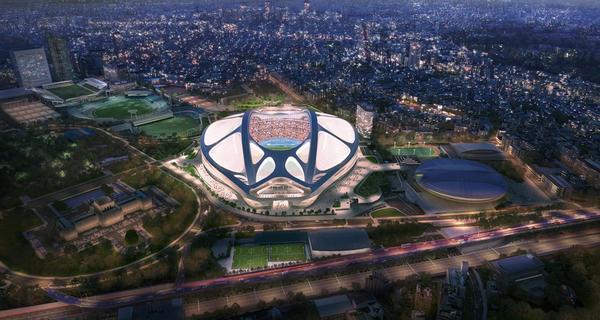
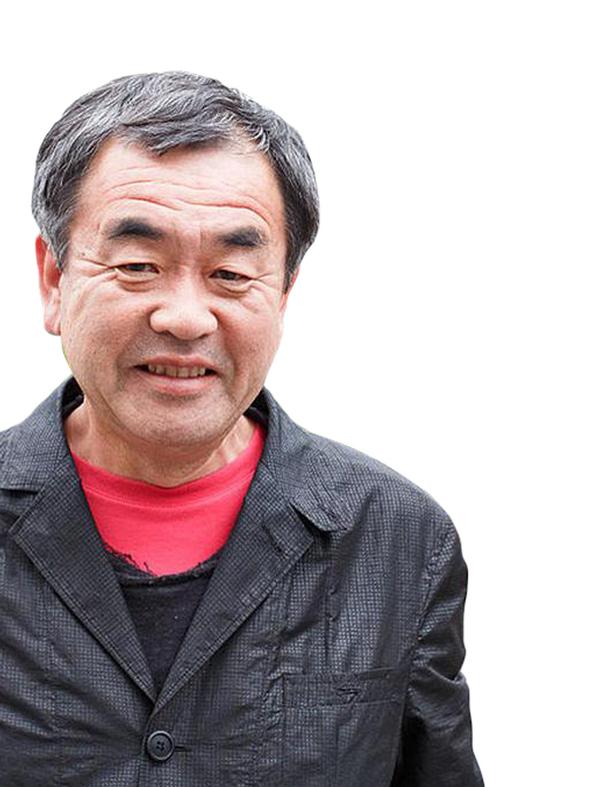
In December, Japanese architect Kengo Kuma, who is known for his use of natural materials, was appointed with an oval, wooden lattice design. According to the Japan Times, “Japanese-ness” was a key factor in choosing the winning design. Circulation areas around the edge of each level feature plants, trees and exposed terraces.
The cost of organising the Games is likely to be higher than the original estimate of 300bn yen (£1.8bn) and the organising committee is due to submit a revised cost estimate to the IOC this summer. Rising costs are a result of unforeseen extras, such as the construction of temporary venues, transport, infrastructure and tightened security.
Moving forward, the new Olympic and Paralympic logos were selected last month, following comments from 40,000 members of the public. Composed of three varieties of rectangular shapes, the chequered emblem is rendered in the traditional Japanese indigo blue, known as ichimatsu moyo and, according to the organisers, incorporates the message of unity in diversity.
“The new Olympic Games Tokyo 2020 emblem symbolises important elements of the Tokyo 2020 Games vision,” says IOC vice president and chair of the Tokyo 2020 Coordination Commission John Coates. “The public engagement in the selection process is another sign of growing interest in the 2020 Games. Interest and excitement will continue to build, in Japan and globally, after the official hand-off to Tokyo 2020 at the close of the Olympic Games Rio 2016.”
1. Self-driving transport Driverless cabs are being developed for the influx of spectators travelling to Tokyo for the event
2. Instant language translation Real-time systems will be ready for the Games
3. Robot assistants Robots could aid visitors during the Games
4. TV broadcasts in 8K Viewers will watch the Games like never before
5. Artificial meteor shower Rumour has it artificial meteors may feature in the hotly-anticipated opening ceremony
6 .Hydrogen-powered buses & buildings According to reports, the government is planning to spend US$330m on hydrogen power
7. Algae as a fuel source The carbon dioxide-sucking lifeform is being seen as a potential energy source
8. Even more maglev trains Japan is looking to roll out the high speed train in Tokyo in time for the Games
9. Sports-related data devices New tech will use the latest ICT technologies
Tokyo 2020 controversies 2020 Olympic Stadium ruckus Zaha Hadid Architects originally won the tender to design the Olympic Stadium (above) before Japanese president Shinzo Abe pulled the plug citing budgetary factors. Kengo Kuma was drafted in to take over the project, but Hadid – who passed away unexpectedly in March – criticised the move, claiming that it put the legacy of the Games in “jeopardy” and that parts of her design were plagiarised by Kuma.
2020 Olympic Stadium
Zaha Hadid claimed that Kengo Kuma copied elements of her design
Kengo Kuma
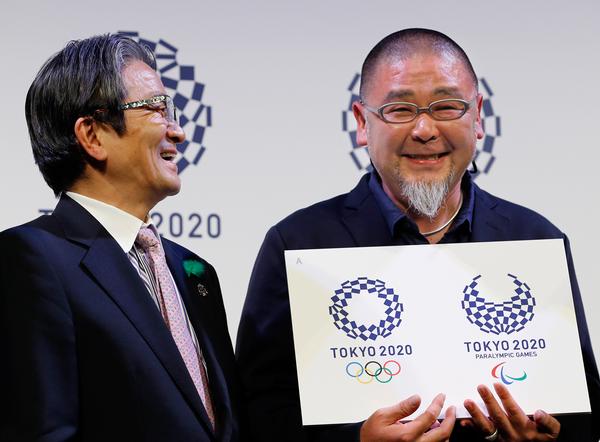
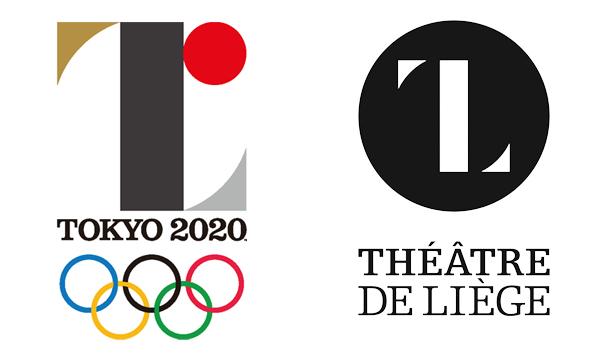
Tokyo 2020 controversies 2020 logo debacle Organisers were forced to scrap the first logo after designer Kenjiro Sano was accused of plagiarising an emblem designed by Belgian Olivier Debie for the Théâtre de Liege. A new logo, designed by Asao Tokoro – titled Harmonised Checkered Emblem – was revealed last month. We like it better.
Shizuo Kambayashi/AP/Press Association Images
The new logo for Tokyo 2020 – designed by Asao Tokoro – was unveiled in April 2016
Emblem designed by Belgian Olivier Debie for the Théâtre de Liege (right)
Tokyo 2020 spokesperson Hikariko Ono said the Games are encouraging innovation in Japanese business
Surfing could make their Olympic debuts in Tokyo as part of a bid to engage more young people
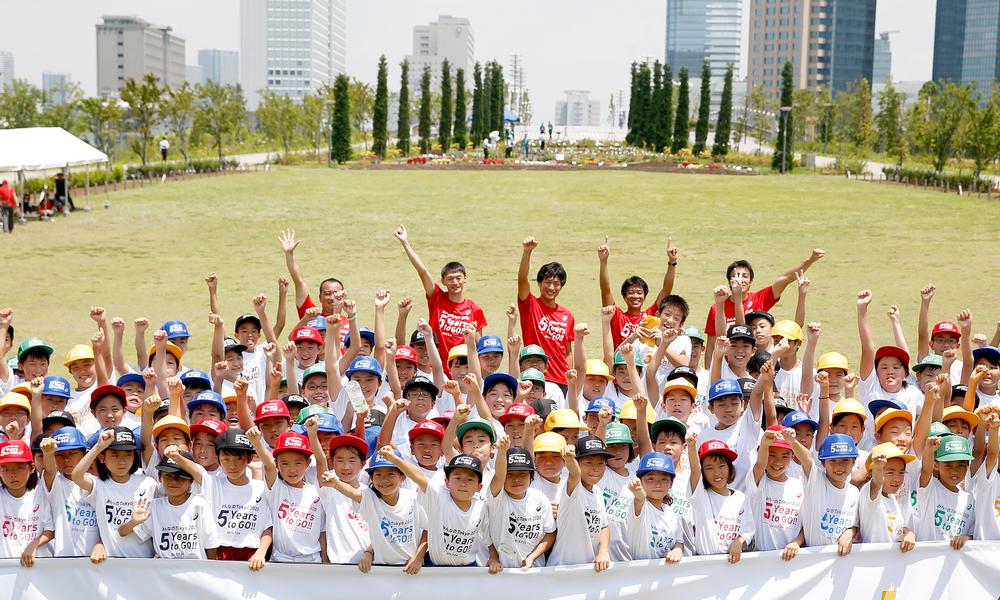
School children in Tokyo counting down to the start of the 2020 Olympic Games / Tokyo 2020 - Shugo Takemi
The Spa Life UK Convention returns from 21–23 June 2026 at Whittlebury Park Hotel, Spa &
Golf Resort, bringing together spa managers, directors and owners for two days of focused
education, meaningful connection and commercial insight. [more...]
In the fast-paced world of fitness and wellness, where high-intensity workouts push us to
our limits and the sweat pours, the importance of efficient recovery cannot be overstated. [more...]
+ More featured suppliers
COMPANY PROFILES
Beautylizer
Beautylizer brings
its deep aesthetic expertise and
strong R&D focus to holistic wellness,
offeri [more...]
Sommerhuber GmbH
Sommerhuber specialises in the manufacturing of heat-storing ceramics for spas. [more...]
Self-driving taxis, robots and a youth focus could all have a place at the Tokyo 2020 Olympics. With four years to go, Kath Hudson explores what the Games may have in store
By Kath Hudson | Published in Sports Management 16 May 2016 issue 120
Skateboarding could make their Olympic debuts in Tokyo as part of a bid to engage more young people / Lenny ignelzi / Press association images
In a few months the Rio Olympics will be over and all eyes will be on Tokyo. So far the big headlines have included the Olympic Stadium design debacle, allegations of plagiarism over the logo and concerns about mounting costs, but the organising committee is keen to draw a line under these challenges and move forward with its vision of creating a forward-looking, inclusive and engaging Olympic Games.
The 1964 Tokyo Olympics transformed Japan, bringing rapid economic growth, and now there are high hopes for the 2020 Games to do the same. The Tokyo organising committee has said it wants to make its Olympic Games the most technologically advanced ever.
There are rumours of self-driving taxis, apps to show people to their seats in a number of different languages and facial recognition software at the venues. The organising committee says innovation will be a key part of the Games in order to ensure a good experience for athletes and visitors, as well as creating engagement with the rest of the world.
“We see the 2020 Games as an opportunity for Japan, Tokyo and the Japanese business community to amaze the world in areas not directly related to the Games,” says Tokyo 2020 spokesperson, Hikariko Ono. “One of the objectives of our technology team was to stimulate Japanese companies and encourage innovation.
“We are hoping to develop and popularise a diverse range of technological innovations, including hydrogen-powered vehicles, multilingual translation devices, and sports-related data devices, equipped with the latest ICT technologies.”
Japan is also the first country to be permitted to add youth sports to the bill under the Olympics Agenda 2020. To encourage youth engagement, the Tokyo 2020 Organising Committee has proposed 18 events from five sports which are appealing to young people: baseball/softball, karate, skateboarding, climbing and surfing. The final line up of new sports will be announced in Rio in August.
“We are deeply honoured and very excited to be the first ever OCOG to be offered the opportunity to contribute to the innovative design of the Olympic programme,” says Ono. “This package of events represents both traditional and emerging, youth-focused events, all of which are popular both in Japan and internationally.
“These sports will serve as a driving force to further promote the Olympic movement and its values, with a focus on youth appeal. They will add value to the Games by engaging the Japanese population and new audiences worldwide, reflecting the Tokyo 2020 Games vision.”
The delivery phase is set to swing into top gear from next year and will be completed by 2019. Nineteen existing venues will be used, as well as eight new permanent venues and seven temporary venues. Where possible, cost savings have been made by using existing venues, for example a velodrome and mountain bike track 120 kilometres outside of Tokyo.
Venue construction has caused the biggest controversy to date, when Zaha Hadid Architects’ (ZHA) designs for the Olympic Stadium were thrown out last July by Prime Minster Shinze Abe.
Stadium doubts ZHA won the contract in an international architectural competition in 2012, but received criticism from Japanese architects and caused public outcry when the original budget almost doubled. ZHA said the rising costs were the result of spiraling construction costs in Japan and a fixed deadline. The firm wanted the opportunity to modify their plans, which they had been working on for two years.
However, another competition, with a much shorter design and construction schedule, was opened in September. The stadium was reduced in size from 72,000 to 68,000-capacity and the cost was capped at 155bn yen (US1.3bn, €1.2bn, £850m), representing a significant reduction from 250bn yen (US$2bn, €1.8bn, £1.37bn) estimated for the initial proposal.
In December, Japanese architect Kengo Kuma, who is known for his use of natural materials, was appointed with an oval, wooden lattice design. According to the Japan Times, “Japanese-ness” was a key factor in choosing the winning design. Circulation areas around the edge of each level feature plants, trees and exposed terraces.
The cost of organising the Games is likely to be higher than the original estimate of 300bn yen (£1.8bn) and the organising committee is due to submit a revised cost estimate to the IOC this summer. Rising costs are a result of unforeseen extras, such as the construction of temporary venues, transport, infrastructure and tightened security.
Moving forward, the new Olympic and Paralympic logos were selected last month, following comments from 40,000 members of the public. Composed of three varieties of rectangular shapes, the chequered emblem is rendered in the traditional Japanese indigo blue, known as ichimatsu moyo and, according to the organisers, incorporates the message of unity in diversity.
“The new Olympic Games Tokyo 2020 emblem symbolises important elements of the Tokyo 2020 Games vision,” says IOC vice president and chair of the Tokyo 2020 Coordination Commission John Coates. “The public engagement in the selection process is another sign of growing interest in the 2020 Games. Interest and excitement will continue to build, in Japan and globally, after the official hand-off to Tokyo 2020 at the close of the Olympic Games Rio 2016.”
1. Self-driving transport Driverless cabs are being developed for the influx of spectators travelling to Tokyo for the event
2. Instant language translation Real-time systems will be ready for the Games
3. Robot assistants Robots could aid visitors during the Games
4. TV broadcasts in 8K Viewers will watch the Games like never before
5. Artificial meteor shower Rumour has it artificial meteors may feature in the hotly-anticipated opening ceremony
6 .Hydrogen-powered buses & buildings According to reports, the government is planning to spend US$330m on hydrogen power
7. Algae as a fuel source The carbon dioxide-sucking lifeform is being seen as a potential energy source
8. Even more maglev trains Japan is looking to roll out the high speed train in Tokyo in time for the Games
9. Sports-related data devices New tech will use the latest ICT technologies
Tokyo 2020 controversies 2020 Olympic Stadium ruckus Zaha Hadid Architects originally won the tender to design the Olympic Stadium (above) before Japanese president Shinzo Abe pulled the plug citing budgetary factors. Kengo Kuma was drafted in to take over the project, but Hadid – who passed away unexpectedly in March – criticised the move, claiming that it put the legacy of the Games in “jeopardy” and that parts of her design were plagiarised by Kuma.
2020 Olympic Stadium
Zaha Hadid claimed that Kengo Kuma copied elements of her design
Kengo Kuma
Tokyo 2020 controversies 2020 logo debacle Organisers were forced to scrap the first logo after designer Kenjiro Sano was accused of plagiarising an emblem designed by Belgian Olivier Debie for the Théâtre de Liege. A new logo, designed by Asao Tokoro – titled Harmonised Checkered Emblem – was revealed last month. We like it better.
Shizuo Kambayashi/AP/Press Association Images
The new logo for Tokyo 2020 – designed by Asao Tokoro – was unveiled in April 2016
Emblem designed by Belgian Olivier Debie for the Théâtre de Liege (right)
Tokyo 2020 spokesperson Hikariko Ono said the Games are encouraging innovation in Japanese business
Surfing could make their Olympic debuts in Tokyo as part of a bid to engage more young people
School children in Tokyo counting down to the start of the 2020 Olympic Games / Tokyo 2020 - Shugo Takemi
Global Wellness Day (GWD) will mark its 15th anniversary on Saturday 13 June 2026, with the
theme: #JoyMagenta – a celebration of the healing qualities of simple gestures and activities
that spark joy.
Global luxury hospitality brand, Six Senses, has partnered with longevity healthcare provider,
HUM2N, to launch a clinic at Six Senses London, at The Whiteley.
As part of its first hotel partnership, Mayrlife – the medical health resort company known for its
site in Altaussee, Austria – has launched a day clinic at the Rosewood Vienna.
Premium London health club, KX Chelsea, will imminently unveil its most significant
redevelopment since its launch in 2002 to create an integrated wellness model combining
training, recovery and relaxation.
Rosewood Le Guanahani St Barth, on the northeast coast of Saint Barthélemy in the French
West Indies, is offering a programme of ocean-inspired yoga classes between 8-14 June to
celebrate Global Wellness Day (GWD).
Hotel de France, located on the British Isle of Jersey, has created a wellness retreat package
that includes a hot yoga session that will take place in Jersey Zoo’s butterfly sanctuary.
The Ritz-Carlton, Langkawi, in Malaysia, has revealed a schedule for Global Wellness Day
(GWD) that includes guided rainforest walks, mindful movement and guided coastal meditation
experiences.
Longevitix, a clinical platform for preventive and longevity medicine, has launched its AI-
powered intelligence system to help physicians deliver continuous, personalised longevity-
focused care at scale.
Atmantan Wellness Centre, an integrative wellness destination in Mulshi, near Pune in India, is
expanding its portfolio by adding a new centre in Hyderabad that will launch between 2028 and
2029.
A recent survey by the UK Spa Association (UKSA) into the industry’s approach to cancer care
has revealed that almost half of participating respondents (46 per cent) are unaware that
cancer is a disability and guests with a cancer diagnosis must be given
The Spa Life UK Convention returns from 21–23 June 2026 at Whittlebury Park Hotel, Spa &
Golf Resort, bringing together spa managers, directors and owners for two days of focused
education, meaningful connection and commercial insight. [more...]
In the fast-paced world of fitness and wellness, where high-intensity workouts push us to
our limits and the sweat pours, the importance of efficient recovery cannot be overstated. [more...]
+ More featured suppliers
COMPANY PROFILES
Beautylizer Beautylizer brings
its deep aesthetic expertise and
strong R&D focus to holistic wellness,
offeri [more...]