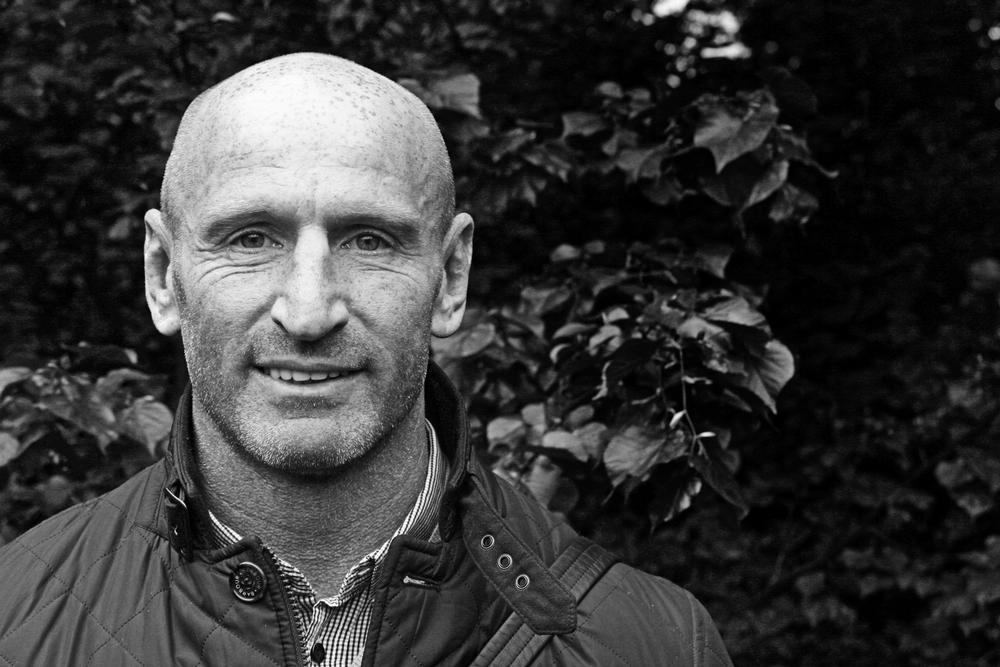
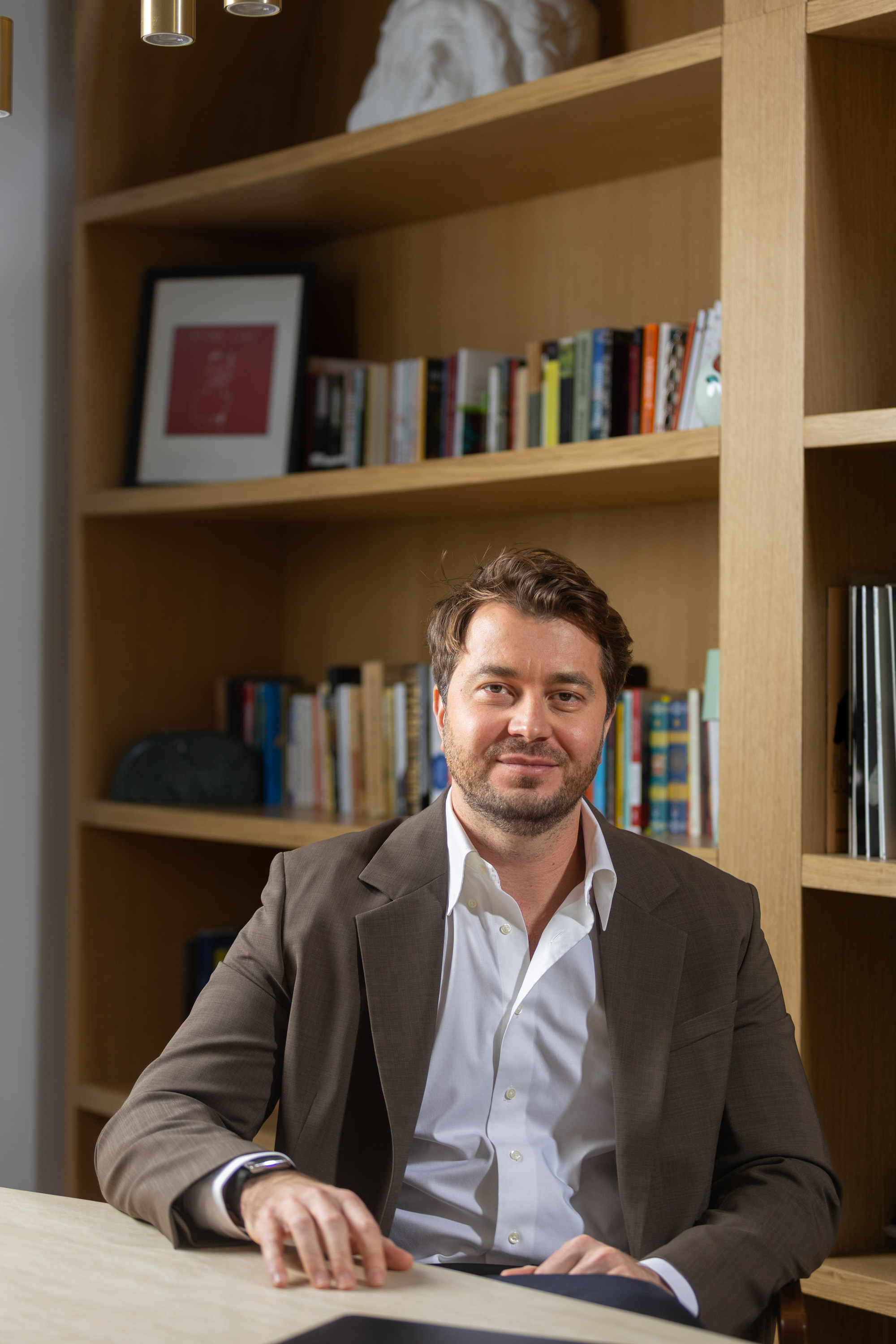
The Welsh rugby legend was the keynote speaker at this year’s SIBEC UK. We ask him about the importance of exercise for mental health and – having come out as gay a few years ago – his views on homophobia in sport
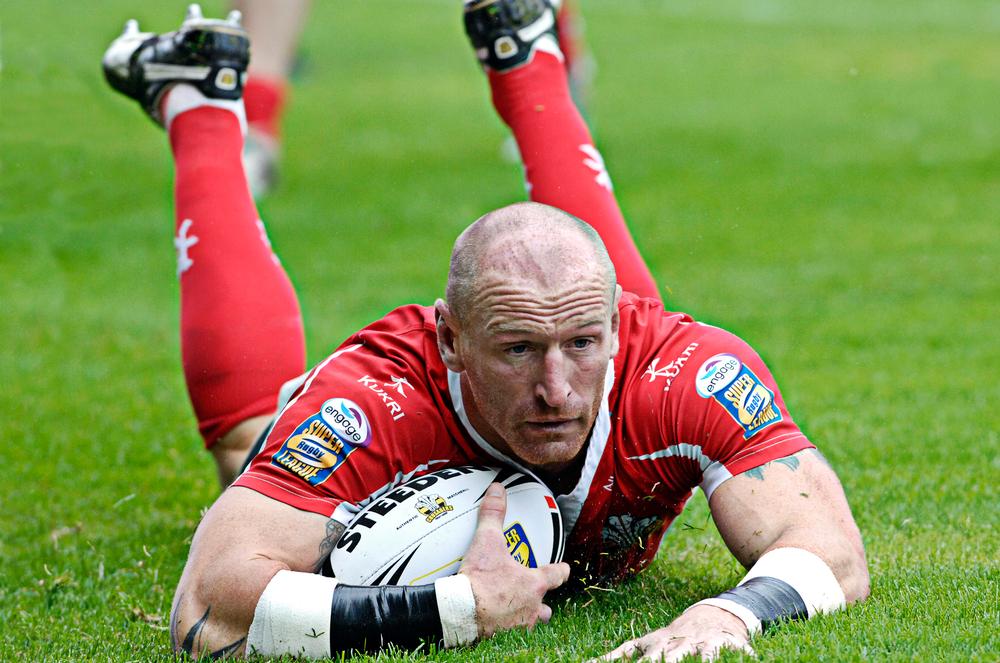
There was a lot of talk a few years ago about a movie about your life. What story would it tell? I’ve achieved more than I could ever have hoped for, becoming successful because I was able to be myself and be judged on my ability to perform on the rugby pitch. However, my rugby career hasn’t been that different from many other athletes. Where my story does differ, though, is that my personal life morphed into my rugby career. I’ve lived them hand-in-hand.
I think it helped that I had achieved so much by the time I came out as gay. There was some negative criticism from spectators and individuals, but 99.9 per cent of my friends, fans and the people I played with or against supported me and my decision.
Life was made very normal for me very quickly, and that’s what I wanted. I didn’t want to be treated differently – I’ve always wanted to be known for my achievements as a rugby player.
With developments in my personal life, my story became different from the one I set out to live – but it’s one I’m equally proud of.
How hard was it to retire from professional sport and transition into ‘real life’? It was very difficult. I went from a life where I was surrounded by friends and teammates, the phone ringing every day, sponsorship deals constantly being offered, to a life where I was excluded from my circle of friends, the phone didn’t ring, and the cause to which I’d dedicated my whole life had disappeared. I’d gone from being at the top of my career ladder to being back at the bottom.
The challenge is that many of today’s employers are looking for academic qualifications as a way to judge someone’s ability to complete tasks. As a full-time rugby player, I had no qualifications to show for all my years of effort and achievement.
However, I believe professional sports players carry many traits that make them successful in the corporate world: leadership, dedication, the willingness to commit 100 per cent to your teammates… All of these are vitally important in the achievement of business goals – and they’re also difficult attributes for academic qualifications to teach.
I believe businesses are starting to recognise the value that former professional sports men and women can bring to their organisations, but it’s still a struggle for individuals to carve out successful career post-sport.
You talk about exercise as being one of the big things that helped you when you were at your lowest point – how? It was the sense of satisfaction it gave me. In training sessions, I would always compete against myself. It’s great to out-perform teammates or opponents, but my benchmark was always how I performed against myself – I always wanted to do better than the last time. I feel that continually striving to improve and be better is an excellent value to apply across life.
Exercise is also a form of escape. If I’m angry or frustrated, the gym offers sanctuary and a release – a way of dealing with the emotions. Nothing else offers me this in the way that exercise does.
Do you think exercise should be more widely prescribed to tackle mental health issues? I can only speak from my own experience and comment on how exercise helps me – other people face different challenges and have different motivations and triggers.
However, I do believe exercise can offer a positive solution for some people. Initiatives like parkrun, which promote social interaction as well as regular physical activity, and which offer a sense of achievement, can really help. It isn’t always about winning – sometimes it’s just about getting involved.
I believe health clubs and other fitness facilities have a huge part to play in society and social wellbeing. But to deliver this, they need to create a safe, inviting environment that offers something for everyone.
If you could change anything about gyms, what would it be? I’d get rid of mirrors. Some people simply don’t like to look at themselves. Getting rid of mirrors might also encourage more social interaction in the gym, with people more likely to help each other. That in turn might create a less intimidating environment, encouraging more people to get involved.
THOMAS ON… HOMOPHOBIA IN SPORT How big a problem do you feel homophobia is in the world of sport? It’s difficult to say. The fact that we’re asking how big the problem is suggests a problem exists. I’d prefer it if we didn’t have to talk about it at all, because it didn’t even register as an issue.
I think the answer lies in sports organisations and officials encouraging every club, every player, every coach and every fan to take responsibility for their actions and the impact that their actions have on others.
Once people stop asking me this question – that’s when I’ll know the problem no longer exists.
Do you think it might have harmed your career if you’d come out earlier? If I’d come out earlier, it would have been more difficult because attitudes were different back then. I made my public announcement at the time I chose for many personal reasons, but I do hope that a by-product of my actions will be to make it easier for other, younger players to follow in my footsteps.
You talk about how football has successfully tackled racism. Are there learnings to take from this? Yes. The Football Association and other sporting bodies could take the same model and apply it to tackling other forms of discrimination, including homophobia.
All forms of abuse should be approached using the same blueprint, because it’s had proven success.
Thomas says the skills of leadership and dedication learned in sport translate well into the business world
The Welsh rugby legend was the keynote speaker at this year’s SIBEC UK. We ask him about the importance of exercise for mental health and – having come out as gay a few years ago – his views on homophobia in sport
There was a lot of talk a few years ago about a movie about your life. What story would it tell? I’ve achieved more than I could ever have hoped for, becoming successful because I was able to be myself and be judged on my ability to perform on the rugby pitch. However, my rugby career hasn’t been that different from many other athletes. Where my story does differ, though, is that my personal life morphed into my rugby career. I’ve lived them hand-in-hand.
I think it helped that I had achieved so much by the time I came out as gay. There was some negative criticism from spectators and individuals, but 99.9 per cent of my friends, fans and the people I played with or against supported me and my decision.
Life was made very normal for me very quickly, and that’s what I wanted. I didn’t want to be treated differently – I’ve always wanted to be known for my achievements as a rugby player.
With developments in my personal life, my story became different from the one I set out to live – but it’s one I’m equally proud of.
How hard was it to retire from professional sport and transition into ‘real life’? It was very difficult. I went from a life where I was surrounded by friends and teammates, the phone ringing every day, sponsorship deals constantly being offered, to a life where I was excluded from my circle of friends, the phone didn’t ring, and the cause to which I’d dedicated my whole life had disappeared. I’d gone from being at the top of my career ladder to being back at the bottom.
The challenge is that many of today’s employers are looking for academic qualifications as a way to judge someone’s ability to complete tasks. As a full-time rugby player, I had no qualifications to show for all my years of effort and achievement.
However, I believe professional sports players carry many traits that make them successful in the corporate world: leadership, dedication, the willingness to commit 100 per cent to your teammates… All of these are vitally important in the achievement of business goals – and they’re also difficult attributes for academic qualifications to teach.
I believe businesses are starting to recognise the value that former professional sports men and women can bring to their organisations, but it’s still a struggle for individuals to carve out successful career post-sport.
You talk about exercise as being one of the big things that helped you when you were at your lowest point – how? It was the sense of satisfaction it gave me. In training sessions, I would always compete against myself. It’s great to out-perform teammates or opponents, but my benchmark was always how I performed against myself – I always wanted to do better than the last time. I feel that continually striving to improve and be better is an excellent value to apply across life.
Exercise is also a form of escape. If I’m angry or frustrated, the gym offers sanctuary and a release – a way of dealing with the emotions. Nothing else offers me this in the way that exercise does.
Do you think exercise should be more widely prescribed to tackle mental health issues? I can only speak from my own experience and comment on how exercise helps me – other people face different challenges and have different motivations and triggers.
However, I do believe exercise can offer a positive solution for some people. Initiatives like parkrun, which promote social interaction as well as regular physical activity, and which offer a sense of achievement, can really help. It isn’t always about winning – sometimes it’s just about getting involved.
I believe health clubs and other fitness facilities have a huge part to play in society and social wellbeing. But to deliver this, they need to create a safe, inviting environment that offers something for everyone.
If you could change anything about gyms, what would it be? I’d get rid of mirrors. Some people simply don’t like to look at themselves. Getting rid of mirrors might also encourage more social interaction in the gym, with people more likely to help each other. That in turn might create a less intimidating environment, encouraging more people to get involved.
THOMAS ON… HOMOPHOBIA IN SPORT How big a problem do you feel homophobia is in the world of sport? It’s difficult to say. The fact that we’re asking how big the problem is suggests a problem exists. I’d prefer it if we didn’t have to talk about it at all, because it didn’t even register as an issue.
I think the answer lies in sports organisations and officials encouraging every club, every player, every coach and every fan to take responsibility for their actions and the impact that their actions have on others.
Once people stop asking me this question – that’s when I’ll know the problem no longer exists.
Do you think it might have harmed your career if you’d come out earlier? If I’d come out earlier, it would have been more difficult because attitudes were different back then. I made my public announcement at the time I chose for many personal reasons, but I do hope that a by-product of my actions will be to make it easier for other, younger players to follow in my footsteps.
You talk about how football has successfully tackled racism. Are there learnings to take from this? Yes. The Football Association and other sporting bodies could take the same model and apply it to tackling other forms of discrimination, including homophobia.
All forms of abuse should be approached using the same blueprint, because it’s had proven success.
Thomas says the skills of leadership and dedication learned in sport translate well into the business world
The UK spa review and discovery platform for consumers, the Good Spa Guide, has announced
it will host the Good Spa Guide Awards 2026 during an event on 16 November at Sopwell House
Hotel in St Albans, UK.
Eighty-four per cent of consumers now say wellness is a top priority in their lives, with this
percentage increasing year on year, according to a preview presentation of McKinsey’s Future of
Wellness 2026 research report.
Mass protests have been taking place since Monday 1 June in Albania over the development of
a luxury resort by Donald Trump’s daughter Ivanka Trump and her husband Jared Kushner.
Global Wellness Day (GWD) marked its 15th anniversary on Saturday 13 June 2026, with the
theme: #JoyMagenta – a celebration of the healing qualities of simple gestures and activities
that spark joy.
Global luxury hospitality brand, Six Senses, has partnered with longevity healthcare provider,
HUM2N, to launch a clinic at Six Senses London, at The Whiteley.
As part of its first hotel partnership, Mayrlife – the medical health resort company known for its
site in Altaussee, Austria – has launched a day clinic at the Rosewood Vienna.
Premium London health club, KX Chelsea, will imminently unveil its most significant
redevelopment since its launch in 2002 to create an integrated wellness model combining
training, recovery and relaxation.
Rosewood Le Guanahani St Barth, on the northeast coast of Saint Barthélemy in the French
West Indies, is offering a programme of ocean-inspired yoga classes between 8-14 June to
celebrate Global Wellness Day (GWD).
Hotel de France, located on the British Isle of Jersey, has created a wellness retreat package
that includes a hot yoga session that will take place in Jersey Zoo’s butterfly sanctuary.
The Ritz-Carlton, Langkawi, in Malaysia, has revealed a schedule for Global Wellness Day
(GWD) that includes guided rainforest walks, mindful movement and guided coastal meditation
experiences.