Latest
issue
GET SPA BUSINESS
magazine
Yes! Send me the FREE digital editions of Spa Business and Spa Business insider magazines and the FREE weekly Spa Business and Spa Business insider ezines and breaking news alerts!
Not right now, thanksclose this window I've already subscribed.
Uniting the world of spa & wellness
Get Spa Business and Spa Business insider digital magazines FREE
Sign up here ▸
News   Features   Products   Company profilesProfiles   Press releasesProfiles   Magazine   Handbook   Advertise    Subscribe  
NEWS
Obesity and depression cause excessive daytime sleepiness: study
POSTED 26 May 2015 . BY Helen Andrews
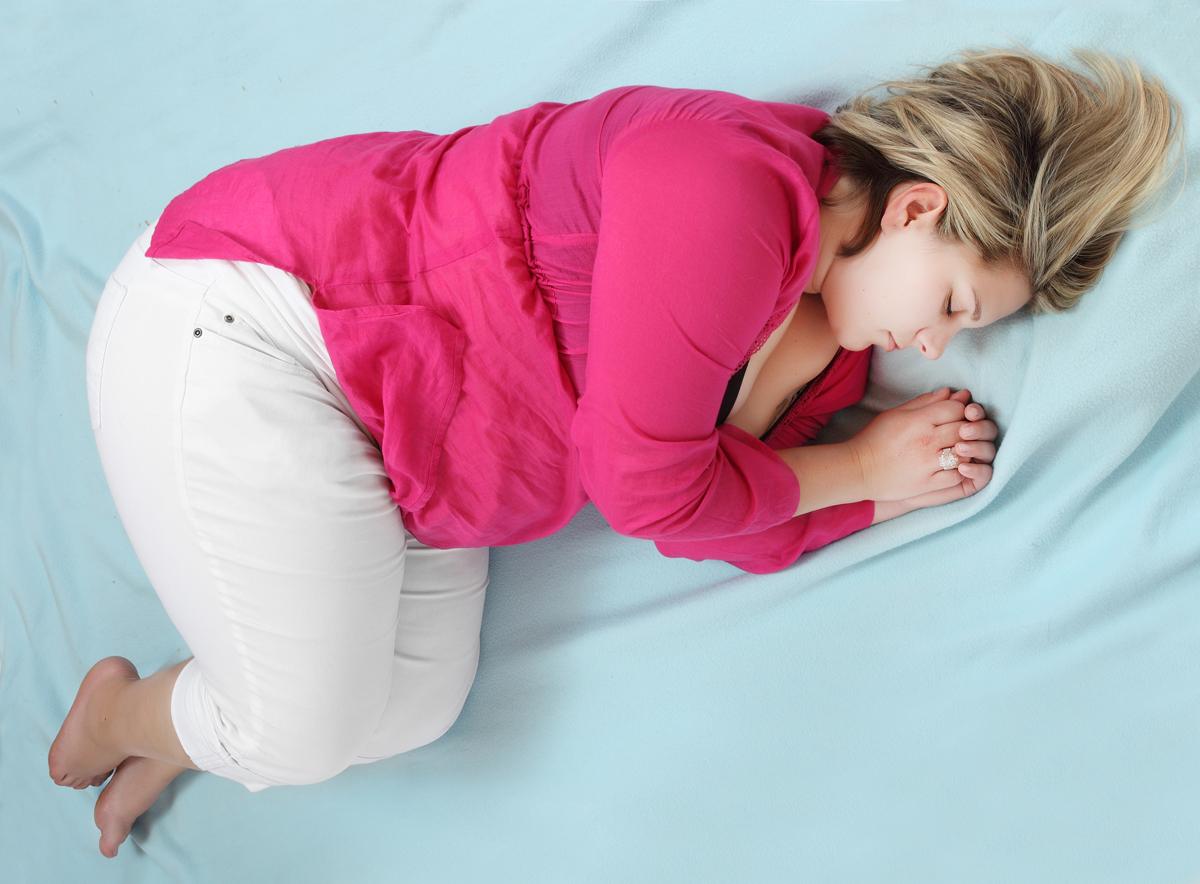
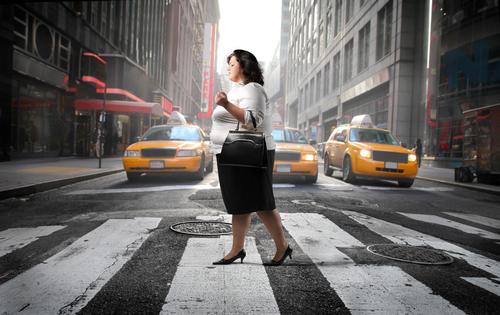
Obesity and weight gain predicted who was going to have daytime sleepiness, according to the study Credit: Shutterstock / Kletr
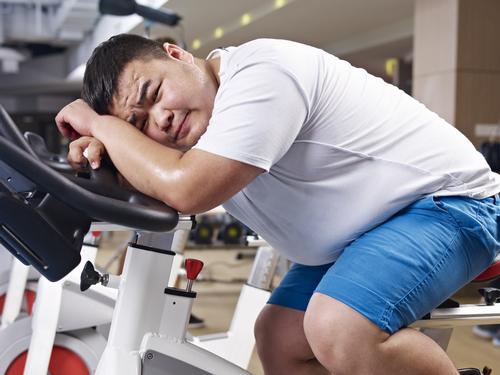
Obesity and depression are underlying causes for regular excessive daytime sleepiness (EDS) – not just a lack of sleep, according to a study by Penn State College of Medicine. This means sleep medicine needs to be personalised as the standard approach of prescribing sleeping pills and more sleep will fail in the long-term.

Wellness facilities have an important role to play in addressing sleep disorders and promoting health and wellbeing to clients in a comprehensive manner. They are in a prime position to give advice about weight loss and preventing depression-inducing loneliness – thus purging the world of its poor sleep epidemic.

According to the researchers, as much as 30 per cent of the general population experiences EDS during most of the day. While previous studies have associated EDS with obesity, depression and sleep apnea – a condition in which breathing pauses occur during sleep – this is the first study to use physiologic sleep data to infer causation and observe the EDS over several years.

The researchers measured self-reporting of EDS at baseline and again an average of 7.5 years later in 1,396 men and women. Participants completed a sleep history, physical examination and were evaluated for one night in a sleep laboratory. Physical, mental health, substance use and sleep problems were also recorded.

“Obesity and weight gain predicted who was going to have daytime sleepiness,” said Julio Fernandez-Mendoza, assistant professor of psychiatry at the Sleep Research and Treatment Centre at Penn State College of Medicine. “Moreover, weight loss predicted who was going to stop experiencing daytime sleepiness – reinforcing the causal relationship.”

The association between body mass index (BMI) and sleepiness was independent of sleep duration – meaning obese people may be tired during the day no matter how much they sleep at night. A recent study even suggested that lie-ins at the weekend disrupt the body’s sleep patterns and even cause obesity.

The primary underlying reason that makes obese people feel overly tired is likely to be low-grade chronic inflammation, according to the study. This means fat cells, particularly in the abdominal region, produce immune compounds that promote sleepiness, among other effects.

Depressed individuals in the study also had high incidence of EDS. Physiological sleep disturbances – including taking longer to fall asleep and waking up in the middle of the night – explained their daytime drowsiness.

“People with depression typically ruminate – they have difficulty shutting their minds off and they are more likely to have elevated stress hormones,” said Fernandez-Mendoza. “The mechanism we believe is playing a role here is hyperarousal, which is simply going to bed and being too alert; in other words, people with depression feel fatigued but do not necessarily fall asleep during the day.”

Highlighting the dangers to the public of EDS, including poor work productivity and fatal car crashes, the study shows that daytime drowsiness has important negative implications for public health and policy.

Taken together, the findings indicate that a one-size-fits-all approach to treating EDS is inappropriate.

“In the medical field, there is a widespread belief that if you feel sleepy during the day, it’s because you didn’t get enough sleep,” added Fernandez-Mendoza. “We need to start abandoning this idea. If we continue to believe the only cause of EDS is people sleeping too little, we are missing the vast majority of the population. The main causes of a sleepy society are an obese society, a depressed society and – to some extent – people who have a physiological disorder. By looking at our patients more closely, we can start personalising sleep medicine.”

RELATED STORIES
  Some people with obesity have to work harder to lose weight due to metabolic differences


Some people who are obese may have to work harder to lose weight due to metabolic differences, according to a recent study by researchers at the US's National Institutes of Health (NIH).
  Loneliness is twice as unhealthy as obesity and its reach is escalating


The number of people living alone has increased by a staggering 80 per cent in the last 17 years, rising to 341 million globally in 2013 according to a report by Euromonitor International. Of course, living alone and feeling lonely are not mutually exclusive but the statistics give some indication of the growing number of people who may be battling loneliness – a disease which has dramatic ramifications for our health.
  Public policy must address deprivation to prevent obesity


Relocating to a deprived neighbourhood with a poor socioeconomic status can increase the risk of developing obesity, according to a recent study carried out by Elsevier Health Sciences and published in the American Journal of Preventive Medicine, suggesting that addressing sources of deprivation should be a priority for public policy makers.
  Sleep guidelines for every age group unveiled


The National Sleep Foundation in the US has updated its sleep time duration recommendations, based on analysis of an exhaustive range of research articles.
MORE NEWS
The Good Spa Guide sets up event for modified Good Spa Guide Awards
The UK spa review and discovery platform for consumers, the Good Spa Guide, has announced it will host the Good Spa Guide Awards 2026 during an event on 16 November at Sopwell House Hotel in St Albans, UK.
McKinsey: 84 per cent of consumers say wellness is a top priority
Eighty-four per cent of consumers now say wellness is a top priority in their lives, with this percentage increasing year on year, according to a preview presentation of McKinsey’s Future of Wellness 2026 research report.
Protests continue in Albania against US$1.6 billion luxury resort backed by Jared Kushner and Ivanka Trump
Mass protests have been taking place since Monday 1 June in Albania over the development of a luxury resort by Donald Trump’s daughter Ivanka Trump and her husband Jared Kushner.
Barons Eden rebrands to Hiddenwell ahead of spa hotel portfolio expansion
Barons Eden, the UK parent company that operates luxury destination properties in England, has rebranded to become Hiddenwell.
+ More news   

FEATURED SUPPLIERS

Le Atelier by C.O.D.E. - bespoke means moving beyond the catalogue to delivering contextual design responses
Le Atelier by C.O.D.E. doesn't offer a standard bespoke service, it provides a highly customised approach to designing massage beds and loungers in high-end wellness environments. [more...]

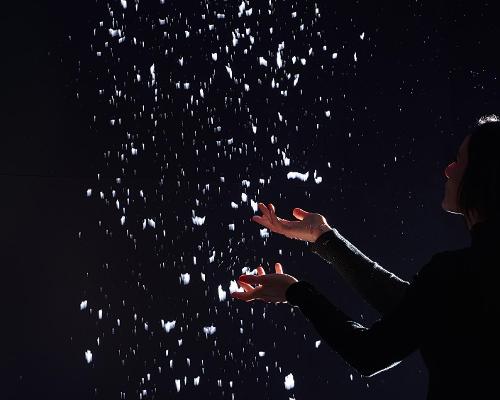
Embrace the chill: TechnoAlpin's Snowsky revolutionises post-fitness recovery with falling snow
In the fast-paced world of fitness and wellness, where high-intensity workouts push us to our limits and the sweat pours, the importance of efficient recovery cannot be overstated. [more...]
+ More featured suppliers  
COMPANY PROFILES
Yon-Ka

As pioneers in aromatherapy since 1954 and founders of the Yon-Ka brand, the Multaler Laboratories, [more...]
FIBO

FIBO is the international platform for fitness, wellness and health. During four days, FIBO connects [more...]
+ More profiles  
CATALOGUE GALLERY
 

+ More catalogues  

DIRECTORY
+ More directory  
DIARY


21-23 Jun 2026

Spa Life International (UK)

Midlands (Venue TBA), Liphook, United Kingdom
22-22 Jun 2026

World Bathing Day

Worldwide,
+ More diary  
 
ABOUT LEISURE MEDIA
LEISURE MEDIA MAGAZINES
LEISURE MEDIA HANDBOOKS
LEISURE MEDIA WEBSITES
LEISURE MEDIA PRODUCT SEARCH
 
SPA BUSINESS
SPA OPPORTUNITIES
SPA BUSINESS HANDBOOK
PRINT SUBSCRIPTIONS
FREE DIGITAL SUBSCRIPTIONS
ADVERTISE . CONTACT US

Leisure Media
Tel: +44 (0)1462 431385

©Cybertrek 2026
Uniting the world of spa & wellness
Get Spa Business and Spa Business insider digital magazines FREE
Sign up here ▸
News   Products   Magazine   Subscribe
NEWS
Obesity and depression cause excessive daytime sleepiness: study
POSTED 26 May 2015 . BY Helen Andrews
Obesity and weight gain predicted who was going to have daytime sleepiness, according to the study Credit: Shutterstock / Kletr
Obesity and depression are underlying causes for regular excessive daytime sleepiness (EDS) – not just a lack of sleep, according to a study by Penn State College of Medicine. This means sleep medicine needs to be personalised as the standard approach of prescribing sleeping pills and more sleep will fail in the long-term.

Wellness facilities have an important role to play in addressing sleep disorders and promoting health and wellbeing to clients in a comprehensive manner. They are in a prime position to give advice about weight loss and preventing depression-inducing loneliness – thus purging the world of its poor sleep epidemic.

According to the researchers, as much as 30 per cent of the general population experiences EDS during most of the day. While previous studies have associated EDS with obesity, depression and sleep apnea – a condition in which breathing pauses occur during sleep – this is the first study to use physiologic sleep data to infer causation and observe the EDS over several years.

The researchers measured self-reporting of EDS at baseline and again an average of 7.5 years later in 1,396 men and women. Participants completed a sleep history, physical examination and were evaluated for one night in a sleep laboratory. Physical, mental health, substance use and sleep problems were also recorded.

“Obesity and weight gain predicted who was going to have daytime sleepiness,” said Julio Fernandez-Mendoza, assistant professor of psychiatry at the Sleep Research and Treatment Centre at Penn State College of Medicine. “Moreover, weight loss predicted who was going to stop experiencing daytime sleepiness – reinforcing the causal relationship.”

The association between body mass index (BMI) and sleepiness was independent of sleep duration – meaning obese people may be tired during the day no matter how much they sleep at night. A recent study even suggested that lie-ins at the weekend disrupt the body’s sleep patterns and even cause obesity.

The primary underlying reason that makes obese people feel overly tired is likely to be low-grade chronic inflammation, according to the study. This means fat cells, particularly in the abdominal region, produce immune compounds that promote sleepiness, among other effects.

Depressed individuals in the study also had high incidence of EDS. Physiological sleep disturbances – including taking longer to fall asleep and waking up in the middle of the night – explained their daytime drowsiness.

“People with depression typically ruminate – they have difficulty shutting their minds off and they are more likely to have elevated stress hormones,” said Fernandez-Mendoza. “The mechanism we believe is playing a role here is hyperarousal, which is simply going to bed and being too alert; in other words, people with depression feel fatigued but do not necessarily fall asleep during the day.”

Highlighting the dangers to the public of EDS, including poor work productivity and fatal car crashes, the study shows that daytime drowsiness has important negative implications for public health and policy.

Taken together, the findings indicate that a one-size-fits-all approach to treating EDS is inappropriate.

“In the medical field, there is a widespread belief that if you feel sleepy during the day, it’s because you didn’t get enough sleep,” added Fernandez-Mendoza. “We need to start abandoning this idea. If we continue to believe the only cause of EDS is people sleeping too little, we are missing the vast majority of the population. The main causes of a sleepy society are an obese society, a depressed society and – to some extent – people who have a physiological disorder. By looking at our patients more closely, we can start personalising sleep medicine.”

RELATED STORIES
Some people with obesity have to work harder to lose weight due to metabolic differences


Some people who are obese may have to work harder to lose weight due to metabolic differences, according to a recent study by researchers at the US's National Institutes of Health (NIH).
Loneliness is twice as unhealthy as obesity and its reach is escalating


The number of people living alone has increased by a staggering 80 per cent in the last 17 years, rising to 341 million globally in 2013 according to a report by Euromonitor International. Of course, living alone and feeling lonely are not mutually exclusive but the statistics give some indication of the growing number of people who may be battling loneliness – a disease which has dramatic ramifications for our health.
Public policy must address deprivation to prevent obesity


Relocating to a deprived neighbourhood with a poor socioeconomic status can increase the risk of developing obesity, according to a recent study carried out by Elsevier Health Sciences and published in the American Journal of Preventive Medicine, suggesting that addressing sources of deprivation should be a priority for public policy makers.
Sleep guidelines for every age group unveiled


The National Sleep Foundation in the US has updated its sleep time duration recommendations, based on analysis of an exhaustive range of research articles.
MORE NEWS
The Good Spa Guide sets up event for modified Good Spa Guide Awards
The UK spa review and discovery platform for consumers, the Good Spa Guide, has announced it will host the Good Spa Guide Awards 2026 during an event on 16 November at Sopwell House Hotel in St Albans, UK.
McKinsey: 84 per cent of consumers say wellness is a top priority
Eighty-four per cent of consumers now say wellness is a top priority in their lives, with this percentage increasing year on year, according to a preview presentation of McKinsey’s Future of Wellness 2026 research report.
Protests continue in Albania against US$1.6 billion luxury resort backed by Jared Kushner and Ivanka Trump
Mass protests have been taking place since Monday 1 June in Albania over the development of a luxury resort by Donald Trump’s daughter Ivanka Trump and her husband Jared Kushner.
Barons Eden rebrands to Hiddenwell ahead of spa hotel portfolio expansion
Barons Eden, the UK parent company that operates luxury destination properties in England, has rebranded to become Hiddenwell.
Belgin Aksoy marks 15 years of Global Wellness Day
Global Wellness Day (GWD) marked its 15th anniversary on Saturday 13 June 2026, with the theme: #JoyMagenta – a celebration of the healing qualities of simple gestures and activities that spark joy.
HUM2N launches longevity clinic at Six Senses London
Global luxury hospitality brand, Six Senses, has partnered with longevity healthcare provider, HUM2N, to launch a clinic at Six Senses London, at The Whiteley.
+ More news   
 
FEATURED SUPPLIERS

Le Atelier by C.O.D.E. - bespoke means moving beyond the catalogue to delivering contextual design responses
Le Atelier by C.O.D.E. doesn't offer a standard bespoke service, it provides a highly customised approach to designing massage beds and loungers in high-end wellness environments. [more...]

Embrace the chill: TechnoAlpin's Snowsky revolutionises post-fitness recovery with falling snow
In the fast-paced world of fitness and wellness, where high-intensity workouts push us to our limits and the sweat pours, the importance of efficient recovery cannot be overstated. [more...]
+ More featured suppliers  
COMPANY PROFILES
Yon-Ka

As pioneers in aromatherapy since 1954 and founders of the Yon-Ka brand, the Multaler Laboratories, [more...]
+ More profiles  
CATALOGUE GALLERY
+ More catalogues  

DIRECTORY
+ More directory  
DIARY


21-23 Jun 2026

Spa Life International (UK)

Midlands (Venue TBA), Liphook, United Kingdom
22-22 Jun 2026

World Bathing Day

Worldwide,
+ More diary  


ADVERTISE . CONTACT US

Leisure Media
Tel: +44 (0)1462 431385

©Cybertrek 2026

ABOUT LEISURE MEDIA
LEISURE MEDIA MAGAZINES
LEISURE MEDIA HANDBOOKS
LEISURE MEDIA WEBSITES
LEISURE MEDIA PRODUCT SEARCH
PRINT SUBSCRIPTIONS
FREE DIGITAL SUBSCRIPTIONS