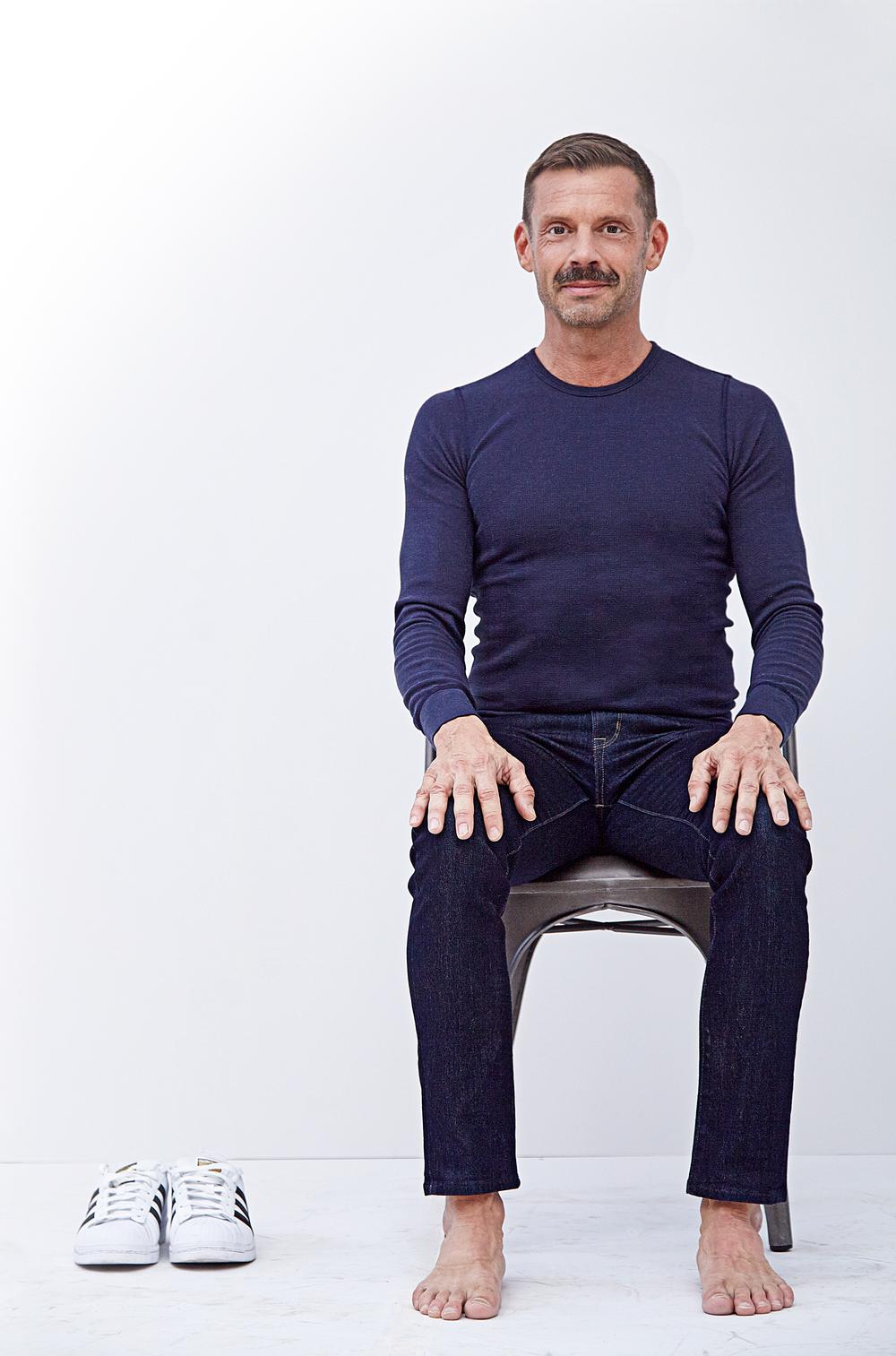
What is LIVunLtd and how did you start working for the company? We’re a concierge service business, working out of around 200 residential properties in New York City. We run the gyms, swimming pools and other amenity spaces at the properties, such as children’s nurseries and party rooms. We also deal with miscellaneous requests, from finding hairdressers and dog walkers to helping residents find a hotel for their holiday. It’s a fast paced, improvisational business, making things work in a short space of time – people generally expect things to happen within an hour.
LIV’s chief creative officer, Michael Fazio asked me to join last year, when I was a creative director at Flybarre, the barre programme of Flywheel Sports. I originally joined the health and fitness industry to supplement my income as a modern and contemporary dancer.
How does your gym model work? Unlike most gyms, we’re not responsible for selling the memberships, as these are usually sold as part of the lease when people move into the buildings. The majority of the gyms are only open to residents. Our role is to mobilise as many people as possible to use the services. In many cases, we bid for the contract to run the gym and amenity spaces and the building owners pay us for the service we provide.
We also partner with other companies where relevant, such as Zeal, to offer massage services.
Zeal is an app that enables people to book a massage therapist on demand – using the same model as Uber. They get a therapist to you within two hours.
What does your role as fitness and programme director involve? Currently only around 5 per cent of the residents make use of the gyms. My role is a new one and is part of a bid to encourage more residents to use the facilities. I oversee all the fitness and wellbeing offerings to make sure the quality is consistent and to create more of a community among the building’s residents and our instructors at the gyms.
I’m also responsible for creating new content and branded classes. I’m currently working on a new HIIT programme, called LIV Quickfire, which will be a 30-minute high intensity cardio programme to get the heart rate up and burn a ton of calories.
How do residential gyms compare to commercial gyms? Residential fitness is battling a bad reputation – lots of my friends in New York wouldn’t dream of going to the gym in their building! Often the people who go to the residential gyms are less discerning, as they’re the people who are too intimidated to go to a commercial gym.
We want to elevate the experience of residential gyms and create a boutique feel, so our members feel they don’t need to purchase an off-site gym membership. We want them to find the gym a social experience and make personal connections with their neighbours and with the staff. All fitness junkies have their favourite classes and instructors, and they base their weekly schedule around these classes. My goal is to make the classes offered in each building the favourite class that the residents plan their day around.
What do residents want from the gym experience? Fitness and amenity space is becoming more important in the residential market. Our residents want the gym to be a one stop, full experience in one building. They want yoga on the roof, quiet space for guided meditation, quiet outdoor space, party space and kid space. They want to get to know their neighbours. They want to be able to get chair massages and everything to be on hand.
We have a lot of requests for parent and child, and nanny and child fitness experiences, including yoga, swimming and creative dance. Also there’s a big demand for all types of yoga, pilates, meditation and tai chi – anything that is calming to the nervous system.
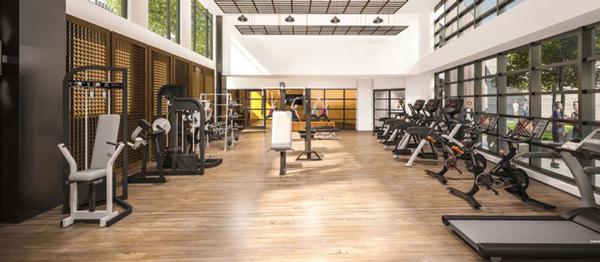
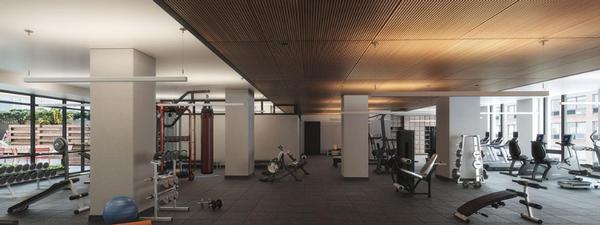
Is there a uniform feel to all the gyms you operate? All the buildings we operate out of have different price points for their fitness amenities and varying amounts of commitment to them. Some developers are keen to invest and make the best use of the space possible, asking our advice on what is current and popular, to create beautiful, world class gyms. Unfortunately, others are like a hotel gym, with just a treadmill and a few weights.
What are the main challenges to running residential gyms? Getting accurate data on who is attending is difficult, as we don’t sign members up, they don’t have to check in when they use the gym and there are no receptionists. It’s hard to find out what equipment they use and what are the most popular classes.
Also keeping instructors on track and on brand is a challenge, as we have numerous locations across New York City and no one monitoring them on a daily basis. Traditionally, they have been used to doing their own thing and then going home. Now I’m introducing quality control and working to make more of a team out of the different suppliers, by providing a lot of in house training and regular phone calls to keep in touch.
What location does LIV look for? There’s a lot of growth potential in concierge services. Our business model needs urban settings in order to service the requests we do – in suburbia there’s less of a pool of suppliers. We’ve started to look beyond New York now for growth, to San Francisco, Los Angeles, Houston, Washington DC, as well as overseas.
What’s the most exciting fitness trend at the moment? The idea of a workout that meets emotional and mental needs as well as physical needs – so people are pushed physically, which makes them let go emotionally and then also push past a mental barrier. The Class by Taryn Toomey, which combines HIIT, yoga, meditation and primal scream therapy is a great example of this. It takes people on a journey and they experience a release emotionally and spiritually, which is fulfilling and enriching, beyond just a physical workout.
In today’s premium spa environment, every detail shapes the guest experience – right down to
the softness of towels and the freshness of linens. [more...]
Le Atelier by C.O.D.E. doesn't offer a standard bespoke service, it provides a highly
customised approach to designing massage beds and loungers in high-end wellness
environments. [more...]
+ More featured suppliers
COMPANY PROFILES
Saskia Spa
Founded in 2014, Saskia Spa continues to evolve as a professional luxury skincare brand. It forms pa [more...]
UK Spa Association
Our mission is to raise awareness of our industry within schools, colleges, society and crucially at [more...]
What is LIVunLtd and how did you start working for the company? We’re a concierge service business, working out of around 200 residential properties in New York City. We run the gyms, swimming pools and other amenity spaces at the properties, such as children’s nurseries and party rooms. We also deal with miscellaneous requests, from finding hairdressers and dog walkers to helping residents find a hotel for their holiday. It’s a fast paced, improvisational business, making things work in a short space of time – people generally expect things to happen within an hour.
LIV’s chief creative officer, Michael Fazio asked me to join last year, when I was a creative director at Flybarre, the barre programme of Flywheel Sports. I originally joined the health and fitness industry to supplement my income as a modern and contemporary dancer.
How does your gym model work? Unlike most gyms, we’re not responsible for selling the memberships, as these are usually sold as part of the lease when people move into the buildings. The majority of the gyms are only open to residents. Our role is to mobilise as many people as possible to use the services. In many cases, we bid for the contract to run the gym and amenity spaces and the building owners pay us for the service we provide.
We also partner with other companies where relevant, such as Zeal, to offer massage services.
Zeal is an app that enables people to book a massage therapist on demand – using the same model as Uber. They get a therapist to you within two hours.
What does your role as fitness and programme director involve? Currently only around 5 per cent of the residents make use of the gyms. My role is a new one and is part of a bid to encourage more residents to use the facilities. I oversee all the fitness and wellbeing offerings to make sure the quality is consistent and to create more of a community among the building’s residents and our instructors at the gyms.
I’m also responsible for creating new content and branded classes. I’m currently working on a new HIIT programme, called LIV Quickfire, which will be a 30-minute high intensity cardio programme to get the heart rate up and burn a ton of calories.
How do residential gyms compare to commercial gyms? Residential fitness is battling a bad reputation – lots of my friends in New York wouldn’t dream of going to the gym in their building! Often the people who go to the residential gyms are less discerning, as they’re the people who are too intimidated to go to a commercial gym.
We want to elevate the experience of residential gyms and create a boutique feel, so our members feel they don’t need to purchase an off-site gym membership. We want them to find the gym a social experience and make personal connections with their neighbours and with the staff. All fitness junkies have their favourite classes and instructors, and they base their weekly schedule around these classes. My goal is to make the classes offered in each building the favourite class that the residents plan their day around.
What do residents want from the gym experience? Fitness and amenity space is becoming more important in the residential market. Our residents want the gym to be a one stop, full experience in one building. They want yoga on the roof, quiet space for guided meditation, quiet outdoor space, party space and kid space. They want to get to know their neighbours. They want to be able to get chair massages and everything to be on hand.
We have a lot of requests for parent and child, and nanny and child fitness experiences, including yoga, swimming and creative dance. Also there’s a big demand for all types of yoga, pilates, meditation and tai chi – anything that is calming to the nervous system.
Is there a uniform feel to all the gyms you operate? All the buildings we operate out of have different price points for their fitness amenities and varying amounts of commitment to them. Some developers are keen to invest and make the best use of the space possible, asking our advice on what is current and popular, to create beautiful, world class gyms. Unfortunately, others are like a hotel gym, with just a treadmill and a few weights.
What are the main challenges to running residential gyms? Getting accurate data on who is attending is difficult, as we don’t sign members up, they don’t have to check in when they use the gym and there are no receptionists. It’s hard to find out what equipment they use and what are the most popular classes.
Also keeping instructors on track and on brand is a challenge, as we have numerous locations across New York City and no one monitoring them on a daily basis. Traditionally, they have been used to doing their own thing and then going home. Now I’m introducing quality control and working to make more of a team out of the different suppliers, by providing a lot of in house training and regular phone calls to keep in touch.
What location does LIV look for? There’s a lot of growth potential in concierge services. Our business model needs urban settings in order to service the requests we do – in suburbia there’s less of a pool of suppliers. We’ve started to look beyond New York now for growth, to San Francisco, Los Angeles, Houston, Washington DC, as well as overseas.
What’s the most exciting fitness trend at the moment? The idea of a workout that meets emotional and mental needs as well as physical needs – so people are pushed physically, which makes them let go emotionally and then also push past a mental barrier. The Class by Taryn Toomey, which combines HIIT, yoga, meditation and primal scream therapy is a great example of this. It takes people on a journey and they experience a release emotionally and spiritually, which is fulfilling and enriching, beyond just a physical workout.
A recent survey by the UK Spa Association (UKSA) into the industry’s approach to cancer care
has revealed that almost half of participating respondents (46 per cent) are unaware that
cancer is a disability and guests with a cancer diagnosis must be given
Mexican operator, Solmar Hotels and Resorts, is hosting a series of events in celebration of
Global Wellness Day, including a Temazcal ceremony at its Playa Grande Resort and Spa in Los
Cabos.
Mandarin Oriental has announced a standalone residence brand, Mansions, which will debut at
Emirates Palace, Mandarin Oriental Mansions, Abu Dhabi, in 2029.
Four Seasons Resort The Nam Hai in Hoi An, Vietnam, has put together a Global Wellness Day
(GWD) agenda with activations rooted in nature and shaped by four pillars of Joy – in
alignment with the day’s theme #JoyMagenta.
The Global Wellness Summit (GWS) will celebrate its 20th anniversary at the 2026 event in
Phuket, Thailand, later this year with the theme: The Science, Art and Soul of Wellness.
Auko, an all-inclusive development, is opening in Phong Nha in Vietnam in Q3 2026, with a
series of 30 tented eco-lodges and wellness hospitality operations by Lumina Wellbeing.
Therme Manchester’s 28-acre development, which will include interconnected glass pavilions
that measure 65,000sq m, will be the largest bathing and wellbeing attraction in the world once
complete, according to prof David Russell, CEO of Therme UK.
Naples Beach Club, a Four Seasons Resort, has opened a 2,800sq m spa called The Sanctuary,
with the design and concept inspired by the Native American people that populated Florida’s
Southwest coast – the Calusa.
Swire Hotels’ luxury hospitality brand Upper House has revealed it will roll out its two-day
House of Healing retreats at its three hotels in Hong Kong, Chengdu and Shanghai.
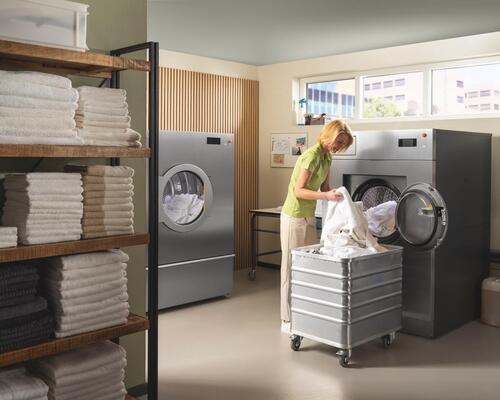
In today’s premium spa environment, every detail shapes the guest experience – right down to
the softness of towels and the freshness of linens. [more...]
Le Atelier by C.O.D.E. doesn't offer a standard bespoke service, it provides a highly
customised approach to designing massage beds and loungers in high-end wellness
environments. [more...]
+ More featured suppliers
COMPANY PROFILES
Saskia Spa Founded in 2014, Saskia Spa continues to evolve as a professional luxury skincare brand. It forms pa [more...]