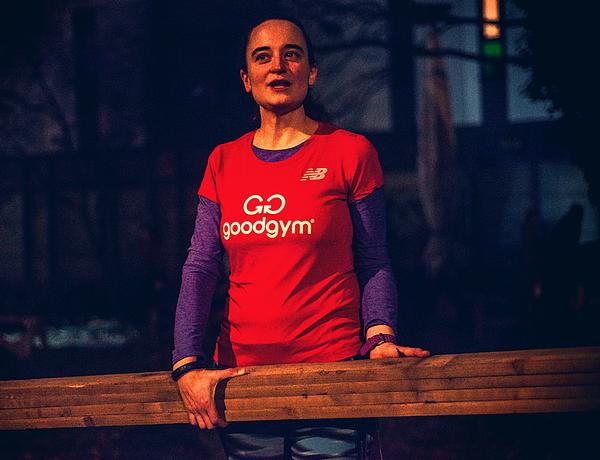
Ivo Gormley founded GoodGym as a way of fighting back against loneliness
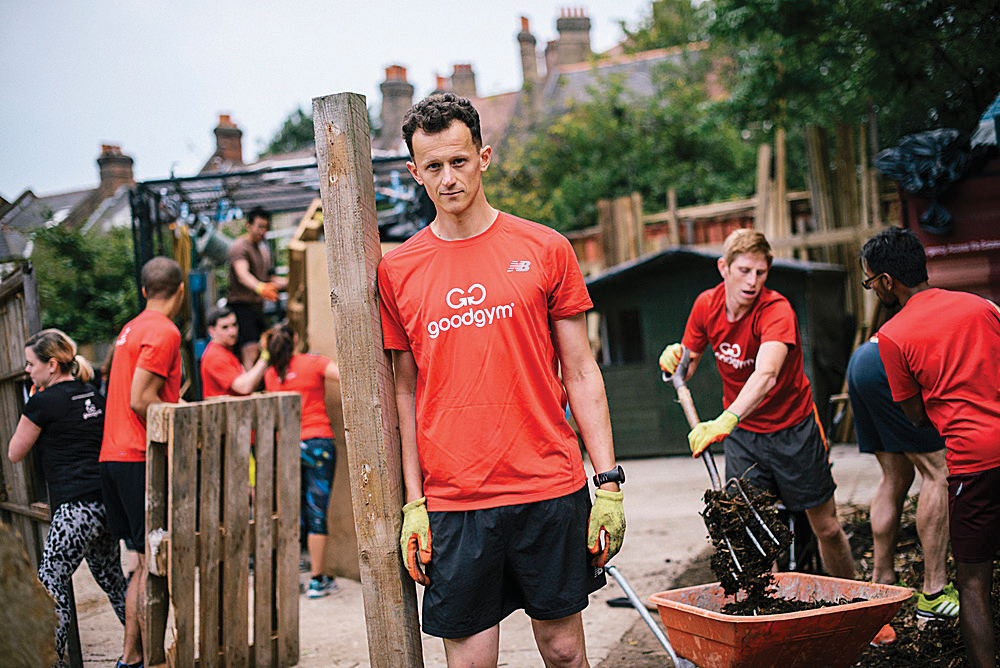
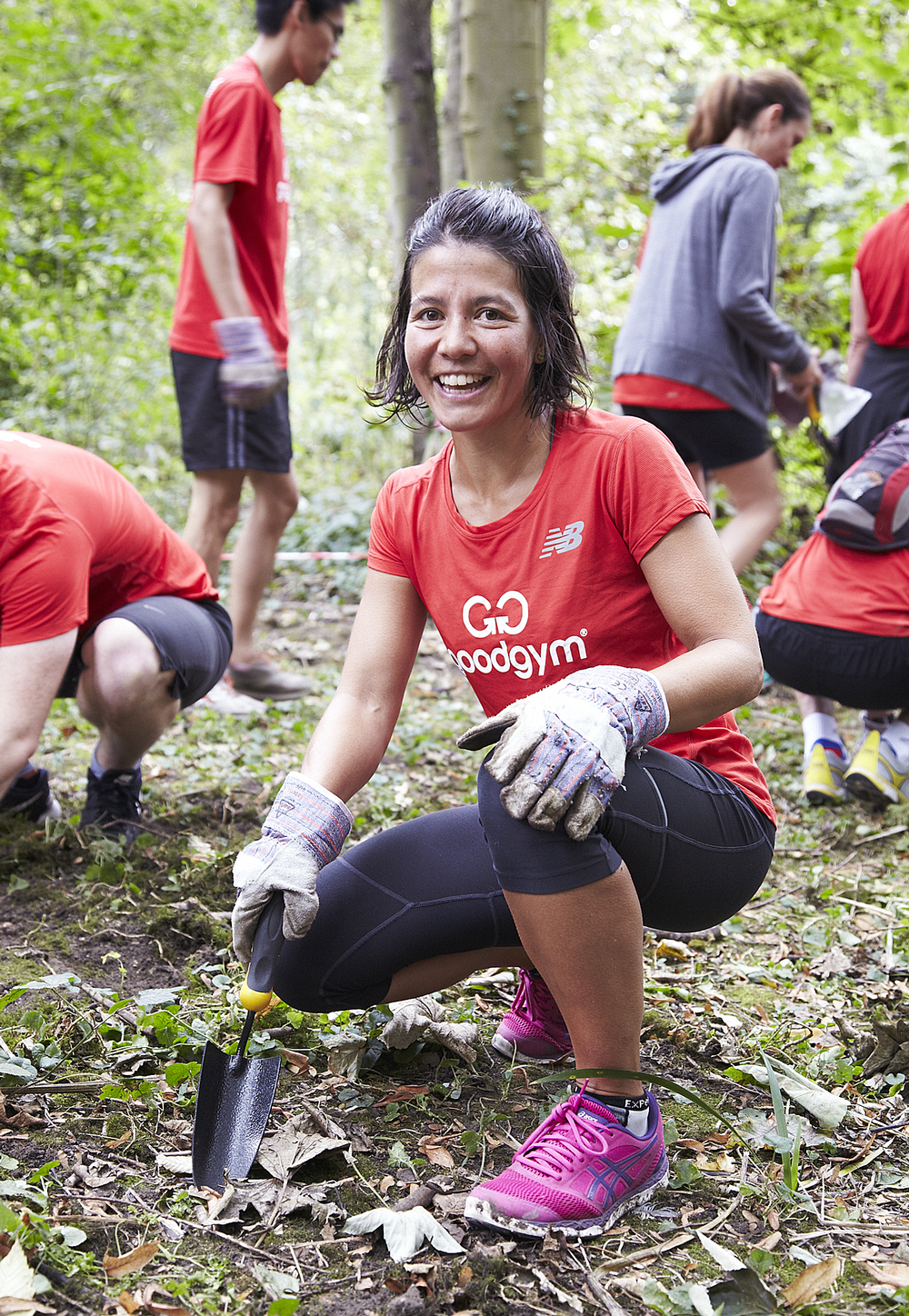
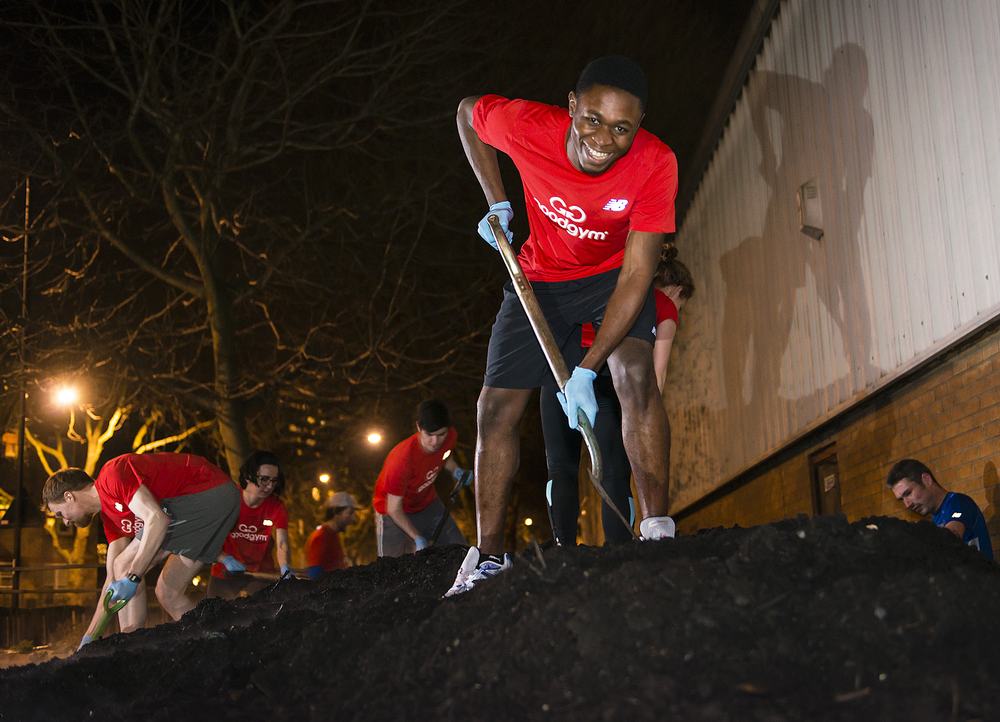
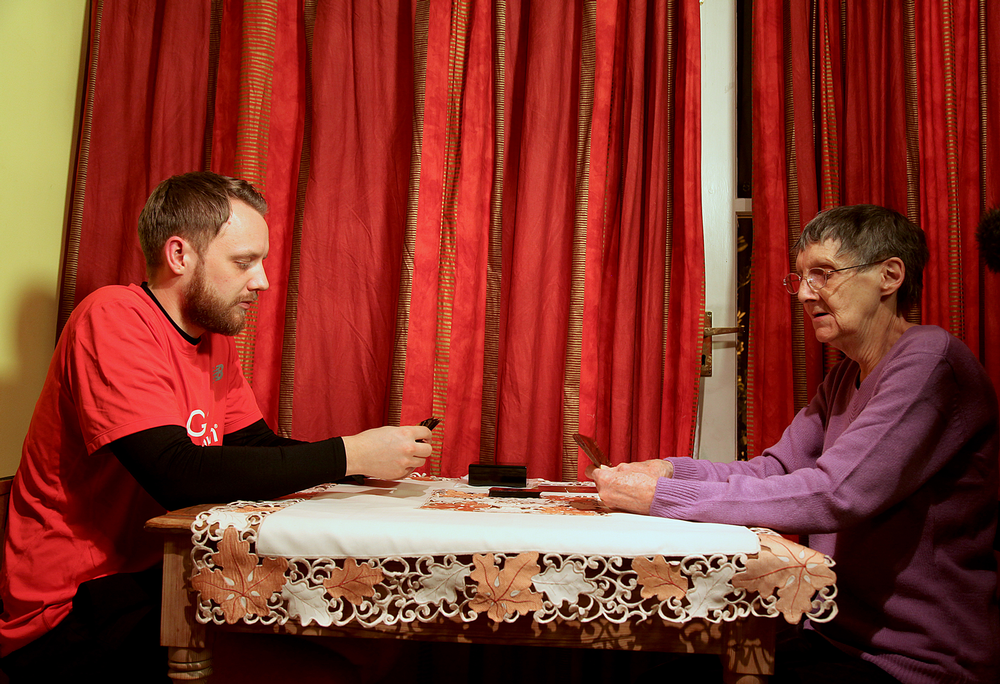
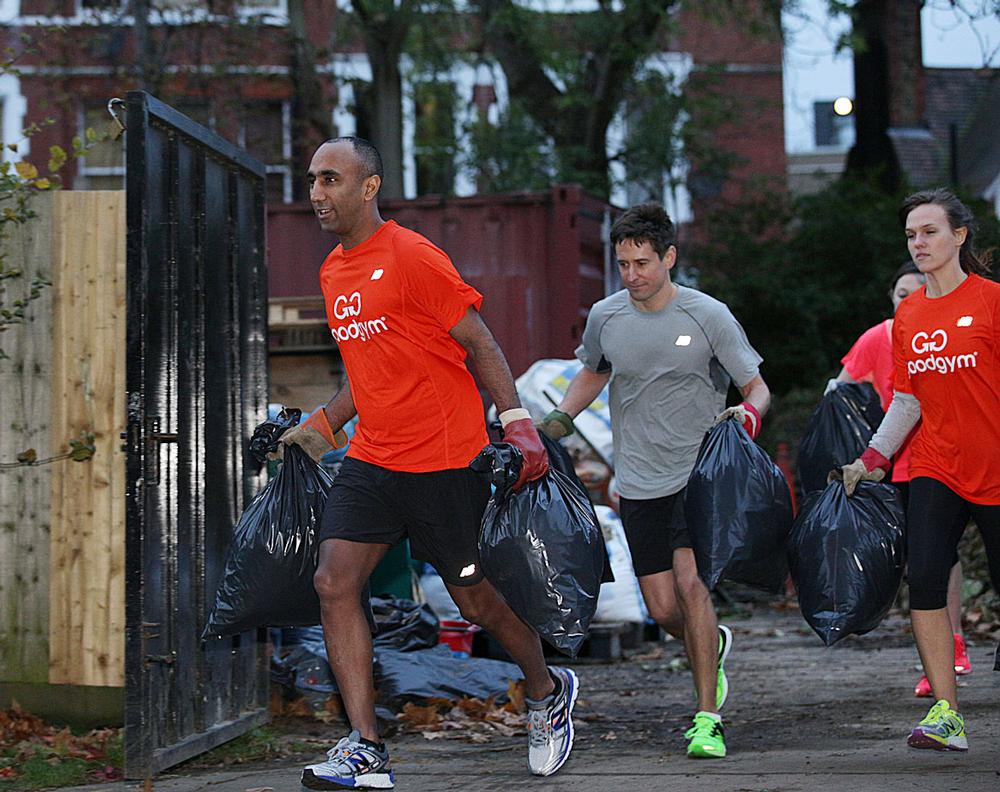
What is GoodGym? We combine exercise with doing good deeds. There are two concepts: coach runs, where people run to visit an old person on a regular basis – we refer to them as their coach, on account of the fact that they provide ongoing motivation; and missions, where groups of runners help out with a community project or a practical household job, like sorting out an overgrown garden or painting a community centre. We also run in groups to help community projects.
How did it come about? After I left university I stopped doing any sport and missed both the exercise and social aspect. I needed some motivation to start exercising again, so I began running to see an older neighbour a couple of times a week, stopping for a chat and taking him a newspaper. He was a former soldier and gave me tips on how to build up my fitness.
In 2009, I started to think about extending this idea more widely, as loneliness and isolation is such a huge and invisible problem – according to Age UK, more than 1 million older people say they are always, or often, lonely.
I contacted organisations who work with old people, like the Red Cross and Age UK, and set up a basic website to try and match runners and old people. In 2013, I started working on it full time.
What was the main challenge in setting it up? The biggest challenge is having to DBS check everyone to make sure they are appropriate, so we sometimes lose people in the sign-up process. Other than that the challenges are getting the idea across to people and then matching people in the same area, with the same availability, without keeping either party waiting for too long. If we had more runners, we could find more coaches.
How is it funded? We are a registered charity, so it’s free to participate. Many runners make donations and some coaches do and we get small grants from local authorities. We have also received some lottery funding and are now sponsored by BT and New Balance.
How many members do you have and how fast are you growing? We have about 4,000 members but it’s growing all the time as we actively spread into more cities. We are now setting up in Norwich, Birmingham and Cardiff. We aim to be in every UK city in the next two years.
Who does GoodGym appeal to? All standards of runners, its a great way to find an extra motivation to exercise.
Do you plan to diversify or expand going forward? No, we will try to stick with what we are doing and get better at it. Parkrun really inspires me, it is an incredible and revolutionary organisation in the fitness world. They have stuck to one thing and focused on doing it really well and they work collaboratively with the community, so it’s very flexible and open.
How could gyms engage? Some gym operators, including Better, have been supportive by letting our runners use their facilities to meet up. It would be great if operators would like to collaborate with us and would market our work to their members, who could do a coach run as another of their weekly workouts, or sign up for a one off mission. It’s a great way to keep your workouts varied and keep people engaged.
What are you most proud of? I’m very proud of the culture we have created. Everyone is so friendly and supportive of each other and it’s a wonderful thing to be able to help people who are living on their own. Both parties get something from the arrangement. Our evaluation has shown that it improves the wellbeing of both the runners and the coaches, with 93 per cent of the runners saying it increased their motivation to exercise. It gives both sides a sense of purpose.
The coaches benefit from the company and structure. People have said GoodGym has given them hope, or changed their perception of young people. It’s also helped ease social isolation: we’ve had instances where the old people have been hospitalised and the runners are the only people who visit them. I’m most proud of the ways in which GoodGym has helped people connect.
Ivo Gormley founded GoodGym as a way of fighting back against loneliness
What is GoodGym? We combine exercise with doing good deeds. There are two concepts: coach runs, where people run to visit an old person on a regular basis – we refer to them as their coach, on account of the fact that they provide ongoing motivation; and missions, where groups of runners help out with a community project or a practical household job, like sorting out an overgrown garden or painting a community centre. We also run in groups to help community projects.
How did it come about? After I left university I stopped doing any sport and missed both the exercise and social aspect. I needed some motivation to start exercising again, so I began running to see an older neighbour a couple of times a week, stopping for a chat and taking him a newspaper. He was a former soldier and gave me tips on how to build up my fitness.
In 2009, I started to think about extending this idea more widely, as loneliness and isolation is such a huge and invisible problem – according to Age UK, more than 1 million older people say they are always, or often, lonely.
I contacted organisations who work with old people, like the Red Cross and Age UK, and set up a basic website to try and match runners and old people. In 2013, I started working on it full time.
What was the main challenge in setting it up? The biggest challenge is having to DBS check everyone to make sure they are appropriate, so we sometimes lose people in the sign-up process. Other than that the challenges are getting the idea across to people and then matching people in the same area, with the same availability, without keeping either party waiting for too long. If we had more runners, we could find more coaches.
How is it funded? We are a registered charity, so it’s free to participate. Many runners make donations and some coaches do and we get small grants from local authorities. We have also received some lottery funding and are now sponsored by BT and New Balance.
How many members do you have and how fast are you growing? We have about 4,000 members but it’s growing all the time as we actively spread into more cities. We are now setting up in Norwich, Birmingham and Cardiff. We aim to be in every UK city in the next two years.
Who does GoodGym appeal to? All standards of runners, its a great way to find an extra motivation to exercise.
Do you plan to diversify or expand going forward? No, we will try to stick with what we are doing and get better at it. Parkrun really inspires me, it is an incredible and revolutionary organisation in the fitness world. They have stuck to one thing and focused on doing it really well and they work collaboratively with the community, so it’s very flexible and open.
How could gyms engage? Some gym operators, including Better, have been supportive by letting our runners use their facilities to meet up. It would be great if operators would like to collaborate with us and would market our work to their members, who could do a coach run as another of their weekly workouts, or sign up for a one off mission. It’s a great way to keep your workouts varied and keep people engaged.
What are you most proud of? I’m very proud of the culture we have created. Everyone is so friendly and supportive of each other and it’s a wonderful thing to be able to help people who are living on their own. Both parties get something from the arrangement. Our evaluation has shown that it improves the wellbeing of both the runners and the coaches, with 93 per cent of the runners saying it increased their motivation to exercise. It gives both sides a sense of purpose.
The coaches benefit from the company and structure. People have said GoodGym has given them hope, or changed their perception of young people. It’s also helped ease social isolation: we’ve had instances where the old people have been hospitalised and the runners are the only people who visit them. I’m most proud of the ways in which GoodGym has helped people connect.
Global Wellness Day (GWD) marked its 15th anniversary on Saturday 13 June 2026, with the
theme: #JoyMagenta – a celebration of the healing qualities of simple gestures and activities
that spark joy.
Global luxury hospitality brand, Six Senses, has partnered with longevity healthcare provider,
HUM2N, to launch a clinic at Six Senses London, at The Whiteley.
As part of its first hotel partnership, Mayrlife – the medical health resort company known for its
site in Altaussee, Austria – has launched a day clinic at the Rosewood Vienna.
Premium London health club, KX Chelsea, will imminently unveil its most significant
redevelopment since its launch in 2002 to create an integrated wellness model combining
training, recovery and relaxation.
Rosewood Le Guanahani St Barth, on the northeast coast of Saint Barthélemy in the French
West Indies, is offering a programme of ocean-inspired yoga classes between 8-14 June to
celebrate Global Wellness Day (GWD).
Hotel de France, located on the British Isle of Jersey, has created a wellness retreat package
that includes a hot yoga session that will take place in Jersey Zoo’s butterfly sanctuary.
The Ritz-Carlton, Langkawi, in Malaysia, has revealed a schedule for Global Wellness Day
(GWD) that includes guided rainforest walks, mindful movement and guided coastal meditation
experiences.
Longevitix, a clinical platform for preventive and longevity medicine, has launched its AI-
powered intelligence system to help physicians deliver continuous, personalised longevity-
focused care at scale.
Atmantan Wellness Centre, an integrative wellness destination in Mulshi, near Pune in India, is
expanding its portfolio by adding a new centre in Hyderabad that will launch between 2028 and
2029.