Yes! Send me the FREE digital editions of Spa Business and Spa Business insider magazines and the FREE weekly Spa Business and Spa Business insider ezines and breaking news alerts!
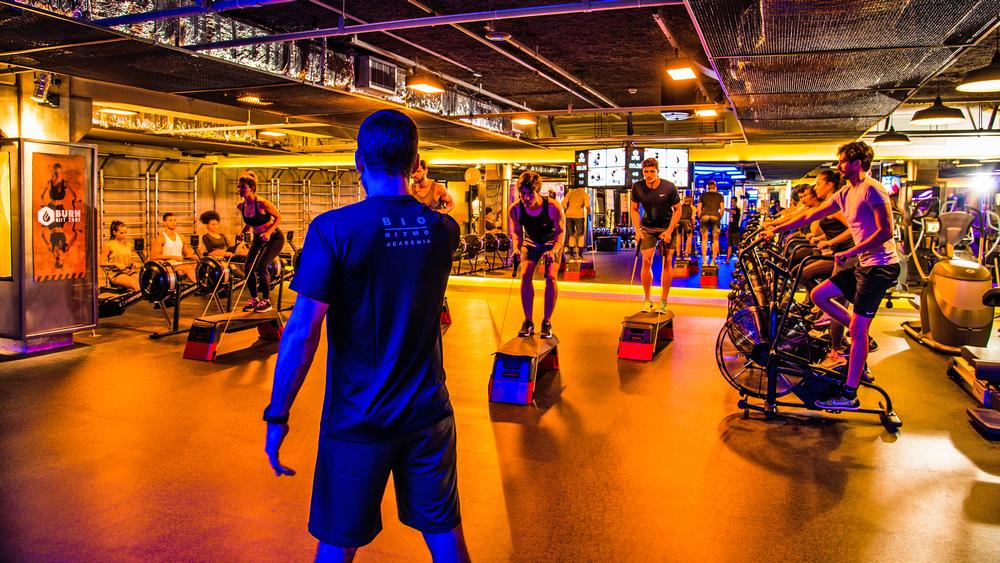
Brazil’s Bio Ritmo Group has built its ranking on the IHRSA Global Index to number eight in the world
United States According to IHRSA’s latest Global Report, revenue, membership and the total number of clubs all increased from 2016 to 2017 in the United States, where the member penetration rate currently stands at 20.3 per cent: the highest in the Americas.
Revenue grew from $27.6bn to US$30bn, while membership increased from 57.2m to 60.9m, and the US club count rose from 36,540 locations to 38,477 sites.
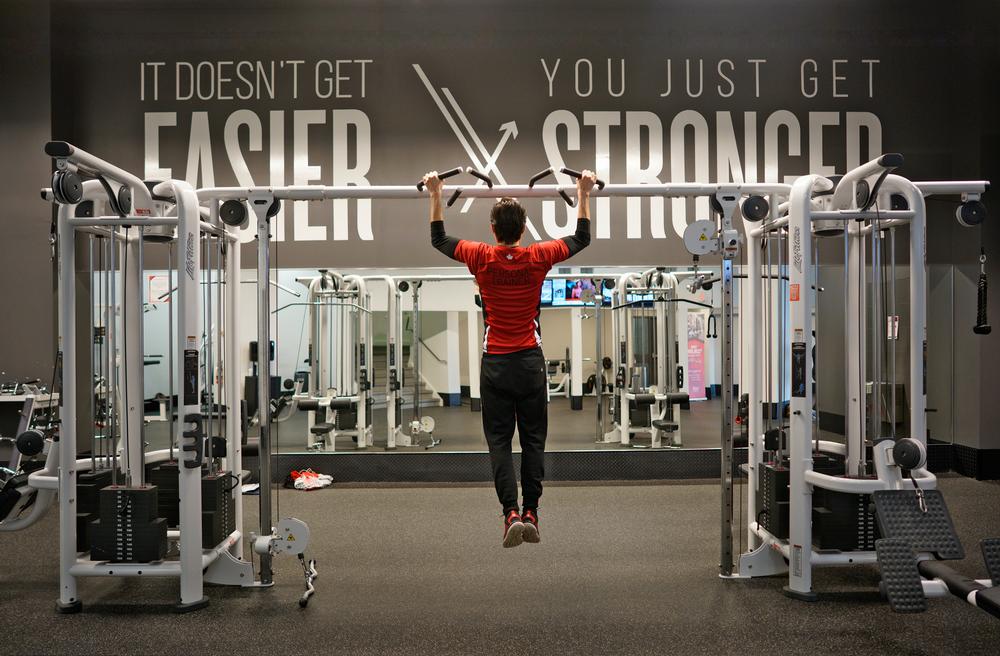
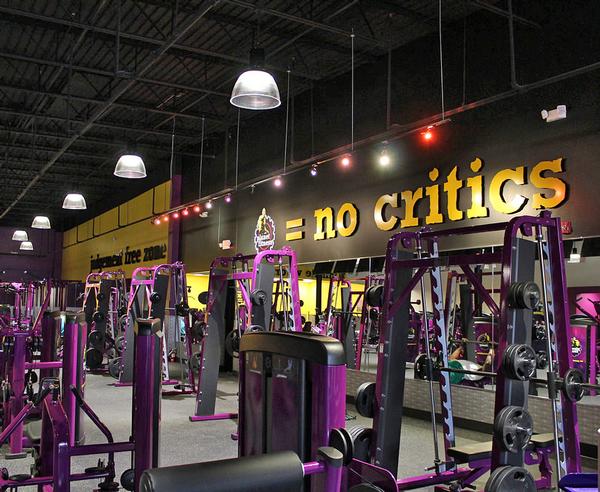
Planet Fitness tops this year’s IHRSA Global 25 list, in terms of number of members and revenue, at 10.6m and US$2.3bn respectively. Anytime Fitness leads in terms of the number of franchises with 3,861 worldwide as of the end of 2017; the company’s revenues were US$1.45bn last year, serving its 3.15m members.
Topping this year’s IHRSA Global 25 list in terms of number of facilities owned is US business Fitness International – which trades as LA Fitness – with 675 clubs. The second spot belongs to the Netherlands’ Basic-Fit with 521 clubs, and coming in third is 24 Hour Fitness with 433 units.
Canada Some 15.5 per cent of Canadians are health club members, giving the country the second highest penetration rate in the Americas. Canada’s 6,000 health clubs serve nearly six million members, generating around US$2.6bn in revenue each year.
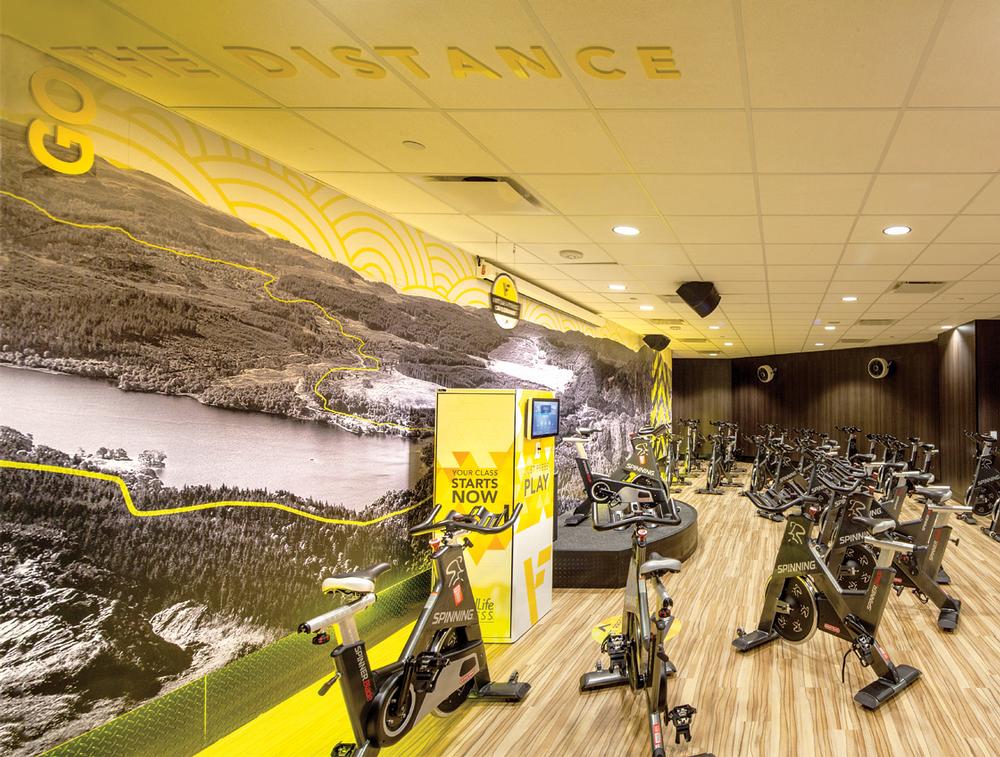
Among companies based in Canada, Goodlife Fitness ranks highest on the IHRSA Global 25 operator list (number six), with well over 1,600,000 members.
Its 404 locations rank it fourth overall on the IHRSA Global 25 list in terms of number of facilities owned.
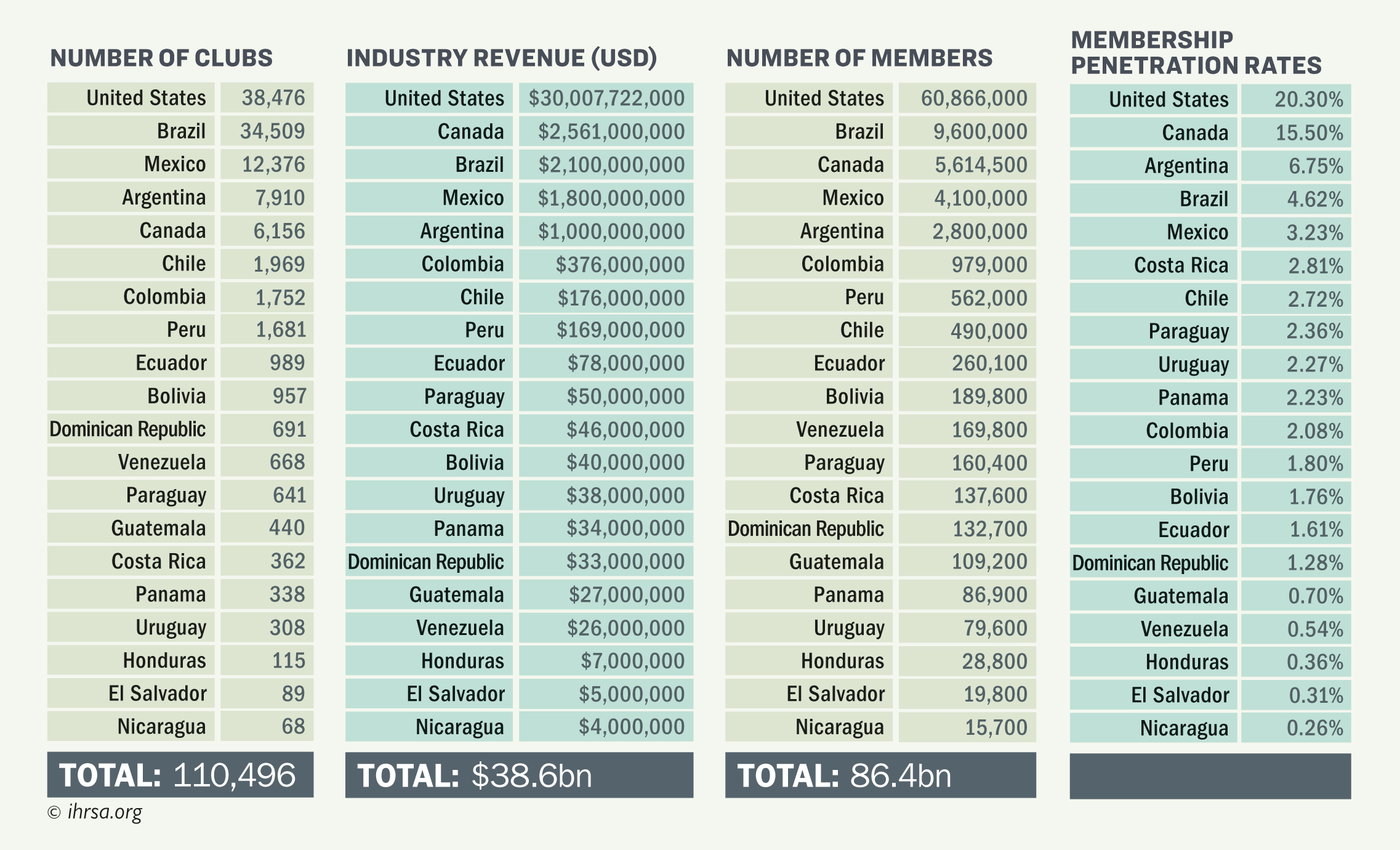
Latin America The Latin American health club market is robust, with potential for growth, as member penetration rates remain low at an average of 2.15 per cent across 18 countries.
Argentina has the highest penetration rate in terms of membership, at 6.75 per cent, followed by Brazil (4.62 per cent), Mexico (3.23 per cent) and in fourth place, Costa Rica (2.81 per cent).
Latin American countries with the lowest membership penetration rates include Nicaragua, where only 0.26 per cent of the population are gym members, El Salvador (0.31 per cent), Honduras (0.36 per cent) and Venezuela (0.54 per cent).
Brazil’s 34,000 health clubs – which serve more than nine million members – rank the country second only to the US among global fitness markets in terms of number of facilities, and rank it fourth in terms of number of members.
Annual industry revenue in Brazil now tops US$2.1bn, ranking it third globally behind the US and Canada.
Bio Ritmo Group, which is based in São Paulo, Brazil, generated US$325m in revenue in 2017 from 482 health clubs. It ranks eighth on the IHRSA Global 25 list in terms of number of members, with 1,508,000 at the end of 2017.
Mexico With more than 12,300 clubs, Mexico ranks second in Latin America and third worldwide in terms of number of clubs.
Mexico’s US$1.8bn in industry revenue lands it in fourth place among countries in the Americas, as does its membership penetration rate at 4.1 million.
Mexico’s Organizacion Britania, headquartered in Mexico City, ranks 25th on the IHRSA Global 25 list in terms of number of members among global leaders, with 446,000.
Columbia’s Bodytech SA, based in Bogotá, is the other Latin American company on the IHRSA Global 25 list, landing at number 18 when it comes to the number of facilities owned at the end of 2017, with 132. An additional 34 are franchised, making a total of 166 units.
Some 979,000 Columbians are health club members at 1,752 facilities across the country, generating a total of US$376m in annual industry revenue.
In today’s premium spa environment, every detail shapes the guest experience – right down to
the softness of towels and the freshness of linens. [more...]
Brazil’s Bio Ritmo Group has built its ranking on the IHRSA Global Index to number eight in the world
United States According to IHRSA’s latest Global Report, revenue, membership and the total number of clubs all increased from 2016 to 2017 in the United States, where the member penetration rate currently stands at 20.3 per cent: the highest in the Americas.
Revenue grew from $27.6bn to US$30bn, while membership increased from 57.2m to 60.9m, and the US club count rose from 36,540 locations to 38,477 sites.
Planet Fitness tops this year’s IHRSA Global 25 list, in terms of number of members and revenue, at 10.6m and US$2.3bn respectively. Anytime Fitness leads in terms of the number of franchises with 3,861 worldwide as of the end of 2017; the company’s revenues were US$1.45bn last year, serving its 3.15m members.
Topping this year’s IHRSA Global 25 list in terms of number of facilities owned is US business Fitness International – which trades as LA Fitness – with 675 clubs. The second spot belongs to the Netherlands’ Basic-Fit with 521 clubs, and coming in third is 24 Hour Fitness with 433 units.
Canada Some 15.5 per cent of Canadians are health club members, giving the country the second highest penetration rate in the Americas. Canada’s 6,000 health clubs serve nearly six million members, generating around US$2.6bn in revenue each year.
Among companies based in Canada, Goodlife Fitness ranks highest on the IHRSA Global 25 operator list (number six), with well over 1,600,000 members.
Its 404 locations rank it fourth overall on the IHRSA Global 25 list in terms of number of facilities owned.
Latin America The Latin American health club market is robust, with potential for growth, as member penetration rates remain low at an average of 2.15 per cent across 18 countries.
Argentina has the highest penetration rate in terms of membership, at 6.75 per cent, followed by Brazil (4.62 per cent), Mexico (3.23 per cent) and in fourth place, Costa Rica (2.81 per cent).
Latin American countries with the lowest membership penetration rates include Nicaragua, where only 0.26 per cent of the population are gym members, El Salvador (0.31 per cent), Honduras (0.36 per cent) and Venezuela (0.54 per cent).
Brazil’s 34,000 health clubs – which serve more than nine million members – rank the country second only to the US among global fitness markets in terms of number of facilities, and rank it fourth in terms of number of members.
Annual industry revenue in Brazil now tops US$2.1bn, ranking it third globally behind the US and Canada.
Bio Ritmo Group, which is based in São Paulo, Brazil, generated US$325m in revenue in 2017 from 482 health clubs. It ranks eighth on the IHRSA Global 25 list in terms of number of members, with 1,508,000 at the end of 2017.
Mexico With more than 12,300 clubs, Mexico ranks second in Latin America and third worldwide in terms of number of clubs.
Mexico’s US$1.8bn in industry revenue lands it in fourth place among countries in the Americas, as does its membership penetration rate at 4.1 million.
Mexico’s Organizacion Britania, headquartered in Mexico City, ranks 25th on the IHRSA Global 25 list in terms of number of members among global leaders, with 446,000.
Columbia’s Bodytech SA, based in Bogotá, is the other Latin American company on the IHRSA Global 25 list, landing at number 18 when it comes to the number of facilities owned at the end of 2017, with 132. An additional 34 are franchised, making a total of 166 units.
Some 979,000 Columbians are health club members at 1,752 facilities across the country, generating a total of US$376m in annual industry revenue.
Global Wellness Day (GWD) will mark its 15th anniversary on Saturday 13 June 2026, with the
theme: #JoyMagenta – a celebration of the healing qualities of simple gestures and activities
that spark joy.
Global luxury hospitality brand, Six Senses, has partnered with longevity healthcare provider,
HUM2N, to launch a clinic at Six Senses London, at The Whiteley.
As part of its first hotel partnership, Mayrlife – the medical health resort company known for its
site in Altaussee, Austria – has launched a day clinic at the Rosewood Vienna.
Premium London health club, KX Chelsea, will imminently unveil its most significant
redevelopment since its launch in 2002 to create an integrated wellness model combining
training, recovery and relaxation.
Rosewood Le Guanahani St Barth, on the northeast coast of Saint Barthélemy in the French
West Indies, is offering a programme of ocean-inspired yoga classes between 8-14 June to
celebrate Global Wellness Day (GWD).
Hotel de France, located on the British Isle of Jersey, has created a wellness retreat package
that includes a hot yoga session that will take place in Jersey Zoo’s butterfly sanctuary.
The Ritz-Carlton, Langkawi, in Malaysia, has revealed a schedule for Global Wellness Day
(GWD) that includes guided rainforest walks, mindful movement and guided coastal meditation
experiences.
Longevitix, a clinical platform for preventive and longevity medicine, has launched its AI-
powered intelligence system to help physicians deliver continuous, personalised longevity-
focused care at scale.
Atmantan Wellness Centre, an integrative wellness destination in Mulshi, near Pune in India, is
expanding its portfolio by adding a new centre in Hyderabad that will launch between 2028 and
2029.
A recent survey by the UK Spa Association (UKSA) into the industry’s approach to cancer care
has revealed that almost half of participating respondents (46 per cent) are unaware that
cancer is a disability and guests with a cancer diagnosis must be given
In today’s premium spa environment, every detail shapes the guest experience – right down to
the softness of towels and the freshness of linens. [more...]