Gen Z has come of age, and is engaging with fitness in new ways. We look at how health clubs can appeal to this young, tech-savvy and value-conscious age group
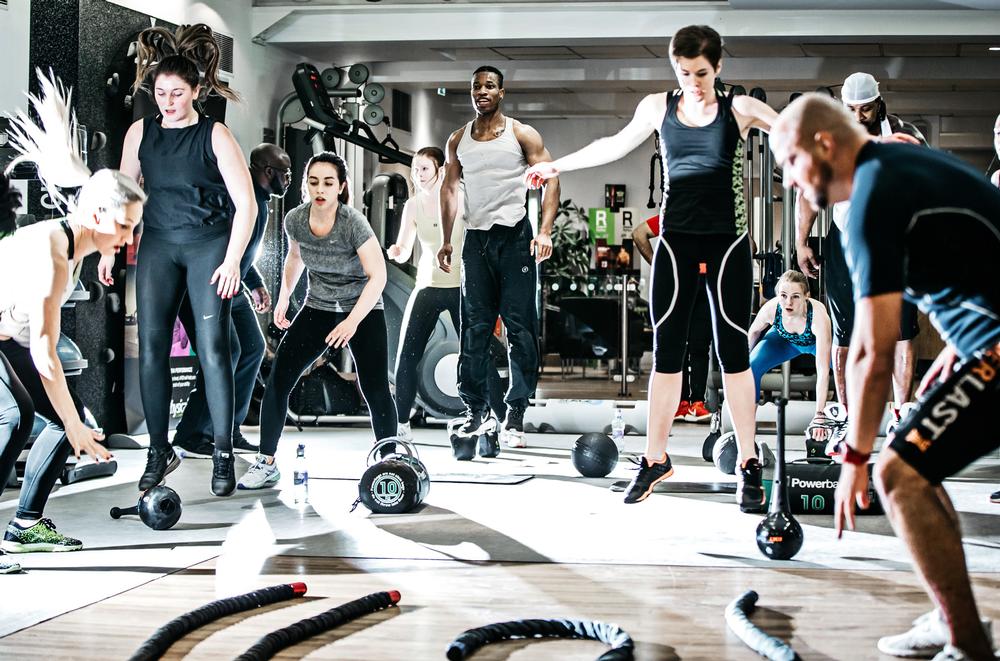
Gen Zers are already open to the idea of being active, making them a prime group to target / PHOTO: COURTESY OF LES MILLS
With much hype around the ‘silver pound’, it’s clear to see the older, more loyal generation provides a significant target market.
But non-user research, carried out by customer insight and business intelligence firm Leisure-net shows operators shouldn’t be too quick to put all their eggs in one basket, with Gen Zers 25 per cent more likely to be in contemplation or pre-contemplation mode than any other age group.
The research, pulled from 12 months of non-user community studies, specifically looked at the differences in behaviour, attitudes and perceptions of 16-24 year olds (Gen Z) versus the rest of the population, and found that time, motivation and, in particular, direct costs are much more important factors for Gen Z.
Mike Hill, director of Leisure-net says: “There’s an easier and bigger opportunity to get these young people active than the population at large as they’re already open to the idea. Perhaps because they’re less stuck in their ways or maybe because they’re more concerned about how they look. We know from previous research this generation tends to be more appearance and body shape concerned. As we age our concerns tend to move to more health orientated goals.”
However, award-winning entrepreneur, health blogger and Gen Z expert, Fab Giovanetti, says Gen Z is one of the most receptive audiences when it comes to health and wellbeing, and believes they are far more health conscious than many understand.
She says: “It’s interesting how things have changed. This generation is much more health conscious than I was, as a millennial. They’ve had smart phones from the ‘get go’ and are living their lives online. Their main role models are ‘Insta famous’ public figures and brands that talk to them through online story telling.
“Think about climate change and environmental issues. Young activists talking about this are people they can relate to. Smart brands are conscious of this and realise these youngsters don’t want to be told what to do. They’re more mature than we were and want to make their own decisions, learning from examples of what they see online.”
Giovanetti believes this is helping to push Gen Z’s interest in health and fitness. She says: “Previously exercise was seen as PE, not sexy and nothing I would enjoy, or sport, which many believe is unattainable and out of their league. Now we’re seeing 19 year olds showing off their workout routines on Instagram. Public speaking athletes are becoming more relatable and the gym, and how exercise is perceived, has changed. Added to that, brands like Nike, Adidas and Reebok are using storytelling in their marketing, all saying ‘move more’, and inadvertently marketing for health clubs and leisure centres too.”
Karen Burrell, sales and marketing director at Freedom Leisure, agrees. She says: “Gen Z live in a very fitness inspired world, with fitness influencers very much on their radar. In fact, Instagrammers, fitness bloggers and professional athletes are their idols, so we have some very fitness savvy and confident facility users on our hands. This demographic follows and buys programmes from influencers online and often works out at home and outside, as well as wanting to train with our coaches in more formal facilities, enjoying the state-of-the art kit we offer. They also use fitness facilities as a social meeting place; so scheduling and social spaces with desirable catering is something we consider.”
Perhaps this is why they are more active than the rest of the population, with Leisure-net’s research finding that only 10 per cent of Gen Z are doing no activity at all compared to 20 per cent of those aged 25 and over.
Time to work out Hill says: “Gen Z could simply be more motivated than other ages, but I suspect supply also has something to do with it. Arguably there is a lot more opportunity available and attractive to the younger age group. As Fab and Maxine say, they are the Instagram generation and are following vloggers who post about health, wellbeing and exercise. It’s one of the positive things to come out of social media, as I still maintain they are more concerned about how they look because of it.”
Giovanetti agrees, but also believes time plays its part. Whilst Leisure-net’s research showed Gen Z felt time was a potential barrier, she says: “These youngsters are inspired to get involved by the number of great events going on nowadays and the athletes they feel they can relate to, whilst us millennials are already more prone to work and to burn out. We are slaves to our desks and it’s one of the reasons there is a big gap; working out becomes one more thing to tick off the ‘to do’ list. It’s not necessarily that they’re doing more, it’s us that are doing less.”
With cost an issue for cash-strapped Gen Zers, they are more open to using a local leisure centre. However, the range of facilities and equipment is more important to them than their older counterparts. So how do we attract them in with an all singing, all dancing, but cost effective offer?
“Cost is all about disposable income and how they choose to spend it, as they have less to play with,” says Hill. “They are picking up knowledge online about the exercises they want to do and the kit they need to do it, so their expectations are higher and they’re prepared to shop around and move around, using their online skills to find the best deals and make comparisons.”
Marketing to Gen Z To serve up marketing content to the tech-savvy Gen Z, Freedom Leisure focuses on in-app advertising plus targeted social media ads, including a paid element to accelerate engagement. Burrell explains: “Young people, especially girls and young women, can be under-represented and so we’ve created specific membership categories designed to cater for young people, with tailor-made marketing creatives, alongside fresh, on trend, fitness offerings, designed to appeal to the nature of this group of early adopters. We’re also working with fitness bloggers to generate inspirational content and use SMS to push out offers and promotions.”
Where Gen Z is concerned, Giovanetti points out leisure centres are now competing with the boutiques. She says: “Gen Z follows these trendy London boutique gyms and their members online, so they get to see what’s out there and their expectations change accordingly. They assume that’s what they’ll see everywhere. Clearly most couldn’t afford those memberships, so it’s finding a middle ground. A decent shower, for instance, can make a massive difference.
“Leisure centres must think long-term and widen their activity offerings, as if they don’t work hard to keep cash-poor Gen Z members they will lose them when their income increases. Think about your different types of customer and where they are at. The main pain point for millennials is time, whilst the main pain point for Gen Z is money. Create offerings for when they reach each stage of their lives.”
Freddie Dean, head of marketing, digital and insight for customer and commercial services at Kings College, London, has been using this theory in the marketing of the University’s sport and fitness facilities. He explains: “For the first time, we now have students that are digitally native; they’ve always had access to online technology so we carried out research into that population to gear our marketing and engagement strategies up for them.
“We found that out of 400 unique visits to our gym membership sales page in just one day during January, only seven memberships were sold. We wanted to understand why, so we ran student focus groups and asked them to navigate the website and buy a membership, which threw up some interesting feedback around the user experience, the ease of navigation and the language.
“For instance, one membership was listed as Student DD. But many 18 year olds had never had a direct debit and so didn’t understand what it was. Now we simply call it a pay monthly membership. It got us thinking about how young people experience us before they even convert to members.”
Value for money On the back of this, Dean pulled together information from a host of research papers to apply to the University’s offering, including the fact 86 per cent of Gen Zers will read a review before they make a first time purchase. “They want to know people like them are enjoying our experience,” he says. “So we developed three main customer personas for who we are targeting, and, based on this, remodelled our website’s membership registration page to feature reviews so they don’t have to navigate off the page to find out what members think of our service. In fact, we’ve totally changed our digital strategy to promote ads leading with testimonials from a diverse range of student gym users, as well as leveraging word-of-mouth recommendations. Ninety-one per cent of this age group are on Snapchat and, even without incentives, positive experiences elicit referrals.
“We also found Gen Z want real value for money, so things that appear to be expensive but aren’t. If we portray ourselves as too budget it will put them off. Findings from the NSPCC Student Spending Survey show this age group is prepared to spend around £10 a week on health and fitness related leisure. But Gen Z is not loyal, so we need to demonstrate good value while offering a £40 a week experience or they will go elsewhere!”
Dean also agrees with Giovanetti that health and wellness concerns feature heavily in Gen Z’s reasons for joining. He says: “UNiDAYS research shows their mindset is changing, with 72 per cent saying managing stress and mental health is their most important health and wellness concern. We already had a number of services that responded to that need but we weren’t shouting about them. For instance, our six-week Active Wellness Scheme, which aims to tackle lower level mental health concerns. We now have video testimonials from those willing to share their story. It’s breaking down barriers and making us more accessible; bringing to the surface that we’re more than just a gym membership.”
The British Active Students Survey 2018, carried out by BUCs in association with Scottish Student Sport, Precor and ukactive, found the main barrier to activity and sport was that students are too busy with studies (76 per cent), whilst 23 per cent said it is too expensive and 23 per cent said they are too busy socialising. Kings College is now trying to appeal to those messages. Dean explains: “Rather than trying to fight them for the time they feel they don’t have, we accommodate it by running shorter classes that let them exercise, shower and change within an hour.”
Sportspark and ueasport at the University of East Anglia (UEA) is also developing a more well-rounded approach to its offering to ensure more people can have a route into physical activity, including dog walking for mental health, colour runs and even beach trips. A green ‘active campus’ is also in planning for later this year, which will see open spaces on the campus mapped and marked out as walk, run and cycle routes.
Director of sport and commercial services Phil Steele explains: “We’ve launched a series of projects to increase the way physical activity is used to improve wellbeing. In addition to our traditional group exercise classes and court bookings, these enable more people to enjoy activity and keep healthy, both mentally and physically.
“Our free dog walking sessions for students have garnered national interest, with Active Norfolk now looking to run similar sessions for businesses and the wider community. A local pet sitting service supplies the dogs and students sign up to walk them. It’s a very social event, which helps students to unwind and de-stress, especially if they’re missing pets at home, and they’re always fully booked much like our cycling and day trips, which feature in our Navigate Norfolk Scheme. These initiatives help students get out and about around the county and give them the opportunity to try something new.”
Knowing what they’re getting for their money is important to students, according to Steele, who says: “We’ve changed the way we communicate specifically to reach Gen Z, who live with their phone in their hand, whilst enabling them to still seek face-to-face contact when they need to. We use our own students in our marketing images, so it seems more real and they can connect, and student activators take photos, write up events and help with our social media content too.”
Along with six other universities, Kings College and UEA are developing a new activity app for launch early next year. Called MOVES, and powered by OpenPlay, it will track and reward students for their activity, leveraging challenges and reward-based motivations to sustain behaviours. It will also include nudges, such as to milestone badges, as well as supporting data analysis around mental health and wellbeing scores.
The University of Hertfordshire’s Sports Village appears to have nailed the loyalty issue around Gen Z, after introducing CoachAi, the winner of ukactive’s Active Lab 2019, to its facilities in September last year.
“Our aim was to help new gym users create a long lasting routine through the support of this AI companion. This, in turn, would help them achieve their goals and improve the club’s retention,” says David Connell, director of sport, University of Hertfordshire.
In their first three months, new members using CoachAi visited 21 per cent more frequently overall than those without. And, among members actively using CoachAi, the retention rate after four months was an impressive 97.5 per cent. The greatest impact was seen among members aged 18-25.
“It’s impossible to interact with every member at every visit,” continues Connell. “CoachAi takes away some of the manual processes, allowing us more time to interact face-to-face, as well as offering individual support to every member, by automatically learning their habits and preferences, reminding them of upcoming workouts and feeding back after each session. The results have exceeded our wildest expectations. We’ve seen a statistically significant increase in visit frequency and have fewer ‘at risk’ members.”
Mike Hill
"We know from previous research this generation tends to be more appearance and body shape concerned" - Mike Hill, leisure-net
Fab Giovanetti
"Now we’re seeing 19 year olds showing off their workout routines on Instagram" - Fab Giovanetti, Health Blogger
Karen Burrell
"Gen Z live in a very fitness inspired world, with fitness influencers very much on their radar" - Karen Burrell, Freedom Leisure
Freddie Dean
"For the first time, we now have students that are digitally native; they’ve always had access to online technology" - Freddie Dean, Kings College, London
Phil Steele
"We’ve changed the way we communicate specifically to reach Gen Z, who live with their phone in their hand" - Phil Steele, University of East Anglia
David Connell
"Our aim was to help new gym users create a long lasting routine through the support of this AI companion" - David Connell, University of Hertfordshire
What makes Gen Z tick?
Operators can further explore the opportunities Gen Z presents during active-net in March 2020, where Fab Giovanetti will be presenting as part of a panel on what makes Gen Z tick. The two-day educational, networking and business meetings event will also include a session with CIMSPA’s youth panel, a group of 14 16-25 year olds, who provide the CIMSPA board with their perspective on sport and physical activity, as well as helping influence policy and direction of the sector’s chartered professional body.
In the fast-paced world of fitness and wellness, where high-intensity workouts push us to
our limits and the sweat pours, the importance of efficient recovery cannot be overstated. [more...]
Gen Z has come of age, and is engaging with fitness in new ways. We look at how health clubs can appeal to this young, tech-savvy and value-conscious age group
Gen Zers are already open to the idea of being active, making them a prime group to target / PHOTO: COURTESY OF LES MILLS
With much hype around the ‘silver pound’, it’s clear to see the older, more loyal generation provides a significant target market.
But non-user research, carried out by customer insight and business intelligence firm Leisure-net shows operators shouldn’t be too quick to put all their eggs in one basket, with Gen Zers 25 per cent more likely to be in contemplation or pre-contemplation mode than any other age group.
The research, pulled from 12 months of non-user community studies, specifically looked at the differences in behaviour, attitudes and perceptions of 16-24 year olds (Gen Z) versus the rest of the population, and found that time, motivation and, in particular, direct costs are much more important factors for Gen Z.
Mike Hill, director of Leisure-net says: “There’s an easier and bigger opportunity to get these young people active than the population at large as they’re already open to the idea. Perhaps because they’re less stuck in their ways or maybe because they’re more concerned about how they look. We know from previous research this generation tends to be more appearance and body shape concerned. As we age our concerns tend to move to more health orientated goals.”
However, award-winning entrepreneur, health blogger and Gen Z expert, Fab Giovanetti, says Gen Z is one of the most receptive audiences when it comes to health and wellbeing, and believes they are far more health conscious than many understand.
She says: “It’s interesting how things have changed. This generation is much more health conscious than I was, as a millennial. They’ve had smart phones from the ‘get go’ and are living their lives online. Their main role models are ‘Insta famous’ public figures and brands that talk to them through online story telling.
“Think about climate change and environmental issues. Young activists talking about this are people they can relate to. Smart brands are conscious of this and realise these youngsters don’t want to be told what to do. They’re more mature than we were and want to make their own decisions, learning from examples of what they see online.”
Giovanetti believes this is helping to push Gen Z’s interest in health and fitness. She says: “Previously exercise was seen as PE, not sexy and nothing I would enjoy, or sport, which many believe is unattainable and out of their league. Now we’re seeing 19 year olds showing off their workout routines on Instagram. Public speaking athletes are becoming more relatable and the gym, and how exercise is perceived, has changed. Added to that, brands like Nike, Adidas and Reebok are using storytelling in their marketing, all saying ‘move more’, and inadvertently marketing for health clubs and leisure centres too.”
Karen Burrell, sales and marketing director at Freedom Leisure, agrees. She says: “Gen Z live in a very fitness inspired world, with fitness influencers very much on their radar. In fact, Instagrammers, fitness bloggers and professional athletes are their idols, so we have some very fitness savvy and confident facility users on our hands. This demographic follows and buys programmes from influencers online and often works out at home and outside, as well as wanting to train with our coaches in more formal facilities, enjoying the state-of-the art kit we offer. They also use fitness facilities as a social meeting place; so scheduling and social spaces with desirable catering is something we consider.”
Perhaps this is why they are more active than the rest of the population, with Leisure-net’s research finding that only 10 per cent of Gen Z are doing no activity at all compared to 20 per cent of those aged 25 and over.
Time to work out Hill says: “Gen Z could simply be more motivated than other ages, but I suspect supply also has something to do with it. Arguably there is a lot more opportunity available and attractive to the younger age group. As Fab and Maxine say, they are the Instagram generation and are following vloggers who post about health, wellbeing and exercise. It’s one of the positive things to come out of social media, as I still maintain they are more concerned about how they look because of it.”
Giovanetti agrees, but also believes time plays its part. Whilst Leisure-net’s research showed Gen Z felt time was a potential barrier, she says: “These youngsters are inspired to get involved by the number of great events going on nowadays and the athletes they feel they can relate to, whilst us millennials are already more prone to work and to burn out. We are slaves to our desks and it’s one of the reasons there is a big gap; working out becomes one more thing to tick off the ‘to do’ list. It’s not necessarily that they’re doing more, it’s us that are doing less.”
With cost an issue for cash-strapped Gen Zers, they are more open to using a local leisure centre. However, the range of facilities and equipment is more important to them than their older counterparts. So how do we attract them in with an all singing, all dancing, but cost effective offer?
“Cost is all about disposable income and how they choose to spend it, as they have less to play with,” says Hill. “They are picking up knowledge online about the exercises they want to do and the kit they need to do it, so their expectations are higher and they’re prepared to shop around and move around, using their online skills to find the best deals and make comparisons.”
Marketing to Gen Z To serve up marketing content to the tech-savvy Gen Z, Freedom Leisure focuses on in-app advertising plus targeted social media ads, including a paid element to accelerate engagement. Burrell explains: “Young people, especially girls and young women, can be under-represented and so we’ve created specific membership categories designed to cater for young people, with tailor-made marketing creatives, alongside fresh, on trend, fitness offerings, designed to appeal to the nature of this group of early adopters. We’re also working with fitness bloggers to generate inspirational content and use SMS to push out offers and promotions.”
Where Gen Z is concerned, Giovanetti points out leisure centres are now competing with the boutiques. She says: “Gen Z follows these trendy London boutique gyms and their members online, so they get to see what’s out there and their expectations change accordingly. They assume that’s what they’ll see everywhere. Clearly most couldn’t afford those memberships, so it’s finding a middle ground. A decent shower, for instance, can make a massive difference.
“Leisure centres must think long-term and widen their activity offerings, as if they don’t work hard to keep cash-poor Gen Z members they will lose them when their income increases. Think about your different types of customer and where they are at. The main pain point for millennials is time, whilst the main pain point for Gen Z is money. Create offerings for when they reach each stage of their lives.”
Freddie Dean, head of marketing, digital and insight for customer and commercial services at Kings College, London, has been using this theory in the marketing of the University’s sport and fitness facilities. He explains: “For the first time, we now have students that are digitally native; they’ve always had access to online technology so we carried out research into that population to gear our marketing and engagement strategies up for them.
“We found that out of 400 unique visits to our gym membership sales page in just one day during January, only seven memberships were sold. We wanted to understand why, so we ran student focus groups and asked them to navigate the website and buy a membership, which threw up some interesting feedback around the user experience, the ease of navigation and the language.
“For instance, one membership was listed as Student DD. But many 18 year olds had never had a direct debit and so didn’t understand what it was. Now we simply call it a pay monthly membership. It got us thinking about how young people experience us before they even convert to members.”
Value for money On the back of this, Dean pulled together information from a host of research papers to apply to the University’s offering, including the fact 86 per cent of Gen Zers will read a review before they make a first time purchase. “They want to know people like them are enjoying our experience,” he says. “So we developed three main customer personas for who we are targeting, and, based on this, remodelled our website’s membership registration page to feature reviews so they don’t have to navigate off the page to find out what members think of our service. In fact, we’ve totally changed our digital strategy to promote ads leading with testimonials from a diverse range of student gym users, as well as leveraging word-of-mouth recommendations. Ninety-one per cent of this age group are on Snapchat and, even without incentives, positive experiences elicit referrals.
“We also found Gen Z want real value for money, so things that appear to be expensive but aren’t. If we portray ourselves as too budget it will put them off. Findings from the NSPCC Student Spending Survey show this age group is prepared to spend around £10 a week on health and fitness related leisure. But Gen Z is not loyal, so we need to demonstrate good value while offering a £40 a week experience or they will go elsewhere!”
Dean also agrees with Giovanetti that health and wellness concerns feature heavily in Gen Z’s reasons for joining. He says: “UNiDAYS research shows their mindset is changing, with 72 per cent saying managing stress and mental health is their most important health and wellness concern. We already had a number of services that responded to that need but we weren’t shouting about them. For instance, our six-week Active Wellness Scheme, which aims to tackle lower level mental health concerns. We now have video testimonials from those willing to share their story. It’s breaking down barriers and making us more accessible; bringing to the surface that we’re more than just a gym membership.”
The British Active Students Survey 2018, carried out by BUCs in association with Scottish Student Sport, Precor and ukactive, found the main barrier to activity and sport was that students are too busy with studies (76 per cent), whilst 23 per cent said it is too expensive and 23 per cent said they are too busy socialising. Kings College is now trying to appeal to those messages. Dean explains: “Rather than trying to fight them for the time they feel they don’t have, we accommodate it by running shorter classes that let them exercise, shower and change within an hour.”
Sportspark and ueasport at the University of East Anglia (UEA) is also developing a more well-rounded approach to its offering to ensure more people can have a route into physical activity, including dog walking for mental health, colour runs and even beach trips. A green ‘active campus’ is also in planning for later this year, which will see open spaces on the campus mapped and marked out as walk, run and cycle routes.
Director of sport and commercial services Phil Steele explains: “We’ve launched a series of projects to increase the way physical activity is used to improve wellbeing. In addition to our traditional group exercise classes and court bookings, these enable more people to enjoy activity and keep healthy, both mentally and physically.
“Our free dog walking sessions for students have garnered national interest, with Active Norfolk now looking to run similar sessions for businesses and the wider community. A local pet sitting service supplies the dogs and students sign up to walk them. It’s a very social event, which helps students to unwind and de-stress, especially if they’re missing pets at home, and they’re always fully booked much like our cycling and day trips, which feature in our Navigate Norfolk Scheme. These initiatives help students get out and about around the county and give them the opportunity to try something new.”
Knowing what they’re getting for their money is important to students, according to Steele, who says: “We’ve changed the way we communicate specifically to reach Gen Z, who live with their phone in their hand, whilst enabling them to still seek face-to-face contact when they need to. We use our own students in our marketing images, so it seems more real and they can connect, and student activators take photos, write up events and help with our social media content too.”
Along with six other universities, Kings College and UEA are developing a new activity app for launch early next year. Called MOVES, and powered by OpenPlay, it will track and reward students for their activity, leveraging challenges and reward-based motivations to sustain behaviours. It will also include nudges, such as to milestone badges, as well as supporting data analysis around mental health and wellbeing scores.
The University of Hertfordshire’s Sports Village appears to have nailed the loyalty issue around Gen Z, after introducing CoachAi, the winner of ukactive’s Active Lab 2019, to its facilities in September last year.
“Our aim was to help new gym users create a long lasting routine through the support of this AI companion. This, in turn, would help them achieve their goals and improve the club’s retention,” says David Connell, director of sport, University of Hertfordshire.
In their first three months, new members using CoachAi visited 21 per cent more frequently overall than those without. And, among members actively using CoachAi, the retention rate after four months was an impressive 97.5 per cent. The greatest impact was seen among members aged 18-25.
“It’s impossible to interact with every member at every visit,” continues Connell. “CoachAi takes away some of the manual processes, allowing us more time to interact face-to-face, as well as offering individual support to every member, by automatically learning their habits and preferences, reminding them of upcoming workouts and feeding back after each session. The results have exceeded our wildest expectations. We’ve seen a statistically significant increase in visit frequency and have fewer ‘at risk’ members.”
Mike Hill
"We know from previous research this generation tends to be more appearance and body shape concerned" - Mike Hill, leisure-net
Fab Giovanetti
"Now we’re seeing 19 year olds showing off their workout routines on Instagram" - Fab Giovanetti, Health Blogger
Karen Burrell
"Gen Z live in a very fitness inspired world, with fitness influencers very much on their radar" - Karen Burrell, Freedom Leisure
Freddie Dean
"For the first time, we now have students that are digitally native; they’ve always had access to online technology" - Freddie Dean, Kings College, London
Phil Steele
"We’ve changed the way we communicate specifically to reach Gen Z, who live with their phone in their hand" - Phil Steele, University of East Anglia
David Connell
"Our aim was to help new gym users create a long lasting routine through the support of this AI companion" - David Connell, University of Hertfordshire
What makes Gen Z tick?
Operators can further explore the opportunities Gen Z presents during active-net in March 2020, where Fab Giovanetti will be presenting as part of a panel on what makes Gen Z tick. The two-day educational, networking and business meetings event will also include a session with CIMSPA’s youth panel, a group of 14 16-25 year olds, who provide the CIMSPA board with their perspective on sport and physical activity, as well as helping influence policy and direction of the sector’s chartered professional body.
The Standards Authority for Touch in Cancer Care (SATCC) charity has announced its first five-
day Living with Cancer and Beyond retreat, which will be held at Carden Park Hotel and Spa in
Cheshire, UK, between 1 and 5 September.
Patmos Aktis, a Luxury Collection Resort and Spa, has opened in Greece, with a renovated and
rebranded wellness offering called Ansana Wellness and Spa.
The Mauna Kea Beach Hotel, an Autograph Collection property in Hawaii, US, has opened its
22,000 sq ft indoor-outdoor Spa at Mauna Kea as the final step in the property’s overall
renovation, which has cost more than US$180 million (€166 million, £140 mill
The UK spa review and discovery platform for consumers, the Good Spa Guide, has announced
it will host the Good Spa Guide Awards 2026 during an event on 16 November at Sopwell House
Hotel in St Albans, UK.
Eighty-four per cent of consumers now say wellness is a top priority in their lives, with this
percentage increasing year on year, according to a preview presentation of McKinsey’s Future of
Wellness 2026 research report.
Mass protests have been taking place since Monday 1 June in Albania over the development of
a luxury resort by Donald Trump’s daughter Ivanka Trump and her husband Jared Kushner.
Global Wellness Day (GWD) marked its 15th anniversary on Saturday 13 June 2026, with the
theme: #JoyMagenta – a celebration of the healing qualities of simple gestures and activities
that spark joy.
Global luxury hospitality brand, Six Senses, has partnered with longevity healthcare provider,
HUM2N, to launch a clinic at Six Senses London, at The Whiteley.
As part of its first hotel partnership, Mayrlife – the medical health resort company known for its
site in Altaussee, Austria – has launched a day clinic at the Rosewood Vienna.
Premium London health club, KX Chelsea, will imminently unveil its most significant
redevelopment since its launch in 2002 to create an integrated wellness model combining
training, recovery and relaxation.
In the fast-paced world of fitness and wellness, where high-intensity workouts push us to
our limits and the sweat pours, the importance of efficient recovery cannot be overstated. [more...]