Hydrothermal spa experiences are growing in popularity as new medical
studies are showing their benefits. Don Genders, chair of the GWI Hydrothermal
Initiative and CEO of Design for Leisure, outlines the biggest trends
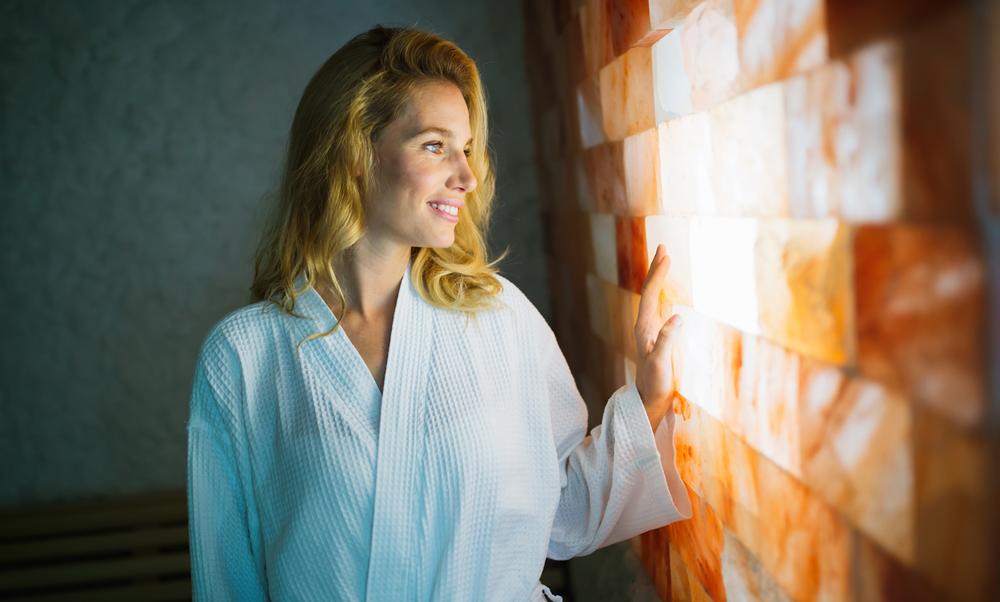
Salt brick thermal rooms need halogenerators for real health benefits
The health and wellness benefits of hydrothermal spa experiences have been sought out for centuries; whether it’s a Roman bath, Finnish sauna or Turkish hammam, cultures have craved the cleansing, healing pleasures of heat and water. Today, medical studies back up what we already instinctively knew: these self-administered treatments can offer a host of health benefits, including improved blood circulation, improved cardiovascular health heart health, pain relief and blood pressure management.
The cleansing and healing powers of water and heat – and the unique health benefits of hot/cold contrast therapy – offer wellness benefits that are difficult to achieve any other way. The bonus for spas is that the health benefits can be self-administered so are achieved without high labor costs, but increasingly, we’re seeing consumers adopting these practices at home as well.
With the popularity of hydrothermal treatments on the rise, the Global Wellness Institute’s Hydrothermal Initiative has identified six trends for 2019, which are outlined in the following pages.
1. Salt therapy for real results In 2019, we predict the use of salt in thermal cabins to soar, as spas start putting the health benefits of salt before the aesthetic beauty of pink Himalayan salt blocks. The popularity of designer salt rooms in spas has soared in recent years – and sexy, pink-hued salt brick walls have become ubiquitous in thermal areas of spas across the world.
However, though the backlit bricks may look pretty, the salt they are made of offers little to no health benefits. Expect thermal rooms with or without salt walls to add functional salt systems, such as halogenerators for distributing fine particles of dry salt or a nebulizer for a steam-style inhalation of salt. Both enable bathers to reap the actual benefits cleansing salt offers, including better respiratory health (studies show salt inhalation can even alleviate asthma symptoms) and benefits to the skin, including conditions such as acne, rashes and eczema. Devices, such as Klafs SaltPro X, a portable, battery-operated halogenerator, are helping to bring the benefits of salt to any thermal room or home sauna.
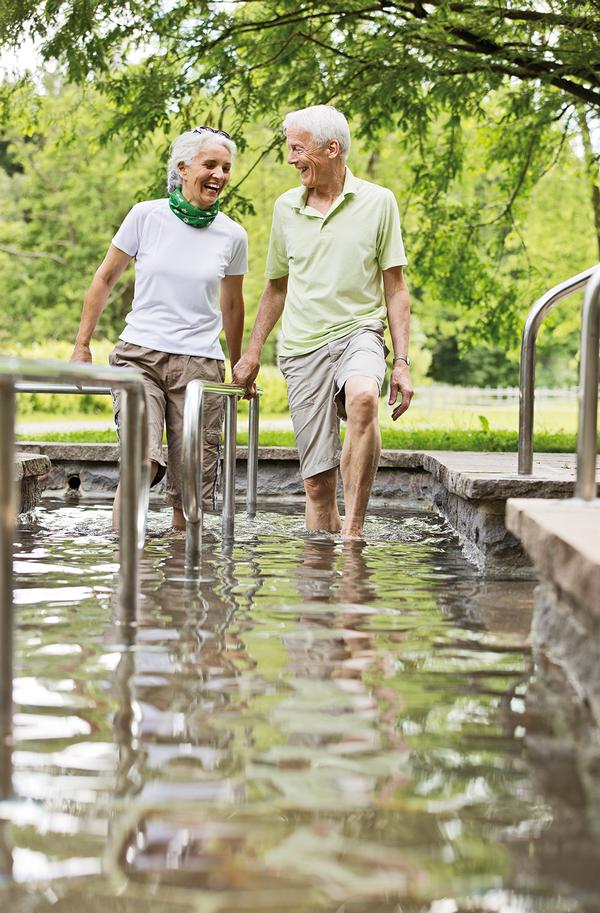
2. Kneipp therapy gets a reboot Kneipp therapy, named after a 19th century Bavarian parish priest who discovered this “water cure” for healing his tuberculosis, has long been popular in Europe. Kneipp walks or wading pools are a popular introduction to the health benefits of hot and cold contrast therapy. Bathers alternate walking through hot and cold actions to stimulate blood circulation throughout the body, and because they can be self-administered (no therapist required), they are growing in popularity in both Europe and North America.
3. Getting cold gets hot The importance of cooling down after using saunas, steam rooms or hot pools has become better understood in recent years. The evidence around the benefits of hot and cold contrast therapy is mounting, and has resulted in a greater interest in treatments, such as snow rooms, snow showers and cold plunge pools. Even the humble shower is getting a significant makeover to help bring hot/cold contrast therapy into homes.
Manufacturers, such as Dornbracht and Hansgrohe, have introduced specialist “deluge” showers and waterfalls that are specifically aimed at the spa and wellness market and are being used in both residential wellness suites and in professional builds.
4. Coed thermal bathing gains traction in the US After many years of resistance, we are seeing the development of exciting and creative unisex wet thermal areas in spas across the US – something most Europeans have long enjoyed. Privacy issues are handled by installing small private areas in coed locker rooms, allowing the main spa areas to be designed and built as social, communal spaces.
This trend is gaining major traction in the US, where younger generations seek out social and group wellness activities and recognise that the unique wellness benefits of social spa-ing far outweigh what they get through single-sex, thermal bathing. Some shining examples include the coed facilities at the award-winning Faena Hotel, Miami Beach, and the newly built wellness area in the luxury condominium property at 111 Murray Street in New York’s TriBeCa.
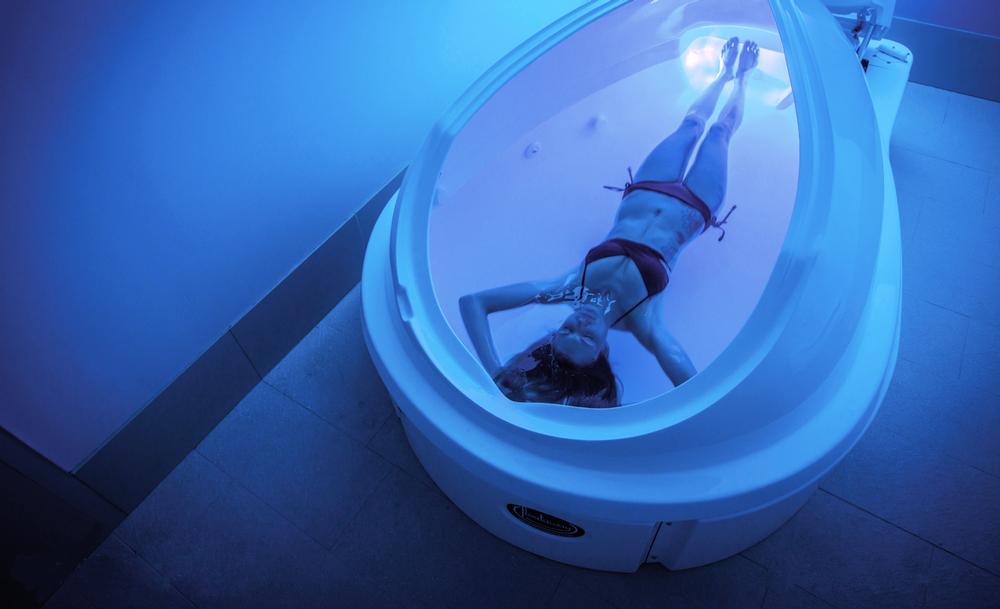
5. Floatation therapy in resurgence Floatation therapy looked to be big back in the 90s, but it never quite took off. Now, seemingly every new hydrothermal project is incorporating a floatation element – from fully enclosed pods, to the more popular open tubs that mitigate any claustrophobic element of floatation, to large-scale, multisensory pools that offer flotation, light and underwater sound therapy.
An extension of this trend is a resurgence of Watsu pools for therapist-led floatation therapy, which is gaining popularity and being sought-after by a new generation of spa-goers. One explanation? New research shows a deep drop in anxiety levels after a one-hour float. H2Oasis Float Center and Tea House in Tulsa, Oklahoma in the US is an interesting example – it combines tea, oxygen therapy and floatation pools in one location.
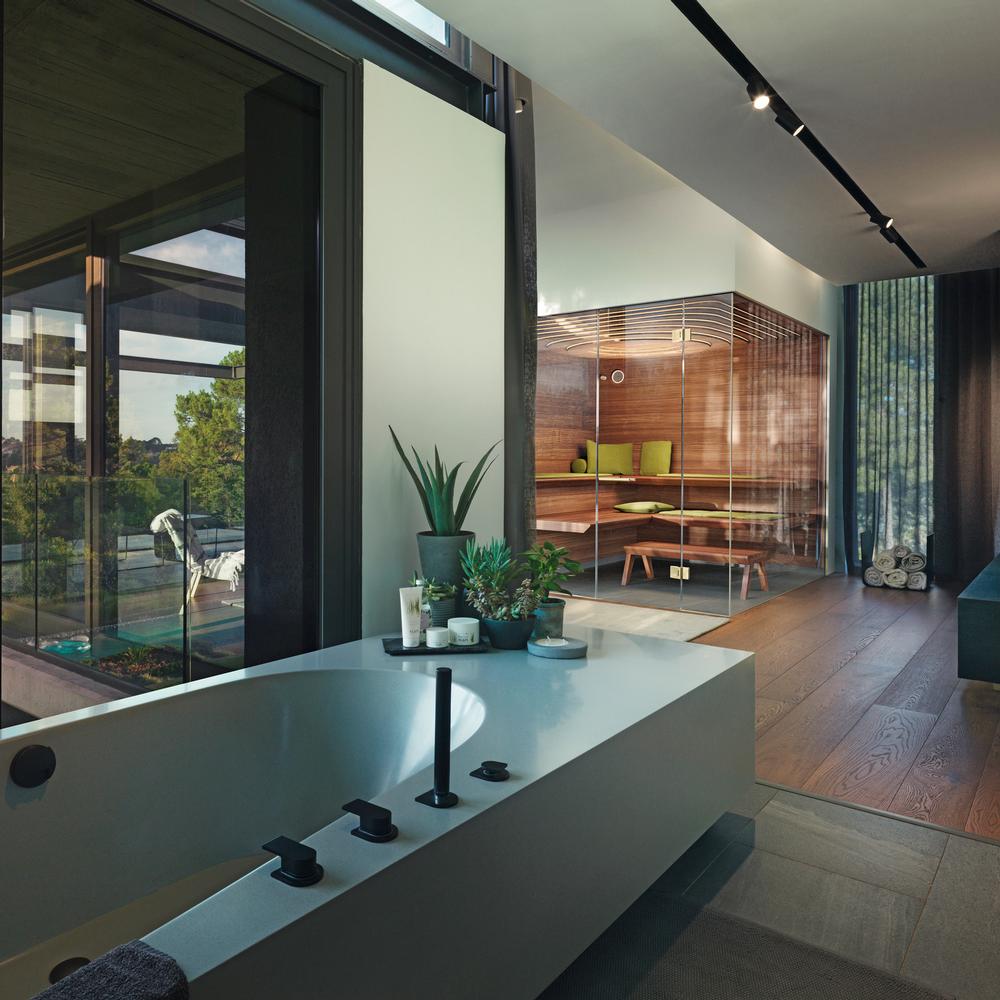
6. Adding hydrothermal wellness elements at home Once the domain of the wealthy, wellness real estate is becoming more democratised, with installations of hydrothermal features in more and more private residences. And more compact designs mean it’s possible for even the smallest of homes to incorporate the benefits of wellness with a private sauna.
This trend is also being seen in multifamily living environments, where apartment and condominium developers are incorporating spa and wellness features into almost every new build. In the past, a fitness centre and maybe a pool were considered differentiators, but now, communal wellness and relaxation areas are must-have amenities. Recent GWI research backs this up: The value of real estate developments incorporating wellness elements is projected to grow from US$134bn in 2017 to US$197bn in 2022.
Le Atelier by C.O.D.E. doesn't offer a standard bespoke service, it provides a highly
customised approach to designing massage beds and loungers in high-end wellness
environments. [more...]
Hydrothermal spa experiences are growing in popularity as new medical
studies are showing their benefits. Don Genders, chair of the GWI Hydrothermal
Initiative and CEO of Design for Leisure, outlines the biggest trends
Salt brick thermal rooms need halogenerators for real health benefits
The health and wellness benefits of hydrothermal spa experiences have been sought out for centuries; whether it’s a Roman bath, Finnish sauna or Turkish hammam, cultures have craved the cleansing, healing pleasures of heat and water. Today, medical studies back up what we already instinctively knew: these self-administered treatments can offer a host of health benefits, including improved blood circulation, improved cardiovascular health heart health, pain relief and blood pressure management.
The cleansing and healing powers of water and heat – and the unique health benefits of hot/cold contrast therapy – offer wellness benefits that are difficult to achieve any other way. The bonus for spas is that the health benefits can be self-administered so are achieved without high labor costs, but increasingly, we’re seeing consumers adopting these practices at home as well.
With the popularity of hydrothermal treatments on the rise, the Global Wellness Institute’s Hydrothermal Initiative has identified six trends for 2019, which are outlined in the following pages.
1. Salt therapy for real results In 2019, we predict the use of salt in thermal cabins to soar, as spas start putting the health benefits of salt before the aesthetic beauty of pink Himalayan salt blocks. The popularity of designer salt rooms in spas has soared in recent years – and sexy, pink-hued salt brick walls have become ubiquitous in thermal areas of spas across the world.
However, though the backlit bricks may look pretty, the salt they are made of offers little to no health benefits. Expect thermal rooms with or without salt walls to add functional salt systems, such as halogenerators for distributing fine particles of dry salt or a nebulizer for a steam-style inhalation of salt. Both enable bathers to reap the actual benefits cleansing salt offers, including better respiratory health (studies show salt inhalation can even alleviate asthma symptoms) and benefits to the skin, including conditions such as acne, rashes and eczema. Devices, such as Klafs SaltPro X, a portable, battery-operated halogenerator, are helping to bring the benefits of salt to any thermal room or home sauna.
2. Kneipp therapy gets a reboot Kneipp therapy, named after a 19th century Bavarian parish priest who discovered this “water cure” for healing his tuberculosis, has long been popular in Europe. Kneipp walks or wading pools are a popular introduction to the health benefits of hot and cold contrast therapy. Bathers alternate walking through hot and cold actions to stimulate blood circulation throughout the body, and because they can be self-administered (no therapist required), they are growing in popularity in both Europe and North America.
3. Getting cold gets hot The importance of cooling down after using saunas, steam rooms or hot pools has become better understood in recent years. The evidence around the benefits of hot and cold contrast therapy is mounting, and has resulted in a greater interest in treatments, such as snow rooms, snow showers and cold plunge pools. Even the humble shower is getting a significant makeover to help bring hot/cold contrast therapy into homes.
Manufacturers, such as Dornbracht and Hansgrohe, have introduced specialist “deluge” showers and waterfalls that are specifically aimed at the spa and wellness market and are being used in both residential wellness suites and in professional builds.
4. Coed thermal bathing gains traction in the US After many years of resistance, we are seeing the development of exciting and creative unisex wet thermal areas in spas across the US – something most Europeans have long enjoyed. Privacy issues are handled by installing small private areas in coed locker rooms, allowing the main spa areas to be designed and built as social, communal spaces.
This trend is gaining major traction in the US, where younger generations seek out social and group wellness activities and recognise that the unique wellness benefits of social spa-ing far outweigh what they get through single-sex, thermal bathing. Some shining examples include the coed facilities at the award-winning Faena Hotel, Miami Beach, and the newly built wellness area in the luxury condominium property at 111 Murray Street in New York’s TriBeCa.
5. Floatation therapy in resurgence Floatation therapy looked to be big back in the 90s, but it never quite took off. Now, seemingly every new hydrothermal project is incorporating a floatation element – from fully enclosed pods, to the more popular open tubs that mitigate any claustrophobic element of floatation, to large-scale, multisensory pools that offer flotation, light and underwater sound therapy.
An extension of this trend is a resurgence of Watsu pools for therapist-led floatation therapy, which is gaining popularity and being sought-after by a new generation of spa-goers. One explanation? New research shows a deep drop in anxiety levels after a one-hour float. H2Oasis Float Center and Tea House in Tulsa, Oklahoma in the US is an interesting example – it combines tea, oxygen therapy and floatation pools in one location.
6. Adding hydrothermal wellness elements at home Once the domain of the wealthy, wellness real estate is becoming more democratised, with installations of hydrothermal features in more and more private residences. And more compact designs mean it’s possible for even the smallest of homes to incorporate the benefits of wellness with a private sauna.
This trend is also being seen in multifamily living environments, where apartment and condominium developers are incorporating spa and wellness features into almost every new build. In the past, a fitness centre and maybe a pool were considered differentiators, but now, communal wellness and relaxation areas are must-have amenities. Recent GWI research backs this up: The value of real estate developments incorporating wellness elements is projected to grow from US$134bn in 2017 to US$197bn in 2022.
Four Seasons Resort The Nam Hai in Hoi An, Vietnam, has put together a Global Wellness Day
(GWD) agenda with activations rooted in nature and shaped by four pillars of Joy – in
alignment with the day’s theme #JoyMagenta.
The Global Wellness Summit (GWS) will celebrate its 20th anniversary at the 2026 event in
Phuket, Thailand, later this year with the theme: The Science, Art and Soul of Wellness.
Auko, an all-inclusive development, is opening in Phong Nha in Vietnam in Q3 2026, with a
series of 30 tented eco-lodges and wellness hospitality operations by Lumina Wellbeing.
Therme Manchester’s 28-acre development, which will include interconnected glass pavilions
that measure 65,000sq m, will be the largest bathing and wellbeing attraction in the world once
complete, according to prof David Russell, CEO of Therme UK.
Naples Beach Club, a Four Seasons Resort, has opened a 2,800sq m spa called The Sanctuary,
with the design and concept inspired by the Native American people that populated Florida’s
Southwest coast – the Calusa.
Swire Hotels’ luxury hospitality brand Upper House has revealed it will roll out its two-day
House of Healing retreats at its three hotels in Hong Kong, Chengdu and Shanghai.
LVMH-owned beauty house Guerlain will launch up to five spas with partners a year as part of
its plan to expand globally, according to the brand’s international spa and wellness director,
Diane Davody.
A new global study by Kevin Kelly and Peter Yesawich, called WELLSurvey 2.0, has revealed
more than half of consumers in the UK, US and Germany would not choose numerous high-
profile wellness resort brands for a future trip.
Luxury hospitality and wellness pioneer Jeremy McCarthy has launched Leisure Alchemy, a
digital platform that will provide professionals with strategic guidance on how to build
transformational leisure experiences that drive profit.
Le Atelier by C.O.D.E. doesn't offer a standard bespoke service, it provides a highly
customised approach to designing massage beds and loungers in high-end wellness
environments. [more...]