Yes! Send me the FREE digital editions of Spa Business and Spa Business insider magazines and the FREE weekly Spa Business and Spa Business insider ezines and breaking news alerts!
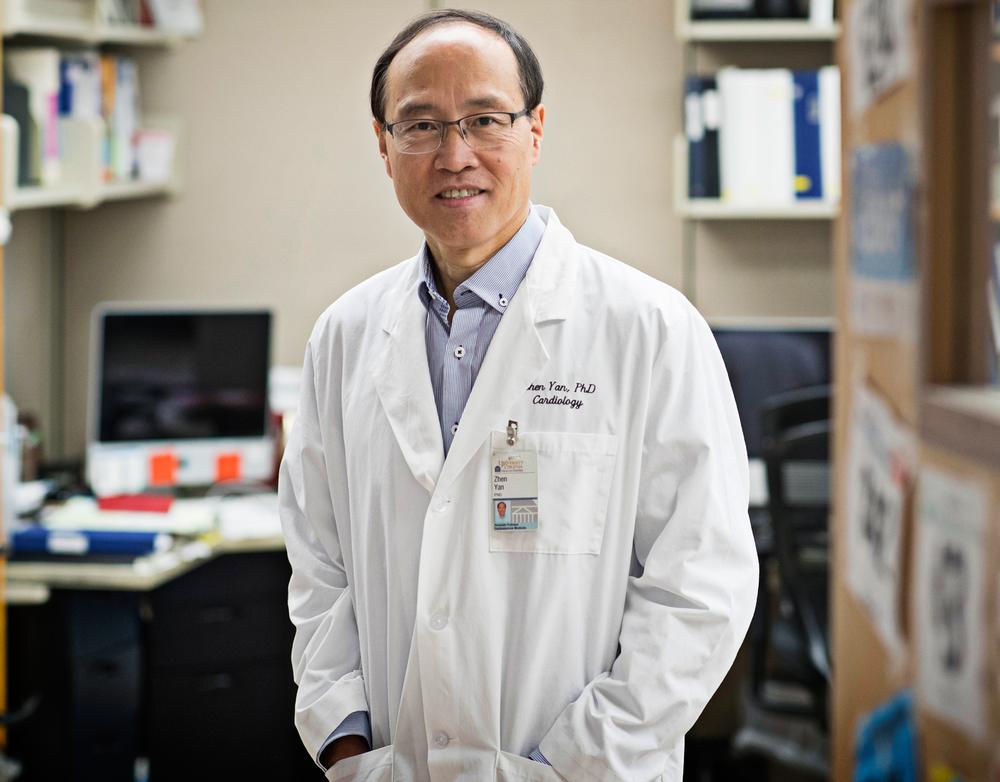
Zhen Yan set out to show the physiological impact of exercise on COVID-19 outcomes
Approximately 80 per cent of confirmed COVID-19 patients have mild symptoms, make a good recovery and don’t need respiratory support, while others become extremely unwell and need life support. Professor Zhen Yan at the University of Virginia set out to find out why outcomes are so mixed.
Yan found regular exercise may reduce the risk of complications in people with COVID-19, as well as offering the potential for alternative treatment approaches going forward.
He studied an antioxidant called extracellular superoxide dismutase (EcSOD) that’s released by the muscles and into the bloodstream during exercise.
His work “strongly supports” the possibility that higher levels of EcSOD in the body can prevent or at least reduce the severity of acute respiratory distress syndrome (ARDS) – one of the worst outcomes of the COVID-19 virus.
EcSOD does this by hunting down free radicals, binding to organs and protecting tissues from attack by the virus.
“Our findings strongly support that enhanced EcSOD expression from skeletal muscle…which can be redistributed to lung tissue, could be a viable preventative and therapeutic measure in reducing the risk and severity of ARDS in COVID-19 patients,” he said.
Research suggests that even a single session of exercise increases the production of the antioxidant, prompting Yan to urge people to find ways to exercise, even while maintaining social distancing.
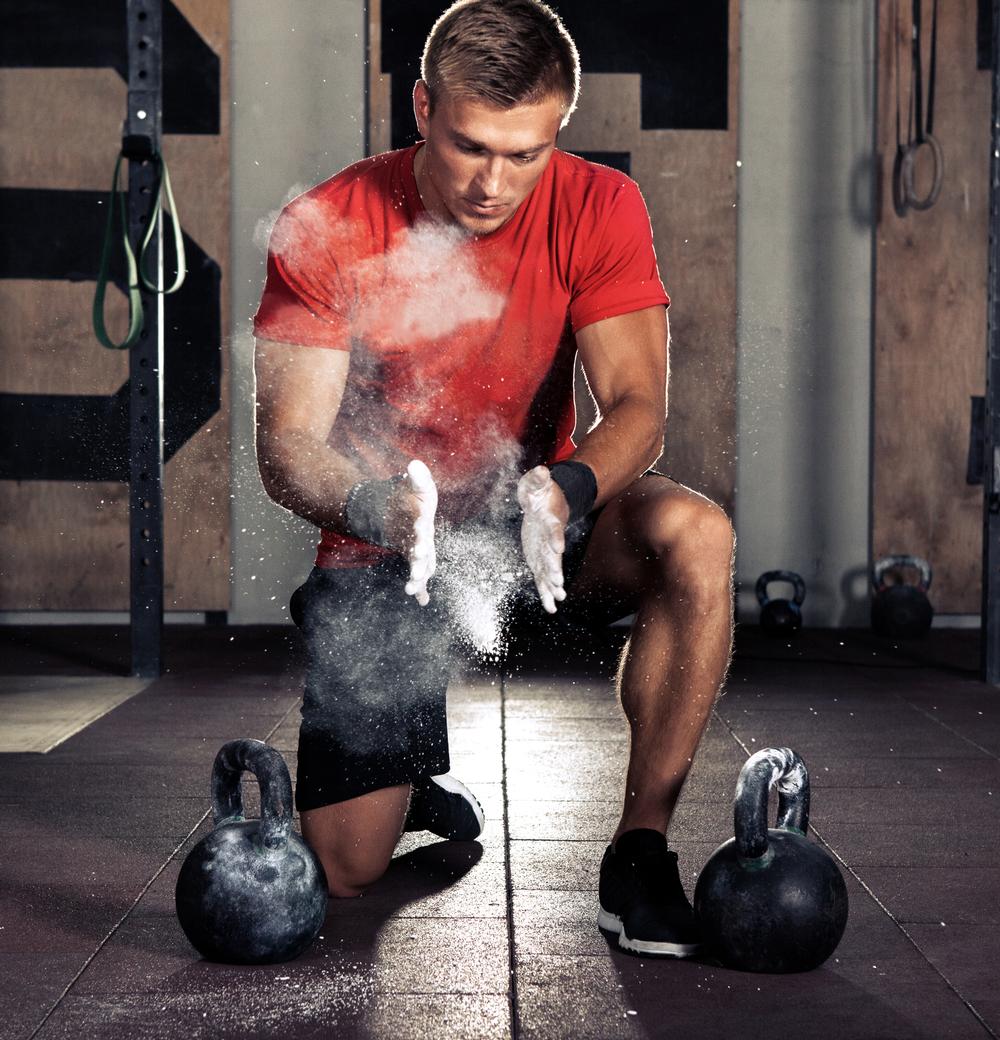
Cardiovascular exercise is thought to drive the highest immediate levels of EcSOD production, however, strength training increases muscle mass, meaning it also plays a part in the equation.
Between three and 17 per cent of people with COVID-19 patients will develop ARDS – this percentage goes up once people are hospitalised to between 20 and 42 per cent, as the more extreme cases succumb to the virus.
“We often say that exercise is medicine. This insight into the role of EcSOD in the body is a perfect example of how we can learn from the biological process of exercise to advance medicine,” Yan said.
“While we strive to learn more about the mysteries of the superb benefits of regular exercise, we don’t have to wait until we know everything before starting to take advantage of this benefit.”
Yan said EcSOD may also prevent multi-organ dysfunction syndrome – in which multiple organs begin to fail.
The antioxidant is also being proposed as a potential therapy for diabetic retinopathy, a complication of diabetes that can lead to blindness.
Low levels of EcSOD are seen in heart disease, kidney failure and osteoarthritis.
Zhen Yan set out to show the physiological impact of exercise on COVID-19 outcomes
Approximately 80 per cent of confirmed COVID-19 patients have mild symptoms, make a good recovery and don’t need respiratory support, while others become extremely unwell and need life support. Professor Zhen Yan at the University of Virginia set out to find out why outcomes are so mixed.
Yan found regular exercise may reduce the risk of complications in people with COVID-19, as well as offering the potential for alternative treatment approaches going forward.
He studied an antioxidant called extracellular superoxide dismutase (EcSOD) that’s released by the muscles and into the bloodstream during exercise.
His work “strongly supports” the possibility that higher levels of EcSOD in the body can prevent or at least reduce the severity of acute respiratory distress syndrome (ARDS) – one of the worst outcomes of the COVID-19 virus.
EcSOD does this by hunting down free radicals, binding to organs and protecting tissues from attack by the virus.
“Our findings strongly support that enhanced EcSOD expression from skeletal muscle…which can be redistributed to lung tissue, could be a viable preventative and therapeutic measure in reducing the risk and severity of ARDS in COVID-19 patients,” he said.
Research suggests that even a single session of exercise increases the production of the antioxidant, prompting Yan to urge people to find ways to exercise, even while maintaining social distancing.
Cardiovascular exercise is thought to drive the highest immediate levels of EcSOD production, however, strength training increases muscle mass, meaning it also plays a part in the equation.
Between three and 17 per cent of people with COVID-19 patients will develop ARDS – this percentage goes up once people are hospitalised to between 20 and 42 per cent, as the more extreme cases succumb to the virus.
“We often say that exercise is medicine. This insight into the role of EcSOD in the body is a perfect example of how we can learn from the biological process of exercise to advance medicine,” Yan said.
“While we strive to learn more about the mysteries of the superb benefits of regular exercise, we don’t have to wait until we know everything before starting to take advantage of this benefit.”
Yan said EcSOD may also prevent multi-organ dysfunction syndrome – in which multiple organs begin to fail.
The antioxidant is also being proposed as a potential therapy for diabetic retinopathy, a complication of diabetes that can lead to blindness.
Low levels of EcSOD are seen in heart disease, kidney failure and osteoarthritis.
A recent survey by the UK Spa Association (UKSA) into the industry’s approach to cancer care
has revealed that almost half of participating respondents (46 per cent) are unaware that
cancer is a disability and guests with a cancer diagnosis must be given
Mexican operator, Solmar Hotels and Resorts, is hosting a series of events in celebration of
Global Wellness Day, including a Temazcal ceremony at its Playa Grande Resort and Spa in Los
Cabos.
Mandarin Oriental has announced a standalone residence brand, Mansions, which will debut at
Emirates Palace, Mandarin Oriental Mansions, Abu Dhabi, in 2029.
Four Seasons Resort The Nam Hai in Hoi An, Vietnam, has put together a Global Wellness Day
(GWD) agenda with activations rooted in nature and shaped by four pillars of Joy – in
alignment with the day’s theme #JoyMagenta.
The Global Wellness Summit (GWS) will celebrate its 20th anniversary at the 2026 event in
Phuket, Thailand, later this year with the theme: The Science, Art and Soul of Wellness.
Auko, an all-inclusive development, is opening in Phong Nha in Vietnam in Q3 2026, with a
series of 30 tented eco-lodges and wellness hospitality operations by Lumina Wellbeing.
Therme Manchester’s 28-acre development, which will include interconnected glass pavilions
that measure 65,000sq m, will be the largest bathing and wellbeing attraction in the world once
complete, according to prof David Russell, CEO of Therme UK.
Naples Beach Club, a Four Seasons Resort, has opened a 2,800sq m spa called The Sanctuary,
with the design and concept inspired by the Native American people that populated Florida’s
Southwest coast – the Calusa.
Swire Hotels’ luxury hospitality brand Upper House has revealed it will roll out its two-day
House of Healing retreats at its three hotels in Hong Kong, Chengdu and Shanghai.