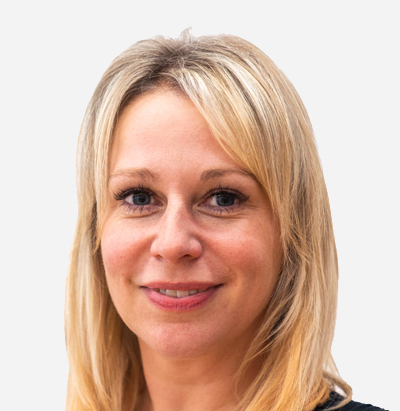
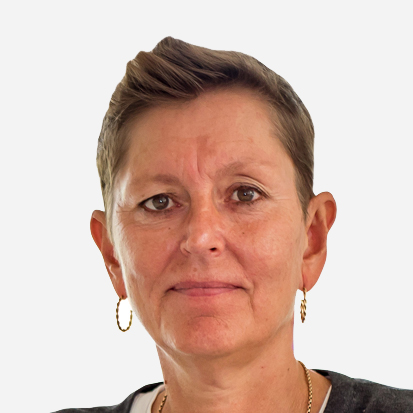
As our sector starts to recover,
there will be changes in the needs
of communities, consumers and the
provision of opportunities. To explore
this subject we hosted a virtual
round table to better understand
views on key workforce questions
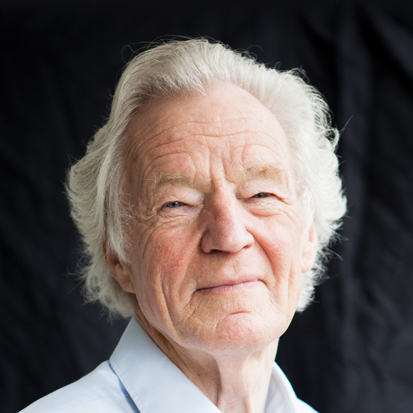
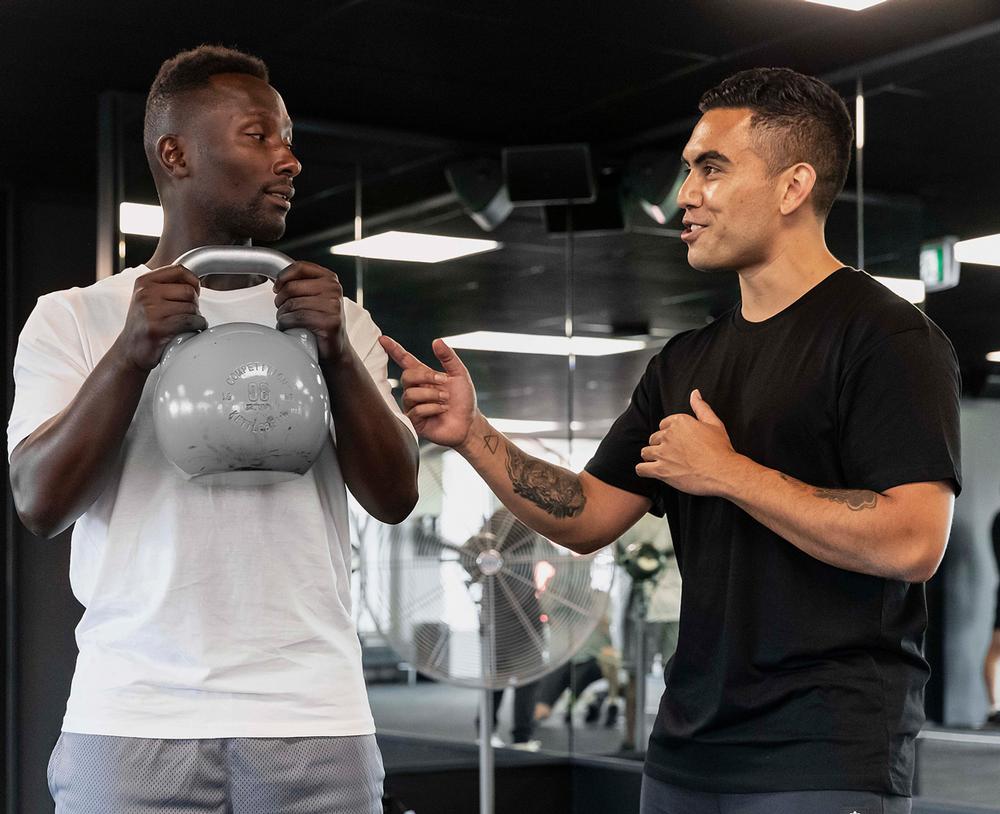
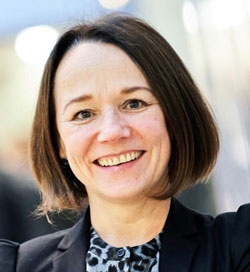
The health service needs to prescribe activity every time a drug is prescribed, says Gray / photo: les mills
The What? Sport England tells us four out of 10 people are less active now than before the pandemic.
The Why? As a nation, we need to learn lessons from COVID-19 and prove the value of physical activity to consumers, the health sector and the government.
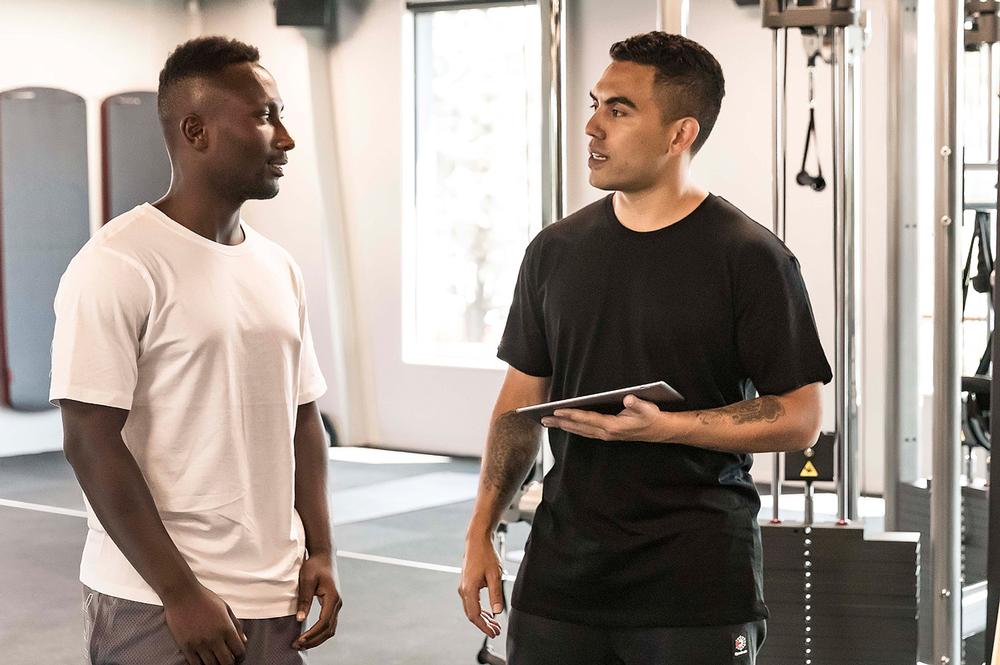
The How? Our facilities need to become more inclusive and community-based, but what does this mean for our workforce?
What will be the main impact of COVID-19 on activity levels? Muir: There’s evidence activity levels are down and weight is up. There will be increased awareness of the impact of inactivity and an opportunity for the fitness industry workforce to reach subgroups of society they’ve never reached before.
Tara: A post-pandemic world represents one of the greatest opportunities for our sector in a generation. Government messaging constantly reinforced the importance of staying active throughout this last year and we know many people have taken steps for the first time to develop an active lifestyle.
Gyms and leisure centres will be influential, but we must remember not everyone wants to join a gym. Many enjoy a plethora of ways of staying active, and new habits have formed. Ensuring our sector broadens its offer in providing safe and enjoyable active environments that everyone can access is essential.
Stuart: The pandemic will leave a legacy of behaviour change. The economic impact will mean disposable income available for sport and leisure will be limited. People will look for low-cost, flexible, hyper-local activity.
Elaine: The UK is one of the most obese countries in Europe, so we must reposition and reimagine our sector and ecosystem to enable people to be more active. The gaps between those who have access to exercise and physical activity and the motivation to take part and those who don’t, will be wider than before. There will be a need for our sector to rethink how to engage with those people to save the nation’s health.
What will these changes mean for the development of the sport and physical activity workforce? Tara: There are many opportunities for our sector. To take advantage of these, we need to prioritise a new style and skill set in leadership that allows us to create a different type of approach to workforce development locally.
We need a leadership that can adopt a whole system approach to active lifestyles and work with local authorities, education providers and employers to show how healthy localities can impact social and economic outcomes.
Stuart: We predict a significant contraction in the workforce for employed roles, which means displaced workers will either look to other sectors or set up new opportunities.
Less employment in facilities will necessitate adaptation and becoming more flexible with where they work. Micro gyms, pop-up gyms, mobile activity provision at home or in community centres etc, will become increasingly essential.
Elaine: Opportunities for people to train in new and reimagined roles will be necessary to address a more holistic and community-based approach. Workforce development will need to ensure professionals can deliver a fully-rounded service and understand their local community’s needs and priorities to be part of the solution.
What opportunities do you see? Muir: The health service needs to help – prescribing activity every time a drug is prescribed.
Tara: There needs to be a greater understanding of the health and social priorities of local authorities. We need to work with local partners to become catalysts for change.
We’ll work with key stakeholders, operators, active partnerships and sports bodies to shape and support a workforce around impactful, sustainable systemic change.
Stuart: The possibilities are endless: retraining opportunities, employment solutions such as apprenticeships, traineeships and kickstart, as well as providing the support and guidance for people to start micro-businesses and social enterprises.
We could establish local and community employment collectives and trust banks, so people can access ‘micro credit’ and short hours employment can be aggregated to become something longer-term.
Elaine: Having to adapt to a new way of working and living under lockdown has provided the opportunity to do things differently, embrace technology, undertake learning and reach out to others. The result will be our workforce seeking a more flexible way of working and collaborating.
How can we ensure that wellbeing through exercise is available to all on a more equitable basis, rather than being the preserve of the well-off? Muir: The NHS needs to shift £100m from the drugs budget to the activity therapy budget.
Tara: We have the most incredible ‘product’, which anyone can access, regardless of gender, background, postcode or finances.
If product focus is one step, then the next must surely be delivery. An inclusive and creative model, providing accessible, safe, enjoyable environments, is ours to share.
Collaboration, contribution and solution firmly ensconced in every delivery model’s mindset and values are also key.
Stuart: Our [Sport England] strategy has a major aim to connect efficiently with health. Our workforce must be professionally recognised and regulated to make social prescribing easier and part of the standard health offering.
We’ll also extend our pilot work with occupational therapists based in leisure facilities to make this support more easily accessible.
Elaine: We need to educate our workforce and the public about the benefits of leading a healthy life. The workforce needs to understand that the answer lies not in fitness and facilities but in communities and health.
The public needs to be made aware of the many opportunities they have to become healthier in their local areas, assisted by a professional and credible workforce recognised by the health sector.
Should we be ‘semi-medicalising’ our workforce? Muir: Long-COVID is just another long-term condition; the workforce needs the confidence, skill and knowledge to treat it as such.
Tara: We have excellent standards of impactful practice such as cancer prehab, diabetes clinics etc. We do, however, need to continue to educate advocates, such as GPs and occupational and mental health professionals, about the benefits of activity.
Our profession is skilled-up to increase activity among the population – we can help prevent people from becoming ill – but our role needs to be better understood by allied health professions. That’s not to say that our workforce shouldn’t always look to upskill, but I don’t think ‘medicalising’ our professionals will encourage more people to get active, whereas getting the support and buy-in from our healthcare colleagues will.
Stuart: The workforce needs a better understanding of health conditions generally. Having a workforce able to engage with people with long-term health conditions is essential to meeting their needs and giving them confidence that they will be cared for effectively.
Elaine: There’s a step to be taken before ‘semi-medicalising’ the workforce. That is to change behaviours and mindsets about our sector’s training and what it does.
We need to reimagine our sector and the vital part we play in people’s health. Only with a willingness to change our services will we present the opportunities for a different approach and essential skills.
How can we get funding to reskill the sector? Tara: Funding is critical. We need to work with the government to ensure activity is at the forefront of their minds when rebuilding society. We’ve got to do that in a more unified way than previously.
Stuart: We need a stronger understanding of the employment and skills required of our sector – we need granular knowledge from the ground up.
Then we’ll be able to tap into local sources of skills funding, influence education providers, and build a national picture to develop an industrial strategy and explore the possibility of a ‘sector deal’ with the government.
Elaine: We need to take a whole system approach when considering what skills are required to create a ‘National Wellness Service’. This would require buy-in and funding from local and national agencies. The measurements of such training would link to local and national priorities and outcomes.
"The NHS needs to shift £100m from the
drugs budget to the activity therapy budget
" – Muir Gray
Optimal Ageing
"We need to take a
whole system approach
to create a ‘National Wellness Service’" – Elaine Briggs, FutureFit Training
" Our role needs to be better understood in the allied health professions
" – Tara Dillon, CIMSPA
"We need to build an industrial strategy and explore the possibility of a sector deal with the government" – Stuart Armstrong, Sport England
In the fast-paced world of fitness and wellness, where high-intensity workouts push us to
our limits and the sweat pours, the importance of efficient recovery cannot be overstated. [more...]
+ More featured suppliers
COMPANY PROFILES
Blu Spas, Inc.
Blu is a full-service firm offering project feasibility, planning and design as well as operational [more...]
FIBO
FIBO is the international platform for fitness, wellness and health. During four days, FIBO connects [more...]
As our sector starts to recover,
there will be changes in the needs
of communities, consumers and the
provision of opportunities. To explore
this subject we hosted a virtual
round table to better understand
views on key workforce questions
The health service needs to prescribe activity every time a drug is prescribed, says Gray / photo: les mills
The What? Sport England tells us four out of 10 people are less active now than before the pandemic.
The Why? As a nation, we need to learn lessons from COVID-19 and prove the value of physical activity to consumers, the health sector and the government.
The How? Our facilities need to become more inclusive and community-based, but what does this mean for our workforce?
What will be the main impact of COVID-19 on activity levels? Muir: There’s evidence activity levels are down and weight is up. There will be increased awareness of the impact of inactivity and an opportunity for the fitness industry workforce to reach subgroups of society they’ve never reached before.
Tara: A post-pandemic world represents one of the greatest opportunities for our sector in a generation. Government messaging constantly reinforced the importance of staying active throughout this last year and we know many people have taken steps for the first time to develop an active lifestyle.
Gyms and leisure centres will be influential, but we must remember not everyone wants to join a gym. Many enjoy a plethora of ways of staying active, and new habits have formed. Ensuring our sector broadens its offer in providing safe and enjoyable active environments that everyone can access is essential.
Stuart: The pandemic will leave a legacy of behaviour change. The economic impact will mean disposable income available for sport and leisure will be limited. People will look for low-cost, flexible, hyper-local activity.
Elaine: The UK is one of the most obese countries in Europe, so we must reposition and reimagine our sector and ecosystem to enable people to be more active. The gaps between those who have access to exercise and physical activity and the motivation to take part and those who don’t, will be wider than before. There will be a need for our sector to rethink how to engage with those people to save the nation’s health.
What will these changes mean for the development of the sport and physical activity workforce? Tara: There are many opportunities for our sector. To take advantage of these, we need to prioritise a new style and skill set in leadership that allows us to create a different type of approach to workforce development locally.
We need a leadership that can adopt a whole system approach to active lifestyles and work with local authorities, education providers and employers to show how healthy localities can impact social and economic outcomes.
Stuart: We predict a significant contraction in the workforce for employed roles, which means displaced workers will either look to other sectors or set up new opportunities.
Less employment in facilities will necessitate adaptation and becoming more flexible with where they work. Micro gyms, pop-up gyms, mobile activity provision at home or in community centres etc, will become increasingly essential.
Elaine: Opportunities for people to train in new and reimagined roles will be necessary to address a more holistic and community-based approach. Workforce development will need to ensure professionals can deliver a fully-rounded service and understand their local community’s needs and priorities to be part of the solution.
What opportunities do you see? Muir: The health service needs to help – prescribing activity every time a drug is prescribed.
Tara: There needs to be a greater understanding of the health and social priorities of local authorities. We need to work with local partners to become catalysts for change.
We’ll work with key stakeholders, operators, active partnerships and sports bodies to shape and support a workforce around impactful, sustainable systemic change.
Stuart: The possibilities are endless: retraining opportunities, employment solutions such as apprenticeships, traineeships and kickstart, as well as providing the support and guidance for people to start micro-businesses and social enterprises.
We could establish local and community employment collectives and trust banks, so people can access ‘micro credit’ and short hours employment can be aggregated to become something longer-term.
Elaine: Having to adapt to a new way of working and living under lockdown has provided the opportunity to do things differently, embrace technology, undertake learning and reach out to others. The result will be our workforce seeking a more flexible way of working and collaborating.
How can we ensure that wellbeing through exercise is available to all on a more equitable basis, rather than being the preserve of the well-off? Muir: The NHS needs to shift £100m from the drugs budget to the activity therapy budget.
Tara: We have the most incredible ‘product’, which anyone can access, regardless of gender, background, postcode or finances.
If product focus is one step, then the next must surely be delivery. An inclusive and creative model, providing accessible, safe, enjoyable environments, is ours to share.
Collaboration, contribution and solution firmly ensconced in every delivery model’s mindset and values are also key.
Stuart: Our [Sport England] strategy has a major aim to connect efficiently with health. Our workforce must be professionally recognised and regulated to make social prescribing easier and part of the standard health offering.
We’ll also extend our pilot work with occupational therapists based in leisure facilities to make this support more easily accessible.
Elaine: We need to educate our workforce and the public about the benefits of leading a healthy life. The workforce needs to understand that the answer lies not in fitness and facilities but in communities and health.
The public needs to be made aware of the many opportunities they have to become healthier in their local areas, assisted by a professional and credible workforce recognised by the health sector.
Should we be ‘semi-medicalising’ our workforce? Muir: Long-COVID is just another long-term condition; the workforce needs the confidence, skill and knowledge to treat it as such.
Tara: We have excellent standards of impactful practice such as cancer prehab, diabetes clinics etc. We do, however, need to continue to educate advocates, such as GPs and occupational and mental health professionals, about the benefits of activity.
Our profession is skilled-up to increase activity among the population – we can help prevent people from becoming ill – but our role needs to be better understood by allied health professions. That’s not to say that our workforce shouldn’t always look to upskill, but I don’t think ‘medicalising’ our professionals will encourage more people to get active, whereas getting the support and buy-in from our healthcare colleagues will.
Stuart: The workforce needs a better understanding of health conditions generally. Having a workforce able to engage with people with long-term health conditions is essential to meeting their needs and giving them confidence that they will be cared for effectively.
Elaine: There’s a step to be taken before ‘semi-medicalising’ the workforce. That is to change behaviours and mindsets about our sector’s training and what it does.
We need to reimagine our sector and the vital part we play in people’s health. Only with a willingness to change our services will we present the opportunities for a different approach and essential skills.
How can we get funding to reskill the sector? Tara: Funding is critical. We need to work with the government to ensure activity is at the forefront of their minds when rebuilding society. We’ve got to do that in a more unified way than previously.
Stuart: We need a stronger understanding of the employment and skills required of our sector – we need granular knowledge from the ground up.
Then we’ll be able to tap into local sources of skills funding, influence education providers, and build a national picture to develop an industrial strategy and explore the possibility of a ‘sector deal’ with the government.
Elaine: We need to take a whole system approach when considering what skills are required to create a ‘National Wellness Service’. This would require buy-in and funding from local and national agencies. The measurements of such training would link to local and national priorities and outcomes.
"The NHS needs to shift £100m from the
drugs budget to the activity therapy budget
" – Muir Gray
Optimal Ageing
"We need to take a
whole system approach
to create a ‘National Wellness Service’" – Elaine Briggs, FutureFit Training
" Our role needs to be better understood in the allied health professions
" – Tara Dillon, CIMSPA
"We need to build an industrial strategy and explore the possibility of a sector deal with the government" – Stuart Armstrong, Sport England
Aditya Saluja, an industry leader in luxury wellness hospitality, has been
appointed as
commercial director of spa and wellness for the spa management division of
Minor Hotels,
MSpa International.
Preidlhof Luxury DolceVita Resort, a destination resort and spa in Naturno, South Tyrol in Italy,
will reveal a new spa in February 2027, which has been designed by wellness expert and
consultant Patrizia Bortolin.
Private hotel owner and developer HVL Hotels will open a new luxury resort and tourism
destination called Laval Hunter Valley in the second half of 2027 in Pokolbin, Australia.
The annual wellness festival dedicated to wellbeing, culture, longevity and human connection,
called Alma, will be hosted by Rocco Forte hotel, Verdura Resort in Sicily, Italy.
Capella Hotel Group has appointed Feisal Jaffer as chief development officer as the company
ramps up its global expansion of both its Capella and Patina brands.
In the fast-paced world of fitness and wellness, where high-intensity workouts push us to
our limits and the sweat pours, the importance of efficient recovery cannot be overstated. [more...]
+ More featured suppliers
COMPANY PROFILES
Blu Spas, Inc. Blu is a full-service firm offering project feasibility, planning and design as well as operational [more...]