People around the world are increasingly investing time in strengthening
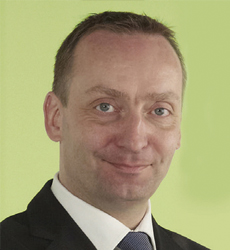
their mental health. Myzone CEO of EMEA, David Stalker, looks at how
operators can support members to improve this aspect of their wellbeing
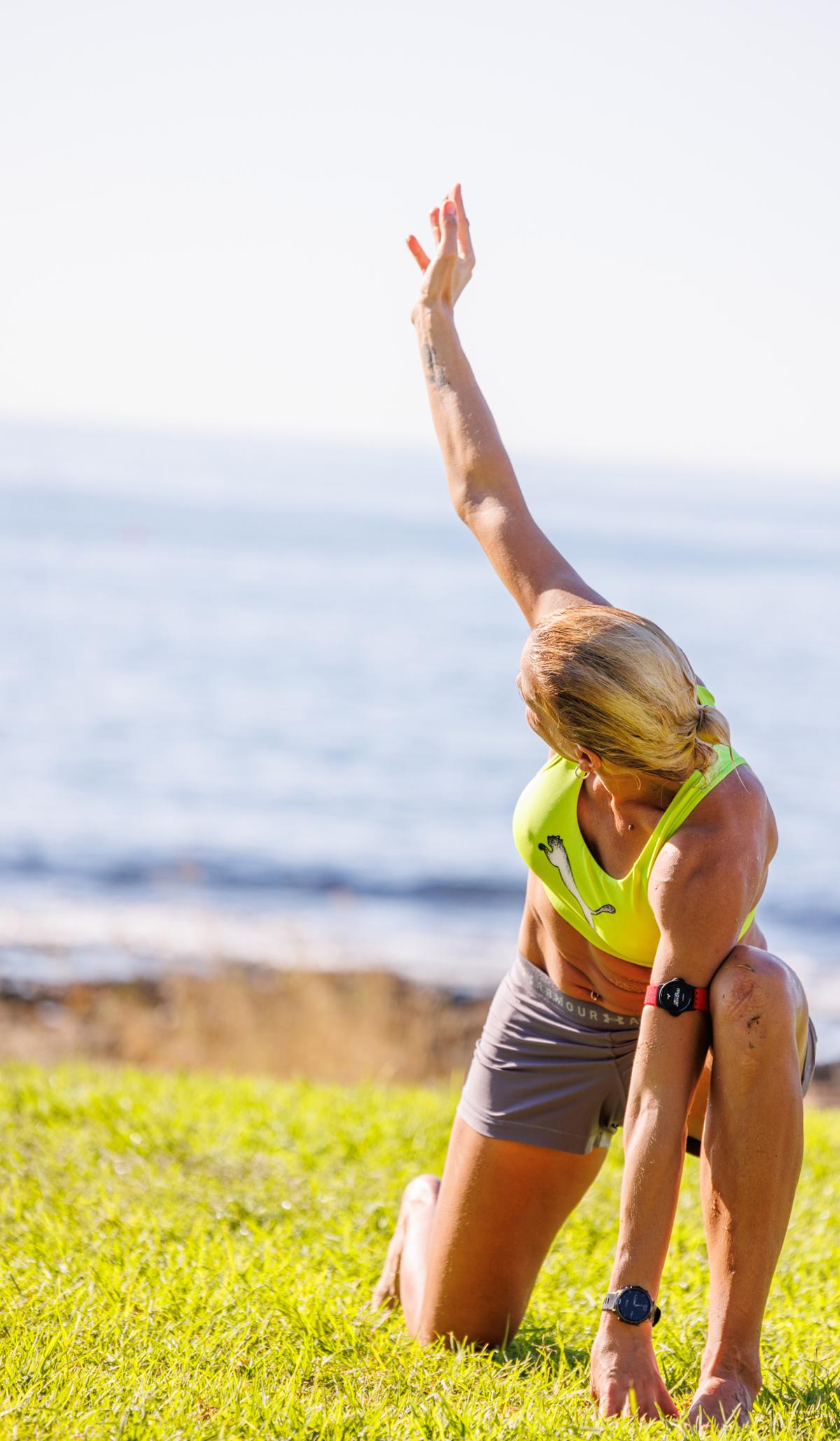
Healthy competition increases your club’s sense of community / photo: Myzone
Physical activity is often associated with the benefits it brings to our physical health, such as weight management, improved cardiovascular function and increased strength and flexibility. However, the benefits of activity extend far beyond just the physical.
Research shows regular physical activity can have a profound impact on mental and social wellbeing as well. For example, it can reduce symptoms of anxiety and depression, improve cognitive function and boost self-esteem.
When considering holistic wellbeing, there are the benefits to social health, too. It provides opportunities for social interaction, promotes teamwork and communication and fosters a sense of community.
By providing guidance, motivation and resources to support every individual in their journey towards a more active lifestyle, the fitness industry is helping them achieve their personal fitness goals and contributing to their overall wellbeing and quality of life.
In addition to that, by creating a supportive and inclusive fitness community, as fitness professionals, we can help individuals feel empowered and motivated to continue making positive changes in their lives, leading to a healthier, happier and more connected society.
Does exercise really give a post-workout buzz? During physical activity, endorphins are released, which promote feelings of pleasure and wellbeing and other feel-good chemicals in the brain. This is why you often experience the classic post-workout high and see it in members.
Different types of physical activity can affect endorphin release and improve mood immediately post-activity. Aerobic exercise has been shown to enhance the release of these chemicals, and while strength training can also occasion similar release levels, the brain benefits are slightly more delayed. Likewise, yoga and less intensive exercises can also impact positively, particularly when it comes to mindfulness.
This means that by getting members moving in any heart rate zone, regardless of their preferred method, you can impact their mood positively. So, don’t solely go for the higher exertions, be confident in delivering a thought-out mix of intensities in your training.
The secret to stress reduction and relaxation Regular physical activity has also been shown to reduce stress and stress-related symptoms, such as headaches and muscle tension. However, activity triggers the body’s fight or flight response, which causes an increase in heart rate, blood pressure, and adrenaline levels.
Regular exercise can help to reduce the intensity of this response over time, making individuals more resilient to stress. During and immediately after exercise, there’s increased blood flow to the brain, which can help to regulate the stress response and promote relaxation.
Nonetheless, too much exercise can increase stress if appropriate recovery is not given. Again, confirming the importance of monitoring your members’ effort levels and educating them on why lower-intensity exercise is as beneficial as high intensity when programmed well.
Create a sense of connectedness and support Physical activity such as team training or exercise classes often involves socialising with others. This social interaction can foster a sense of community and belonging, which as humans we instinctively crave, and results in greater feelings of happiness.
This emphasises the benefit of creating a community within your club where your members feel comfortable and supported. A simple way to do this is through engaging with members in a personalised way, such as knowing their names or when they were last active. This data can be made easier to access through working with the right technology partner.
Challenges and a healthy sense of competition also expand that network effect when it comes to bringing people together, so long as they’re inclusive in their competitive nature. Movement is always fun when more people are involved.
It’s important to note that this aspect of community and the positive social impacts can be created by all staff interacting with members. From sales to support and from the front desk, to trainers.
Why we all need goal setting for improved wellness Setting members’ fitness goals can be a great way to support their wellness; by increasing their sense of accomplishment, reducing stress and anxiety and increasing motivation and focus, it gives them a sense of control over their health and wellbeing.
It’s not just a one-and-done, though. These goals for members and clients require a personalised approach, as factors such as age, lifestyle, preferences and motivations should be considered to create achievable goals with the above benefits.
The goal should be achievable, but tough to ensure they achieve the gained confidence and accomplishment. It should be something that can be easily measured pre-, during and post-achievement, such as a baseline fitness test or recovery after an exercise bout. This can be tricky to deliver at scale and may require a technology partner, but the results are tangible.
Build and nurture your ultimate inclusive community In summary, physical activity not only benefits our physical health but also our mental and social wellbeing. Engaging in any physical activity can release feel-good chemicals in the brain, reduce stress and stress-related symptoms and foster a sense of community and belonging.
As fitness professionals, we can create a supportive and inclusive fitness community by providing guidance, motivation and resources to help individuals achieve their personal fitness goals.
Additionally, technology partners can make data access and measurement easier, but all staff should strive to create a sense of connectedness and support within the community.
photo: Myzone
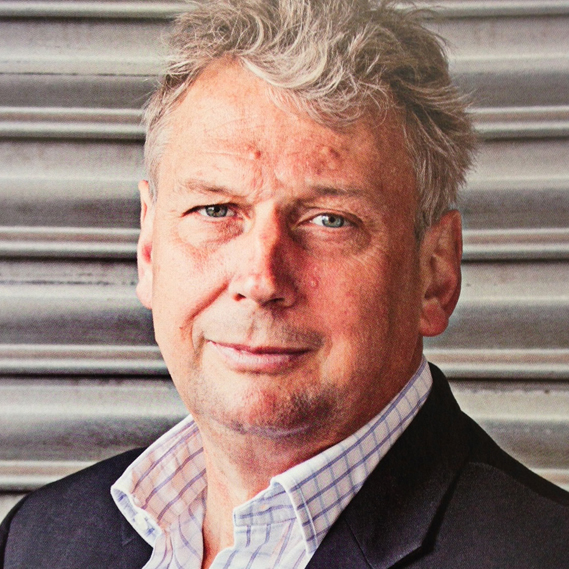
"Physical activity can have a profound impact on mental and social wellbeing, reducing symptoms of anxiety and depression, improving cognitive
function and boosting self-esteem" – Myzone CEO of EMEA, David Stalker
The Spa Life UK Convention returns from 21–23 June 2026 at Whittlebury Park Hotel, Spa &
Golf Resort, bringing together spa managers, directors and owners for two days of focused
education, meaningful connection and commercial insight. [more...]
+ More featured suppliers
COMPANY PROFILES
RKF Luxury Linen
RKF Luxury Linen, established in the East of France for several decades, owns an artisanal know-how [more...]
People around the world are increasingly investing time in strengthening
their mental health. Myzone CEO of EMEA, David Stalker, looks at how
operators can support members to improve this aspect of their wellbeing
Healthy competition increases your club’s sense of community / photo: Myzone
Physical activity is often associated with the benefits it brings to our physical health, such as weight management, improved cardiovascular function and increased strength and flexibility. However, the benefits of activity extend far beyond just the physical.
Research shows regular physical activity can have a profound impact on mental and social wellbeing as well. For example, it can reduce symptoms of anxiety and depression, improve cognitive function and boost self-esteem.
When considering holistic wellbeing, there are the benefits to social health, too. It provides opportunities for social interaction, promotes teamwork and communication and fosters a sense of community.
By providing guidance, motivation and resources to support every individual in their journey towards a more active lifestyle, the fitness industry is helping them achieve their personal fitness goals and contributing to their overall wellbeing and quality of life.
In addition to that, by creating a supportive and inclusive fitness community, as fitness professionals, we can help individuals feel empowered and motivated to continue making positive changes in their lives, leading to a healthier, happier and more connected society.
Does exercise really give a post-workout buzz? During physical activity, endorphins are released, which promote feelings of pleasure and wellbeing and other feel-good chemicals in the brain. This is why you often experience the classic post-workout high and see it in members.
Different types of physical activity can affect endorphin release and improve mood immediately post-activity. Aerobic exercise has been shown to enhance the release of these chemicals, and while strength training can also occasion similar release levels, the brain benefits are slightly more delayed. Likewise, yoga and less intensive exercises can also impact positively, particularly when it comes to mindfulness.
This means that by getting members moving in any heart rate zone, regardless of their preferred method, you can impact their mood positively. So, don’t solely go for the higher exertions, be confident in delivering a thought-out mix of intensities in your training.
The secret to stress reduction and relaxation Regular physical activity has also been shown to reduce stress and stress-related symptoms, such as headaches and muscle tension. However, activity triggers the body’s fight or flight response, which causes an increase in heart rate, blood pressure, and adrenaline levels.
Regular exercise can help to reduce the intensity of this response over time, making individuals more resilient to stress. During and immediately after exercise, there’s increased blood flow to the brain, which can help to regulate the stress response and promote relaxation.
Nonetheless, too much exercise can increase stress if appropriate recovery is not given. Again, confirming the importance of monitoring your members’ effort levels and educating them on why lower-intensity exercise is as beneficial as high intensity when programmed well.
Create a sense of connectedness and support Physical activity such as team training or exercise classes often involves socialising with others. This social interaction can foster a sense of community and belonging, which as humans we instinctively crave, and results in greater feelings of happiness.
This emphasises the benefit of creating a community within your club where your members feel comfortable and supported. A simple way to do this is through engaging with members in a personalised way, such as knowing their names or when they were last active. This data can be made easier to access through working with the right technology partner.
Challenges and a healthy sense of competition also expand that network effect when it comes to bringing people together, so long as they’re inclusive in their competitive nature. Movement is always fun when more people are involved.
It’s important to note that this aspect of community and the positive social impacts can be created by all staff interacting with members. From sales to support and from the front desk, to trainers.
Why we all need goal setting for improved wellness Setting members’ fitness goals can be a great way to support their wellness; by increasing their sense of accomplishment, reducing stress and anxiety and increasing motivation and focus, it gives them a sense of control over their health and wellbeing.
It’s not just a one-and-done, though. These goals for members and clients require a personalised approach, as factors such as age, lifestyle, preferences and motivations should be considered to create achievable goals with the above benefits.
The goal should be achievable, but tough to ensure they achieve the gained confidence and accomplishment. It should be something that can be easily measured pre-, during and post-achievement, such as a baseline fitness test or recovery after an exercise bout. This can be tricky to deliver at scale and may require a technology partner, but the results are tangible.
Build and nurture your ultimate inclusive community In summary, physical activity not only benefits our physical health but also our mental and social wellbeing. Engaging in any physical activity can release feel-good chemicals in the brain, reduce stress and stress-related symptoms and foster a sense of community and belonging.
As fitness professionals, we can create a supportive and inclusive fitness community by providing guidance, motivation and resources to help individuals achieve their personal fitness goals.
Additionally, technology partners can make data access and measurement easier, but all staff should strive to create a sense of connectedness and support within the community.
photo: Myzone
"Physical activity can have a profound impact on mental and social wellbeing, reducing symptoms of anxiety and depression, improving cognitive
function and boosting self-esteem" – Myzone CEO of EMEA, David Stalker
Four Seasons Resort The Nam Hai in Hoi An, Vietnam, has put together a Global Wellness Day
(GWD) agenda with activations rooted in nature and shaped by four pillars of Joy – in
alignment with the day’s theme #JoyMagenta.
The Global Wellness Summit (GWS) will celebrate its 20th anniversary at the 2026 event in
Phuket, Thailand, later this year with the theme: The Science, Art and Soul of Wellness.
Auko, an all-inclusive development, is opening in Phong Nha in Vietnam in Q3 2026, with a
series of 30 tented eco-lodges and wellness hospitality operations by Lumina Wellbeing.
Therme Manchester’s 28-acre development, which will include interconnected glass pavilions
that measure 65,000sq m, will be the largest bathing and wellbeing attraction in the world once
complete, according to prof David Russell, CEO of Therme UK.
Naples Beach Club, a Four Seasons Resort, has opened a 2,800sq m spa called The Sanctuary,
with the design and concept inspired by the Native American people that populated Florida’s
Southwest coast – the Calusa.
Swire Hotels’ luxury hospitality brand Upper House has revealed it will roll out its two-day
House of Healing retreats at its three hotels in Hong Kong, Chengdu and Shanghai.
LVMH-owned beauty house Guerlain will launch up to five spas with partners a year as part of
its plan to expand globally, according to the brand’s international spa and wellness director,
Diane Davody.
A new global study by Kevin Kelly and Peter Yesawich, called WELLSurvey 2.0, has revealed
more than half of consumers in the UK, US and Germany would not choose numerous high-
profile wellness resort brands for a future trip.
Luxury hospitality and wellness pioneer Jeremy McCarthy has launched Leisure Alchemy, a
digital platform that will provide professionals with strategic guidance on how to build
transformational leisure experiences that drive profit.
The Spa Life UK Convention returns from 21–23 June 2026 at Whittlebury Park Hotel, Spa &
Golf Resort, bringing together spa managers, directors and owners for two days of focused
education, meaningful connection and commercial insight. [more...]
+ More featured suppliers
COMPANY PROFILES
RKF Luxury Linen RKF Luxury Linen, established in the East of France for several decades, owns an artisanal know-how [more...]