Research from the Health and Fitness Association shows
that Latin America is a vibrant market, with increasing gym
usage and further interest among current non-users
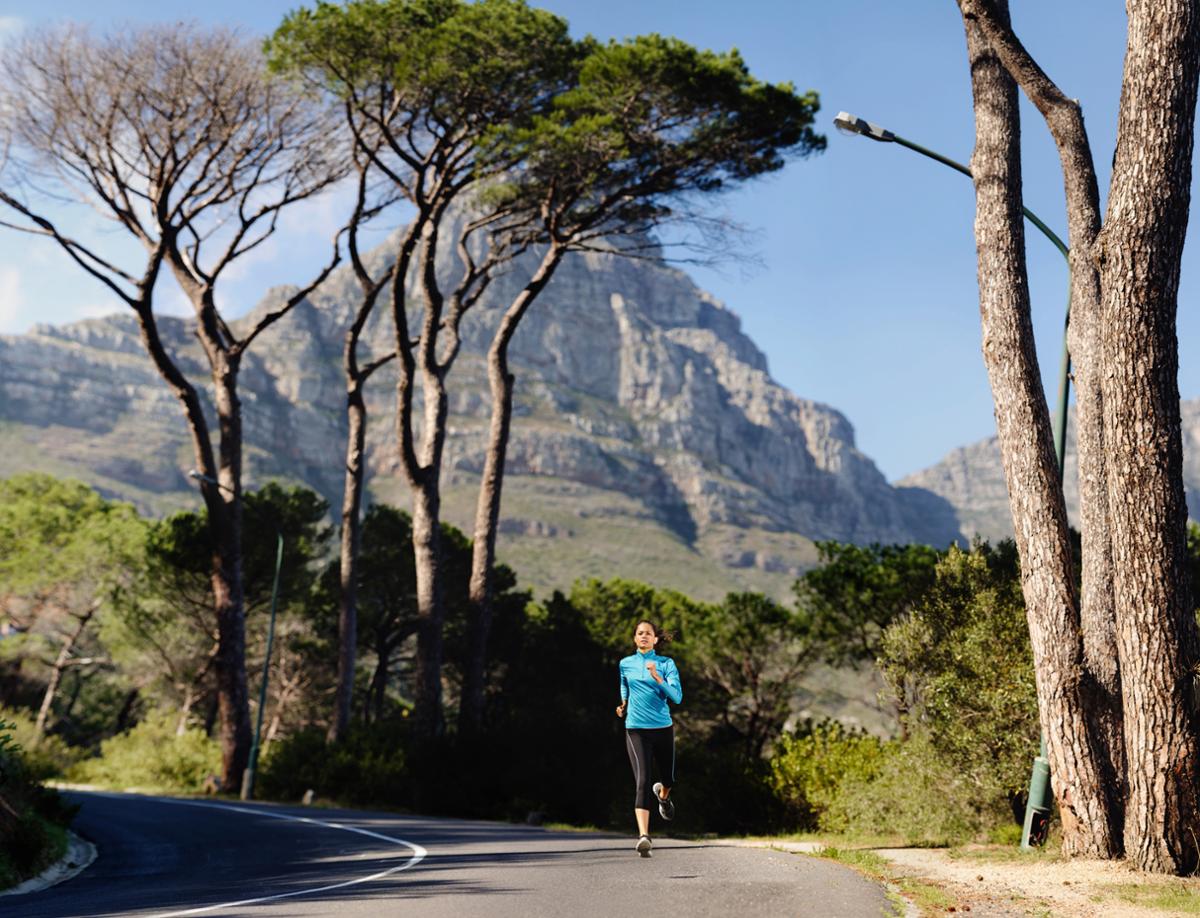
Around 70 per cent of active consumers in Latin America belong to a health club / Photo: shutterstock / daxiao
Young and affluent consumers are leading gym usage in Latin America, according to research conducted for the Health and Fitness Association and there are further opportunities to engage lapsed and never-members in this dynamic market.
Seventy eight per cent of Latin Americans in major metropolitan areas in Brazil, Mexico, Argentina, Colombia, Peru and Chile exercise several times a month, including 61 per cent who exercise multiple times weekly, according to the The 2024 Latin America Consumer Survey.
Commissioned by the Health & Fitness Association and ABC Fitness, the report surveyed 3,700 adults from the largest metropolitan areas of Brazil, Mexico, Argentina, Colombia, Peru and Chile.
This is a dynamic market and in order to succeed, fitness businesses must develop a deep understanding of local consumer behaviours and preferences; offer holistic programmes and consider investing in equipment and space for outdoor activities.
Key trends Across all six countries, outdoor activities – such as cycling, running or swimming – were overwhelmingly the most popular at 42.8 per cent. The most common reason given for exercising outdoors was that it improved mental clarity and increased energy and engagement (52.5 per cent).
When averaged out across all markets, strength training came second at 32.1 per cent, although it was less popular in Columbia and Peru.
People are exercising for both their physical and mental wellbeing. General physical wellbeing was the most common at 52.3 per cent; followed by stress reduction at 37.5 per cent; disease prevention at 34.9 per cent; increased energy at 27.9 per cent and healthy ageing at 26.3 per cent.
Gym usage Barriers to using a fitness facility include cost – 15.3 per cent said they preferred not to pay for a membership – and access to convenient facilities, with 11 per cent of the sample saying they don’t have any fitness facilities nearby.
Encouragingly, 69 per cent of active consumers belong to a health and fitness facility, with members skewing younger and more affluent. Seventy two per cent use fitness facilities or trainers a few times monthly, while 54 per cent do so multiple times weekly. Only 21.7 per cent said they rarely or never exercise.
Expanding the market Among the cohort who don’t use fitness facilities, many showed an interest in joining at some point. Of those who’ve never been members, 53 per cent say they’re likely to join a club in the next 12 months. Two-thirds of current non-members have previously been a member of a gym, and the most common reasons for leaving were cost, time and relocation. To broaden the market, the report recommends providing flexible pricing and time-efficient offerings to tempt back lapsed members and conduct targeted outreach and introductory offers to attract the 53 per cent of never members who are thinking about joining.
Holistic programmes that incorporate mental health and stress management are needed, as well as high quality equipment and convenient locations.
In the fast-paced world of fitness and wellness, where high-intensity workouts push us to
our limits and the sweat pours, the importance of efficient recovery cannot be overstated. [more...]
Research from the Health and Fitness Association shows
that Latin America is a vibrant market, with increasing gym
usage and further interest among current non-users
Around 70 per cent of active consumers in Latin America belong to a health club / Photo: shutterstock / daxiao
Young and affluent consumers are leading gym usage in Latin America, according to research conducted for the Health and Fitness Association and there are further opportunities to engage lapsed and never-members in this dynamic market.
Seventy eight per cent of Latin Americans in major metropolitan areas in Brazil, Mexico, Argentina, Colombia, Peru and Chile exercise several times a month, including 61 per cent who exercise multiple times weekly, according to the The 2024 Latin America Consumer Survey.
Commissioned by the Health & Fitness Association and ABC Fitness, the report surveyed 3,700 adults from the largest metropolitan areas of Brazil, Mexico, Argentina, Colombia, Peru and Chile.
This is a dynamic market and in order to succeed, fitness businesses must develop a deep understanding of local consumer behaviours and preferences; offer holistic programmes and consider investing in equipment and space for outdoor activities.
Key trends Across all six countries, outdoor activities – such as cycling, running or swimming – were overwhelmingly the most popular at 42.8 per cent. The most common reason given for exercising outdoors was that it improved mental clarity and increased energy and engagement (52.5 per cent).
When averaged out across all markets, strength training came second at 32.1 per cent, although it was less popular in Columbia and Peru.
People are exercising for both their physical and mental wellbeing. General physical wellbeing was the most common at 52.3 per cent; followed by stress reduction at 37.5 per cent; disease prevention at 34.9 per cent; increased energy at 27.9 per cent and healthy ageing at 26.3 per cent.
Gym usage Barriers to using a fitness facility include cost – 15.3 per cent said they preferred not to pay for a membership – and access to convenient facilities, with 11 per cent of the sample saying they don’t have any fitness facilities nearby.
Encouragingly, 69 per cent of active consumers belong to a health and fitness facility, with members skewing younger and more affluent. Seventy two per cent use fitness facilities or trainers a few times monthly, while 54 per cent do so multiple times weekly. Only 21.7 per cent said they rarely or never exercise.
Expanding the market Among the cohort who don’t use fitness facilities, many showed an interest in joining at some point. Of those who’ve never been members, 53 per cent say they’re likely to join a club in the next 12 months. Two-thirds of current non-members have previously been a member of a gym, and the most common reasons for leaving were cost, time and relocation. To broaden the market, the report recommends providing flexible pricing and time-efficient offerings to tempt back lapsed members and conduct targeted outreach and introductory offers to attract the 53 per cent of never members who are thinking about joining.
Holistic programmes that incorporate mental health and stress management are needed, as well as high quality equipment and convenient locations.
Manipulating the gut microbiome could become a powerful tool for preserving brain health and
resilience as people age, according to research led by Professor Paola Tognini, a neuroscientist
at the Sant'Anna School of Advanced Studies in Pisa, Italy.
Jessica Sloyan, a wellness operations and training expert, has established an independent
private training academy to provide professional qualifications for practitioners looking to offer
immersive wellness experiences.
The International Spa Association (ISPA) has published its full 2026 US Spa Industry Study,
providing further insights into the region’s total US$1 billion (€855 million, £780 million)
industry revenue increase from 2024 to 2025.
Ameyalli, the 78-acre wellbeing resort and residential community in Midway in Utah, US, has
broken ground on phase two of the hot spring development – the Ameyalli Resort and Spa –
which is due to open in 2028.
TLee Spas and Wellness has revealed the design concept for a high-tech spa with body
mapping scanners to improve public health, for AI company Midjourney.
Gran Hotel Taoro in northern Tenerife, Spain, has completed the final phase of its three-year
renovation with the debut of its Sandára Wellness Centre.
Hand and Stone Massage and Facial Spa, the spa business with more than 650 locations across
the US and Canada, has appointed franchise expert Carrie Walsh as CEO as the company plans
to expand.
Synergy – The Retreat Show, the global trade show for retreats, has launched a global research
initiative that will provide insights into the retreat sector from both consumer and industry
perspectives.
The Wellness Tourism Association (WTA) has published a non-regulatory global industry
framework designed to ensure the retreat market offers responsible experiences.
In the fast-paced world of fitness and wellness, where high-intensity workouts push us to
our limits and the sweat pours, the importance of efficient recovery cannot be overstated. [more...]