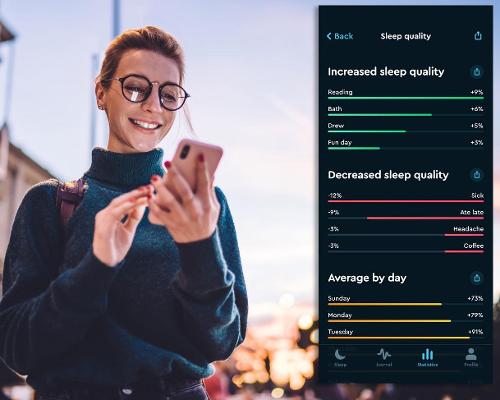
99% of HR leaders say wellness programs increase employee productivity / Shutterstock.com / fizkes
Wellhub (formerly Gympass), the leading corporate wellness platform, today released its 2024 Return on Wellbeing Report.
The study found that 95% of companies measuring the ROI of corporate wellness programs see positive returns, up from 90% in 2023. Additionally, 91% of HR leaders reported the cost of healthcare benefits decreased as a result of their wellness program – up from 78% in 2023. HR leaders attributed ROI to reduced sick days, lower healthcare and recruiting costs, as well as higher retention rates, increased productivity and overall employee satisfaction.
Investing in employee wellbeing has a number of key benefits for companies, including:
• Increased employee productivity: 99% of HR leaders say wellness programs increase employee productivity.
• Reduced healthcare costs: 91% of HR leaders say the cost of their healthcare benefits decreased as a result of their wellbeing program, up from 78% in 2023.
• Reduced sick days and absenteeism: 89% of HR leaders see employees take fewer sick days as a result of their wellbeing program, up from 85% from last year.
• Reduced recruitment costs and turnover: 98% of HR leaders say their wellbeing program reduces turnover, and 83% categorize their wellbeing program as ‘very’ or ‘extremely’ important to talent acquisition.
• Improved employee resilience: 87% of HR leaders say their wellbeing program is a ‘very’ or ‘extremely’ important part of increasing employee resilience to work-related challenges.
When it comes to driving widespread employee participation and engagement with wellbeing, two important factors stood out:
• Wellness programs must be holistic: Companies with holistic wellbeing programs (more than four offerings) and higher rates of employee engagement are more likely to see higher returns on investment. Companies with comprehensive wellbeing approaches saw significant returns, with 24% achieving returns of 150% or more. While those that offered only two or less kinds of support (i.e. just mental health or physical fitness) saw returns between 0% and 50%
• C-suite participation is crucial: There's a clear link between how much a company’s leadership team engages with wellbeing initiatives and the overall employee participation rates. When 0-10% of the C-suite takes part in wellbeing programs, the average participation rate of employees is 31%. This skyrockets to 92% when 90-100% of executive leadership engages in their wellbeing programs.
The Wellhub Effect: Driving ROI through widespread employee adoption and engagement with wellbeing
Wellhub customers see even greater benefits from their wellness programs. For example, 77% of companies with Wellhub reported an overall ROI of more than 100%, compared to 53% of companies without Wellhub. Additionally, 52% of companies with Wellhub saw significant increases in employee productivity due to their wellbeing program, compared to 45% of companies without Wellhub.
“It wasn’t that long ago that companies viewed wellness as a fringe benefit. If employees wanted to take a yoga class or go to the gym, that was fine, but it wasn’t seen as a critical part of the business,” said Cesar Carvalho, Founder and CEO of Wellhub. “Now it’s clear that just offering a few point solutions doesn’t work. Being a wellness company means creating a work environment where employees feel supported to take care of their holistic health – and giving them the resources to do so. The fact that almost two thirds of HR leaders reported a £2 return for every £1 invested in their employees’ wellbeing is an eye-opening finding that shows how this investment benefits both employees and their employers.”
"As people leaders, our roles extend beyond traditional HR functions. We must foster a workplace environment that enhances culture and morale while remaining hyper-focused on business impact. Achieving this balance requires dedication and the agility to meet the evolving needs of all employees,” said Wellhub Chief People Officer, Livia Martini. “The findings in this year's study make one thing clear: we must invest in our people. When implemented strategically, prioritizing the mental, physical, and emotional health of employees will not only create a happier and healthier workforce, it will drive significant returns for the business."