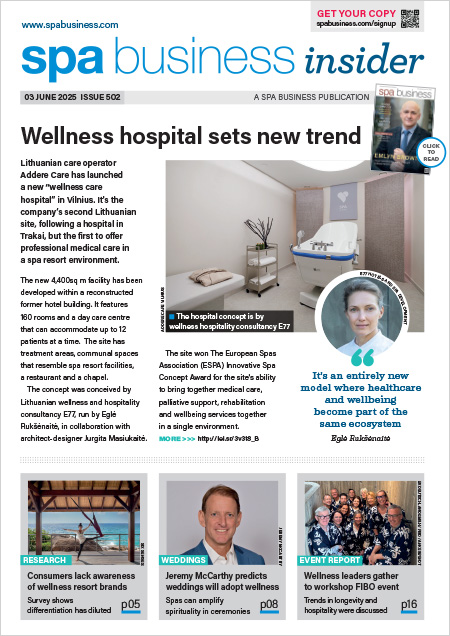
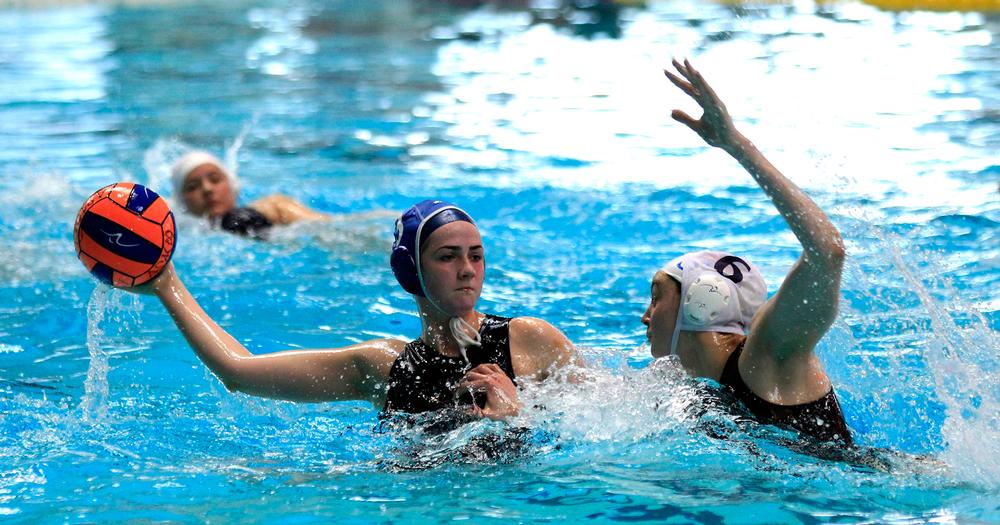
With the eyes of the world on London this summer, it’s the perfect time for lesser-known sports to bring themselves to the fore. While inevitably much media focus will be on the big names in diving and swimming, such as Tom Daley and Rebecca Adlington respectively, other aquatic disciplines will be showcasing their talents to the world and rightly deserve equal recognition.
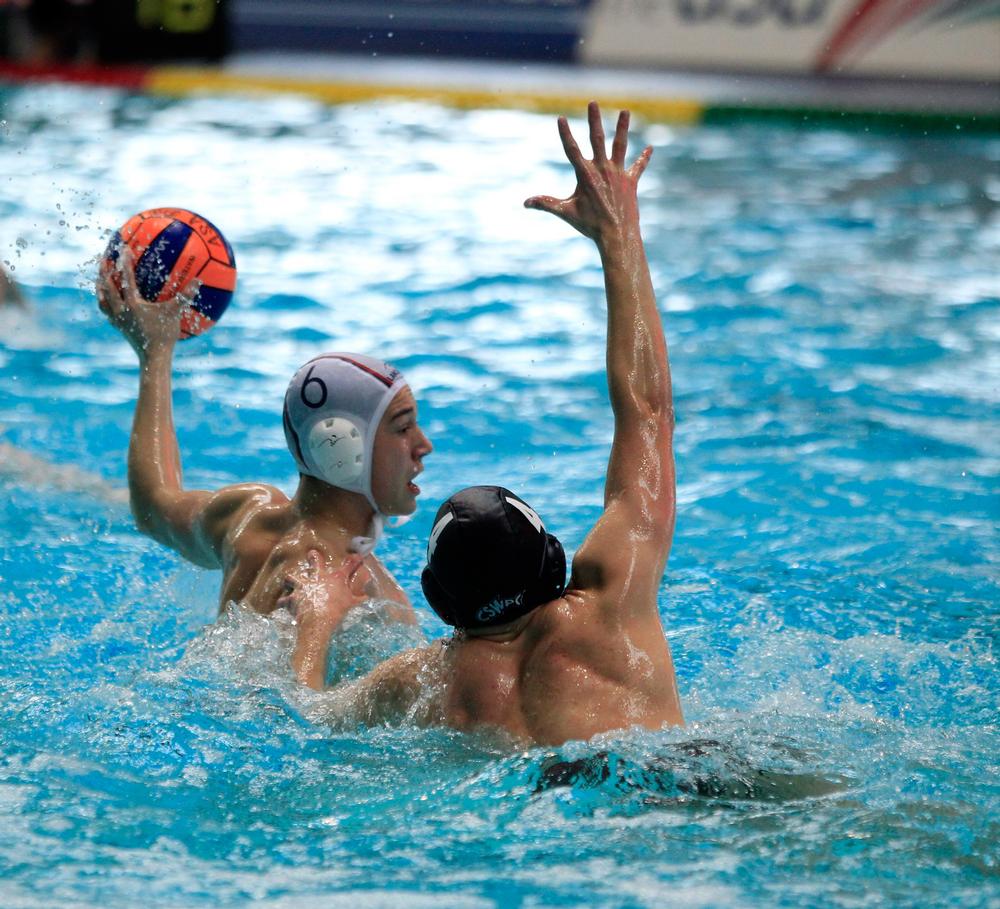
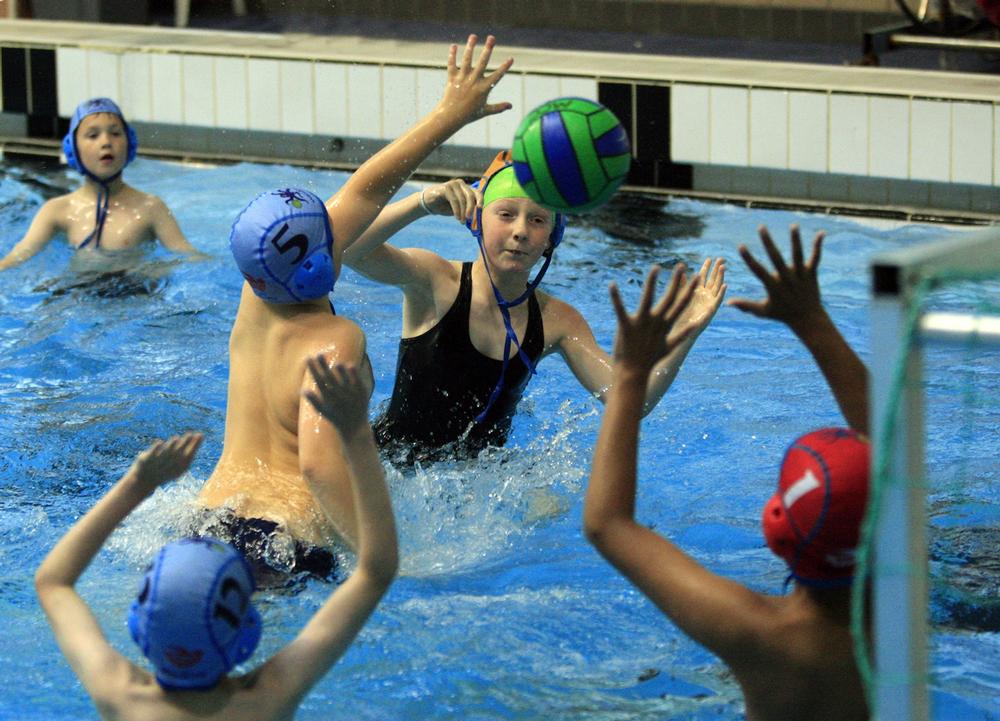
Water polo is one such discipline, which will, without doubt, provide an exciting and fast-paced game for Olympic spectators. Combining the skill and tactical elements of football with the aggression and physical contest of rugby, it has officially been recognised as one of the toughest sports in the world.
Men’s water polo was, in fact, one of the first team sports in the Olympics in Paris in 1900, when Great Britain took the lead winning four gold medals. It wasn’t until 2000 however, that women’s water polo became an Olympic sport. The popularity of the game grew incredibly in other nations, most notably in Eastern Europe where professional leagues were set up and in many countries it became their national sport.
A rising popularity Approximately 15,000 people participate in the UK, across all levels, and it is predicted that the sport will continue to grow in popularity – especially if our teams do well in London this summer.
With the introduction of mini-polo and other variations of the game, leisure providers and swimming clubs are finding that it is becoming more popular as an alternative to progressing on to competitive swimming. In fact many athletes who have represented their country in competitive swimming are also choosing to extend their aquatic careers by taking up water polo.
Today, the GB men’s and women’s teams are enjoying much success in Europe against some of the toughest nations in the world. In January 2012, the British Gas GBR Women’s Team became the first British team since 1997 to compete at the LEN European Water Polo Championships after a successful qualification campaign in 2011. The British are the only confirmed European entry for the women’s competition at the London 2012 Olympic Games, with other European teams in with a chance of qualifying at the Olympic Qualification Tournament in Trieste, Italy this April.
Also this year, a British men’s team will contest in the Olympic Games for the first time since Melbourne in 1956. The British men have played a number of higher-ranked countries in recent seasons and come away with credit as they continue to improve ahead of the biggest challenge their careers in London.
Developing for the world stage Some of our top British water polo athletes, such as team captains Fran Leighton and Craig Figes, started in grassroots sport and are resounding proof of the merits of a strong development programme to provide a solid foundation from which elite athletes grow. To ensure that this success continues, the ASA has invested in a number of programmes to establish and develop sustainable water polo clubs and produce players for competition at all levels.
Thousands of children are involved in ASA clubs and there is a clear development structure to progress those that have the potential through to national squads. Once a young person’s talent is identified it is nurtured to help them reach their full potential.
Specific talent development programmes take those youngsters who have already shown promise in water polo and gives them access to high-quality coaching, athlete educational schemes and sports science facilities in a training camp environment to prepare them for future international competition.
To be selected, players must reach certain levels of attainment for swimming, basic technique and game awareness. They then receive varying support depending on their level – including training camps, anthropological measurements and lifestyle management.
School and club-based projects Responsible for delivering and developing new players through robust school and club links, there are established programmes in Manchester and at Crystal Palace in London with other centres being developed in locations such as Sheffield and Basildon.
School swimming lessons at Crystal Palace use the British Gas ASA Learn to Swim Pathway, the national syllabus produced by the ASA. Beginning with the ASA Foundation Framework for early years’ water confidence, the pathway progresses from stages one to seven for fundamental movement skills and the core development of learning to swim.
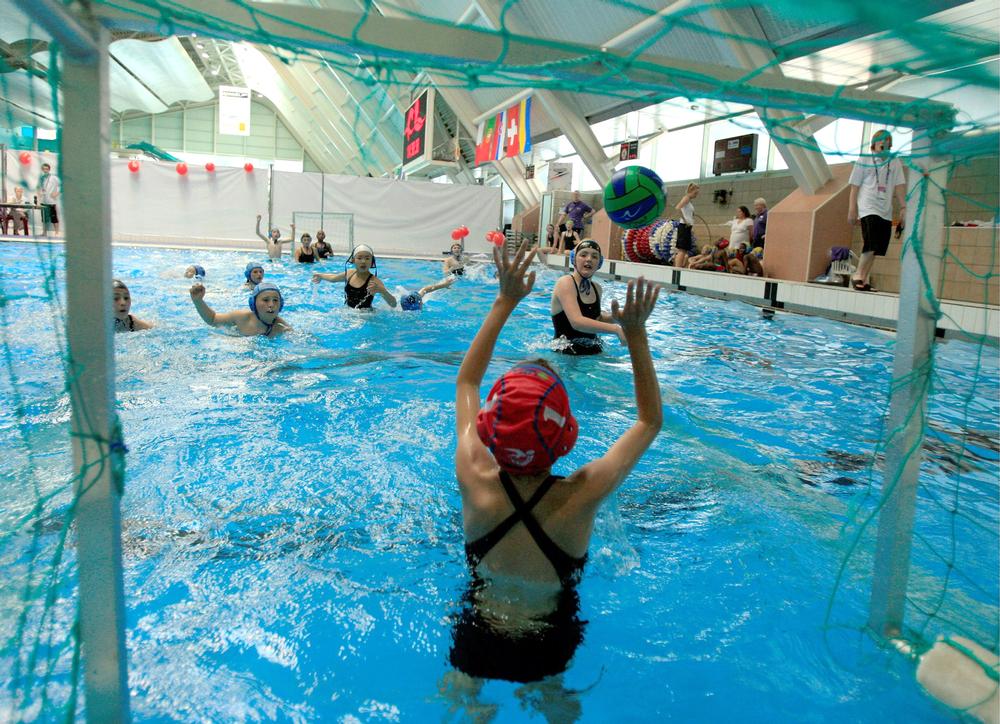
Learners progress to the final three stages where specific aquatic skills are developed – including one specifically for water polo called mini-polo. These stages identify young hopefuls from the 800 or so young children who have learnt to swim at the facility.
Programmes such as these are very much a long-term investment designed to produce performance athletes to eventually move into a world-class programme, which focuses primarily on selecting and preparing the Great Britain national squads for major European and world competitions.
Within schools, the ASA and the English Schools’ Swimming Association (ESSA) are piloting a joint initiative to try and expand the sport and encourage participation. Cadet Polo is a small-sided version of the game which has been introduced with simplified rules.
Additionally, a pilot called RAPIDS seeks to involve teenagers in the sport through activities, which first take place in the sports hall – replicating many of the aquatic skills needed so that they can fully appreciate the nature of the game when played in water.
Swimming clubs are crucial in supporting the talent pathway and many water polo clubs are being encouraged and assisted towards achieving the ASA’s swim21 accreditation, which raises the standard and quality of coaching through the UKCC coaching certification programme. Interaction between clubs is also encouraged to offer players more water time.
Regional training The next step is for a player to attend one of the 14 Regional Training Centres in England and Wales, which currently support more than 250 athletes. After profiling and a short series of tests to comply with entry criteria, they begin a 30-week schedule of training – closely aligned to the national training programme held every month in Cardiff.
A National Academy is held every year for around 200 regional training centre players and coaches. Workshops on coach education, nutrition, sports science and team management are held and the week culminates with a mini tournament and selection for the players on the next stage – the national training programme.
National training The national training programme consists of monthly weekend camps from September through to the following July, which offer bespoke training around the principles of Long-Term Athlete Development and Long-Term Player Development. Half-term camps are also held and players compete in domestic and foreign events – all geared towards European qualification.
Support for coaches Dutch coaching supremo Paul Metz, who was instrumental in the gold medal success of the Netherlands Women’s team at the 2008 Beijing Olympics, is delivering a series of coaching workshops in conjunction with the national talent programme. With the aim of implementing a nationwide ‘unity in thoughts’ training model for water polo players at all stages of the Long-Term Athlete Development model, the workshops will examine the pipeline of athletes from clubs to regional training centres to the national team.
The national team of coaching staff also deliver workshops around the country for swimming teachers, instructors and coaches on Long-Term Athlete Development and the use of the ASA Learn to Swim Framework fundamentals and games to deliver fun and innovative lessons.
Officiating for young people It’s vital to develop a strong workforce of young people to ensure the sustainability of the sport, so it’s great news that 2012 will see the launch of an updated regional Water Polo Table Officials course. This new interactive course offers an opportunity for young people to become involved in the administrative side of the sport. Effectively engaging young volunteers in the officiating pathway, it will bring enthusiastic and knowledgeable young people into the sport and guide them through the roles and responsibilities of a table official. Successful candidates will develop their competence and confidence enabling them to officiate at regional matches.
Looking to the future Water polo is a fun, social, interactive game that can be played from a young age from mini-polo to masters level. The work to encourage participation across all national age groups has created an upsurge in mini-polo with large numbers now engaged in the sport from a young age.
The exposure of the sport through the Olympic Games will continue to enhance involvement at the local community level and our elite team’s performance in 2012 can also act to bolster the aspirations of our junior, youth and academy national teams and give the belief that Olympic competitiveness is achievable.
The ASA is committed to continued investment in the development of club and coach education to provide opportunities for coaches and players to progress along the pathway to world class and ensure the sustainability and success of the sport at the highest level.
For more information visit www.swimming.org/britishswimming/water-polo
In a world where imbalance often accumulates quietly, Wildsmith unveils its newest
wellbeing innovation: Silent Loads, an approach designed to meet the needs of modern spa
guests with precision and depth. [more...]
In today’s premium spa environment, every detail shapes the guest experience – right down to
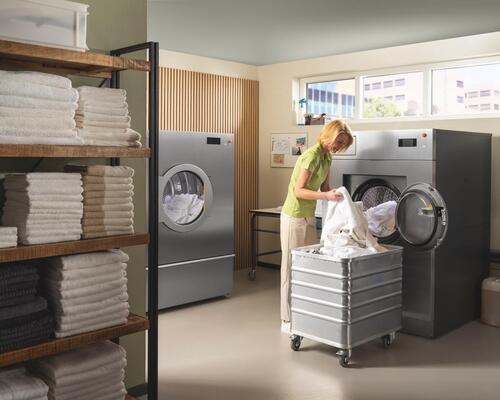
the softness of towels and the freshness of linens. [more...]
With the eyes of the world on London this summer, it’s the perfect time for lesser-known sports to bring themselves to the fore. While inevitably much media focus will be on the big names in diving and swimming, such as Tom Daley and Rebecca Adlington respectively, other aquatic disciplines will be showcasing their talents to the world and rightly deserve equal recognition.
Water polo is one such discipline, which will, without doubt, provide an exciting and fast-paced game for Olympic spectators. Combining the skill and tactical elements of football with the aggression and physical contest of rugby, it has officially been recognised as one of the toughest sports in the world.
Men’s water polo was, in fact, one of the first team sports in the Olympics in Paris in 1900, when Great Britain took the lead winning four gold medals. It wasn’t until 2000 however, that women’s water polo became an Olympic sport. The popularity of the game grew incredibly in other nations, most notably in Eastern Europe where professional leagues were set up and in many countries it became their national sport.
A rising popularity Approximately 15,000 people participate in the UK, across all levels, and it is predicted that the sport will continue to grow in popularity – especially if our teams do well in London this summer.
With the introduction of mini-polo and other variations of the game, leisure providers and swimming clubs are finding that it is becoming more popular as an alternative to progressing on to competitive swimming. In fact many athletes who have represented their country in competitive swimming are also choosing to extend their aquatic careers by taking up water polo.
Today, the GB men’s and women’s teams are enjoying much success in Europe against some of the toughest nations in the world. In January 2012, the British Gas GBR Women’s Team became the first British team since 1997 to compete at the LEN European Water Polo Championships after a successful qualification campaign in 2011. The British are the only confirmed European entry for the women’s competition at the London 2012 Olympic Games, with other European teams in with a chance of qualifying at the Olympic Qualification Tournament in Trieste, Italy this April.
Also this year, a British men’s team will contest in the Olympic Games for the first time since Melbourne in 1956. The British men have played a number of higher-ranked countries in recent seasons and come away with credit as they continue to improve ahead of the biggest challenge their careers in London.
Developing for the world stage Some of our top British water polo athletes, such as team captains Fran Leighton and Craig Figes, started in grassroots sport and are resounding proof of the merits of a strong development programme to provide a solid foundation from which elite athletes grow. To ensure that this success continues, the ASA has invested in a number of programmes to establish and develop sustainable water polo clubs and produce players for competition at all levels.
Thousands of children are involved in ASA clubs and there is a clear development structure to progress those that have the potential through to national squads. Once a young person’s talent is identified it is nurtured to help them reach their full potential.
Specific talent development programmes take those youngsters who have already shown promise in water polo and gives them access to high-quality coaching, athlete educational schemes and sports science facilities in a training camp environment to prepare them for future international competition.
To be selected, players must reach certain levels of attainment for swimming, basic technique and game awareness. They then receive varying support depending on their level – including training camps, anthropological measurements and lifestyle management.
School and club-based projects Responsible for delivering and developing new players through robust school and club links, there are established programmes in Manchester and at Crystal Palace in London with other centres being developed in locations such as Sheffield and Basildon.
School swimming lessons at Crystal Palace use the British Gas ASA Learn to Swim Pathway, the national syllabus produced by the ASA. Beginning with the ASA Foundation Framework for early years’ water confidence, the pathway progresses from stages one to seven for fundamental movement skills and the core development of learning to swim.
Learners progress to the final three stages where specific aquatic skills are developed – including one specifically for water polo called mini-polo. These stages identify young hopefuls from the 800 or so young children who have learnt to swim at the facility.
Programmes such as these are very much a long-term investment designed to produce performance athletes to eventually move into a world-class programme, which focuses primarily on selecting and preparing the Great Britain national squads for major European and world competitions.
Within schools, the ASA and the English Schools’ Swimming Association (ESSA) are piloting a joint initiative to try and expand the sport and encourage participation. Cadet Polo is a small-sided version of the game which has been introduced with simplified rules.
Additionally, a pilot called RAPIDS seeks to involve teenagers in the sport through activities, which first take place in the sports hall – replicating many of the aquatic skills needed so that they can fully appreciate the nature of the game when played in water.
Swimming clubs are crucial in supporting the talent pathway and many water polo clubs are being encouraged and assisted towards achieving the ASA’s swim21 accreditation, which raises the standard and quality of coaching through the UKCC coaching certification programme. Interaction between clubs is also encouraged to offer players more water time.
Regional training The next step is for a player to attend one of the 14 Regional Training Centres in England and Wales, which currently support more than 250 athletes. After profiling and a short series of tests to comply with entry criteria, they begin a 30-week schedule of training – closely aligned to the national training programme held every month in Cardiff.
A National Academy is held every year for around 200 regional training centre players and coaches. Workshops on coach education, nutrition, sports science and team management are held and the week culminates with a mini tournament and selection for the players on the next stage – the national training programme.
National training The national training programme consists of monthly weekend camps from September through to the following July, which offer bespoke training around the principles of Long-Term Athlete Development and Long-Term Player Development. Half-term camps are also held and players compete in domestic and foreign events – all geared towards European qualification.
Support for coaches Dutch coaching supremo Paul Metz, who was instrumental in the gold medal success of the Netherlands Women’s team at the 2008 Beijing Olympics, is delivering a series of coaching workshops in conjunction with the national talent programme. With the aim of implementing a nationwide ‘unity in thoughts’ training model for water polo players at all stages of the Long-Term Athlete Development model, the workshops will examine the pipeline of athletes from clubs to regional training centres to the national team.
The national team of coaching staff also deliver workshops around the country for swimming teachers, instructors and coaches on Long-Term Athlete Development and the use of the ASA Learn to Swim Framework fundamentals and games to deliver fun and innovative lessons.
Officiating for young people It’s vital to develop a strong workforce of young people to ensure the sustainability of the sport, so it’s great news that 2012 will see the launch of an updated regional Water Polo Table Officials course. This new interactive course offers an opportunity for young people to become involved in the administrative side of the sport. Effectively engaging young volunteers in the officiating pathway, it will bring enthusiastic and knowledgeable young people into the sport and guide them through the roles and responsibilities of a table official. Successful candidates will develop their competence and confidence enabling them to officiate at regional matches.
Looking to the future Water polo is a fun, social, interactive game that can be played from a young age from mini-polo to masters level. The work to encourage participation across all national age groups has created an upsurge in mini-polo with large numbers now engaged in the sport from a young age.
The exposure of the sport through the Olympic Games will continue to enhance involvement at the local community level and our elite team’s performance in 2012 can also act to bolster the aspirations of our junior, youth and academy national teams and give the belief that Olympic competitiveness is achievable.
The ASA is committed to continued investment in the development of club and coach education to provide opportunities for coaches and players to progress along the pathway to world class and ensure the sustainability and success of the sport at the highest level.
For more information visit www.swimming.org/britishswimming/water-polo
A recent survey by the UK Spa Association (UKSA) into the industry’s approach to cancer care
has revealed that almost half of participating respondents (46 per cent) are unaware that
cancer is a disability and guests with a cancer diagnosis must be given
Mexican operator, Solmar Hotels and Resorts, is hosting a series of events in celebration of
Global Wellness Day, including a Temazcal ceremony at its Playa Grande Resort and Spa in Los
Cabos.
Mandarin Oriental has announced a standalone residence brand, Mansions, which will debut at
Emirates Palace, Mandarin Oriental Mansions, Abu Dhabi, in 2029.
Four Seasons Resort The Nam Hai in Hoi An, Vietnam, has put together a Global Wellness Day
(GWD) agenda with activations rooted in nature and shaped by four pillars of Joy – in
alignment with the day’s theme #JoyMagenta.
The Global Wellness Summit (GWS) will celebrate its 20th anniversary at the 2026 event in
Phuket, Thailand, later this year with the theme: The Science, Art and Soul of Wellness.
Auko, an all-inclusive development, is opening in Phong Nha in Vietnam in Q3 2026, with a
series of 30 tented eco-lodges and wellness hospitality operations by Lumina Wellbeing.
Therme Manchester’s 28-acre development, which will include interconnected glass pavilions
that measure 65,000sq m, will be the largest bathing and wellbeing attraction in the world once
complete, according to prof David Russell, CEO of Therme UK.
Naples Beach Club, a Four Seasons Resort, has opened a 2,800sq m spa called The Sanctuary,
with the design and concept inspired by the Native American people that populated Florida’s
Southwest coast – the Calusa.
Swire Hotels’ luxury hospitality brand Upper House has revealed it will roll out its two-day
House of Healing retreats at its three hotels in Hong Kong, Chengdu and Shanghai.
In a world where imbalance often accumulates quietly, Wildsmith unveils its newest
wellbeing innovation: Silent Loads, an approach designed to meet the needs of modern spa
guests with precision and depth. [more...]
In today’s premium spa environment, every detail shapes the guest experience – right down to
the softness of towels and the freshness of linens. [more...]