As Saudi Arabia taps into tourism, the asset management director of Red Sea Global tells Julie Cramer how the company is looking to bring guests to a previously undiscovered part of the Kingdom
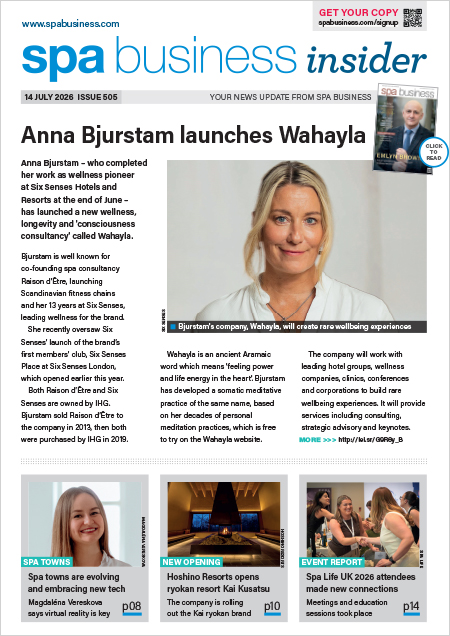
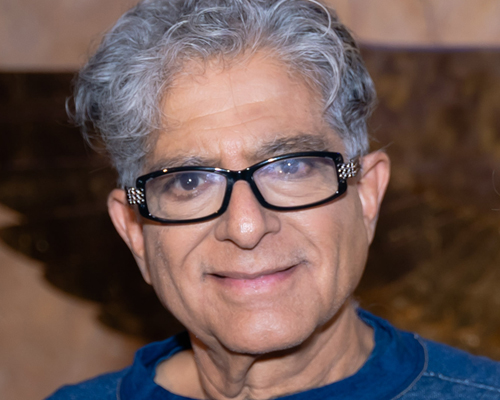
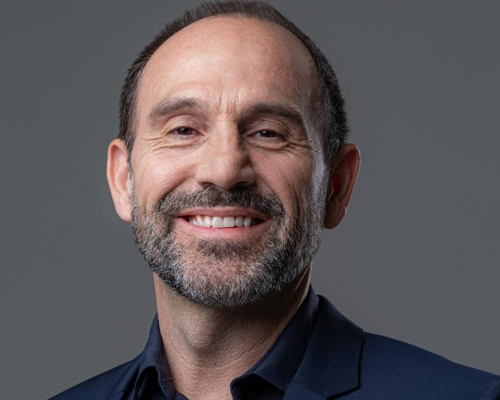
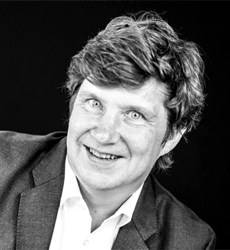
Wagner has worked in the sector for 20 years / photo: Amaala
For millions of Muslims, Saudi Arabia is a powerful spiritual magnet for those making the annual pilgrimage to Mecca. Yet the oil-rich Middle Eastern Kingdom has been much less well known as a tourism destination.
That looks set to change with the creation of a series of ‘giga projects’, designed to elevate the country’s standing on the world stage (see p47).
This new direction, guided by the Kingdom’s ambitious masterplan, called Vision 2030, was first announced in 2016 and has been created to reduce Saudi’s traditional dependence on oil, to diversify its economy and open it up to the world.
The country’s ‘white oil’ (tourism) is a key focus in the masterplan which involves developing vast nature reserves, doubling the number of UNESCO heritage sites, growing the culture and entertainment sector and promoting healthier lifestyles.
A number of significant projects are set to launch between now and 2030, based around two major developments, Amaala and The Red Sea, which are both being delivered by Red Sea Global (RSG).
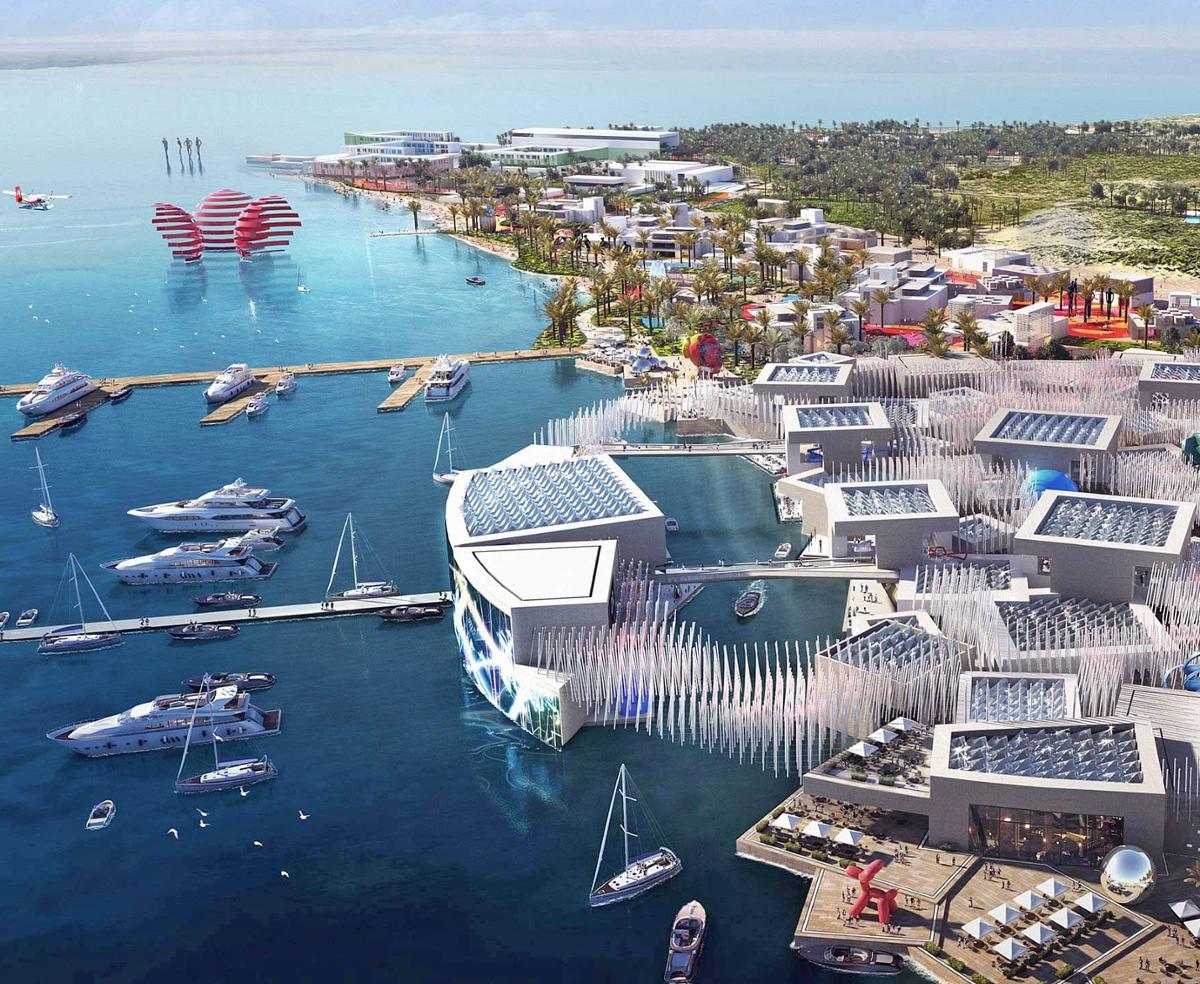
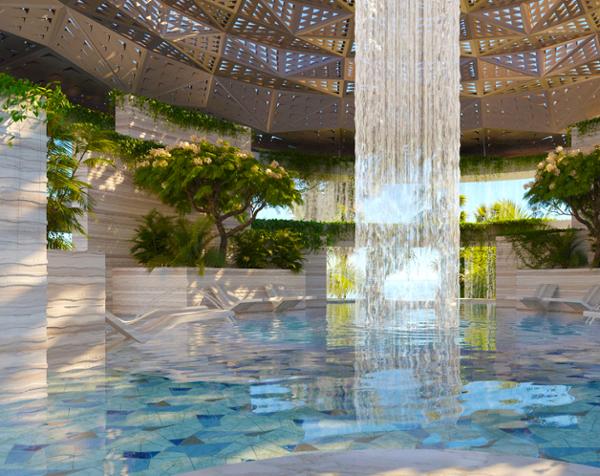
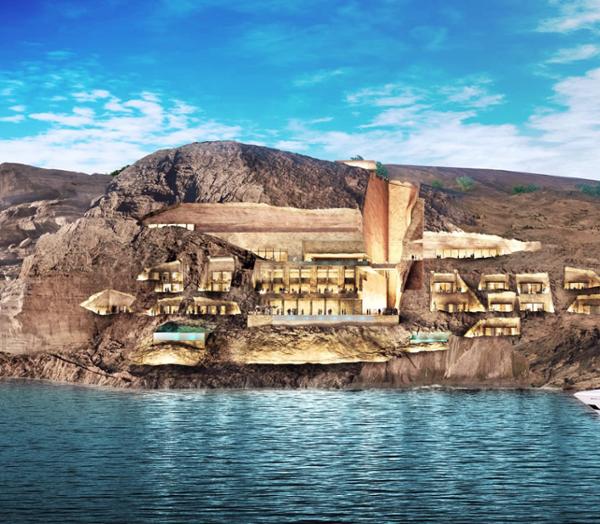
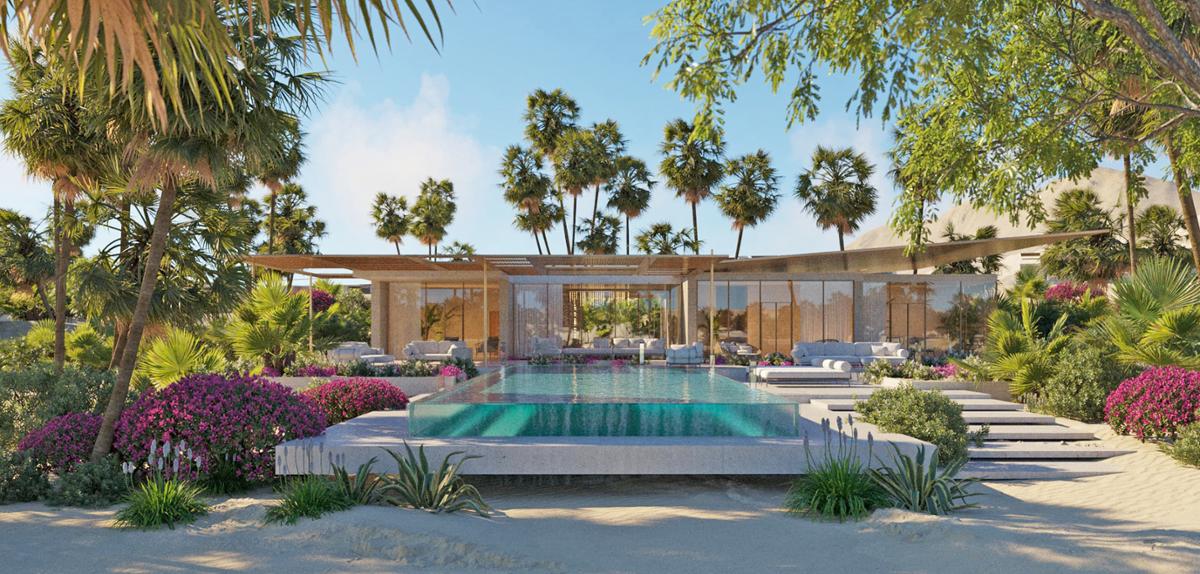
Amaala has been billed as the first global integrated family wellness destination and will offer ‘curated transformative personal journeys’ inspired by arts, wellness and the Red Sea.
When complete, the 4,155sq km site will have eight resorts, 200 residential units and a marina.
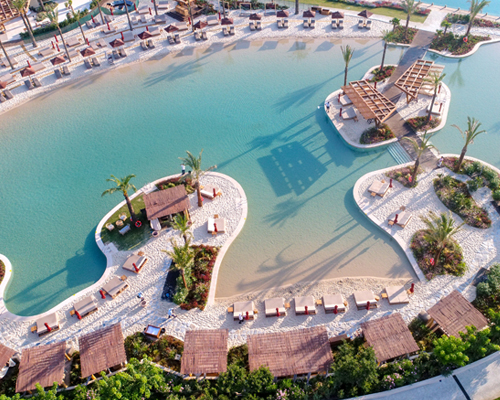
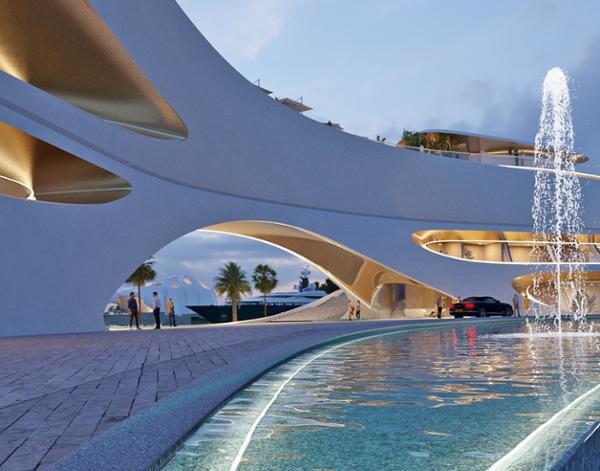
The first notable opening, called Triple Bay, is scheduled for completion in 2024. This is one of three high-profile developments that make up Amaala, which is being dubbed the new ‘riviera of the Middle East’.
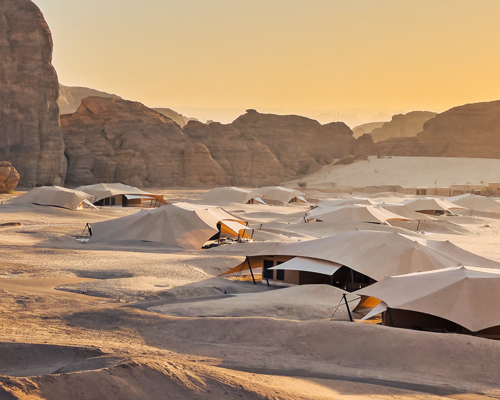
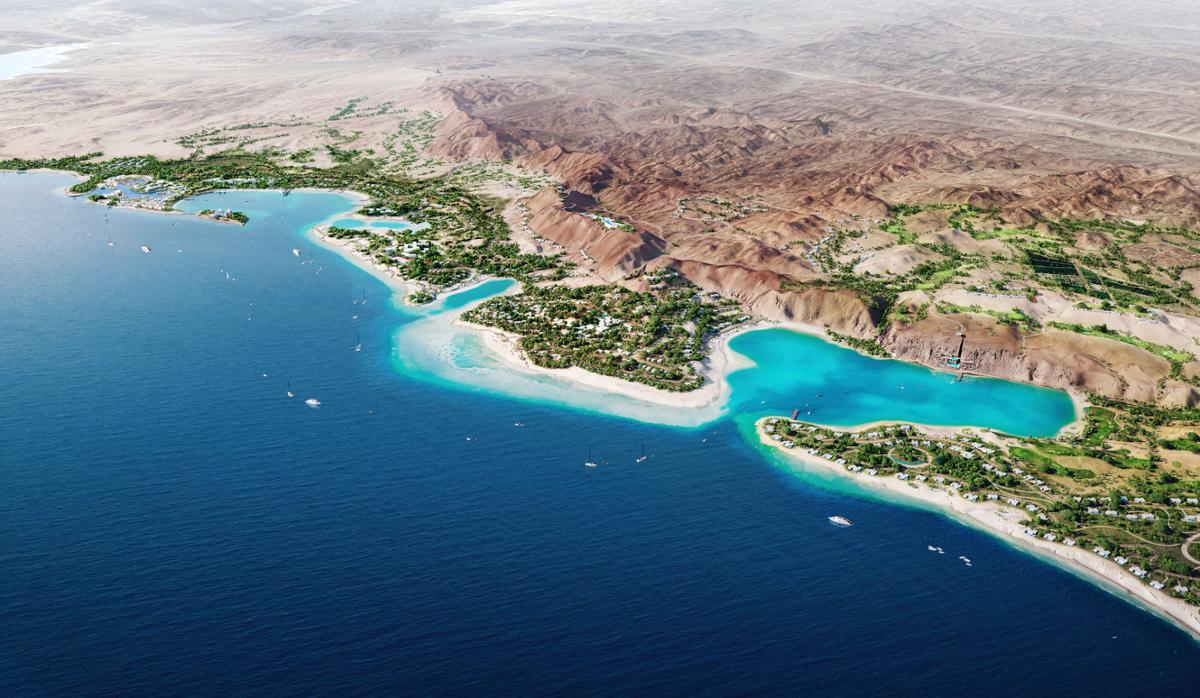
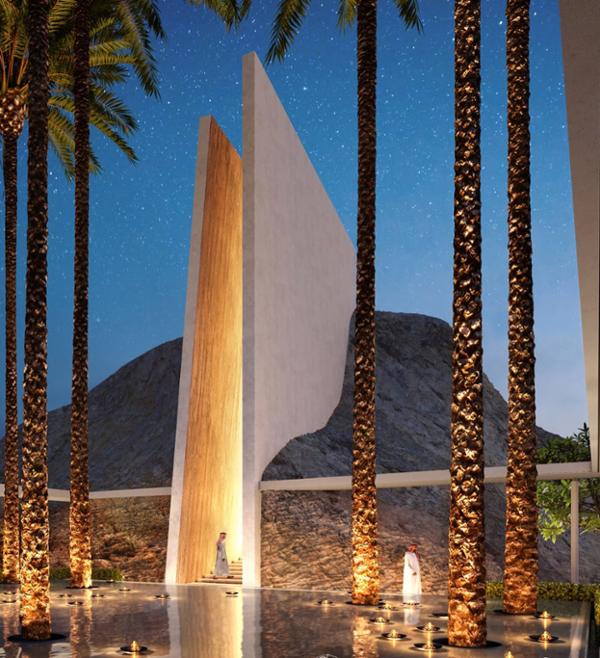
Amaala lies at Saudi Arabia’s largely untouched north-west corner, bordering the Red Sea, and is set to become the jewel in Saudi’s new tourism crown, creating a new gateway to the region for local tourists and international travellers.
Stephan Wagner was appointed in April 2020 as asset management director of RSG, the company which is driving both Amaala and The Red Sea (see p50).
He’s spearheading the development of the wellness offerings at the three Amaala locations and reveals details to Spa Business.
The first phase Amaala – which means ‘hope’ in Arabic and ‘purity’ in ancient Sanskrit – is backed by the Public Investment Fund (the sovereign wealth fund of Saudi Arabia) with external private investors. The trio of projects, Triple Bay, The Island and The Coastal Development, will be distinct themed destinations focused on wellness and sports, arts and culture and sun, sea and lifestyle.
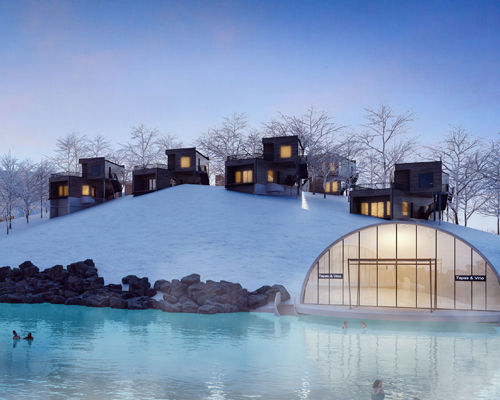
Triple Bay, described as ‘a place for wellness, rejuvenation and longevity’, will launch in 2024, with building work already fully underway. The site has been masterplanned by HKS Architects – one of a number of architectural firms working on the project – and gets its name from its location, spanning three picturesque coastal lagoons in the Red Sea. Over 300 contracts have already been awarded to date, worth an excess of SAR6.6bn (US$1.76bn, €1.79bn, £1.57bn).
“Wellness will be at the heart of the DNA of our brand and this extends not only to our guests, but also to all our staff,” says Wagner, who’s been working for luxury spa and resort brands around the world for over 20 years. Prior to his appointment in Saudi Arabia, he was director of spa and wellbeing at Switzerland’s Grand Resort Bad Ragaz and he believes that it’s important “to start by protecting our most precious assets, which are both the landscape we’re building on and the people who will deliver the vision to customers”.
Work has already started on the Amaala Employee Village, which will eventually be home to 20,000 staff. The aim is for the staff resort to set new benchmarks in luxury community living and ensure that each member lives and breathes its sustainability ethos.
Corporate wellness will be key too, adds Wagner. “We’ll be offering US$1,800 (€1,795, £1,577) to every employee for them to spend as they wish on wellness-related pursuits – whether that’s a gym membership or yoga lessons or a hiking holiday,” he says.
Wellness education Wagner recognises that because wellness as a tourist pursuit has not long been established in the Kingdom, a significant education process still needs to take place in the local market. Although, he says a shift in values is gradually starting to happen, aided in part by the recent global pandemic, which caused almost everyone to reflect on what they were doing to preserve, or improve their health.
Wagner says: “Previously, you’d have been more likely to encounter Saudis travelling to the traditional city tourism centres such as London, New York, Tokyo and Paris, but in recent years there’s been a greater interest in wellness-oriented destinations such as Kerala in southern India, where they’re more likely to engage in activities such as meditation, yoga and breathwork. This interest has come a little later to Saudi Arabia, but it’s starting to happen nonetheless.”
Wagner also admits that while their vision for wellness tourism is cutting edge and expansive, they’re focusing on the basics first. “From the outset, we wanted to carefully define what wellness is in terms of the physical, emotional and the spiritual, how that will be conveyed to visitors, as well as how we can source the best services and operators to deliver an unforgettable luxury health experience,” he says. “We have much to do to educate people about wellness tourism. What it is, what it provides, why exactly should Saudis spend their tourism cash on wellness.”
Amaala is expecting at first to educate and attract domestic tourists before expanding to the other GCC countries (United Arab Emirates, Qatar, Oman, Kuwait and Bahrain) and then the rest of the world.
Wagner adds: “We’re aware this will be an extended process. We aim to be a leading authority on wellness and we’ll be proactive and continue to do our research. We’re hiring the best and we’ll partner with the best to build Amaala into an unparalleled world-class wellness destination.
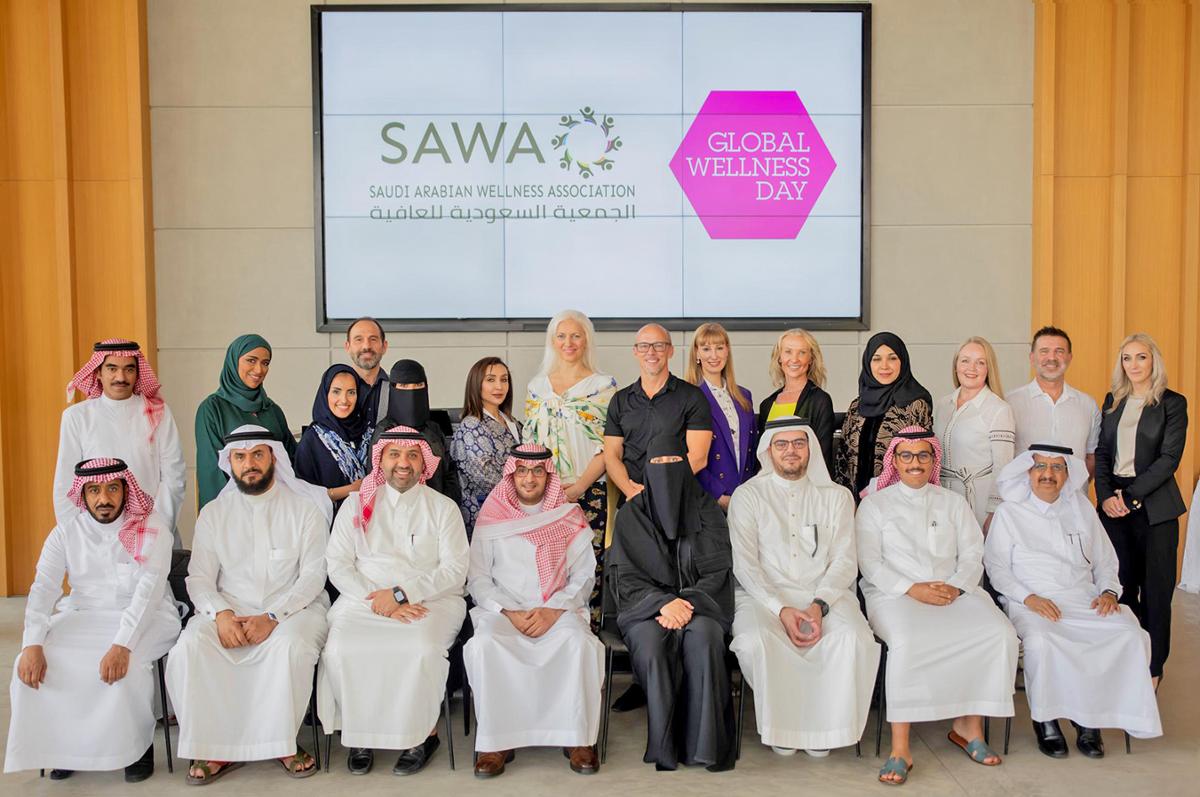
“In June, we launched the Saudi Arabian Wellness Association – and we want to work with international leaders,” he says, referencing Sue Harmsworth who sits on Amaala’s board. “We don’t claim to know everything and we’re very open to others’ input and ideas.”
Wagner adds: “As Amaala opens up, we’ll be promoting it to local people as a place they can chill out for just a few days, or as a day trip. It’s only a couple of hours from Riyadh.
“For the international market, we have this advantageous position halfway way between Asia and Europe – making us a relatively short haul and desirable destination from both regions, rather than a stopover for long-haul travel.
“We’re at the crossroads of Europe, Asia and Africa, with around 250 million people within a three-hour flight time.”
Prioritising sustainability Situated in such a delicate natural ecosystem, it’s not surprising that conservation and sustainability are key priorities at Amaala. This is also the case for the region’s other giga projects, especially The Red Sea resort, and we take a much deeper look at its regenerative tourism plans on p50.
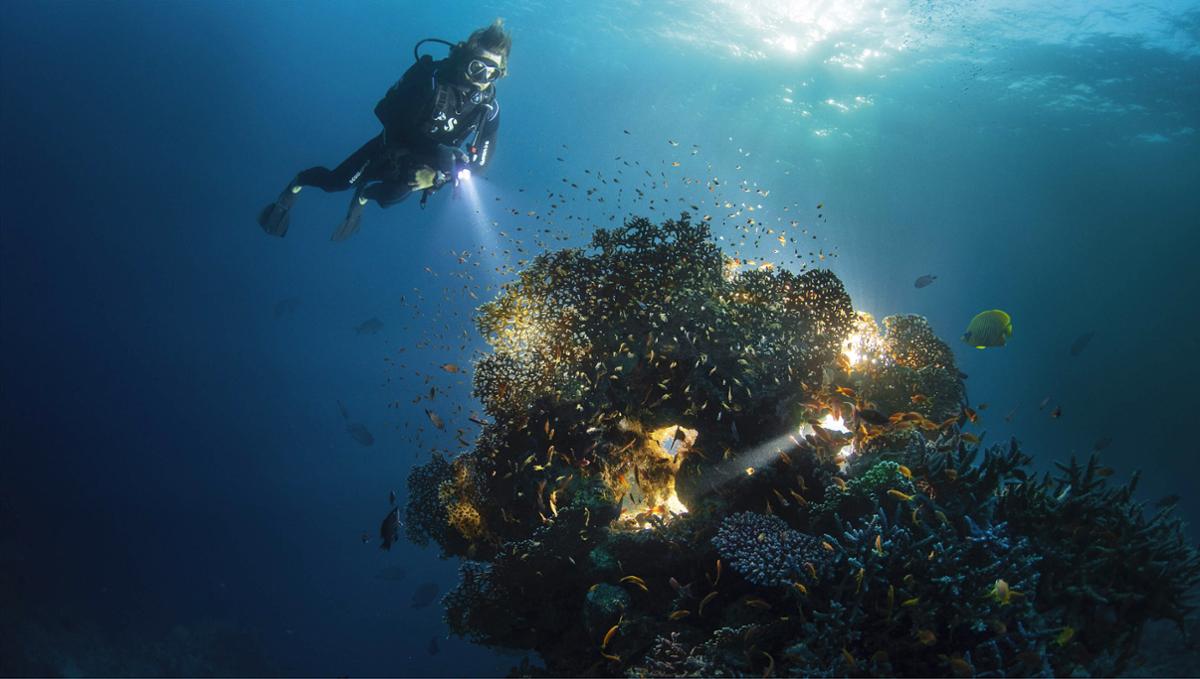
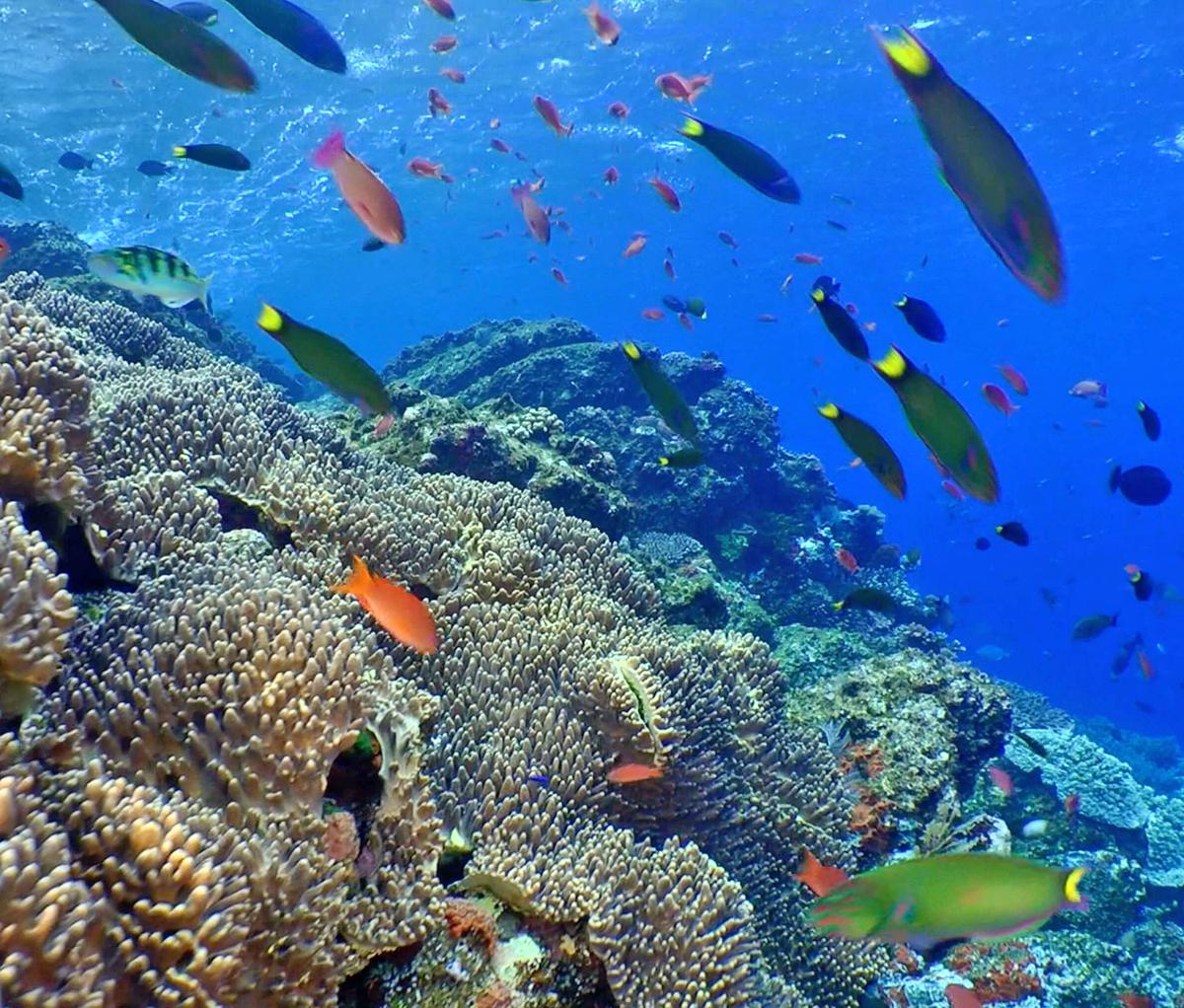
Wagner says: “Our message is that you can travel the world, but you also have to take great care of it. Our eco-credentials will be second to none and we’re currently involved with almost 130 sustainability initiatives to preserve the landscape, wildlife and support neighbouring villagers. These range from tagging turtles and monitoring endangered species, to working with the locals to fish more sustainably and to painstakingly transplant the corals where necessary.
“It’s not just about planting lots of trees (although Amaala has planted more than 70,000 so far) but making sure we use all the right materials, such as green concrete, and reuse and recycle as much as we can.”
Amaala will be powered by 100 per cent renewable energy, which will create a saving of CO2 emissions that is equivalent to almost half a million tonnes each year. The destination will operate a zero-carbon footprint once it’s fully operational, with the aim of being carbon positive in the future.
While tourists will have to wait a couple more years to have their first taste of Amaala, Saudi Arabia has been gradually opening itself up to more international tourists. Alongside Umrah visitors (pilgrims to Mecca) – which the Kingdom hopes to increase from eight to 30 million annually – new opportunities and attractions are being launched to attract greater international attention.
One such event is the Riyadh Season, an entertainment festival in the capital featuring local and international music artists, sports activities and food. Launched in 2019, reports indicate it generated SAR6bn (US$1.6bn, £1.2bn, €1.5bn), while the second season ran from October 2021 to March 2022 and hosted more than 7,000 events.
Wagner says: “The Saudis are welcoming, positive and open-hearted people with a natural sense of hospitality. After all, the Kingdom has been welcoming pilgrims to Mecca for thousands of years. Centuries before the concept of Airbnb, people were opening their homes and letting pilgrims stay with them. Saudi Arabia is more than ready to open itself, and its unique landscape, culture and heritage, up to the world.”
A ‘new jewel’ on the north-western coast of Saudi Arabia in a nature reserve consisting of three developments: Triple Bay, The Island and Coastal Development
The Red Sea
A tourist destination with phases due to open from 2023 to 2030. Once completed, it will have around 50 different resorts. The whole site, close to the size of Belgium, encompasses an archipelago of more than 90 pristine islands. See p50 for more details
Neom
Like Amaala, this sits in the north-west of the country close to Jordan. The focus is on urban life and creating ‘a new model for sustainable living, working and prospering’. The first phase is due for completion in 2024
Aseer Development Project
Located in the Aseer Mountains in the south, this will be developed as ‘The Arabian Highland’. The aim is to create a year-round tourist destination for up to 10 million visitors a year
Diriyah Gate
North-west of the capital of Riyadh, this project is centred around the world heritage site of At-Turaif. It’s expected to boast 40 international hotel brands once it opens in 2025
Qiddiya
An entertainment complex south-west of Riyadh which aims to attract the youth and family markets with its theme and water parks, stadium and kids sports centre and themed retail and dining offers
Read more from this issue of Spa Business magazine
Spa People: Marc Cohen
Leading medical, research, science and educational activities are all part of the new medical director’s role at the Peninsula Hot Springs Group in Australia
Menu engineering: At your service
Get inspired by the latest wellness services including a high-tech diagnostic circuit at SHA and a Zita West fertility programme at Bürgenstock
Interview: Stephan Wagner
As Saudi Arabia taps into tourism, the man heading up wellness at Amaala talks to Spa Business about what the major development is looking to bring to a previously undiscovered part of the Kingdom
Interview: Aradhana Khowala
The chair of the advisory board of the Red Sea – a Saudi development the size of Belgium – shares her passion for regenerative tourism with Spa Business
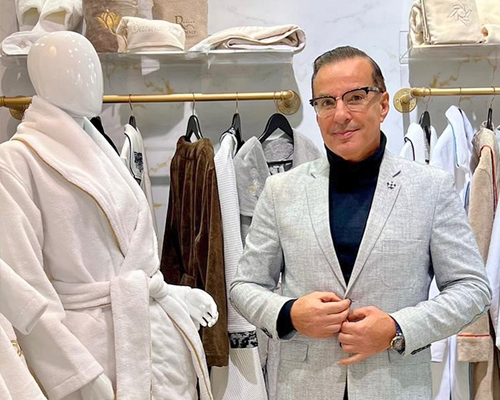
Sponsored: RKF: Dressed to impress
Following exciting new launches at Equip Hotel in Paris, including the new DresSoft line, RKF Luxury Linen is gearing up for an eco-friendly and fashion-conscious 2023
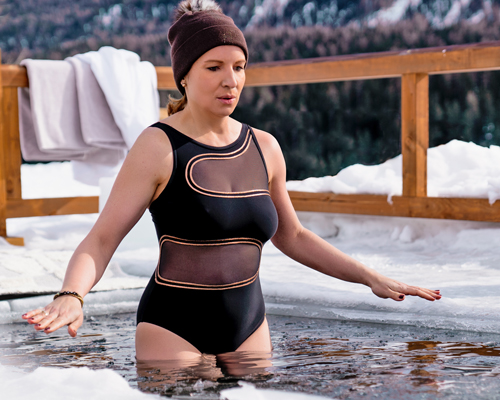
Everyone’s talking about...: Cold water immersion
A new scientific paper warns of the significant risk of cold water therapies. Spa Business investigates how operators can protect those taking part in extreme bathing programmes
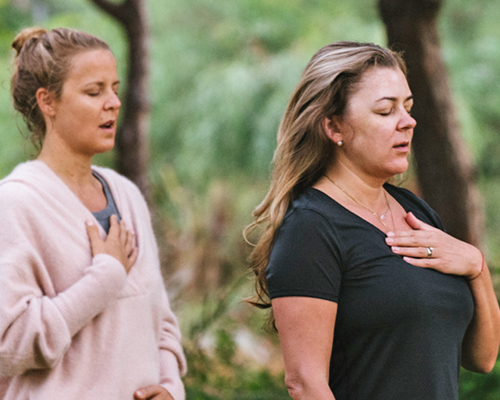
Event report: Healing summit
Self-help and self-love were the key messages from this wellness event in Portugal, says Spa Business’ Lisa Starr
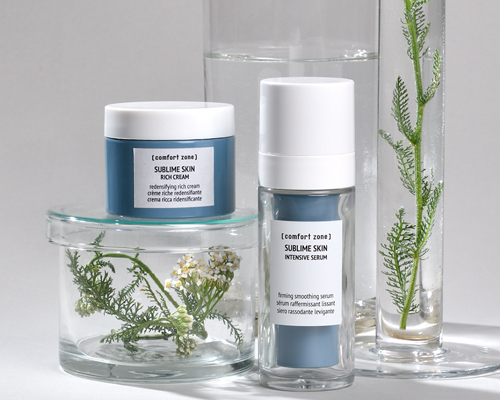
Sponsored: Comfort Zone: Effective by nature
Comfort Zone has revealed three new
products, including a new neck and
décolleté fluid, leveraging the power of
botanical bioactive extracts
Interview: Alex & Sue Glasscock
Editor-at-large, Jane Kitchen is put through her paces at The Ranch's new outpost in Palazzo Fiuggi, Italy and catches up with the owners
Event Report: Global Wellness Summit
The 16th annual GWS, held in Tel Aviv, Israel, homed in on the sector’s biggest issues following the pandemic. Spa Business reports on the highlights
Research: Wellness for all
A new study by the Global Wellness Institute provides a framework for businesses and governments to make healthy lifestyles accessible to all
Sponsored: TechnoAlpin Snowroom
The TechnoAlpin Snowroom made our Grand Aufguss Masters event extra special, says Robert Heinevetter
Finishing Touch: Cold call
Tumor suppression and boosting ‘good fat’ are two potential benefits of exposure to cool temperatures and swimming in icy waters, scientists reveal
In the fast-paced world of fitness and wellness, where high-intensity workouts push us to
our limits and the sweat pours, the importance of efficient recovery cannot be overstated. [more...]
As Saudi Arabia taps into tourism, the asset management director of Red Sea Global tells Julie Cramer how the company is looking to bring guests to a previously undiscovered part of the Kingdom
Wagner has worked in the sector for 20 years / photo: Amaala
For millions of Muslims, Saudi Arabia is a powerful spiritual magnet for those making the annual pilgrimage to Mecca. Yet the oil-rich Middle Eastern Kingdom has been much less well known as a tourism destination.
That looks set to change with the creation of a series of ‘giga projects’, designed to elevate the country’s standing on the world stage (see p47).
This new direction, guided by the Kingdom’s ambitious masterplan, called Vision 2030, was first announced in 2016 and has been created to reduce Saudi’s traditional dependence on oil, to diversify its economy and open it up to the world.
The country’s ‘white oil’ (tourism) is a key focus in the masterplan which involves developing vast nature reserves, doubling the number of UNESCO heritage sites, growing the culture and entertainment sector and promoting healthier lifestyles.
A number of significant projects are set to launch between now and 2030, based around two major developments, Amaala and The Red Sea, which are both being delivered by Red Sea Global (RSG).
Amaala has been billed as the first global integrated family wellness destination and will offer ‘curated transformative personal journeys’ inspired by arts, wellness and the Red Sea.
When complete, the 4,155sq km site will have eight resorts, 200 residential units and a marina.
The first notable opening, called Triple Bay, is scheduled for completion in 2024. This is one of three high-profile developments that make up Amaala, which is being dubbed the new ‘riviera of the Middle East’.
Amaala lies at Saudi Arabia’s largely untouched north-west corner, bordering the Red Sea, and is set to become the jewel in Saudi’s new tourism crown, creating a new gateway to the region for local tourists and international travellers.
Stephan Wagner was appointed in April 2020 as asset management director of RSG, the company which is driving both Amaala and The Red Sea (see p50).
He’s spearheading the development of the wellness offerings at the three Amaala locations and reveals details to Spa Business.
The first phase Amaala – which means ‘hope’ in Arabic and ‘purity’ in ancient Sanskrit – is backed by the Public Investment Fund (the sovereign wealth fund of Saudi Arabia) with external private investors. The trio of projects, Triple Bay, The Island and The Coastal Development, will be distinct themed destinations focused on wellness and sports, arts and culture and sun, sea and lifestyle.
Triple Bay, described as ‘a place for wellness, rejuvenation and longevity’, will launch in 2024, with building work already fully underway. The site has been masterplanned by HKS Architects – one of a number of architectural firms working on the project – and gets its name from its location, spanning three picturesque coastal lagoons in the Red Sea. Over 300 contracts have already been awarded to date, worth an excess of SAR6.6bn (US$1.76bn, €1.79bn, £1.57bn).
“Wellness will be at the heart of the DNA of our brand and this extends not only to our guests, but also to all our staff,” says Wagner, who’s been working for luxury spa and resort brands around the world for over 20 years. Prior to his appointment in Saudi Arabia, he was director of spa and wellbeing at Switzerland’s Grand Resort Bad Ragaz and he believes that it’s important “to start by protecting our most precious assets, which are both the landscape we’re building on and the people who will deliver the vision to customers”.
Work has already started on the Amaala Employee Village, which will eventually be home to 20,000 staff. The aim is for the staff resort to set new benchmarks in luxury community living and ensure that each member lives and breathes its sustainability ethos.
Corporate wellness will be key too, adds Wagner. “We’ll be offering US$1,800 (€1,795, £1,577) to every employee for them to spend as they wish on wellness-related pursuits – whether that’s a gym membership or yoga lessons or a hiking holiday,” he says.
Wellness education Wagner recognises that because wellness as a tourist pursuit has not long been established in the Kingdom, a significant education process still needs to take place in the local market. Although, he says a shift in values is gradually starting to happen, aided in part by the recent global pandemic, which caused almost everyone to reflect on what they were doing to preserve, or improve their health.
Wagner says: “Previously, you’d have been more likely to encounter Saudis travelling to the traditional city tourism centres such as London, New York, Tokyo and Paris, but in recent years there’s been a greater interest in wellness-oriented destinations such as Kerala in southern India, where they’re more likely to engage in activities such as meditation, yoga and breathwork. This interest has come a little later to Saudi Arabia, but it’s starting to happen nonetheless.”
Wagner also admits that while their vision for wellness tourism is cutting edge and expansive, they’re focusing on the basics first. “From the outset, we wanted to carefully define what wellness is in terms of the physical, emotional and the spiritual, how that will be conveyed to visitors, as well as how we can source the best services and operators to deliver an unforgettable luxury health experience,” he says. “We have much to do to educate people about wellness tourism. What it is, what it provides, why exactly should Saudis spend their tourism cash on wellness.”
Amaala is expecting at first to educate and attract domestic tourists before expanding to the other GCC countries (United Arab Emirates, Qatar, Oman, Kuwait and Bahrain) and then the rest of the world.
Wagner adds: “We’re aware this will be an extended process. We aim to be a leading authority on wellness and we’ll be proactive and continue to do our research. We’re hiring the best and we’ll partner with the best to build Amaala into an unparalleled world-class wellness destination.
“In June, we launched the Saudi Arabian Wellness Association – and we want to work with international leaders,” he says, referencing Sue Harmsworth who sits on Amaala’s board. “We don’t claim to know everything and we’re very open to others’ input and ideas.”
Wagner adds: “As Amaala opens up, we’ll be promoting it to local people as a place they can chill out for just a few days, or as a day trip. It’s only a couple of hours from Riyadh.
“For the international market, we have this advantageous position halfway way between Asia and Europe – making us a relatively short haul and desirable destination from both regions, rather than a stopover for long-haul travel.
“We’re at the crossroads of Europe, Asia and Africa, with around 250 million people within a three-hour flight time.”
Prioritising sustainability Situated in such a delicate natural ecosystem, it’s not surprising that conservation and sustainability are key priorities at Amaala. This is also the case for the region’s other giga projects, especially The Red Sea resort, and we take a much deeper look at its regenerative tourism plans on p50.
Wagner says: “Our message is that you can travel the world, but you also have to take great care of it. Our eco-credentials will be second to none and we’re currently involved with almost 130 sustainability initiatives to preserve the landscape, wildlife and support neighbouring villagers. These range from tagging turtles and monitoring endangered species, to working with the locals to fish more sustainably and to painstakingly transplant the corals where necessary.
“It’s not just about planting lots of trees (although Amaala has planted more than 70,000 so far) but making sure we use all the right materials, such as green concrete, and reuse and recycle as much as we can.”
Amaala will be powered by 100 per cent renewable energy, which will create a saving of CO2 emissions that is equivalent to almost half a million tonnes each year. The destination will operate a zero-carbon footprint once it’s fully operational, with the aim of being carbon positive in the future.
While tourists will have to wait a couple more years to have their first taste of Amaala, Saudi Arabia has been gradually opening itself up to more international tourists. Alongside Umrah visitors (pilgrims to Mecca) – which the Kingdom hopes to increase from eight to 30 million annually – new opportunities and attractions are being launched to attract greater international attention.
One such event is the Riyadh Season, an entertainment festival in the capital featuring local and international music artists, sports activities and food. Launched in 2019, reports indicate it generated SAR6bn (US$1.6bn, £1.2bn, €1.5bn), while the second season ran from October 2021 to March 2022 and hosted more than 7,000 events.
Wagner says: “The Saudis are welcoming, positive and open-hearted people with a natural sense of hospitality. After all, the Kingdom has been welcoming pilgrims to Mecca for thousands of years. Centuries before the concept of Airbnb, people were opening their homes and letting pilgrims stay with them. Saudi Arabia is more than ready to open itself, and its unique landscape, culture and heritage, up to the world.”
A ‘new jewel’ on the north-western coast of Saudi Arabia in a nature reserve consisting of three developments: Triple Bay, The Island and Coastal Development
The Red Sea
A tourist destination with phases due to open from 2023 to 2030. Once completed, it will have around 50 different resorts. The whole site, close to the size of Belgium, encompasses an archipelago of more than 90 pristine islands. See p50 for more details
Neom
Like Amaala, this sits in the north-west of the country close to Jordan. The focus is on urban life and creating ‘a new model for sustainable living, working and prospering’. The first phase is due for completion in 2024
Aseer Development Project
Located in the Aseer Mountains in the south, this will be developed as ‘The Arabian Highland’. The aim is to create a year-round tourist destination for up to 10 million visitors a year
Diriyah Gate
North-west of the capital of Riyadh, this project is centred around the world heritage site of At-Turaif. It’s expected to boast 40 international hotel brands once it opens in 2025
Qiddiya
An entertainment complex south-west of Riyadh which aims to attract the youth and family markets with its theme and water parks, stadium and kids sports centre and themed retail and dining offers
Read more from this issue of Spa Business magazine
Spa People: Marc Cohen
Leading medical, research, science and educational activities are all part of the new medical director’s role at the Peninsula Hot Springs Group in Australia
Menu engineering: At your service
Get inspired by the latest wellness services including a high-tech diagnostic circuit at SHA and a Zita West fertility programme at Bürgenstock
Interview: Stephan Wagner
As Saudi Arabia taps into tourism, the man heading up wellness at Amaala talks to Spa Business about what the major development is looking to bring to a previously undiscovered part of the Kingdom
Interview: Aradhana Khowala
The chair of the advisory board of the Red Sea – a Saudi development the size of Belgium – shares her passion for regenerative tourism with Spa Business
Sponsored: RKF: Dressed to impress
Following exciting new launches at Equip Hotel in Paris, including the new DresSoft line, RKF Luxury Linen is gearing up for an eco-friendly and fashion-conscious 2023
Everyone’s talking about...: Cold water immersion
A new scientific paper warns of the significant risk of cold water therapies. Spa Business investigates how operators can protect those taking part in extreme bathing programmes
Event report: Healing summit
Self-help and self-love were the key messages from this wellness event in Portugal, says Spa Business’ Lisa Starr
Sponsored: Comfort Zone: Effective by nature
Comfort Zone has revealed three new
products, including a new neck and
décolleté fluid, leveraging the power of
botanical bioactive extracts
Interview: Alex & Sue Glasscock
Editor-at-large, Jane Kitchen is put through her paces at The Ranch's new outpost in Palazzo Fiuggi, Italy and catches up with the owners
Event Report: Global Wellness Summit
The 16th annual GWS, held in Tel Aviv, Israel, homed in on the sector’s biggest issues following the pandemic. Spa Business reports on the highlights
Research: Wellness for all
A new study by the Global Wellness Institute provides a framework for businesses and governments to make healthy lifestyles accessible to all
Sponsored: TechnoAlpin Snowroom
The TechnoAlpin Snowroom made our Grand Aufguss Masters event extra special, says Robert Heinevetter
Finishing Touch: Cold call
Tumor suppression and boosting ‘good fat’ are two potential benefits of exposure to cool temperatures and swimming in icy waters, scientists reveal
The Wellness Tourism Association (WTA) has published a non-regulatory global industry
framework designed to ensure the retreat market offers responsible experiences.
A new survey of UK and international spa practitioners shows that stress, burnout and
wellbeing concerns have caused one in three respondents to consider leaving the industry.
The UK's four Chief Medical Officers have published a refreshed edition of Physical activity
guidelines: UK Chief Medical Officers' report, updating the evidence that underpins the nation's
physical activity recommendations and placing greater emphasis on strength, balance, reducing
sedentary behaviour and, for the first time, supporting people taking weight loss medications.
Anna Bjurstam has left her role as Wellness Pioneer at Six Senses Hotels and Resorts and
launched a new wellness, longevity and “consciousness consultancy” called Wahayla.
Fairmont Cheshire, The Mere, has opened today (10 July) in the Northwest of England
with a
1,715sq m Fairmont Spa that has been designed using a ‘Wellness without Walls’
concept.
Wellness hotels generating less than US$1 million (€932,700, £785,200) – or 10 per cent of
total revenue from wellness and leisure – recorded the strongest RevPAR and TRevPAR growth
in 2025 across categories when compared with 2024, according to the latest Wellness Real
Estate Report by RLA Global, produced in partnership with P and L benchmarking firm HotStats.
Lefay Resorts, the portfolio of two luxury wellness properties in Italy, has added emotional
dance classes and group cold plunge sessions in response to market demand for social
connection.
In the fast-paced world of fitness and wellness, where high-intensity workouts push us to
our limits and the sweat pours, the importance of efficient recovery cannot be overstated. [more...]