Yes! Send me the FREE digital editions of Spa Business and Spa Business insider magazines and the FREE weekly Spa Business and Spa Business insider ezines and breaking news alerts!
The opening of the Parc Olympique Lyonnais stadium is a feat of innovation on two fronts. While the design makes it a highly flexible venue, the way the project was funded has been equally innovative, reports Tom Walker
By Tom Walker | Published in Sports Management 08 Feb 2016 issue 113
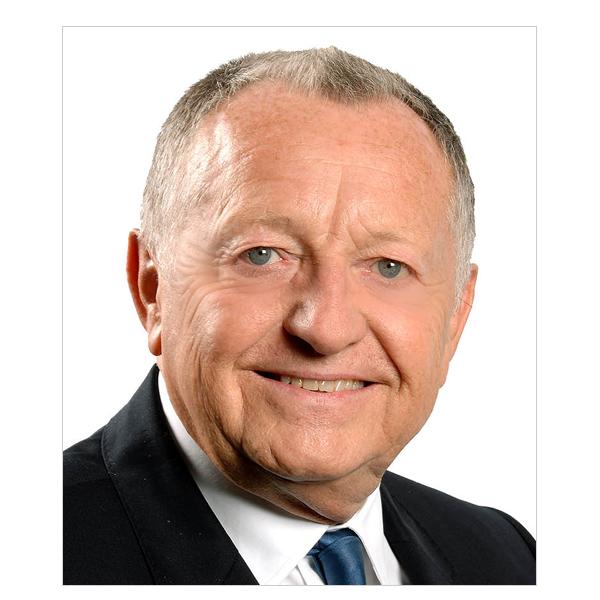
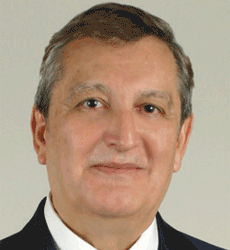
Jean-Michel Aulas, owner of Olympique Lyonnais and driving force behind the stadium
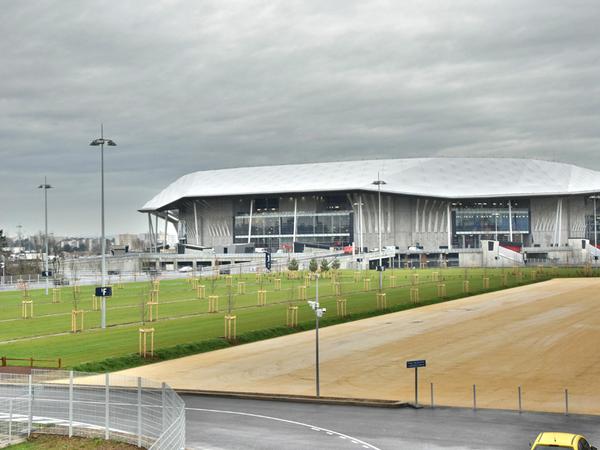
Parc Olympique Lyonnais, the futuristic new home of French football club Olympique Lyonnais (OL), is the centrepiece of a 45-hectare, mixed-use development called Parc OL – the club’s new commercial hub.
The €450m (US$490m, £347m) complex, located 6km outside the city of Lyon, includes a training ground, as well as a sports museum, sports medicine centre, a spa, leisure centre and 150-bed hotel.
The project is the brainchild of the Ligue 1 club’s majority owner and president, Jean-Michel Aulas, an ambitious software entrepreneur who bought Olympique Lyonnais in 1987 when it was languishing in the French second division.
It took Aulas less than 10 years to turn the club into the most dominant force in French football, both on and off the pitch. The club won a record seven championships between 2002 and 2008 and was the first French club to be listed on the stock market.
By the time the club won its seventh title in 2008, Aulas had decided that its ageing home – the 43,000-capacity Stade de Gerland, which was built in 1926 – was getting too small and antiquated for his long-term ambitions. As part of his research into how other leading European clubs had developed their stadiums, Aulas was invited to take a closer look at the way English Premier League team Arsenal was building its new home – the Emirates Stadium.
He was impressed by the multi-purpose design of the stadium, created by architects Populous, and concluded that to build something similar in Lyon would secure the club’s long-term future and establish it as a leading European powerhouse.
“One of the first things he asked us was whether we could build him an ‘Arsenal stadium in Lyon’,” recalls Garry Reeves, Populous’ project architect on the Parc Olympique Lyonnais design team. “We said no, because what they really needed was an Olympique Lyonnais stadium in Lyon.”
CLOUDS GATHER By September 2008, having appointed Populous, Aulas was ready to announce plans for the stadium. “Our new home will become an iconic destination for the city and the wider community of Lyon,” he said. “With a capacity of more than 59,000, the new stadium will be inspired by the unique culture of Olympique Lyonnais, its fans and the city.”
To fund the project, Aulas had secured a €260m (US$289m, £198m) deal whereby the French government would provide an €180m (US$196m, £139m) funding package – approved by both local and central governments – with a further €80m (US$87m, £61m) coming from the Urban Community of Lyon.
But not even Aulas – a shrewd entrepreneur who had made his millions by investing in the fledgling computer software sector during the 1980s – could have foreseen what happened next. Just weeks after his stadium announcement, the entire global financial sector collapsed into chaos and the somewhat vague term “US credit crunch” was replaced in news headlines by “global recession”.
As the financial crisis took hold of Europe, it became clear that the club’s plans to fund its stadium with the help of public money were no longer viable.
REINVENTING FINANCE It took Aulas and the club a further four years to finalise a workable funding plan without public money – a period of time when many fans doubted whether the stadium would ever be built. When it was announced, the proposal Aulas finally came up with to raise the €450m (US$490m, £347m) needed for the project was as bold as the stadium itself.
Together with Jérôme Seydoux – Olympique Lyonnais’ second largest shareholder and president of French film production giant Pathé – Aulas created a wholly-owned subsidiary for the stadium project, called Foncière du Montout (FDM). The plan was to stump up enough cash – around €200m (US$258m, £154m) – to convince the banks to lend the rest.
The club’s chosen construction partner, Vinci, was instrumental in making the deal a reality. The multi-discipline company, which operates stadiums as well as builds them, provided €80m (US$87m, £61m) towards the €200m and – with nearly half of the estimated construction cost of €450m in place – Aulas was able to sit down and convince the banks to lend the remaining amount. While similar arrangements are relatively common when it comes to property deals in other sectors, the model is rare for the sports sector and Parc Olympique Lyonnais is the first stadium in France to have been built entirely without any public sector funding.
LOCATION AND DESIGN According to Reeves, the stadium’s out of town location posed opportunities as well as challenges. “From a transport point of view, it’s always best to put a stadium in the centre of a city so it will be easier to get to by every means,” he says.
“For Parc Olympique Lyonnais, the plan was to create a year-round destination – and not just for football. Having the other leisure and retail facilities at Parc OL helps with that, because the club wants the stadium to generate revenue all year round.
“To utilise the space outside the building, we came up with a unique roof structure which extends over a large part of the concourse surrounding the stadium. The overhanging roof creates a civic space below, which can be used for a range of activities on non-match days – such as pop-up events, children’s six-a-side competitions and music events. There are also cafés and restaurants, merchandising units and retailing areas which are open seven days a week.”
Reeves adds that the flexibility of the stadium’s interior spaces will further assist the club’s plans to operate a multi-functional venue. “Inside, all the large hospitality spaces have been designed with a level of flexibility in use, allowing a number of configurations for conferences and events,” he says. “The large auditorium, used for press conferences during match days, is a wonderful space for congresses and summits.
“In terms of the seating bowls and the pitch, the lower tier at the north end of the stadium is retractable and has removable seating sections. That means the size of the open space can be controlled and a stage built off the pitch – allowing concerts to take place during the football season.”
GREEN PARKING Reeves says the location of Parc Olympique Lyonnais – in the middle of tree-covered hills – also resulted in one of his favourite design innovations, the radical design of the car park.
“We were required to include parking for 6,500 cars, which at every other stadium would probably have ended up being a huge area of tarmac with large floodlights,” he says. “We wanted to avoid that, so we teamed up with Paris-based landscape architects AIA Associés – and designed the parking areas as actual parks.
“Rather than use tarmac, we stabilised the ground underneath and covered the entire area in grass, interlacing it with trees which were specially planted. So while it functions as a car park during matches and large events, for most of the year this huge area becomes a lovely green space where people can wonder around – it has a real feel of a public park. It also fits into its surroundings perfectly and becomes a continuation of the rolling hills around the venue.”
EURO 2016 The first game took place on 9 January and Olympique Lyonnais celebrated moving into its new home in style, beating bottom of the table club Troyes 4-1.
While the stadium passed its first trial with flying colours, the venue will face its toughest test later this year when it will host six games during the UEFA European Championships 2016. The first five games of the contest will take place in just 13 days.
Reeves says the design of the stadium will complement the festival atmosphere expected during the event: “Normally, when you’re outside a stadium you can’t see what’s going on inside,” he says, “But we elevated the lower tier in as many places as we could and this has created a series of apertures which allow people views into the stadium while they’re outside on the concourses. So even if you’re not inside, you can still feel a part of the main event.
“We’ve also installed 25,000 WiFi nodes inside the stadium and around the concourses, so connectivity won’t be a problem. It should help to enable plenty of social media activity during the games.”
The stadium will host one of the semi-finals during Euro 2016. And home nation France’s first knockout game is likely to take place there in late June. Whatever the outcome of the match, Parc Olympique Lyonnais is being given the opportunity to be the stage for the making of European football history just months into its opening.
Construction began: Initial works 2012, stadium work summer 2013
Opened: 9 January 2016
In short: A total of 8,000 tons of steel were used in construction – the same as the Eiffel Tower
• One of 12 stadiums to be used during the UEFA European Championships 2016
• Third largest stadium in France after Stade de France, Paris and Stade Vélodrome, Marseille
Parc Olympique Lyonnais
Sing your heart out
Populous’ creative design has enabled Olympique Lyonnais fans’ tradition of singing at each other – which was born at the old Stade Gerland – to continue. By not building in any hospitality areas in the north or south stands, the design allows a “continuous wall of people” at both ends.
“The way the north stand chants to the south is one of the most endearing aspects of the club’s culture,” says Garry Reeves. “The idea was to hold the sound in and the more sound you have, the more atmosphere you have.”
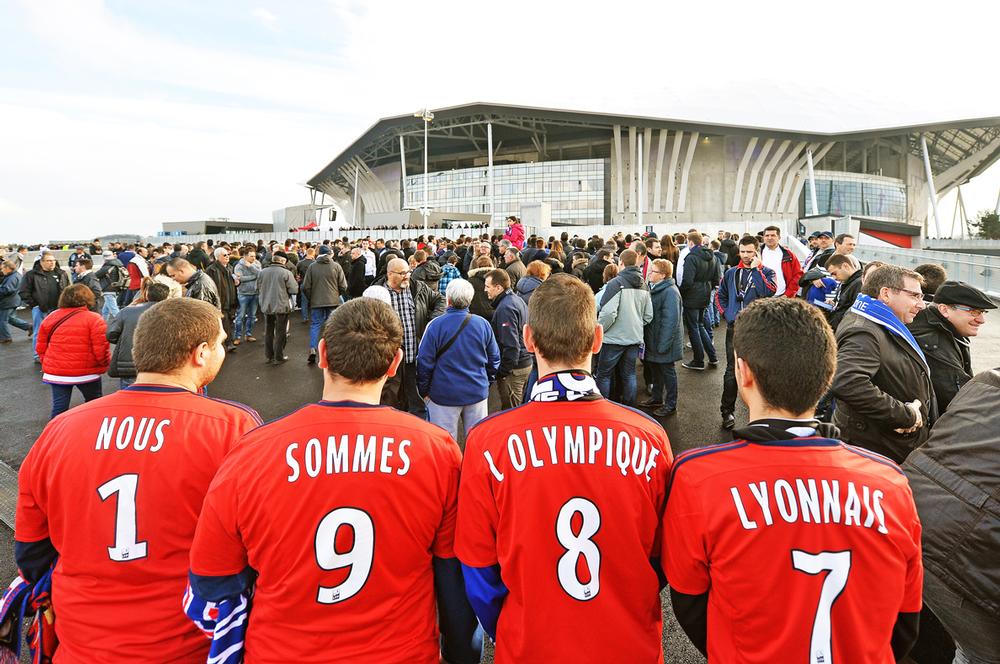
The elevated concourse around the stadium creates a civic space for fans
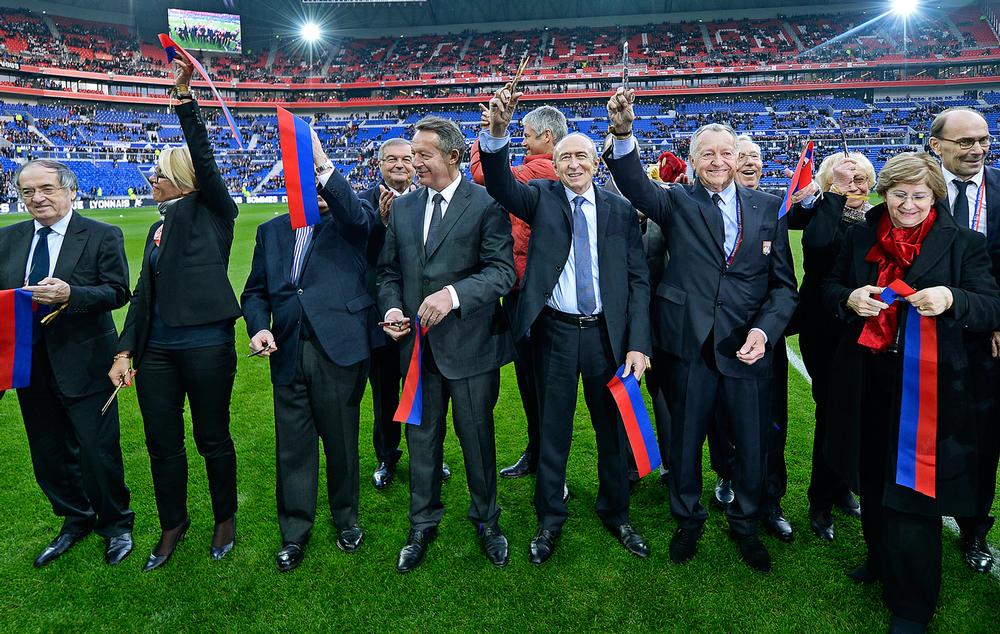
Aulas (fifth from right) alongside dignitaries before the stadium’s opening match
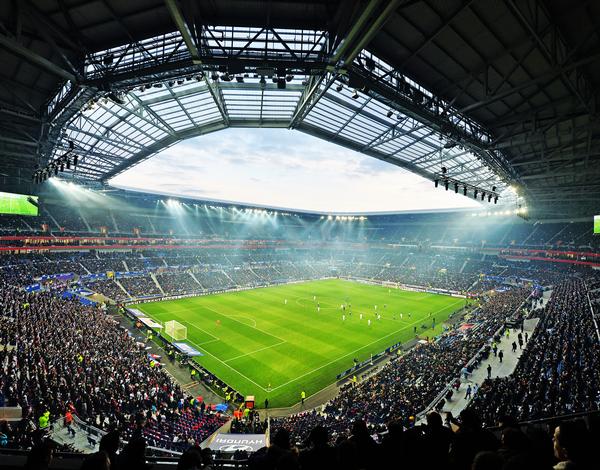
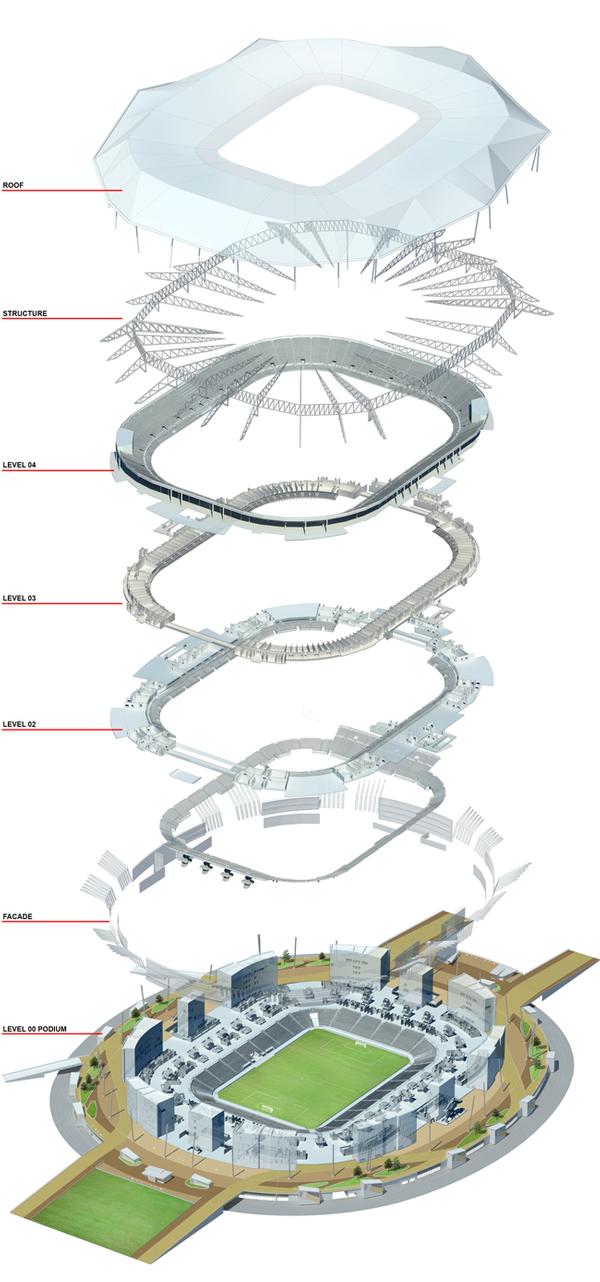
The flexible design will allow the stadium to host a wide range of events
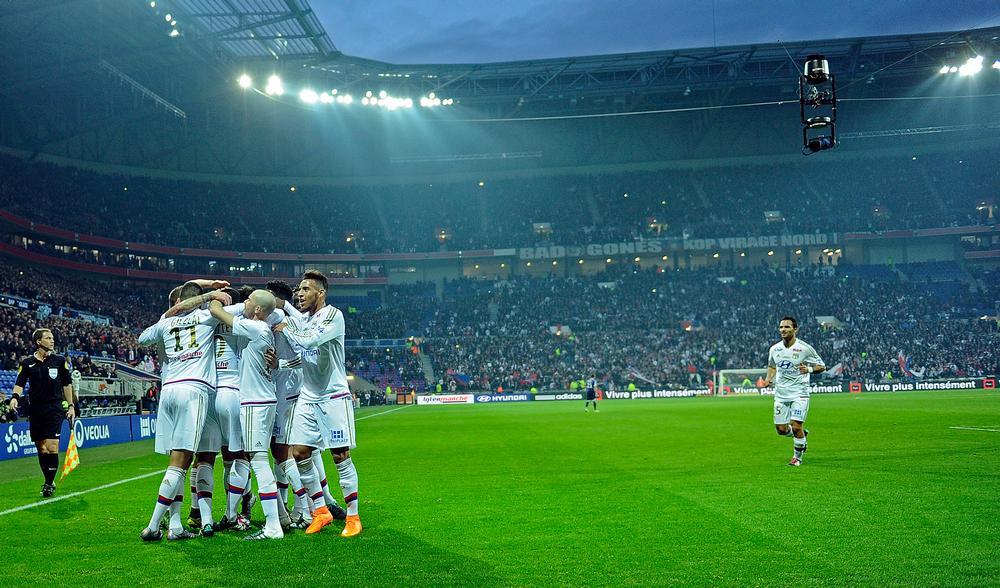
The club celebrated the opening of the stadium with a win
The innovative green parking space will become a public park when not in use
In a world where imbalance often accumulates quietly, Wildsmith unveils its newest
wellbeing innovation: Silent Loads, an approach designed to meet the needs of modern spa
guests with precision and depth. [more...]
In today’s premium spa environment, every detail shapes the guest experience – right down to
the softness of towels and the freshness of linens. [more...]
The opening of the Parc Olympique Lyonnais stadium is a feat of innovation on two fronts. While the design makes it a highly flexible venue, the way the project was funded has been equally innovative, reports Tom Walker
By Tom Walker | Published in Sports Management 08 Feb 2016 issue 113
Jean-Michel Aulas, owner of Olympique Lyonnais and driving force behind the stadium
Parc Olympique Lyonnais, the futuristic new home of French football club Olympique Lyonnais (OL), is the centrepiece of a 45-hectare, mixed-use development called Parc OL – the club’s new commercial hub.
The €450m (US$490m, £347m) complex, located 6km outside the city of Lyon, includes a training ground, as well as a sports museum, sports medicine centre, a spa, leisure centre and 150-bed hotel.
The project is the brainchild of the Ligue 1 club’s majority owner and president, Jean-Michel Aulas, an ambitious software entrepreneur who bought Olympique Lyonnais in 1987 when it was languishing in the French second division.
It took Aulas less than 10 years to turn the club into the most dominant force in French football, both on and off the pitch. The club won a record seven championships between 2002 and 2008 and was the first French club to be listed on the stock market.
By the time the club won its seventh title in 2008, Aulas had decided that its ageing home – the 43,000-capacity Stade de Gerland, which was built in 1926 – was getting too small and antiquated for his long-term ambitions. As part of his research into how other leading European clubs had developed their stadiums, Aulas was invited to take a closer look at the way English Premier League team Arsenal was building its new home – the Emirates Stadium.
He was impressed by the multi-purpose design of the stadium, created by architects Populous, and concluded that to build something similar in Lyon would secure the club’s long-term future and establish it as a leading European powerhouse.
“One of the first things he asked us was whether we could build him an ‘Arsenal stadium in Lyon’,” recalls Garry Reeves, Populous’ project architect on the Parc Olympique Lyonnais design team. “We said no, because what they really needed was an Olympique Lyonnais stadium in Lyon.”
CLOUDS GATHER By September 2008, having appointed Populous, Aulas was ready to announce plans for the stadium. “Our new home will become an iconic destination for the city and the wider community of Lyon,” he said. “With a capacity of more than 59,000, the new stadium will be inspired by the unique culture of Olympique Lyonnais, its fans and the city.”
To fund the project, Aulas had secured a €260m (US$289m, £198m) deal whereby the French government would provide an €180m (US$196m, £139m) funding package – approved by both local and central governments – with a further €80m (US$87m, £61m) coming from the Urban Community of Lyon.
But not even Aulas – a shrewd entrepreneur who had made his millions by investing in the fledgling computer software sector during the 1980s – could have foreseen what happened next. Just weeks after his stadium announcement, the entire global financial sector collapsed into chaos and the somewhat vague term “US credit crunch” was replaced in news headlines by “global recession”.
As the financial crisis took hold of Europe, it became clear that the club’s plans to fund its stadium with the help of public money were no longer viable.
REINVENTING FINANCE It took Aulas and the club a further four years to finalise a workable funding plan without public money – a period of time when many fans doubted whether the stadium would ever be built. When it was announced, the proposal Aulas finally came up with to raise the €450m (US$490m, £347m) needed for the project was as bold as the stadium itself.
Together with Jérôme Seydoux – Olympique Lyonnais’ second largest shareholder and president of French film production giant Pathé – Aulas created a wholly-owned subsidiary for the stadium project, called Foncière du Montout (FDM). The plan was to stump up enough cash – around €200m (US$258m, £154m) – to convince the banks to lend the rest.
The club’s chosen construction partner, Vinci, was instrumental in making the deal a reality. The multi-discipline company, which operates stadiums as well as builds them, provided €80m (US$87m, £61m) towards the €200m and – with nearly half of the estimated construction cost of €450m in place – Aulas was able to sit down and convince the banks to lend the remaining amount. While similar arrangements are relatively common when it comes to property deals in other sectors, the model is rare for the sports sector and Parc Olympique Lyonnais is the first stadium in France to have been built entirely without any public sector funding.
LOCATION AND DESIGN According to Reeves, the stadium’s out of town location posed opportunities as well as challenges. “From a transport point of view, it’s always best to put a stadium in the centre of a city so it will be easier to get to by every means,” he says.
“For Parc Olympique Lyonnais, the plan was to create a year-round destination – and not just for football. Having the other leisure and retail facilities at Parc OL helps with that, because the club wants the stadium to generate revenue all year round.
“To utilise the space outside the building, we came up with a unique roof structure which extends over a large part of the concourse surrounding the stadium. The overhanging roof creates a civic space below, which can be used for a range of activities on non-match days – such as pop-up events, children’s six-a-side competitions and music events. There are also cafés and restaurants, merchandising units and retailing areas which are open seven days a week.”
Reeves adds that the flexibility of the stadium’s interior spaces will further assist the club’s plans to operate a multi-functional venue. “Inside, all the large hospitality spaces have been designed with a level of flexibility in use, allowing a number of configurations for conferences and events,” he says. “The large auditorium, used for press conferences during match days, is a wonderful space for congresses and summits.
“In terms of the seating bowls and the pitch, the lower tier at the north end of the stadium is retractable and has removable seating sections. That means the size of the open space can be controlled and a stage built off the pitch – allowing concerts to take place during the football season.”
GREEN PARKING Reeves says the location of Parc Olympique Lyonnais – in the middle of tree-covered hills – also resulted in one of his favourite design innovations, the radical design of the car park.
“We were required to include parking for 6,500 cars, which at every other stadium would probably have ended up being a huge area of tarmac with large floodlights,” he says. “We wanted to avoid that, so we teamed up with Paris-based landscape architects AIA Associés – and designed the parking areas as actual parks.
“Rather than use tarmac, we stabilised the ground underneath and covered the entire area in grass, interlacing it with trees which were specially planted. So while it functions as a car park during matches and large events, for most of the year this huge area becomes a lovely green space where people can wonder around – it has a real feel of a public park. It also fits into its surroundings perfectly and becomes a continuation of the rolling hills around the venue.”
EURO 2016 The first game took place on 9 January and Olympique Lyonnais celebrated moving into its new home in style, beating bottom of the table club Troyes 4-1.
While the stadium passed its first trial with flying colours, the venue will face its toughest test later this year when it will host six games during the UEFA European Championships 2016. The first five games of the contest will take place in just 13 days.
Reeves says the design of the stadium will complement the festival atmosphere expected during the event: “Normally, when you’re outside a stadium you can’t see what’s going on inside,” he says, “But we elevated the lower tier in as many places as we could and this has created a series of apertures which allow people views into the stadium while they’re outside on the concourses. So even if you’re not inside, you can still feel a part of the main event.
“We’ve also installed 25,000 WiFi nodes inside the stadium and around the concourses, so connectivity won’t be a problem. It should help to enable plenty of social media activity during the games.”
The stadium will host one of the semi-finals during Euro 2016. And home nation France’s first knockout game is likely to take place there in late June. Whatever the outcome of the match, Parc Olympique Lyonnais is being given the opportunity to be the stage for the making of European football history just months into its opening.
Construction began: Initial works 2012, stadium work summer 2013
Opened: 9 January 2016
In short: A total of 8,000 tons of steel were used in construction – the same as the Eiffel Tower
• One of 12 stadiums to be used during the UEFA European Championships 2016
• Third largest stadium in France after Stade de France, Paris and Stade Vélodrome, Marseille
Parc Olympique Lyonnais
Sing your heart out
Populous’ creative design has enabled Olympique Lyonnais fans’ tradition of singing at each other – which was born at the old Stade Gerland – to continue. By not building in any hospitality areas in the north or south stands, the design allows a “continuous wall of people” at both ends.
“The way the north stand chants to the south is one of the most endearing aspects of the club’s culture,” says Garry Reeves. “The idea was to hold the sound in and the more sound you have, the more atmosphere you have.”
The elevated concourse around the stadium creates a civic space for fans
Aulas (fifth from right) alongside dignitaries before the stadium’s opening match
The flexible design will allow the stadium to host a wide range of events
The club celebrated the opening of the stadium with a win
The innovative green parking space will become a public park when not in use
Premium London health club, KX Chelsea, will imminently unveil its most significant
redevelopment since its launch in 2002 to create an integrated wellness model combining
training, recovery and relaxation.
Rosewood Le Guanahani St Barth, on the northeast coast of Saint Barthélemy in the French
West Indies, is offering a programme of ocean-inspired yoga classes between 8-14 June to
celebrate Global Wellness Day (GWD).
Hotel de France, located on the British Isle of Jersey, has created a wellness retreat package
that includes a hot yoga session that will take place in Jersey Zoo’s butterfly sanctuary.
The Ritz-Carlton, Langkawi, in Malaysia, has revealed a schedule for Global Wellness Day
(GWD) that includes guided rainforest walks, mindful movement and guided coastal meditation
experiences.
Longevitix, a clinical platform for preventive and longevity medicine, has launched its AI-
powered intelligence system to help physicians deliver continuous, personalised longevity-
focused care at scale.
Atmantan Wellness Centre, an integrative wellness destination in Mulshi, near Pune in India, is
expanding its portfolio by adding a new centre in Hyderabad that will launch between 2028 and
2029.
A recent survey by the UK Spa Association (UKSA) into the industry’s approach to cancer care
has revealed that almost half of participating respondents (46 per cent) are unaware that
cancer is a disability and guests with a cancer diagnosis must be given
Mexican operator, Solmar Hotels and Resorts, is hosting a series of events in celebration of
Global Wellness Day, including a Temazcal ceremony at its Playa Grande Resort and Spa in Los
Cabos.
Mandarin Oriental has announced a standalone residence brand, Mansions, which will debut at
Emirates Palace, Mandarin Oriental Mansions, Abu Dhabi, in 2029.
In a world where imbalance often accumulates quietly, Wildsmith unveils its newest
wellbeing innovation: Silent Loads, an approach designed to meet the needs of modern spa
guests with precision and depth. [more...]
In today’s premium spa environment, every detail shapes the guest experience – right down to
the softness of towels and the freshness of linens. [more...]