The provision of nutritious food and drink is integral to member health and can bring in significant revenue, yet is often neglected in health clubs and leisure centres. We explore how operators can raise their game
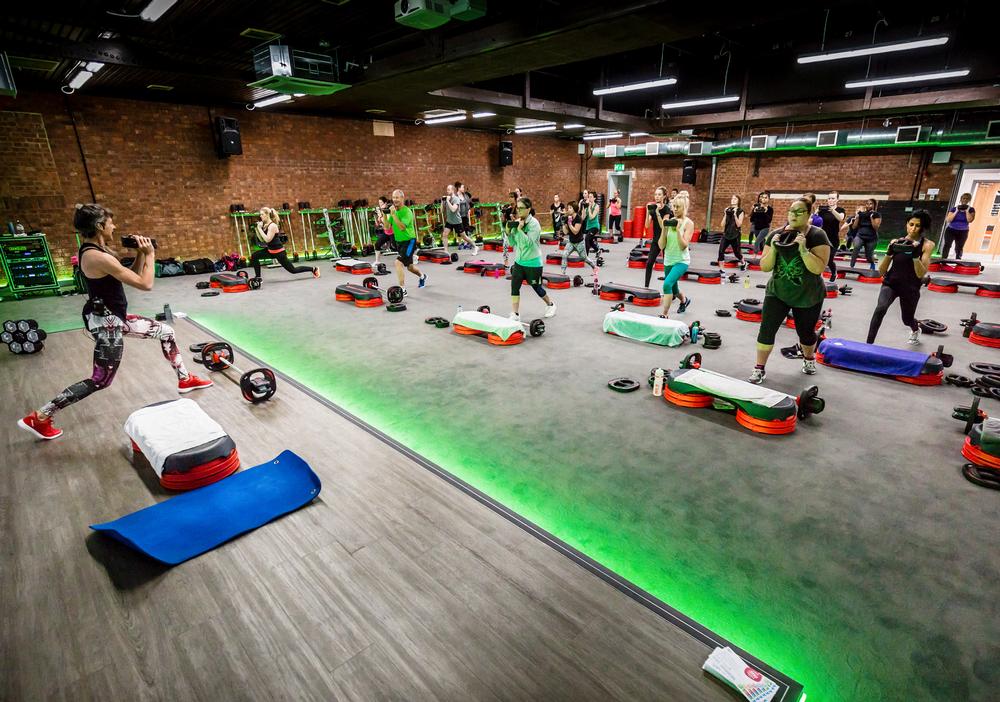
Most members welcome the option of a healthy drink post-workout / PHOTOS: SHUTTERSTOCK.COM
Doctors are increasingly referring obese or diabetic patients to weight management programmes held at local leisure centres. However, any progress made stands to be undone at on-site cafes where chips, biscuits and fizzy drinks take centre stage.
It’s a disconnect that arises, at least in part, from the belief that unhealthy meals and snacks are cheaper and less laborious to prepare than nutritious ones. However, some operators are finally taking action.
SUGAR TAX In July 2016, Sheffield City Trust became the first sport and leisure operator in the country to introduce a sugar tax on all soft drinks sold in its venues. A 20p premium was placed on drinks containing at least 5mg of sugar per 100ml – a move that resulted in a 13 per cent swing towards the purchase of low- and non-sugar drinks just one year after the sugar tax initiative was launched.
Rob Womack, healthy partnerships manager for the wellbeing charity and leisure operator, says the soft drinks levy was long overdue. “As Sheffield’s health and wellbeing charity, we want to send out a consistent message. We’re helping the people of Sheffield to get fit in our venues and we want to support and inform them to make healthy choices on the food and drink they consume too,” he explains.
According to Womack, the sugar tax has led to 1.3 fewer tonnes of sugar being sold through Sheffield City Trust’s 11 entertainment and sports venues across the city. The initiative has also raised approximately £20,000, which will be used to develop new anti-obesity programmes for young people.
While targeting the consumption of unhealthy drinks appears to have worked for Sheffield City Trust, approaches focused on food also have a role to play.
GROWING MARKET Theresa England, contract and partnerships manager at marketing consultancy Bigwave Media, and former national head of food and beverage at 1Life Management Solutions says: “Industry data shows that the food and beverage market within the leisure centre and swimming pools sector alone was £96m (€105m, $123m) for the year to July 2016. This typically represents around 10 per cent of a facility’s turnover. For an operator with a £20m (€22m, $26m) turnover, that’s £2m of sales!”
She believes that operators can tap into this revenue stream while encouraging customers to make healthier choices, simply by making a few changes to their existing food offerings.
“One easy change is moving from a traditional cake-style flapjack to a sport-specific one, with only naturally occurring sugars and lower saturated fat,” says England.
MAKING CHANGES “Another step is to offer savoury grab-and-go choices, such as olive packs, veg sticks and hummus, or protein-rich snacks such as a boiled egg with spinach. They’re great for people who want something after the gym, and there’s a good margin on them too.”
England recommends sourcing the products externally. “Specialist suppliers can do this a lot quicker than your own staff could, and consequently the price and consistency of the product will be better.”
Beau Sejour – the only community leisure centre in Guernsey – shows how several small changes to a fitness facility’s food and beverage offering can make a big difference. For years, the centre’s refreshments, which were sold at a separate café and bar, featured the usual drinks, sandwiches and range of hot meals that were cooked on-site, blast-chilled and served in fridges for customers to microwave.
Last September, however, the two areas merged into a single new healthy eating facility. According to Leisure-net Solutions director David Monkhouse, who inspected the facility in April as part of Beau Sejour’s two-yearly quality assessment, the end result was worthy of an excellent rating and was “the best food and beverage offering this assessor has ever seen.”
The changes – made after consultation with dietitians from the Committee for Health and Social Care – ranged from adding hidden veg to cottage pie or a portion of fruit to a child’s jelly, to removing the oil from the pesto pasta and offering it on the side. Portion sizes were also addressed, with toddler portions introduced and adult portions decreased by up to a third – better for customers’ health and the centre’s profit margins.
Similar results can be achieved from tweaking drink offerings too. England says: “Water has a brilliant margin, and can be held so there’s no wastage. Some operators don’t sell it across the counter at all, leaving it to the vending machines, yet it’s a complete no-brainer from a commercial perspective and in terms of giving consumers healthy choices.”
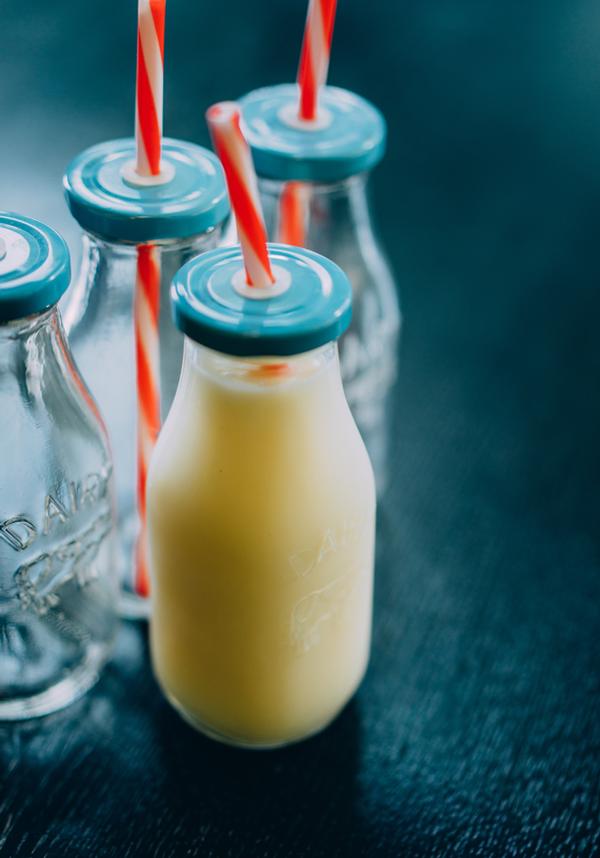
She also suggests that the leisure market should offer smoothies, ideally ones containing vegetables as well as fruit. The coffee range is also key, says England, forming the bedrock of any successful café operation.
Once the menu has been developed, the final consideration is pricing. The provision of nutritionally-optimised food and drink options is important for customer health, and operators must recognise the value in this and not feel afraid to charge more for high quality products.
PROFIT MARGINS England, who helps leisure centres expand their food and beverage income by redesigning their menus, explains: “Many operators still undersell their products; part of my job is to help them find the right gross profit margin. Generally, if they don’t achieve a minimum of 60 per cent gross profit margin, they won’t be able to make net profit on the revenue.
“One benefit of offering high-protein or sport-specific products is that they tend not to be widely available elsewhere, making it easier to charge a higher price, as it’s harder for customers to make a price comparison. Plus the products are likely to be seen as more desirable.”
Finally, a tailored marketing strategy cannot be overlooked as it is crucial to the success of a healthy food and beverage offering. This ranges from ensuring the cafe is easy to find within the centre and has a high profile on the website, to promoting it through other services.
Personal trainers and other leisure centre staff should also be trained to recommend the cafe as somewhere customers can access products to support their training goals.
When Beau Sejour leisure centre overhauled its F&B service, the team drew on the advice of dieticians and psychologists, giving product placement careful attention. Area manager Nathan Dicker says:
• Unhealthier choices have been placed out of customers’ lines of sight
• Healthy snacks such as pots of dried fruit and seeds now sit by the tills
• The first drinks cabinet reached is full of water
• Subliminal messaging has been used: fruit displayed in tall containers rather than short ones makes customers more likely to buy it
One of the biggest game-changers was the decision to display the calorie or sugar content of every product. Dicker says the results have been dramatic: “One of our popular drinks used to be an orange drink which parents often gave to young children. But once they realised a 330ml pouch contained the equivalent of eight sugar cubes, sales plummeted.”
Operators should be selling much healthier food to their captive market
Centres could offer healthy smoothies as an F&B option
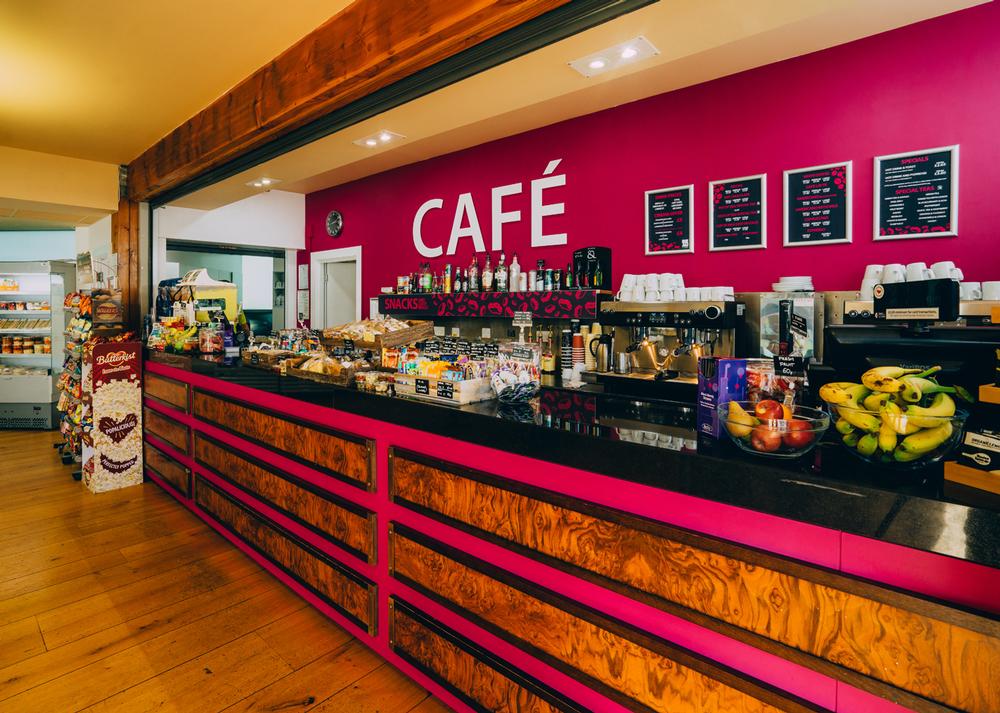
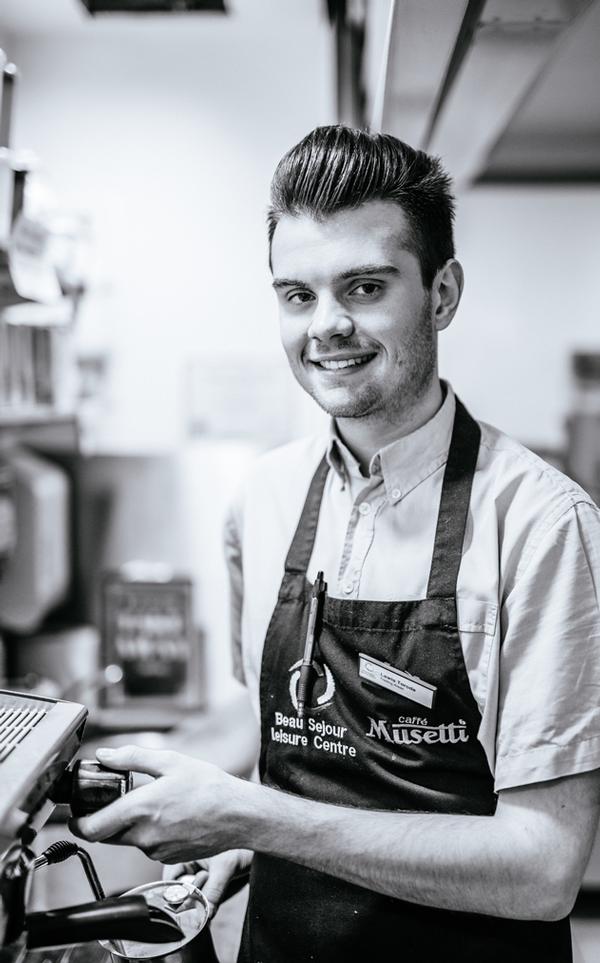
Beau Sejour's healthy F&B makeover has proved very popular
The provision of nutritious food and drink is integral to member health and can bring in significant revenue, yet is often neglected in health clubs and leisure centres. We explore how operators can raise their game
Most members welcome the option of a healthy drink post-workout / PHOTOS: SHUTTERSTOCK.COM
Doctors are increasingly referring obese or diabetic patients to weight management programmes held at local leisure centres. However, any progress made stands to be undone at on-site cafes where chips, biscuits and fizzy drinks take centre stage.
It’s a disconnect that arises, at least in part, from the belief that unhealthy meals and snacks are cheaper and less laborious to prepare than nutritious ones. However, some operators are finally taking action.
SUGAR TAX In July 2016, Sheffield City Trust became the first sport and leisure operator in the country to introduce a sugar tax on all soft drinks sold in its venues. A 20p premium was placed on drinks containing at least 5mg of sugar per 100ml – a move that resulted in a 13 per cent swing towards the purchase of low- and non-sugar drinks just one year after the sugar tax initiative was launched.
Rob Womack, healthy partnerships manager for the wellbeing charity and leisure operator, says the soft drinks levy was long overdue. “As Sheffield’s health and wellbeing charity, we want to send out a consistent message. We’re helping the people of Sheffield to get fit in our venues and we want to support and inform them to make healthy choices on the food and drink they consume too,” he explains.
According to Womack, the sugar tax has led to 1.3 fewer tonnes of sugar being sold through Sheffield City Trust’s 11 entertainment and sports venues across the city. The initiative has also raised approximately £20,000, which will be used to develop new anti-obesity programmes for young people.
While targeting the consumption of unhealthy drinks appears to have worked for Sheffield City Trust, approaches focused on food also have a role to play.
GROWING MARKET Theresa England, contract and partnerships manager at marketing consultancy Bigwave Media, and former national head of food and beverage at 1Life Management Solutions says: “Industry data shows that the food and beverage market within the leisure centre and swimming pools sector alone was £96m (€105m, $123m) for the year to July 2016. This typically represents around 10 per cent of a facility’s turnover. For an operator with a £20m (€22m, $26m) turnover, that’s £2m of sales!”
She believes that operators can tap into this revenue stream while encouraging customers to make healthier choices, simply by making a few changes to their existing food offerings.
“One easy change is moving from a traditional cake-style flapjack to a sport-specific one, with only naturally occurring sugars and lower saturated fat,” says England.
MAKING CHANGES “Another step is to offer savoury grab-and-go choices, such as olive packs, veg sticks and hummus, or protein-rich snacks such as a boiled egg with spinach. They’re great for people who want something after the gym, and there’s a good margin on them too.”
England recommends sourcing the products externally. “Specialist suppliers can do this a lot quicker than your own staff could, and consequently the price and consistency of the product will be better.”
Beau Sejour – the only community leisure centre in Guernsey – shows how several small changes to a fitness facility’s food and beverage offering can make a big difference. For years, the centre’s refreshments, which were sold at a separate café and bar, featured the usual drinks, sandwiches and range of hot meals that were cooked on-site, blast-chilled and served in fridges for customers to microwave.
Last September, however, the two areas merged into a single new healthy eating facility. According to Leisure-net Solutions director David Monkhouse, who inspected the facility in April as part of Beau Sejour’s two-yearly quality assessment, the end result was worthy of an excellent rating and was “the best food and beverage offering this assessor has ever seen.”
The changes – made after consultation with dietitians from the Committee for Health and Social Care – ranged from adding hidden veg to cottage pie or a portion of fruit to a child’s jelly, to removing the oil from the pesto pasta and offering it on the side. Portion sizes were also addressed, with toddler portions introduced and adult portions decreased by up to a third – better for customers’ health and the centre’s profit margins.
Similar results can be achieved from tweaking drink offerings too. England says: “Water has a brilliant margin, and can be held so there’s no wastage. Some operators don’t sell it across the counter at all, leaving it to the vending machines, yet it’s a complete no-brainer from a commercial perspective and in terms of giving consumers healthy choices.”
She also suggests that the leisure market should offer smoothies, ideally ones containing vegetables as well as fruit. The coffee range is also key, says England, forming the bedrock of any successful café operation.
Once the menu has been developed, the final consideration is pricing. The provision of nutritionally-optimised food and drink options is important for customer health, and operators must recognise the value in this and not feel afraid to charge more for high quality products.
PROFIT MARGINS England, who helps leisure centres expand their food and beverage income by redesigning their menus, explains: “Many operators still undersell their products; part of my job is to help them find the right gross profit margin. Generally, if they don’t achieve a minimum of 60 per cent gross profit margin, they won’t be able to make net profit on the revenue.
“One benefit of offering high-protein or sport-specific products is that they tend not to be widely available elsewhere, making it easier to charge a higher price, as it’s harder for customers to make a price comparison. Plus the products are likely to be seen as more desirable.”
Finally, a tailored marketing strategy cannot be overlooked as it is crucial to the success of a healthy food and beverage offering. This ranges from ensuring the cafe is easy to find within the centre and has a high profile on the website, to promoting it through other services.
Personal trainers and other leisure centre staff should also be trained to recommend the cafe as somewhere customers can access products to support their training goals.
When Beau Sejour leisure centre overhauled its F&B service, the team drew on the advice of dieticians and psychologists, giving product placement careful attention. Area manager Nathan Dicker says:
• Unhealthier choices have been placed out of customers’ lines of sight
• Healthy snacks such as pots of dried fruit and seeds now sit by the tills
• The first drinks cabinet reached is full of water
• Subliminal messaging has been used: fruit displayed in tall containers rather than short ones makes customers more likely to buy it
One of the biggest game-changers was the decision to display the calorie or sugar content of every product. Dicker says the results have been dramatic: “One of our popular drinks used to be an orange drink which parents often gave to young children. But once they realised a 330ml pouch contained the equivalent of eight sugar cubes, sales plummeted.”
Operators should be selling much healthier food to their captive market
Centres could offer healthy smoothies as an F&B option
Beau Sejour's healthy F&B makeover has proved very popular
Global Wellness Day (GWD) marked its 15th anniversary on Saturday 13 June 2026, with the
theme: #JoyMagenta – a celebration of the healing qualities of simple gestures and activities
that spark joy.
Global luxury hospitality brand, Six Senses, has partnered with longevity healthcare provider,
HUM2N, to launch a clinic at Six Senses London, at The Whiteley.
As part of its first hotel partnership, Mayrlife – the medical health resort company known for its
site in Altaussee, Austria – has launched a day clinic at the Rosewood Vienna.
Premium London health club, KX Chelsea, will imminently unveil its most significant
redevelopment since its launch in 2002 to create an integrated wellness model combining
training, recovery and relaxation.
Rosewood Le Guanahani St Barth, on the northeast coast of Saint Barthélemy in the French
West Indies, is offering a programme of ocean-inspired yoga classes between 8-14 June to
celebrate Global Wellness Day (GWD).
Hotel de France, located on the British Isle of Jersey, has created a wellness retreat package
that includes a hot yoga session that will take place in Jersey Zoo’s butterfly sanctuary.
The Ritz-Carlton, Langkawi, in Malaysia, has revealed a schedule for Global Wellness Day
(GWD) that includes guided rainforest walks, mindful movement and guided coastal meditation
experiences.
Longevitix, a clinical platform for preventive and longevity medicine, has launched its AI-
powered intelligence system to help physicians deliver continuous, personalised longevity-
focused care at scale.
Atmantan Wellness Centre, an integrative wellness destination in Mulshi, near Pune in India, is
expanding its portfolio by adding a new centre in Hyderabad that will launch between 2028 and
2029.