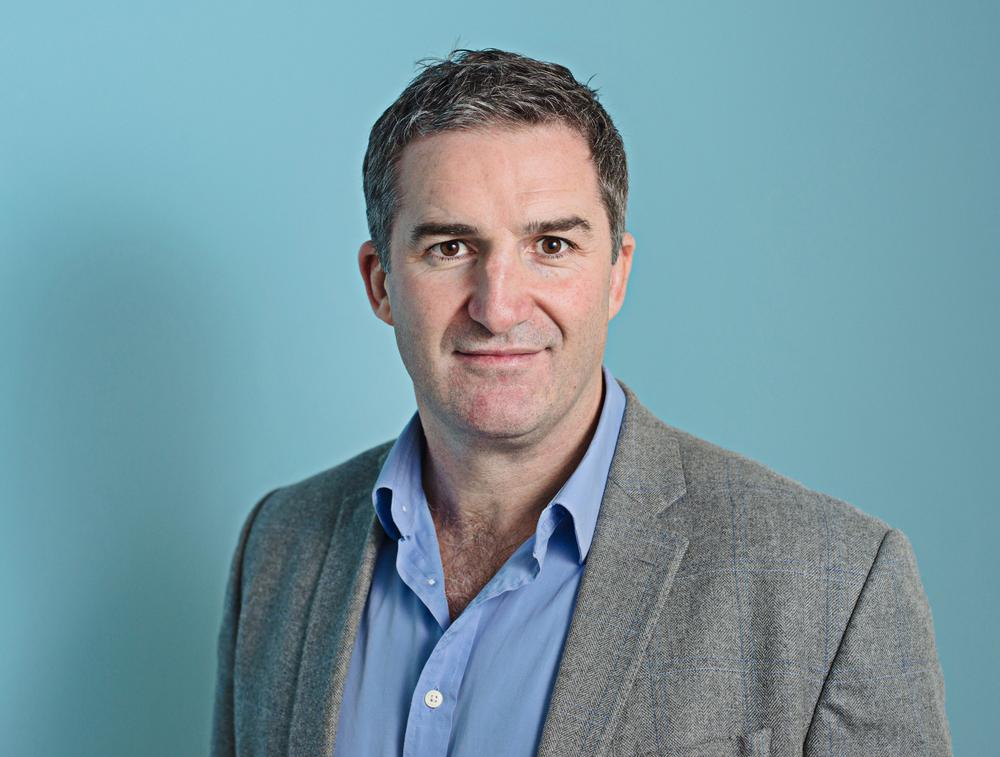
Devane: The downside of staying fit and active is that you do get injured
What is Pure Sports Medicine? We’re experts in the prevention, diagnosis and treatment of musculoskeletal (MSK) and sports injuries – we run seven clinics in London offering a range of services to restore people to full function after injury and to improve their general health, fitness and wellbeing.
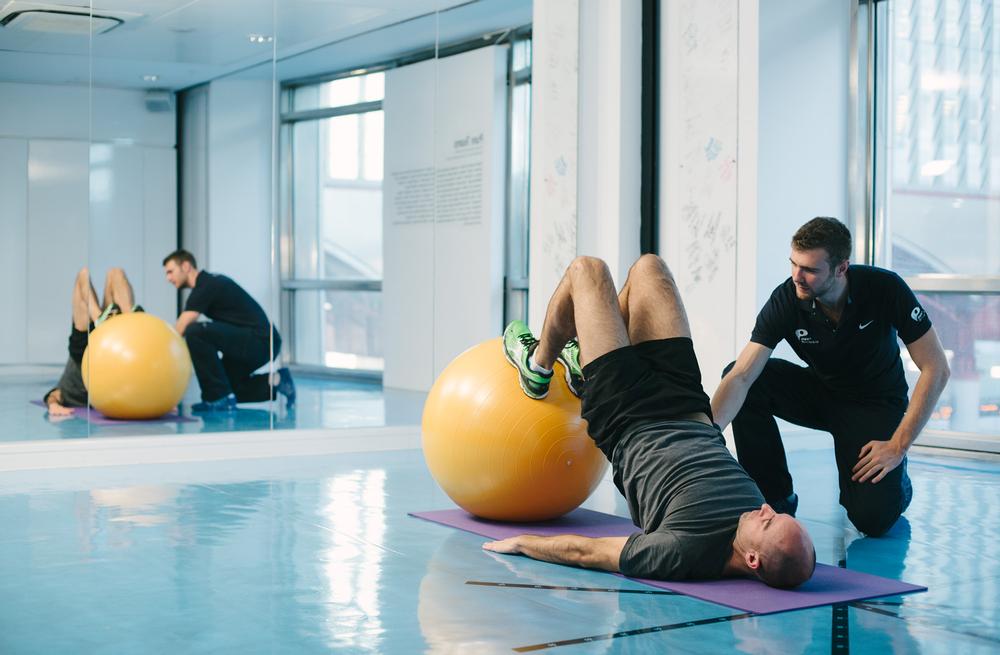
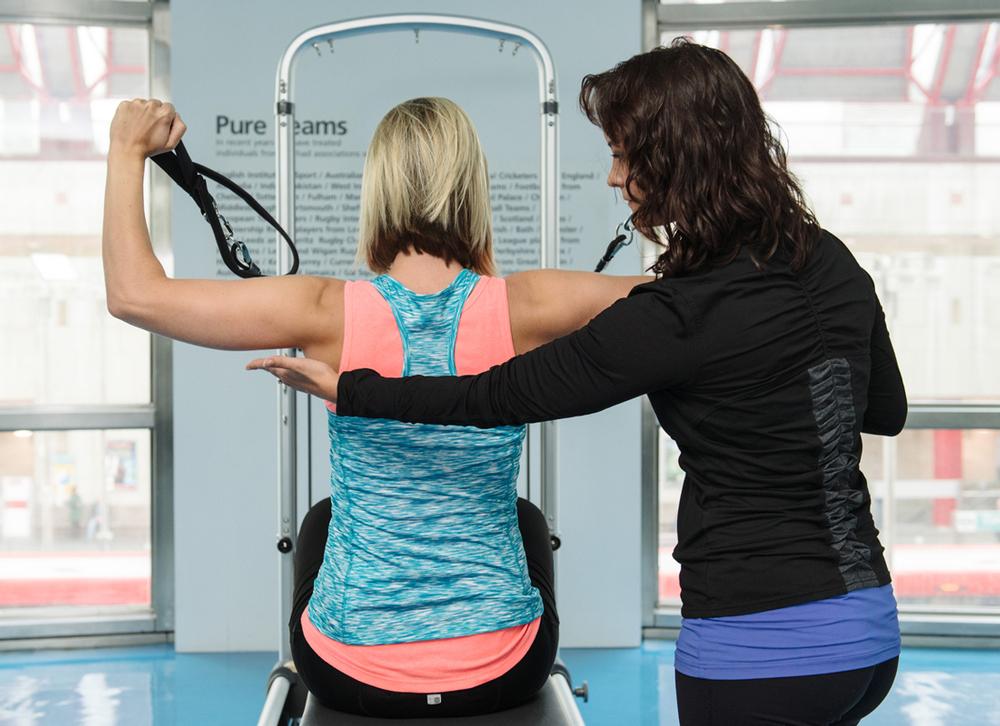
Our expert team includes sport and exercise medicine consultants, physiotherapists, osteopaths, chiropractors, podiatrists and dieticians. We also have strength and conditioning coaches and pilates instructors.
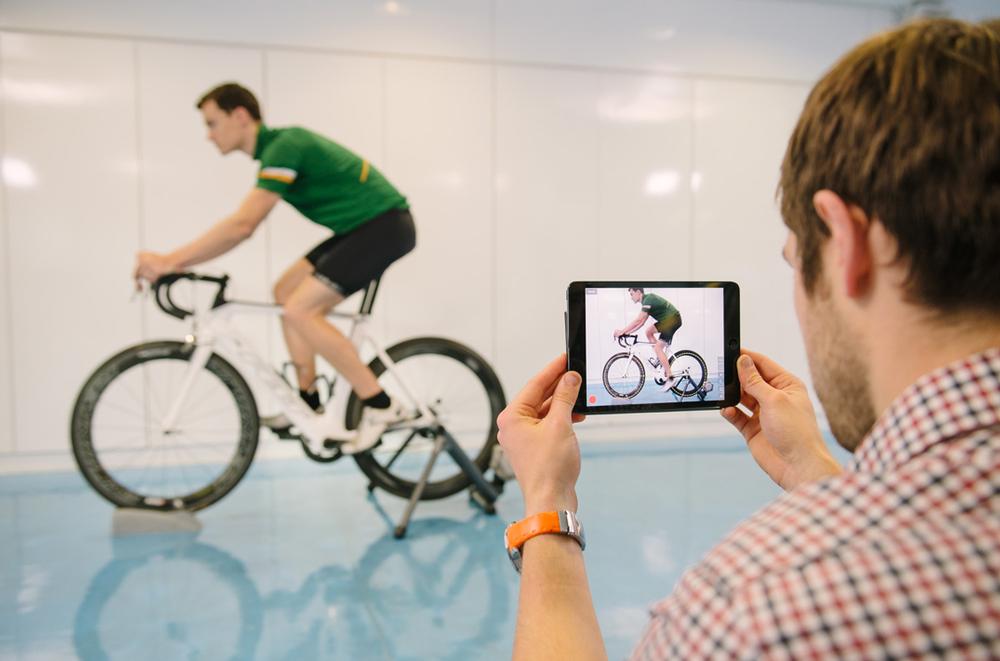
As well as one-to-one appointments with our team of experts, we also host small group classes and offer exercise physiology testing. In addition, we run a concussion clinic, as well as a tendon clinic, addressing very specialist needs.
The drive behind everything we do is to help our patients get better and recover their function. Whether that means climbing Everest, or climbing the stairs.
When and why was it founded? It was the idea of Andrew Willett, an ex-professional rugby player from Australia, who came to Oxford University to do an MBA in 2002.
When he tore his Achilles tendon playing rugby, he found there was a gap in provision, compared to the multidisciplinary clinics he was used to having access to in Australia, which offer fast, efficient access to specialists.
There and then, it was decided to set up a sports medicine clinic, following the same model used in elite and professional sport and like those being delivered to the general public in a number of countries, including North America, Australia, New Zealand and South Africa.
What were the main challenges in setting it up? Despite the importance of sport in the UK, there was no coordinated, comprehensive model of sports medicine and rehab. We had to look at why that was.
We weren’t sure if the NHS was a barrier, or if there were other cultural and systemic barriers to the model working. Did people value privately-provided healthcare or did the NHS create a mindset that all of your healthcare needs are covered?
It was therefore important to work through a proof of concept period to ensure the model would be successful.
Building the team and a reputation for excellence was another challenge: it took time to find and recruit the right people around which we could build a successful multi-disciplinary team. At the time there were very few consultants in sport and exercise medicine, so we had to bring them in from overseas. We also had to educate the market about what sports medicine was – a lot of people thought we were selling supplements!
When did you open the first clinic and how did you market it? The first clinic was opened in Kensington in 2003, with just three rooms. In the early days we ran lots of evenings for both clinicians and the public, with guest speakers including surgeons and clinicians. It was about education and professional development, and it was well received. We also spent a lot of time engaging with local GPs to educate and help them understand how we could help and what might be appropriate to refer on, given that up to a third of patients they see present with musculoskeletal problems.
As we worked with some professional sports teams from the outset, including WASPS and Fulham Football Club, this gave the public reassurance.
How has the concept evolved? Following the proof of concept at the Kensington site, we found that we didn’t need to change the service offering, although we’ve improved the technology.
Since then we’ve opened six more sites in Finsbury Square, Chancery Lane, Bank and Canary Wharf. The most recent launch was at St Paul’s in August this year.
Also, in 2009, we launched a 50/50 partnership with David Lloyd Leisure Raynes Park, where we set up an integrated clinic within the club.
Who are your target customers? They tend to be engaged with their health and prepared to pay to get back to full health quickly, or have private health insurance. At the City sites, the average age is 25-50, and slightly more male at 55/45.
About one third of our customers come to us with non-sports related issues: mainly back or neck pain from sitting at a desk all day. Some are serious athletes, doing triathlons, marathons or Ironman, and some are active on a weekly basis and just want to be fully functioning for a round of golf at the weekend.
Out of all our services, physiotherapy is the one that is used most often. The downside of staying fit and active is that you do get injured, so we do tend to get the majority of our customers returning.
What are your future plans? The business is set up for growth. Our strategy from the outset was to develop a strong footprint in London, which we have now done. London still presents opportunities, but we’re also actively looking outside the capital, which may include further expansion of our integrated health club model.
Le Atelier by C.O.D.E. doesn't offer a standard bespoke service, it provides a highly
customised approach to designing massage beds and loungers in high-end wellness
environments. [more...]
The Spa Life UK Convention returns from 21–23 June 2026 at Whittlebury Park Hotel, Spa &
Golf Resort, bringing together spa managers, directors and owners for two days of focused
education, meaningful connection and commercial insight. [more...]
+ More featured suppliers
COMPANY PROFILES
Sothys Paris
Founded in 1946, Sothys is owned by the
Mas family. Chief executive Christian Mas
oversees the com [more...]
G.M. Collin
G.M. Collin develops superior skin care products, from preventive care to combating the first signs [more...]
Devane: The downside of staying fit and active is that you do get injured
What is Pure Sports Medicine? We’re experts in the prevention, diagnosis and treatment of musculoskeletal (MSK) and sports injuries – we run seven clinics in London offering a range of services to restore people to full function after injury and to improve their general health, fitness and wellbeing.
Our expert team includes sport and exercise medicine consultants, physiotherapists, osteopaths, chiropractors, podiatrists and dieticians. We also have strength and conditioning coaches and pilates instructors.
As well as one-to-one appointments with our team of experts, we also host small group classes and offer exercise physiology testing. In addition, we run a concussion clinic, as well as a tendon clinic, addressing very specialist needs.
The drive behind everything we do is to help our patients get better and recover their function. Whether that means climbing Everest, or climbing the stairs.
When and why was it founded? It was the idea of Andrew Willett, an ex-professional rugby player from Australia, who came to Oxford University to do an MBA in 2002.
When he tore his Achilles tendon playing rugby, he found there was a gap in provision, compared to the multidisciplinary clinics he was used to having access to in Australia, which offer fast, efficient access to specialists.
There and then, it was decided to set up a sports medicine clinic, following the same model used in elite and professional sport and like those being delivered to the general public in a number of countries, including North America, Australia, New Zealand and South Africa.
What were the main challenges in setting it up? Despite the importance of sport in the UK, there was no coordinated, comprehensive model of sports medicine and rehab. We had to look at why that was.
We weren’t sure if the NHS was a barrier, or if there were other cultural and systemic barriers to the model working. Did people value privately-provided healthcare or did the NHS create a mindset that all of your healthcare needs are covered?
It was therefore important to work through a proof of concept period to ensure the model would be successful.
Building the team and a reputation for excellence was another challenge: it took time to find and recruit the right people around which we could build a successful multi-disciplinary team. At the time there were very few consultants in sport and exercise medicine, so we had to bring them in from overseas. We also had to educate the market about what sports medicine was – a lot of people thought we were selling supplements!
When did you open the first clinic and how did you market it? The first clinic was opened in Kensington in 2003, with just three rooms. In the early days we ran lots of evenings for both clinicians and the public, with guest speakers including surgeons and clinicians. It was about education and professional development, and it was well received. We also spent a lot of time engaging with local GPs to educate and help them understand how we could help and what might be appropriate to refer on, given that up to a third of patients they see present with musculoskeletal problems.
As we worked with some professional sports teams from the outset, including WASPS and Fulham Football Club, this gave the public reassurance.
How has the concept evolved? Following the proof of concept at the Kensington site, we found that we didn’t need to change the service offering, although we’ve improved the technology.
Since then we’ve opened six more sites in Finsbury Square, Chancery Lane, Bank and Canary Wharf. The most recent launch was at St Paul’s in August this year.
Also, in 2009, we launched a 50/50 partnership with David Lloyd Leisure Raynes Park, where we set up an integrated clinic within the club.
Who are your target customers? They tend to be engaged with their health and prepared to pay to get back to full health quickly, or have private health insurance. At the City sites, the average age is 25-50, and slightly more male at 55/45.
About one third of our customers come to us with non-sports related issues: mainly back or neck pain from sitting at a desk all day. Some are serious athletes, doing triathlons, marathons or Ironman, and some are active on a weekly basis and just want to be fully functioning for a round of golf at the weekend.
Out of all our services, physiotherapy is the one that is used most often. The downside of staying fit and active is that you do get injured, so we do tend to get the majority of our customers returning.
What are your future plans? The business is set up for growth. Our strategy from the outset was to develop a strong footprint in London, which we have now done. London still presents opportunities, but we’re also actively looking outside the capital, which may include further expansion of our integrated health club model.
Longevitix, a clinical platform for preventive and longevity medicine, has launched its AI-
powered intelligence system to help physicians deliver continuous, personalised longevity-
focused care at scale.
Atmantan Wellness Centre, an integrative wellness destination in Mulshi, near Pune in India, is
expanding its portfolio by adding a new centre in Hyderabad that will launch between 2028 and
2029.
A recent survey by the UK Spa Association (UKSA) into the industry’s approach to cancer care
has revealed that almost half of participating respondents (46 per cent) are unaware that
cancer is a disability and guests with a cancer diagnosis must be given
Mexican operator, Solmar Hotels and Resorts, is hosting a series of events in celebration of
Global Wellness Day, including a Temazcal ceremony at its Playa Grande Resort and Spa in Los
Cabos.
Mandarin Oriental has announced a standalone residence brand, Mansions, which will debut at
Emirates Palace, Mandarin Oriental Mansions, Abu Dhabi, in 2029.
Four Seasons Resort The Nam Hai in Hoi An, Vietnam, has put together a Global Wellness Day
(GWD) agenda with activations rooted in nature and shaped by four pillars of Joy – in
alignment with the day’s theme #JoyMagenta.
The Global Wellness Summit (GWS) will celebrate its 20th anniversary at the 2026 event in
Phuket, Thailand, later this year with the theme: The Science, Art and Soul of Wellness.
Auko, an all-inclusive development, is opening in Phong Nha in Vietnam in Q3 2026, with a
series of 30 tented eco-lodges and wellness hospitality operations by Lumina Wellbeing.
Le Atelier by C.O.D.E. doesn't offer a standard bespoke service, it provides a highly
customised approach to designing massage beds and loungers in high-end wellness
environments. [more...]
The Spa Life UK Convention returns from 21–23 June 2026 at Whittlebury Park Hotel, Spa &
Golf Resort, bringing together spa managers, directors and owners for two days of focused
education, meaningful connection and commercial insight. [more...]
+ More featured suppliers
COMPANY PROFILES
Sothys Paris Founded in 1946, Sothys is owned by the
Mas family. Chief executive Christian Mas
oversees the com [more...]