The Wattbike makes athletes accountable to themselves, their coaches and teammates. The consistency and reliability of the data means that there is no hiding behind the numbers, making it the perfect tool to ensure the best team is selected for the new season
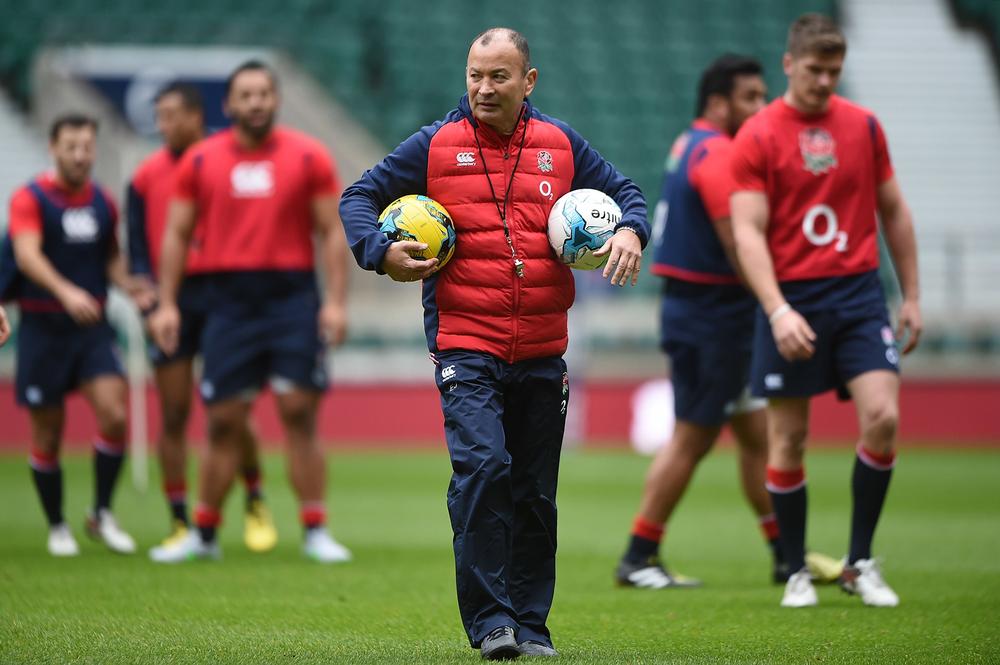
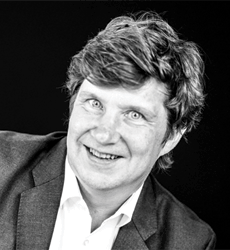
England Rugby head coach Eddie Jones says the data from Wattbike is 'invaluable'
PREPARING PLAYERS FOR THE PITCH A rugby player’s training routine is often perceived as being the toughest of any sport. Gruelling, physical and high intensity. The Wattbike has formed a crucial part of the England Rugby strength and conditioning programme, with players using the bike for preseason, rehabilitation, recovery and offloading.
England coach, Eddie Jones comments: “From personal experience, I know the value of the Wattbike. Whether it’s recovery from illness, rehab from injury, or pushing performance levels to new heights, the detailed data the Wattbike delivers is invaluable.”
There are no secrets in rugby training, just immense attention to detail and how you use the tools at your disposal is key. Wattbike fits into this category and all the top teams are using it. We’re just trying to use it more effectively!”
Newly-appointed Harlequins forwards coach, and former England forwards coach, Graham Rowntree adds: “Using the Wattbike has been one of the most influential factors in improving our fitness. In rugby it’s all about repeated power outputs and being able to hold intensity into the 80th minute of a game.”
The Wattbike does so much more than any other training tool; its accuracy, reliability and consistency, in regards to its training data, are all extremely precise which is great for sport specific training and when having to make comparisons between the team.”
As well as testing maximum power output, the inbuilt assessments allow coaches and players to ensure they are always training in the correct ‘zones’, with the ability to analyse and progress this over a long period of time.
Jones continues: “The Wattbike enables the players to break new ground, uninhibited by personal expectations.
"We can accurately match up the demands of the game by position and then push the players to their limit and beyond, safe in the knowledge that there's no impact injury danger.”
The Saracens, who were victorious double champions this season, winning both the Premiership and European Cup, also use the Wattbike through the season.
Phillip Morrow, performance director explains: “The Wattbike is a tough piece of training equipment, that can be used to challenge all of your energy systems as well as pushing the legs to produce force when you’re fatigued. The ability to measure power output is great for setting targets for the players as well as giving us the capability to manipulate sessions to target different aspects of training.”
With six bikes, the Saracens focus on conditioning sessions throughout the season as a form of offload training, limiting the amount of running the players are doing, which is key for the larger, load bearing players. The full squad then work on the bikes for maximum energy sprints and general energy system training through pre-season.
Philip adds: “We also make use of the bikes a lot with our injured and rehabbing players when they are limited with the amount of ‘on feet’ work they can do.”
Saracens and England-capped player, Richard Wigglesworth, suffered a shoulder injury this year in the Championship Cup final with just two weeks left of the season. Over the summer, he carried out a 12-week rehabilitation programme, where the Wattbike played a central role:
“My injury means I can’t run for eight out of the 12-week rehab period, so I needed an alternative to maintain my fitness. The Wattbike, and the resistance it allows, are the closest thing I can do to replicate the ‘running week’ of pre-season training that the rest of the team will be doing.” Richard says. “Rugby is obviously an extremely physically-demanding game. And power training is completely key. Powerful players win games, and training on the Wattbike plays a big part in keeping this a focus for the team.”
As a team, the Saracens always finish the weight programmes with a Wattbike peak power test. We’re a competitive bunch and you’ll often find people crowded around your bike comparing numbers. However, it’s hard to beat the power of Billy (Vunipola)!”
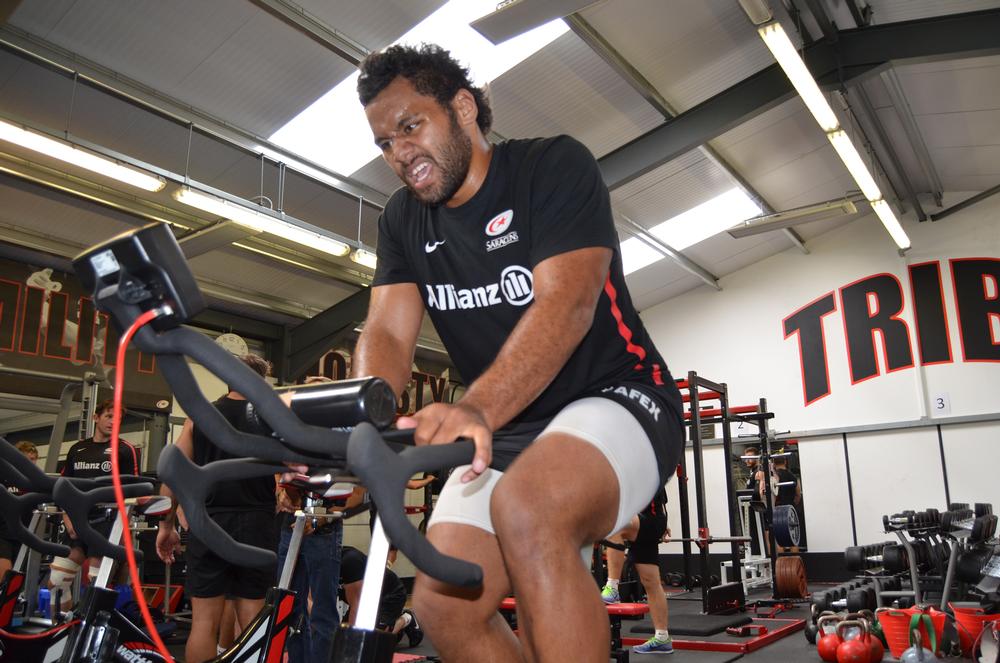
Saracens and England back-row, Billy Vunipola is renowned for his power and force, and is a player to be reckoned with on the Wattbike. Billy says: “The Wattbike plays a massive part of our anaerobic and off-feet, aerobic work. It saves us loading our legs every day, as in pre-season you get through a lot of running, so the bikes allow us to still improve fitness but not aggravate the joints.”
We use the bikes every other day through pre-season, and on Monday mornings through the season – and there’s definitely no hiding on the Wattbike.”
FOOTBALL For managers and coaches, structuring their team’s pre-season training correctly, and making accurate comparisons between players, makes all the difference to their prospects for the season.
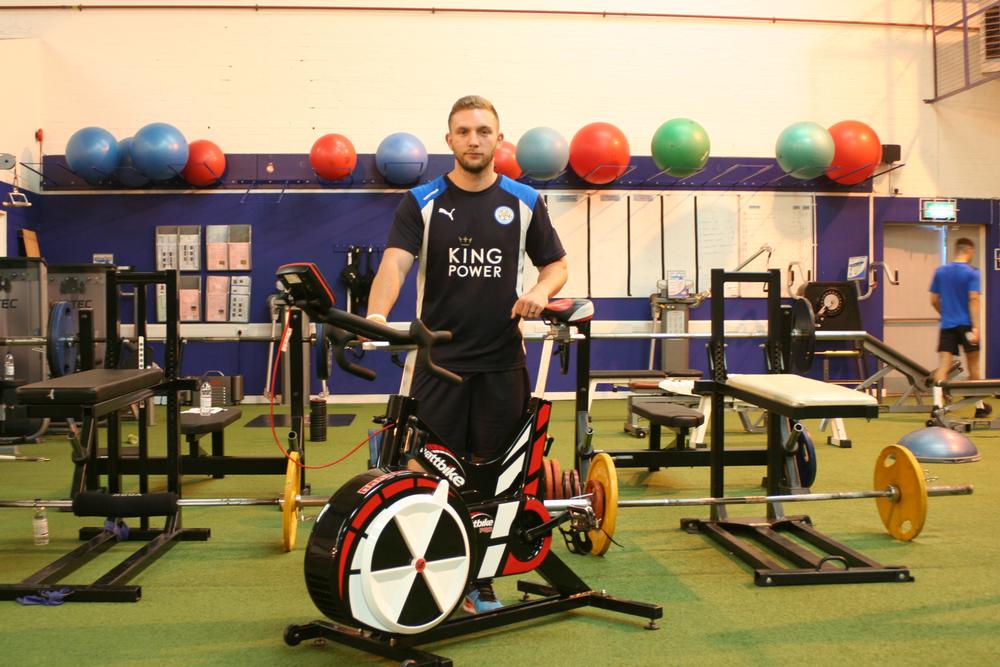
Recent Premier League winners, Leicester City Football Club, had an incredible season and have been using the Wattbike for power development and conditioning since 2012. Mitchell Willis, LCFC strength & power coach, explains:
“I first came across the Wattbike when I worked with the Leicester Tigers in 2009, where they were used extensively with the academy and first team squads. When I moved to Leicester City in 2012, the Wattbikes were amongst the first pieces of equipment that came to the new gym.”
We never considered any other bikes, I knew the Wattbikes well; how to use them, the physical qualities and the amount of feedback the performance monitors provide. We have a philosophy of ‘training = testing and testing = training’ and we continually monitor performance, so Wattbike perfectly matches this.”
The team use the bikes for power development which involves intermittent supramaximal bursts with extended recovery periods. This allows lower limb power to develop, whilst safely overloading the players using the air resistance and magnet settings. Conditioning sessions focus on longer intervals of continuous work, targeting specific energy system development.
Mitchell continues: “The bikes have also played a key role with international players who have returned late to us this pre-season – we administered additional ‘off-feet- conditioning sessions using the bikes to help bring them up to speed with the rest of the squad.”
Player's time on the bikes is dependent on the phase, training or injury status. Some players perform up to three sessions per week. Midfielders, Andy King and Matty James use the Wattbike frequently; Andy mainly for power development and Matty for his rehab.”
The Spa Life UK Convention returns from 21–23 June 2026 at Whittlebury Park Hotel, Spa &
Golf Resort, bringing together spa managers, directors and owners for two days of focused
education, meaningful connection and commercial insight. [more...]
In the fast-paced world of fitness and wellness, where high-intensity workouts push us to
our limits and the sweat pours, the importance of efficient recovery cannot be overstated. [more...]
+ More featured suppliers
COMPANY PROFILES
Sothys Paris
Founded in 1946, Sothys is owned by the
Mas family. Chief executive Christian Mas
oversees the com [more...]
Knesko Skin
Known for their unique approach to wellness and beauty, Knesko’s products combine ancient healing tr [more...]
The Wattbike makes athletes accountable to themselves, their coaches and teammates. The consistency and reliability of the data means that there is no hiding behind the numbers, making it the perfect tool to ensure the best team is selected for the new season
England Rugby head coach Eddie Jones says the data from Wattbike is 'invaluable'
PREPARING PLAYERS FOR THE PITCH A rugby player’s training routine is often perceived as being the toughest of any sport. Gruelling, physical and high intensity. The Wattbike has formed a crucial part of the England Rugby strength and conditioning programme, with players using the bike for preseason, rehabilitation, recovery and offloading.
England coach, Eddie Jones comments: “From personal experience, I know the value of the Wattbike. Whether it’s recovery from illness, rehab from injury, or pushing performance levels to new heights, the detailed data the Wattbike delivers is invaluable.”
There are no secrets in rugby training, just immense attention to detail and how you use the tools at your disposal is key. Wattbike fits into this category and all the top teams are using it. We’re just trying to use it more effectively!”
Newly-appointed Harlequins forwards coach, and former England forwards coach, Graham Rowntree adds: “Using the Wattbike has been one of the most influential factors in improving our fitness. In rugby it’s all about repeated power outputs and being able to hold intensity into the 80th minute of a game.”
The Wattbike does so much more than any other training tool; its accuracy, reliability and consistency, in regards to its training data, are all extremely precise which is great for sport specific training and when having to make comparisons between the team.”
As well as testing maximum power output, the inbuilt assessments allow coaches and players to ensure they are always training in the correct ‘zones’, with the ability to analyse and progress this over a long period of time.
Jones continues: “The Wattbike enables the players to break new ground, uninhibited by personal expectations.
"We can accurately match up the demands of the game by position and then push the players to their limit and beyond, safe in the knowledge that there's no impact injury danger.”
The Saracens, who were victorious double champions this season, winning both the Premiership and European Cup, also use the Wattbike through the season.
Phillip Morrow, performance director explains: “The Wattbike is a tough piece of training equipment, that can be used to challenge all of your energy systems as well as pushing the legs to produce force when you’re fatigued. The ability to measure power output is great for setting targets for the players as well as giving us the capability to manipulate sessions to target different aspects of training.”
With six bikes, the Saracens focus on conditioning sessions throughout the season as a form of offload training, limiting the amount of running the players are doing, which is key for the larger, load bearing players. The full squad then work on the bikes for maximum energy sprints and general energy system training through pre-season.
Philip adds: “We also make use of the bikes a lot with our injured and rehabbing players when they are limited with the amount of ‘on feet’ work they can do.”
Saracens and England-capped player, Richard Wigglesworth, suffered a shoulder injury this year in the Championship Cup final with just two weeks left of the season. Over the summer, he carried out a 12-week rehabilitation programme, where the Wattbike played a central role:
“My injury means I can’t run for eight out of the 12-week rehab period, so I needed an alternative to maintain my fitness. The Wattbike, and the resistance it allows, are the closest thing I can do to replicate the ‘running week’ of pre-season training that the rest of the team will be doing.” Richard says. “Rugby is obviously an extremely physically-demanding game. And power training is completely key. Powerful players win games, and training on the Wattbike plays a big part in keeping this a focus for the team.”
As a team, the Saracens always finish the weight programmes with a Wattbike peak power test. We’re a competitive bunch and you’ll often find people crowded around your bike comparing numbers. However, it’s hard to beat the power of Billy (Vunipola)!”
Saracens and England back-row, Billy Vunipola is renowned for his power and force, and is a player to be reckoned with on the Wattbike. Billy says: “The Wattbike plays a massive part of our anaerobic and off-feet, aerobic work. It saves us loading our legs every day, as in pre-season you get through a lot of running, so the bikes allow us to still improve fitness but not aggravate the joints.”
We use the bikes every other day through pre-season, and on Monday mornings through the season – and there’s definitely no hiding on the Wattbike.”
FOOTBALL For managers and coaches, structuring their team’s pre-season training correctly, and making accurate comparisons between players, makes all the difference to their prospects for the season.
Recent Premier League winners, Leicester City Football Club, had an incredible season and have been using the Wattbike for power development and conditioning since 2012. Mitchell Willis, LCFC strength & power coach, explains:
“I first came across the Wattbike when I worked with the Leicester Tigers in 2009, where they were used extensively with the academy and first team squads. When I moved to Leicester City in 2012, the Wattbikes were amongst the first pieces of equipment that came to the new gym.”
We never considered any other bikes, I knew the Wattbikes well; how to use them, the physical qualities and the amount of feedback the performance monitors provide. We have a philosophy of ‘training = testing and testing = training’ and we continually monitor performance, so Wattbike perfectly matches this.”
The team use the bikes for power development which involves intermittent supramaximal bursts with extended recovery periods. This allows lower limb power to develop, whilst safely overloading the players using the air resistance and magnet settings. Conditioning sessions focus on longer intervals of continuous work, targeting specific energy system development.
Mitchell continues: “The bikes have also played a key role with international players who have returned late to us this pre-season – we administered additional ‘off-feet- conditioning sessions using the bikes to help bring them up to speed with the rest of the squad.”
Player's time on the bikes is dependent on the phase, training or injury status. Some players perform up to three sessions per week. Midfielders, Andy King and Matty James use the Wattbike frequently; Andy mainly for power development and Matty for his rehab.”
Four Seasons Resort The Nam Hai in Hoi An, Vietnam, has put together a Global Wellness Day
(GWD) agenda with activations rooted in nature and shaped by four pillars of Joy – in
alignment with the day’s theme #JoyMagenta.
The Global Wellness Summit (GWS) will celebrate its 20th anniversary at the 2026 event in
Phuket, Thailand, later this year with the theme: The Science, Art and Soul of Wellness.
Auko, an all-inclusive development, is opening in Phong Nha in Vietnam in Q3 2026, with a
series of 30 tented eco-lodges and wellness hospitality operations by Lumina Wellbeing.
Therme Manchester’s 28-acre development, which will include interconnected glass pavilions
that measure 65,000sq m, will be the largest bathing and wellbeing attraction in the world once
complete, according to prof David Russell, CEO of Therme UK.
Naples Beach Club, a Four Seasons Resort, has opened a 2,800sq m spa called The Sanctuary,
with the design and concept inspired by the Native American people that populated Florida’s
Southwest coast – the Calusa.
Swire Hotels’ luxury hospitality brand Upper House has revealed it will roll out its two-day
House of Healing retreats at its three hotels in Hong Kong, Chengdu and Shanghai.
LVMH-owned beauty house Guerlain will launch up to five spas with partners a year as part of
its plan to expand globally, according to the brand’s international spa and wellness director,
Diane Davody.
A new global study by Kevin Kelly and Peter Yesawich, called WELLSurvey 2.0, has revealed
more than half of consumers in the UK, US and Germany would not choose numerous high-
profile wellness resort brands for a future trip.
Luxury hospitality and wellness pioneer Jeremy McCarthy has launched Leisure Alchemy, a
digital platform that will provide professionals with strategic guidance on how to build
transformational leisure experiences that drive profit.
The Spa Life UK Convention returns from 21–23 June 2026 at Whittlebury Park Hotel, Spa &
Golf Resort, bringing together spa managers, directors and owners for two days of focused
education, meaningful connection and commercial insight. [more...]
In the fast-paced world of fitness and wellness, where high-intensity workouts push us to
our limits and the sweat pours, the importance of efficient recovery cannot be overstated. [more...]
+ More featured suppliers
COMPANY PROFILES
Sothys Paris Founded in 1946, Sothys is owned by the
Mas family. Chief executive Christian Mas
oversees the com [more...]