Latest
issue
Uniting the world of spa & wellness
Get Spa Business and Spa Business insider digital magazines FREE
Sign up here ▸
News   Features   Products   Company profilesProfiles   Press releasesProfiles   Magazine   Handbook   Advertise    Subscribe  
Spa Business opinion
Cancer and movement

Movement matters after a cancer diagnosis, says clinical exercise scientist


I’ve spent more than twenty-five years working in the field of exercise oncology. My research started when a breast cancer nurse asked me if it was correct to tell her patients to stay in bed as much as possible throughout their chemotherapy treatment.

We developed studies to see if 'rest is best' and the answer was clear. For most people, it’s both possible and helpful to keep moving right from diagnosis onwards, with a strong positive impact on cancer-related fatigue often being the biggest reason to start.

What’s changed over the past two decades is the sheer weight of evidence in favour of this approach. The American College of Sports Medicine (ACSM) consensus work shows that around 30 minutes of aerobic exercise three times per week plus two weekly bouts of strength and some flexibility and balance exercises can reduce anxiety, depression, fatigue and improve quality of life and physical function in most people living with and beyond cancer. Recent research goes further, showing exercise can mitigate complex treatment-related adverse effects such as cardiotoxicity, chemotherapy-induced peripheral neuropathy symptoms, cognitive impairment and breathlessness, while also improving sleep, wellbeing, overall quality of life and even a person's tolerance to cancer treatments.

The course looks at how to design programmes for dignity and without making people feel 'othered'

Landmark research

In 2025, came the results of a study that the field has waited years for. A large clinical trial found that colorectal cancer patients, randomised to a structured, supported exercise programme after their chemotherapy treatment, had a significantly reduced risk of their cancer coming back and a reduced risk of cancer death compared to those patients who were only provided with health-education materials. This implies that getting or staying active after a cancer diagnosis is not just a nice to have but should be part of a person's cancer care package.

Globally, there are close to 20 million new cases of cancer each year and worldwide there are almost 54 million people living with cancer. Many are older, juggling other long-term conditions, living with treatment side effects and facing barriers that stop movement from being simple such as travel, cost, fear, pain, fatigue and low confidence. Inclusion of physical activity into cancer care requires logistics, pathways and staff confidence.

CanRehab training

That’s why CanRehab, an international provider of specialised training in exercise oncology for health and wellness professionals, has developed Cancer Confidence training, which will launch in Q3. This is because the person who shapes a client’s experience might be at reception, in the spa or on the gym floor. This course is designed to make teams cancer-friendly – skilled in communication and able to ask the basic, appropriate safety questions without prying or panicking. The course looks at how to design programmes for dignity, such as private changing options, somewhere to sit, flexible scheduling and staff who know how to adapt without making a guest feel 'othered'.

Crucially, it also identifies gaps in staff knowledge and when they need to seek more training and refer a client on to the appropriate specialist. If we match people to properly qualified support and meet them where they are, movement becomes a lifeline, not a privilege. 

More: www.canrehab.com

Anna Campbell, director, CanRehab
Anna Campbell, director, CanRehab / Edinburgh Napier University

If we match people to properly qualified support, movement becomes a lifeline, not a privilege – Anna Campbell, director, CanRehab

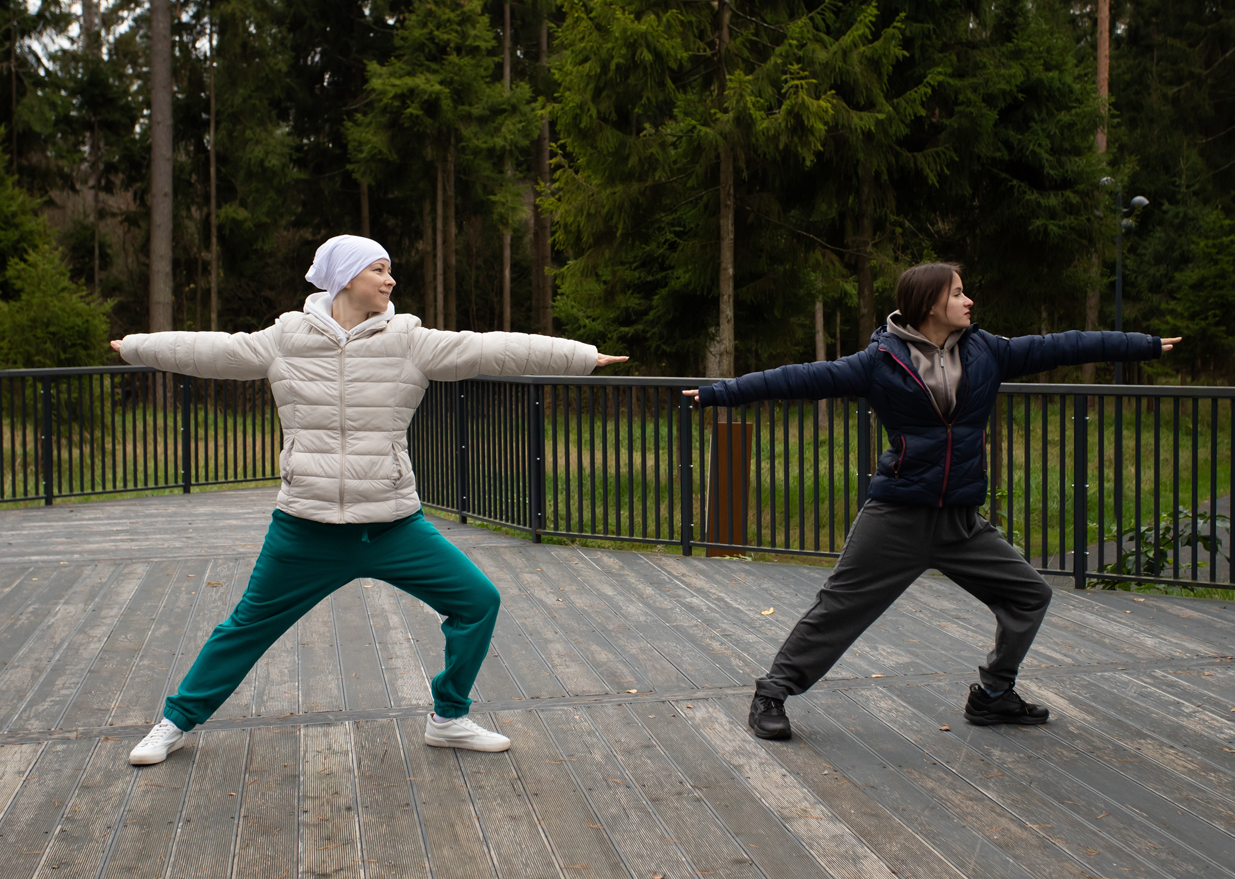
Young people stretching outside
Keeping movement up from diagnosis onwards is helpful / shutterstock/ Yta23
FEATURED SUPPLIERS

Why future-ready in-house laundry is the new luxury spa essential
In today’s premium spa environment, every detail shapes the guest experience – right down to the softness of towels and the freshness of linens. [more...]

Glow beyond protection: meet Comfort Zone Hydramemory Hybrid Glow SPF 30
Sun protection is no longer just about shielding the skin – it's about enhancing it. [more...]
+ More featured suppliers  
COMPANY PROFILES
Robosculptor

Since its inception in 2019, roboSculptor has grown into an advanced, AI-powered platform that de [more...]
Aromatherapy Associates

Aromatherapy Associates is a world-leading British wellness brand, harnessing the power of essential [more...]
+ More profiles  
CATALOGUE GALLERY
 

+ More catalogues  

DIRECTORY
+ More directory  
DIARY


21-23 Jun 2026

Spa Life International (UK)

Midlands (Venue TBA), Liphook, United Kingdom
26-27 Jun 2026

The Longevity Show

Tobacco Docks, London, United Kingdom
+ More diary  
 
ABOUT LEISURE MEDIA
LEISURE MEDIA MAGAZINES
LEISURE MEDIA HANDBOOKS
LEISURE MEDIA WEBSITES
LEISURE MEDIA PRODUCT SEARCH
 
SPA BUSINESS
SPA OPPORTUNITIES
SPA BUSINESS HANDBOOK
PRINT SUBSCRIPTIONS
FREE DIGITAL SUBSCRIPTIONS
ADVERTISE . CONTACT US

Leisure Media
Tel: +44 (0)1462 431385

©Cybertrek 2026
Uniting the world of spa & wellness
Get Spa Business and Spa Business insider digital magazines FREE
Sign up here ▸
News   Products   Magazine   Subscribe
Spa Business opinion
Cancer and movement

Movement matters after a cancer diagnosis, says clinical exercise scientist


I’ve spent more than twenty-five years working in the field of exercise oncology. My research started when a breast cancer nurse asked me if it was correct to tell her patients to stay in bed as much as possible throughout their chemotherapy treatment.

We developed studies to see if 'rest is best' and the answer was clear. For most people, it’s both possible and helpful to keep moving right from diagnosis onwards, with a strong positive impact on cancer-related fatigue often being the biggest reason to start.

What’s changed over the past two decades is the sheer weight of evidence in favour of this approach. The American College of Sports Medicine (ACSM) consensus work shows that around 30 minutes of aerobic exercise three times per week plus two weekly bouts of strength and some flexibility and balance exercises can reduce anxiety, depression, fatigue and improve quality of life and physical function in most people living with and beyond cancer. Recent research goes further, showing exercise can mitigate complex treatment-related adverse effects such as cardiotoxicity, chemotherapy-induced peripheral neuropathy symptoms, cognitive impairment and breathlessness, while also improving sleep, wellbeing, overall quality of life and even a person's tolerance to cancer treatments.

The course looks at how to design programmes for dignity and without making people feel 'othered'

Landmark research

In 2025, came the results of a study that the field has waited years for. A large clinical trial found that colorectal cancer patients, randomised to a structured, supported exercise programme after their chemotherapy treatment, had a significantly reduced risk of their cancer coming back and a reduced risk of cancer death compared to those patients who were only provided with health-education materials. This implies that getting or staying active after a cancer diagnosis is not just a nice to have but should be part of a person's cancer care package.

Globally, there are close to 20 million new cases of cancer each year and worldwide there are almost 54 million people living with cancer. Many are older, juggling other long-term conditions, living with treatment side effects and facing barriers that stop movement from being simple such as travel, cost, fear, pain, fatigue and low confidence. Inclusion of physical activity into cancer care requires logistics, pathways and staff confidence.

CanRehab training

That’s why CanRehab, an international provider of specialised training in exercise oncology for health and wellness professionals, has developed Cancer Confidence training, which will launch in Q3. This is because the person who shapes a client’s experience might be at reception, in the spa or on the gym floor. This course is designed to make teams cancer-friendly – skilled in communication and able to ask the basic, appropriate safety questions without prying or panicking. The course looks at how to design programmes for dignity, such as private changing options, somewhere to sit, flexible scheduling and staff who know how to adapt without making a guest feel 'othered'.

Crucially, it also identifies gaps in staff knowledge and when they need to seek more training and refer a client on to the appropriate specialist. If we match people to properly qualified support and meet them where they are, movement becomes a lifeline, not a privilege. 

More: www.canrehab.com

Anna Campbell, director, CanRehab
Anna Campbell, director, CanRehab / Edinburgh Napier University

If we match people to properly qualified support, movement becomes a lifeline, not a privilege – Anna Campbell, director, CanRehab

Young people stretching outside
Keeping movement up from diagnosis onwards is helpful / shutterstock/ Yta23
LATEST NEWS
The SATCC announces first five-day Living with Cancer and Beyond retreat
The Standards Authority for Touch in Cancer Care (SATCC) charity has announced its first five- day Living with Cancer and Beyond retreat, which will be held at Carden Park Hotel and Spa in Cheshire, UK, between 1 and 5 September.
Palazzo di Varignana launches family wellbeing and longevity retreat in Emilia Romagna
Palazzo di Varignana, in the Emilia Romagna region of Italy, has created a new tailored health programme designed specifically for families.
Ansana Wellness and Spa debuts at Patmos Aktis as it joins Marriott
Patmos Aktis, a Luxury Collection Resort and Spa, has opened in Greece, with a renovated and rebranded wellness offering called Ansana Wellness and Spa.
Mauna Kea Beach Hotel launches destination spa with sacred Hawaiian cultural concept
The Mauna Kea Beach Hotel, an Autograph Collection property in Hawaii, US, has opened its 22,000 sq ft indoor-outdoor Spa at Mauna Kea as the final step in the property’s overall renovation, which has cost more than US$180 million (€166 million, £140 mill
The Good Spa Guide sets up event for modified Good Spa Guide Awards
The UK spa review and discovery platform for consumers, the Good Spa Guide, has announced it will host the Good Spa Guide Awards 2026 during an event on 16 November at Sopwell House Hotel in St Albans, UK.
McKinsey: 84 per cent of consumers say wellness is a top priority
Eighty-four per cent of consumers now say wellness is a top priority in their lives, with this percentage increasing year on year, according to a preview presentation of McKinsey’s Future of Wellness 2026 research report.
Protests continue in Albania against US$1.6 billion luxury resort backed by Jared Kushner and Ivanka Trump
Mass protests have been taking place since Monday 1 June in Albania over the development of a luxury resort by Donald Trump’s daughter Ivanka Trump and her husband Jared Kushner.
Barons Eden rebrands to Hiddenwell ahead of spa hotel portfolio expansion
Barons Eden, the UK parent company that operates luxury destination properties in England, has rebranded to become Hiddenwell.
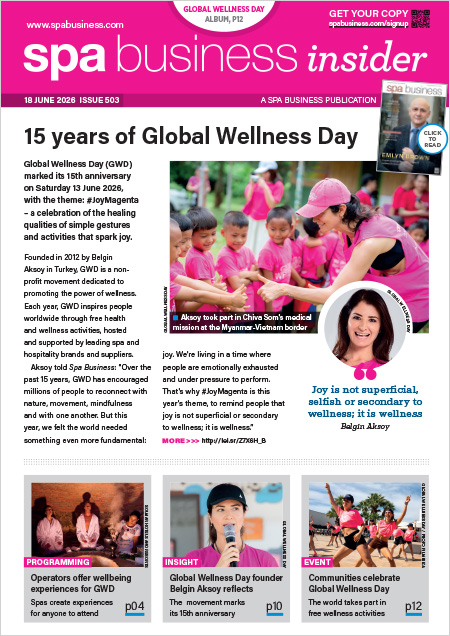
Belgin Aksoy marks 15 years of Global Wellness Day
Global Wellness Day (GWD) marked its 15th anniversary on Saturday 13 June 2026, with the theme: #JoyMagenta – a celebration of the healing qualities of simple gestures and activities that spark joy.
HUM2N launches longevity clinic at Six Senses London
Global luxury hospitality brand, Six Senses, has partnered with longevity healthcare provider, HUM2N, to launch a clinic at Six Senses London, at The Whiteley.
Mayrlife opens first hotel day clinic in partnership with Rosewood Vienna
As part of its first hotel partnership, Mayrlife – the medical health resort company known for its site in Altaussee, Austria – has launched a day clinic at the Rosewood Vienna.
KX Chelsea invests £15 million to upgrade its wellness offering
Premium London health club, KX Chelsea, will imminently unveil its most significant redevelopment since its launch in 2002 to create an integrated wellness model combining training, recovery and relaxation.
+ More news   
 
FEATURED SUPPLIERS

Why future-ready in-house laundry is the new luxury spa essential
In today’s premium spa environment, every detail shapes the guest experience – right down to the softness of towels and the freshness of linens. [more...]

Glow beyond protection: meet Comfort Zone Hydramemory Hybrid Glow SPF 30
Sun protection is no longer just about shielding the skin – it's about enhancing it. [more...]
+ More featured suppliers  
COMPANY PROFILES
Robosculptor

Since its inception in 2019, roboSculptor has grown into an advanced, AI-powered platform that de [more...]
+ More profiles  
CATALOGUE GALLERY
+ More catalogues  

DIRECTORY
+ More directory  
DIARY


21-23 Jun 2026

Spa Life International (UK)

Midlands (Venue TBA), Liphook, United Kingdom
26-27 Jun 2026

The Longevity Show

Tobacco Docks, London, United Kingdom
+ More diary  


ADVERTISE . CONTACT US

Leisure Media
Tel: +44 (0)1462 431385

©Cybertrek 2026

ABOUT LEISURE MEDIA
LEISURE MEDIA MAGAZINES
LEISURE MEDIA HANDBOOKS
LEISURE MEDIA WEBSITES
LEISURE MEDIA PRODUCT SEARCH
PRINT SUBSCRIPTIONS
FREE DIGITAL SUBSCRIPTIONS