Health clubs can better serve special populations by offering customised exercise referrals, onboarding programmes and designated beginner-friendly spaces to help members at the start and foster an inclusive and supportive atmosphere.
Flexible inductions tailored to individual needs can build confidence, while specialised group classes provide peer support.
Educational workshops on safe training techniques empower members to take control of their fitness journey.
These approaches help create welcoming, accessible environments that encourage people from special populations to engage in strength and resistance training effectively and confidently.
Our advice is to use intuitive, easy-to-adjust equipment with lower weight and height options and provide varied cardio console choices to cater for different preferences.
Operators can also designate open areas for functional movement and use clear instructional signage.
Encouraging discovery learning by investing in staff training for empathy and specialised skills is also important.
What are the challenges?
Challenges include ensuring staff have confidence and clarity when it comes to their roles, providing a structured yet flexible onboarding strategy and creating a customised member journey.
Supportive systems such as CRM for member tracking and feedback loops help clubs stay responsive to everyone. Balancing inclusivity with specialised needs is crucial, as is continuous staff education on inclusive practices.
Flexible inductions
tailored to individual
needs can build confidence
photo: MATRIX
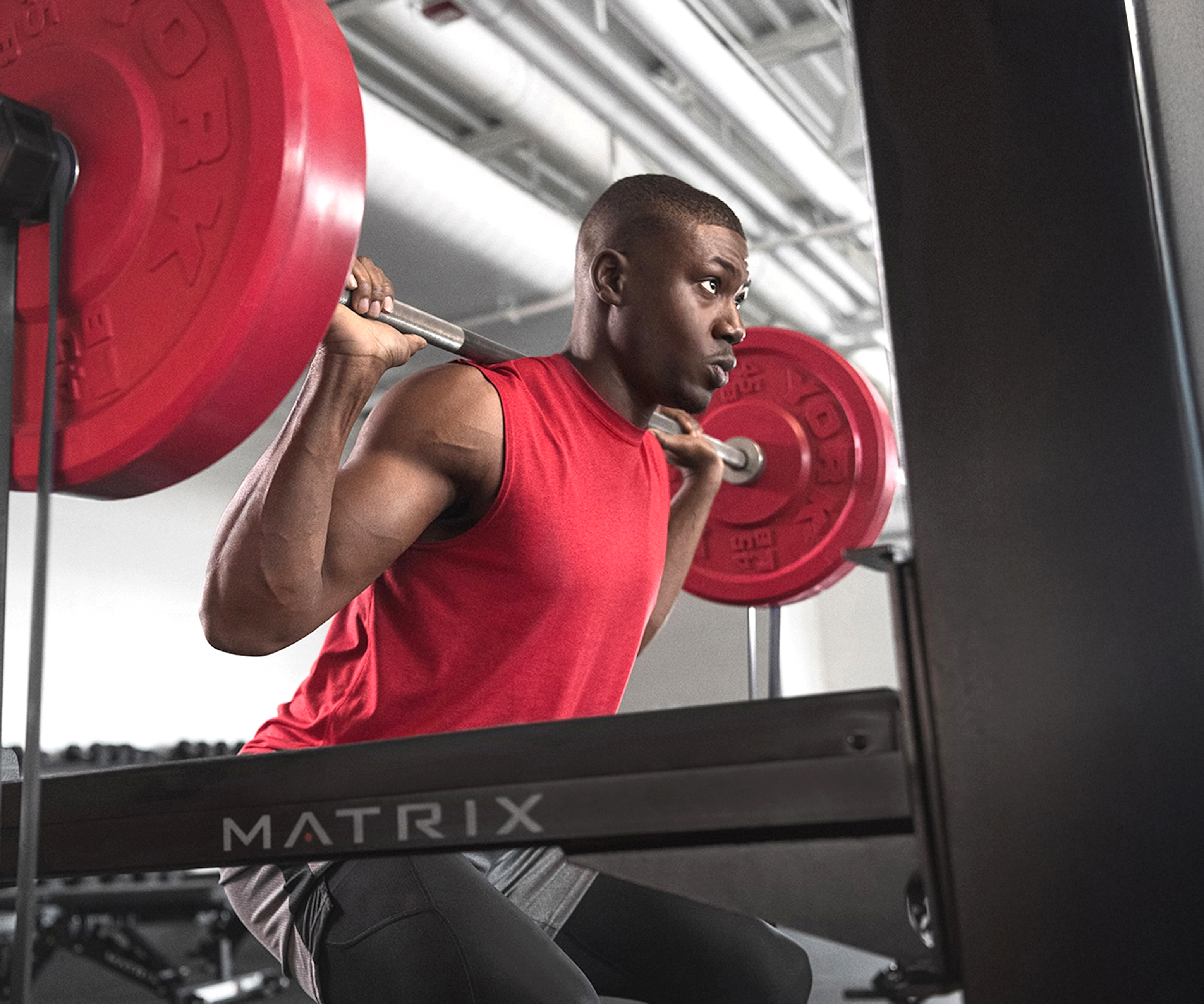
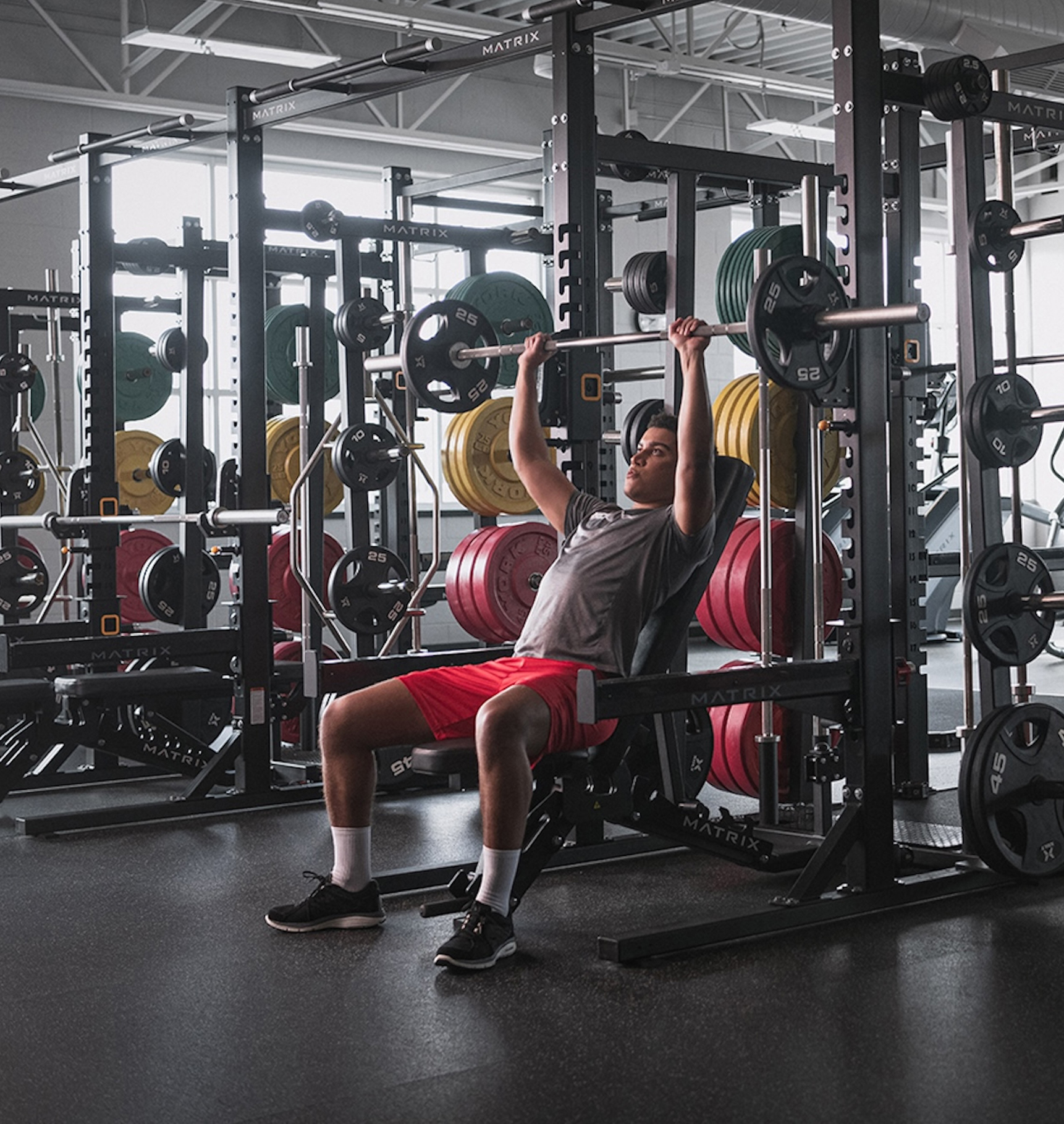
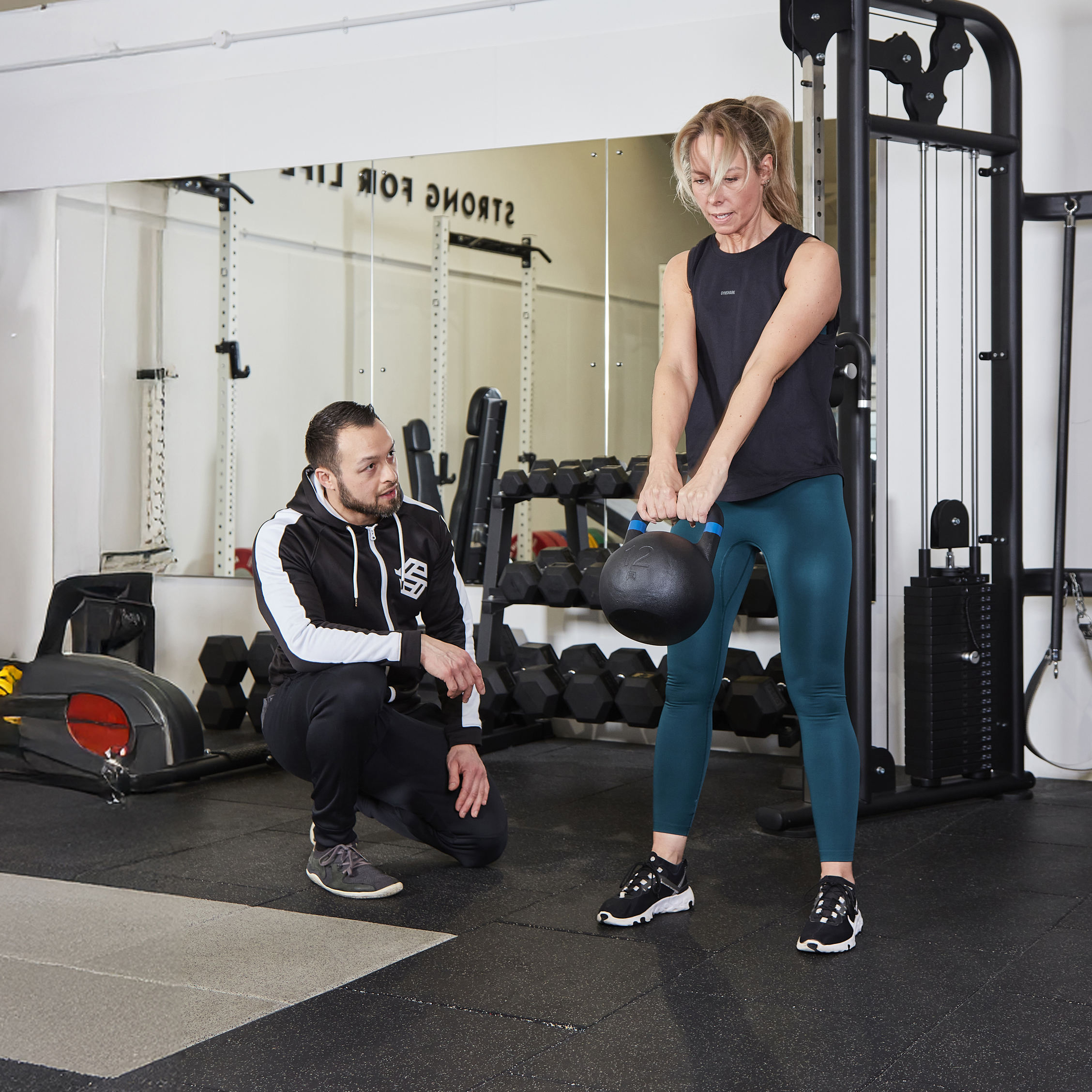
Member journeys need to be customised for those with special needs / photo: MATRIX
Case study: Matrix Fitness
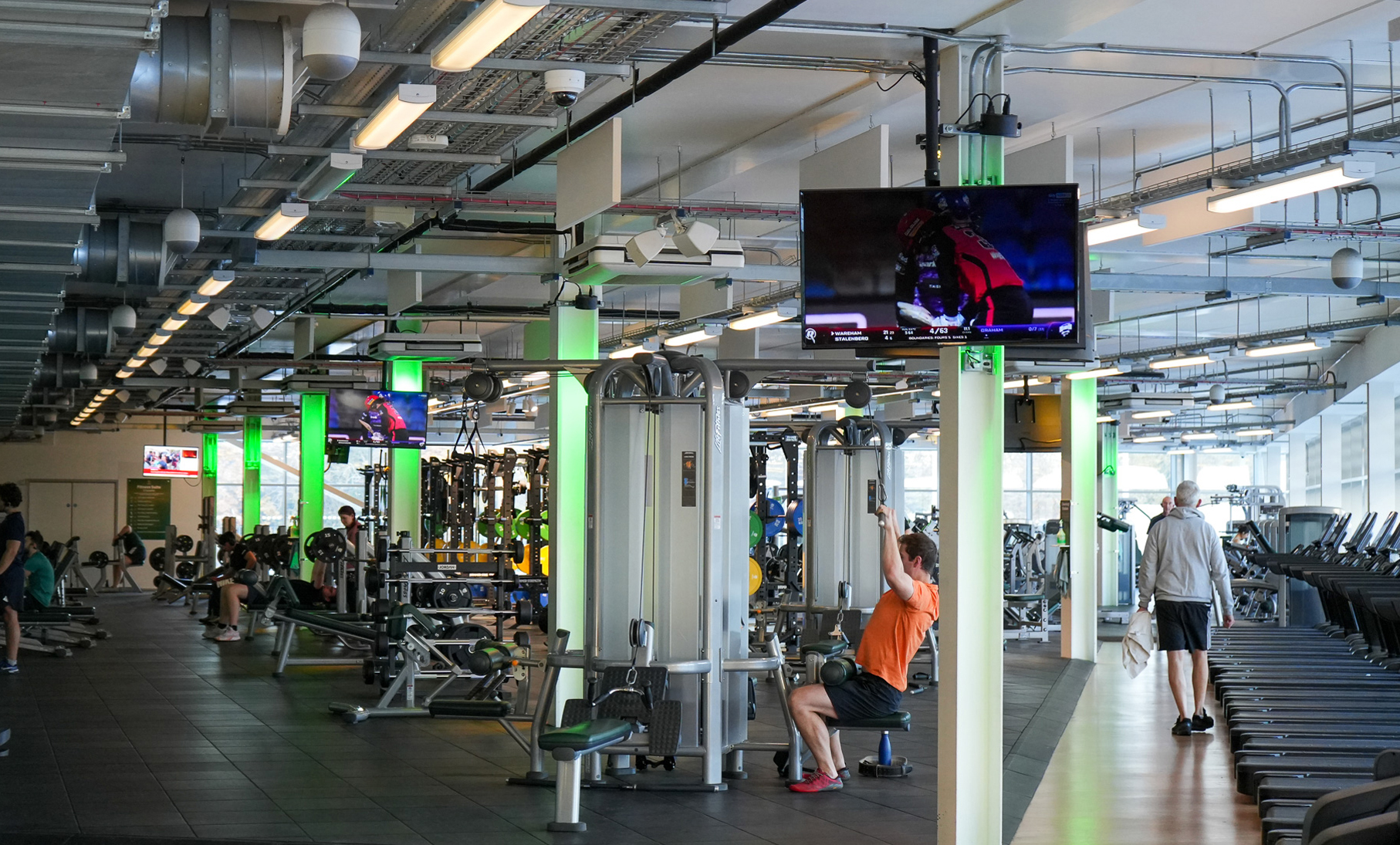
At the University of Warwick, we’ve created a gym experience that inspires confidence and progression. The journey begins in a welcoming turf area with soft lighting and functional equipment.
Nearby, the Matrix Fitness Go Series offers an intuitive circuit-style option perfect for beginners, positioned near cardio equipment and the welcome desk staff for support.
Members then transition to pin-loaded machines and more advanced cardio equipment, leading into an open functional area, designed for everything from Hyrox-style sessions through to individual, specialised workouts.
Laura Childs
Innerva
photo: Innerva
Many people can’t access or safely use standard resistance machines or free weights. They need personalised and supported options that promote improved muscle strength, joint stability and motor control to improve their daily life.
Staff should be skilled and confident working with clients with unique needs, and operators should consider investing in specialised equipment, such as power-assisted machines, to deliver safe exercise.
Accessories such as supports, for example, can help people with limited limb movement to stabilise their legs during exercises.
Taking a personalised approach is essential - two people with MS will have different needs depending on the progression of their condition.
What are some of the challenges to be aware of?
Special populations – including older adults, those who are deconditioned and have mobility challenges – may be anxious about exercising, worried it will hurt and nervous about visiting a health club.
Operators must meet individuals where they are and conduct thorough needs assessments to understand each person’s unique situation.
Two people with MS
will require different
support, depending
on the progression
of their condition
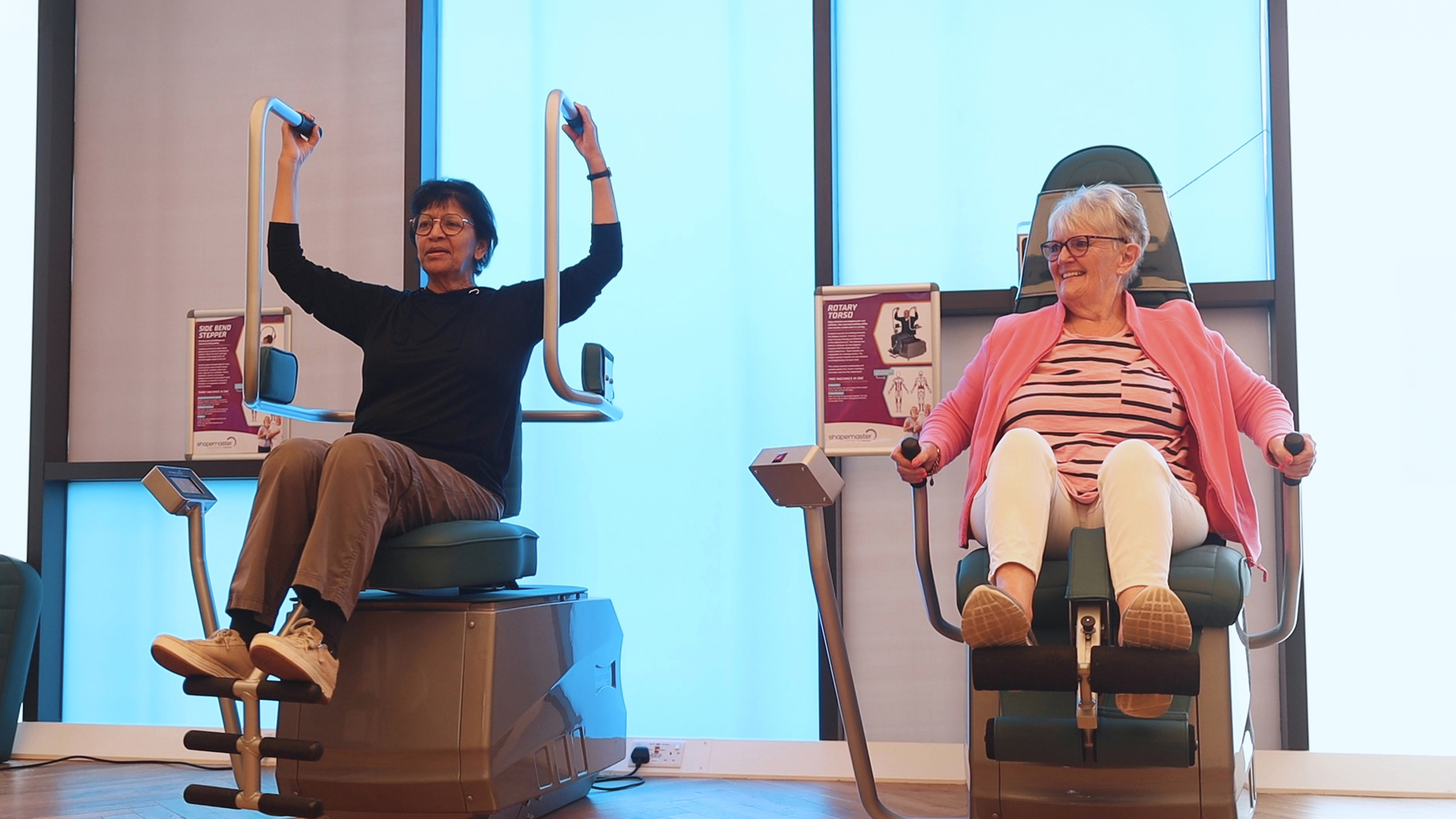
Bolsover Council in the UK has installed power-assisted equipment / photo: Innerva
Case study: Innerva
Bolsover District Council used Innerva power-assisted exercise equipment to deliver a free, 12-week exercise referral programme for people with conditions such as cancer, cardiovascular disease, Parkinson’s and stroke.
In a survey of 853 users in their 50s and 60s, 88 per cent reported feeling stronger when rising from a seated position, while 87 per cent noticed increased strength when it came to lifting heavier items or carrying shopping.
This demonstrates the real-life benefits of strength training for special populations, with equipment and programmes that support users in performing daily tasks more independently. This approach delivers meaningful improvements for those with unique needs, getting them stronger for daily life.
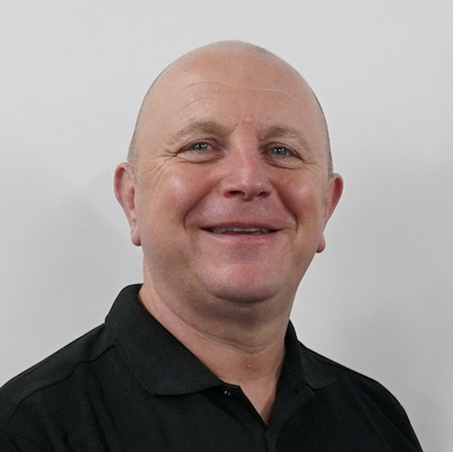
Tony Buchanan
Absolute Performance
Creating an inclusive, supportive environment for members with special needs must also be a priority. While current legislation stipulates that layouts need to adhere to accessibility regulations, operators should ensure as much space as possible between equipment for ease of movement.
We recommend investing in accessible equipment, such as upper body ergometers, cardio machines with extra supports and kill switches and colour-coded weight plates to enhance usability and safety.
Staff training is essential; trainers need the knowledge to adapt exercises and equipment use to help all members achieve their fitness goals.
What are the key challenges?
One is the limited focus in entry-level training certifications for special populations, which leads to gaps in trainer confidence and skills.
For example, youth training requires familiarity with long-term athlete development models so coaches can tailor programmes to different growth and maturation stages, while working with post-op or elderly clients calls for an understanding of modified strength techniques.
Addressing these needs involves offering specialised training for trainers to handle client requirements effectively and safely.
Youth training
requires familiarity
with long-term athlete
development models
The same equipment can be used by Olympic and Paralympic athletes / photo: Absolute Performance
Case study: Absolute Performance
Olympic and paralympic
As an official supplier to Team GB, we’ve equipped Olympic training camps with elite strength, cardio and recovery equipment.
Our equipment required no significant modifications to serve the Paralympic team immediately afterwards, enabling athletes to train confidently in a space that maintained functionality and performance.
This demonstrated the accessibility of our designs, as our equipment met the needs of both Olympic and Paralympic athletes.
We recently incorporated upper body ergometers with removable seating and adjustable parts to accommodate wheelchair users as part of a project for Wiltshire Schools, where the setup is used by teens of varying abilities, to enable inclusive training that supports physical development and promotes confidence.
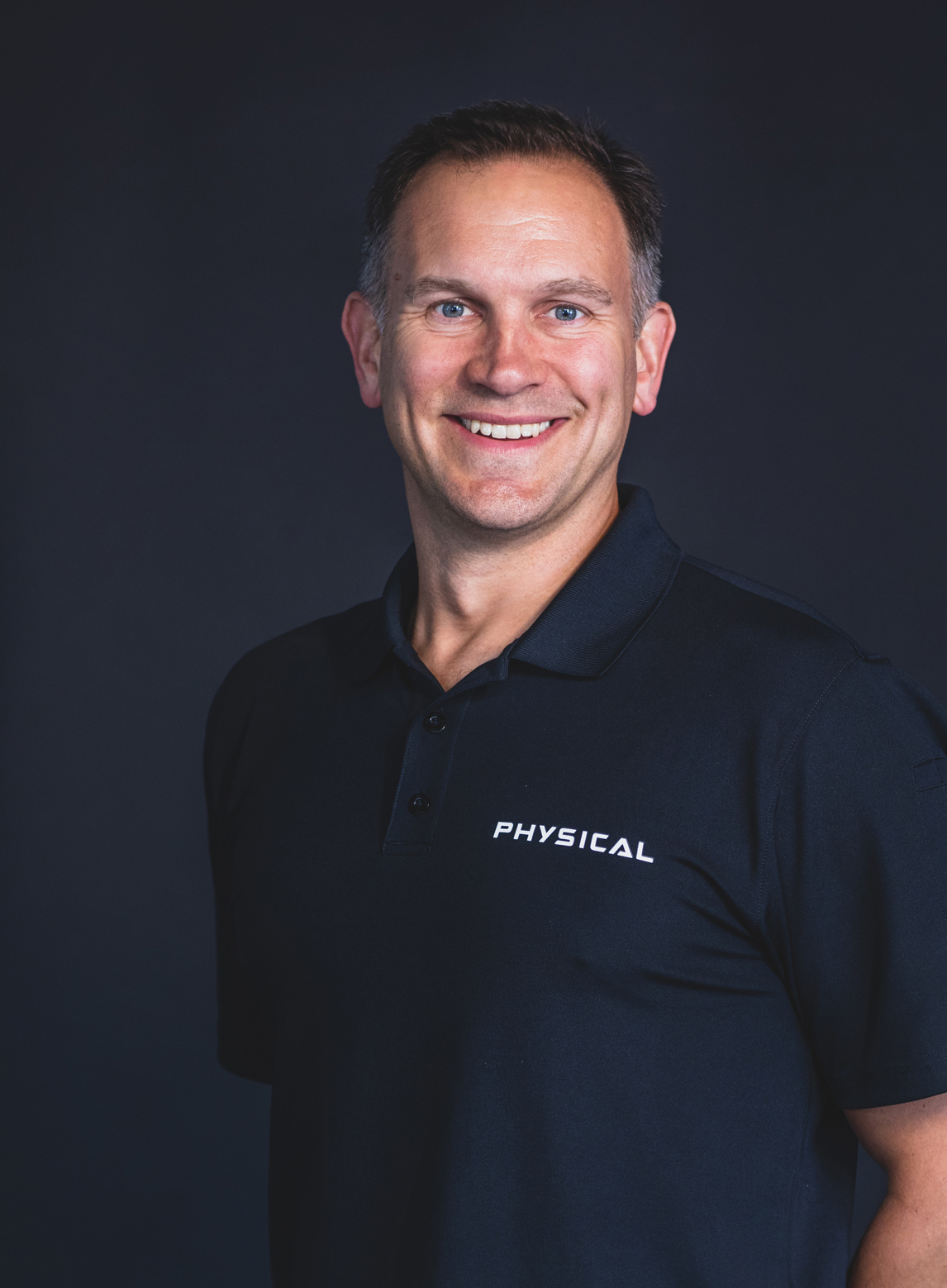
James Anderson
Physical
photo: Physical / NELSON PHOTOS
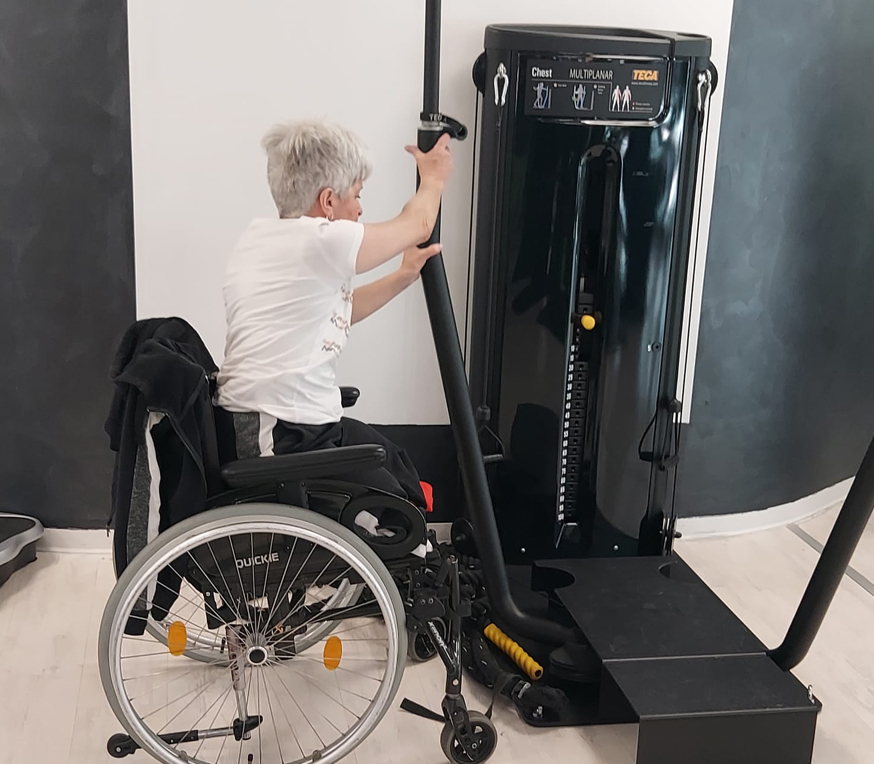
Rather than moving wheelchair users and people with other mental and physical disabilities into designated zones with specialist equipment, why not remove those barriers and provide a genuine opportunity for them to train alongside everyone else?
To be truly inclusive, your equipment must cater for a hugely diverse range of needs and abilities – older people who are physically able and looking for full-body training to keep them fit for life; people with obesity who need equipment that’s comfortable and spacious; wheelchair users who need seat-free designs and handles that can be gripped at multiple heights; people with poor eyesight who need bright weight adjustments; and people with restricted mobility who need equipment that supports varied movement planes.
What are the main challenges?
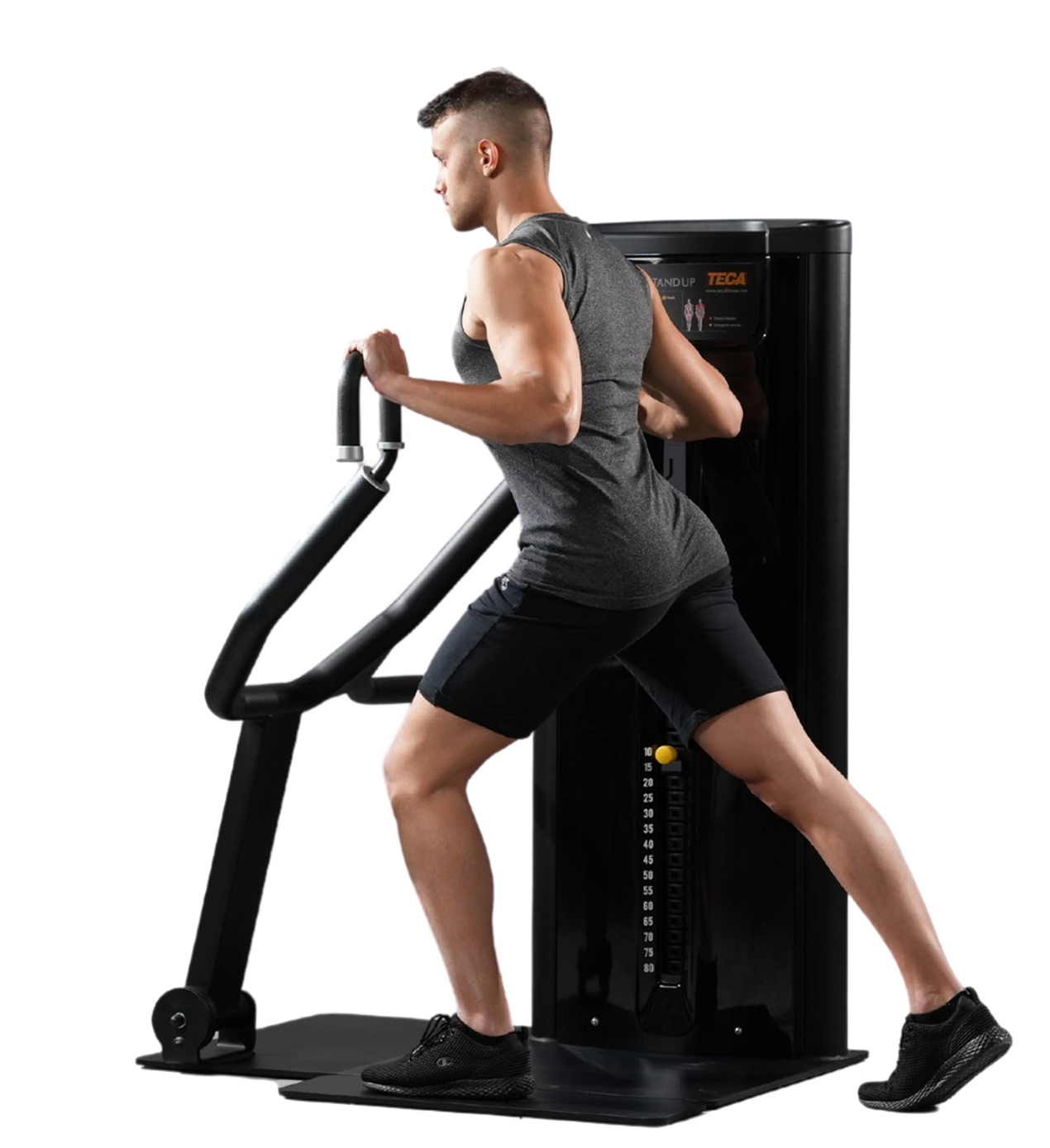
The biggest is mindset; if we continue to refer to ‘special populations’, we’re creating mental barriers that need not be there. It’s time to think differently, which is why Physical distributes TECA Total in the UK – simple, seat-free, pin-loaded resistance stations. This fantastic equipment enables able-bodied and disabled users to train together in the same circuit class, with no equipment modifications required beyond weight selection. It removes the distinction between disability fitness and able-bodied fitness.
This equipment enables
able-bodied and disabled
users to train together in
the same circuit class
Teca equipment can be used by all populations / photo: Physical
Case study: Physical
Gyms and centres in Italy are using Teca Total to serve a diverse population with different disabilities. For individuals with cerebral palsy, these multi-planar machines engage the core and other muscle groups across different planes of movement, to help improve motor control, stability and coordination.
Repeated use in therapeutic settings has been shown to help stimulate neuroplasticity – the brain’s ability to reorganise itself by forming new neural connections.
Teca gives total access
Graham Bertrand
PSLT
photo: PSLT
Operators can best serve all populations by ensuring their teams are qualified, experienced and confident to support ‘everyone’ within the health club.
Actively building relationships with clubs and organisations outside of the facility to meet and greet users before they even step in the door will help break down barriers.
Regular progress-tracking, feedback to help refine programmes and – equally importantly, a friendly and approachable team – can all foster a supportive and empowering environment.
Offering customised training plans, adaptive equipment, and specialised group classes, as well as accessible facilities, educational workshops and virtual options also enhance inclusivity.
Invest in staff training focused on working with diverse needs, including older adults, individuals with disabilities and those with chronic conditions. Offer personalised programmes, inclusive group classes and hybrid options.
Clubs should use accessible layouts with wide spaces and clear signage. Regularly engage and seek member feedback – to simply do a ‘tick-job’ process is not enough.
What are the challenges?
These can primarily be with user confidence. It isn’t enough to only make adaptive changes and train your staff – a team and club have to openly communicate and support particular groups.
Actively build
relationships with clubs
and organisations outside
the facility to help
break down barriers
Clubs need to consider all user groups when specifying equipment / photo: shutterstock / BearFotos
Case study: PSLT
Nowadays, any club installation has to consider every type of user, so fundamentally any completed install has been built to serve all groups.
PSLT has kitted out many education facilities over the years, such as The Isle of Wight College and Queens Margaret’s school in the UK.
Craig Cocking
Life Fitness
photo: Life Fitness
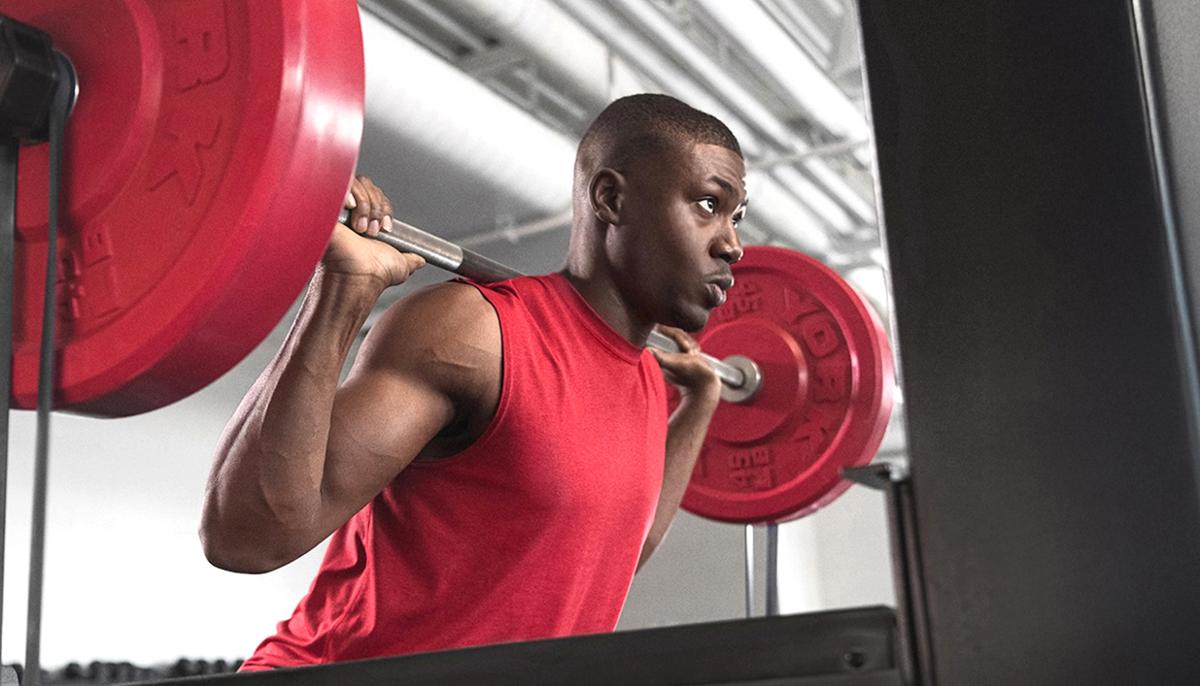
Careful equipment selection is key; space is often at a premium, so choosing pieces that can cater to all members, inclusive of special populations, is important. Low minimum starting resistances with small weight increments make equipment suitable for exercisers with a lower strength capability.
Choosing equipment with biomechanically correct movements that follow the body’s natural path of motion is vital. For example, the Hammer Strength plate-loaded iso-lateral line uses separate weight horns that engage independent motions, so weight arms move together or individually for equal strength development and muscle stimulation variety.
Staff training is also critical. Gym staff must be able to guide members through the safe and effective use of equipment and health clubs should also have resources such as instructional videos and video demonstrations available on-demand.
What are some of the challenges?
While special populations have specific needs, these can also be wide-ranging. Fitness facilities need to balance the requirements of these groups with those of the wider cohort of gym users, ensuring maximum inclusivity.
Facility staff should avoid making assumptions based on an exerciser’s age, disability or physical condition; be guided by the exerciser and understand their unique needs, concerns, and motivations.
Staff should avoid making assumptions based on an
exerciser’s age, disability or physical condition; be guided
by the exerciser and understand their unique needs
Life Fitness /Hammer Strength has launched a new strategy called ‘We Move As One’. See the video at www.HCMmag.com/WMAO / photo: Life Fitness
Case study: Life Fitness
We’ve recently partnered with the University of Nottingham in the UK to deliver a complete gym redesign at the David Ross Sports Village, to meet the wide-ranging needs of its diverse and growing student population.
Improved layout and choice of Life Fitness and Hammer Strength selectorised, plate-loaded equipment and HD Elite racks were central to maximising space and accessibility of equipment; a new lighter lifting area was introduced to provide a space where less confident members feel comfortable to reduce the feeling of gymtimidation.
Health clubs can better serve special populations by offering customised exercise referrals, onboarding programmes and designated beginner-friendly spaces to help members at the start and foster an inclusive and supportive atmosphere.
Flexible inductions tailored to individual needs can build confidence, while specialised group classes provide peer support.
Educational workshops on safe training techniques empower members to take control of their fitness journey.
These approaches help create welcoming, accessible environments that encourage people from special populations to engage in strength and resistance training effectively and confidently.
Our advice is to use intuitive, easy-to-adjust equipment with lower weight and height options and provide varied cardio console choices to cater for different preferences.
Operators can also designate open areas for functional movement and use clear instructional signage.
Encouraging discovery learning by investing in staff training for empathy and specialised skills is also important.
What are the challenges?
Challenges include ensuring staff have confidence and clarity when it comes to their roles, providing a structured yet flexible onboarding strategy and creating a customised member journey.
Supportive systems such as CRM for member tracking and feedback loops help clubs stay responsive to everyone. Balancing inclusivity with specialised needs is crucial, as is continuous staff education on inclusive practices.
Flexible inductions
tailored to individual
needs can build confidence
photo: MATRIX
Member journeys need to be customised for those with special needs / photo: MATRIX
Case study: Matrix Fitness
At the University of Warwick, we’ve created a gym experience that inspires confidence and progression. The journey begins in a welcoming turf area with soft lighting and functional equipment.
Nearby, the Matrix Fitness Go Series offers an intuitive circuit-style option perfect for beginners, positioned near cardio equipment and the welcome desk staff for support.
Members then transition to pin-loaded machines and more advanced cardio equipment, leading into an open functional area, designed for everything from Hyrox-style sessions through to individual, specialised workouts.
Laura Childs
Innerva
photo: Innerva
Many people can’t access or safely use standard resistance machines or free weights. They need personalised and supported options that promote improved muscle strength, joint stability and motor control to improve their daily life.
Staff should be skilled and confident working with clients with unique needs, and operators should consider investing in specialised equipment, such as power-assisted machines, to deliver safe exercise.
Accessories such as supports, for example, can help people with limited limb movement to stabilise their legs during exercises.
Taking a personalised approach is essential - two people with MS will have different needs depending on the progression of their condition.
What are some of the challenges to be aware of?
Special populations – including older adults, those who are deconditioned and have mobility challenges – may be anxious about exercising, worried it will hurt and nervous about visiting a health club.
Operators must meet individuals where they are and conduct thorough needs assessments to understand each person’s unique situation.
Two people with MS
will require different
support, depending
on the progression
of their condition
Bolsover Council in the UK has installed power-assisted equipment / photo: Innerva
Case study: Innerva
Bolsover District Council used Innerva power-assisted exercise equipment to deliver a free, 12-week exercise referral programme for people with conditions such as cancer, cardiovascular disease, Parkinson’s and stroke.
In a survey of 853 users in their 50s and 60s, 88 per cent reported feeling stronger when rising from a seated position, while 87 per cent noticed increased strength when it came to lifting heavier items or carrying shopping.
This demonstrates the real-life benefits of strength training for special populations, with equipment and programmes that support users in performing daily tasks more independently. This approach delivers meaningful improvements for those with unique needs, getting them stronger for daily life.
Tony Buchanan
Absolute Performance
Creating an inclusive, supportive environment for members with special needs must also be a priority. While current legislation stipulates that layouts need to adhere to accessibility regulations, operators should ensure as much space as possible between equipment for ease of movement.
We recommend investing in accessible equipment, such as upper body ergometers, cardio machines with extra supports and kill switches and colour-coded weight plates to enhance usability and safety.
Staff training is essential; trainers need the knowledge to adapt exercises and equipment use to help all members achieve their fitness goals.
What are the key challenges?
One is the limited focus in entry-level training certifications for special populations, which leads to gaps in trainer confidence and skills.
For example, youth training requires familiarity with long-term athlete development models so coaches can tailor programmes to different growth and maturation stages, while working with post-op or elderly clients calls for an understanding of modified strength techniques.
Addressing these needs involves offering specialised training for trainers to handle client requirements effectively and safely.
Youth training
requires familiarity
with long-term athlete
development models
The same equipment can be used by Olympic and Paralympic athletes / photo: Absolute Performance
Case study: Absolute Performance
Olympic and paralympic
As an official supplier to Team GB, we’ve equipped Olympic training camps with elite strength, cardio and recovery equipment.
Our equipment required no significant modifications to serve the Paralympic team immediately afterwards, enabling athletes to train confidently in a space that maintained functionality and performance.
This demonstrated the accessibility of our designs, as our equipment met the needs of both Olympic and Paralympic athletes.
We recently incorporated upper body ergometers with removable seating and adjustable parts to accommodate wheelchair users as part of a project for Wiltshire Schools, where the setup is used by teens of varying abilities, to enable inclusive training that supports physical development and promotes confidence.
James Anderson
Physical
photo: Physical / NELSON PHOTOS
Rather than moving wheelchair users and people with other mental and physical disabilities into designated zones with specialist equipment, why not remove those barriers and provide a genuine opportunity for them to train alongside everyone else?
To be truly inclusive, your equipment must cater for a hugely diverse range of needs and abilities – older people who are physically able and looking for full-body training to keep them fit for life; people with obesity who need equipment that’s comfortable and spacious; wheelchair users who need seat-free designs and handles that can be gripped at multiple heights; people with poor eyesight who need bright weight adjustments; and people with restricted mobility who need equipment that supports varied movement planes.
What are the main challenges?
The biggest is mindset; if we continue to refer to ‘special populations’, we’re creating mental barriers that need not be there. It’s time to think differently, which is why Physical distributes TECA Total in the UK – simple, seat-free, pin-loaded resistance stations. This fantastic equipment enables able-bodied and disabled users to train together in the same circuit class, with no equipment modifications required beyond weight selection. It removes the distinction between disability fitness and able-bodied fitness.
This equipment enables
able-bodied and disabled
users to train together in
the same circuit class
Teca equipment can be used by all populations / photo: Physical
Case study: Physical
Gyms and centres in Italy are using Teca Total to serve a diverse population with different disabilities. For individuals with cerebral palsy, these multi-planar machines engage the core and other muscle groups across different planes of movement, to help improve motor control, stability and coordination.
Repeated use in therapeutic settings has been shown to help stimulate neuroplasticity – the brain’s ability to reorganise itself by forming new neural connections.
Teca gives total access
Graham Bertrand
PSLT
photo: PSLT
Operators can best serve all populations by ensuring their teams are qualified, experienced and confident to support ‘everyone’ within the health club.
Actively building relationships with clubs and organisations outside of the facility to meet and greet users before they even step in the door will help break down barriers.
Regular progress-tracking, feedback to help refine programmes and – equally importantly, a friendly and approachable team – can all foster a supportive and empowering environment.
Offering customised training plans, adaptive equipment, and specialised group classes, as well as accessible facilities, educational workshops and virtual options also enhance inclusivity.
Invest in staff training focused on working with diverse needs, including older adults, individuals with disabilities and those with chronic conditions. Offer personalised programmes, inclusive group classes and hybrid options.
Clubs should use accessible layouts with wide spaces and clear signage. Regularly engage and seek member feedback – to simply do a ‘tick-job’ process is not enough.
What are the challenges?
These can primarily be with user confidence. It isn’t enough to only make adaptive changes and train your staff – a team and club have to openly communicate and support particular groups.
Actively build
relationships with clubs
and organisations outside
the facility to help
break down barriers
Clubs need to consider all user groups when specifying equipment / photo: shutterstock / BearFotos
Case study: PSLT
Nowadays, any club installation has to consider every type of user, so fundamentally any completed install has been built to serve all groups.
PSLT has kitted out many education facilities over the years, such as The Isle of Wight College and Queens Margaret’s school in the UK.
Craig Cocking
Life Fitness
photo: Life Fitness
Careful equipment selection is key; space is often at a premium, so choosing pieces that can cater to all members, inclusive of special populations, is important. Low minimum starting resistances with small weight increments make equipment suitable for exercisers with a lower strength capability.
Choosing equipment with biomechanically correct movements that follow the body’s natural path of motion is vital. For example, the Hammer Strength plate-loaded iso-lateral line uses separate weight horns that engage independent motions, so weight arms move together or individually for equal strength development and muscle stimulation variety.
Staff training is also critical. Gym staff must be able to guide members through the safe and effective use of equipment and health clubs should also have resources such as instructional videos and video demonstrations available on-demand.
What are some of the challenges?
While special populations have specific needs, these can also be wide-ranging. Fitness facilities need to balance the requirements of these groups with those of the wider cohort of gym users, ensuring maximum inclusivity.
Facility staff should avoid making assumptions based on an exerciser’s age, disability or physical condition; be guided by the exerciser and understand their unique needs, concerns, and motivations.
Staff should avoid making assumptions based on an
exerciser’s age, disability or physical condition; be guided
by the exerciser and understand their unique needs
Life Fitness /Hammer Strength has launched a new strategy called ‘We Move As One’. See the video at www.HCMmag.com/WMAO / photo: Life Fitness
Case study: Life Fitness
We’ve recently partnered with the University of Nottingham in the UK to deliver a complete gym redesign at the David Ross Sports Village, to meet the wide-ranging needs of its diverse and growing student population.
Improved layout and choice of Life Fitness and Hammer Strength selectorised, plate-loaded equipment and HD Elite racks were central to maximising space and accessibility of equipment; a new lighter lifting area was introduced to provide a space where less confident members feel comfortable to reduce the feeling of gymtimidation.
Global Wellness Day (GWD) marked its 15th anniversary on Saturday 13 June 2026, with the
theme: #JoyMagenta – a celebration of the healing qualities of simple gestures and activities
that spark joy.
Global luxury hospitality brand, Six Senses, has partnered with longevity healthcare provider,
HUM2N, to launch a clinic at Six Senses London, at The Whiteley.
As part of its first hotel partnership, Mayrlife – the medical health resort company known for its
site in Altaussee, Austria – has launched a day clinic at the Rosewood Vienna.
Premium London health club, KX Chelsea, will imminently unveil its most significant
redevelopment since its launch in 2002 to create an integrated wellness model combining
training, recovery and relaxation.
Rosewood Le Guanahani St Barth, on the northeast coast of Saint Barthélemy in the French
West Indies, is offering a programme of ocean-inspired yoga classes between 8-14 June to
celebrate Global Wellness Day (GWD).
Hotel de France, located on the British Isle of Jersey, has created a wellness retreat package
that includes a hot yoga session that will take place in Jersey Zoo’s butterfly sanctuary.
The Ritz-Carlton, Langkawi, in Malaysia, has revealed a schedule for Global Wellness Day
(GWD) that includes guided rainforest walks, mindful movement and guided coastal meditation
experiences.
Longevitix, a clinical platform for preventive and longevity medicine, has launched its AI-
powered intelligence system to help physicians deliver continuous, personalised longevity-
focused care at scale.
Atmantan Wellness Centre, an integrative wellness destination in Mulshi, near Pune in India, is
expanding its portfolio by adding a new centre in Hyderabad that will launch between 2028 and
2029.