Latest
issue
Uniting the world of spa & wellness
Get Spa Business and Spa Business insider digital magazines FREE
Sign up here ▸
News   Features   Products   Company profilesProfiles   Press releasesProfiles   Magazine   Handbook   Advertise    Subscribe  
NEWS
GWI reveals hydrothermal spa trends
POSTED 27 Mar 2019 . BY Jane Kitchen
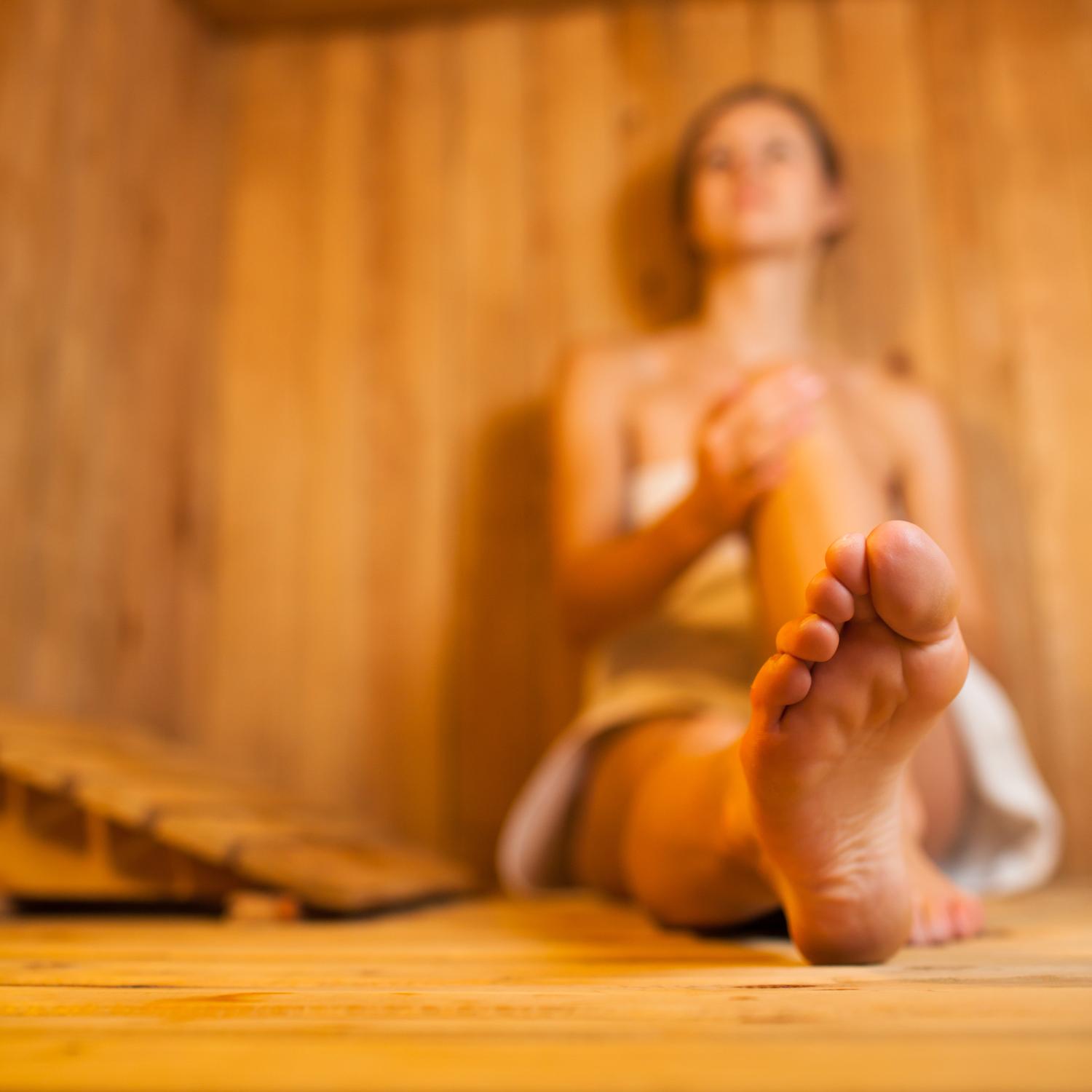
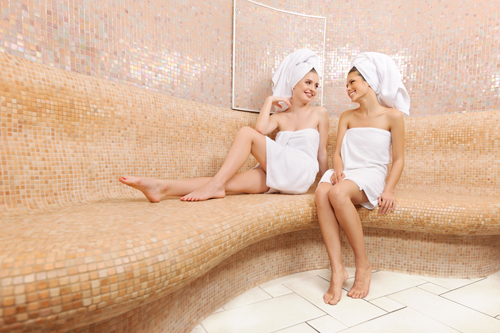
Installations of hydrothermal features are growing in popularity for private residences
The Global Wellness Institute (GWI) has released the top six trends in hydrothermal spa and wellness experiences as identified by the GWI’s Hydrothermal Initiative.

One of 23 GWI initiatives, the Hydrothermal Initiative is focused on educating both consumers and professionals on the health benefits and proper construction of all hydrothermal experiences, from popular saunas and steam rooms, to more specific modalities, such as salt inhalation, Kneipp therapy and floatation hydrotherapy pools.

“For thousands of years, people have harnessed the cleansing and healing powers of water and heat — and the unique health benefits of hot/cold contrast therapy,” said Don Genders, chair of the GWI Hydrothermal Initiative and CEO of Design for Leisure. “Hydrothermal experiences offer wellness benefits that are difficult to achieve any other way — and the bonus is that the health benefits can be self-administered, so are achieved without high labor costs and, of course, easily practiced at home.”

Hydrothermal bathing has been shown to improve blood circulation, promote heart health, detox the body, manage high blood pressure, improve the immune system, and much more. Numerous medical studies on the health benefits of sauna bathing and hydrotherapy can be found on GWI’s Wellness Evidence website.

The Hydrothermal Initiative’s Top Trends for 2019 are as follows:

Salt Therapy for Real Results
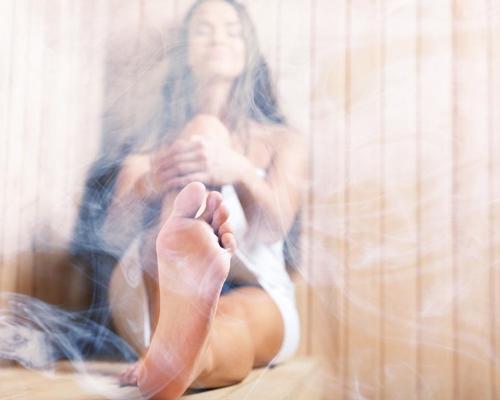
In 2019, the Hydrothermal Initiative predicts the use of salt in thermal cabins to soar as spas start putting the health benefits of salt before the aesthetic beauty of pink Himalayan salt blocks. The popularity of designer salt rooms in spas has soared in recent years — and sexy, pink-hued salt brick walls have become ubiquitous in thermal areas of spas across the world. However, though the backlit bricks may look pretty, the salt they are made of offers little to no health benefits. Expect thermal rooms with or without salt walls to add functional salt systems, such as halogenerators for distributing fine particles of dry salt or a nebulizer for a steam-style inhalation of salt. Both enable bathers to reap the actual benefits cleansing salt offers, including better respiratory health (studies show salt inhalation can even alleviate asthma symptoms) and benefits to the skin (including conditions such as acne, rashes and eczema). Devices, such as Klafs SaltPro X, a portable, battery-operated halogenerator, are helping to bring the benefits of salt to any thermal room or home sauna.

Kneipp Therapy Gets a Reboot
Kneipp therapy (named after a 19th century Bavarian parish priest who discovered this “water cure” for healing his tuberculosis) has long been popular in Europe. Kneipp walks or wading pools are a popular introduction to the health benefits of hot and cold contrast therapy. Bathers alternate walking through hot and cold actions to stimulate blood circulation throughout the body. And, because they can be self-administered (no therapist required), they are growing in popularity in both Europe and North America.

Getting Cold Gets Hot
The importance of cooling down after using saunas, steam rooms or hot pools has become better understood in recent years. The evidence around the benefits of hot and cold contrast therapy is mounting, and has resulted in a greater interest in treatments, such as snow rooms, snow showers and cold plunge pools.

Even the humble shower is getting a significant makeover to help bring hot/cold contrast therapy into homes. Manufacturers, such as Dornbracht and Hansgrohe, have introduced specialist “deluge” showers and waterfalls that are specifically aimed at the spa and wellness market and are being used in both residential wellness suites and in professional builds.

Coed Thermal Bathing Gains Traction in US
After many years of resistance, we are seeing the development of exciting and creative unisex wet thermal areas in spas across the US — something most Europeans have long enjoyed. Privacy issues are handled by installing small private areas in coed locker rooms, allowing the main spa areas to be designed and built as social, communal spaces.

This trend is gaining major traction in the US, where younger generations seek out social and group wellness activities and recognize that the unique wellness benefits of social spa-ing far outweigh what they get through single-sex, thermal bathing.

Flotation Therapy in Resurgence
Floatation therapy looked to be big back in the 90s, but it never quite took off. Now, seemingly every new hydrothermal project is incorporating a floatation element — from fully enclosed pods to the more popular open tubs that mitigate any claustrophobic element of floatation to large scale, multisensory pools that offer flotation, light and underwater sound therapy.

An extension of this trend is a resurgence of Watsu pools for therapist-led floatation therapy, which is gaining popularity and being sought-after by a new generation of spa-goers. One explanation? New research shows a deep drop in anxiety levels after a one-hour float.

Adding Hydrothermal Wellness Elements at Home
Once the domain of the wealthy, wellness real estate is becoming more democratised, with installations of hydrothermal features in more and more private residences.

And more compact designs mean it’s possible for even the smallest of homes to incorporate the benefits of wellness with a private sauna. This trend is also being seen in multifamily living environments where apartment and condominium developers are incorporating spa and wellness features into almost every new build.

In the past, a fitness centre and maybe a pool were considered differentiators, but now, communal wellness and relaxation areas are must-have amenities. Recent GWI research backs this up: The value of real estate developments incorporating wellness elements is projected to grow from $134B in 2017 to $197B in 2022.

RELATED STORIES
  New edition of ‘Hydrothermal Spa & Wellness Development Standards’ book adds 50 pages


The Global Wellness Institute has released the third edition of the Guide to Hydrothermal Spa & Wellness Development Standards. The popular book, which has been expanded by 50 pages, is a primer for designing and building thermal experiences and wet areas at commercial properties or in residential homes.
  GWI publishes Guide for Hydrothermal Spa Building Standards


The Global Wellness Institute (GWI) has released the second edition of the Guide to Hydrothermal Spa & Wellness Development Standards.
  Hydrothermal Spa Forum ‘a welcome and much-needed seminar for the industry’


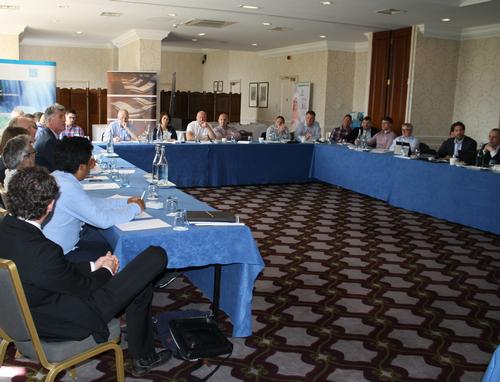
The Hydrothermal Spa Forum took place last month at the Menzies Welcombe Hotel, Spa & Golf Club in Stratford-upon-Avon, England.
  GSWS publishes its best practice manual for hydrothermal projects


The Global Spa & Wellness Summit (GSWS) has published a standards guide for spa and wellness industry projects, the Guide to Hydrothermal Spa Development Standards.
MORE NEWS
The SATCC announces first five-day Living with Cancer and Beyond retreat
The Standards Authority for Touch in Cancer Care (SATCC) charity has announced its first five- day Living with Cancer and Beyond retreat, which will be held at Carden Park Hotel and Spa in Cheshire, UK, between 1 and 5 September.
Palazzo di Varignana launches family wellbeing and longevity retreat in Emilia Romagna
Palazzo di Varignana, in the Emilia Romagna region of Italy, has created a new tailored health programme designed specifically for families.
Ansana Wellness and Spa debuts at Patmos Aktis as it joins Marriott
Patmos Aktis, a Luxury Collection Resort and Spa, has opened in Greece, with a renovated and rebranded wellness offering called Ansana Wellness and Spa.
Mauna Kea Beach Hotel launches destination spa with sacred Hawaiian cultural concept
The Mauna Kea Beach Hotel, an Autograph Collection property in Hawaii, US, has opened its 22,000 sq ft indoor-outdoor Spa at Mauna Kea as the final step in the property’s overall renovation, which has cost more than US$180 million (€166 million, £140 mill
+ More news   

FEATURED SUPPLIERS

Embrace the chill: TechnoAlpin's Snowsky revolutionises post-fitness recovery with falling snow
In the fast-paced world of fitness and wellness, where high-intensity workouts push us to our limits and the sweat pours, the importance of efficient recovery cannot be overstated. [more...]

Longevity in spas: a strategic choice, not a default setting
Longevity has become one of the most debated concepts in contemporary wellness. [more...]
+ More featured suppliers  
COMPANY PROFILES
Aquaform

With a rich heritage in the spa industry, Aquaform offers a diverse array of water wellness experien [more...]
FIBO

FIBO is the international platform for fitness, wellness and health. During four days, FIBO connects [more...]
+ More profiles  
CATALOGUE GALLERY
 

+ More catalogues  

DIRECTORY
+ More directory  
DIARY


26-27 Jun 2026

The Longevity Show

Tobacco Docks, London, United Kingdom
03-05 Jul 2026

World Championship in Massage

Copenhagen, Copenhagen, Denmark
+ More diary  
 
ABOUT LEISURE MEDIA
LEISURE MEDIA MAGAZINES
LEISURE MEDIA HANDBOOKS
LEISURE MEDIA WEBSITES
LEISURE MEDIA PRODUCT SEARCH
 
SPA BUSINESS
SPA OPPORTUNITIES
SPA BUSINESS HANDBOOK
PRINT SUBSCRIPTIONS
FREE DIGITAL SUBSCRIPTIONS
ADVERTISE . CONTACT US

Leisure Media
Tel: +44 (0)1462 431385

©Cybertrek 2026
Uniting the world of spa & wellness
Get Spa Business and Spa Business insider digital magazines FREE
Sign up here ▸
News   Products   Magazine   Subscribe
NEWS
GWI reveals hydrothermal spa trends
POSTED 27 Mar 2019 . BY Jane Kitchen
Installations of hydrothermal features are growing in popularity for private residences
The Global Wellness Institute (GWI) has released the top six trends in hydrothermal spa and wellness experiences as identified by the GWI’s Hydrothermal Initiative.

One of 23 GWI initiatives, the Hydrothermal Initiative is focused on educating both consumers and professionals on the health benefits and proper construction of all hydrothermal experiences, from popular saunas and steam rooms, to more specific modalities, such as salt inhalation, Kneipp therapy and floatation hydrotherapy pools.

“For thousands of years, people have harnessed the cleansing and healing powers of water and heat — and the unique health benefits of hot/cold contrast therapy,” said Don Genders, chair of the GWI Hydrothermal Initiative and CEO of Design for Leisure. “Hydrothermal experiences offer wellness benefits that are difficult to achieve any other way — and the bonus is that the health benefits can be self-administered, so are achieved without high labor costs and, of course, easily practiced at home.”

Hydrothermal bathing has been shown to improve blood circulation, promote heart health, detox the body, manage high blood pressure, improve the immune system, and much more. Numerous medical studies on the health benefits of sauna bathing and hydrotherapy can be found on GWI’s Wellness Evidence website.

The Hydrothermal Initiative’s Top Trends for 2019 are as follows:

Salt Therapy for Real Results
In 2019, the Hydrothermal Initiative predicts the use of salt in thermal cabins to soar as spas start putting the health benefits of salt before the aesthetic beauty of pink Himalayan salt blocks. The popularity of designer salt rooms in spas has soared in recent years — and sexy, pink-hued salt brick walls have become ubiquitous in thermal areas of spas across the world. However, though the backlit bricks may look pretty, the salt they are made of offers little to no health benefits. Expect thermal rooms with or without salt walls to add functional salt systems, such as halogenerators for distributing fine particles of dry salt or a nebulizer for a steam-style inhalation of salt. Both enable bathers to reap the actual benefits cleansing salt offers, including better respiratory health (studies show salt inhalation can even alleviate asthma symptoms) and benefits to the skin (including conditions such as acne, rashes and eczema). Devices, such as Klafs SaltPro X, a portable, battery-operated halogenerator, are helping to bring the benefits of salt to any thermal room or home sauna.

Kneipp Therapy Gets a Reboot
Kneipp therapy (named after a 19th century Bavarian parish priest who discovered this “water cure” for healing his tuberculosis) has long been popular in Europe. Kneipp walks or wading pools are a popular introduction to the health benefits of hot and cold contrast therapy. Bathers alternate walking through hot and cold actions to stimulate blood circulation throughout the body. And, because they can be self-administered (no therapist required), they are growing in popularity in both Europe and North America.

Getting Cold Gets Hot
The importance of cooling down after using saunas, steam rooms or hot pools has become better understood in recent years. The evidence around the benefits of hot and cold contrast therapy is mounting, and has resulted in a greater interest in treatments, such as snow rooms, snow showers and cold plunge pools.

Even the humble shower is getting a significant makeover to help bring hot/cold contrast therapy into homes. Manufacturers, such as Dornbracht and Hansgrohe, have introduced specialist “deluge” showers and waterfalls that are specifically aimed at the spa and wellness market and are being used in both residential wellness suites and in professional builds.

Coed Thermal Bathing Gains Traction in US
After many years of resistance, we are seeing the development of exciting and creative unisex wet thermal areas in spas across the US — something most Europeans have long enjoyed. Privacy issues are handled by installing small private areas in coed locker rooms, allowing the main spa areas to be designed and built as social, communal spaces.

This trend is gaining major traction in the US, where younger generations seek out social and group wellness activities and recognize that the unique wellness benefits of social spa-ing far outweigh what they get through single-sex, thermal bathing.

Flotation Therapy in Resurgence
Floatation therapy looked to be big back in the 90s, but it never quite took off. Now, seemingly every new hydrothermal project is incorporating a floatation element — from fully enclosed pods to the more popular open tubs that mitigate any claustrophobic element of floatation to large scale, multisensory pools that offer flotation, light and underwater sound therapy.

An extension of this trend is a resurgence of Watsu pools for therapist-led floatation therapy, which is gaining popularity and being sought-after by a new generation of spa-goers. One explanation? New research shows a deep drop in anxiety levels after a one-hour float.

Adding Hydrothermal Wellness Elements at Home
Once the domain of the wealthy, wellness real estate is becoming more democratised, with installations of hydrothermal features in more and more private residences.

And more compact designs mean it’s possible for even the smallest of homes to incorporate the benefits of wellness with a private sauna. This trend is also being seen in multifamily living environments where apartment and condominium developers are incorporating spa and wellness features into almost every new build.

In the past, a fitness centre and maybe a pool were considered differentiators, but now, communal wellness and relaxation areas are must-have amenities. Recent GWI research backs this up: The value of real estate developments incorporating wellness elements is projected to grow from $134B in 2017 to $197B in 2022.
RELATED STORIES
New edition of ‘Hydrothermal Spa & Wellness Development Standards’ book adds 50 pages


The Global Wellness Institute has released the third edition of the Guide to Hydrothermal Spa & Wellness Development Standards. The popular book, which has been expanded by 50 pages, is a primer for designing and building thermal experiences and wet areas at commercial properties or in residential homes.
GWI publishes Guide for Hydrothermal Spa Building Standards


The Global Wellness Institute (GWI) has released the second edition of the Guide to Hydrothermal Spa & Wellness Development Standards.
Hydrothermal Spa Forum ‘a welcome and much-needed seminar for the industry’


The Hydrothermal Spa Forum took place last month at the Menzies Welcombe Hotel, Spa & Golf Club in Stratford-upon-Avon, England.
GSWS publishes its best practice manual for hydrothermal projects


The Global Spa & Wellness Summit (GSWS) has published a standards guide for spa and wellness industry projects, the Guide to Hydrothermal Spa Development Standards.
MORE NEWS
The SATCC announces first five-day Living with Cancer and Beyond retreat
The Standards Authority for Touch in Cancer Care (SATCC) charity has announced its first five- day Living with Cancer and Beyond retreat, which will be held at Carden Park Hotel and Spa in Cheshire, UK, between 1 and 5 September.
Palazzo di Varignana launches family wellbeing and longevity retreat in Emilia Romagna
Palazzo di Varignana, in the Emilia Romagna region of Italy, has created a new tailored health programme designed specifically for families.
Ansana Wellness and Spa debuts at Patmos Aktis as it joins Marriott
Patmos Aktis, a Luxury Collection Resort and Spa, has opened in Greece, with a renovated and rebranded wellness offering called Ansana Wellness and Spa.
Mauna Kea Beach Hotel launches destination spa with sacred Hawaiian cultural concept
The Mauna Kea Beach Hotel, an Autograph Collection property in Hawaii, US, has opened its 22,000 sq ft indoor-outdoor Spa at Mauna Kea as the final step in the property’s overall renovation, which has cost more than US$180 million (€166 million, £140 mill
The Good Spa Guide sets up event for modified Good Spa Guide Awards
The UK spa review and discovery platform for consumers, the Good Spa Guide, has announced it will host the Good Spa Guide Awards 2026 during an event on 16 November at Sopwell House Hotel in St Albans, UK.
McKinsey: 84 per cent of consumers say wellness is a top priority
Eighty-four per cent of consumers now say wellness is a top priority in their lives, with this percentage increasing year on year, according to a preview presentation of McKinsey’s Future of Wellness 2026 research report.
+ More news   
 
FEATURED SUPPLIERS

Embrace the chill: TechnoAlpin's Snowsky revolutionises post-fitness recovery with falling snow
In the fast-paced world of fitness and wellness, where high-intensity workouts push us to our limits and the sweat pours, the importance of efficient recovery cannot be overstated. [more...]

Longevity in spas: a strategic choice, not a default setting
Longevity has become one of the most debated concepts in contemporary wellness. [more...]
+ More featured suppliers  
COMPANY PROFILES
Aquaform

With a rich heritage in the spa industry, Aquaform offers a diverse array of water wellness experien [more...]
+ More profiles  
CATALOGUE GALLERY
+ More catalogues  

DIRECTORY
+ More directory  
DIARY


26-27 Jun 2026

The Longevity Show

Tobacco Docks, London, United Kingdom
03-05 Jul 2026

World Championship in Massage

Copenhagen, Copenhagen, Denmark
+ More diary  


ADVERTISE . CONTACT US

Leisure Media
Tel: +44 (0)1462 431385

©Cybertrek 2026

ABOUT LEISURE MEDIA
LEISURE MEDIA MAGAZINES
LEISURE MEDIA HANDBOOKS
LEISURE MEDIA WEBSITES
LEISURE MEDIA PRODUCT SEARCH
PRINT SUBSCRIPTIONS
FREE DIGITAL SUBSCRIPTIONS