Latest
issue
Uniting the world of spa & wellness
Get Spa Business and Spa Business insider digital magazines FREE
Sign up here ▸
News   Features   Products   Company profilesProfiles   Press releasesProfiles   Magazine   Handbook   Advertise    Subscribe  
NEWS
Seven-year follow-up shows lasting cognitive gains from meditation
POSTED 11 Apr 2018 . BY Jane Kitchen
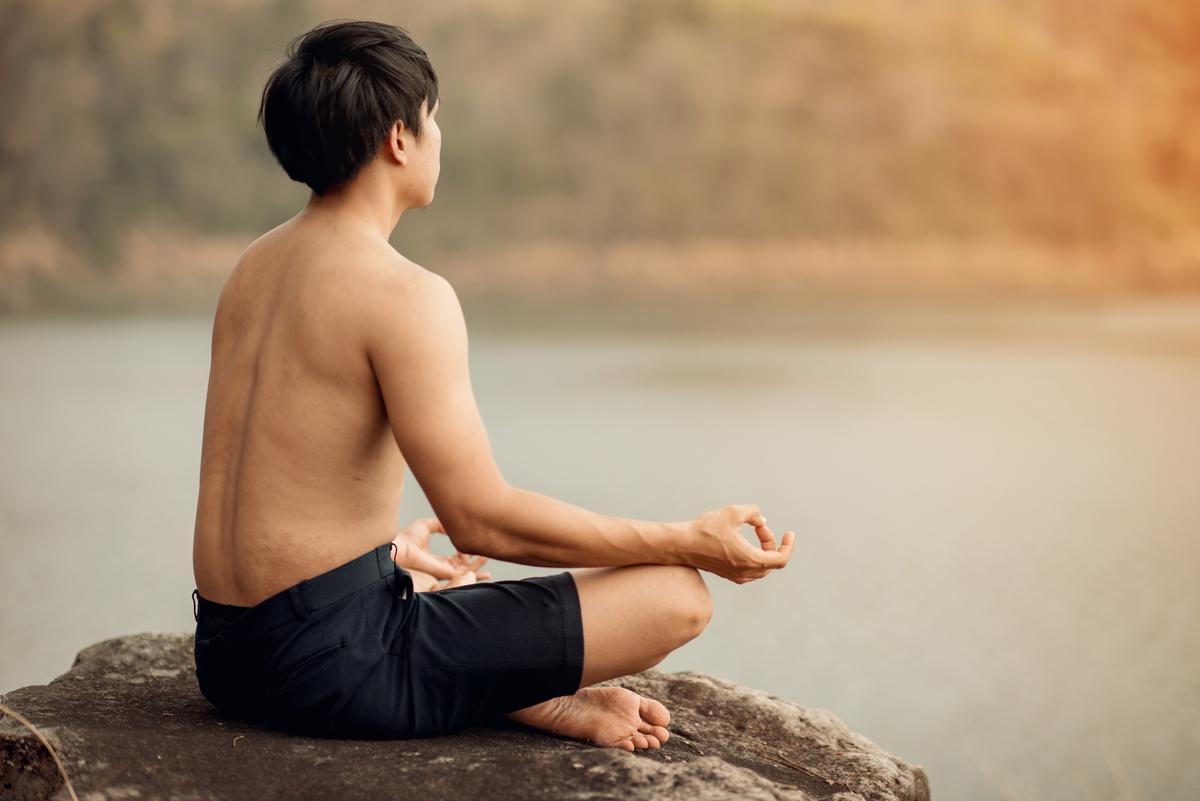
The new study shows that those gains in attention observed immediately after retreat were partly maintained seven years later Credit: Shutterstock/605112092
Improvements in the ability to sustain attention, developed through intensive meditation training, are maintained up to seven years later, according to a new study published in the Journal of Cognitive Enhancement.

The research is based on the Shamatha Project, a major investigation of the cognitive, psychological and biological effects of meditation, led by researchers at the University of California, Davis, Center for Mind and Brain.

"This study is the first to offer evidence that intensive and continued meditation practice is associated with enduring improvements in sustained attention and response inhibition, with the potential to alter longitudinal trajectories of cognitive change across a person's life," said first author Anthony Zanesco, postdoctoral researcher at the University of Miami, who began work on the project before starting his Ph.D. program in psychology at UC Davis.

The project is led by Clifford Saron, research scientist at the Center for Mind and Brain, in collaboration with a large group of researchers.

The Shamatha Project is a comprehensive longitudinal study of intensive meditation and has drawn the attention of scientists and Buddhist scholars alike, including the Dalai Lama, who has endorsed the project.

It examines the effects of two intensive meditation retreats held in 2007 at the Shambhala Mountain Center in Red Feather Lakes, Colorado, US. The study followed 60 experienced meditators who attended these three-month meditation retreats and received ongoing instruction in meditation techniques from Buddhist scholar, author and teacher B. Alan Wallace of the Santa Barbara Institute for Consciousness Studies. They attended group meditation sessions twice a day and engaged in individual practice for about six hours a day.

Immediately after the study, participants in the meditation retreat showed improvements in attention as well as in general psychological well-being and ability to cope with stress.

Since the retreats, the researchers have followed up with participants at six and 18 months, and most recently at seven years. The 40 participants who remained in the study at this latest follow-up all reported that they continued some form of meditation practice over the seven-year period, equivalent to about an hour a day on average.

The new study shows that those gains in attention observed immediately after retreat were partly maintained seven years later, especially for older participants who maintained a more diligent meditation practice over the seven years. Compared to those who practiced less, these participants maintained cognitive gains and did not show typical patterns of age-related decline in sustained attention.

The participants' lifestyle or personality might also have contributed to the observations, Zanesco noted. Benefits from meditation appeared to have plateaued after the retreats, even in participants who practiced the most: This could have implications for how much meditation can, in fact, influence human cognition and the workings of the brain, he said.

RELATED STORIES
  Can meditation and yoga 'reverse' harmful DNA reactions?


Wellness-focused mind-body interventions – such as meditation, yoga and tai chi – appear to be able to 'reverse' harmful molecular reactions in DNA.
  FEATURE: Editor’s letter: Join the meditation club


A new breed of boutique studio is showing how meditation and mindfulness can be packaged in a way that engages today’s consumer, says Kate Cracknell
  FEATURE: Meditation: Brain gyms


A new breed of meditation studio in the US is offering drop-in sessions for people wanting to take time out from their stressful lives. Is this set to become a global trend?
  Yogic breathing helps fight major depression, study shows


A breathing-based meditation practice known as Sudarshan Kriya yoga helped alleviate severe depression in people who did not fully respond to antidepressant treatments, reports a new study published in the Journal of Clinical Psychiatry from researchers in the Perelman School of Medicine at the University of Pennsylvania.
MORE NEWS
Healing sanctuary Tulah Clinical Wellness opens in Kerala
Tulah Clinical Wellness, a holistic wellness destination, has officially opened in the hills of northern Kerala, India.
Four Seasons Resort The Nam Hai creates Global Wellness Day programme rooted in nature
Four Seasons Resort The Nam Hai in Hoi An, Vietnam, has put together a Global Wellness Day (GWD) agenda with activations rooted in nature and shaped by four pillars of Joy – in alignment with the day’s theme #JoyMagenta.
Wellness care hospital opens in Vilnius with innovative spa and hospitality concept
Lithuanian care operator Addere Care has launched a new “wellness care hospital” in Vilnius.
Rainer Maelzer joins Therme Group as chief entertainment officer
Rainer Maelzer, an experiential entertainment innovator, has been appointed chief entertainment officer by Therme Group.
+ More news   

FEATURED SUPPLIERS

Spa Life – where spa leaders grow together
The Spa Life UK Convention returns from 21–23 June 2026 at Whittlebury Park Hotel, Spa & Golf Resort, bringing together spa managers, directors and owners for two days of focused education, meaningful connection and commercial insight. [more...]

Why future-ready in-house laundry is the new luxury spa essential
In today’s premium spa environment, every detail shapes the guest experience – right down to the softness of towels and the freshness of linens. [more...]
+ More featured suppliers  
COMPANY PROFILES
TAC | The Assistant Company

Founded in 2001, TAC is an owner-managed company with more than 110 employees and four locations: in [more...]
Agilysys UK Ltd

Agilysys, Inc. (Nasdaq: AGYS), is a leading global provider of hospitality software solutions that [more...]
+ More profiles  
CATALOGUE GALLERY
 

+ More catalogues  

DIRECTORY
+ More directory  
DIARY


09-11 Jun 2026

World Sauna Forum 2026

Savutuvan Apaja, Haapaniemi, Finland
09-12 Jun 2026

W3Spa EMEA

Hotel Cascais Miragem Health & Spa, Portugal
+ More diary  
 
ABOUT LEISURE MEDIA
LEISURE MEDIA MAGAZINES
LEISURE MEDIA HANDBOOKS
LEISURE MEDIA WEBSITES
LEISURE MEDIA PRODUCT SEARCH
 
SPA BUSINESS
SPA OPPORTUNITIES
SPA BUSINESS HANDBOOK
PRINT SUBSCRIPTIONS
FREE DIGITAL SUBSCRIPTIONS
ADVERTISE . CONTACT US

Leisure Media
Tel: +44 (0)1462 431385

©Cybertrek 2026
Uniting the world of spa & wellness
Get Spa Business and Spa Business insider digital magazines FREE
Sign up here ▸
News   Products   Magazine   Subscribe
NEWS
Seven-year follow-up shows lasting cognitive gains from meditation
POSTED 11 Apr 2018 . BY Jane Kitchen
The new study shows that those gains in attention observed immediately after retreat were partly maintained seven years later Credit: Shutterstock/605112092
Improvements in the ability to sustain attention, developed through intensive meditation training, are maintained up to seven years later, according to a new study published in the Journal of Cognitive Enhancement.

The research is based on the Shamatha Project, a major investigation of the cognitive, psychological and biological effects of meditation, led by researchers at the University of California, Davis, Center for Mind and Brain.

"This study is the first to offer evidence that intensive and continued meditation practice is associated with enduring improvements in sustained attention and response inhibition, with the potential to alter longitudinal trajectories of cognitive change across a person's life," said first author Anthony Zanesco, postdoctoral researcher at the University of Miami, who began work on the project before starting his Ph.D. program in psychology at UC Davis.

The project is led by Clifford Saron, research scientist at the Center for Mind and Brain, in collaboration with a large group of researchers.

The Shamatha Project is a comprehensive longitudinal study of intensive meditation and has drawn the attention of scientists and Buddhist scholars alike, including the Dalai Lama, who has endorsed the project.

It examines the effects of two intensive meditation retreats held in 2007 at the Shambhala Mountain Center in Red Feather Lakes, Colorado, US. The study followed 60 experienced meditators who attended these three-month meditation retreats and received ongoing instruction in meditation techniques from Buddhist scholar, author and teacher B. Alan Wallace of the Santa Barbara Institute for Consciousness Studies. They attended group meditation sessions twice a day and engaged in individual practice for about six hours a day.

Immediately after the study, participants in the meditation retreat showed improvements in attention as well as in general psychological well-being and ability to cope with stress.

Since the retreats, the researchers have followed up with participants at six and 18 months, and most recently at seven years. The 40 participants who remained in the study at this latest follow-up all reported that they continued some form of meditation practice over the seven-year period, equivalent to about an hour a day on average.

The new study shows that those gains in attention observed immediately after retreat were partly maintained seven years later, especially for older participants who maintained a more diligent meditation practice over the seven years. Compared to those who practiced less, these participants maintained cognitive gains and did not show typical patterns of age-related decline in sustained attention.

The participants' lifestyle or personality might also have contributed to the observations, Zanesco noted. Benefits from meditation appeared to have plateaued after the retreats, even in participants who practiced the most: This could have implications for how much meditation can, in fact, influence human cognition and the workings of the brain, he said.

RELATED STORIES
Can meditation and yoga 'reverse' harmful DNA reactions?


Wellness-focused mind-body interventions – such as meditation, yoga and tai chi – appear to be able to 'reverse' harmful molecular reactions in DNA.

FEATURE: Editor’s letter: Join the meditation club


A new breed of boutique studio is showing how meditation and mindfulness can be packaged in a way that engages today’s consumer, says Kate Cracknell
FEATURE: Meditation: Brain gyms


A new breed of meditation studio in the US is offering drop-in sessions for people wanting to take time out from their stressful lives. Is this set to become a global trend?
Yogic breathing helps fight major depression, study shows


A breathing-based meditation practice known as Sudarshan Kriya yoga helped alleviate severe depression in people who did not fully respond to antidepressant treatments, reports a new study published in the Journal of Clinical Psychiatry from researchers in the Perelman School of Medicine at the University of Pennsylvania.
MORE NEWS
Healing sanctuary Tulah Clinical Wellness opens in Kerala
Tulah Clinical Wellness, a holistic wellness destination, has officially opened in the hills of northern Kerala, India.
Four Seasons Resort The Nam Hai creates Global Wellness Day programme rooted in nature
Four Seasons Resort The Nam Hai in Hoi An, Vietnam, has put together a Global Wellness Day (GWD) agenda with activations rooted in nature and shaped by four pillars of Joy – in alignment with the day’s theme #JoyMagenta.
Wellness care hospital opens in Vilnius with innovative spa and hospitality concept
Lithuanian care operator Addere Care has launched a new “wellness care hospital” in Vilnius.
Rainer Maelzer joins Therme Group as chief entertainment officer
Rainer Maelzer, an experiential entertainment innovator, has been appointed chief entertainment officer by Therme Group.
Global Wellness Summit announces 2026 theme: the science, art and soul of wellness
The Global Wellness Summit (GWS) will celebrate its 20th anniversary at the 2026 event in Phuket, Thailand, later this year with the theme: The Science, Art and Soul of Wellness.
All-inclusive eco-wellness development Auko to open near Vietnam’s Son Doong caves
Auko, an all-inclusive development, is opening in Phong Nha in Vietnam in Q3 2026, with a series of 30 tented eco-lodges and wellness hospitality operations by Lumina Wellbeing.
+ More news   
 
FEATURED SUPPLIERS

Spa Life – where spa leaders grow together
The Spa Life UK Convention returns from 21–23 June 2026 at Whittlebury Park Hotel, Spa & Golf Resort, bringing together spa managers, directors and owners for two days of focused education, meaningful connection and commercial insight. [more...]

Why future-ready in-house laundry is the new luxury spa essential
In today’s premium spa environment, every detail shapes the guest experience – right down to the softness of towels and the freshness of linens. [more...]
+ More featured suppliers  
COMPANY PROFILES
TAC | The Assistant Company

Founded in 2001, TAC is an owner-managed company with more than 110 employees and four locations: in [more...]
+ More profiles  
CATALOGUE GALLERY
+ More catalogues  

DIRECTORY
+ More directory  
DIARY


09-11 Jun 2026

World Sauna Forum 2026

Savutuvan Apaja, Haapaniemi, Finland
09-12 Jun 2026

W3Spa EMEA

Hotel Cascais Miragem Health & Spa, Portugal
+ More diary  


ADVERTISE . CONTACT US

Leisure Media
Tel: +44 (0)1462 431385

©Cybertrek 2026

ABOUT LEISURE MEDIA
LEISURE MEDIA MAGAZINES
LEISURE MEDIA HANDBOOKS
LEISURE MEDIA WEBSITES
LEISURE MEDIA PRODUCT SEARCH
PRINT SUBSCRIPTIONS
FREE DIGITAL SUBSCRIPTIONS