|
The International Spa Association (ISPA) has published its full 2026 US Spa Industry Study, providing further insights into the region’s total US$1 billion (€855 million, £780 million) industry revenue increase from 2024 to 2025.
The study was commissioned by ISPA and conducted by PwC, with early findings revealed at the ISPA Conference 2026 in Las Vegas, US, earlier this year by longtime analysis collaborator Colin McIlheney.
The study’s ‘Big Five’, a snapshot and accessible benchmark for the industry, show:
-
Revenue rose to US$23.5 billion (€21.6 billion, £18.3 billion) in 2025, a 4.2 per cent increase over the previous year – when the figure was US$22.5 billion (€20.6 billion, £17.4 billion).
-
Spa visits reached 191 million, up 1.8 per cent on 2024's total of 187 million.
-
Spa locations grew to 22,060, a 0.4 per cent gain on 2024's 21,980.
-
Average revenue per spa visit increased to US$123 (€113, £96), up 2.3 per cent from 2024's US$120 (€110, £93).
-
Total employment reached 376,900 in January 2026, a 0.2 per cent increase from 2025's 376,200.
Economic context
The study highlights that the US economy performed well in 2025, though more slowly than in 2024. In terms of GDP, the economy expanded by 2.1 per cent in 2025, a decrease compared to 2.8 per cent in 2024.
Employment growth reflected an increase in the number of jobs by 0.5 per cent in 2025. The rate of job growth was slower than in 2024 (a rise of 1.2 per cent), but unemployment remained low in 2025 – averaging 4.4 per cent in 2025 compared to 4.1 in 2024.
Spa revenues
The US$1 billion (€855 million, £780 million) rise in total industry revenue growth between 2024 and 2025 (4.2 per cent) was less than the estimated 5.8 per cent expansion for 2024, but the US$23.5 billion (€21.6 billion, £18.3 billion) total represents an industry record.
Average revenue per spa establishment rose to US$1,063,000 (€909,000, £829,000), representing a 3.7 per cent increase on 2024’s US$1,024,000 (€875,000, £799,000).
Average spa revenue per visit may have increased to US$123 (€113, £96), up 2.3 per cent from 2024's US$120 (€110, £93), but this metric varies by spa type. The average visit to a resort or hotel spa generated US$181 (€155, £141) in revenue, compared with an average spend of US$110 (€94, £86) at day spas.
The report shows the percentage of services offered by different types of spa:
- Facials are offered by 99 per cent of day spas, 99 per cent of resort or hotel spas and 92 per cent of ‘other’ spas.
- LED light therapy is offered by 62 per cent of day spas, 58 per cent of resort or hotel spas and 74 per cent of ‘other’ spas.
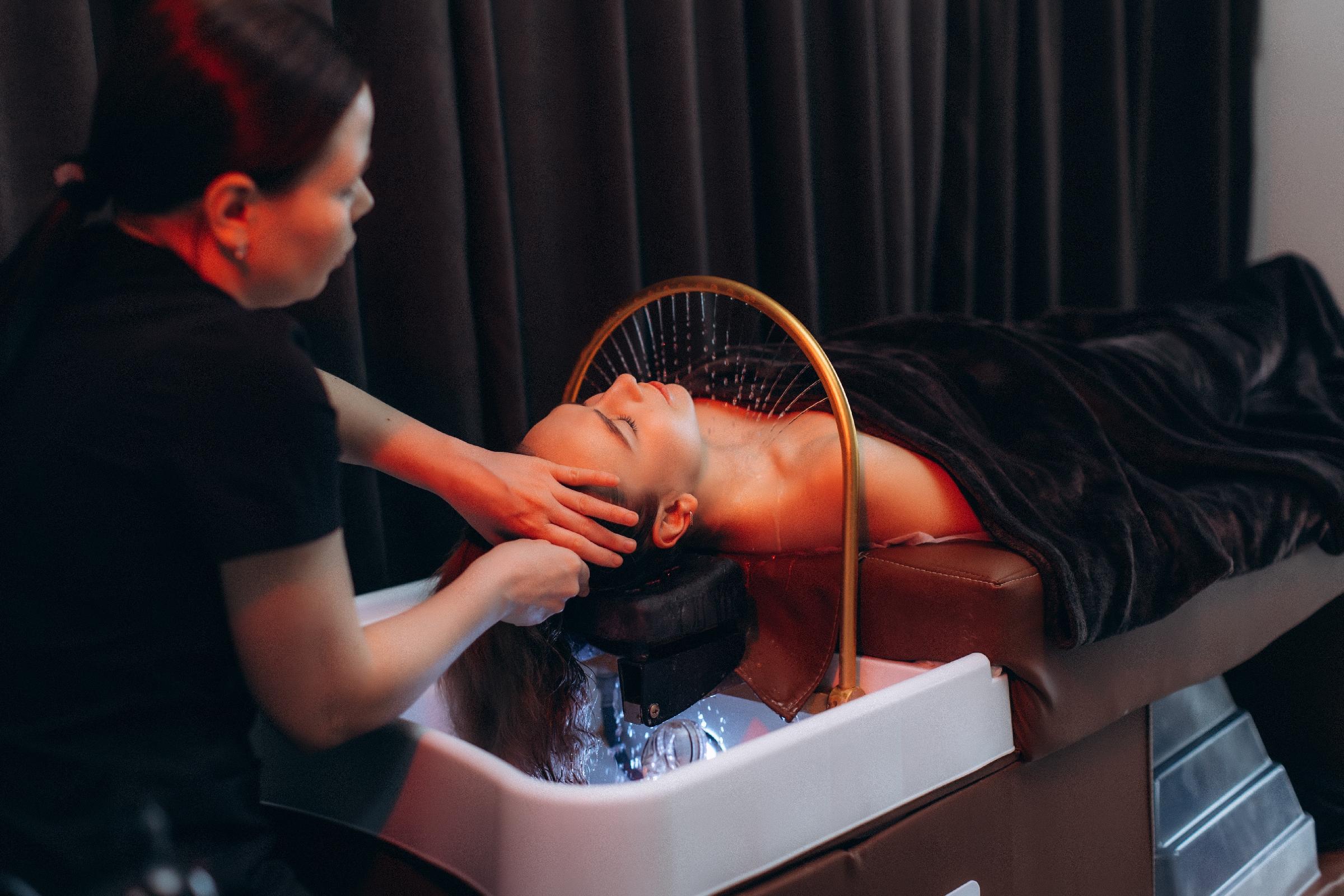
- Head spa treatments are on offer at 29 per cent of day spas, 33 per cent of resort or hotel spas and 23 per cent of ‘other’ spas.
- Percussive massage is offered by 13 per cent of day spas, 25 per cent of resort or hotel spas and 15 per cent of ‘other’ spas.
- Robotic massage is on offer at 1 per cent of day spas, 4 per cent of resort or hotel spas and 1 per cent of ‘other’ spas.
Spa locations and visits
The full report explores the types of spas that make up the 22,060 locations recorded in 2025. Seventy-eight per cent are day spas (17,200), 10 per cent are resort or hotel spas (2,210) and eight per cent are medi-spas (1,820).
The rest are club spas, destination spas and mineral spring spas.
The latest figures show spa visits almost on a par with pre-Covid-19 pandemic levels of 192 million in 2019 – with 191 million visits in 2025.
The average number of visits per spa establishment also rose by 1.4 per cent from 8,510 in 2024 to 8,640 in 2025.
Profitability
Within the resort and hotel market sector, 54 per cent of spas said their profit percentage was unchanged between 2024 and 2025 – remaining at 20 per cent or more.
Spas in other sectors said profitability was slightly lower in 2025, with 60 per cent of those surveyed saying their profit percentage exceeded 10 per cent – compared to 67 per cent of spas achieving this level of profit in 2024.
It’s worth noting that hotel and resort spas were asked to estimate this data for the spa operation only and not the entire business, while other types of spa were asked to give the approximate spa profit percentage before fixed charges.
Future concerns
Respondents again highlighted staffing as the single biggest challenge most frequently (one in three respondents). The concerns ranged from recruiting qualified and experienced staff across a variety of positions to retention, training, scheduling and payroll costs.
Seventeen per cent highlighted they were optimising their use of resources, staff, space, booking systems and growing their client base. These strategies included targeting mid-week business, improving marketing, offering memberships and integrating with nearby hotels.
One in 10 spas said their existing facilities pose a problem. Some said their current space is too small to meet demand or accommodate more services, including those that customers expect. Other spas said their facilities were ageing and required modernisation to enhance the guest experience.
Read the full report here.
If you would like to get each issue of Spa Business and Spa Business insider magazines sent direct to you for FREE, plus the weekly Spa Business and Spa Business insider ezines, sign up now!
|