Yes! Send me the FREE digital editions of Spa Business and Spa Business insider magazines and the FREE weekly Spa Business and Spa Business insider ezines and breaking news alerts!
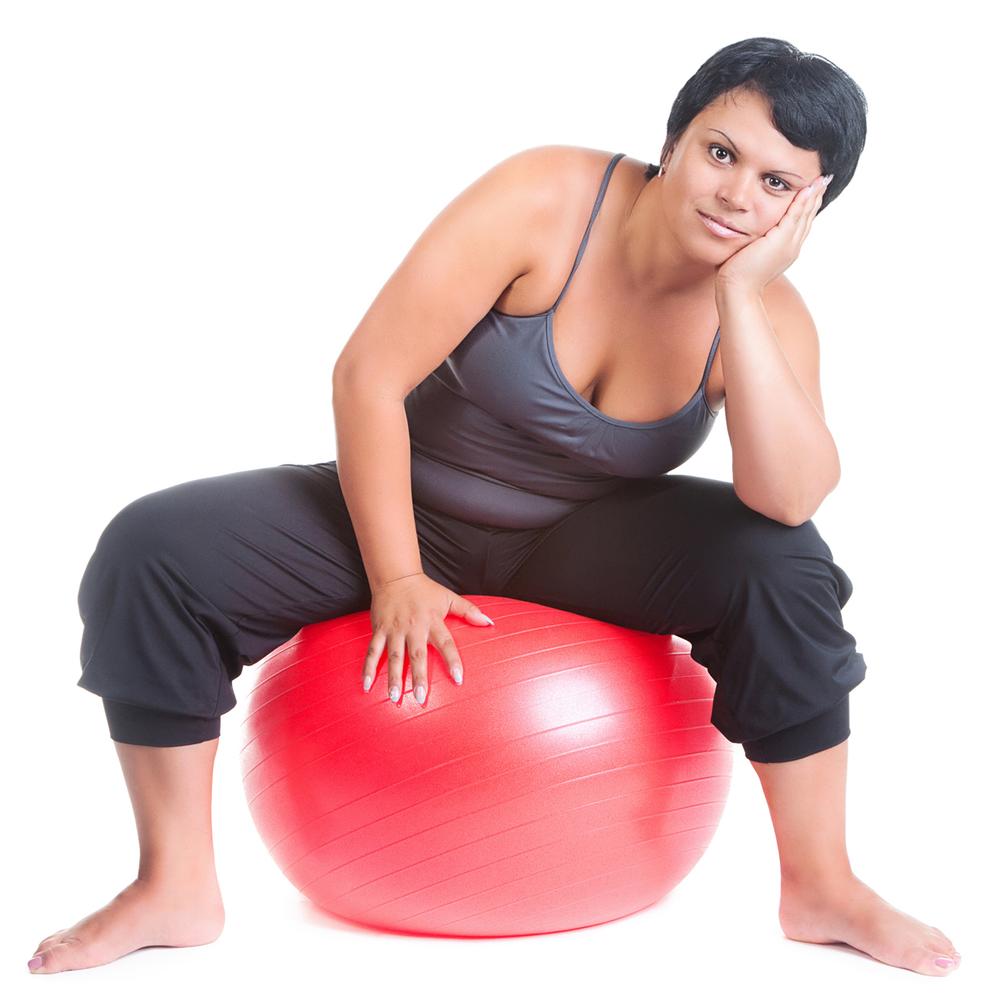
The industry should respond quickly to confusing media reports on exercise / photo: shutterstock.com/Vasiliy Koval
I was left very frustrated after watching the recent BBC documentary The Men Who Made Us Thin.
First of all, I felt the reporter seemed to have it in for the gym business in this very one-sided, confusing report. The reporter was trying to get across the point that exercise was not at all effective as a way of losing weight or preventing obesity. Is the BBC saying that doing no exercise will in fact make you thinner? I think a response to the report by the fitness industry is needed, so we can give our side of the story.
The government on the one hand spends millions of pounds on TV ads telling us all to get more active, to help prevent us getting fatter as a nation, and then the BBC comes up with a documentary that tells us not to bother, and that exercise doesn’t work in the battle against weight loss.
As those of us in the fitness industry have realised for some time now, exercise is not the magic bullet to weight loss – of course exercise will not bring about weight loss without some control of calorific intake. However, for the vast majority of normal people working out in our clubs, their daily workout expends an important amount of calories, helping them to maintain an energy balance which in turn keeps their weight constant – which in turn helps protect their health.
No wonder the public are confused! We, as a industry, need to respond to this kind of journalism.
We want to live to be 90 – but how do we live it well? Pew Research recently surveyed American attitudes on living to 120 and beyond, and found that 69 per cent of respondents wanted to live until somewhere between 79 and 100 years of age; 90 was the median ideal life span.
If that’s the case, we must change the way we age to extend our years of healthy life. But how? My tips as follows:
Anticipate success: Research has shown that people who think positively about getting older may live as much as 7.5 years longer than those who view this stage of life negatively.
Identify an activity or connection that sparks your enthusiasm and make it your lifeline. Keep learning: explore a new area of knowledge or learn a new type of physical activity. And volunteer: research shows that volunteers have higher levels of wellbeing and life satisfaction than non-volunteers.
Eat a balanced diet and attain/maintain a normal weight, and stay physically active. If you feel depressed or lacking in energy, talk to your doctor – don’t let apathy or lethargy drag you down. In many instances, exercising and eating right can help change your mood.
Most of all, emphasise the positive and don’t let your age, or anyone, deter you.
Colin Milner, CEO, ICAA
photo: shutterstock.com/Hugo Felix
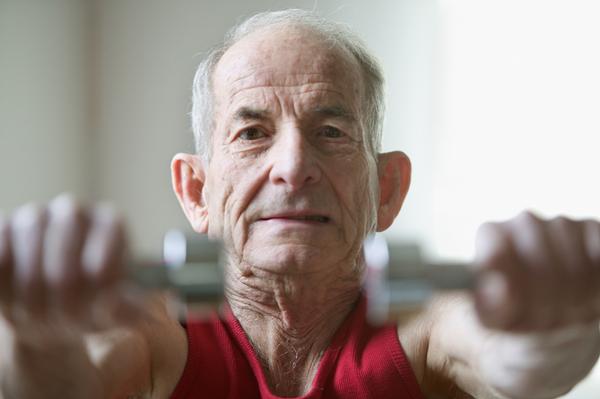
Exercise can play a key role in helping us live healthier, longer lives
The Spa Life UK Convention returns from 21–23 June 2026 at Whittlebury Park Hotel, Spa &
Golf Resort, bringing together spa managers, directors and owners for two days of focused
education, meaningful connection and commercial insight. [more...]
The industry should respond quickly to confusing media reports on exercise / photo: shutterstock.com/Vasiliy Koval
I was left very frustrated after watching the recent BBC documentary The Men Who Made Us Thin.
First of all, I felt the reporter seemed to have it in for the gym business in this very one-sided, confusing report. The reporter was trying to get across the point that exercise was not at all effective as a way of losing weight or preventing obesity. Is the BBC saying that doing no exercise will in fact make you thinner? I think a response to the report by the fitness industry is needed, so we can give our side of the story.
The government on the one hand spends millions of pounds on TV ads telling us all to get more active, to help prevent us getting fatter as a nation, and then the BBC comes up with a documentary that tells us not to bother, and that exercise doesn’t work in the battle against weight loss.
As those of us in the fitness industry have realised for some time now, exercise is not the magic bullet to weight loss – of course exercise will not bring about weight loss without some control of calorific intake. However, for the vast majority of normal people working out in our clubs, their daily workout expends an important amount of calories, helping them to maintain an energy balance which in turn keeps their weight constant – which in turn helps protect their health.
No wonder the public are confused! We, as a industry, need to respond to this kind of journalism.
We want to live to be 90 – but how do we live it well? Pew Research recently surveyed American attitudes on living to 120 and beyond, and found that 69 per cent of respondents wanted to live until somewhere between 79 and 100 years of age; 90 was the median ideal life span.
If that’s the case, we must change the way we age to extend our years of healthy life. But how? My tips as follows:
Anticipate success: Research has shown that people who think positively about getting older may live as much as 7.5 years longer than those who view this stage of life negatively.
Identify an activity or connection that sparks your enthusiasm and make it your lifeline. Keep learning: explore a new area of knowledge or learn a new type of physical activity. And volunteer: research shows that volunteers have higher levels of wellbeing and life satisfaction than non-volunteers.
Eat a balanced diet and attain/maintain a normal weight, and stay physically active. If you feel depressed or lacking in energy, talk to your doctor – don’t let apathy or lethargy drag you down. In many instances, exercising and eating right can help change your mood.
Most of all, emphasise the positive and don’t let your age, or anyone, deter you.
Colin Milner, CEO, ICAA
photo: shutterstock.com/Hugo Felix
Exercise can play a key role in helping us live healthier, longer lives
Global Wellness Day (GWD) marked its 15th anniversary on Saturday 13 June 2026, with the
theme: #JoyMagenta – a celebration of the healing qualities of simple gestures and activities
that spark joy.
Global luxury hospitality brand, Six Senses, has partnered with longevity healthcare provider,
HUM2N, to launch a clinic at Six Senses London, at The Whiteley.
As part of its first hotel partnership, Mayrlife – the medical health resort company known for its
site in Altaussee, Austria – has launched a day clinic at the Rosewood Vienna.
Premium London health club, KX Chelsea, will imminently unveil its most significant
redevelopment since its launch in 2002 to create an integrated wellness model combining
training, recovery and relaxation.
Rosewood Le Guanahani St Barth, on the northeast coast of Saint Barthélemy in the French
West Indies, is offering a programme of ocean-inspired yoga classes between 8-14 June to
celebrate Global Wellness Day (GWD).
Hotel de France, located on the British Isle of Jersey, has created a wellness retreat package
that includes a hot yoga session that will take place in Jersey Zoo’s butterfly sanctuary.
The Ritz-Carlton, Langkawi, in Malaysia, has revealed a schedule for Global Wellness Day
(GWD) that includes guided rainforest walks, mindful movement and guided coastal meditation
experiences.
Longevitix, a clinical platform for preventive and longevity medicine, has launched its AI-
powered intelligence system to help physicians deliver continuous, personalised longevity-
focused care at scale.
Atmantan Wellness Centre, an integrative wellness destination in Mulshi, near Pune in India, is
expanding its portfolio by adding a new centre in Hyderabad that will launch between 2028 and
2029.
The Spa Life UK Convention returns from 21–23 June 2026 at Whittlebury Park Hotel, Spa &
Golf Resort, bringing together spa managers, directors and owners for two days of focused
education, meaningful connection and commercial insight. [more...]