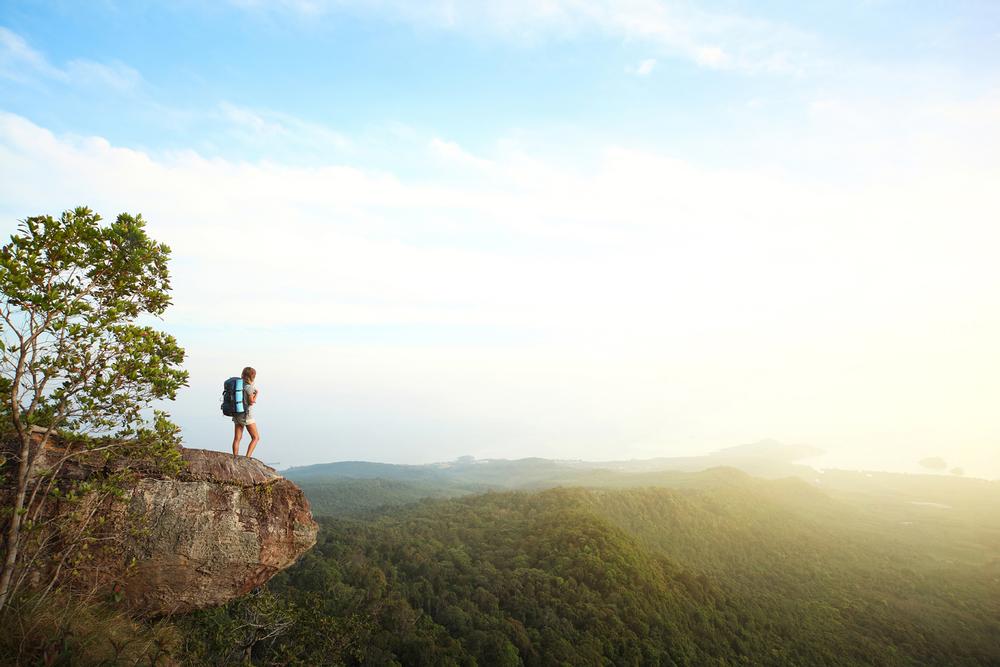
Millennials want to collect experiences rather than accumulate material possessions / shutterstock.com/Dudarev Mikhail
Much has been said about millennials, a 2.2 billion strong cohort which spans people who are in their late teens today to those in their early 30s. They’ve been described as an open, socially-conscious, optimistic and technologically-connected generation. What could not have been predicted is the profound effect of recent economic trends on their outlook and behaviours. In today’s stagnant developed markets, many young people have had to recalibrate their horizons as the affluence of their parents and grandparents may no longer be in their reach. Meanwhile, in emerging markets many millennials now enjoy unprecedented incomes and opportunities for new experiences.
Despite these differences there are three key trends shaping the lives of millennials, which spa, wellness and fitness facilities can tap into to connect with them.
Firstly, millennials across the world are facing new types of pressures, whether from the bleak job market and sluggish career ladders of the developed world, or from the rapid urbanisation and social transformation of emerging markets. This places a premium on experiences that help them switch off and relax, even if it’s a small treat or affordable luxury.
Secondly, millennials have come of age alongside growing concern about alarming obesity rates and the rise of healthcare costs. This means that health and wellness, and the personal responsibility for these, are much more at the forefront of their awareness. This opens up many opportunities to connect with them through holistic health and wellness propositions.
Finally, many millennials want to be collectors of experiences rather than simply accumulating possessions. They increasingly define themselves with what they do rather than what they have. Social networks give them ample chances to gain validation and status through sharing these experiences, whether it’s a special journey or an exquisite meal. Material status markers may still remain important for many millennials, especially in the developing world, however, even in these markets a post-materialist mindset is on the rise. A generation that increasingly seeks validation through experiences presents a unique opportunity for operators who are able move their imagination.
Millennial tribes Millennial lifestyles and perspectives are as diverse as those of any other generation. To unpack some of the nuances of this group, understanding how to engage with their passions and needs, The Futures Company created a global segmentation based on two unifying millennial traits.
The first is the way they use technology in their lives. Technology is essential for the way millennials engage with the world. What sets them apart is whether they value its functional aspects or the creative connections digital technology allows.
The second dimension is the way they express their identity and the extent to which they prioritise meaning and experiences over material pursuits. Looking at millennials through these paradigms highlights four distinct tribes:
Striders These individuals maintain their confidence and enthusiasm and are still riding the wave of materialism. They’ve been relatively unscathed by the recent economic downturn and are keen for success and all the material status markers that come along with it. Predictably, this segment is more likely to be found in fast-growing emerging markets, such as China and India.
Steppers Consumers in this group are cautious. The economic downturn affected them strongly, leaving them price-conscious and less optimistic about their future. They’re taking things step-by-step, considering each purchase decision with care and trying to choose wisely. This tribe is much more likely to be found in recessionary markets, such as Spain and France, where many young people have seen their opportunities narrow in recent years.
Satellites Millennials in this tribe are all about number one. They’re tech-mad and always keen to have the latest gadgets and shiniest software. Their world-view is narrow and performance-focused. Green issues simply don’t float their boat – they’re flying solo and have few responsibilities. Our segmentation shows that the Satellite tribe is important in the UK and is also well represented in China.
In China, we can explain this with the high pressure on young people to perform and strive for prosperity. This also drives a more-single minded pursuit of technologies that both facilitate and express the achievement of these priorities.
In the UK, the story behind Satellites is different. UK millennials face tough economic times in a previously flourishing economy. With a squeeze on jobs and a rising cost of living just as they’re coming of age, ‘looking out for myself’ becomes important to a greater number of people, as well as their need for getting things done faster and safer.
Spirits Spirits are poster children of the millennial generation. They’re open, connected and socially-conscious, directing their attention and purchasing power towards the things they’re interested in. They move through different spheres comfortably and are more likely to seek out lifestyles that enable them to succeed in life while also exposing them to a variety of experiences and personal passions. This tribe is important in the Americas – in the US and Brazil in particular. It’s also significant in Europe, where the recent rise in a tempered economic optimism is likely to help the Spirit mindset come to the forefront.
How to connect The four tribes have different needs and aspirations, highlighting that a ‘one size fits all’ approach will not be enough. There are opportunities to appeal to all four tribes and successful millennial brands have the ability to combine marketing modes that resonate with each segment in different ways.
Satellites get excited over technology and performance and will seek out services that do just that. In the fitness space, Nike has been very successful with reaching this group through its diverse performance tracking innovations from Nike+ to the Fuel Band. Operators can engage with this segment if they’re able to spark enthusiasm over new and shiny technological solutions.
On the other hand, Striders will be looking for services and experiences that enable them to express their achievements and status. Premium and luxury propositions are most likely to resonate with them, as much as experiences with a show-off factor. Nike has also connected with this segment by designing iconic and must-have items, such as some trainers in its Air Max range, and by launching these through savvy social media strategies that pique the curiosity of this exclusivity- and appearance-conscious tribe.
Just because Steppers are financially constrained, it doesn’t mean they’re out of range. Nike has been able to connect with this group in the recession by marketing some if its ranges as more durable and giving longer guarantees to reassure value-conscious Stepper shoppers. They’re unlikely to indulge in luxurious splurges but they will look for ways to disconnect from their daily pressures and anxieties and seek out much-needed boosts. Small beauty treatments such as an express manicure or day passes to spa facilities are some concrete treats they would be willing to give to themselves. Operators that show solidarity with this group, by guaranteeing value for money and access to much-appreciated small luxuries, will find a grateful audience among Steppers.
Spirits, the most connected and socially aware tribe, are the most likely to give a strong priority to seeking experiences and exploring the world around them. Operators have an opportunity to connect with them through novel and meaningful offers, including more holistic wellness treatments. They’re also the most engaged with social and environmental issues, hence sustainability-driven propositions will resonate well with them, as also seen with Nike’s numerous corporate social responsibility initiatives that build credibility among the Spirits tribe.
Mix and match Each tribe has distinct characteristics that require different approaches to marketing and service design. Businesses that are able to mix and match their strengths to appeal to the millennial tribes will be more successful in connecting with the next generation of spa and health club audiences.
Read more from this issue of Spa Business magazine
Letters: Letters
Why don't more spas participate in benchmarking schemes?
Interview: Andrew Gibson
The new VP of spa and wellness at FRHI tells Katie Barnes about his plans for spas in the Fairmont, Raffles and Swissôtel hotel chains
First person: Braving the Banya
Jak Phillips gets whacked with birch branches and endures two hours in an 80?C sauna – all in the name of wellness
Hotel spa: Green house
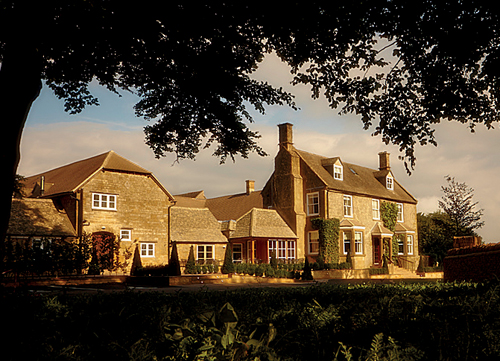
The family behind Ecover cleaning products invests in an idyllic hotel and spa set in the English countryside
Focus on: Gut restoration
The complex nervous system in our stomach is known as the second brain due to the impact it can have on everything from our mood to immunity. Julie Cramer investigates
Celebrity spa: Mane attraction
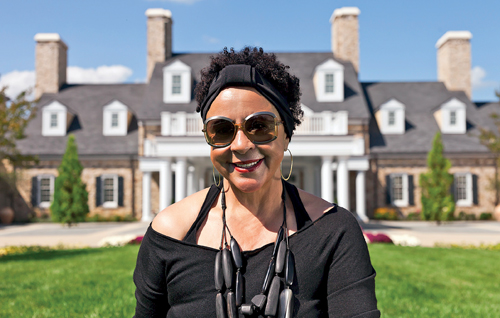
A passion for horses, wellness and business underpin the new US Salamander Resort & Spa that's owned by filmmaker Sheila C Johnson
Spa software: Operator case studies – part 2
Spa managers tell Kate Corney how they're using software to improve the performance of their businesses – from streamlining operations to keeping on top of revenue reports
Product focus: Private label
What companies offer white label skincare and products? And how can own-brand ranges benefit spas? Kate Corney finds out
Details for this millennials segmentation are based on data from Global MONITOR, The Futures Company’s annual global tracking survey. It drew insights from the responses of more than 8,500 16- to 31-year-olds in 20 countries.
The Futures Company is an award-winning, global strategic insight and innovation consultancy with global expertise in foresight and futures. Its teams in Europe, North America, Latin America and Asia work to unlock new sources of growth for clients through consultancy, global insight and a range of subscription solutions. To discuss how to better connect with millennials, get in touch with The Futures Company by contacting: Tel: +44 20 7955 1800 Twitter: @FuturesCo Email: [email protected] www.thefuturescompany.com
Vera Kiss is an analyst at The Futures Company’s London office Email: [email protected]
How millennials use technology can be a telltale sign of their passions and needs / shutterstock.com/ollyy
The Striders millennials tribe will seek out luxury and premium experiences / shutterstock.com/bart78
In today’s premium spa environment, every detail shapes the guest experience – right down to
the softness of towels and the freshness of linens. [more...]
Le Atelier by C.O.D.E. doesn't offer a standard bespoke service, it provides a highly
customised approach to designing massage beds and loungers in high-end wellness
environments. [more...]
+ More featured suppliers
COMPANY PROFILES
bbspa_Group
The technical advice offered by bbspa is
delivered via four specialist departments which offer turn [more...]
Prism Light Pod
Prism Light Pod launched its first
whole-body red light bed in 2016. We
expanded with the Prism Li [more...]
Millennials want to collect experiences rather than accumulate material possessions / shutterstock.com/Dudarev Mikhail
Much has been said about millennials, a 2.2 billion strong cohort which spans people who are in their late teens today to those in their early 30s. They’ve been described as an open, socially-conscious, optimistic and technologically-connected generation. What could not have been predicted is the profound effect of recent economic trends on their outlook and behaviours. In today’s stagnant developed markets, many young people have had to recalibrate their horizons as the affluence of their parents and grandparents may no longer be in their reach. Meanwhile, in emerging markets many millennials now enjoy unprecedented incomes and opportunities for new experiences.
Despite these differences there are three key trends shaping the lives of millennials, which spa, wellness and fitness facilities can tap into to connect with them.
Firstly, millennials across the world are facing new types of pressures, whether from the bleak job market and sluggish career ladders of the developed world, or from the rapid urbanisation and social transformation of emerging markets. This places a premium on experiences that help them switch off and relax, even if it’s a small treat or affordable luxury.
Secondly, millennials have come of age alongside growing concern about alarming obesity rates and the rise of healthcare costs. This means that health and wellness, and the personal responsibility for these, are much more at the forefront of their awareness. This opens up many opportunities to connect with them through holistic health and wellness propositions.
Finally, many millennials want to be collectors of experiences rather than simply accumulating possessions. They increasingly define themselves with what they do rather than what they have. Social networks give them ample chances to gain validation and status through sharing these experiences, whether it’s a special journey or an exquisite meal. Material status markers may still remain important for many millennials, especially in the developing world, however, even in these markets a post-materialist mindset is on the rise. A generation that increasingly seeks validation through experiences presents a unique opportunity for operators who are able move their imagination.
Millennial tribes Millennial lifestyles and perspectives are as diverse as those of any other generation. To unpack some of the nuances of this group, understanding how to engage with their passions and needs, The Futures Company created a global segmentation based on two unifying millennial traits.
The first is the way they use technology in their lives. Technology is essential for the way millennials engage with the world. What sets them apart is whether they value its functional aspects or the creative connections digital technology allows.
The second dimension is the way they express their identity and the extent to which they prioritise meaning and experiences over material pursuits. Looking at millennials through these paradigms highlights four distinct tribes:
Striders These individuals maintain their confidence and enthusiasm and are still riding the wave of materialism. They’ve been relatively unscathed by the recent economic downturn and are keen for success and all the material status markers that come along with it. Predictably, this segment is more likely to be found in fast-growing emerging markets, such as China and India.
Steppers Consumers in this group are cautious. The economic downturn affected them strongly, leaving them price-conscious and less optimistic about their future. They’re taking things step-by-step, considering each purchase decision with care and trying to choose wisely. This tribe is much more likely to be found in recessionary markets, such as Spain and France, where many young people have seen their opportunities narrow in recent years.
Satellites Millennials in this tribe are all about number one. They’re tech-mad and always keen to have the latest gadgets and shiniest software. Their world-view is narrow and performance-focused. Green issues simply don’t float their boat – they’re flying solo and have few responsibilities. Our segmentation shows that the Satellite tribe is important in the UK and is also well represented in China.
In China, we can explain this with the high pressure on young people to perform and strive for prosperity. This also drives a more-single minded pursuit of technologies that both facilitate and express the achievement of these priorities.
In the UK, the story behind Satellites is different. UK millennials face tough economic times in a previously flourishing economy. With a squeeze on jobs and a rising cost of living just as they’re coming of age, ‘looking out for myself’ becomes important to a greater number of people, as well as their need for getting things done faster and safer.
Spirits Spirits are poster children of the millennial generation. They’re open, connected and socially-conscious, directing their attention and purchasing power towards the things they’re interested in. They move through different spheres comfortably and are more likely to seek out lifestyles that enable them to succeed in life while also exposing them to a variety of experiences and personal passions. This tribe is important in the Americas – in the US and Brazil in particular. It’s also significant in Europe, where the recent rise in a tempered economic optimism is likely to help the Spirit mindset come to the forefront.
How to connect The four tribes have different needs and aspirations, highlighting that a ‘one size fits all’ approach will not be enough. There are opportunities to appeal to all four tribes and successful millennial brands have the ability to combine marketing modes that resonate with each segment in different ways.
Satellites get excited over technology and performance and will seek out services that do just that. In the fitness space, Nike has been very successful with reaching this group through its diverse performance tracking innovations from Nike+ to the Fuel Band. Operators can engage with this segment if they’re able to spark enthusiasm over new and shiny technological solutions.
On the other hand, Striders will be looking for services and experiences that enable them to express their achievements and status. Premium and luxury propositions are most likely to resonate with them, as much as experiences with a show-off factor. Nike has also connected with this segment by designing iconic and must-have items, such as some trainers in its Air Max range, and by launching these through savvy social media strategies that pique the curiosity of this exclusivity- and appearance-conscious tribe.
Just because Steppers are financially constrained, it doesn’t mean they’re out of range. Nike has been able to connect with this group in the recession by marketing some if its ranges as more durable and giving longer guarantees to reassure value-conscious Stepper shoppers. They’re unlikely to indulge in luxurious splurges but they will look for ways to disconnect from their daily pressures and anxieties and seek out much-needed boosts. Small beauty treatments such as an express manicure or day passes to spa facilities are some concrete treats they would be willing to give to themselves. Operators that show solidarity with this group, by guaranteeing value for money and access to much-appreciated small luxuries, will find a grateful audience among Steppers.
Spirits, the most connected and socially aware tribe, are the most likely to give a strong priority to seeking experiences and exploring the world around them. Operators have an opportunity to connect with them through novel and meaningful offers, including more holistic wellness treatments. They’re also the most engaged with social and environmental issues, hence sustainability-driven propositions will resonate well with them, as also seen with Nike’s numerous corporate social responsibility initiatives that build credibility among the Spirits tribe.
Mix and match Each tribe has distinct characteristics that require different approaches to marketing and service design. Businesses that are able to mix and match their strengths to appeal to the millennial tribes will be more successful in connecting with the next generation of spa and health club audiences.
Read more from this issue of Spa Business magazine
Letters: Letters
Why don't more spas participate in benchmarking schemes?
Interview: Andrew Gibson
The new VP of spa and wellness at FRHI tells Katie Barnes about his plans for spas in the Fairmont, Raffles and Swissôtel hotel chains
First person: Braving the Banya
Jak Phillips gets whacked with birch branches and endures two hours in an 80?C sauna – all in the name of wellness
Hotel spa: Green house
The family behind Ecover cleaning products invests in an idyllic hotel and spa set in the English countryside
Focus on: Gut restoration
The complex nervous system in our stomach is known as the second brain due to the impact it can have on everything from our mood to immunity. Julie Cramer investigates
Celebrity spa: Mane attraction
A passion for horses, wellness and business underpin the new US Salamander Resort & Spa that's owned by filmmaker Sheila C Johnson
Spa software: Operator case studies – part 2
Spa managers tell Kate Corney how they're using software to improve the performance of their businesses – from streamlining operations to keeping on top of revenue reports
Product focus: Private label
What companies offer white label skincare and products? And how can own-brand ranges benefit spas? Kate Corney finds out
Details for this millennials segmentation are based on data from Global MONITOR, The Futures Company’s annual global tracking survey. It drew insights from the responses of more than 8,500 16- to 31-year-olds in 20 countries.
The Futures Company is an award-winning, global strategic insight and innovation consultancy with global expertise in foresight and futures. Its teams in Europe, North America, Latin America and Asia work to unlock new sources of growth for clients through consultancy, global insight and a range of subscription solutions. To discuss how to better connect with millennials, get in touch with The Futures Company by contacting: Tel: +44 20 7955 1800 Twitter: @FuturesCo Email: [email protected] www.thefuturescompany.com
Vera Kiss is an analyst at The Futures Company’s London office Email: [email protected]
How millennials use technology can be a telltale sign of their passions and needs / shutterstock.com/ollyy
The Striders millennials tribe will seek out luxury and premium experiences / shutterstock.com/bart78
Rosewood Le Guanahani St Barth, on the northeast coast of Saint Barthélemy in the French
West Indies, is offering a programme of ocean-inspired yoga classes between 8-14 June to
celebrate Global Wellness Day (GWD).
Hotel de France, located on the British Isle of Jersey, has created a wellness retreat package
that includes a hot yoga session that will take place in Jersey Zoo’s butterfly sanctuary.
The Ritz-Carlton, Langkawi, in Malaysia, has revealed a schedule for Global Wellness Day
(GWD) that includes guided rainforest walks, mindful movement and guided coastal meditation
experiences.
Longevitix, a clinical platform for preventive and longevity medicine, has launched its AI-
powered intelligence system to help physicians deliver continuous, personalised longevity-
focused care at scale.
Atmantan Wellness Centre, an integrative wellness destination in Mulshi, near Pune in India, is
expanding its portfolio by adding a new centre in Hyderabad that will launch between 2028 and
2029.
A recent survey by the UK Spa Association (UKSA) into the industry’s approach to cancer care
has revealed that almost half of participating respondents (46 per cent) are unaware that
cancer is a disability and guests with a cancer diagnosis must be given
Mexican operator, Solmar Hotels and Resorts, is hosting a series of events in celebration of
Global Wellness Day, including a Temazcal ceremony at its Playa Grande Resort and Spa in Los
Cabos.
Mandarin Oriental has announced a standalone residence brand, Mansions, which will debut at
Emirates Palace, Mandarin Oriental Mansions, Abu Dhabi, in 2029.
Four Seasons Resort The Nam Hai in Hoi An, Vietnam, has put together a Global Wellness Day
(GWD) agenda with activations rooted in nature and shaped by four pillars of Joy – in
alignment with the day’s theme #JoyMagenta.
In today’s premium spa environment, every detail shapes the guest experience – right down to
the softness of towels and the freshness of linens. [more...]
Le Atelier by C.O.D.E. doesn't offer a standard bespoke service, it provides a highly
customised approach to designing massage beds and loungers in high-end wellness
environments. [more...]
+ More featured suppliers
COMPANY PROFILES
bbspa_Group The technical advice offered by bbspa is
delivered via four specialist departments which offer turn [more...]