Yes! Send me the FREE digital editions of Spa Business and Spa Business insider magazines and the FREE weekly Spa Business and Spa Business insider ezines and breaking news alerts!
Do you have a strong opinion, or disagree with somebody else’s point of view on topics related to the spa industry? If so, Spa Business would love to hear from you. Email your letters, thoughts and suggestions to [email protected]
Letters: Letters
Why don't more spas participate in benchmarking schemes?
Interview: Andrew Gibson
The new VP of spa and wellness at FRHI tells Katie Barnes about his plans for spas in the Fairmont, Raffles and Swissôtel hotel chains
First person: Braving the Banya
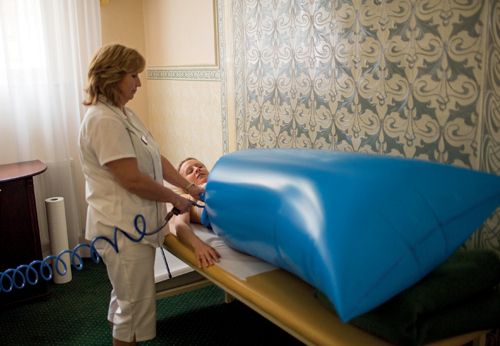
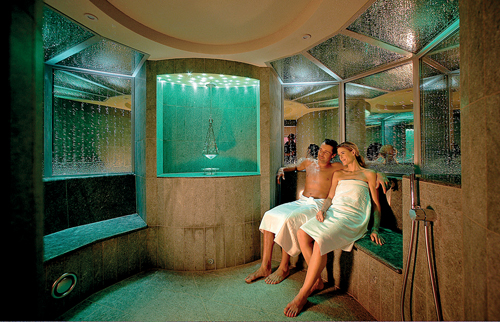
Jak Phillips gets whacked with birch branches and endures two hours in an 80?C sauna – all in the name of wellness
Hotel spa: Green house
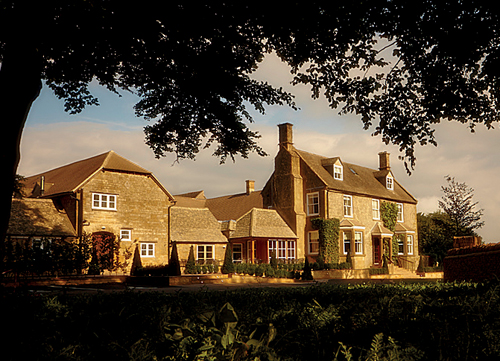
The family behind Ecover cleaning products invests in an idyllic hotel and spa set in the English countryside
Focus on: Gut restoration
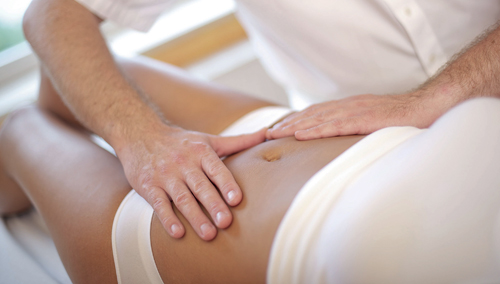
The complex nervous system in our stomach is known as the second brain due to the impact it can have on everything from our mood to immunity. Julie Cramer investigates
Celebrity spa: Mane attraction
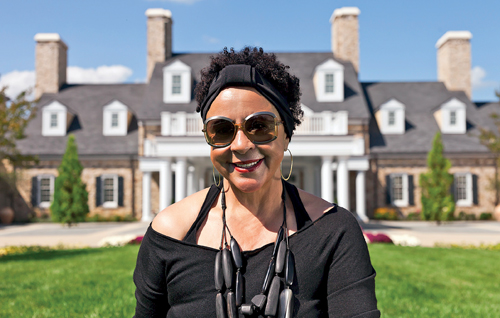
A passion for horses, wellness and business underpin the new US Salamander Resort & Spa that's owned by filmmaker Sheila C Johnson
Spa software: Operator case studies – part 2
Spa managers tell Kate Corney how they're using software to improve the performance of their businesses – from streamlining operations to keeping on top of revenue reports
Product focus: Private label
What companies offer white label skincare and products? And how can own-brand ranges benefit spas? Kate Corney finds out
The profit and loss allocation in hotel spas will always raise an abundance of opinion, as highlighted in the recent article in Spa Business (see SB13/4 p42), but I continue to be perplexed at the lack of participation in benchmarking programmes – something which can have an even bigger impact on spa balance sheets.
At the first Global Spa & Wellness Summit in 2007, a benchmarking session was standing room only, which prompted Smith Travel Research (STR) to set up a standard reporting system for spas (see SB08/2 p21). After several years, participation still remains very low. Everyone agrees it’s needed, but how do we get businesses to actually participate? Maybe we need owners, lenders and asset companies to ask that question.
STR collects stats on spa revenue, utilisation and space. We can lament unfair cost allocations but this is often just a left pocket/right pocket financial transfer or budget discussion and doesn’t put the focus on what drives real value. We need to focus on building the spa top line. This means not only building revenue management skill sets and tools for our leaders, but also developing a revenue culture in our businesses.
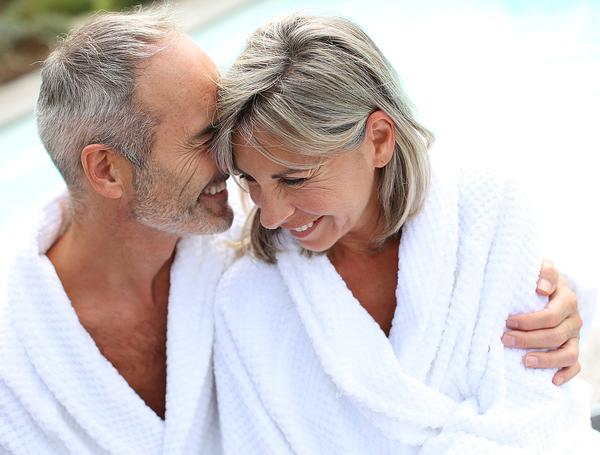
Focusing on the top line forces critical thinking about the customer. Knowing who the customer is drives everything – space, design and programming. A spa in an urban business hotel with a 65 per cent male audience might be completely different to another urban hotel positioning itself as a neighbourhood meeting place. I wish more projects developed a strategy in the concept phase and determined the main role of the spa: whether to increase asset value, enhance positioning, drive weekend room nights, be a key profit centre, or simply provide an amenity. We would have many more profitable projects if we identified the customer and the right revenue plan and space allocation at an early stage. Interestingly, these are almost the exact statistics that the STR benchmarking system collects.
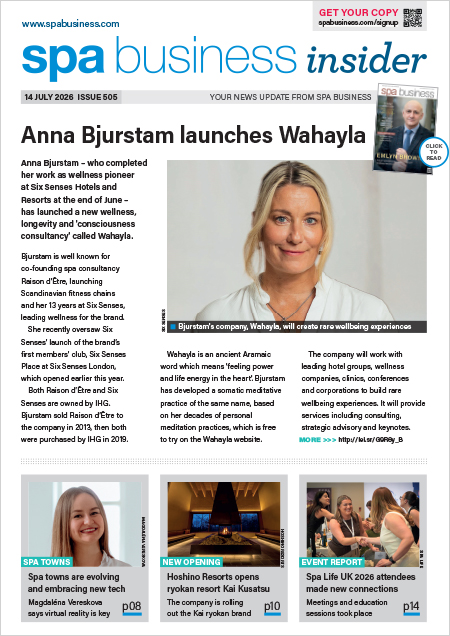
shutterstock/Goodluz
Benchmarking provides valuable data on spa customers, usage, revenue and space
Skincare needs to be more than just pot of cream
Filippo Ongaroanti-ageing medicine expert
I’d like to see less ‘dream selling’ and more reality in the skincare industry. Beauty should be more than a short-term fix, it should be a long-term approach combined with a healthy lifestyle – if you’re healthy on the inside, it reflects on the outside.
I come at this from a slightly different perspective. I used to be a physician for the European Space Agency – six months in space is like 10 years on Earth and one of my tasks was to counteract the effect of ageing, so anti-ageing medicine was a natural next step. I have my own clinic in Italy and am involved with various anti-ageing associations globally. Most recently, I was one of a group of experts, including a cardiologist, nutri-dermatologist and pharmacologist, who worked on Comfort Zone’s Skin Regimen line. To complement the skincare products, the company has also detailed nutrition and exercise programmes which help with preventative ageing.
I think more consumers should consider this approach. The science behind it can be very complex, but if delivered in a step by step way – along with education – it would be far more effective than just using a pot of cream!
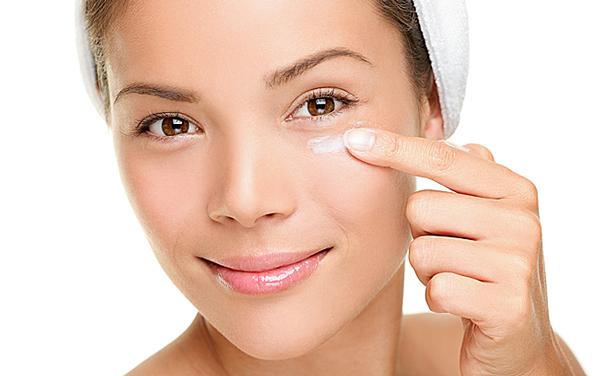
shutterstock/Ariwasabi
Skincare could be enhanced if lifestyle advice was given too
Spa resurgence in Japan
Tomonori Maruyamachief researcher/managerMitsui Knowledge Industry
It was great to read about how Hoshino Resorts is updating the traditional bathing/thermal spa model in Japan (see SB14/1 p68) as my company collaborated on some of the new approaches it’s incorporating.
Although thermal bathing in onsen is a centuries-old tradition in our country there’s been a resurrected interest in them recently. Last October saw the launch of the Global Hot Spring Initiative which sees representatives of hot spring facilities joining forces to help drive the sector forward. It only started with six members but this has steadily grown to 11 people worldwide who are in contact on a monthly basis with ideas of how to help this part of the industry grow.
The 2020 Tokyo Olympics is also going to have a big impact on the spa industry in Japan and one of the most interesting developments is Senkyaku Banari, which is being built close to one of the stadiums and which will include a large hot spring facility (see p18). The project, which will sit next to Tokyo’s relocated fish market, will include 140 sushi-related shops and restaurants for tourists and residents. It’s scheduled to open within the next two years and is expected to attract around 4 million visitors annually.
Elsewhere in Japan, some traditional Zen temples are providing their ascetic training (traditional spiritual exercise practice) for beginners. I really think this could grow rapidly as consumers increasingly seek solace from the stresses of every day life and as destination spas move away from pampering and further embrace exercise.
In short, there are some interesting innovations and developments to watch out for in the years ahead in Japan.
Read more: http://lei.sr?a=I9I0B
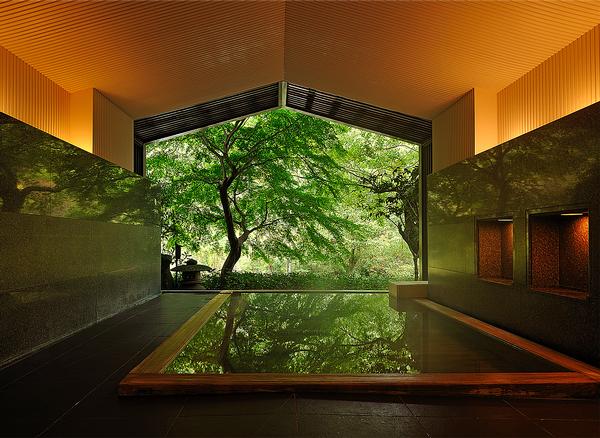
Hoshino Resorts is modernising the traditional thermal spa model in Japan
The Spa Life UK Convention returns from 21–23 June 2026 at Whittlebury Park Hotel, Spa &
Golf Resort, bringing together spa managers, directors and owners for two days of focused
education, meaningful connection and commercial insight. [more...]
Do you have a strong opinion, or disagree with somebody else’s point of view on topics related to the spa industry? If so, Spa Business would love to hear from you. Email your letters, thoughts and suggestions to [email protected]
Letters: Letters
Why don't more spas participate in benchmarking schemes?
Interview: Andrew Gibson
The new VP of spa and wellness at FRHI tells Katie Barnes about his plans for spas in the Fairmont, Raffles and Swissôtel hotel chains
First person: Braving the Banya
Jak Phillips gets whacked with birch branches and endures two hours in an 80?C sauna – all in the name of wellness
Hotel spa: Green house
The family behind Ecover cleaning products invests in an idyllic hotel and spa set in the English countryside
Focus on: Gut restoration
The complex nervous system in our stomach is known as the second brain due to the impact it can have on everything from our mood to immunity. Julie Cramer investigates
Celebrity spa: Mane attraction
A passion for horses, wellness and business underpin the new US Salamander Resort & Spa that's owned by filmmaker Sheila C Johnson
Spa software: Operator case studies – part 2
Spa managers tell Kate Corney how they're using software to improve the performance of their businesses – from streamlining operations to keeping on top of revenue reports
Product focus: Private label
What companies offer white label skincare and products? And how can own-brand ranges benefit spas? Kate Corney finds out
The profit and loss allocation in hotel spas will always raise an abundance of opinion, as highlighted in the recent article in Spa Business (see SB13/4 p42), but I continue to be perplexed at the lack of participation in benchmarking programmes – something which can have an even bigger impact on spa balance sheets.
At the first Global Spa & Wellness Summit in 2007, a benchmarking session was standing room only, which prompted Smith Travel Research (STR) to set up a standard reporting system for spas (see SB08/2 p21). After several years, participation still remains very low. Everyone agrees it’s needed, but how do we get businesses to actually participate? Maybe we need owners, lenders and asset companies to ask that question.
STR collects stats on spa revenue, utilisation and space. We can lament unfair cost allocations but this is often just a left pocket/right pocket financial transfer or budget discussion and doesn’t put the focus on what drives real value. We need to focus on building the spa top line. This means not only building revenue management skill sets and tools for our leaders, but also developing a revenue culture in our businesses.
Focusing on the top line forces critical thinking about the customer. Knowing who the customer is drives everything – space, design and programming. A spa in an urban business hotel with a 65 per cent male audience might be completely different to another urban hotel positioning itself as a neighbourhood meeting place. I wish more projects developed a strategy in the concept phase and determined the main role of the spa: whether to increase asset value, enhance positioning, drive weekend room nights, be a key profit centre, or simply provide an amenity. We would have many more profitable projects if we identified the customer and the right revenue plan and space allocation at an early stage. Interestingly, these are almost the exact statistics that the STR benchmarking system collects.

shutterstock/Goodluz
Benchmarking provides valuable data on spa customers, usage, revenue and space
Skincare needs to be more than just pot of cream
Filippo Ongaroanti-ageing medicine expert
I’d like to see less ‘dream selling’ and more reality in the skincare industry. Beauty should be more than a short-term fix, it should be a long-term approach combined with a healthy lifestyle – if you’re healthy on the inside, it reflects on the outside.
I come at this from a slightly different perspective. I used to be a physician for the European Space Agency – six months in space is like 10 years on Earth and one of my tasks was to counteract the effect of ageing, so anti-ageing medicine was a natural next step. I have my own clinic in Italy and am involved with various anti-ageing associations globally. Most recently, I was one of a group of experts, including a cardiologist, nutri-dermatologist and pharmacologist, who worked on Comfort Zone’s Skin Regimen line. To complement the skincare products, the company has also detailed nutrition and exercise programmes which help with preventative ageing.
I think more consumers should consider this approach. The science behind it can be very complex, but if delivered in a step by step way – along with education – it would be far more effective than just using a pot of cream!
shutterstock/Ariwasabi
Skincare could be enhanced if lifestyle advice was given too
Spa resurgence in Japan
Tomonori Maruyamachief researcher/managerMitsui Knowledge Industry
It was great to read about how Hoshino Resorts is updating the traditional bathing/thermal spa model in Japan (see SB14/1 p68) as my company collaborated on some of the new approaches it’s incorporating.
Although thermal bathing in onsen is a centuries-old tradition in our country there’s been a resurrected interest in them recently. Last October saw the launch of the Global Hot Spring Initiative which sees representatives of hot spring facilities joining forces to help drive the sector forward. It only started with six members but this has steadily grown to 11 people worldwide who are in contact on a monthly basis with ideas of how to help this part of the industry grow.
The 2020 Tokyo Olympics is also going to have a big impact on the spa industry in Japan and one of the most interesting developments is Senkyaku Banari, which is being built close to one of the stadiums and which will include a large hot spring facility (see p18). The project, which will sit next to Tokyo’s relocated fish market, will include 140 sushi-related shops and restaurants for tourists and residents. It’s scheduled to open within the next two years and is expected to attract around 4 million visitors annually.
Elsewhere in Japan, some traditional Zen temples are providing their ascetic training (traditional spiritual exercise practice) for beginners. I really think this could grow rapidly as consumers increasingly seek solace from the stresses of every day life and as destination spas move away from pampering and further embrace exercise.
In short, there are some interesting innovations and developments to watch out for in the years ahead in Japan.
Read more: http://lei.sr?a=I9I0B
Hoshino Resorts is modernising the traditional thermal spa model in Japan
Mass protests have been taking place since Monday 1 June in Albania over the development of
a luxury resort by Donald Trump’s daughter Ivanka Trump and her husband Jared Kushner.
Global Wellness Day (GWD) marked its 15th anniversary on Saturday 13 June 2026, with the
theme: #JoyMagenta – a celebration of the healing qualities of simple gestures and activities
that spark joy.
Global luxury hospitality brand, Six Senses, has partnered with longevity healthcare provider,
HUM2N, to launch a clinic at Six Senses London, at The Whiteley.
As part of its first hotel partnership, Mayrlife – the medical health resort company known for its
site in Altaussee, Austria – has launched a day clinic at the Rosewood Vienna.
Premium London health club, KX Chelsea, will imminently unveil its most significant
redevelopment since its launch in 2002 to create an integrated wellness model combining
training, recovery and relaxation.
Rosewood Le Guanahani St Barth, on the northeast coast of Saint Barthélemy in the French
West Indies, is offering a programme of ocean-inspired yoga classes between 8-14 June to
celebrate Global Wellness Day (GWD).
Hotel de France, located on the British Isle of Jersey, has created a wellness retreat package
that includes a hot yoga session that will take place in Jersey Zoo’s butterfly sanctuary.
The Ritz-Carlton, Langkawi, in Malaysia, has revealed a schedule for Global Wellness Day
(GWD) that includes guided rainforest walks, mindful movement and guided coastal meditation
experiences.
Longevitix, a clinical platform for preventive and longevity medicine, has launched its AI-
powered intelligence system to help physicians deliver continuous, personalised longevity-
focused care at scale.
Atmantan Wellness Centre, an integrative wellness destination in Mulshi, near Pune in India, is
expanding its portfolio by adding a new centre in Hyderabad that will launch between 2028 and
2029.
The Spa Life UK Convention returns from 21–23 June 2026 at Whittlebury Park Hotel, Spa &
Golf Resort, bringing together spa managers, directors and owners for two days of focused
education, meaningful connection and commercial insight. [more...]