Yes! Send me the FREE digital editions of Spa Business and Spa Business insider magazines and the FREE weekly Spa Business and Spa Business insider ezines and breaking news alerts!
Some product houses already offer lifestyle and nutritional advice, but how practical is it to do this? / Robert Przybysz/shutterstock.com
How we feel, what we eat and our overall lifestyle has an affect on our wellbeing, so it stands to reason that it also has a visible impact on our appearance as well. Psychodermatologists have built a profession on the belief that everyday stress is a trigger for a growing number of reactive skin conditions ranging from blushing and rosacea to acne and eczema. On p58 we delve deeper into the mind-skin connection. Meanwhile nutricosmetics, supplements which support the function and structure of the skin, is an industry in its own right: and one which is gaining much traction.
In our 2015 Spa Foresight™ report, (see SB15/3 p36), we predicted that given the growing demand for visible results, the next generation of skincare will take this into account and that treatments will be much more than the creams we put on our face or the supplements we take. We foresee a time when going for a facial will involve a specialist looking at the body as a whole, analysing lifestyle, psychological and nutritional factors and prescribing regimes which take into account these factors, as well as an appropriate treatment and skincare routine.
Product houses such as Dr NV Perricone, Comfort Zone, Gazelli and most recently Murad already offer lifestyle and nutritional advice as part of their service. But how are they rolling this out in spas and to what levels does this advice go?
The ramifications this will have for spa operations and the workforce also remain to be seen. Longer consultations will be inevitable, but is this feasible from a business point of view? Will it be necessary for therapists to be educated in psychology and nutrition? If so, how in-depth/long should training be? Who should give it and how can it be integrated into schedules, given there’s not always time for standard development and training in the first place? We ask the experts...
Read more from this issue of Spa Business magazine
View contents of Spa Business 2016 issue 2
Editor’s letter: Who will own the well-life consumer?
It’s the wild west out there and there’s a land grab going on as interested parties make their play to own the well-life consumer. It’s not clear yet how this will pan out as the industry matures, or where spa stands in the pecking order, but the threats are clear
Spa people: Tyler Gage
Runa’s Tyler Gage working with Channing Tatum on an Amazon healing centre
Spa people: Todd Hewitt
For the first time in four years, Shangri-La appoints a global head of spas. Spa Business talks to Todd Hewitt, the man to fill the role
Spa people: James White
Thermal spa researcher and consultant to head up major overhaul of Maruia Hot Springs in New Zealand
Interview: Irene Forte
Daughter of hotelier Sir Rocco Forte and niece of designer Olga Polizzi tells Jane Kitchen why the Rocco Forte Hotel’s new spa concept is a family affair
Design: Natural wonderland
Neena Dhillon visits the striking new Keemala resort and spa in Phuket and finds out about its unique design
Science: Skin deep
Modern research is redefining the way we think about skin. Neuroscientist Dr Claudia Aguirre explains what the findings mean for spas
Promotional feature: Clarins
Clarins’ head of Spas, My Blend and Retail, Prisca Courtin-Clarins, talks about the strides the company is making in highly prescriptive skincare, and the development of hotel spa concepts with the My Blend brand
Promotional feature: Massage Heights
There’s a clear gap in the UK spa market for an affordable local offering that places an emphasis on top-quality treatments and services. Is Massage Heights, the successful US franchise chain, the solution?
Promotional feature: Neaumorinc
From a director of spa at Four Seasons to an entrepreneur who introduces exciting new beauty brands to five-star facilities, Shawna Morneau’s experience on both sides of the industry is enabling her consultancy to have an impact worldwide
Promotional feature: Dr Burgener Switzerland
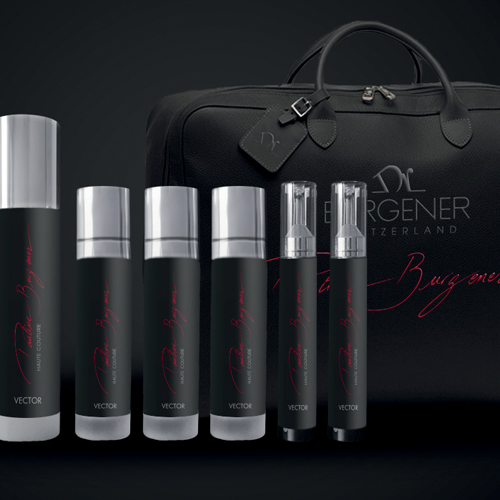
Dr Burgener Switzerland to launch Haute Couture, a revolutionary skin treatment that personalises product and treatments to each person’s skin, using cutting-edge technology
Sensory zone: Set adrift
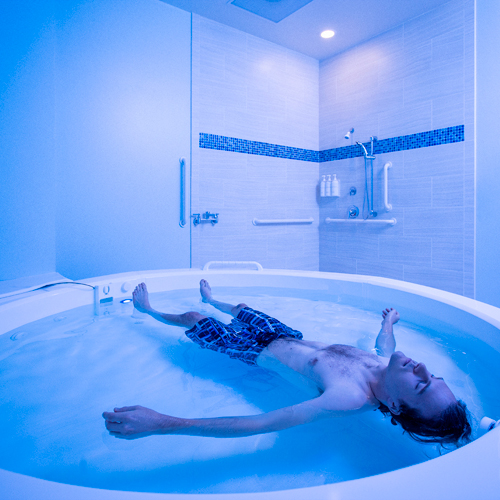
Niamh Madigan talks to researcher Justin Feinstein who thinks floatation could be a shortcut to meditation
Fitness: Defying gravity
The founder of AntiGravity® Aerial Yoga tells Niamh Madigan about the technique and a new suspension massage he’s developing for spas
Promotional feature: Gharieni
As Gharieni prepares to celebrate 25 years in the industry, founder and CEO Sammy Gharieni talks about the company’s culture of innovation, and how there will so many more exciting products to come
Barbara GavazzoliInternational marketing directorComfort Zone
Barbara Gavazzoli
What we eat and how often, when we exercise and our mental balance are all factors which influence the way we look and can definitely have an impact on the efficacy of skincare.
This forms the basis of our lifestyle guidebook which has been created with the input from our Scientific Committee – comprising medicine, nutrition, pharmacology, dermatology, genetic and psychology experts – to detail the mechanisms that regulate the ageing process, particularly in relation to the skin. The guidebook, which is available in our spas, gives healthy tips, recipes and remedies to avoid accelerated ageing.
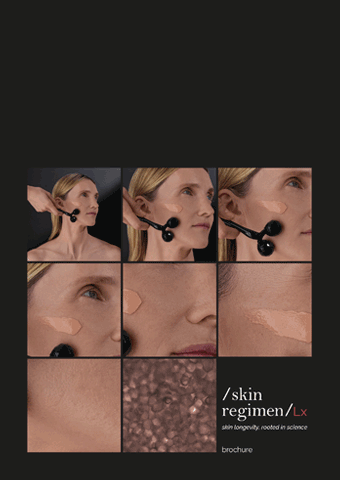
These findings also underpin our best-selling Skin Regimen line which combines skincare products with suggested food supplements and lifestyle recommendations for an overall ‘skin diet’.
Therapists have a very important role in embracing this holistic approach. They need to become lifestyle coaches and motivate guests. Comfort Zone gives an in-depth, one-day class and training manual (plus the lifestyle guidebook) to provide therapists with nutritional and lifestyle recommendations for specific sessions. We also organise seminars and classes, not only with our trainers, but also with the Scientific Committee.
Before the Skin Regimen Longevity Facial, there’s a 15-minute consultation with a questionnaire to better understand client habits and an in-depth visual analysis. The Skin Expert Analyzer test also measures hydration, sensitivity, dyschromia, sebum and wrinkle levels to truly understand skincare needs.
Spas charge around US$60 (€53, £43) for the service which only takes half the time of a traditional facial. Thanks to the ingredients and our signature neuromuscular techniques inspired by the kabat method, we can offer amazing results in just 30 minutes. Independent efficacy tests show it can increase skin moisture by 26 per cent and wrinkles appear reduced by 17 per cent.
We believe that conscious consumers, and definitely millennials, will request this kind of approach to skincare more and more. As a consequence, spas will need to evolve their offering as well.
Italian spa brand Comfort Zone distributes to more than 40 countries. Gavazzoli has worked for the company since 1998.
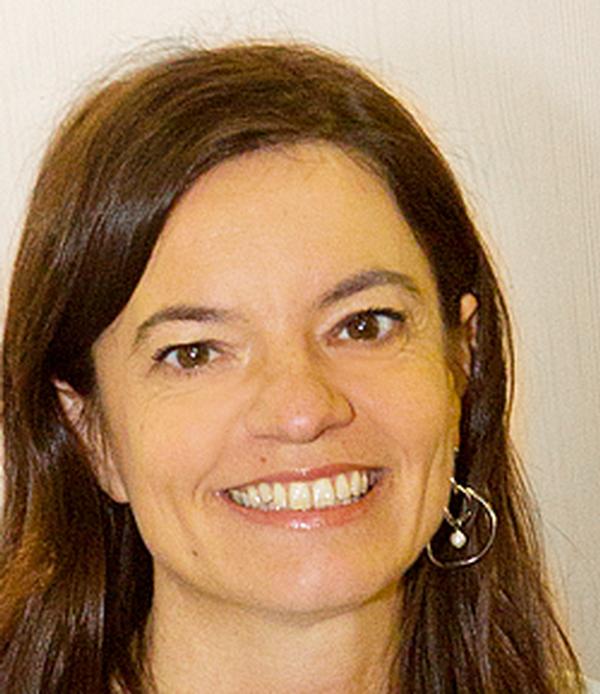
Dr Claudia Aguirre Neuroscientist & mind-body expert
Dr Claudia Aguirre
Psychological stress can end up on the skin as redness, rashes, pimples and general inflammation and can dehydrate otherwise healthy skin. Stress also inhibits healing, so that rash or pimple will take even longer to heal. On the other hand, psychological wellbeing can result in a healthy skin appearance.
In a way, spas already address this by offering a place of relaxation where skin therapists or bodyworkers provide relief. A thorough consultation covering details about client stress levels, diet and lifestyle, combined with a proper skin health assessment is critical to an effective treatment. The more a skin therapist knows about a client’s habit and lifestyle choices, the better the treatment.
There’s definitely a limit to how far spa advice should go. Only someone with a medical licence, or a licensed clinical psychologist can recommend antidepressants or anxiolytic drug use, for example. And skincare therapists are not ‘therapists’ in the sense of dealing with psychological trauma or disorders – if a client comes with a recurring problem that’s considered psychological in nature, they should gently open a dialogue about speaking to a professional.
What a therapist would be able to explain is the effects of stress on the skin. They could also give lifestyle advice, perhaps suggesting techniques to relieve stress at home or a modality such as meditation. Education is key to this, although finding the right expert or trusted educational resources on the nuances of treating stressed skin could be challenging, as the field of psychodermatology is relatively new.
How would spas go about implementing a combined psychological/skincare programme? Perhaps just providing comfort and lifestyle tips can be a starting point. A more advanced facility could go so far as having a licensed clinical psychologist on board. Educational material for clients could also be useful.
Thinking about the entire person when treating the skin is not new, but is often forgotten. Time can be a challenge – lifestyle consultations may take longer and impact on treatment schedules – but the advantages of yielding better results far outweigh the extra minutes spent learning about that person.
Dr Aguirre is a neuroscientist specialising in the mind-body connection. She works with many companies in the health and wellness industry, including Comfort Zone.
"There’s definitely a limit to how far spa advice should go... skincare therapists are not ‘therapists’ in the sense of dealing with psychological trauma or disorders"
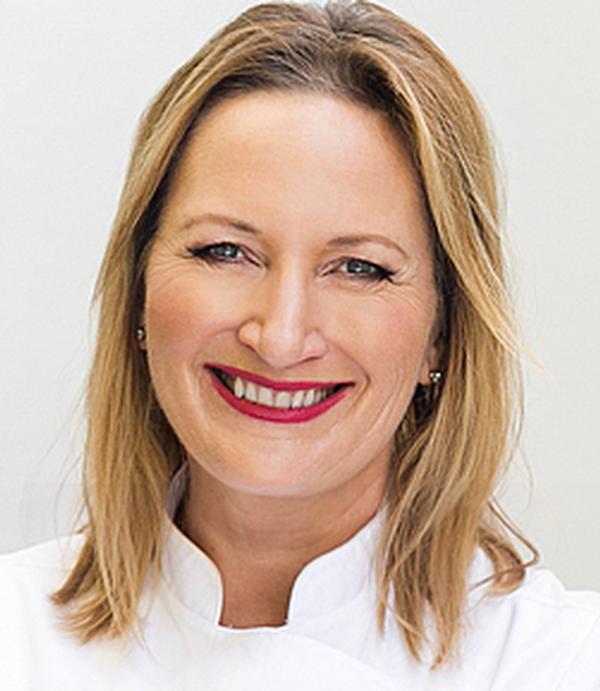
Samantha GowingChef, nutritionist & mentorFood Health Wealth
Samantha Gowing
Great skin starts in the belly with the best diets including plenty of vitamin C-rich fruit and vegetables such as citrus and dark, green leafy vegetables. In Australia, I use kakadu plum (gubinge) which has the highest vitamin C content of any food. It also has high folate and is an antioxidant, so it’s beneficial to skin because it helps reduce free radical damage, such as wrinkling and other sun damage. In addition, it helps collagen synthesis, which plumps up the skin.
Skincare nutrition is something that spas should absolutely address. In the spa and hotel kitchens I work in, I always consult with the therapist to ensure we have a concurrent ‘food as medicine’ theme running through the resort. My work is predominately in the kitchen and advice is not delivered by the spa, but I do see this changing as therapists become more involved in how to eat for better skin.
If spas were to implement a combined nutritional/skincare programme, it would be essential to have a credited, qualified health practitioner who can back up therapist claims with research. As soon as staff start prescribing supplements or a specific eating regime then it becomes the nutritionist’s domain. A therapist will only be able to deliver such advice if they’re a qualified nutritionist – it depends on the location, but in the majority of countries you cannot make loosely-based claims on nutritional healing.
Another challenge would be to ensure a spa is nutritionist-approved. This would require an initial outlay for a independent business which could conduct nutrition audits and a critical path analysis for pre-opening, launching and ongoing high-standard procedure checks.
But if these correct channels are followed the benefits will pay off. The healing lines between the spa and the kitchen are becoming more integrated. Spas which want to stay ahead of the game would be wise to incorporate food as medicine into their menu offering.
Gowing is one of Australia’s top spa chefs and works for operators such as Gwinganna, Kempinski and Four Seasons.
"My work is predominately in the kitchen and advice is not delivered in spas, but I do see this changing as therapists become more involved in how to eat for better skin"
Jamila AskarovaCo-founderGazelli
Jamila Askarova
Nothing in the body works in isolation and at Gazelli House London we’ve worked with psychologists, nutritionists, skincare and lifestyle experts to create a tool to assess guests’ physical and emotional wellbeing as well as their skincare needs. This approach began more than 40 years ago with my mother, genetic scientist, Dr Hamzayeva. Specialising in preventative medicine, a thorough patient and family history were crucial to her treatment programmes.
Our three-stage diagnostics procedure takes 45 minutes and costs £50 (US$71, €63). It allows us firstly to gather an in-depth background on each guest’s core values, lifestyle, priorities and emotional state. We then conduct the skin diagnostics – a seven-phase analysis of fundamental skin characteristics – and teach guests how to read their own skin. To conclude, we create a Prescriptive Facial based on these findings and suggest a blend of appropriate products, massage techniques and technologies for a subsequent session. This additional 60-minute Prescriptive Facial is priced at £160 (US$227, €199).
Following the analysis, guests are also referred to relevant practitioners and workshops – we have specialists in nutrition, life coaching, hypnotherapy, energy work, body image and breathing – to support other areas of their life.
Of course a diagnostic approach isn’t easy. The key challenges are in the customer journey, pricing strategy and showing unwavering support to the guest when dealing with personal matters.
Some guests aren’t ready to engage on an emotional level and it’s important not to force it. So after extensive trialling, we concluded that the full three-stage diagnosis should remain optional rather than included in all treatments.
The training of our team is crucial – when a client does open up it’s important that they’re met on an emotional level. All of our facial and body experts are hand-picked and undergo an extensive three-week programme with our head of education as well as private sessions or workshops with each practitioner.
The diagnostic and prescribed treatment programme earn their place not strictly through revenue, but through the loyalty of guests and cross-referrals to our other practitioners and workshops. Though challenging, the benefits of this next generation of skincare are undeniable. If you’re dedicated to helping guests find an authentic sense of balance and happiness, it’s possible to build a lasting, honest relationship, and trust and loyalty is earned through continuing positive results.
Askarova co-founded Gazelli with her mother in the late 90s. Gazelli has a flagship spa in Azerbaijan and in London.
Le Atelier by C.O.D.E. doesn't offer a standard bespoke service, it provides a highly
customised approach to designing massage beds and loungers in high-end wellness
environments. [more...]
+ More featured suppliers
COMPANY PROFILES
Voya Organic Beauty
Voya Organic Beauty, founded in 2006 in Ireland by Mark Walton and Kira Guckian Walton, is a private [more...]
Some product houses already offer lifestyle and nutritional advice, but how practical is it to do this? / Robert Przybysz/shutterstock.com
How we feel, what we eat and our overall lifestyle has an affect on our wellbeing, so it stands to reason that it also has a visible impact on our appearance as well. Psychodermatologists have built a profession on the belief that everyday stress is a trigger for a growing number of reactive skin conditions ranging from blushing and rosacea to acne and eczema. On p58 we delve deeper into the mind-skin connection. Meanwhile nutricosmetics, supplements which support the function and structure of the skin, is an industry in its own right: and one which is gaining much traction.
In our 2015 Spa Foresight™ report, (see SB15/3 p36), we predicted that given the growing demand for visible results, the next generation of skincare will take this into account and that treatments will be much more than the creams we put on our face or the supplements we take. We foresee a time when going for a facial will involve a specialist looking at the body as a whole, analysing lifestyle, psychological and nutritional factors and prescribing regimes which take into account these factors, as well as an appropriate treatment and skincare routine.
Product houses such as Dr NV Perricone, Comfort Zone, Gazelli and most recently Murad already offer lifestyle and nutritional advice as part of their service. But how are they rolling this out in spas and to what levels does this advice go?
The ramifications this will have for spa operations and the workforce also remain to be seen. Longer consultations will be inevitable, but is this feasible from a business point of view? Will it be necessary for therapists to be educated in psychology and nutrition? If so, how in-depth/long should training be? Who should give it and how can it be integrated into schedules, given there’s not always time for standard development and training in the first place? We ask the experts...
Read more from this issue of Spa Business magazine
View contents of Spa Business 2016 issue 2
Editor’s letter: Who will own the well-life consumer?
It’s the wild west out there and there’s a land grab going on as interested parties make their play to own the well-life consumer. It’s not clear yet how this will pan out as the industry matures, or where spa stands in the pecking order, but the threats are clear
Spa people: Tyler Gage
Runa’s Tyler Gage working with Channing Tatum on an Amazon healing centre
Spa people: Todd Hewitt
For the first time in four years, Shangri-La appoints a global head of spas. Spa Business talks to Todd Hewitt, the man to fill the role
Spa people: James White
Thermal spa researcher and consultant to head up major overhaul of Maruia Hot Springs in New Zealand
Interview: Irene Forte
Daughter of hotelier Sir Rocco Forte and niece of designer Olga Polizzi tells Jane Kitchen why the Rocco Forte Hotel’s new spa concept is a family affair
Design: Natural wonderland
Neena Dhillon visits the striking new Keemala resort and spa in Phuket and finds out about its unique design
Science: Skin deep
Modern research is redefining the way we think about skin. Neuroscientist Dr Claudia Aguirre explains what the findings mean for spas
Promotional feature: Clarins
Clarins’ head of Spas, My Blend and Retail, Prisca Courtin-Clarins, talks about the strides the company is making in highly prescriptive skincare, and the development of hotel spa concepts with the My Blend brand
Promotional feature: Massage Heights
There’s a clear gap in the UK spa market for an affordable local offering that places an emphasis on top-quality treatments and services. Is Massage Heights, the successful US franchise chain, the solution?
Promotional feature: Neaumorinc
From a director of spa at Four Seasons to an entrepreneur who introduces exciting new beauty brands to five-star facilities, Shawna Morneau’s experience on both sides of the industry is enabling her consultancy to have an impact worldwide
Promotional feature: Dr Burgener Switzerland
Dr Burgener Switzerland to launch Haute Couture, a revolutionary skin treatment that personalises product and treatments to each person’s skin, using cutting-edge technology
Sensory zone: Set adrift
Niamh Madigan talks to researcher Justin Feinstein who thinks floatation could be a shortcut to meditation
Fitness: Defying gravity
The founder of AntiGravity® Aerial Yoga tells Niamh Madigan about the technique and a new suspension massage he’s developing for spas
Promotional feature: Gharieni
As Gharieni prepares to celebrate 25 years in the industry, founder and CEO Sammy Gharieni talks about the company’s culture of innovation, and how there will so many more exciting products to come
Barbara GavazzoliInternational marketing directorComfort Zone
Barbara Gavazzoli
What we eat and how often, when we exercise and our mental balance are all factors which influence the way we look and can definitely have an impact on the efficacy of skincare.
This forms the basis of our lifestyle guidebook which has been created with the input from our Scientific Committee – comprising medicine, nutrition, pharmacology, dermatology, genetic and psychology experts – to detail the mechanisms that regulate the ageing process, particularly in relation to the skin. The guidebook, which is available in our spas, gives healthy tips, recipes and remedies to avoid accelerated ageing.
These findings also underpin our best-selling Skin Regimen line which combines skincare products with suggested food supplements and lifestyle recommendations for an overall ‘skin diet’.
Therapists have a very important role in embracing this holistic approach. They need to become lifestyle coaches and motivate guests. Comfort Zone gives an in-depth, one-day class and training manual (plus the lifestyle guidebook) to provide therapists with nutritional and lifestyle recommendations for specific sessions. We also organise seminars and classes, not only with our trainers, but also with the Scientific Committee.
Before the Skin Regimen Longevity Facial, there’s a 15-minute consultation with a questionnaire to better understand client habits and an in-depth visual analysis. The Skin Expert Analyzer test also measures hydration, sensitivity, dyschromia, sebum and wrinkle levels to truly understand skincare needs.
Spas charge around US$60 (€53, £43) for the service which only takes half the time of a traditional facial. Thanks to the ingredients and our signature neuromuscular techniques inspired by the kabat method, we can offer amazing results in just 30 minutes. Independent efficacy tests show it can increase skin moisture by 26 per cent and wrinkles appear reduced by 17 per cent.
We believe that conscious consumers, and definitely millennials, will request this kind of approach to skincare more and more. As a consequence, spas will need to evolve their offering as well.
Italian spa brand Comfort Zone distributes to more than 40 countries. Gavazzoli has worked for the company since 1998.
Dr Claudia Aguirre Neuroscientist & mind-body expert
Dr Claudia Aguirre
Psychological stress can end up on the skin as redness, rashes, pimples and general inflammation and can dehydrate otherwise healthy skin. Stress also inhibits healing, so that rash or pimple will take even longer to heal. On the other hand, psychological wellbeing can result in a healthy skin appearance.
In a way, spas already address this by offering a place of relaxation where skin therapists or bodyworkers provide relief. A thorough consultation covering details about client stress levels, diet and lifestyle, combined with a proper skin health assessment is critical to an effective treatment. The more a skin therapist knows about a client’s habit and lifestyle choices, the better the treatment.
There’s definitely a limit to how far spa advice should go. Only someone with a medical licence, or a licensed clinical psychologist can recommend antidepressants or anxiolytic drug use, for example. And skincare therapists are not ‘therapists’ in the sense of dealing with psychological trauma or disorders – if a client comes with a recurring problem that’s considered psychological in nature, they should gently open a dialogue about speaking to a professional.
What a therapist would be able to explain is the effects of stress on the skin. They could also give lifestyle advice, perhaps suggesting techniques to relieve stress at home or a modality such as meditation. Education is key to this, although finding the right expert or trusted educational resources on the nuances of treating stressed skin could be challenging, as the field of psychodermatology is relatively new.
How would spas go about implementing a combined psychological/skincare programme? Perhaps just providing comfort and lifestyle tips can be a starting point. A more advanced facility could go so far as having a licensed clinical psychologist on board. Educational material for clients could also be useful.
Thinking about the entire person when treating the skin is not new, but is often forgotten. Time can be a challenge – lifestyle consultations may take longer and impact on treatment schedules – but the advantages of yielding better results far outweigh the extra minutes spent learning about that person.
Dr Aguirre is a neuroscientist specialising in the mind-body connection. She works with many companies in the health and wellness industry, including Comfort Zone.
"There’s definitely a limit to how far spa advice should go... skincare therapists are not ‘therapists’ in the sense of dealing with psychological trauma or disorders"
Samantha GowingChef, nutritionist & mentorFood Health Wealth
Samantha Gowing
Great skin starts in the belly with the best diets including plenty of vitamin C-rich fruit and vegetables such as citrus and dark, green leafy vegetables. In Australia, I use kakadu plum (gubinge) which has the highest vitamin C content of any food. It also has high folate and is an antioxidant, so it’s beneficial to skin because it helps reduce free radical damage, such as wrinkling and other sun damage. In addition, it helps collagen synthesis, which plumps up the skin.
Skincare nutrition is something that spas should absolutely address. In the spa and hotel kitchens I work in, I always consult with the therapist to ensure we have a concurrent ‘food as medicine’ theme running through the resort. My work is predominately in the kitchen and advice is not delivered by the spa, but I do see this changing as therapists become more involved in how to eat for better skin.
If spas were to implement a combined nutritional/skincare programme, it would be essential to have a credited, qualified health practitioner who can back up therapist claims with research. As soon as staff start prescribing supplements or a specific eating regime then it becomes the nutritionist’s domain. A therapist will only be able to deliver such advice if they’re a qualified nutritionist – it depends on the location, but in the majority of countries you cannot make loosely-based claims on nutritional healing.
Another challenge would be to ensure a spa is nutritionist-approved. This would require an initial outlay for a independent business which could conduct nutrition audits and a critical path analysis for pre-opening, launching and ongoing high-standard procedure checks.
But if these correct channels are followed the benefits will pay off. The healing lines between the spa and the kitchen are becoming more integrated. Spas which want to stay ahead of the game would be wise to incorporate food as medicine into their menu offering.
Gowing is one of Australia’s top spa chefs and works for operators such as Gwinganna, Kempinski and Four Seasons.
"My work is predominately in the kitchen and advice is not delivered in spas, but I do see this changing as therapists become more involved in how to eat for better skin"
Jamila AskarovaCo-founderGazelli
Jamila Askarova
Nothing in the body works in isolation and at Gazelli House London we’ve worked with psychologists, nutritionists, skincare and lifestyle experts to create a tool to assess guests’ physical and emotional wellbeing as well as their skincare needs. This approach began more than 40 years ago with my mother, genetic scientist, Dr Hamzayeva. Specialising in preventative medicine, a thorough patient and family history were crucial to her treatment programmes.
Our three-stage diagnostics procedure takes 45 minutes and costs £50 (US$71, €63). It allows us firstly to gather an in-depth background on each guest’s core values, lifestyle, priorities and emotional state. We then conduct the skin diagnostics – a seven-phase analysis of fundamental skin characteristics – and teach guests how to read their own skin. To conclude, we create a Prescriptive Facial based on these findings and suggest a blend of appropriate products, massage techniques and technologies for a subsequent session. This additional 60-minute Prescriptive Facial is priced at £160 (US$227, €199).
Following the analysis, guests are also referred to relevant practitioners and workshops – we have specialists in nutrition, life coaching, hypnotherapy, energy work, body image and breathing – to support other areas of their life.
Of course a diagnostic approach isn’t easy. The key challenges are in the customer journey, pricing strategy and showing unwavering support to the guest when dealing with personal matters.
Some guests aren’t ready to engage on an emotional level and it’s important not to force it. So after extensive trialling, we concluded that the full three-stage diagnosis should remain optional rather than included in all treatments.
The training of our team is crucial – when a client does open up it’s important that they’re met on an emotional level. All of our facial and body experts are hand-picked and undergo an extensive three-week programme with our head of education as well as private sessions or workshops with each practitioner.
The diagnostic and prescribed treatment programme earn their place not strictly through revenue, but through the loyalty of guests and cross-referrals to our other practitioners and workshops. Though challenging, the benefits of this next generation of skincare are undeniable. If you’re dedicated to helping guests find an authentic sense of balance and happiness, it’s possible to build a lasting, honest relationship, and trust and loyalty is earned through continuing positive results.
Askarova co-founded Gazelli with her mother in the late 90s. Gazelli has a flagship spa in Azerbaijan and in London.
The Standards Authority for Touch in Cancer Care (SATCC) charity has announced its first five-
day Living with Cancer and Beyond retreat, which will be held at Carden Park Hotel and Spa in
Cheshire, UK, between 1 and 5 September.
Patmos Aktis, a Luxury Collection Resort and Spa, has opened in Greece, with a renovated and
rebranded wellness offering called Ansana Wellness and Spa.
The Mauna Kea Beach Hotel, an Autograph Collection property in Hawaii, US, has opened its
22,000 sq ft indoor-outdoor Spa at Mauna Kea as the final step in the property’s overall
renovation, which has cost more than US$180 million (€166 million, £140 mill
The UK spa review and discovery platform for consumers, the Good Spa Guide, has announced
it will host the Good Spa Guide Awards 2026 during an event on 16 November at Sopwell House
Hotel in St Albans, UK.
Eighty-four per cent of consumers now say wellness is a top priority in their lives, with this
percentage increasing year on year, according to a preview presentation of McKinsey’s Future of
Wellness 2026 research report.
Mass protests have been taking place since Monday 1 June in Albania over the development of
a luxury resort by Donald Trump’s daughter Ivanka Trump and her husband Jared Kushner.
Global Wellness Day (GWD) marked its 15th anniversary on Saturday 13 June 2026, with the
theme: #JoyMagenta – a celebration of the healing qualities of simple gestures and activities
that spark joy.
Global luxury hospitality brand, Six Senses, has partnered with longevity healthcare provider,
HUM2N, to launch a clinic at Six Senses London, at The Whiteley.
As part of its first hotel partnership, Mayrlife – the medical health resort company known for its
site in Altaussee, Austria – has launched a day clinic at the Rosewood Vienna.
Premium London health club, KX Chelsea, will imminently unveil its most significant
redevelopment since its launch in 2002 to create an integrated wellness model combining
training, recovery and relaxation.
Le Atelier by C.O.D.E. doesn't offer a standard bespoke service, it provides a highly
customised approach to designing massage beds and loungers in high-end wellness
environments. [more...]
+ More featured suppliers
COMPANY PROFILES
Voya Organic Beauty Voya Organic Beauty, founded in 2006 in Ireland by Mark Walton and Kira Guckian Walton, is a private [more...]