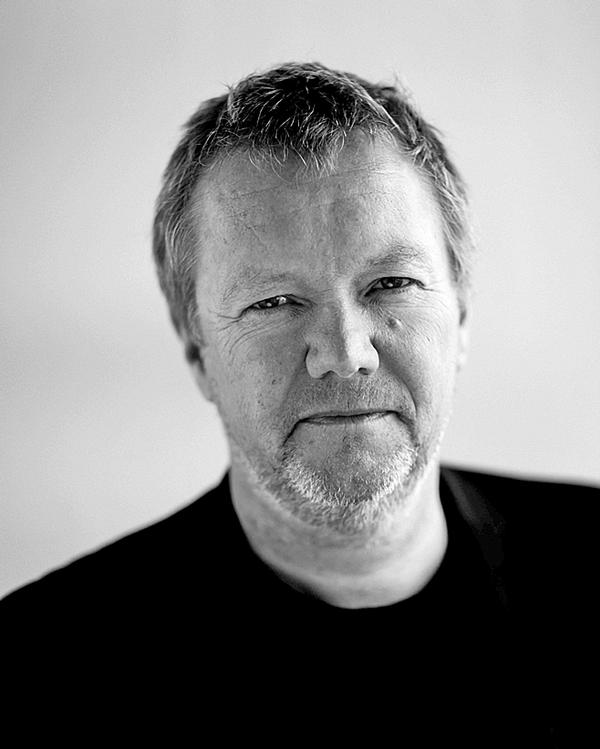
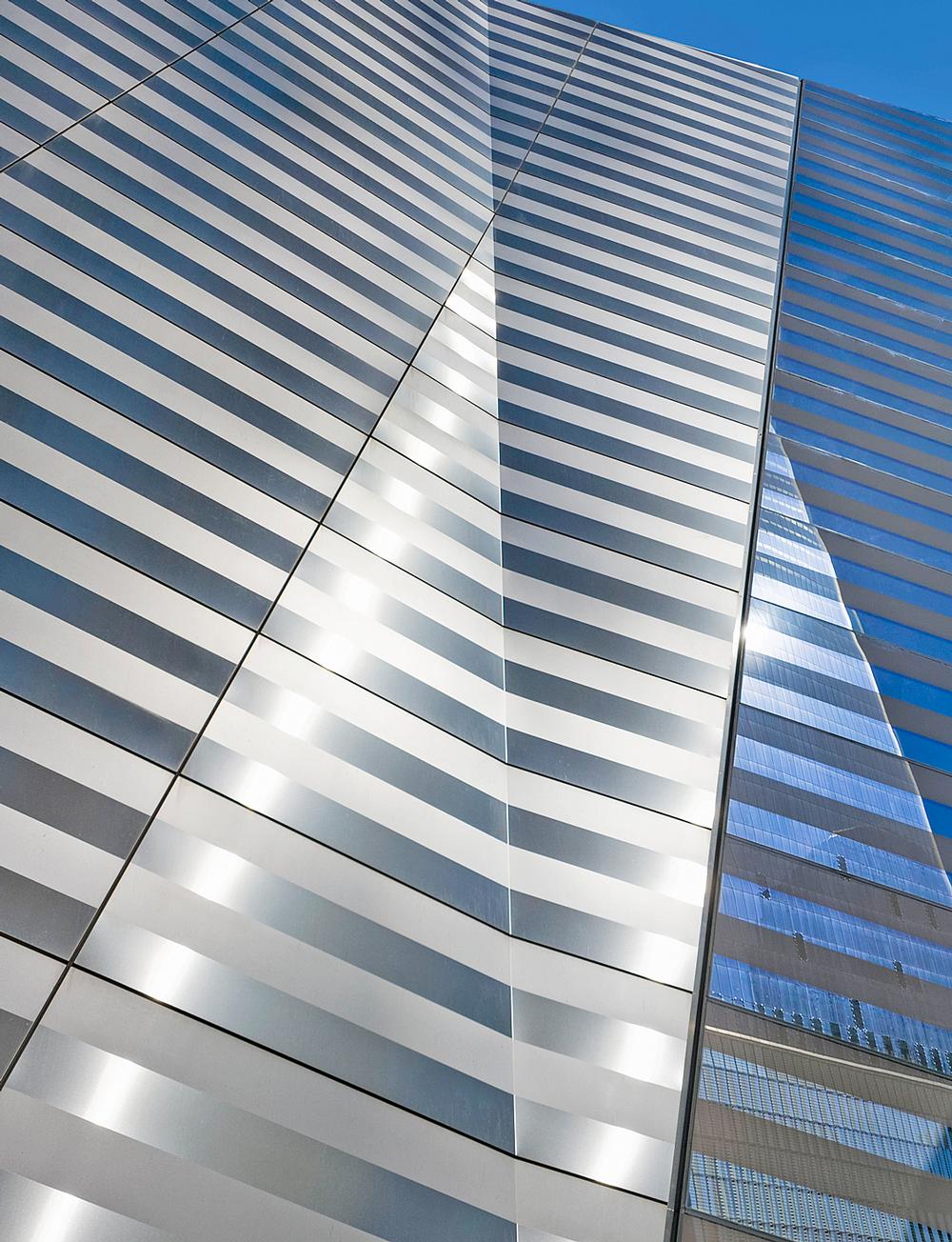
From the 9/11 Memorial Pavilion to SFMOMA and Norway’s opera house, Snøhetta’s portfolio of thoughtful, landscape-inspired works is growing at speed. Founding partner Kjetil Trædal Thorsen shares the practice philosophy
Kjetil Trædal Thorsen wanted a more collaborative approach to architecture
Snøhetta – the Oslo-based integrated design practice – was established in 1987 when a number of young architects and landscape architects set themselves up in an attic studio. Two years later, one of the group’s members, Kjetil Trædal Thorsen, together with fellow architect Craig Dykers, founded the shareholding company Snøhetta Architecture and Landscape AS.
Snøhetta was named after a Norwegian mountain, reflecting the firm’s core philosophy. A mountain, according to Thorsen, is both an object and a landscape, and therefore a perfect representation of the firm’s commitment to integrating architecture and landscape architecture in a single design process.
Two years after Snøhetta was born, the firm won its first big commission: the Alexandria Library. With two main studios in Oslo and New York, the practice now employs more than 160 people from 28 different countries.
The recent extension to the San Francisco Museum of Modern Art (SFMOMA), the Oslo Opera House, the 9/11 Memorial Museum pavilion and an ongoing collabroation with AESOP are among the firm’s major projects.
Why did you become an architect? My art teacher recommended I become an architect. I was interested in drawing, in art and in the sequence of producing things, whatever they might be: models, painting, sculptures or scratchboards. I had an interest in creating things, which led me to believe my teacher was right.
What were your aims when you set up Snøhetta? We had seen the need for collaboration between different professions dealing with our physical surroundings, such as urbanism, public art, landscape architecture and interior design. We were interested in trying to co-locate these disciplines in a profession-free environment where there could be broader collaboration – especially, in the beginning, between landscape architecture and architecture. The idea was that the borders between the professions would start to become a little more blurred, and one would influence the other. Landscape architecture would no longer just be the leftovers of whatever the architect did – the spaces between the buildings, filled with whatever was left of the budget. We started to look at more integrated ways of practising all the design disciplines related to our physical environment.
How does it work in practice? It’s a workshop-based process. We invite people from a range of professions from both within and outside Snøhetta, and sometimes from the client side as well. Then when you start doing the creative work, you leave your profession behind. It’s like a kind of roleplay. The process releases you from your basic responsibilities.
We call it transpositioning here, when the landscape architect becomes the architect, the architect becomes the artist, the artist becomes the sociologist, the sociologist the philosopher. For instance, when we were working on the Norwegian National Opera and Ballet, it was the guy writing librettos who more or less defined the movement of the public on their way to the opera house as part of a non-processional movement, which would on one hand be individually experienced and on the other hand collectively.
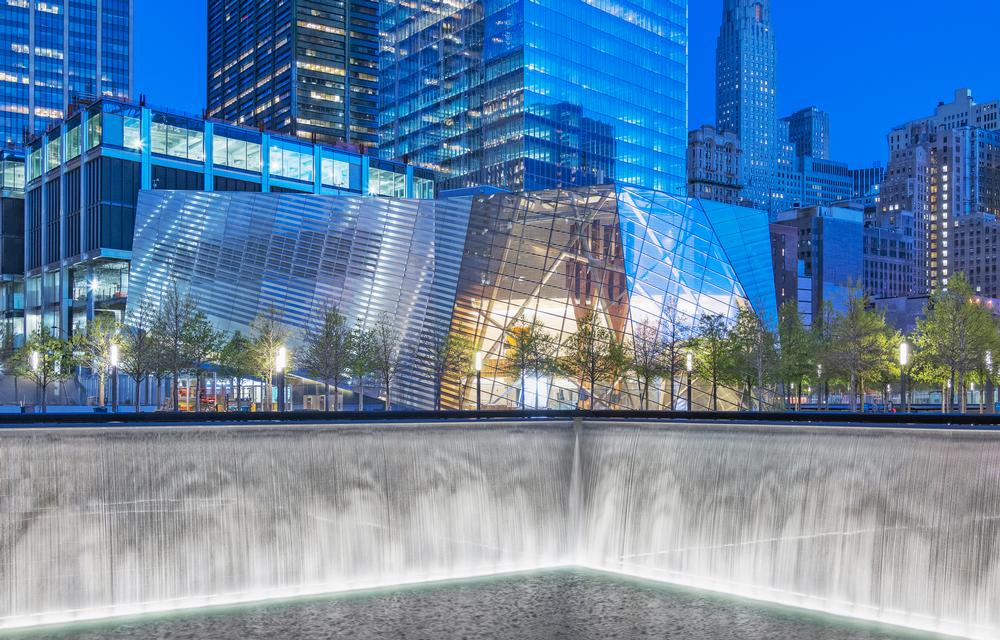
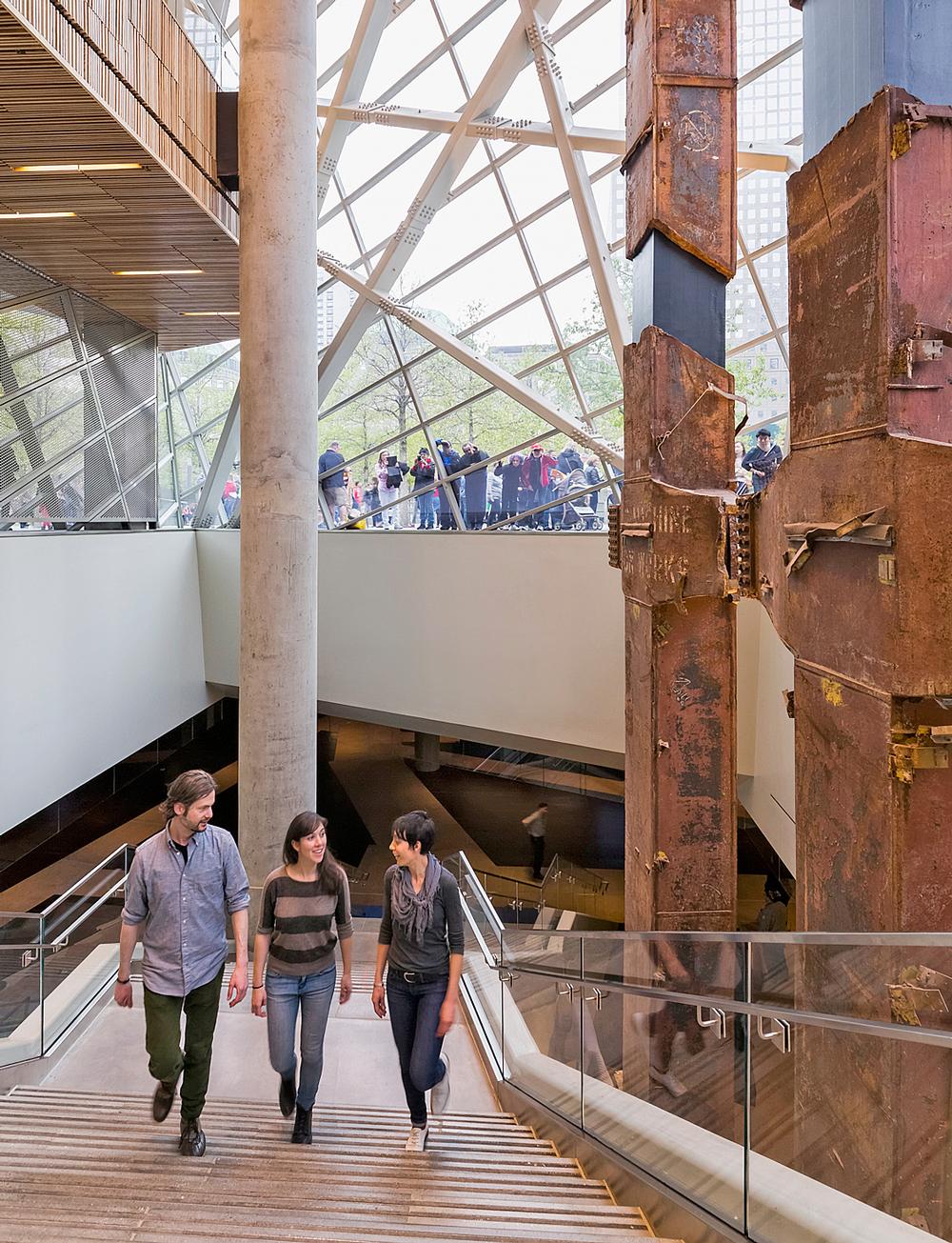
What did the 9/11 Memorial Pavilion project mean to you? The 9/11 Memorial Pavilion has been a massively important project for us. When you design something like this, it is not about substituting the loss; it is rather a way of reacting to a possible future presence – for the public actually coming there, and going in, and looking at it.
We also knew there would be a lot of different opinions as to what should be done and how it should be done. So from the very beginning, we said this would be a negotiated project – it would be more negotiation than design. And we set out by saying our intention with the pavilion was to reflect the present, whereas the two waterfalls going into the footprints of the two towers reflect the past. In that sense, it would be a more dynamic building, creating an immediate connection between the public and what was happening on the site.
Snøhetta has designed the expansion of the San Francisco Museum of Modern Art. What are the main aims of the project? Creating more social interactions and closer relationships to the surrounding streetscapes, giving more connection to outdoor and indoor areas and, of course, expanding exhibition areas and making it possible to show more art.
What was the aim of your recent redesign of Times Square? It’s a way of giving Times Square back to the people of New York, by removing traffic and creating a new floor for both citizens and visitors. When you move into an urban space where there used to be only cars you experience it in a new way. You have a different speed, a different height, a different location, so you perceive the surroundings, surfaces and façades in a different manner. It encourages new activities – sitting, standing, doing yoga – but it also has an infrastructural element to it, by providing better drainage, new wiring, lighting and benches.
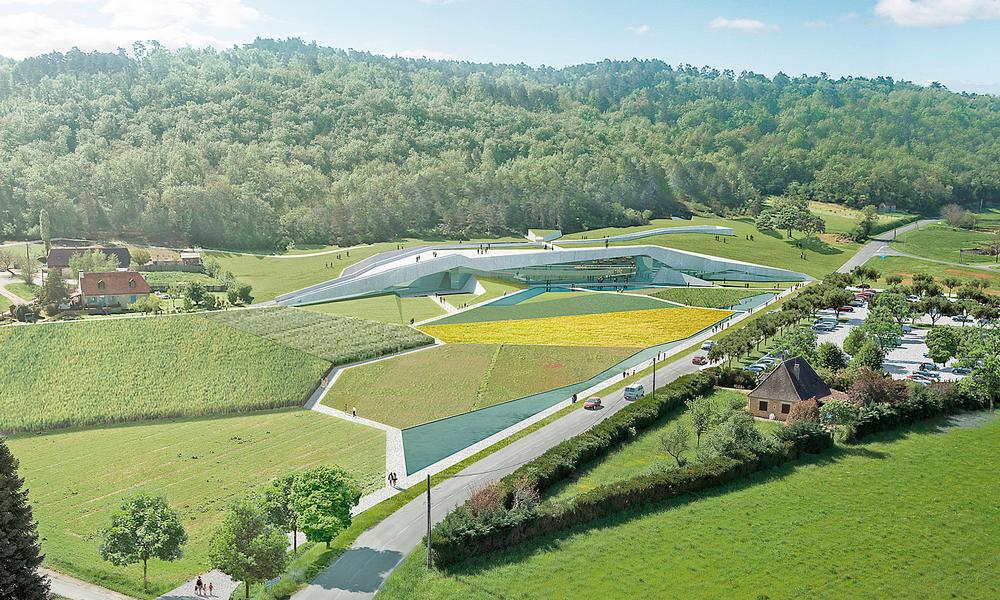
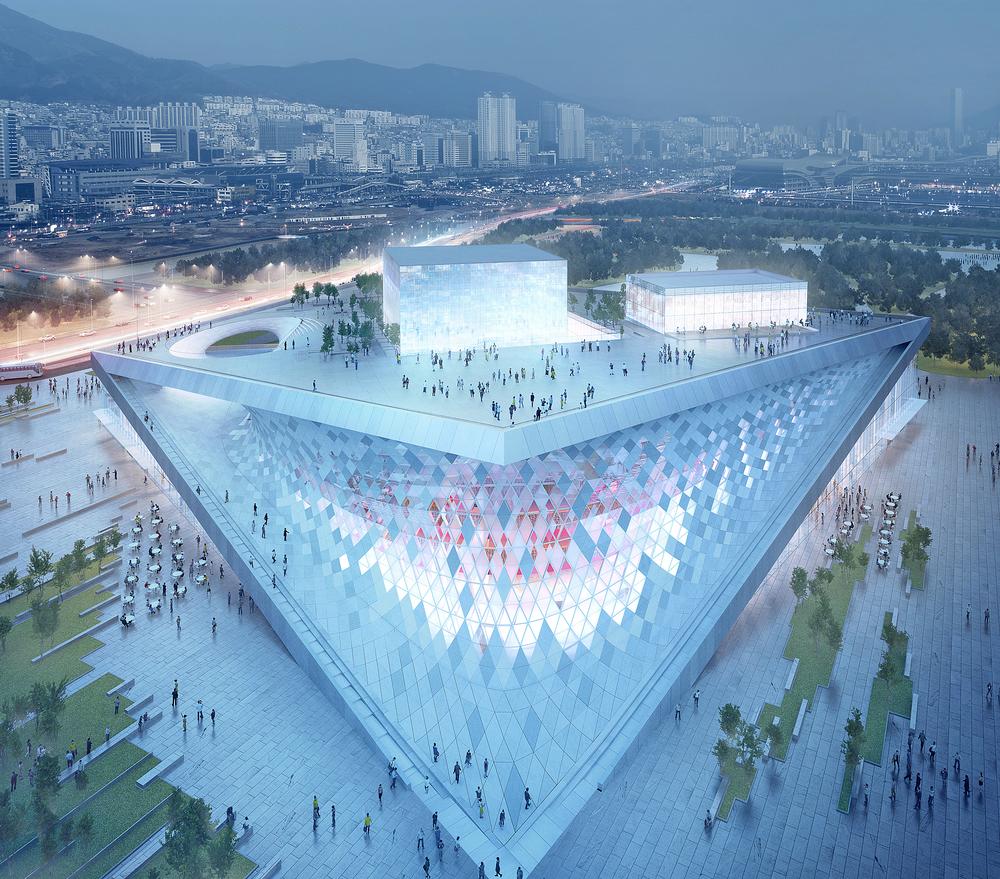
What are you working on at the moment? One project under construction is the Lascaux IV Caves Museum in France, which includes the recreation of the Lascaux caves and their 10,000-year-old paintings. That is scheduled to open in December 2016. We’re also building The King Abdulaziz Center for World Culture in Dhahrab, Saudi Arabia, which is the biggest building we’ve ever done – it’s a huge cultural centre housing the country’s first public cinemas as well as a library, a concert hall, an exhibition hall and a lifelong learning centre.
We have several projects happening in Norway, including the Bergen National Academy of the Arts, and we’re just starting the expansion of the Ordrupgaard museum in Copenhagen. We currently have about 12 projects under construction and 40 on the drawing table.
Which other architects do you admire? Among living architects, I think Frank Gehry made a huge difference to how architects are perceived. You can like or dislike the repetition in his work but there was a turning point in history, where architects started gaining overall importance again.
Then there are architects like Herzog and de Meuron who produce fantastic projects. You also have small companies like the Austrian firm marte.marte or the architect Fernando Menis from Tenerife, who are doing extraordinary things. However, it’s about more than being inspired by architects, our inspirations come from elsewhere – from writers, from philosophers or people from the art world.
How do you relax? I go skiing or mountain-climbing. That gives you a very intimate relationship with the landscape you’re performing within.
From the 9/11 Memorial Pavilion to SFMOMA and Norway’s opera house, Snøhetta’s portfolio of thoughtful, landscape-inspired works is growing at speed. Founding partner Kjetil Trædal Thorsen shares the practice philosophy
Kjetil Trædal Thorsen wanted a more collaborative approach to architecture
Snøhetta – the Oslo-based integrated design practice – was established in 1987 when a number of young architects and landscape architects set themselves up in an attic studio. Two years later, one of the group’s members, Kjetil Trædal Thorsen, together with fellow architect Craig Dykers, founded the shareholding company Snøhetta Architecture and Landscape AS.
Snøhetta was named after a Norwegian mountain, reflecting the firm’s core philosophy. A mountain, according to Thorsen, is both an object and a landscape, and therefore a perfect representation of the firm’s commitment to integrating architecture and landscape architecture in a single design process.
Two years after Snøhetta was born, the firm won its first big commission: the Alexandria Library. With two main studios in Oslo and New York, the practice now employs more than 160 people from 28 different countries.
The recent extension to the San Francisco Museum of Modern Art (SFMOMA), the Oslo Opera House, the 9/11 Memorial Museum pavilion and an ongoing collabroation with AESOP are among the firm’s major projects.
Why did you become an architect? My art teacher recommended I become an architect. I was interested in drawing, in art and in the sequence of producing things, whatever they might be: models, painting, sculptures or scratchboards. I had an interest in creating things, which led me to believe my teacher was right.
What were your aims when you set up Snøhetta? We had seen the need for collaboration between different professions dealing with our physical surroundings, such as urbanism, public art, landscape architecture and interior design. We were interested in trying to co-locate these disciplines in a profession-free environment where there could be broader collaboration – especially, in the beginning, between landscape architecture and architecture. The idea was that the borders between the professions would start to become a little more blurred, and one would influence the other. Landscape architecture would no longer just be the leftovers of whatever the architect did – the spaces between the buildings, filled with whatever was left of the budget. We started to look at more integrated ways of practising all the design disciplines related to our physical environment.
How does it work in practice? It’s a workshop-based process. We invite people from a range of professions from both within and outside Snøhetta, and sometimes from the client side as well. Then when you start doing the creative work, you leave your profession behind. It’s like a kind of roleplay. The process releases you from your basic responsibilities.
We call it transpositioning here, when the landscape architect becomes the architect, the architect becomes the artist, the artist becomes the sociologist, the sociologist the philosopher. For instance, when we were working on the Norwegian National Opera and Ballet, it was the guy writing librettos who more or less defined the movement of the public on their way to the opera house as part of a non-processional movement, which would on one hand be individually experienced and on the other hand collectively.
What did the 9/11 Memorial Pavilion project mean to you? The 9/11 Memorial Pavilion has been a massively important project for us. When you design something like this, it is not about substituting the loss; it is rather a way of reacting to a possible future presence – for the public actually coming there, and going in, and looking at it.
We also knew there would be a lot of different opinions as to what should be done and how it should be done. So from the very beginning, we said this would be a negotiated project – it would be more negotiation than design. And we set out by saying our intention with the pavilion was to reflect the present, whereas the two waterfalls going into the footprints of the two towers reflect the past. In that sense, it would be a more dynamic building, creating an immediate connection between the public and what was happening on the site.
Snøhetta has designed the expansion of the San Francisco Museum of Modern Art. What are the main aims of the project? Creating more social interactions and closer relationships to the surrounding streetscapes, giving more connection to outdoor and indoor areas and, of course, expanding exhibition areas and making it possible to show more art.
What was the aim of your recent redesign of Times Square? It’s a way of giving Times Square back to the people of New York, by removing traffic and creating a new floor for both citizens and visitors. When you move into an urban space where there used to be only cars you experience it in a new way. You have a different speed, a different height, a different location, so you perceive the surroundings, surfaces and façades in a different manner. It encourages new activities – sitting, standing, doing yoga – but it also has an infrastructural element to it, by providing better drainage, new wiring, lighting and benches.
What are you working on at the moment? One project under construction is the Lascaux IV Caves Museum in France, which includes the recreation of the Lascaux caves and their 10,000-year-old paintings. That is scheduled to open in December 2016. We’re also building The King Abdulaziz Center for World Culture in Dhahrab, Saudi Arabia, which is the biggest building we’ve ever done – it’s a huge cultural centre housing the country’s first public cinemas as well as a library, a concert hall, an exhibition hall and a lifelong learning centre.
We have several projects happening in Norway, including the Bergen National Academy of the Arts, and we’re just starting the expansion of the Ordrupgaard museum in Copenhagen. We currently have about 12 projects under construction and 40 on the drawing table.
Which other architects do you admire? Among living architects, I think Frank Gehry made a huge difference to how architects are perceived. You can like or dislike the repetition in his work but there was a turning point in history, where architects started gaining overall importance again.
Then there are architects like Herzog and de Meuron who produce fantastic projects. You also have small companies like the Austrian firm marte.marte or the architect Fernando Menis from Tenerife, who are doing extraordinary things. However, it’s about more than being inspired by architects, our inspirations come from elsewhere – from writers, from philosophers or people from the art world.
How do you relax? I go skiing or mountain-climbing. That gives you a very intimate relationship with the landscape you’re performing within.
Longevitix, a clinical platform for preventive and longevity medicine, has launched its AI-
powered intelligence system to help physicians deliver continuous, personalised longevity-
focused care at scale.
Atmantan Wellness Centre, an integrative wellness destination in Mulshi, near Pune in India, is
expanding its portfolio by adding a new centre in Hyderabad that will launch between 2028 and
2029.
A recent survey by the UK Spa Association (UKSA) into the industry’s approach to cancer care
has revealed that almost half of participating respondents (46 per cent) are unaware that
cancer is a disability and guests with a cancer diagnosis must be given
Mexican operator, Solmar Hotels and Resorts, is hosting a series of events in celebration of
Global Wellness Day, including a Temazcal ceremony at its Playa Grande Resort and Spa in Los
Cabos.
Mandarin Oriental has announced a standalone residence brand, Mansions, which will debut at
Emirates Palace, Mandarin Oriental Mansions, Abu Dhabi, in 2029.
Four Seasons Resort The Nam Hai in Hoi An, Vietnam, has put together a Global Wellness Day
(GWD) agenda with activations rooted in nature and shaped by four pillars of Joy – in
alignment with the day’s theme #JoyMagenta.
The Global Wellness Summit (GWS) will celebrate its 20th anniversary at the 2026 event in
Phuket, Thailand, later this year with the theme: The Science, Art and Soul of Wellness.
Auko, an all-inclusive development, is opening in Phong Nha in Vietnam in Q3 2026, with a
series of 30 tented eco-lodges and wellness hospitality operations by Lumina Wellbeing.