Pure Gym remains the largest operator in terms of site numbers
William Shakespeare famously said: “We know what we are, but know not what we may be”.
Eloquently spoken personal trainers often recite this quote as their opening line – and I could make the same observation when asked, time and time again: “How big can the fitness industry grow?”
LET’S GET INNOVATIVE Like all business, timing is everything and this year we’ve seen more innovation than ever before. This has continued to drive growth in the industry for the fourth consecutive year, as detailed in The Leisure Database Company’s (TLDC) State of the Fitness Industry Report 2016.
Last year’s highlights include the combined penetration rate for the public and private fitness sectors in the UK rising from 13.7 per cent to 14.3 per cent; the total number of fitness sites growing from 6,312 to 6,435; and the number of members jumping from 8.8 million to 9.2 million – the first time the UK industry has surpassed nine million members.
Combined, the strong performance in all these areas contributed to the overall market value climbing from £4.3bn in 2015 to £4.4bn in 2016.
BUDGET BRANDS BOOM Although the disruptive business models of the so-called low-cost brands are primarily responsible for driving this growth, it’s not having an adverse effect on the overall industry value – many have found that the market’s strength allows them to charge above publicity-grabbing ‘teens’ price tags.
These low-cost brands are now responsible for around one-third of all private fitness memberships. The average monthly membership price in this segment also moved from £18.23 in 2015 to £18.77 in 2016, reflecting the strength in latent demand for fitness across these sites.
Benefiting from scale and innovative new in-house systems enabling hour-to-hour and day-to-day business management, these first movers have allowed this sector to grow to more than 450 sites with around two million members within a very short time period. And the low-cost sector has continued to grow in the past year: it saw a huge (41 per cent) increase in the number of clubs in the last 12 months, with an average club membership of 4,118.
Looking to the future, immediate data science and enterprise security software are key to further growth in this sector.
KEY PLAYERS Some major changes have taken place in the six months since the publication of the 2016 report. Although Pure Gym (which has already opened a further 17 clubs) remains at the top of the fitness operator leader board by number of sites (169), there’s a new entry at the number two slot.
Following a buying spree, which included mostly Virgin Active clubs, Nuffield Health has jumped from fifth to second place, with 112 clubs. It has gained 35 clubs and more than 120,000 new members.
The Gym Group and DLL claim joint fourth spot, after franchise Anytime Fitness, which lies in third place. Both the Gym Group and DLL have 82 sites and similar membership numbers.
It looks like 2016/17 will be the best year yet for the franchise sector: as of end September 2016, Anytime Fitness had opened 22 new clubs, taking its total to 91; Energie Fitness and its low-cost brand Fit4Less had jumped to seventh place with 76 clubs; and Snap Fitness had added six clubs, taking it to 14 sites.
PUBLIC LEADERS Moving on to the public sector, 2,735 fitness sites collectively account for more than 3.3 million fitness members and an estimated similar number of ‘pay as you go’ customers. Forty-one per cent are now managed by a trust.
For the third year running, the top three public operators by number of gyms are GLL, SLM and Places for People Leisure. Freedom Leisure and Fusion are the only operators to move up the top 10 rankings in the last year: Fusion jumped to fourth; Freedom to sixth.
Last year, for only the second time in six years, the number of closures across the public sector surpassed the number of openings: 49 new gyms opened while 65 closed – a net loss of 16 fitness sites. However, these sites were characterised as smaller gyms (24 per cent smaller than the average), with fewer members (27 per cent fewer than average) and fewer facilities. Without investment, they were never realistically going to compete.
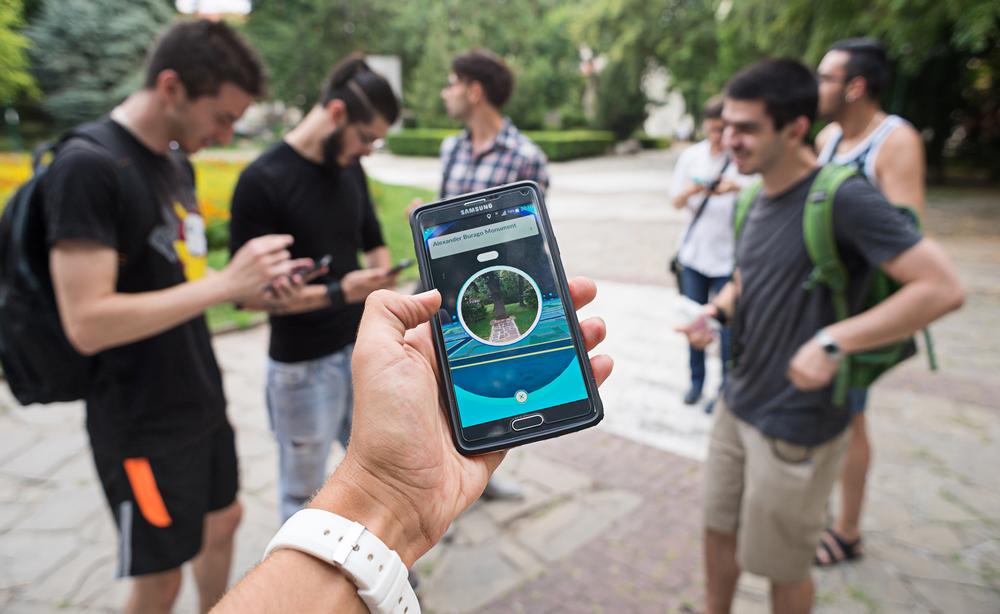
POKEMON GO! In the past six months, we’ve also experienced Pokémon Go fever, which overnight eclipsed social media platforms. The game achieved a higher number of daily users and longer time periods spent in the app than anything achieved by WhatsApp, Instagram, Snapchat and Twitter.
Although I’m sure it didn’t set out to make more people more active, in just a few weeks it achieved just that. It was fun while it lasted – the latest data shows the craze is waning – but the fitness industry can learn a valuable lesson from Pokémon Go’s popularity: people will take part in more activity if it’s fun, engaging and different.
ONLINE ABSENCE In this fast-changing world, social media remains a challenging area for fitness brands in their bid to win followers and build quality engagement.
Among the top 20 private fitness brands, Facebook is the most popular platform, reaching just over one million ‘likes’. Twitter is in second place with just over 275,000 followers across the top brands, while the highly engaging Instagram lags behind with only 68,000 followers.
But only half of the top 20 fitness industry brands have a presence – shame on you! To check out who’s leading the way, take a look at The Leisure Database Company’s Social Media Fitness Index Report.
ACTIVE TRACKING It’s no coincidence that the top four active wear brands – Nike+ Running, Under Armour Record, Adidas Train & Run and Puma’s Pumatrac – are all building fitness communities through activity tracking. Fitness industry brands could grow as quickly if they took advantage of the opportunities and channels available to better connect with their consumers through repeat check-ins for classes, challenges, guest passes and push notifications. One day, my personalised push notification will come!
The annual State of the Fitness Industry Report is published by independent analyst for the industry The Leisure Database Company (TLDC), which compiles the report from a comprehensive review and audit involving individual contact with all sites.
For further information, contact TLDC director David Minton:
Pure Gym remains the largest operator in terms of site numbers
William Shakespeare famously said: “We know what we are, but know not what we may be”.
Eloquently spoken personal trainers often recite this quote as their opening line – and I could make the same observation when asked, time and time again: “How big can the fitness industry grow?”
LET’S GET INNOVATIVE Like all business, timing is everything and this year we’ve seen more innovation than ever before. This has continued to drive growth in the industry for the fourth consecutive year, as detailed in The Leisure Database Company’s (TLDC) State of the Fitness Industry Report 2016.
Last year’s highlights include the combined penetration rate for the public and private fitness sectors in the UK rising from 13.7 per cent to 14.3 per cent; the total number of fitness sites growing from 6,312 to 6,435; and the number of members jumping from 8.8 million to 9.2 million – the first time the UK industry has surpassed nine million members.
Combined, the strong performance in all these areas contributed to the overall market value climbing from £4.3bn in 2015 to £4.4bn in 2016.
BUDGET BRANDS BOOM Although the disruptive business models of the so-called low-cost brands are primarily responsible for driving this growth, it’s not having an adverse effect on the overall industry value – many have found that the market’s strength allows them to charge above publicity-grabbing ‘teens’ price tags.
These low-cost brands are now responsible for around one-third of all private fitness memberships. The average monthly membership price in this segment also moved from £18.23 in 2015 to £18.77 in 2016, reflecting the strength in latent demand for fitness across these sites.
Benefiting from scale and innovative new in-house systems enabling hour-to-hour and day-to-day business management, these first movers have allowed this sector to grow to more than 450 sites with around two million members within a very short time period. And the low-cost sector has continued to grow in the past year: it saw a huge (41 per cent) increase in the number of clubs in the last 12 months, with an average club membership of 4,118.
Looking to the future, immediate data science and enterprise security software are key to further growth in this sector.
KEY PLAYERS Some major changes have taken place in the six months since the publication of the 2016 report. Although Pure Gym (which has already opened a further 17 clubs) remains at the top of the fitness operator leader board by number of sites (169), there’s a new entry at the number two slot.
Following a buying spree, which included mostly Virgin Active clubs, Nuffield Health has jumped from fifth to second place, with 112 clubs. It has gained 35 clubs and more than 120,000 new members.
The Gym Group and DLL claim joint fourth spot, after franchise Anytime Fitness, which lies in third place. Both the Gym Group and DLL have 82 sites and similar membership numbers.
It looks like 2016/17 will be the best year yet for the franchise sector: as of end September 2016, Anytime Fitness had opened 22 new clubs, taking its total to 91; Energie Fitness and its low-cost brand Fit4Less had jumped to seventh place with 76 clubs; and Snap Fitness had added six clubs, taking it to 14 sites.
PUBLIC LEADERS Moving on to the public sector, 2,735 fitness sites collectively account for more than 3.3 million fitness members and an estimated similar number of ‘pay as you go’ customers. Forty-one per cent are now managed by a trust.
For the third year running, the top three public operators by number of gyms are GLL, SLM and Places for People Leisure. Freedom Leisure and Fusion are the only operators to move up the top 10 rankings in the last year: Fusion jumped to fourth; Freedom to sixth.
Last year, for only the second time in six years, the number of closures across the public sector surpassed the number of openings: 49 new gyms opened while 65 closed – a net loss of 16 fitness sites. However, these sites were characterised as smaller gyms (24 per cent smaller than the average), with fewer members (27 per cent fewer than average) and fewer facilities. Without investment, they were never realistically going to compete.
POKEMON GO! In the past six months, we’ve also experienced Pokémon Go fever, which overnight eclipsed social media platforms. The game achieved a higher number of daily users and longer time periods spent in the app than anything achieved by WhatsApp, Instagram, Snapchat and Twitter.
Although I’m sure it didn’t set out to make more people more active, in just a few weeks it achieved just that. It was fun while it lasted – the latest data shows the craze is waning – but the fitness industry can learn a valuable lesson from Pokémon Go’s popularity: people will take part in more activity if it’s fun, engaging and different.
ONLINE ABSENCE In this fast-changing world, social media remains a challenging area for fitness brands in their bid to win followers and build quality engagement.
Among the top 20 private fitness brands, Facebook is the most popular platform, reaching just over one million ‘likes’. Twitter is in second place with just over 275,000 followers across the top brands, while the highly engaging Instagram lags behind with only 68,000 followers.
But only half of the top 20 fitness industry brands have a presence – shame on you! To check out who’s leading the way, take a look at The Leisure Database Company’s Social Media Fitness Index Report.
ACTIVE TRACKING It’s no coincidence that the top four active wear brands – Nike+ Running, Under Armour Record, Adidas Train & Run and Puma’s Pumatrac – are all building fitness communities through activity tracking. Fitness industry brands could grow as quickly if they took advantage of the opportunities and channels available to better connect with their consumers through repeat check-ins for classes, challenges, guest passes and push notifications. One day, my personalised push notification will come!
The annual State of the Fitness Industry Report is published by independent analyst for the industry The Leisure Database Company (TLDC), which compiles the report from a comprehensive review and audit involving individual contact with all sites.
For further information, contact TLDC director David Minton:
The Standards Authority for Touch in Cancer Care (SATCC) charity has announced its first five-
day Living with Cancer and Beyond retreat, which will be held at Carden Park Hotel and Spa in
Cheshire, UK, between 1 and 5 September.
Patmos Aktis, a Luxury Collection Resort and Spa, has opened in Greece, with a renovated and
rebranded wellness offering called Ansana Wellness and Spa.
The Mauna Kea Beach Hotel, an Autograph Collection property in Hawaii, US, has opened its
22,000 sq ft indoor-outdoor Spa at Mauna Kea as the final step in the property’s overall
renovation, which has cost more than US$180 million (€166 million, £140 mill
The UK spa review and discovery platform for consumers, the Good Spa Guide, has announced
it will host the Good Spa Guide Awards 2026 during an event on 16 November at Sopwell House
Hotel in St Albans, UK.
Eighty-four per cent of consumers now say wellness is a top priority in their lives, with this
percentage increasing year on year, according to a preview presentation of McKinsey’s Future of
Wellness 2026 research report.
Mass protests have been taking place since Monday 1 June in Albania over the development of
a luxury resort by Donald Trump’s daughter Ivanka Trump and her husband Jared Kushner.
Global Wellness Day (GWD) marked its 15th anniversary on Saturday 13 June 2026, with the
theme: #JoyMagenta – a celebration of the healing qualities of simple gestures and activities
that spark joy.
Global luxury hospitality brand, Six Senses, has partnered with longevity healthcare provider,
HUM2N, to launch a clinic at Six Senses London, at The Whiteley.
As part of its first hotel partnership, Mayrlife – the medical health resort company known for its
site in Altaussee, Austria – has launched a day clinic at the Rosewood Vienna.
Premium London health club, KX Chelsea, will imminently unveil its most significant
redevelopment since its launch in 2002 to create an integrated wellness model combining
training, recovery and relaxation.