The conditions experienced by athletes have been thrust into the spotlight
of late, with a number of high-profile allegations of bullying and abuse.
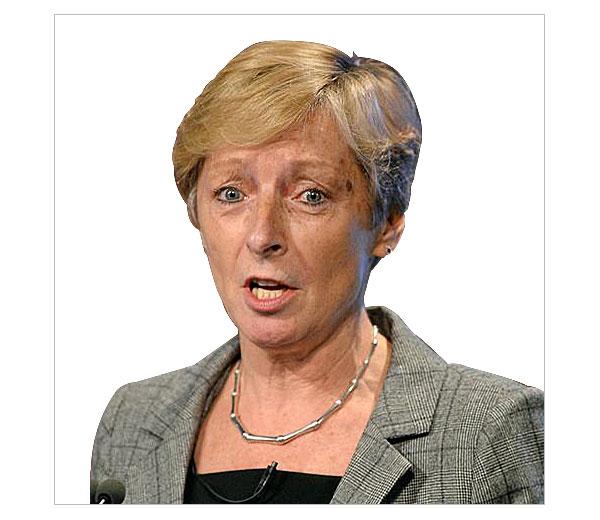
Baroness Tanni Grey-Thompson talks to Matthew Campelli about the timely publication of her Duty of Care report, which aims to eradicate negative cultures
By Matthew Campelli | Published in Sports Management Jul Aug 2017 issue 132
Could there be a direct link between an increase in elite sporting success and a decrease in the welfare of athletes? Has Britain’s insatiable appetite for Olympic medals had an adverse effect on the way athletes are treated?
Few outside the industry would have considered this last summer when Team GB celebrated a highly successful Olympic and Paralympic campaign.
But following high-profile allegations of bullying, doping and discrimination within some of the world-class programmes overseen by UK Sport-funded national governing bodies, the query has become more pronounced, and must be answered if the situation is to improve.
There is a feeling among many in the UK sports sector that while UK Sport’s ‘no compromise’ approach to winning medals has been impactful in terms of achievement, the emphasis on pure elite success has shifted national governing bodies’ (NGB) attention away from important areas such as athlete welfare.
Indeed, in April the quango’s chief executive Liz Nicholl had to bat away claims made by Culture, Media and Sport Select Committee member Julian Knight MP that it had “allowed the pursuit of medals to take priority over the mental health of athletes”.
Time to compromise? While her views are not quite as black and white as Knight’s, Baroness Tanni Grey-Thompson tells Sports Management that the no compromise approach does have an impact on the experience athletes and coaches have in their day-to-day work, and “needs a rethink”.
Grey-Thompson made her name as a fierce competitor in wheelchair racing, winning 11 Paralympic gold medals across four Games. She understands the importance of winning, but not at all costs.
“I think we need a debate about how many medals we want to win,” she says. “My personal view is that it’s great to win medals across a whole host of sports, but we need a debate about how many and what that looks like. We need to look at what the cost is.”
Although athletes have to accept that elite sport is “not warm and cuddly”, Grey-Thompson stresses that individuals training to compete in major events should not be treated in a manner in which they feel threatened or intimidated. “We’ve proven that we can win lots of medals. Now we need to prove we can do it with a duty of care to the athletes,” she adds.
“There was a lot of pressure on the system to deliver medals in 2012. In some sports, that created a type of unhealthy behaviour, and instead of moving a little bit away from that it’s actually becoming slightly more prevalent.”
Over the past year or so, the crossbench peer has been compiling a number of recommendations related to a duty of care. In April, these were published in a report titled Duty of Care in Sport and delivered to sports minister Tracey Crouch.
During the course of those 12 months, a number of incidents shocked the sporting world, highlighting the importance of the work being carried out by Grey-Thompson and her advisers (details: page 32).
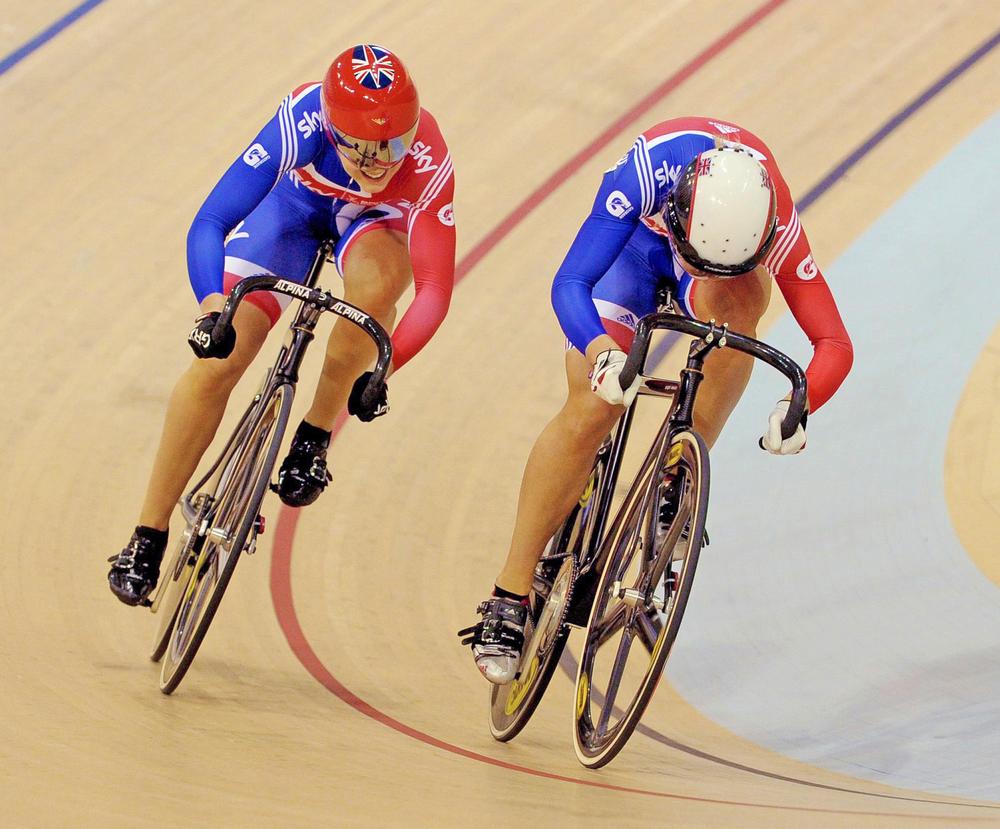
High-profile allegations Within a month of her duty of care work getting underway, British Cycling – one of this country’s most successful sports bodies and the envy of the sporting world – launched an independent inquiry into internal cultures and behaviours. The move came in response to allegations by some female competitors, most notably Jess Varnish, of bullying and sexism.
Later in the year, the football world was rocked by hundreds of historical allegations of sexual abuse of young boys, triggered by a brave interview given by Andy Woodward who said he had experienced the abuse himself.
Most recently, British Canoeing has had to deal with allegations made by a female competitor that a coach had offered her a place in the team in exchange for sex, while a number of medical staff for GB Taekwondo raised concerns around concussion, weight loss and training schedules.
Sports Ombudsman According to Grey-Thompson, sport can’t police itself. While she believes that UK Sport and the NGBs should have oversight of behaviours and cultures, her first recommendation within the report was the creation of an independent Sports Ombudsman to hold governing bodies to account.
“UK Sport is part of the jigsaw of sport, so it needs to be more detached, overlooking lots of issues that can occur in funded sport. It doesn’t need to be an office of 40 people – it just needs to be a couple of workers, a few core staff really,” she says.
The provision of independent funding for the British Athletes Commission (BAC) – the body that handles grievances raised by professional sportspeople – is also a necessity, according to Grey-Thompson.
The BAC is funded by UK Sport, a factor that she thinks makes it difficult for athletes to approach the commission. Athletes, coaches and people working in the system “feel there’s nowhere to go”, she says.
“The appeals process or whistleblowing is hard because, actually, if you’ve got an issue with someone in the sport it’s all quite close and quite difficult,” she explains.
But where would the required independent funding for both bodies come from at a time when budgets are stretched to the limit?
“There’s no more money in the system,”
Grey-Thompson says. “However, a Sports Ombudsman doesn’t need a massive amount of additional funding. If we’re serious about duty of care, it should come out of the current budget. It’s a really important issue. It shouldn’t be something we can’t afford to do, it’s just about deciding on priorities when spending the money.”
Life after sport Another key pillar of the Duty of Care in Sport report is athlete transition, and how to make the path from elite sport to normal life smoother than it currently is.
One of the most innovative recommendations included in the paper is a proposal to introduce an induction process, designed to help kids who are just entering the world of sport to manage their behaviour and expectations, as well as making sure that they are part of a transparent system and fair coaching methods.
Part of that is to point them in the direction of opportunities, should they have to leave the sport due to injury or not performing at a high enough level. Many will associate athlete transition with older retiring athletes, but Grey-Thompson warns against failing to engage with the young who leave world-class programmes.
“The system is really complicated and if you come into it at 12 it’s almost impossible to weave your way through it. Information should be out there about what’s available and what’s not if you have to leave the sport.
“We often encourage young athletes to leave education in order to pursue their sport, but I don’t think it has to be one or the other. These days you just need a laptop and an internet connection. They could do an apprenticeship or an Open University course – it doesn’t have to be full time, it doesn’t have to be all or nothing.”
Grey-Thompson continues: “How many athletes are trained to go and be gym instructors, or be leisure centre managers? That business side is not really presented to athletes in the system. There are lots of ways they can contribute that are really positive.”
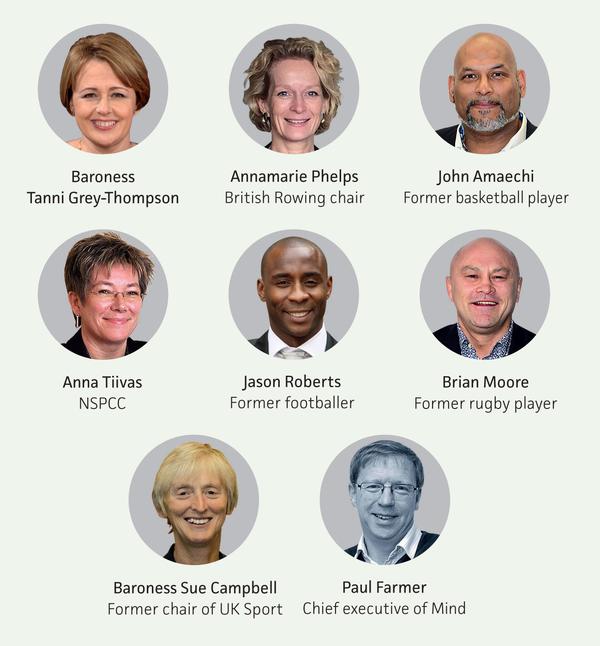
Grey-Thompson’s Duty of Care working group The group gathered the experiences and views of people who are, or have been, involved in sport, and from members of the public
Priority Recommendations The most pressing and important changes recognised by Tanni Grey-Thompson and her working group 1. The appointment of a Sports Ombudsman to hold governing bodies to account
2. Measuring duty of care through a benchmark survey
3. Governing bodies to name at least one board member responsible for duty of care
4. An induction process into sport for young athletes
5. An exit survey for elite athletes who are leaving sport
6. A Duty of Care Charter established by government
7. An independently-funded British Athletes Commission
Le Atelier by C.O.D.E. doesn't offer a standard bespoke service, it provides a highly
customised approach to designing massage beds and loungers in high-end wellness
environments. [more...]
The conditions experienced by athletes have been thrust into the spotlight
of late, with a number of high-profile allegations of bullying and abuse.
Baroness Tanni Grey-Thompson talks to Matthew Campelli about the timely publication of her Duty of Care report, which aims to eradicate negative cultures
By Matthew Campelli | Published in Sports Management Jul Aug 2017 issue 132
Could there be a direct link between an increase in elite sporting success and a decrease in the welfare of athletes? Has Britain’s insatiable appetite for Olympic medals had an adverse effect on the way athletes are treated?
Few outside the industry would have considered this last summer when Team GB celebrated a highly successful Olympic and Paralympic campaign.
But following high-profile allegations of bullying, doping and discrimination within some of the world-class programmes overseen by UK Sport-funded national governing bodies, the query has become more pronounced, and must be answered if the situation is to improve.
There is a feeling among many in the UK sports sector that while UK Sport’s ‘no compromise’ approach to winning medals has been impactful in terms of achievement, the emphasis on pure elite success has shifted national governing bodies’ (NGB) attention away from important areas such as athlete welfare.
Indeed, in April the quango’s chief executive Liz Nicholl had to bat away claims made by Culture, Media and Sport Select Committee member Julian Knight MP that it had “allowed the pursuit of medals to take priority over the mental health of athletes”.
Time to compromise? While her views are not quite as black and white as Knight’s, Baroness Tanni Grey-Thompson tells Sports Management that the no compromise approach does have an impact on the experience athletes and coaches have in their day-to-day work, and “needs a rethink”.
Grey-Thompson made her name as a fierce competitor in wheelchair racing, winning 11 Paralympic gold medals across four Games. She understands the importance of winning, but not at all costs.
“I think we need a debate about how many medals we want to win,” she says. “My personal view is that it’s great to win medals across a whole host of sports, but we need a debate about how many and what that looks like. We need to look at what the cost is.”
Although athletes have to accept that elite sport is “not warm and cuddly”, Grey-Thompson stresses that individuals training to compete in major events should not be treated in a manner in which they feel threatened or intimidated. “We’ve proven that we can win lots of medals. Now we need to prove we can do it with a duty of care to the athletes,” she adds.
“There was a lot of pressure on the system to deliver medals in 2012. In some sports, that created a type of unhealthy behaviour, and instead of moving a little bit away from that it’s actually becoming slightly more prevalent.”
Over the past year or so, the crossbench peer has been compiling a number of recommendations related to a duty of care. In April, these were published in a report titled Duty of Care in Sport and delivered to sports minister Tracey Crouch.
During the course of those 12 months, a number of incidents shocked the sporting world, highlighting the importance of the work being carried out by Grey-Thompson and her advisers (details: page 32).
High-profile allegations Within a month of her duty of care work getting underway, British Cycling – one of this country’s most successful sports bodies and the envy of the sporting world – launched an independent inquiry into internal cultures and behaviours. The move came in response to allegations by some female competitors, most notably Jess Varnish, of bullying and sexism.
Later in the year, the football world was rocked by hundreds of historical allegations of sexual abuse of young boys, triggered by a brave interview given by Andy Woodward who said he had experienced the abuse himself.
Most recently, British Canoeing has had to deal with allegations made by a female competitor that a coach had offered her a place in the team in exchange for sex, while a number of medical staff for GB Taekwondo raised concerns around concussion, weight loss and training schedules.
Sports Ombudsman According to Grey-Thompson, sport can’t police itself. While she believes that UK Sport and the NGBs should have oversight of behaviours and cultures, her first recommendation within the report was the creation of an independent Sports Ombudsman to hold governing bodies to account.
“UK Sport is part of the jigsaw of sport, so it needs to be more detached, overlooking lots of issues that can occur in funded sport. It doesn’t need to be an office of 40 people – it just needs to be a couple of workers, a few core staff really,” she says.
The provision of independent funding for the British Athletes Commission (BAC) – the body that handles grievances raised by professional sportspeople – is also a necessity, according to Grey-Thompson.
The BAC is funded by UK Sport, a factor that she thinks makes it difficult for athletes to approach the commission. Athletes, coaches and people working in the system “feel there’s nowhere to go”, she says.
“The appeals process or whistleblowing is hard because, actually, if you’ve got an issue with someone in the sport it’s all quite close and quite difficult,” she explains.
But where would the required independent funding for both bodies come from at a time when budgets are stretched to the limit?
“There’s no more money in the system,”
Grey-Thompson says. “However, a Sports Ombudsman doesn’t need a massive amount of additional funding. If we’re serious about duty of care, it should come out of the current budget. It’s a really important issue. It shouldn’t be something we can’t afford to do, it’s just about deciding on priorities when spending the money.”
Life after sport Another key pillar of the Duty of Care in Sport report is athlete transition, and how to make the path from elite sport to normal life smoother than it currently is.
One of the most innovative recommendations included in the paper is a proposal to introduce an induction process, designed to help kids who are just entering the world of sport to manage their behaviour and expectations, as well as making sure that they are part of a transparent system and fair coaching methods.
Part of that is to point them in the direction of opportunities, should they have to leave the sport due to injury or not performing at a high enough level. Many will associate athlete transition with older retiring athletes, but Grey-Thompson warns against failing to engage with the young who leave world-class programmes.
“The system is really complicated and if you come into it at 12 it’s almost impossible to weave your way through it. Information should be out there about what’s available and what’s not if you have to leave the sport.
“We often encourage young athletes to leave education in order to pursue their sport, but I don’t think it has to be one or the other. These days you just need a laptop and an internet connection. They could do an apprenticeship or an Open University course – it doesn’t have to be full time, it doesn’t have to be all or nothing.”
Grey-Thompson continues: “How many athletes are trained to go and be gym instructors, or be leisure centre managers? That business side is not really presented to athletes in the system. There are lots of ways they can contribute that are really positive.”
Grey-Thompson’s Duty of Care working group The group gathered the experiences and views of people who are, or have been, involved in sport, and from members of the public
Priority Recommendations The most pressing and important changes recognised by Tanni Grey-Thompson and her working group 1. The appointment of a Sports Ombudsman to hold governing bodies to account
2. Measuring duty of care through a benchmark survey
3. Governing bodies to name at least one board member responsible for duty of care
4. An induction process into sport for young athletes
5. An exit survey for elite athletes who are leaving sport
6. A Duty of Care Charter established by government
7. An independently-funded British Athletes Commission
Premium London health club, KX Chelsea, will imminently unveil its most significant
redevelopment since its launch in 2002 to create an integrated wellness model combining
training, recovery and relaxation.
Rosewood Le Guanahani St Barth, on the northeast coast of Saint Barthélemy in the French
West Indies, is offering a programme of ocean-inspired yoga classes between 8-14 June to
celebrate Global Wellness Day (GWD).
Hotel de France, located on the British Isle of Jersey, has created a wellness retreat package
that includes a hot yoga session that will take place in Jersey Zoo’s butterfly sanctuary.
The Ritz-Carlton, Langkawi, in Malaysia, has revealed a schedule for Global Wellness Day
(GWD) that includes guided rainforest walks, mindful movement and guided coastal meditation
experiences.
Longevitix, a clinical platform for preventive and longevity medicine, has launched its AI-
powered intelligence system to help physicians deliver continuous, personalised longevity-
focused care at scale.
Atmantan Wellness Centre, an integrative wellness destination in Mulshi, near Pune in India, is
expanding its portfolio by adding a new centre in Hyderabad that will launch between 2028 and
2029.
A recent survey by the UK Spa Association (UKSA) into the industry’s approach to cancer care
has revealed that almost half of participating respondents (46 per cent) are unaware that
cancer is a disability and guests with a cancer diagnosis must be given
Mexican operator, Solmar Hotels and Resorts, is hosting a series of events in celebration of
Global Wellness Day, including a Temazcal ceremony at its Playa Grande Resort and Spa in Los
Cabos.
Mandarin Oriental has announced a standalone residence brand, Mansions, which will debut at
Emirates Palace, Mandarin Oriental Mansions, Abu Dhabi, in 2029.
Le Atelier by C.O.D.E. doesn't offer a standard bespoke service, it provides a highly
customised approach to designing massage beds and loungers in high-end wellness
environments. [more...]