What is the best way to make heritage engaging and relevant
to young people? Give them a voice and put them in charge.
Kath Hudson reports on a fresh approach from the heritage sector
By Kath Hudson | Published in Attractions Management 2018 issue 4
The campaign makes funding available for youth projects across the UK
A group of young people; a range of museum exhibits; exciting digital tools; expert guidance and free rein to interpret the exhibits in a way which is relevant to them and their peers. These are the ingredients of a ground-breaking new lottery-funded project in Northern Ireland, which is part of a UK-wide campaign to engage young people in heritage by putting them in the driving seat.
Northern Ireland’s Reimagine, Remake, Replay programme is one of 12 projects to win funding from the Heritage Lottery Fund’s Kick the Dust campaign. Being co-ordinated by The Nerve Centre, the £900,000 (US$1.2m) programme will give 4,000 young people aged 16-25 across Northern Ireland the chance to curate their own exhibitions, take over museum and gallery spaces and interpret existing exhibits.
The project will span four years, with seven museums and galleries opening their collections of fine and applied art, furniture, costumes, textiles, maritime and industrial heritage for young people to explore.
They’ll learn a host of new skills as they reimagine these collections, using tools such as 3D scanners and printers, VR and filmmaking technology to create new interpretive materials for the displays.
David Lewis, director of digital content and communications at The Nerve Centre, says the partners are delighted to get funding: “Reimagine, Remake, Replay is an ambitious, regional project which will create exciting opportunities for young people to engage with heritage in ways that are relevant to their lives and aspirations.
“Young people will have unique access to the fantastic collections of the Ulster Museum, a range of local museums and Northern Ireland’s Screen Digital Film Archive. We’re working with our partners to bring the project to life and to bring a creative approach to collections.”
Youth engagement Reimagine, Remake, Replay is one of 12 projects which has been made possible thanks to a new funding pot from the Heritage Lottery Fund (HLF), which was created last year. The intention of the £10m (US$13.2m) Kick the Dust initiative is to create high quality, sustainable projects to engage 11 to 25-year-olds.
“Previously we had a youth-focussed grant programme, which awarded smaller grants of up to £50,000 (US$66,000),” explains Jo Reilly, head of participation and learning at the HLF. “We knew the youth work sector was under pressure, so we went to consultation and found there was an appetite for funding for more ambitious projects.”
The Dustkickers unite On the industry’s advice, and to ensure funding was allocated in ways which truly represented the needs and opinions of young people, the HLF took the unprecedented move of creating a panel of 16 young people from the UK, who were given a big say in how funding was spent.
“We named them Youth Ambassadors, but in the first meeting they renamed themselves the Dustkickers,” says Reilly, “they knew what they wanted and were very clear and articulate.”
Three main themes emerged as important to the Dustkickers. They wanted to see greater diversity and inclusivity, with heritage being more proactive to engage the BAME, disabled and LGBT markets. They also felt strongly that young people should be involved with co-producing the offer. Thirdly, they wanted to see more paid opportunities in heritage, with more jobs aimed at young people which do not require a degree to participate.
“Although they agreed on those points, which underpinned their decisions, they were a diverse group, who tended to champion different things,” says Reilly. “Some were passionate about green space and climate change, others about offering opportunities to young working class people. They debated very seriously and we were struck by the quality of their discussions and the responsibility they showed for their task.”
Further responsibilities Initially the Dustkickers were recruited in April 2018 in order to make the funding decision in June a couple of months later, however, their performance was so good that their role evolved.
“It was an unexpected pleasure in how it developed,” says Reilly. “Initially we only wanted to involve them with awarding the grants, but it became more than that. They got involved with social media and other events, including taking an exhibit about the campaign to Parliament and hosting a Heritage Soapbox day with speakers.”
They’ve also been involved with picking the evaluation committee, who will assess the success of the 12 programmes. One Dustkicker has gone on to be recruited by the HLF South East Committee and another had a blog published by the DCMS.
“They really stepped up, displaying a sensible, analytical approach,” says Reilly. “Two of the 12 projects were chosen because they succeeded in turning around the view of the room. It was a heartwarming project to be involved with.”
Following funding being awarded last year, the development money is now in place for all of the projects which are starting to get underway with the recruitment of staff. With some valuable experience under their belts, the Dustkickers are now going their separate ways. Reilly says the success of this campaign will be assessed, allowing the 12 projects to get up and running and be evaluated before the HLF decides whether or not to run another similar campaign in the future.
Read more from this issue of Spa Business magazine
Rides: Themed dreams
We take a look at some of the major
openings at visitor attractions worldwide
Theme Parks: Fan power
Jordan Middleton explains how operators
can best work with their audiences
Tourism: The Tourist Trap
What role could attractions play to keep
tourism beneficial for residents and
visitors alike? Kath Hudson reports
Conference: Creativity Cocktail
This year’s SATE conference came to the global epicentre for themed entertainment – Orlando – as the Themed Entertainment Association (TEA) searched for the secrets to “The Experience Recipe”.
Promotional feature: Whitewater
WhiteWater is branching out of the waterpark business as it
introduces two new attractions products and its brand new
Vantage guest engagement and management software
Show report: Enabling fun
Tom Anstey was on-hand to see what was
on offer at this year’s Euro Attractions Show
Promotional feature: Simtec - forward thinking
Simtec is a flying theatre and simulator ride supplier
for the attractions industry, as well as a manufacturer
of driving and flight simulation applications
The 12 successful projects • The Nerve Centre in Northern Ireland was awarded £949,600 (US$1.2m) for Reimagine, Remake, Replay, which will allow 4,000 young people the opportunity to curate collections and learn new multimedia skills.
• Norfolk Journeys is a multi-agency project, which will work with 8,000 young people in hard to reach groups to engage them with heritage through museum work and archaeological experiences. It’s been awarded £776,500 (US$1m).
• The Y in Leicester has been awarded £707,500 (US$934,500) to fund a Dragon’s Den-style practise. Representatives from the city’s heritage sites and organisations will be able to pitch to a panel of young people who are disengaged with heritage, for project funding.
• Groundwork UK’s Futureproof Parks initiative made a successful bid for £900,000 (US$1.2m) to engage young people with friends of parks groups to protect and maintain its heritage parks.
• Keeping It Wild, from the London Wildlife Trust, won £868,000 (US$1.15m) to empower and inspire 600 young people to learn about and help conserve the capital’s wild spaces.
• Awarded £994,000 (US$1.3m), Shout Out Loud, from English Heritage, and other partners including Girlguiding and the National Youth Theatre, will enable young people to tell hidden stories through their eyes and in their voice.
• Led by Curious Minds, Hope Streets has received £1m (US$1.3m) for a five year project, to create a strategic partnership between the heritage and youth sectors in the north west. The programme has been designed to bring about transformational change by helping young people see local heritage as their own, through working with artists and other experts.
• The Scotland 365 programme, from the National Museums of Scotland, will benefit from £776,000 (US$1m) to work with young people to explore Scottish heritage. The museum service is teaming up with a number of partner organisations, including The Prince’s Trust, to enable hard to reach groups to work alongside creative professionals to explore their creativity in workshops.
• A three year project led by Beatfreeks Arts, Don’t Settle has been awarded £696,700 (US$920,000) to improve the representation of young people within heritage organisations. It aims to rethink Birmingham and the Black Country’s heritage, by reflecting young people in the displays.
• With its £962,300 (US$1.3m) grant, IGNITE will partner with organisations to inspire a passion for the culture and heritage of Yorkshire, placing their ideas at the centre of heritage development.
• Hands on Heritage has received £875,000 (US$1.15m) to allow the National Museum of Wales to give young people access to its collections to handle and conserve objects, animate displays and get involved with enactments, marketing and digital activity.
• The British Council has received £868,600 (US$1.15m) for its Our Shared Cultural Heritage programme which will allow hundreds of young people from around the UK the chance to develop new methods to share collections and learn new skills through training and workshops.
Each Kick the Dust project is aimed at enaging young people in heritage activities
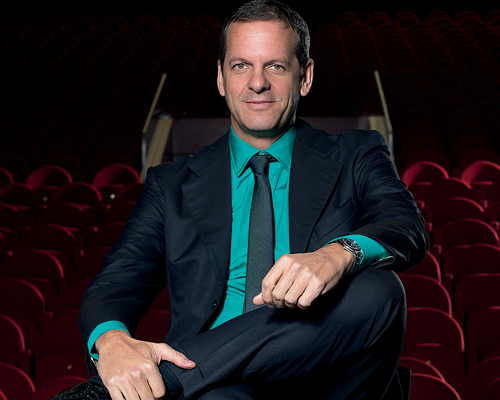
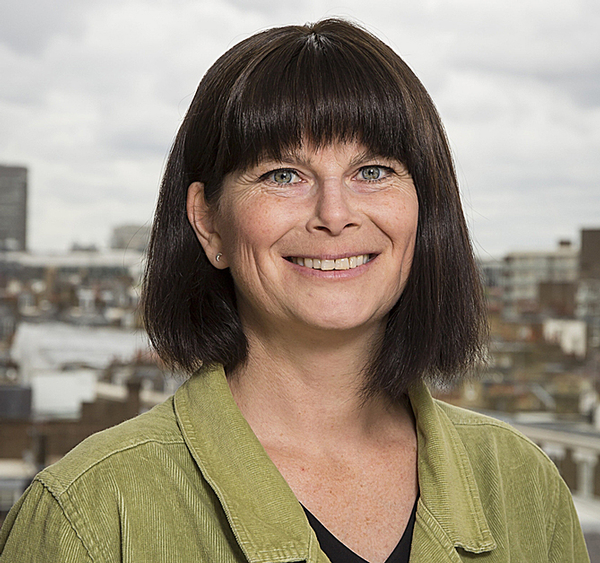
Jo Reilly is head of participation and learning at the Heritage Lottery Fund
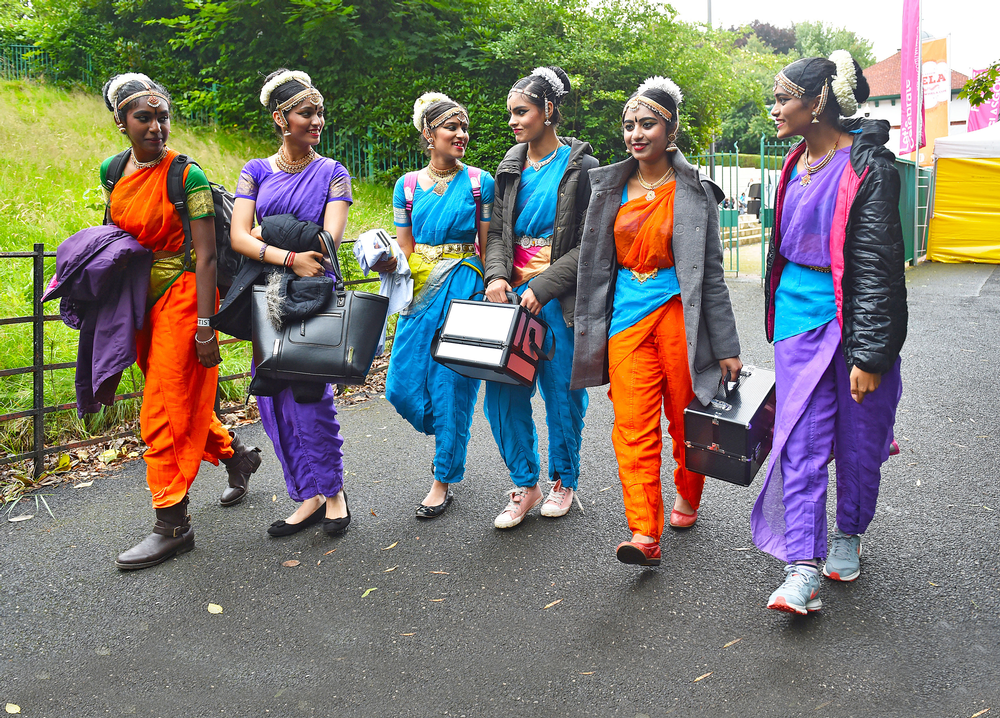
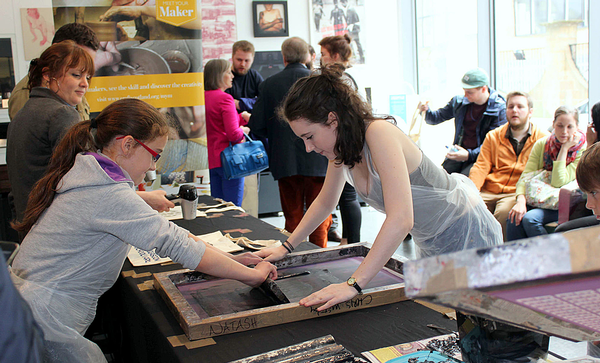
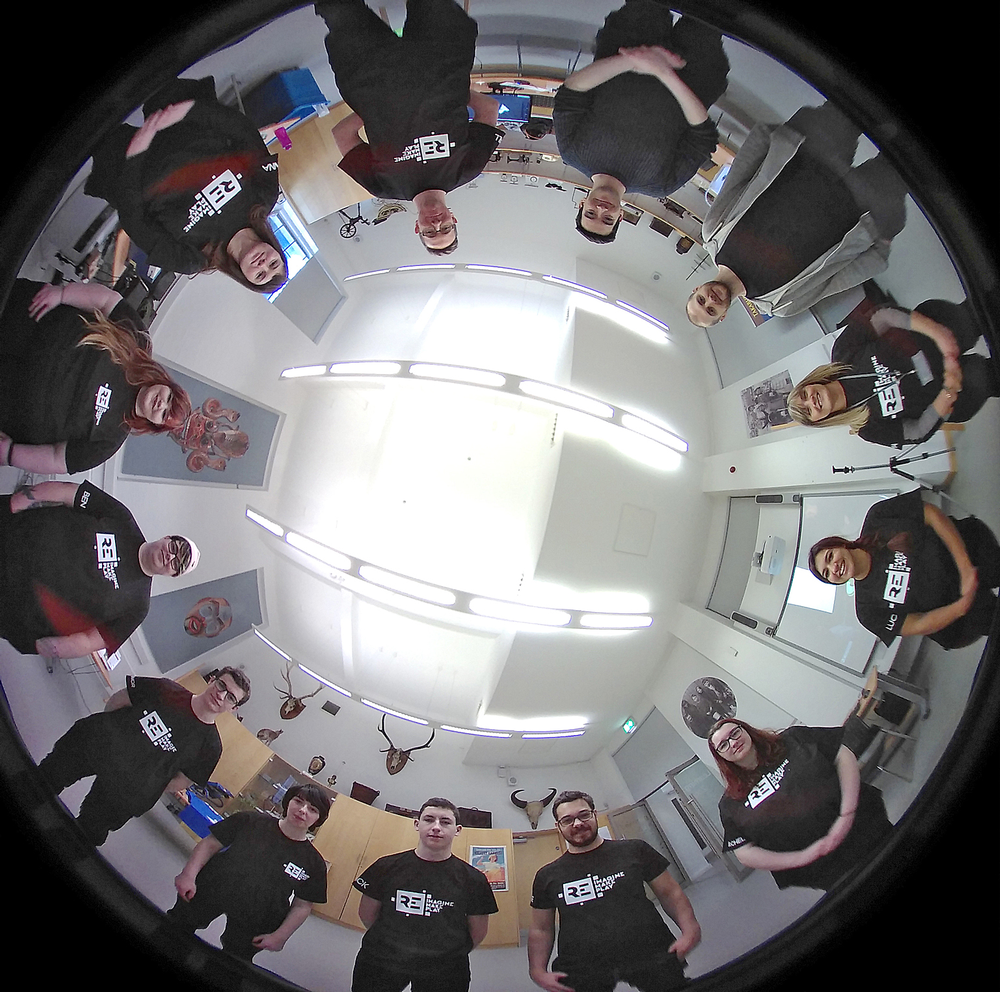
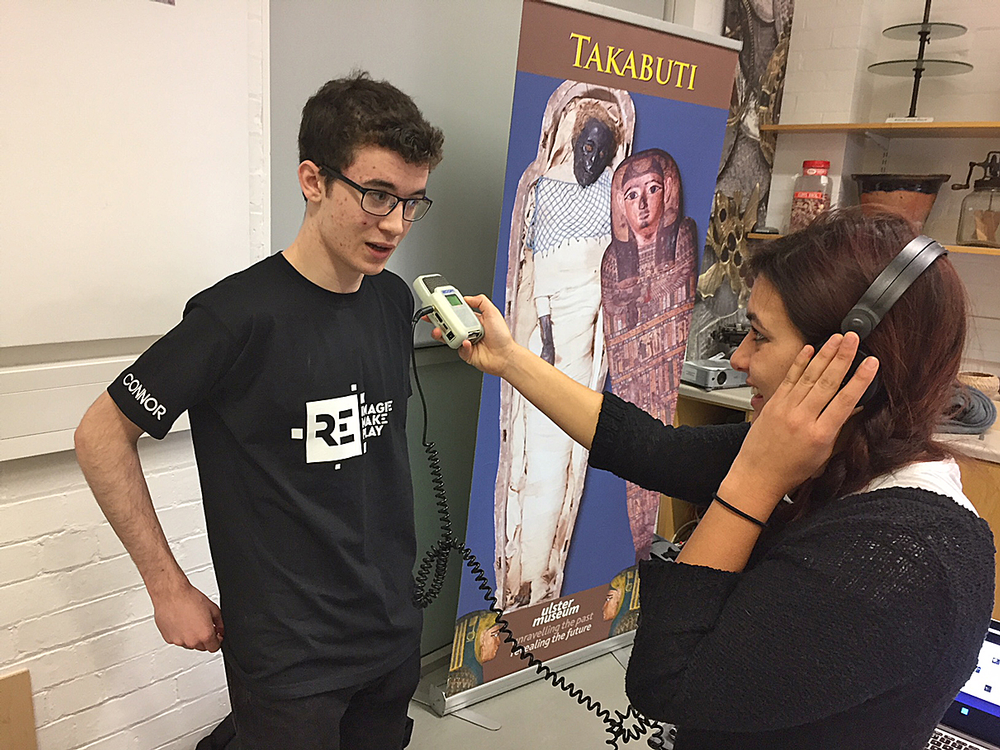
Young people taking part in the Digital Makers Club, part of a Kick the Dust project from Nerve Centre
Young people taking part in the Digital Makers Club, part of a Kick the Dust project from Nerve Centre
What is the best way to make heritage engaging and relevant
to young people? Give them a voice and put them in charge.
Kath Hudson reports on a fresh approach from the heritage sector
By Kath Hudson | Published in Attractions Management 2018 issue 4
The campaign makes funding available for youth projects across the UK
A group of young people; a range of museum exhibits; exciting digital tools; expert guidance and free rein to interpret the exhibits in a way which is relevant to them and their peers. These are the ingredients of a ground-breaking new lottery-funded project in Northern Ireland, which is part of a UK-wide campaign to engage young people in heritage by putting them in the driving seat.
Northern Ireland’s Reimagine, Remake, Replay programme is one of 12 projects to win funding from the Heritage Lottery Fund’s Kick the Dust campaign. Being co-ordinated by The Nerve Centre, the £900,000 (US$1.2m) programme will give 4,000 young people aged 16-25 across Northern Ireland the chance to curate their own exhibitions, take over museum and gallery spaces and interpret existing exhibits.
The project will span four years, with seven museums and galleries opening their collections of fine and applied art, furniture, costumes, textiles, maritime and industrial heritage for young people to explore.
They’ll learn a host of new skills as they reimagine these collections, using tools such as 3D scanners and printers, VR and filmmaking technology to create new interpretive materials for the displays.
David Lewis, director of digital content and communications at The Nerve Centre, says the partners are delighted to get funding: “Reimagine, Remake, Replay is an ambitious, regional project which will create exciting opportunities for young people to engage with heritage in ways that are relevant to their lives and aspirations.
“Young people will have unique access to the fantastic collections of the Ulster Museum, a range of local museums and Northern Ireland’s Screen Digital Film Archive. We’re working with our partners to bring the project to life and to bring a creative approach to collections.”
Youth engagement Reimagine, Remake, Replay is one of 12 projects which has been made possible thanks to a new funding pot from the Heritage Lottery Fund (HLF), which was created last year. The intention of the £10m (US$13.2m) Kick the Dust initiative is to create high quality, sustainable projects to engage 11 to 25-year-olds.
“Previously we had a youth-focussed grant programme, which awarded smaller grants of up to £50,000 (US$66,000),” explains Jo Reilly, head of participation and learning at the HLF. “We knew the youth work sector was under pressure, so we went to consultation and found there was an appetite for funding for more ambitious projects.”
The Dustkickers unite On the industry’s advice, and to ensure funding was allocated in ways which truly represented the needs and opinions of young people, the HLF took the unprecedented move of creating a panel of 16 young people from the UK, who were given a big say in how funding was spent.
“We named them Youth Ambassadors, but in the first meeting they renamed themselves the Dustkickers,” says Reilly, “they knew what they wanted and were very clear and articulate.”
Three main themes emerged as important to the Dustkickers. They wanted to see greater diversity and inclusivity, with heritage being more proactive to engage the BAME, disabled and LGBT markets. They also felt strongly that young people should be involved with co-producing the offer. Thirdly, they wanted to see more paid opportunities in heritage, with more jobs aimed at young people which do not require a degree to participate.
“Although they agreed on those points, which underpinned their decisions, they were a diverse group, who tended to champion different things,” says Reilly. “Some were passionate about green space and climate change, others about offering opportunities to young working class people. They debated very seriously and we were struck by the quality of their discussions and the responsibility they showed for their task.”
Further responsibilities Initially the Dustkickers were recruited in April 2018 in order to make the funding decision in June a couple of months later, however, their performance was so good that their role evolved.
“It was an unexpected pleasure in how it developed,” says Reilly. “Initially we only wanted to involve them with awarding the grants, but it became more than that. They got involved with social media and other events, including taking an exhibit about the campaign to Parliament and hosting a Heritage Soapbox day with speakers.”
They’ve also been involved with picking the evaluation committee, who will assess the success of the 12 programmes. One Dustkicker has gone on to be recruited by the HLF South East Committee and another had a blog published by the DCMS.
“They really stepped up, displaying a sensible, analytical approach,” says Reilly. “Two of the 12 projects were chosen because they succeeded in turning around the view of the room. It was a heartwarming project to be involved with.”
Following funding being awarded last year, the development money is now in place for all of the projects which are starting to get underway with the recruitment of staff. With some valuable experience under their belts, the Dustkickers are now going their separate ways. Reilly says the success of this campaign will be assessed, allowing the 12 projects to get up and running and be evaluated before the HLF decides whether or not to run another similar campaign in the future.
Read more from this issue of Spa Business magazine
Rides: Themed dreams
We take a look at some of the major
openings at visitor attractions worldwide
Theme Parks: Fan power
Jordan Middleton explains how operators
can best work with their audiences
Tourism: The Tourist Trap
What role could attractions play to keep
tourism beneficial for residents and
visitors alike? Kath Hudson reports
Conference: Creativity Cocktail
This year’s SATE conference came to the global epicentre for themed entertainment – Orlando – as the Themed Entertainment Association (TEA) searched for the secrets to “The Experience Recipe”.
Promotional feature: Whitewater
WhiteWater is branching out of the waterpark business as it
introduces two new attractions products and its brand new
Vantage guest engagement and management software
Show report: Enabling fun
Tom Anstey was on-hand to see what was
on offer at this year’s Euro Attractions Show
Promotional feature: Simtec - forward thinking
Simtec is a flying theatre and simulator ride supplier
for the attractions industry, as well as a manufacturer
of driving and flight simulation applications
The 12 successful projects • The Nerve Centre in Northern Ireland was awarded £949,600 (US$1.2m) for Reimagine, Remake, Replay, which will allow 4,000 young people the opportunity to curate collections and learn new multimedia skills.
• Norfolk Journeys is a multi-agency project, which will work with 8,000 young people in hard to reach groups to engage them with heritage through museum work and archaeological experiences. It’s been awarded £776,500 (US$1m).
• The Y in Leicester has been awarded £707,500 (US$934,500) to fund a Dragon’s Den-style practise. Representatives from the city’s heritage sites and organisations will be able to pitch to a panel of young people who are disengaged with heritage, for project funding.
• Groundwork UK’s Futureproof Parks initiative made a successful bid for £900,000 (US$1.2m) to engage young people with friends of parks groups to protect and maintain its heritage parks.
• Keeping It Wild, from the London Wildlife Trust, won £868,000 (US$1.15m) to empower and inspire 600 young people to learn about and help conserve the capital’s wild spaces.
• Awarded £994,000 (US$1.3m), Shout Out Loud, from English Heritage, and other partners including Girlguiding and the National Youth Theatre, will enable young people to tell hidden stories through their eyes and in their voice.
• Led by Curious Minds, Hope Streets has received £1m (US$1.3m) for a five year project, to create a strategic partnership between the heritage and youth sectors in the north west. The programme has been designed to bring about transformational change by helping young people see local heritage as their own, through working with artists and other experts.
• The Scotland 365 programme, from the National Museums of Scotland, will benefit from £776,000 (US$1m) to work with young people to explore Scottish heritage. The museum service is teaming up with a number of partner organisations, including The Prince’s Trust, to enable hard to reach groups to work alongside creative professionals to explore their creativity in workshops.
• A three year project led by Beatfreeks Arts, Don’t Settle has been awarded £696,700 (US$920,000) to improve the representation of young people within heritage organisations. It aims to rethink Birmingham and the Black Country’s heritage, by reflecting young people in the displays.
• With its £962,300 (US$1.3m) grant, IGNITE will partner with organisations to inspire a passion for the culture and heritage of Yorkshire, placing their ideas at the centre of heritage development.
• Hands on Heritage has received £875,000 (US$1.15m) to allow the National Museum of Wales to give young people access to its collections to handle and conserve objects, animate displays and get involved with enactments, marketing and digital activity.
• The British Council has received £868,600 (US$1.15m) for its Our Shared Cultural Heritage programme which will allow hundreds of young people from around the UK the chance to develop new methods to share collections and learn new skills through training and workshops.
Each Kick the Dust project is aimed at enaging young people in heritage activities
Jo Reilly is head of participation and learning at the Heritage Lottery Fund
Young people taking part in the Digital Makers Club, part of a Kick the Dust project from Nerve Centre
Young people taking part in the Digital Makers Club, part of a Kick the Dust project from Nerve Centre
TLee Spas and Wellness has revealed the design concept for a high-tech spa with body
mapping scanners to improve public health, for AI company Midjourney.
Ameyalli, the 78-acre wellbeing resort and residential community in Midway in Utah, US, has
broken ground on phase two of the hot spring development – the Ameyalli Resort and Spa –
which is due to open in 2028.
Gran Hotel Taoro in northern Tenerife, Spain, has completed the final phase of its three-year
renovation with the debut of its Sandára Wellness Centre.
Hand and Stone Massage and Facial Spa, the spa business with more than 650 locations across
the US and Canada, has appointed franchise expert Carrie Walsh as CEO as the company plans
to expand.
Synergy – The Retreat Show, the global trade show for retreats, has launched a global research
initiative that will provide insights into the retreat sector from both consumer and industry
perspectives.
The Wellness Tourism Association (WTA) has published a non-regulatory global industry
framework designed to ensure the retreat market offers responsible experiences.
A new survey of UK and international spa practitioners shows that stress, burnout and
wellbeing concerns have caused one in three respondents to consider leaving the industry.
The UK's four Chief Medical Officers have published a refreshed edition of Physical activity
guidelines: UK Chief Medical Officers' report, updating the evidence that underpins the nation's
physical activity recommendations and placing greater emphasis on strength, balance, reducing
sedentary behaviour and, for the first time, supporting people taking weight loss medications.