Yes! Send me the FREE digital editions of Spa Business and Spa Business insider magazines and the FREE weekly Spa Business and Spa Business insider ezines and breaking news alerts!
Toni Knowlson is digital innovation lead at AWS in Australia and New Zealand
How is Amazon Web Services changing the sports industry? Amazon Web Services is working closely with local and global sporting organisations that are using AWS cloud, Artificial Intelligence (AI), and Machine Learning (ML) technologies to reimagine the sporting experience, deepen fan engagement, and achieve meaningful data insights to help athletes perform better.
In Australia, there are already promising examples of young local companies using AWS to innovate. Working from his garage, the owner of Queensland-based Sportcor, Ben Tattersfield, used AWS cloud to create a smart ball concept that can be used for cricket, golf and athletics and which displays useful details, including its spin and speed during play.
Tattersfield’s company is also planning to roll out its technology for other ball sports such as netball and rugby, as well as integrating it into equipment, such as helmets.
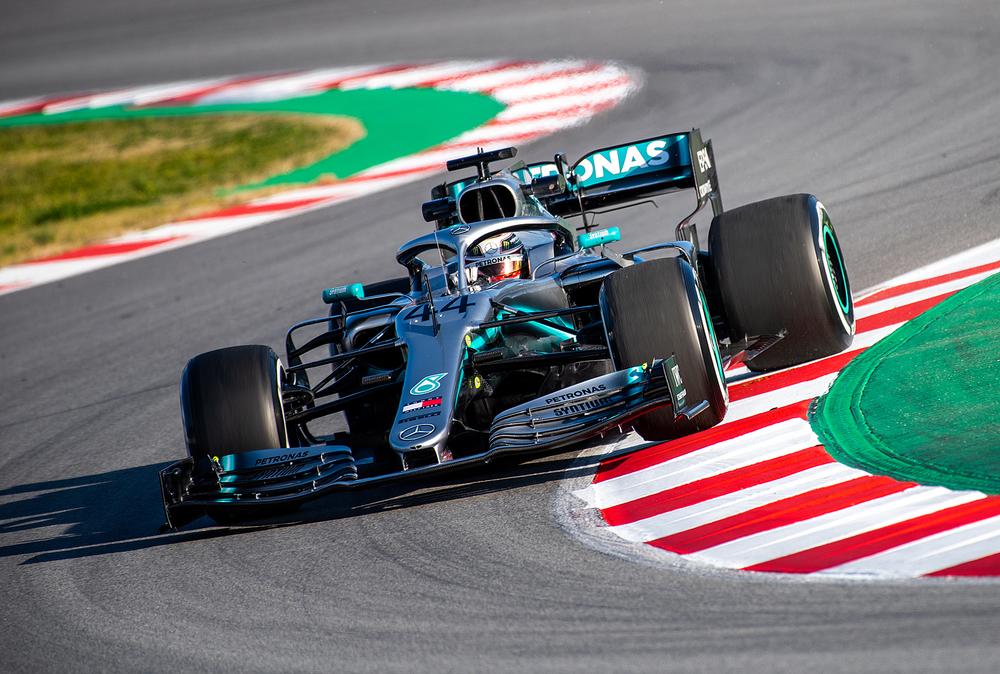
AWS also powers the data-driven sport of Formula 1 racing. During each race, 120 sensors on each car generate 3GB of data, and 1,500 data points are generated each second. Using our ML technology, Amazon SageMaker, Formula 1’s data scientists are able to train deep-learning models, which learn from 65 years of historical race data, to extract critical race performance statistics, make race predictions, and give fans an insight into the split-second decisions and strategies adopted by all the teams and drivers.
By streaming real-time race data to AWS using Amazon Kinesis, Formula 1 is able to capture and process key performance data for each car during every twist and turn of the race circuits. Then, by deploying advanced machine learning via Amazon SageMaker, Formula 1 can pinpoint exactly how a driver is performing and whether or not any drivers have pushed themselves over the limit. By sharing these insights through television broadcasts and digital platforms, Formula 1 is giving fans access to the inner workings of their favourite teams and drivers.
Is AWS working on any exciting new projects? We’re working with Swimming Australia to identify innovation opportunities by leveraging big data technologies to collect, analyse, and share data, that can then be used to drive new projects that will bring swimmers, fans, and the community closer to the race action.
With AWS, Swimming Australia aims to optimise athlete performance at critical junctures of the race, create new swimming meet formats, connect the national tribe of swimmers to better identify talent, and provide more meaningful fan experiences.
How is tech changing the experience of sport – both for athletes and fans? The emergence of cloud technology has helped drive faster adoption and real-world use of AI and ML technologies. Data analytics is definitely changing the way fans are consuming the sporting experience. Customers can integrate AWS AI and ML technologies into their applications now without having to purchase expensive, high performance technology hardware, and can get started in minutes, with no long-term commitments, and only pay for what they use.
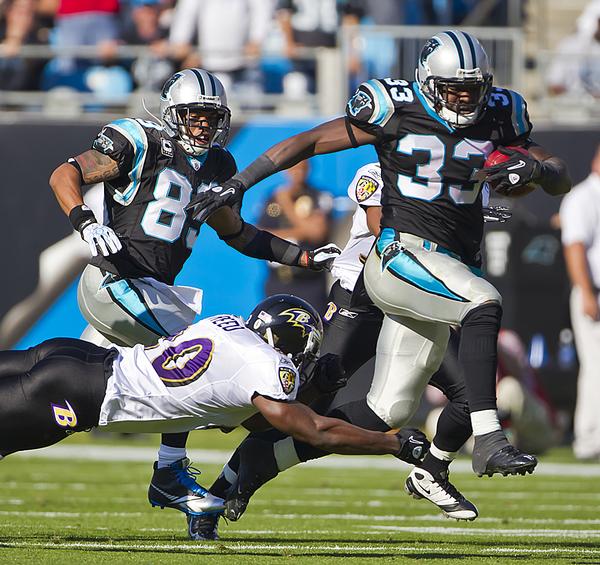
For example, the NFL is working with AWS to power its player tracking programme, which is called Next Gen Stats (NGS). It uses sophisticated tracking technology collected via RFID devices in the shoulder pads of every player and embedded at each of its stadiums. These devices capture data about which players are on the field at a given moment, their location to within inches, and the speed and direction in which they move. This treasure trove of data represents a tremendous resource for the league’s 32 teams, multiple media partners and approximately 180 million fans worldwide.
Powered by Amazon SageMaker, the NGS platform allows the NFL to quickly and easily create and deploy ML models capable of interpreting gameplay. One example is NGS’s Completion Probability metric, which integrates more than 10 in-play measurements, ranging from the length and velocity of a specific pass to the distance between the receiver and the closest defenders – as well as the quarterback and nearest pass rushers.
Using Amazon SageMaker to build, train and run these predictive models helped reduce the time it takes to get to results by as much as 12 hours down to 30 minutes. The results help fans understand why some passing plays are more difficult than others and provide a more meaningful understanding of the game itself. These insights can quickly be used by the NFL and its media partners to enhance broadcasts and online content, or even to educate and excite fans inside the stadium.
Additionally, the NFL can then take these insights and apply them to different parts of the organisation, helping coaches create better game plans and finding ways to improve player safety.
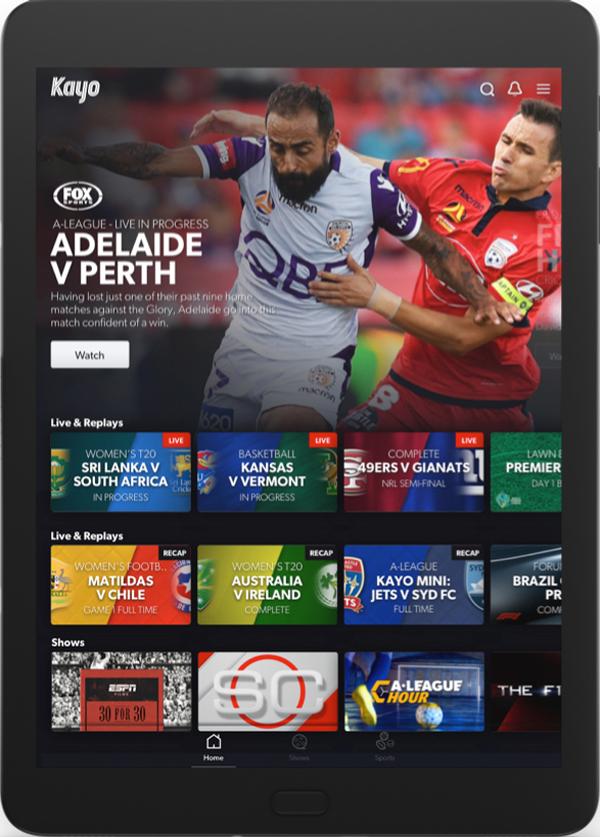
Tell us about your work with Kayo Kayo is offering new kinds of viewing experiences, such as personalised live streaming and video catch-up functionality, using AWS services – including AWS Elemental Live encoding and Amazon CloudFront.
For example, Kayo SplitView offers up to four events or camera angles on one screen on selected devices, while Kayo Key Moments captures highlights from matches, so sports fans can get straight to the action they want to watch.
Kayo provides a new way for Australians to experience sport, offering over 30,000 hours of content and game-changing features, with more than 50 sports events steamed instantly from Australia and other countries for viewing on iOS and Android mobile devices, laptops and PCs, and on TVs with Telstra TV, Apple TV and Chromecast Ultra apps.
The Kayo network is powered by Fox Sports Australia, ESPN, and beIN Sports. What will sport look like in the future? The future of sports will increasingly be more data-driven and powered by cloud technologies. With fans becoming more digitally connected, they want to be the first to be in on the action, follow their favourite teams, and consume sports from anywhere and on any device.
Cloud technologies provide the scalability to stream events live or host heavy data workloads and draw actionable insights through analytics.
Where can this technology take us? We see this technology as an enabler in improving customer outcomes and ensuring sporting organisations remain relevant.
We’re entering a golden age of AI and ML and believe AI will revolutionise almost all aspects of technology – making it easier to do things that currently take considerable time and effort, such as deriving data insights to increase fan engagement and enhancing athlete performance.
It can also power everything from personalisation, language understanding, and computer vision, to big ideas like self-driving cars.
The cloud has spurred researchers and developers to experiment with new algorithms in deep learning and we’ll see advances in reinforcement learning and the auto-tuning of models across a wide variety of domains, even beyond the sporting arena.
In a world where imbalance often accumulates quietly, Wildsmith unveils its newest
wellbeing innovation: Silent Loads, an approach designed to meet the needs of modern spa
guests with precision and depth. [more...]
Le Atelier by C.O.D.E. doesn't offer a standard bespoke service, it provides a highly
customised approach to designing massage beds and loungers in high-end wellness
environments. [more...]
+ More featured suppliers
COMPANY PROFILES
Cariitti Oy
Cariitti is a Finnish family business founded by Kari Ruokonen in 1998 that offers versatile lightin [more...]
Toni Knowlson is digital innovation lead at AWS in Australia and New Zealand
How is Amazon Web Services changing the sports industry? Amazon Web Services is working closely with local and global sporting organisations that are using AWS cloud, Artificial Intelligence (AI), and Machine Learning (ML) technologies to reimagine the sporting experience, deepen fan engagement, and achieve meaningful data insights to help athletes perform better.
In Australia, there are already promising examples of young local companies using AWS to innovate. Working from his garage, the owner of Queensland-based Sportcor, Ben Tattersfield, used AWS cloud to create a smart ball concept that can be used for cricket, golf and athletics and which displays useful details, including its spin and speed during play.
Tattersfield’s company is also planning to roll out its technology for other ball sports such as netball and rugby, as well as integrating it into equipment, such as helmets.
AWS also powers the data-driven sport of Formula 1 racing. During each race, 120 sensors on each car generate 3GB of data, and 1,500 data points are generated each second. Using our ML technology, Amazon SageMaker, Formula 1’s data scientists are able to train deep-learning models, which learn from 65 years of historical race data, to extract critical race performance statistics, make race predictions, and give fans an insight into the split-second decisions and strategies adopted by all the teams and drivers.
By streaming real-time race data to AWS using Amazon Kinesis, Formula 1 is able to capture and process key performance data for each car during every twist and turn of the race circuits. Then, by deploying advanced machine learning via Amazon SageMaker, Formula 1 can pinpoint exactly how a driver is performing and whether or not any drivers have pushed themselves over the limit. By sharing these insights through television broadcasts and digital platforms, Formula 1 is giving fans access to the inner workings of their favourite teams and drivers.
Is AWS working on any exciting new projects? We’re working with Swimming Australia to identify innovation opportunities by leveraging big data technologies to collect, analyse, and share data, that can then be used to drive new projects that will bring swimmers, fans, and the community closer to the race action.
With AWS, Swimming Australia aims to optimise athlete performance at critical junctures of the race, create new swimming meet formats, connect the national tribe of swimmers to better identify talent, and provide more meaningful fan experiences.
How is tech changing the experience of sport – both for athletes and fans? The emergence of cloud technology has helped drive faster adoption and real-world use of AI and ML technologies. Data analytics is definitely changing the way fans are consuming the sporting experience. Customers can integrate AWS AI and ML technologies into their applications now without having to purchase expensive, high performance technology hardware, and can get started in minutes, with no long-term commitments, and only pay for what they use.
For example, the NFL is working with AWS to power its player tracking programme, which is called Next Gen Stats (NGS). It uses sophisticated tracking technology collected via RFID devices in the shoulder pads of every player and embedded at each of its stadiums. These devices capture data about which players are on the field at a given moment, their location to within inches, and the speed and direction in which they move. This treasure trove of data represents a tremendous resource for the league’s 32 teams, multiple media partners and approximately 180 million fans worldwide.
Powered by Amazon SageMaker, the NGS platform allows the NFL to quickly and easily create and deploy ML models capable of interpreting gameplay. One example is NGS’s Completion Probability metric, which integrates more than 10 in-play measurements, ranging from the length and velocity of a specific pass to the distance between the receiver and the closest defenders – as well as the quarterback and nearest pass rushers.
Using Amazon SageMaker to build, train and run these predictive models helped reduce the time it takes to get to results by as much as 12 hours down to 30 minutes. The results help fans understand why some passing plays are more difficult than others and provide a more meaningful understanding of the game itself. These insights can quickly be used by the NFL and its media partners to enhance broadcasts and online content, or even to educate and excite fans inside the stadium.
Additionally, the NFL can then take these insights and apply them to different parts of the organisation, helping coaches create better game plans and finding ways to improve player safety.
Tell us about your work with Kayo Kayo is offering new kinds of viewing experiences, such as personalised live streaming and video catch-up functionality, using AWS services – including AWS Elemental Live encoding and Amazon CloudFront.
For example, Kayo SplitView offers up to four events or camera angles on one screen on selected devices, while Kayo Key Moments captures highlights from matches, so sports fans can get straight to the action they want to watch.
Kayo provides a new way for Australians to experience sport, offering over 30,000 hours of content and game-changing features, with more than 50 sports events steamed instantly from Australia and other countries for viewing on iOS and Android mobile devices, laptops and PCs, and on TVs with Telstra TV, Apple TV and Chromecast Ultra apps.
The Kayo network is powered by Fox Sports Australia, ESPN, and beIN Sports. What will sport look like in the future? The future of sports will increasingly be more data-driven and powered by cloud technologies. With fans becoming more digitally connected, they want to be the first to be in on the action, follow their favourite teams, and consume sports from anywhere and on any device.
Cloud technologies provide the scalability to stream events live or host heavy data workloads and draw actionable insights through analytics.
Where can this technology take us? We see this technology as an enabler in improving customer outcomes and ensuring sporting organisations remain relevant.
We’re entering a golden age of AI and ML and believe AI will revolutionise almost all aspects of technology – making it easier to do things that currently take considerable time and effort, such as deriving data insights to increase fan engagement and enhancing athlete performance.
It can also power everything from personalisation, language understanding, and computer vision, to big ideas like self-driving cars.
The cloud has spurred researchers and developers to experiment with new algorithms in deep learning and we’ll see advances in reinforcement learning and the auto-tuning of models across a wide variety of domains, even beyond the sporting arena.
Four Seasons Resort The Nam Hai in Hoi An, Vietnam, has put together a Global Wellness Day
(GWD) agenda with activations rooted in nature and shaped by four pillars of Joy – in
alignment with the day’s theme #JoyMagenta.
The Global Wellness Summit (GWS) will celebrate its 20th anniversary at the 2026 event in
Phuket, Thailand, later this year with the theme: The Science, Art and Soul of Wellness.
Auko, an all-inclusive development, is opening in Phong Nha in Vietnam in Q3 2026, with a
series of 30 tented eco-lodges and wellness hospitality operations by Lumina Wellbeing.
Therme Manchester’s 28-acre development, which will include interconnected glass pavilions
that measure 65,000sq m, will be the largest bathing and wellbeing attraction in the world once
complete, according to prof David Russell, CEO of Therme UK.
Naples Beach Club, a Four Seasons Resort, has opened a 2,800sq m spa called The Sanctuary,
with the design and concept inspired by the Native American people that populated Florida’s
Southwest coast – the Calusa.
Swire Hotels’ luxury hospitality brand Upper House has revealed it will roll out its two-day
House of Healing retreats at its three hotels in Hong Kong, Chengdu and Shanghai.
LVMH-owned beauty house Guerlain will launch up to five spas with partners a year as part of
its plan to expand globally, according to the brand’s international spa and wellness director,
Diane Davody.
A new global study by Kevin Kelly and Peter Yesawich, called WELLSurvey 2.0, has revealed
more than half of consumers in the UK, US and Germany would not choose numerous high-
profile wellness resort brands for a future trip.
Luxury hospitality and wellness pioneer Jeremy McCarthy has launched Leisure Alchemy, a
digital platform that will provide professionals with strategic guidance on how to build
transformational leisure experiences that drive profit.
In a world where imbalance often accumulates quietly, Wildsmith unveils its newest
wellbeing innovation: Silent Loads, an approach designed to meet the needs of modern spa
guests with precision and depth. [more...]
Le Atelier by C.O.D.E. doesn't offer a standard bespoke service, it provides a highly
customised approach to designing massage beds and loungers in high-end wellness
environments. [more...]
+ More featured suppliers
COMPANY PROFILES
Cariitti Oy Cariitti is a Finnish family business founded by Kari Ruokonen in 1998 that offers versatile lightin [more...]