Latest
issue
Uniting the world of spa & wellness
Get Spa Business and Spa Business insider digital magazines FREE
Sign up here ▸
News   Features   Products   Company profilesProfiles   Press releasesProfiles   Magazine   Handbook   Advertise    Subscribe  
NEWS
WHO report shows increasing activity levels could save Europe €14bn in health costs by 2050
POSTED 24 Feb 2023 . BY Frances Marcellin
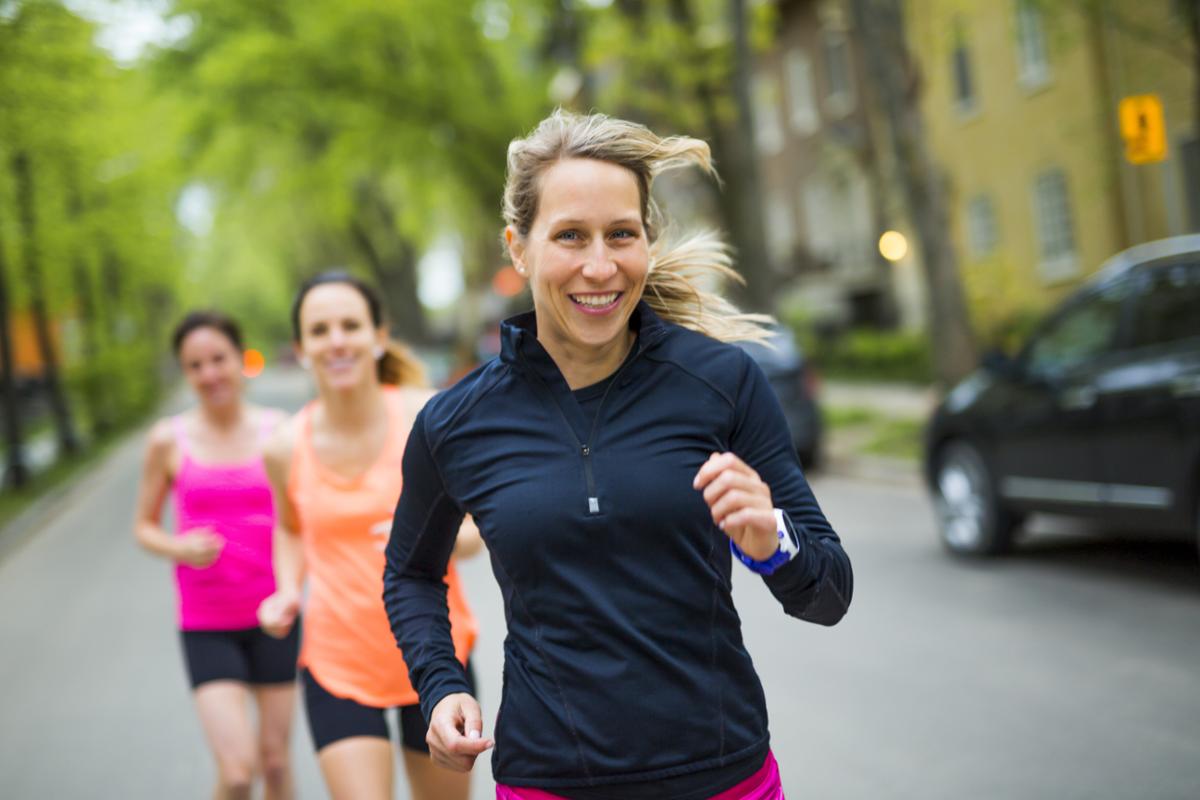
If WHO’s recommended minimum of 150 minutes of exercise were met each week, it would prevent 11.5m new cases of NCDs by 2050 Credit: Shutterstsock/Lopolo
The WHO and OECD have released a new report, Step Up, which analyses the burden of inactivity on the 27 EU member states
Meeting WHO’s recommended minimum of 150 minutes of exercise each week would cut 11.5m new cases of noncommunicable diseases (NCDs) by 2050
Upping to 300 minutes of physical activity per week would prevent a further 16m cases of NCDs
Report states that implementation of physical activity policy packages could save €14bn in health costs by 2050
Almost half of the population of the EU don't exercise or play sport and the impact of this on healthcare services is costing billions, according to a new report.

Step up! Tackling the burden of insufficient physical activity in Europe, from the World Health Organization (WHO) and OECD – with support from the EU – links this lack of physical activity to health decline and economic impact.

It calls on policymakers to step up their policy response to increase physical activity and makes a clear case for why meeting more than the minimum targets would be an effective disease prevention tool carrying a greater health and cost impact.

WHO recommends at least 150 minutes of moderate-intensity exercise each week. According to the report, increasing to this level would prevent 11.5m new cases of noncommunicable diseases (NCDs) by 2050. This includes 3.8m cases of cardiovascular diseases, 3.5m cases of depression, nearly 1m cases of type 2 diabetes and more than 400,000 cases of different cancers.

Raising to minimum levels would also save EU member states 0.6 per cent of their health care budget, on average, a total of nearly €8bn PPP per year. PPP means purchasing power parities – defined as “the rates of currency conversion that try to equalise the purchasing power of different currencies, by eliminating the differences in price levels between countries”.

The report further explains that Germany, Italy and France – which have the greatest healthcare burden from inactivity – will pay out €2bn PPP, €1.3bn PPP and €1bn PPP, respectively, to treat diseases that are caused through a lack of exercise each year between 2022 and 2050.

Citizens engaging in 300 minutes of physical activity per week would prevent a further 16m cases of NCDs.

“Regular physical activity is one of the most important things people can do for a healthy life – not only does it significantly reduce the risk of numerous noncommunicable diseases, but it also improves mental health and increases well-being,” said Dr Kremlin Wickramasinghe, ad interim head of the WHO European Office for the Prevention and Control of Noncommunicable Diseases.

“WHO recommends at least 150 minutes of moderate intensity physical activity per week and every move counts towards better health. Our latest report shows that if everyone in the EU were to meet WHO recommended levels of physical activity, it could prevent more than 10,000 premature deaths each year.”

Breakdown of most vulnerable

The report highlights the three risk factors that increase the risk of chronic diseases: low physical activity, low cardiovascular fitness and sedentary behaviour (such as having a desk job, driving a car or watching TV).

It also provides a breakdown of the most vulnerable demographics and gender differences: only one in five boys compared with one in ten girls meet the WHO recommendations. Out of 17-24 year olds, 73 per cent of men compared with 58 per cent of women meet moderate activity guidelines.

Children and teenagers (age 5-17) should do at least an average of 60 minutes every day of mostly aerobic physical activity. Inactivity is prevalent in adolescents, with less than one in five (17.6 per cent) boys and one in ten (9.6 per cent) girls across the 27 EU member states meeting recommendations in 2018. Adolescents in Italy, France and Portugal engage in the least amount of physical activity.

The report exposes inequalities that exist among socio-economic groups, such as: 24 per cent who consider themselves working class exercise regularly compared with over 51 per cent of upper class.

Policies to up activity and reduce health budget burden

Overall, the report comprises four parts: why physical activity is important; trends and patterns in Europe; the burden of insufficient inactivity; and policy options to increase physical activity. This final section includes examples of schemes that are running in various member states across the EU, which aim to increase the population’s levels of physical activity.

Sports facilities, environmental policies, increased public spending, design and transport policies can all influence health, physical activity and economic outcomes for countries.

It states how previous OECD modelling work showed how physical activity policy packages, including interventions such as prescribing physical activity, investing in active transport and school-based programmes, could lead to significant health gains and savings in health care expenditure.

Implementing such policies make a difference, but are lacking. Wickramasinghe points out that, for example, schemes promoting active travel to school or work are only present in 14 and 17 out of 27 EU member states, respectively.

“Such a package of policies aimed at increasing physical activity, implemented in 36 countries, would prevent 38,000 NCDs per year and save around €14bn in health costs by 2050 – equivalent to the total annual health care expenditure of Greece,” stated the report. “Moreover, for every €1 invested in a physical activity policy package, €1.7 are returned in economic benefits (OECD, 2019[20]).”

Click here to read the full report: www.hcmmag.com/WHO-OECD-StepUpReport2023

MORE NEWS
Belgin Aksoy prepares to mark 15 years of Global Wellness Day on Saturday 13 June
Global Wellness Day (GWD) will mark its 15th anniversary on Saturday 13 June 2026, with the theme: #JoyMagenta – a celebration of the healing qualities of simple gestures and activities that spark joy.
HUM2N opens longevity clinic at Six Senses London
Global luxury hospitality brand, Six Senses, has partnered with longevity healthcare provider, HUM2N, to launch a clinic at Six Senses London, at The Whiteley.
Mayrlife opens first hotel day clinic in partnership with Rosewood Vienna
As part of its first hotel partnership, Mayrlife – the medical health resort company known for its site in Altaussee, Austria – has launched a day clinic at the Rosewood Vienna.
KX Chelsea invests £15 million to upgrade its wellness offering
Premium London health club, KX Chelsea, will imminently unveil its most significant redevelopment since its launch in 2002 to create an integrated wellness model combining training, recovery and relaxation.
+ More news   

FEATURED SUPPLIERS

Meet Desert Therapy: Aromatherapy Associates' first new blend in seven years
There is a particular quality of stillness found only in the desert. [more...]

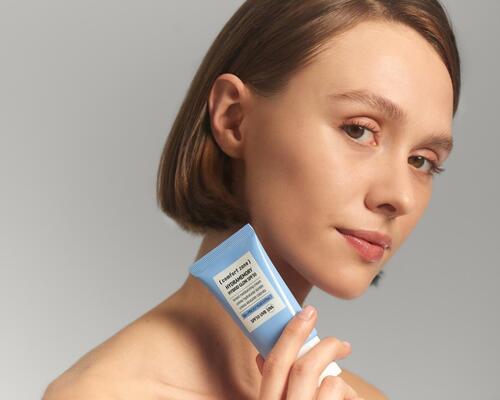
Glow beyond protection: meet Comfort Zone Hydramemory Hybrid Glow SPF 30
Sun protection is no longer just about shielding the skin – it's about enhancing it. [more...]
+ More featured suppliers  
COMPANY PROFILES
We Work Well Inc

In 2019 Monica Helmstetter and Lucy Hugo founded the American hosted buyer event company We Work Wel [more...]
Saskia Spa

Founded in 2014, Saskia Spa continues to evolve as a professional luxury skincare brand. It forms pa [more...]
+ More profiles  
CATALOGUE GALLERY
 

+ More catalogues  

DIRECTORY
+ More directory  
DIARY


21-23 Jun 2026

Spa Life International (UK)

Midlands (Venue TBA), Liphook, United Kingdom
22-22 Jun 2026

World Bathing Day

Worldwide,
+ More diary  
 
ABOUT LEISURE MEDIA
LEISURE MEDIA MAGAZINES
LEISURE MEDIA HANDBOOKS
LEISURE MEDIA WEBSITES
LEISURE MEDIA PRODUCT SEARCH
 
SPA BUSINESS
SPA OPPORTUNITIES
SPA BUSINESS HANDBOOK
PRINT SUBSCRIPTIONS
FREE DIGITAL SUBSCRIPTIONS
ADVERTISE . CONTACT US

Leisure Media
Tel: +44 (0)1462 431385

©Cybertrek 2026
Uniting the world of spa & wellness
Get Spa Business and Spa Business insider digital magazines FREE
Sign up here ▸
News   Products   Magazine   Subscribe
NEWS
WHO report shows increasing activity levels could save Europe €14bn in health costs by 2050
POSTED 24 Feb 2023 . BY Frances Marcellin
If WHO’s recommended minimum of 150 minutes of exercise were met each week, it would prevent 11.5m new cases of NCDs by 2050 Credit: Shutterstsock/Lopolo
The WHO and OECD have released a new report, Step Up, which analyses the burden of inactivity on the 27 EU member states
Meeting WHO’s recommended minimum of 150 minutes of exercise each week would cut 11.5m new cases of noncommunicable diseases (NCDs) by 2050
Upping to 300 minutes of physical activity per week would prevent a further 16m cases of NCDs
Report states that implementation of physical activity policy packages could save €14bn in health costs by 2050
Almost half of the population of the EU don't exercise or play sport and the impact of this on healthcare services is costing billions, according to a new report.

Step up! Tackling the burden of insufficient physical activity in Europe, from the World Health Organization (WHO) and OECD – with support from the EU – links this lack of physical activity to health decline and economic impact.

It calls on policymakers to step up their policy response to increase physical activity and makes a clear case for why meeting more than the minimum targets would be an effective disease prevention tool carrying a greater health and cost impact.

WHO recommends at least 150 minutes of moderate-intensity exercise each week. According to the report, increasing to this level would prevent 11.5m new cases of noncommunicable diseases (NCDs) by 2050. This includes 3.8m cases of cardiovascular diseases, 3.5m cases of depression, nearly 1m cases of type 2 diabetes and more than 400,000 cases of different cancers.

Raising to minimum levels would also save EU member states 0.6 per cent of their health care budget, on average, a total of nearly €8bn PPP per year. PPP means purchasing power parities – defined as “the rates of currency conversion that try to equalise the purchasing power of different currencies, by eliminating the differences in price levels between countries”.

The report further explains that Germany, Italy and France – which have the greatest healthcare burden from inactivity – will pay out €2bn PPP, €1.3bn PPP and €1bn PPP, respectively, to treat diseases that are caused through a lack of exercise each year between 2022 and 2050.

Citizens engaging in 300 minutes of physical activity per week would prevent a further 16m cases of NCDs.

“Regular physical activity is one of the most important things people can do for a healthy life – not only does it significantly reduce the risk of numerous noncommunicable diseases, but it also improves mental health and increases well-being,” said Dr Kremlin Wickramasinghe, ad interim head of the WHO European Office for the Prevention and Control of Noncommunicable Diseases.

“WHO recommends at least 150 minutes of moderate intensity physical activity per week and every move counts towards better health. Our latest report shows that if everyone in the EU were to meet WHO recommended levels of physical activity, it could prevent more than 10,000 premature deaths each year.”

Breakdown of most vulnerable

The report highlights the three risk factors that increase the risk of chronic diseases: low physical activity, low cardiovascular fitness and sedentary behaviour (such as having a desk job, driving a car or watching TV).

It also provides a breakdown of the most vulnerable demographics and gender differences: only one in five boys compared with one in ten girls meet the WHO recommendations. Out of 17-24 year olds, 73 per cent of men compared with 58 per cent of women meet moderate activity guidelines.

Children and teenagers (age 5-17) should do at least an average of 60 minutes every day of mostly aerobic physical activity. Inactivity is prevalent in adolescents, with less than one in five (17.6 per cent) boys and one in ten (9.6 per cent) girls across the 27 EU member states meeting recommendations in 2018. Adolescents in Italy, France and Portugal engage in the least amount of physical activity.

The report exposes inequalities that exist among socio-economic groups, such as: 24 per cent who consider themselves working class exercise regularly compared with over 51 per cent of upper class.

Policies to up activity and reduce health budget burden

Overall, the report comprises four parts: why physical activity is important; trends and patterns in Europe; the burden of insufficient inactivity; and policy options to increase physical activity. This final section includes examples of schemes that are running in various member states across the EU, which aim to increase the population’s levels of physical activity.

Sports facilities, environmental policies, increased public spending, design and transport policies can all influence health, physical activity and economic outcomes for countries.

It states how previous OECD modelling work showed how physical activity policy packages, including interventions such as prescribing physical activity, investing in active transport and school-based programmes, could lead to significant health gains and savings in health care expenditure.

Implementing such policies make a difference, but are lacking. Wickramasinghe points out that, for example, schemes promoting active travel to school or work are only present in 14 and 17 out of 27 EU member states, respectively.

“Such a package of policies aimed at increasing physical activity, implemented in 36 countries, would prevent 38,000 NCDs per year and save around €14bn in health costs by 2050 – equivalent to the total annual health care expenditure of Greece,” stated the report. “Moreover, for every €1 invested in a physical activity policy package, €1.7 are returned in economic benefits (OECD, 2019[20]).”

Click here to read the full report: www.hcmmag.com/WHO-OECD-StepUpReport2023

MORE NEWS
Belgin Aksoy prepares to mark 15 years of Global Wellness Day on Saturday 13 June
Global Wellness Day (GWD) will mark its 15th anniversary on Saturday 13 June 2026, with the theme: #JoyMagenta – a celebration of the healing qualities of simple gestures and activities that spark joy.
HUM2N opens longevity clinic at Six Senses London
Global luxury hospitality brand, Six Senses, has partnered with longevity healthcare provider, HUM2N, to launch a clinic at Six Senses London, at The Whiteley.
Mayrlife opens first hotel day clinic in partnership with Rosewood Vienna
As part of its first hotel partnership, Mayrlife – the medical health resort company known for its site in Altaussee, Austria – has launched a day clinic at the Rosewood Vienna.
KX Chelsea invests £15 million to upgrade its wellness offering
Premium London health club, KX Chelsea, will imminently unveil its most significant redevelopment since its launch in 2002 to create an integrated wellness model combining training, recovery and relaxation.
Rosewood Le Guanahani St Barth offers ocean-themed yoga for Global Wellness Day
Rosewood Le Guanahani St Barth, on the northeast coast of Saint Barthélemy in the French West Indies, is offering a programme of ocean-inspired yoga classes between 8-14 June to celebrate Global Wellness Day (GWD).
Butterfly sanctuary to host hot yoga during retreat at Jersey Zoo for Hotel de France
Hotel de France, located on the British Isle of Jersey, has created a wellness retreat package that includes a hot yoga session that will take place in Jersey Zoo’s butterfly sanctuary.
+ More news   
 
FEATURED SUPPLIERS

Meet Desert Therapy: Aromatherapy Associates' first new blend in seven years
There is a particular quality of stillness found only in the desert. [more...]

Glow beyond protection: meet Comfort Zone Hydramemory Hybrid Glow SPF 30
Sun protection is no longer just about shielding the skin – it's about enhancing it. [more...]
+ More featured suppliers  
COMPANY PROFILES
We Work Well Inc

In 2019 Monica Helmstetter and Lucy Hugo founded the American hosted buyer event company We Work Wel [more...]
+ More profiles  
CATALOGUE GALLERY
+ More catalogues  

DIRECTORY
+ More directory  
DIARY


21-23 Jun 2026
Spa Life International (UK)

Midlands (Venue TBA), Liphook, United Kingdom
22-22 Jun 2026

World Bathing Day

Worldwide,
+ More diary  


ADVERTISE . CONTACT US

Leisure Media
Tel: +44 (0)1462 431385

©Cybertrek 2026

ABOUT LEISURE MEDIA
LEISURE MEDIA MAGAZINES
LEISURE MEDIA HANDBOOKS
LEISURE MEDIA WEBSITES
LEISURE MEDIA PRODUCT SEARCH
PRINT SUBSCRIPTIONS
FREE DIGITAL SUBSCRIPTIONS