Yes! Send me the FREE digital editions of Spa Business and Spa Business insider magazines and the FREE weekly Spa Business and Spa Business insider ezines and breaking news alerts!
Governments are largely blind to the economic implications of an unhealthy population when it comes to productivity and GDP. Now’s the time to be focusing on this important issue
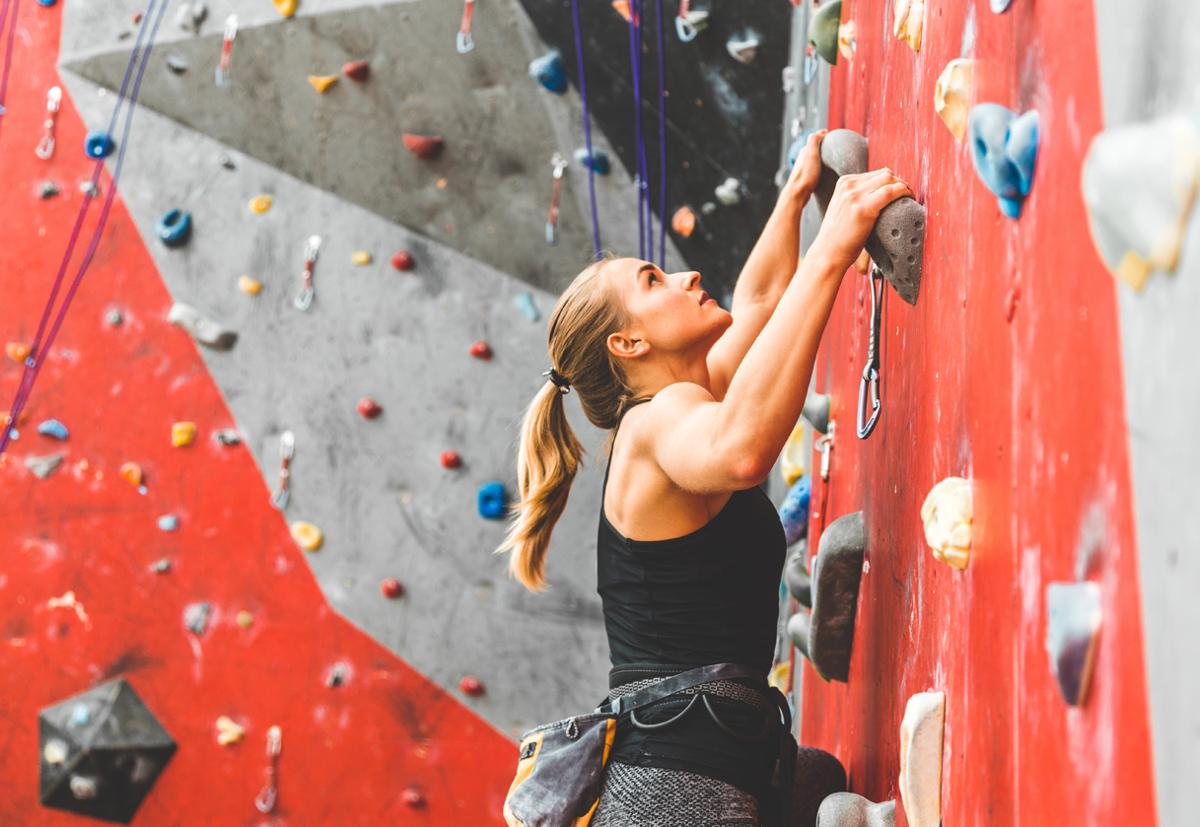
Politicians need to understand the value of a fit workforce / photo: XArtProduction/shutterstock
Policymakers are only just waking up to the fact that the key to economic success and productivity is a fit and healthy workforce.
This subject has been in the news recently, due to statements made in the UK by Andy Haldane, former chief economist at the Bank of England.
Speaking at The Health Foundation’s Real challenge lecture, Haldane said the declining health of Britons is stalling the nation’s economic growth.
“We’re in a situation for the first time, probably since the Industrial Revolution, where health and wellbeing are in retreat,” he said. “Having been an accelerator of wellbeing for the last 200 years, health is now serving as a brake on the rise of economic growth and the wellbeing of our citizens”.
Policymakers need to understand that in order for countries to run effectively, they need healthy, fit, engaged citizens with mental and physical resilience and vitality and that everything that reinforces this – such as supporting the physical activity sector – is to be encouraged, while everything that diminishes it is to be robustly tackled.
We’ve been arguing for some years that in addition to being part of sports portfolios, the health and fitness and physical activity sector should fall into the portfolios of departments for business and health within governments, on the grounds that all economic activity ultimately benefits from a fit and focused workforce and fit, healthy consumers who are capable of working.
Most governments seem to have lost sight of their role as nurturers, laying increasingly onerous tax burdens on citizens and failing to recognise or support the fundamentals that underpin economic success, such as prevention and exercise and healthy living initiatives.
When was the last time you heard a politician talk about the personal wellbeing of citizens? Policy too often just creates a downward spiral of negativity and stress, rather than an upward spiral and health and energy.
Wellness policy is an emerging area of political life in its own right and in the vanguard, the Global Wellness Institute (GWI) has launched Defining Wellness Policy (www.hcmmag.com/wellnesspolicy), the first of a series of research studies looking at the political landscape as it relates to policies that impact personal wellbeing.
The GWI found a direct correlation between spending on wellness and longevity and levels of happiness among entire populations, reinforcing the need for a greater focus on this vital area of public life.
With the world facing so many serious challenges, now’s the time to present evidence that the sector is already contributing to economic success and GDP and that this could be accelerated with the right political support.
Le Atelier by C.O.D.E. doesn't offer a standard bespoke service, it provides a highly
customised approach to designing massage beds and loungers in high-end wellness
environments. [more...]
Governments are largely blind to the economic implications of an unhealthy population when it comes to productivity and GDP. Now’s the time to be focusing on this important issue
Politicians need to understand the value of a fit workforce / photo: XArtProduction/shutterstock
Policymakers are only just waking up to the fact that the key to economic success and productivity is a fit and healthy workforce.
This subject has been in the news recently, due to statements made in the UK by Andy Haldane, former chief economist at the Bank of England.
Speaking at The Health Foundation’s Real challenge lecture, Haldane said the declining health of Britons is stalling the nation’s economic growth.
“We’re in a situation for the first time, probably since the Industrial Revolution, where health and wellbeing are in retreat,” he said. “Having been an accelerator of wellbeing for the last 200 years, health is now serving as a brake on the rise of economic growth and the wellbeing of our citizens”.
Policymakers need to understand that in order for countries to run effectively, they need healthy, fit, engaged citizens with mental and physical resilience and vitality and that everything that reinforces this – such as supporting the physical activity sector – is to be encouraged, while everything that diminishes it is to be robustly tackled.
We’ve been arguing for some years that in addition to being part of sports portfolios, the health and fitness and physical activity sector should fall into the portfolios of departments for business and health within governments, on the grounds that all economic activity ultimately benefits from a fit and focused workforce and fit, healthy consumers who are capable of working.
Most governments seem to have lost sight of their role as nurturers, laying increasingly onerous tax burdens on citizens and failing to recognise or support the fundamentals that underpin economic success, such as prevention and exercise and healthy living initiatives.
When was the last time you heard a politician talk about the personal wellbeing of citizens? Policy too often just creates a downward spiral of negativity and stress, rather than an upward spiral and health and energy.
Wellness policy is an emerging area of political life in its own right and in the vanguard, the Global Wellness Institute (GWI) has launched Defining Wellness Policy (www.hcmmag.com/wellnesspolicy), the first of a series of research studies looking at the political landscape as it relates to policies that impact personal wellbeing.
The GWI found a direct correlation between spending on wellness and longevity and levels of happiness among entire populations, reinforcing the need for a greater focus on this vital area of public life.
With the world facing so many serious challenges, now’s the time to present evidence that the sector is already contributing to economic success and GDP and that this could be accelerated with the right political support.
Global Wellness Day (GWD) will mark its 15th anniversary on Saturday 13 June 2026, with the
theme: #JoyMagenta – a celebration of the healing qualities of simple gestures and activities
that spark joy.
Global luxury hospitality brand, Six Senses, has partnered with longevity healthcare provider,
HUM2N, to launch a clinic at Six Senses London, at The Whiteley.
As part of its first hotel partnership, Mayrlife – the medical health resort company known for its
site in Altaussee, Austria – has launched a day clinic at the Rosewood Vienna.
Premium London health club, KX Chelsea, will imminently unveil its most significant
redevelopment since its launch in 2002 to create an integrated wellness model combining
training, recovery and relaxation.
Rosewood Le Guanahani St Barth, on the northeast coast of Saint Barthélemy in the French
West Indies, is offering a programme of ocean-inspired yoga classes between 8-14 June to
celebrate Global Wellness Day (GWD).
Hotel de France, located on the British Isle of Jersey, has created a wellness retreat package
that includes a hot yoga session that will take place in Jersey Zoo’s butterfly sanctuary.
The Ritz-Carlton, Langkawi, in Malaysia, has revealed a schedule for Global Wellness Day
(GWD) that includes guided rainforest walks, mindful movement and guided coastal meditation
experiences.
Longevitix, a clinical platform for preventive and longevity medicine, has launched its AI-
powered intelligence system to help physicians deliver continuous, personalised longevity-
focused care at scale.
Atmantan Wellness Centre, an integrative wellness destination in Mulshi, near Pune in India, is
expanding its portfolio by adding a new centre in Hyderabad that will launch between 2028 and
2029.
A recent survey by the UK Spa Association (UKSA) into the industry’s approach to cancer care
has revealed that almost half of participating respondents (46 per cent) are unaware that
cancer is a disability and guests with a cancer diagnosis must be given
Le Atelier by C.O.D.E. doesn't offer a standard bespoke service, it provides a highly
customised approach to designing massage beds and loungers in high-end wellness
environments. [more...]