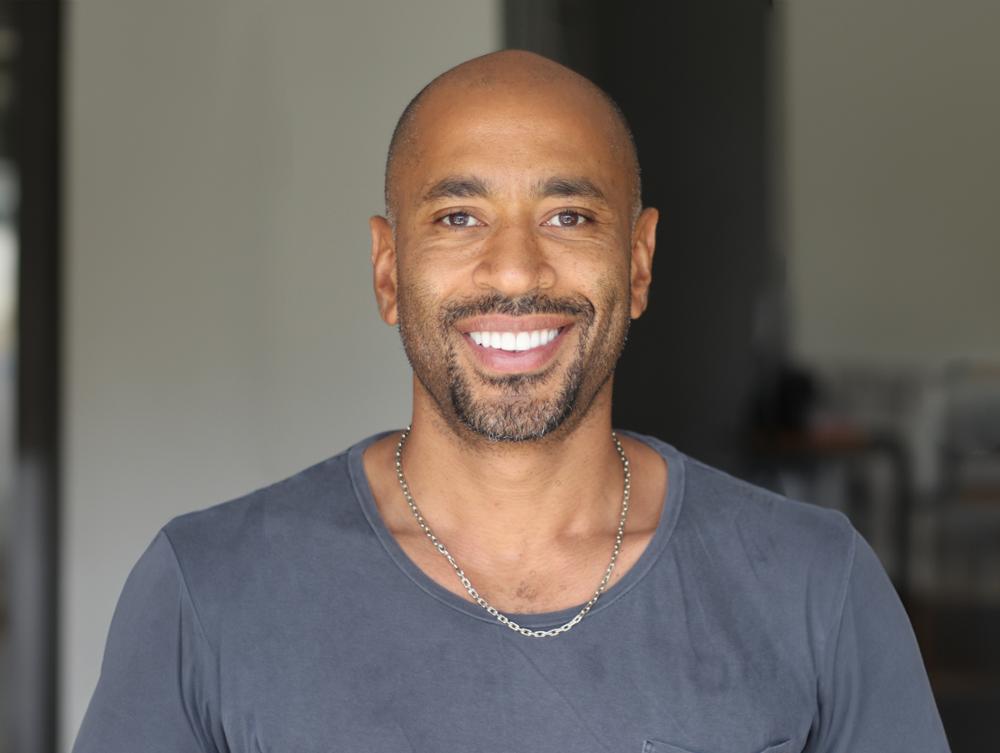
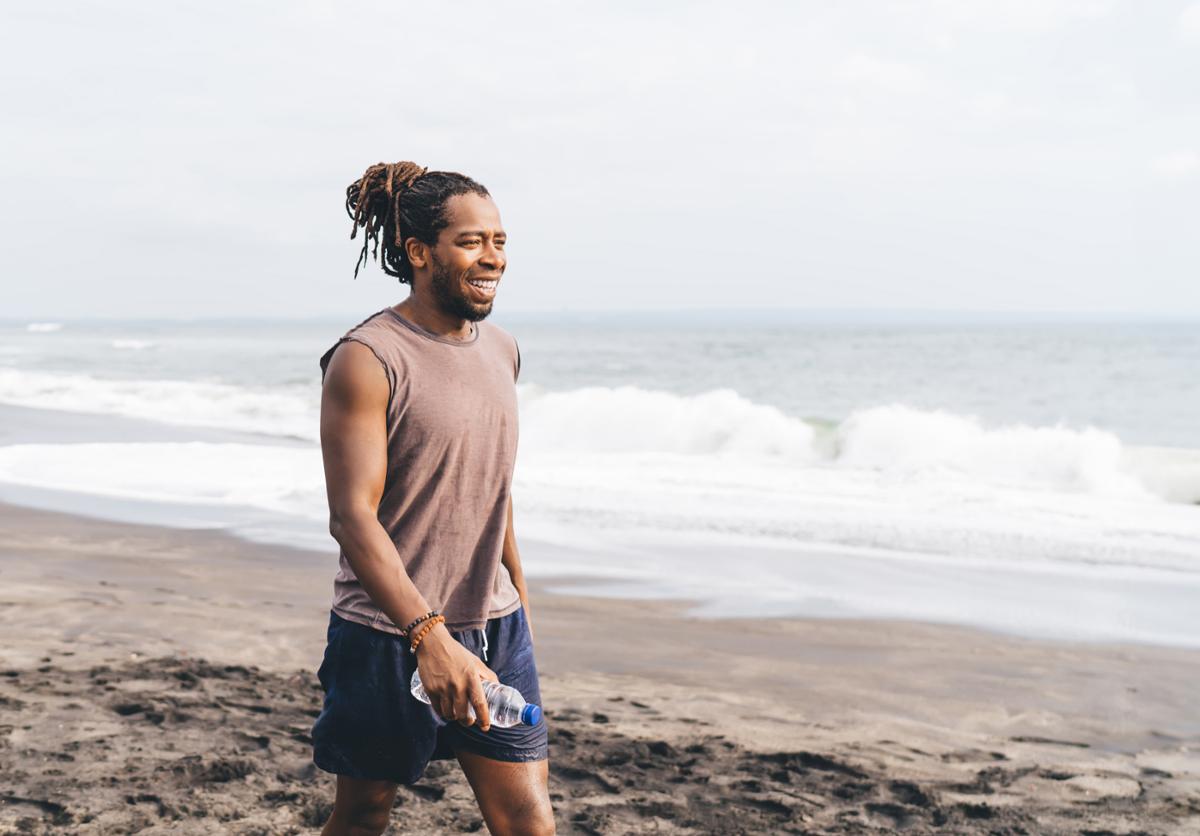
Okereke delivers meditation for men on the app / photo: Mettle
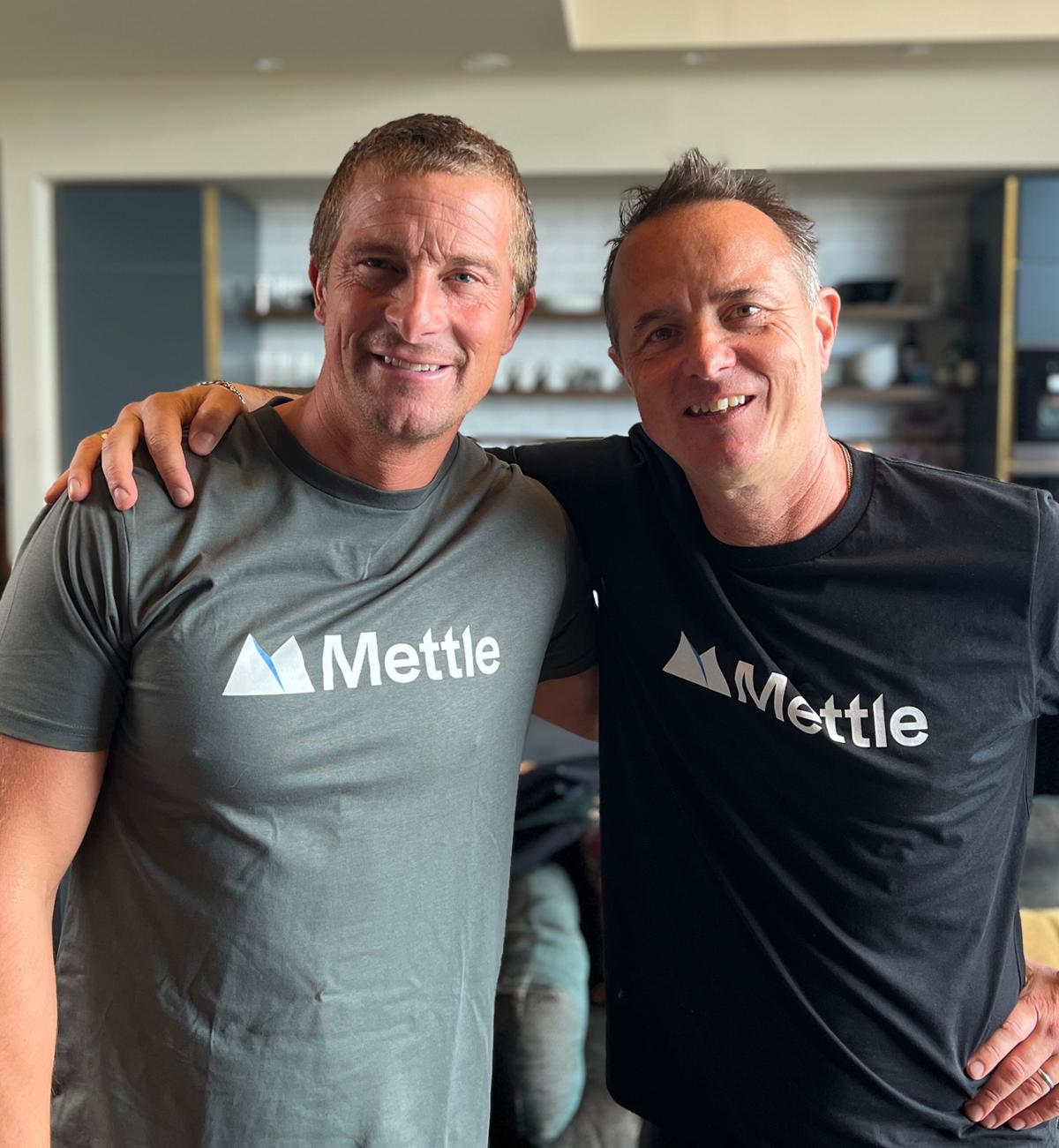
Tell us about Mettle Mettle was the brainchild of Bear Grylls and Neil Smith, who wanted to address a gap in the market for services supporting men with their mental wellbeing.
They came up with the idea for a mindfulness app incorporating meditation, breathwork and neuro linguistic programming (NLP).
Designed in conjunction with Imperial College London, the Mettle app is research-based and curated to appeal to the sceptical male mind. Men can be difficult to engage in this sort of activity and need to hear things in slightly different ways.
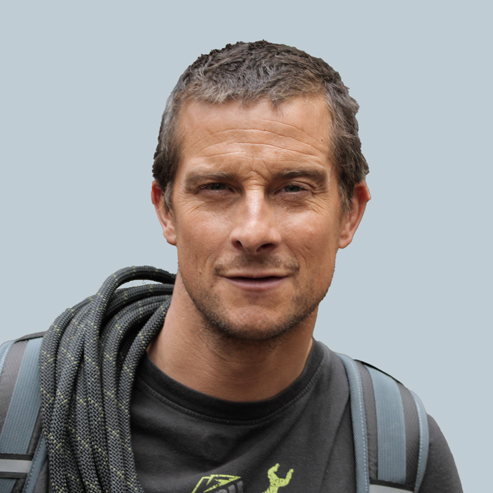
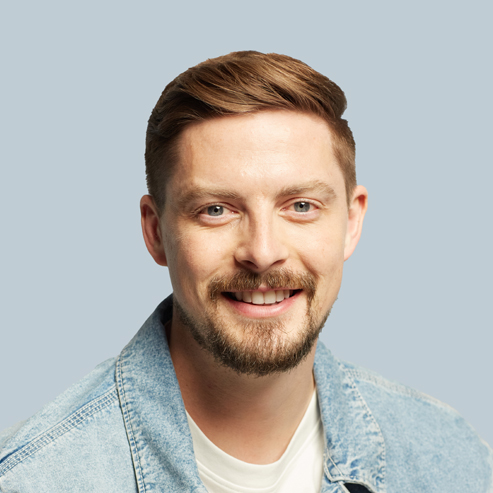
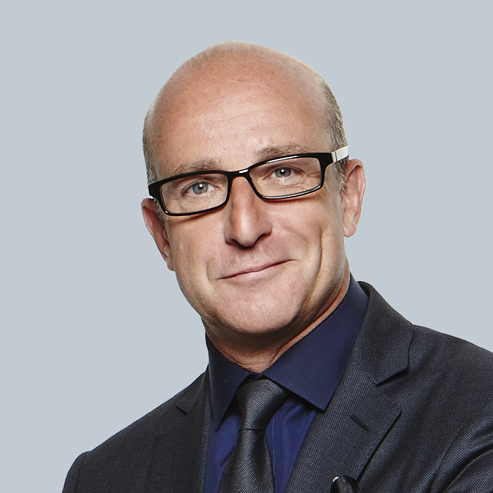
I'm in charge of delivering meditation, Jamie Clements is the breathwork expert, we’ve got Paul McKenna for the NLP and Dr Alex George and Bear work on the motivational mindset.
You already feature as an expert on the Calm app, what drew you to Mettle? I'm still with Calm, but Mettle is an important project for me, as I've always wanted to help men with their mental health. The stats are pretty alarming: 40 per cent of men say they feel low or worried on a regular basis. Almost 80 per cent of men have suffered from mental health symptoms, such as anxiety and stress or depression, at some point in their lives and almost 40 per cent of men have never spoken to anyone about their mental health. That's a lot of suffering in silence, so we need to get a handle on this issue.
Why do men find it difficult to talk about their emotions? From an early age, men are taught not to express their feelings – it’s in our programming. If a boy falls over we encourage them to just brush it off. If a girl falls over we’re more likely to rush to comfort her. We need to become aware of that programming and then break it.
In the past men haven’t had role models talking about mental health, this is starting to change, with more male sports stars talking about their mental health difficulties.
Of course, the pandemic also had a negative impact for some and then technology causes stress and anxiety. Even though I love technology and AI, it does mess up a lot of people’s mental health, but we can harness it for the good of mental health.
The more conversations we have the better, but we can't just talk. We need to have some practical solutions and that’s where Mettle comes in.
How does Mettle target men? Firstly, we’ve got Bear at the forefront and as he’s about as masculine as you can get, you can’t argue with his 'man' credentials! He's the perfect collaborator: everyone respects and likes him.
Beyond that, it's all about the language and it's very practical. So instead of saying breathwork, we introduce it as something the military use called combat breathing, which soldiers use to keep calm and in control of their body when their life is on the line. When we’ve done some combat breathing, I’ll tell them this is also yogic breathing, which has been around for 3,000 years, so they know where all these techniques come from.
How do you expect men to use it? It can be used every day. It starts with an assessment to give the user a mental fitness score and then we use AI to send them in the right direction to build that score. This might be via a breathwork exercise, a meditation, a motivational snippet or a mind-hacking tool from Paul McKenna. The average exercise is about five minutes, although there’s an option to go longer. We wanted to keep it short, sharp, edgy and to the point. Meditation and breathwork are really useful tools, but most men don't know about them.
How much time does the average person need to devote to mindfulness each day? Think of it as mental fitness training, so you need to work harder at the beginning to build the muscle – say 20 or 30 minutes a day. Once you’ve built up that mindfulness muscle it’s about using it to support your life, to become more aware – especially of the stress response – so you can change your behaviour.
For example, if I'm in the middle of an email, and I notice my shoulders are rising, I’m able to relax myself. And if I can’t, I know I have to break for five minutes and meditate. So for me it’s more about micro breaks, being aware of my stress levels and then using the skills to rebalance myself.
In my old life, I relied on unhealthy coping strategies to deal with stress. Now if I’m stressed I step up my healthy habits: I'll go to bed early rather than stay up late watching Netflix and eating snacks.
The other skill I’ve been able to develop is whenever anything bad happens to me, I'm think, OK, what lesson am I'm going to learn from this? Because I know every crap thing that's happened to me in my past has got me to where I am now. That's not just positive thinking, it's legit.
How can club operators engage with you? The more conversations health club operators can have about mental fitness the better. I want to get Mettle into health clubs and we're aiming to build some partnerships. In my eyes there's no difference between physical health and mental health.
Okereke delivers meditation for men on the app / photo: Mettle
Tell us about Mettle Mettle was the brainchild of Bear Grylls and Neil Smith, who wanted to address a gap in the market for services supporting men with their mental wellbeing.
They came up with the idea for a mindfulness app incorporating meditation, breathwork and neuro linguistic programming (NLP).
Designed in conjunction with Imperial College London, the Mettle app is research-based and curated to appeal to the sceptical male mind. Men can be difficult to engage in this sort of activity and need to hear things in slightly different ways.
I'm in charge of delivering meditation, Jamie Clements is the breathwork expert, we’ve got Paul McKenna for the NLP and Dr Alex George and Bear work on the motivational mindset.
You already feature as an expert on the Calm app, what drew you to Mettle? I'm still with Calm, but Mettle is an important project for me, as I've always wanted to help men with their mental health. The stats are pretty alarming: 40 per cent of men say they feel low or worried on a regular basis. Almost 80 per cent of men have suffered from mental health symptoms, such as anxiety and stress or depression, at some point in their lives and almost 40 per cent of men have never spoken to anyone about their mental health. That's a lot of suffering in silence, so we need to get a handle on this issue.
Why do men find it difficult to talk about their emotions? From an early age, men are taught not to express their feelings – it’s in our programming. If a boy falls over we encourage them to just brush it off. If a girl falls over we’re more likely to rush to comfort her. We need to become aware of that programming and then break it.
In the past men haven’t had role models talking about mental health, this is starting to change, with more male sports stars talking about their mental health difficulties.
Of course, the pandemic also had a negative impact for some and then technology causes stress and anxiety. Even though I love technology and AI, it does mess up a lot of people’s mental health, but we can harness it for the good of mental health.
The more conversations we have the better, but we can't just talk. We need to have some practical solutions and that’s where Mettle comes in.
How does Mettle target men? Firstly, we’ve got Bear at the forefront and as he’s about as masculine as you can get, you can’t argue with his 'man' credentials! He's the perfect collaborator: everyone respects and likes him.
Beyond that, it's all about the language and it's very practical. So instead of saying breathwork, we introduce it as something the military use called combat breathing, which soldiers use to keep calm and in control of their body when their life is on the line. When we’ve done some combat breathing, I’ll tell them this is also yogic breathing, which has been around for 3,000 years, so they know where all these techniques come from.
How do you expect men to use it? It can be used every day. It starts with an assessment to give the user a mental fitness score and then we use AI to send them in the right direction to build that score. This might be via a breathwork exercise, a meditation, a motivational snippet or a mind-hacking tool from Paul McKenna. The average exercise is about five minutes, although there’s an option to go longer. We wanted to keep it short, sharp, edgy and to the point. Meditation and breathwork are really useful tools, but most men don't know about them.
How much time does the average person need to devote to mindfulness each day? Think of it as mental fitness training, so you need to work harder at the beginning to build the muscle – say 20 or 30 minutes a day. Once you’ve built up that mindfulness muscle it’s about using it to support your life, to become more aware – especially of the stress response – so you can change your behaviour.
For example, if I'm in the middle of an email, and I notice my shoulders are rising, I’m able to relax myself. And if I can’t, I know I have to break for five minutes and meditate. So for me it’s more about micro breaks, being aware of my stress levels and then using the skills to rebalance myself.
In my old life, I relied on unhealthy coping strategies to deal with stress. Now if I’m stressed I step up my healthy habits: I'll go to bed early rather than stay up late watching Netflix and eating snacks.
The other skill I’ve been able to develop is whenever anything bad happens to me, I'm think, OK, what lesson am I'm going to learn from this? Because I know every crap thing that's happened to me in my past has got me to where I am now. That's not just positive thinking, it's legit.
How can club operators engage with you? The more conversations health club operators can have about mental fitness the better. I want to get Mettle into health clubs and we're aiming to build some partnerships. In my eyes there's no difference between physical health and mental health.
Private hotel owner and developer HVL Hotels will open a new luxury resort and tourism
destination called Laval Hunter Valley in the second half of 2027 in Pokolbin, Australia.
The annual wellness festival dedicated to wellbeing, culture, longevity and human connection,
called Alma, will be hosted by Rocco Forte hotel, Verdura Resort in Sicily, Italy.
Capella Hotel Group has appointed Feisal Jaffer as chief development officer as the company
ramps up its global expansion of both its Capella and Patina brands.
People taking GLP-1 weight loss medications such as Ozempic, Wegovy, Mounjaro and Zepbound
may be losing weight, but they’re also becoming less physically active, according to new
research presented at the ENDO 2026 annual meeting of the Endocrine Society
Abu Dhabi-based investment firm Mubadala Capital has made a binding, fully financed
€1 billion
offer to acquire Pierre and Vacances SA, the European holiday resort operator behind the
continental European Center Parcs business.
Global retreat trade show, Synergy The Retreat Show, has launched a resource called The
Source, which hosts an open-access online Transformation Series programme.
The Standards Authority for Touch in Cancer Care (SATCC) charity has announced its first five-
day Living with Cancer and Beyond retreat, which will be held at Carden Park Hotel and Spa in
Cheshire, UK, between 1 and 5 September.
Patmos Aktis, a Luxury Collection Resort and Spa, has opened in Greece, with a renovated and
rebranded wellness offering called Ansana Wellness and Spa.
The Mauna Kea Beach Hotel, an Autograph Collection property in Hawaii, US, has opened its
22,000 sq ft indoor-outdoor Spa at Mauna Kea as the final step in the property’s overall
renovation, which has cost more than US$180 million (€166 million, £140 mill
The UK spa review and discovery platform for consumers, the Good Spa Guide, has announced
it will host the Good Spa Guide Awards 2026 during an event on 16 November at Sopwell House
Hotel in St Albans, UK.