Latest
issue
Uniting the world of spa & wellness
Get Spa Business and Spa Business insider digital magazines FREE
Sign up here ▸
News   Features   Products   Company profilesProfiles   Press releasesProfiles   Magazine   Handbook   Advertise    Subscribe  
Ask the experts
Diagnostics

As the lines that once separated spas and medical businesses continue to blur, Lisa Starr investigates how leading operators are using the latest in diagnostic technology to stay ahead of competition


With medical and technological innovations launching daily it seems, there are countless ways to assess any number of aspects of one’s health. From MediSync – a cap with sensors that uses AI to give a reading of brain activity in just 10 minutes – to Gut Note – an app that turns your mobile into a microbiome detector – and Grail – a blood test targeting 50 types of cancers – there’s something for everyone.

With so many options either available directly or known by consumers, spas and wellness centres need to up their game in order to remain a respected authority. But keeping up with all the releases is a job in itself, so how are operators managing to track this and also decide which diagnostics they’ll invest in or not?

In addition, interpreting the data of diagnostics often requires the skills of someone who’s both number-focused and medically-minded and capable of personalising treatments accordingly, as well as capable of delivering modalities with the compassion and empathy that spa therapists are known for.

Successfully offering advanced and modern diagnostics, without losing the high-touch care our businesses are known for, takes careful planning and execution.

We talk to three highly-regarded destination and resort spas about how they’re striving to do this.
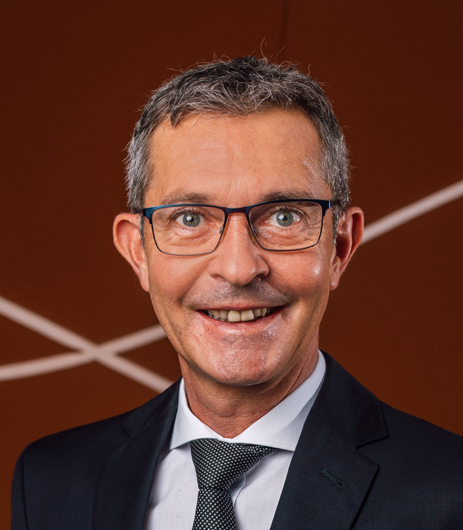
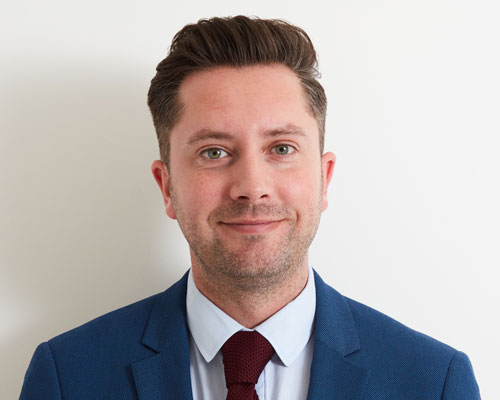
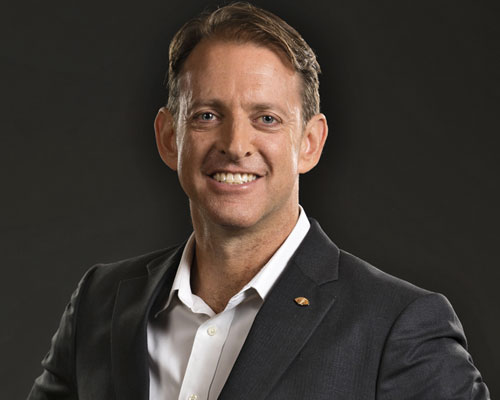
Elke Benedetto-Reisch group medical director, Lanserhof
Group medical director, Lanserhof
Photo: Lanserhof, Max Koenig

Our five clinics are known for their detoxification programmes, with most clients spending a week in them under medical supervision and with a strict nutritional programme.

Each location also has a variety of the latest medical diagnostic technology. I receive marketing on new technology every day, companies come to pitch to us and staff travel to look at new diagnostics in action. Devices have to fit our concept – they need to be high quality and modern, yet simplistic, reliable and add to our understanding of a person as a whole. We look at everything critically and many times tests are not adequate.

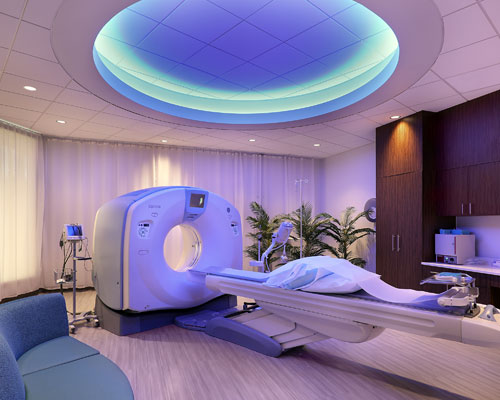
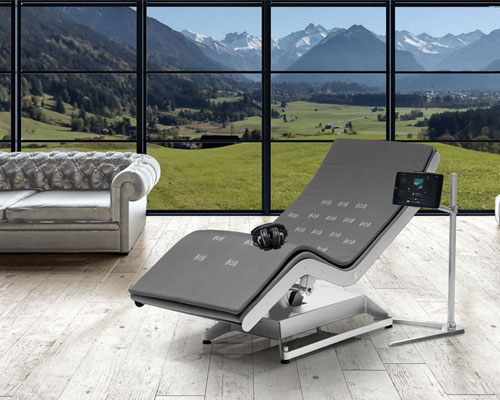
One of our all-encompassing, easy-to-use tests is Global Diagnostics which uses electromagnetic frequencies to measure the body’s energetic structure. This reveals any number of hidden conditions such as toxic overload, lymphatic blockages and active viruses. In the near future, we’ll also be introducing an MRI machine at Lans Tegernsee.

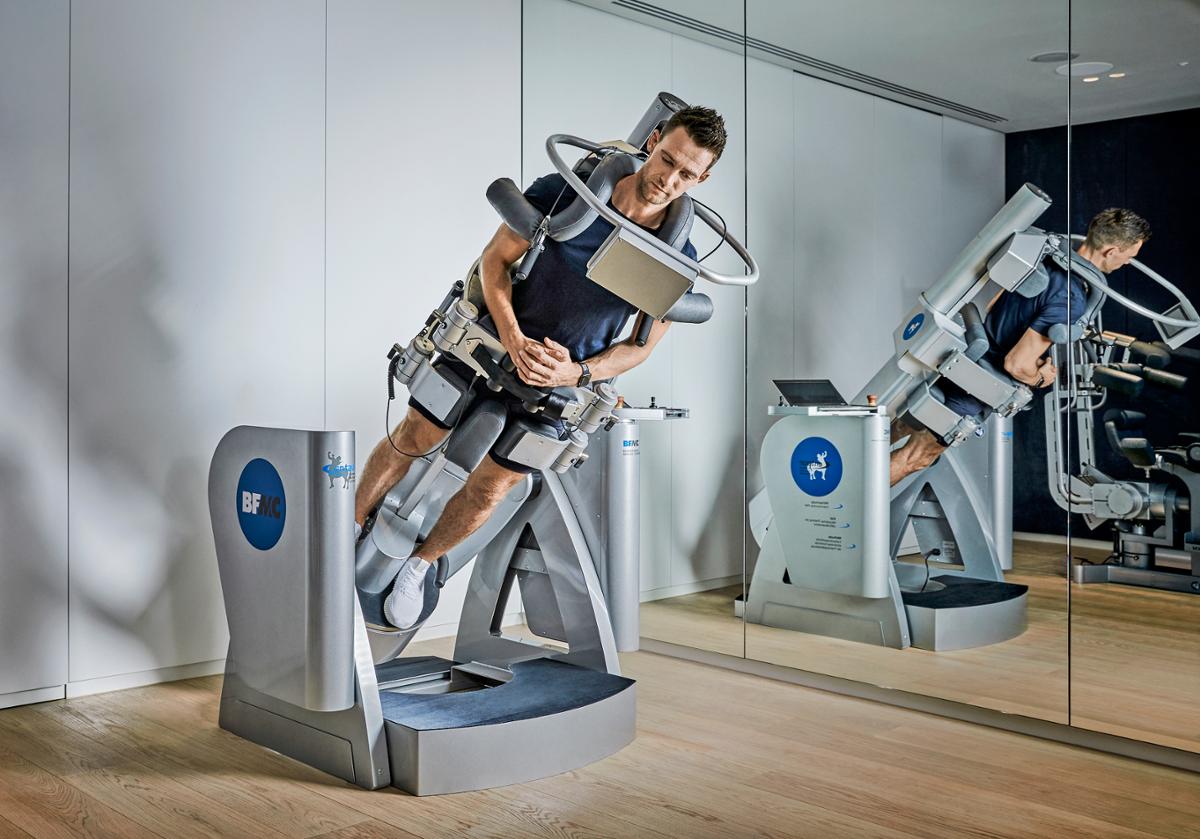
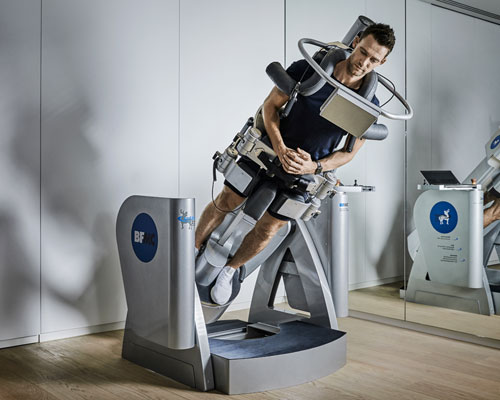
Our Spine Lab and Movement Lab in London are great examples of cutting-edge diagnostics. They use the Centaur which tests for neuromuscular imbalances in the spine and back. They’re staffed with sports scientists who analyse gait and movement to detect irregularities.

While we take advantage of technological advancements, remembering the human element is key. Many patients arrive with chronic issues, liver overload, joint problems and headaches and machinery can only capture so much of that.

That’s where our professional observations and individualised treatments come in. Upon check-in, Lanserhof guests spend one hour in a medical examination with a physician, who uses their training, patient input (learning about needs and expectations) and medical data to develop a treatment plan for the stay.

During a week-long visit, the patient will see the doctor an additional three to four times. Our specialists – osteopaths, physiotherapists, sports scientists, energetics, and dermatological and cosmetological experts – also have meetings to discuss patient progress and share information which directs treatment protocols.

Devices have to fit our concept – they need to be high quality and modern, yet simplistic and reliable. Many tests are not adequate
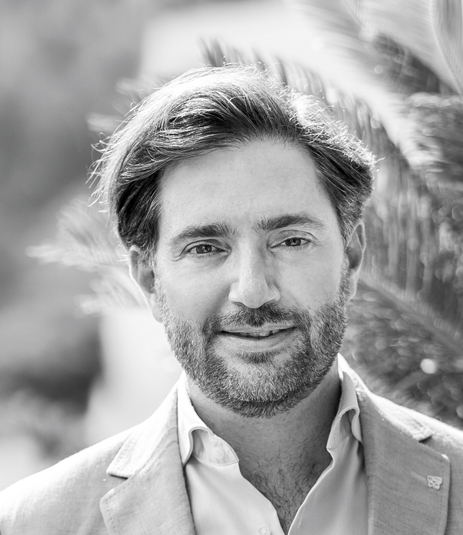
Hans Peter Veit director of spa & wellbeing, Grand Resort Bad Ragaz
Director of spa & wellbeing, Grand Resort Bad Ragaz
photo: Grand Resort Bad Ragaz

Our alpine setting and natural thermal waters mean we’re perfectly positioned to offer healing modalities in collaboration with Medical Centre Bad Ragaz, one of Europe’s largest healthcare and nutrition facilities, onsite.

Over 20 medical doctors with a wide array of expertise – including the physician for the Swiss National Ski Team – have offices here and schedule in time with hotel guests as well as their own patients.

We certainly see the benefits of having the centre onsite and having medical and spa staff sharing their findings with each other. Guests choosing our Smart Aging programme, for example, will see a dermatologist who performs diagnostics and directs the protocols of the therapy staff, who have access to the relevant medical background of the guest.

Could spa staff offer diagnostics and tests themselves? That heavily depends on the kind of tests and if they’re capable of performing analysis.

The majority of our guests visit for a specific health-related programme with the most popular being our one- to two-week Weight Loss package. Nutritionists oversee meals and advice is given on how to be more active.

Two of the key tests we use are spiroegrometry and functional movement analysis.

Spiroergometry measures a person’s breathing, oxygen consumption, carbon dioxide production and heart rate during ramped-up exercises. This can be used to determine the maximum oxygen uptake and the fat metabolic rate to pinpoint effective training zones for beginners through to athletes.

A questionnaire will determine which functional movement areas to measure to conclude a guest’s strength and flexibility. Based on the results, we’ll create a home programme which targets personal weaknesses and helps them feel more comfortable in their body.

We see diagnostics as the future and plan on investing millions of Euros in this area.

We see diagnostics as the future and plan on investing millions of Euros in this area
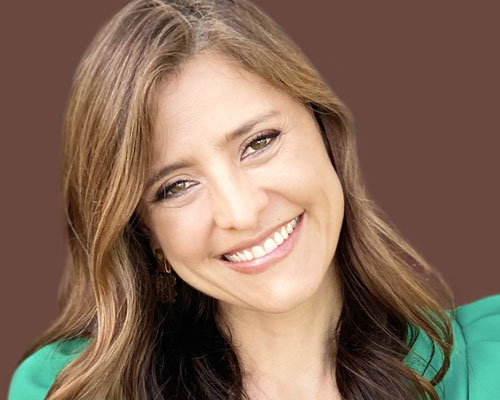
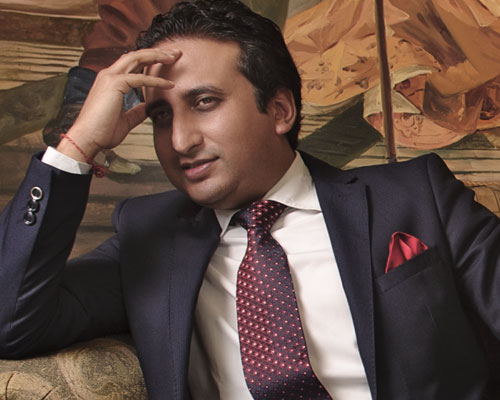
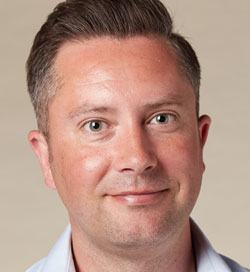
Juan Pablo Barassi chief operating officer, SHA Wellness
Chief operating officer, SHA Wellness
photo: SHA Wellness

With a staff numbering approximately 300 people, including 20 medical professionals, SHA is constantly creating and offering new services and programmes.

Our latest innovation is a Diagnostic Health Screening Lab, which includes a circuit of state-of-the-art equipment that delivers insightful metrics in just 30 minutes so bespoke programmes can begin straight away. Formerly, these separate tests and data analyses would have been carried out over the first few days.

Results obtained from the circuit include measurement of the guest’s heart rate, pulse wave, an overview of the functioning of the autonomic nervous system, information on the level of physical and mental stress, glycated proteins in tissue, vital sign collections, a body composition analysis and a 3D body scanner as well as a neurocognitive test.

What’s so different about this is the multidisciplinary approach that enables us to not only diagnose but also spot warning signs and make recommendations. A blood test, for example, gives a lot of information but it is a fixed picture – it may tell us that our cholesterol is fine at the moment, but only an arterial elasticity test will tell us if that’s always been the case.

The biggest challenge we’ve faced is ensuring staff aren’t overwhelmed with data. Our IT team has developed a way to present results that aren’t just a PDF printout. Simple graphs for any aspect of a person’s health show which variables are in or out of range and these help both the doctor and patient understand results in a very visual way.

We also have a dedicated innovation team which assesses the efficacy and suitability of new technologies. It presents findings every month and is currently researching devices which determine the health of skin and hair. We expect this to be a new stage within our diagnostic circuit and it’s just one example of how we’re constantly advancing our offering.

The biggest challenge we’ve faced is ensuring staff aren’t overwhelmed with data
A diagnostic circuit delivers a myriad of results in just 30 minutes / photo: SHA Wellness

Read more from this issue of Spa Business magazine

View contents of Spa Business 2023 issue 2
FEATURED SUPPLIERS

Introducing Glass Act by Templespa
Introducing Glass Act, your new go-to eye serum for brighter, smoother, beautifully awakened eyes. [more...]

Meet Desert Therapy: Aromatherapy Associates' first new blend in seven years
There is a particular quality of stillness found only in the desert. [more...]
+ More featured suppliers  
COMPANY PROFILES
TAC | The Assistant Company

Founded in 2001, TAC is an owner-managed company with more than 110 employees and four locations: in [more...]
Maison d'Asa

Maison d'Asa, founded in 2013 by Asma El Mernissi in Casablanca, is the world's first spa concept ho [more...]
+ More profiles  
CATALOGUE GALLERY
 

+ More catalogues  

DIRECTORY
+ More directory  
DIARY


26-27 Jun 2026

The Longevity Show

Tobacco Docks, London, United Kingdom
03-05 Jul 2026

World Championship in Massage

Copenhagen, Copenhagen, Denmark
+ More diary  
 
ABOUT LEISURE MEDIA
LEISURE MEDIA MAGAZINES
LEISURE MEDIA HANDBOOKS
LEISURE MEDIA WEBSITES
LEISURE MEDIA PRODUCT SEARCH
 
SPA BUSINESS
SPA OPPORTUNITIES
SPA BUSINESS HANDBOOK
PRINT SUBSCRIPTIONS
FREE DIGITAL SUBSCRIPTIONS
ADVERTISE . CONTACT US

Leisure Media
Tel: +44 (0)1462 431385

©Cybertrek 2026
Uniting the world of spa & wellness
Get Spa Business and Spa Business insider digital magazines FREE
Sign up here ▸
News   Products   Magazine   Subscribe
Ask the experts
Diagnostics

As the lines that once separated spas and medical businesses continue to blur, Lisa Starr investigates how leading operators are using the latest in diagnostic technology to stay ahead of competition


With medical and technological innovations launching daily it seems, there are countless ways to assess any number of aspects of one’s health. From MediSync – a cap with sensors that uses AI to give a reading of brain activity in just 10 minutes – to Gut Note – an app that turns your mobile into a microbiome detector – and Grail – a blood test targeting 50 types of cancers – there’s something for everyone.

With so many options either available directly or known by consumers, spas and wellness centres need to up their game in order to remain a respected authority. But keeping up with all the releases is a job in itself, so how are operators managing to track this and also decide which diagnostics they’ll invest in or not?

In addition, interpreting the data of diagnostics often requires the skills of someone who’s both number-focused and medically-minded and capable of personalising treatments accordingly, as well as capable of delivering modalities with the compassion and empathy that spa therapists are known for.

Successfully offering advanced and modern diagnostics, without losing the high-touch care our businesses are known for, takes careful planning and execution.

We talk to three highly-regarded destination and resort spas about how they’re striving to do this.
Elke Benedetto-Reisch group medical director, Lanserhof
Group medical director, Lanserhof
Photo: Lanserhof, Max Koenig

Our five clinics are known for their detoxification programmes, with most clients spending a week in them under medical supervision and with a strict nutritional programme.

Each location also has a variety of the latest medical diagnostic technology. I receive marketing on new technology every day, companies come to pitch to us and staff travel to look at new diagnostics in action. Devices have to fit our concept – they need to be high quality and modern, yet simplistic, reliable and add to our understanding of a person as a whole. We look at everything critically and many times tests are not adequate.

One of our all-encompassing, easy-to-use tests is Global Diagnostics which uses electromagnetic frequencies to measure the body’s energetic structure. This reveals any number of hidden conditions such as toxic overload, lymphatic blockages and active viruses. In the near future, we’ll also be introducing an MRI machine at Lans Tegernsee.

Our Spine Lab and Movement Lab in London are great examples of cutting-edge diagnostics. They use the Centaur which tests for neuromuscular imbalances in the spine and back. They’re staffed with sports scientists who analyse gait and movement to detect irregularities.

While we take advantage of technological advancements, remembering the human element is key. Many patients arrive with chronic issues, liver overload, joint problems and headaches and machinery can only capture so much of that.

That’s where our professional observations and individualised treatments come in. Upon check-in, Lanserhof guests spend one hour in a medical examination with a physician, who uses their training, patient input (learning about needs and expectations) and medical data to develop a treatment plan for the stay.

During a week-long visit, the patient will see the doctor an additional three to four times. Our specialists – osteopaths, physiotherapists, sports scientists, energetics, and dermatological and cosmetological experts – also have meetings to discuss patient progress and share information which directs treatment protocols.

Devices have to fit our concept – they need to be high quality and modern, yet simplistic and reliable. Many tests are not adequate
Hans Peter Veit director of spa & wellbeing, Grand Resort Bad Ragaz
Director of spa & wellbeing, Grand Resort Bad Ragaz
photo: Grand Resort Bad Ragaz

Our alpine setting and natural thermal waters mean we’re perfectly positioned to offer healing modalities in collaboration with Medical Centre Bad Ragaz, one of Europe’s largest healthcare and nutrition facilities, onsite.

Over 20 medical doctors with a wide array of expertise – including the physician for the Swiss National Ski Team – have offices here and schedule in time with hotel guests as well as their own patients.

We certainly see the benefits of having the centre onsite and having medical and spa staff sharing their findings with each other. Guests choosing our Smart Aging programme, for example, will see a dermatologist who performs diagnostics and directs the protocols of the therapy staff, who have access to the relevant medical background of the guest.

Could spa staff offer diagnostics and tests themselves? That heavily depends on the kind of tests and if they’re capable of performing analysis.

The majority of our guests visit for a specific health-related programme with the most popular being our one- to two-week Weight Loss package. Nutritionists oversee meals and advice is given on how to be more active.

Two of the key tests we use are spiroegrometry and functional movement analysis.

Spiroergometry measures a person’s breathing, oxygen consumption, carbon dioxide production and heart rate during ramped-up exercises. This can be used to determine the maximum oxygen uptake and the fat metabolic rate to pinpoint effective training zones for beginners through to athletes.


A questionnaire will determine which functional movement areas to measure to conclude a guest’s strength and flexibility. Based on the results, we’ll create a home programme which targets personal weaknesses and helps them feel more comfortable in their body.

We see diagnostics as the future and plan on investing millions of Euros in this area.

We see diagnostics as the future and plan on investing millions of Euros in this area
Juan Pablo Barassi chief operating officer, SHA Wellness
Chief operating officer, SHA Wellness
photo: SHA Wellness

With a staff numbering approximately 300 people, including 20 medical professionals, SHA is constantly creating and offering new services and programmes.

Our latest innovation is a Diagnostic Health Screening Lab, which includes a circuit of state-of-the-art equipment that delivers insightful metrics in just 30 minutes so bespoke programmes can begin straight away. Formerly, these separate tests and data analyses would have been carried out over the first few days.

Results obtained from the circuit include measurement of the guest’s heart rate, pulse wave, an overview of the functioning of the autonomic nervous system, information on the level of physical and mental stress, glycated proteins in tissue, vital sign collections, a body composition analysis and a 3D body scanner as well as a neurocognitive test.

What’s so different about this is the multidisciplinary approach that enables us to not only diagnose but also spot warning signs and make recommendations. A blood test, for example, gives a lot of information but it is a fixed picture – it may tell us that our cholesterol is fine at the moment, but only an arterial elasticity test will tell us if that’s always been the case.

The biggest challenge we’ve faced is ensuring staff aren’t overwhelmed with data. Our IT team has developed a way to present results that aren’t just a PDF printout. Simple graphs for any aspect of a person’s health show which variables are in or out of range and these help both the doctor and patient understand results in a very visual way.

We also have a dedicated innovation team which assesses the efficacy and suitability of new technologies. It presents findings every month and is currently researching devices which determine the health of skin and hair. We expect this to be a new stage within our diagnostic circuit and it’s just one example of how we’re constantly advancing our offering.

The biggest challenge we’ve faced is ensuring staff aren’t overwhelmed with data
A diagnostic circuit delivers a myriad of results in just 30 minutes / photo: SHA Wellness

Read more from this issue of Spa Business magazine

View contents of Spa Business 2023 issue 2
LATEST NEWS
Synergy The Retreat Show launches resource for retreat business leaders to showcase specialisms
Global retreat trade show, Synergy The Retreat Show, has launched a resource called The Source, which hosts an open-access online Transformation Series programme.
The SATCC announces first five-day Living with Cancer and Beyond retreat
The Standards Authority for Touch in Cancer Care (SATCC) charity has announced its first five- day Living with Cancer and Beyond retreat, which will be held at Carden Park Hotel and Spa in Cheshire, UK, between 1 and 5 September.
Palazzo di Varignana launches family wellbeing and longevity retreat in Emilia Romagna
Palazzo di Varignana, in the Emilia Romagna region of Italy, has created a new tailored health programme designed specifically for families.
Ansana Wellness and Spa debuts at Patmos Aktis as it joins Marriott
Patmos Aktis, a Luxury Collection Resort and Spa, has opened in Greece, with a renovated and rebranded wellness offering called Ansana Wellness and Spa.
Mauna Kea Beach Hotel launches destination spa with sacred Hawaiian cultural concept
The Mauna Kea Beach Hotel, an Autograph Collection property in Hawaii, US, has opened its 22,000 sq ft indoor-outdoor Spa at Mauna Kea as the final step in the property’s overall renovation, which has cost more than US$180 million (€166 million, £140 mill
The Good Spa Guide sets up event for modified Good Spa Guide Awards
The UK spa review and discovery platform for consumers, the Good Spa Guide, has announced it will host the Good Spa Guide Awards 2026 during an event on 16 November at Sopwell House Hotel in St Albans, UK.
McKinsey: 84 per cent of consumers say wellness is a top priority
Eighty-four per cent of consumers now say wellness is a top priority in their lives, with this percentage increasing year on year, according to a preview presentation of McKinsey’s Future of Wellness 2026 research report.
Protests continue in Albania against US$1.6 billion luxury resort backed by Jared Kushner and Ivanka Trump
Mass protests have been taking place since Monday 1 June in Albania over the development of a luxury resort by Donald Trump’s daughter Ivanka Trump and her husband Jared Kushner.
Barons Eden rebrands to Hiddenwell ahead of spa hotel portfolio expansion
Barons Eden, the UK parent company that operates luxury destination properties in England, has rebranded to become Hiddenwell.
Belgin Aksoy marks 15 years of Global Wellness Day
Global Wellness Day (GWD) marked its 15th anniversary on Saturday 13 June 2026, with the theme: #JoyMagenta – a celebration of the healing qualities of simple gestures and activities that spark joy.
HUM2N launches longevity clinic at Six Senses London
Global luxury hospitality brand, Six Senses, has partnered with longevity healthcare provider, HUM2N, to launch a clinic at Six Senses London, at The Whiteley.
Mayrlife opens first hotel day clinic in partnership with Rosewood Vienna
As part of its first hotel partnership, Mayrlife – the medical health resort company known for its site in Altaussee, Austria – has launched a day clinic at the Rosewood Vienna.
+ More news   
 
FEATURED SUPPLIERS

Introducing Glass Act by Templespa
Introducing Glass Act, your new go-to eye serum for brighter, smoother, beautifully awakened eyes. [more...]

Meet Desert Therapy: Aromatherapy Associates' first new blend in seven years
There is a particular quality of stillness found only in the desert. [more...]
+ More featured suppliers  
COMPANY PROFILES
TAC | The Assistant Company

Founded in 2001, TAC is an owner-managed company with more than 110 employees and four locations: in [more...]
+ More profiles  
CATALOGUE GALLERY
+ More catalogues  

DIRECTORY
+ More directory  
DIARY


26-27 Jun 2026

The Longevity Show

Tobacco Docks, London, United Kingdom
03-05 Jul 2026

World Championship in Massage

Copenhagen, Copenhagen, Denmark
+ More diary  


ADVERTISE . CONTACT US

Leisure Media
Tel: +44 (0)1462 431385

©Cybertrek 2026

ABOUT LEISURE MEDIA
LEISURE MEDIA MAGAZINES
LEISURE MEDIA HANDBOOKS
LEISURE MEDIA WEBSITES
LEISURE MEDIA PRODUCT SEARCH
PRINT SUBSCRIPTIONS
FREE DIGITAL SUBSCRIPTIONS