Yes! Send me the FREE digital editions of Spa Business and Spa Business insider magazines and the FREE weekly Spa Business and Spa Business insider ezines and breaking news alerts!
Traditional Chinese
bathhouses can be found in
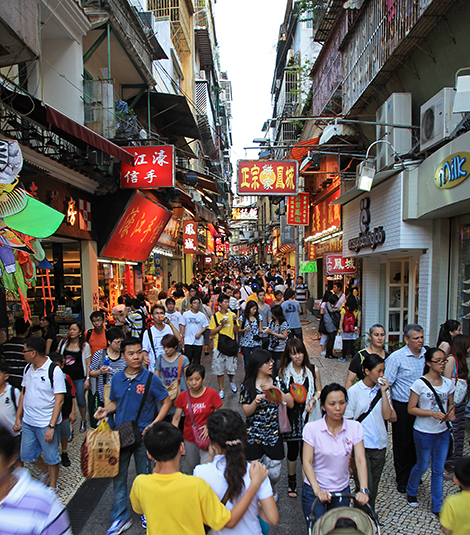
brightly lit five-storey buildings / testing / Shutterstock.com
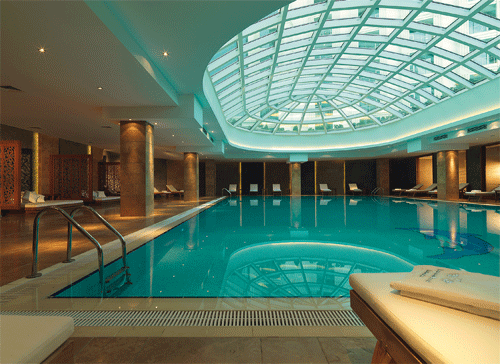
In recent years, hundreds of millions of Chinese people have come out of poverty and hit the middle classes with money to burn. In turn, the growth of luxury five-star resorts is booming. These resorts, however, only cater to a very small percentage of the population (which still equates to millions of people), with the majority of the ‘emerging wealthy’ opting to spend hours in a traditional Chinese spa bathhouse instead.
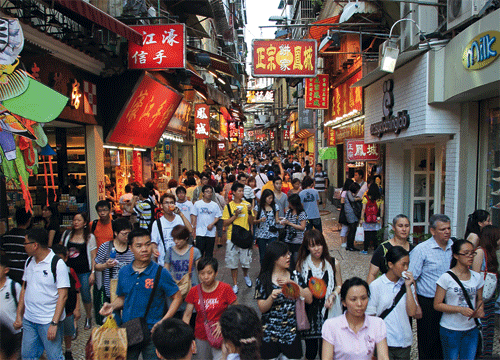
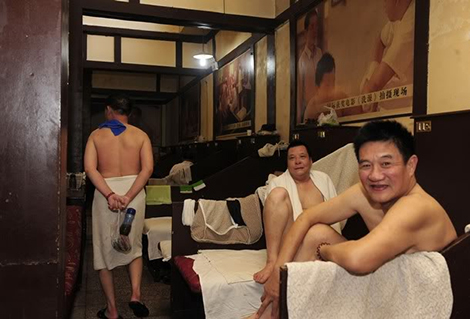
Most Chinese cities are peppered with brightly lit five-storey buildings with the Chinese characters for spa – ?? (water therapy) – above the door. These authentic bathhouses are a far cry from five-star resort spas and the differences are intrinsic to cultural behaviours. In the west, we like order, peace and quiet, health juices and alone-time in our spas. In the east, we like social interaction, noise, food and stimulation. The west deprives the senses for relaxation; the east bombards them for enjoyment.
Westerners visiting a Chinese spa of this type will be in for a surprise. Enter to be greeted by a gaggle of well-groomed, uniformed hostesses who will charge a nominal entrance fee to spend eight hours at the ??, which will be deducted from any massage treatments you choose.
The first floor will typically be full of groups of entire families clad in bathrobes eating fried noodles at the buffet, drinking tea and smoking in their armchairs while chatting loudly and generally socialising. The second floor might have a variety of wet features – hydrotherapy baths, steamrooms and saunas – as well as steaming teapots, armchairs and the steady hum of chit chat.
The third floor will be crammed with the most comfortable lounge chairs designed for Chinese foot reflexology. And each chair will boast its own individual TV and in some cases its own ashtray.
Floor four could be a mix of massage rooms with one, two or up to five massage tables in each. Some with TV, some without, mostly you will be clothed in the bathrobes or kimonos and the pressure point massage begins. Staff will chat lightly among each other while they take you though the phases of a gruelling tui na pressure point massage only to leave you on cloud nine, not quite sure if your euphoria is because the treatment is over of if you are genuinely feeling the benefits. The fifth floor is a quieter place, somewhere to lie down and sleep, rest and switch off. Strewn throughout the floor are beds, loungers or tatamis in alcoves divided by curtains. The only noise that you are likely to hear is the hypnotic snoring of a distant patron. Spend as much time here as you like (or until your eight-hour pass runs out).
Westerners might expect to see a variety of traditional Chinese medicine (TCM) treatments on the menu such as acupuncture, gua sha and ba guan. However, the Chinese typically leave these to medical doctors and don’t associate them with their spa buildings. In fact, many local TCM medicines use animal parts such as ground deer antlers, which in the west would be considered a far cry from healthy, organic and Zen-like treatments.
As a western operator, you may read the above and think that it’s completely wrong – noise and smoking in the spa? But this is perfectly fine for 1.3 billion Chinese citizens.They go to spa to feel better about themselves inside and out, the end result is much the same as that in the west, just the way that they get there is very different.
Read more from this issue of Spa Business magazine
Top team: Peninsula Hotels
Kath Hudson talks to key figures behind the leading Asian hotel chain about how they run their spas and exciting future plans
Profile: Cynthia Chua
The Singapore entrepreneur behind Ministry of Waxing and Browhaus has revolutionised personal grooming worldwide. She talks to Katie Barnes about the business of beauty and integration with spas
Hot springs: Chinese-style!
Lisa Starr tries out two hot spring spas - one catering to international visitors and the other to the domestic market - in China's Yunnan province
Bath time: The Chinese bathhouse
Lee David Stephens gives an insight into a traditional Chinese bathhouse and how Chinese people like to spa
Resort Spa: Sands of time
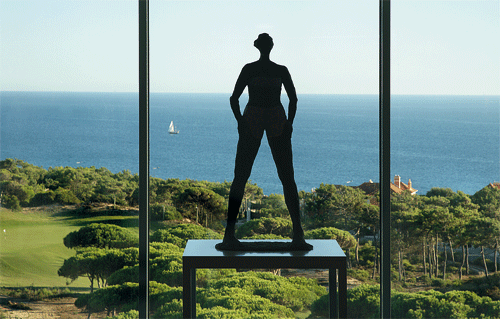
The Oitavos hotel and spa on Portugal's Estoril coast is 90 years in the making. Tom Walker pays a visit
Interview: Gary Henkin
The president and founder of WTS International - the US-based spa management and consultancy firm - talks to Rhianon Howells about expanding globally
Ask an expert: Crisis control
The Arab Spring, the Japanese tsunami and bombings in Mumbai - what's the best way of dealing with a crisis? We ask those who have first-hand experience of the events
New Zealand thermal spa: Pooling resources
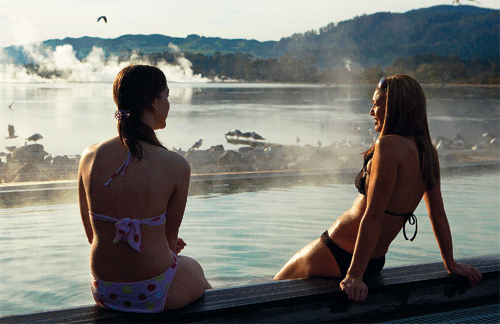
The Polynesian Spa in the geothermal town of Rotorua in New Zealand boasts 25 thermal pools and is one of the longest running attractions in the country. Chris McBeath takes a look
Tourism: Booming Baku
Terry Stevens reports on the Azerbaijan capital which has seen a surge of international hotel openings in the past two years
Fitness: Pilates pure vs applied
Pure vs applied - should pilates only ever involve the exercises designed by Joseph Pilates, or can his philosophy be applied while keeping the product moving with the times?
Contrast therapy, based on the alternation of hot and cold rituals, has become one of the
most valued practices in the fields of wellness and recovery. [more...]
In the fast-paced world of fitness and wellness, where high-intensity workouts push us to
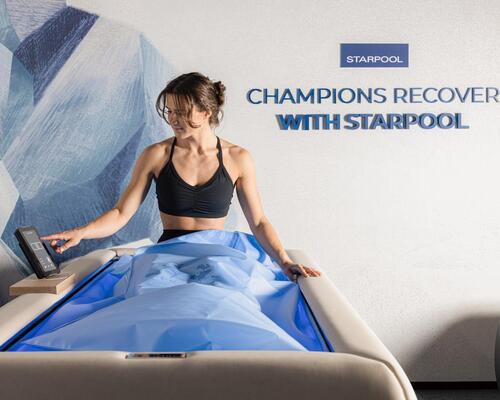
our limits and the sweat pours, the importance of efficient recovery cannot be overstated. [more...]
Traditional Chinese
bathhouses can be found in
brightly lit five-storey buildings / testing / Shutterstock.com
In recent years, hundreds of millions of Chinese people have come out of poverty and hit the middle classes with money to burn. In turn, the growth of luxury five-star resorts is booming. These resorts, however, only cater to a very small percentage of the population (which still equates to millions of people), with the majority of the ‘emerging wealthy’ opting to spend hours in a traditional Chinese spa bathhouse instead.
Most Chinese cities are peppered with brightly lit five-storey buildings with the Chinese characters for spa – ?? (water therapy) – above the door. These authentic bathhouses are a far cry from five-star resort spas and the differences are intrinsic to cultural behaviours. In the west, we like order, peace and quiet, health juices and alone-time in our spas. In the east, we like social interaction, noise, food and stimulation. The west deprives the senses for relaxation; the east bombards them for enjoyment.
Westerners visiting a Chinese spa of this type will be in for a surprise. Enter to be greeted by a gaggle of well-groomed, uniformed hostesses who will charge a nominal entrance fee to spend eight hours at the ??, which will be deducted from any massage treatments you choose.
The first floor will typically be full of groups of entire families clad in bathrobes eating fried noodles at the buffet, drinking tea and smoking in their armchairs while chatting loudly and generally socialising. The second floor might have a variety of wet features – hydrotherapy baths, steamrooms and saunas – as well as steaming teapots, armchairs and the steady hum of chit chat.
The third floor will be crammed with the most comfortable lounge chairs designed for Chinese foot reflexology. And each chair will boast its own individual TV and in some cases its own ashtray.
Floor four could be a mix of massage rooms with one, two or up to five massage tables in each. Some with TV, some without, mostly you will be clothed in the bathrobes or kimonos and the pressure point massage begins. Staff will chat lightly among each other while they take you though the phases of a gruelling tui na pressure point massage only to leave you on cloud nine, not quite sure if your euphoria is because the treatment is over of if you are genuinely feeling the benefits. The fifth floor is a quieter place, somewhere to lie down and sleep, rest and switch off. Strewn throughout the floor are beds, loungers or tatamis in alcoves divided by curtains. The only noise that you are likely to hear is the hypnotic snoring of a distant patron. Spend as much time here as you like (or until your eight-hour pass runs out).
Westerners might expect to see a variety of traditional Chinese medicine (TCM) treatments on the menu such as acupuncture, gua sha and ba guan. However, the Chinese typically leave these to medical doctors and don’t associate them with their spa buildings. In fact, many local TCM medicines use animal parts such as ground deer antlers, which in the west would be considered a far cry from healthy, organic and Zen-like treatments.
As a western operator, you may read the above and think that it’s completely wrong – noise and smoking in the spa? But this is perfectly fine for 1.3 billion Chinese citizens.They go to spa to feel better about themselves inside and out, the end result is much the same as that in the west, just the way that they get there is very different.
Read more from this issue of Spa Business magazine
Top team: Peninsula Hotels
Kath Hudson talks to key figures behind the leading Asian hotel chain about how they run their spas and exciting future plans
Profile: Cynthia Chua
The Singapore entrepreneur behind Ministry of Waxing and Browhaus has revolutionised personal grooming worldwide. She talks to Katie Barnes about the business of beauty and integration with spas
Hot springs: Chinese-style!
Lisa Starr tries out two hot spring spas - one catering to international visitors and the other to the domestic market - in China's Yunnan province
Bath time: The Chinese bathhouse
Lee David Stephens gives an insight into a traditional Chinese bathhouse and how Chinese people like to spa
Resort Spa: Sands of time
The Oitavos hotel and spa on Portugal's Estoril coast is 90 years in the making. Tom Walker pays a visit
Interview: Gary Henkin
The president and founder of WTS International - the US-based spa management and consultancy firm - talks to Rhianon Howells about expanding globally
Ask an expert: Crisis control
The Arab Spring, the Japanese tsunami and bombings in Mumbai - what's the best way of dealing with a crisis? We ask those who have first-hand experience of the events
New Zealand thermal spa: Pooling resources
The Polynesian Spa in the geothermal town of Rotorua in New Zealand boasts 25 thermal pools and is one of the longest running attractions in the country. Chris McBeath takes a look
Tourism: Booming Baku
Terry Stevens reports on the Azerbaijan capital which has seen a surge of international hotel openings in the past two years
Fitness: Pilates pure vs applied
Pure vs applied - should pilates only ever involve the exercises designed by Joseph Pilates, or can his philosophy be applied while keeping the product moving with the times?
Private hotel owner and developer HVL Hotels will open a new luxury resort and tourism
destination called Laval Hunter Valley in the second half of 2027 in Pokolbin, Australia.
The annual wellness festival dedicated to wellbeing, culture, longevity and human connection,
called Alma, will be hosted by Rocco Forte hotel, Verdura Resort in Sicily, Italy.
Capella Hotel Group has appointed Feisal Jaffer as chief development officer as the company
ramps up its global expansion of both its Capella and Patina brands.
People taking GLP-1 weight loss medications such as Ozempic, Wegovy, Mounjaro and Zepbound
may be losing weight, but they’re also becoming less physically active, according to new
research presented at the ENDO 2026 annual meeting of the Endocrine Society
Abu Dhabi-based investment firm Mubadala Capital has made a binding, fully financed
€1 billion
offer to acquire Pierre and Vacances SA, the European holiday resort operator behind the
continental European Center Parcs business.
Global retreat trade show, Synergy The Retreat Show, has launched a resource called The
Source, which hosts an open-access online Transformation Series programme.
The Standards Authority for Touch in Cancer Care (SATCC) charity has announced its first five-
day Living with Cancer and Beyond retreat, which will be held at Carden Park Hotel and Spa in
Cheshire, UK, between 1 and 5 September.
Patmos Aktis, a Luxury Collection Resort and Spa, has opened in Greece, with a renovated and
rebranded wellness offering called Ansana Wellness and Spa.
Contrast therapy, based on the alternation of hot and cold rituals, has become one of the
most valued practices in the fields of wellness and recovery. [more...]
In the fast-paced world of fitness and wellness, where high-intensity workouts push us to
our limits and the sweat pours, the importance of efficient recovery cannot be overstated. [more...]