Equine therapy helps people learn about themselves and improve
their lives. But what is it, what are the benefits and how are facilities
– from destination to day spas – tapping into horsepower?
By Kathleen Whyman | Published in Spa Business 2019 issue 1
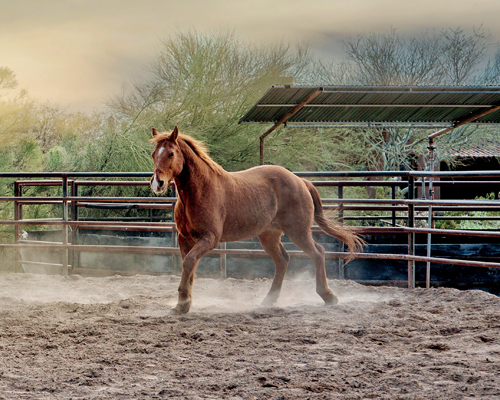
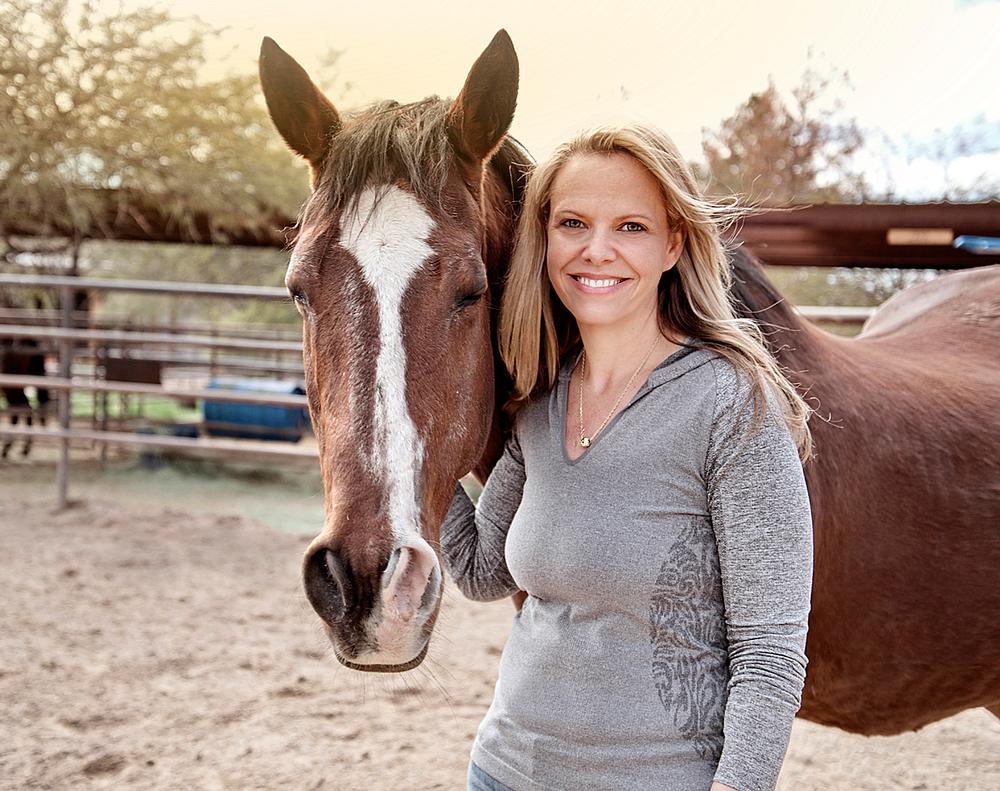
Coaches use a horse’s response to people to delve into deep-rooted issues
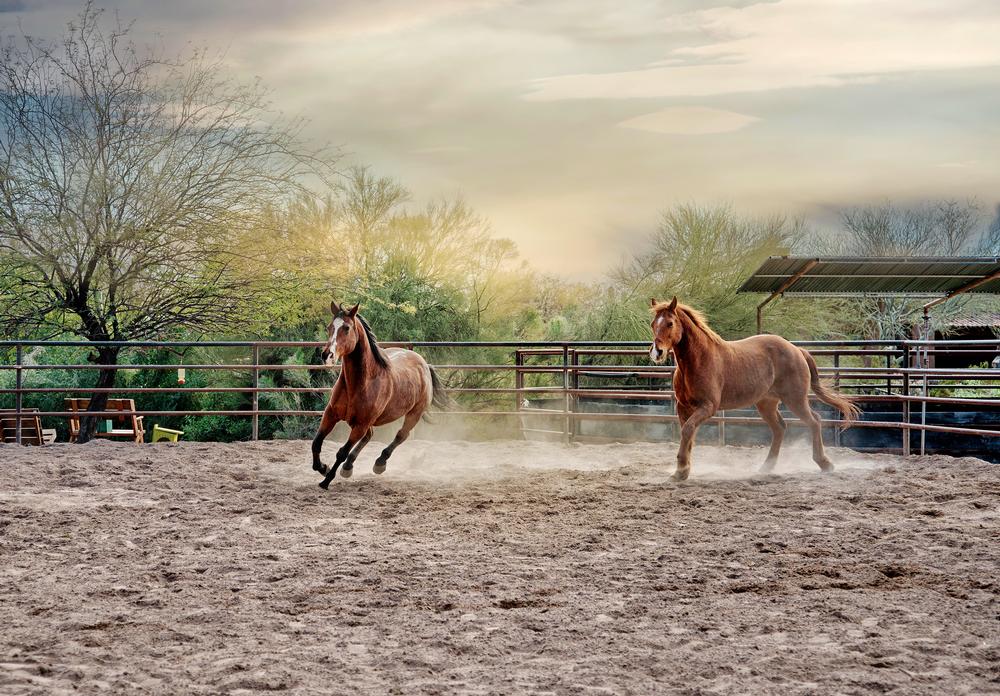
THE THEORY As prey animals, horses live in the present moment, are guided by their intuition and senses and, due to their ultra-sensitivity to energy and body language, are experts at non-verbal communication.
Their reactions to people are used in treatment sessions to peel back the layers of deep-rooted issues, such as career or relationship difficulties. Someone may say they feel fine, but something as subtle as a tail flick from the horse can indicate frustration or yawning can reveal submission. Coaches use a horse’s response to guide their questions to delve into feeling and behaviour patterns, and offer suggestions on how to work through them. Sessions take place either in a group or one-to-one.
Equine Assisted Therapy (EAT) is an experiential form of psychotherapy and is used to assist individuals dealing with emotional disorders, such as anxiety, depression and PTSD, and help people through difficult life transitions, such as divorce or bereavement.
Equine Assisted Learning (EAL) helps people develop heightened self-awareness while gaining valuable insights into their behaviour. This improves their emotional and social interaction skills. This therapy can also be used in leadership training and corporate team building events.
WHY OFFER IT? As an alternative way to help guests look after their minds, equine therapy could well be the dark horse on a spa’s menu.
At Miraval Arizona, US, equine therapy is a powerful spa offering. “It transforms the lives of many of those who experience it, especially in their relationships with others and themselves,” says Wyatt Webb, who heads up one of seven experiences. “We’ve had prominent CEOs say it’s helped them be more mindful in how they carry out their professional responsibilities and deal with stressful situations,” he says.
Equine experiences at Miraval cost between US$45-US$650 (€40-€574, £35-£510)
Sharon Kolkka, general manager and wellness director at the Gwinganna lifestyle retreat in Australia, noticed that many guests wanted to interact with her horses that live onsite, so looked for a trained equine therapist. “From the very first moment it was one of our most talked about experiences. It delights guests who are keen to try something new and offers Gwinganna a point of difference,” she says.
Gwinganna offers four classes, starting at AU$240 (US$174, €152, £136) an hour, plus a three-night Life in Balance programme which includes EAL and costs AU$1,705 (US$1,221, €1,082, £972) with accommodation. “It’s helped increase our secondary revenue and improved our facilities for both equine and emotional wellbeing services,” Kolkka adds.
In the UK, holistic centre Haelan Therapy uses horses and offers a gamut of other complementary modalities to ‘help people live happy, healthier lives’. “Our bodies hold onto our emotions, be that grief or stress from work or a relationship,” says founder Rebecca Kelly. “Equine therapy is another method to help clients understand themselves.” The centre offers group equine sessions, one-to-ones and a £250 (US$314, €278) transformation day with yoga and holistic therapies.
FACILITIES AND WELFARE Set on a mountain on the Gold Coast, Gwinganna has an ample 10 acres of pasture for its horses to roam. Guests aren’t permitted to enter the paddock unattended and the horses work a maximum of four hours a day, on limited days of the week.
At Miraval Arizona’s stables, which are a three-minute ride from the spa, horses’ emotional and mental needs are prioritised. “No horse is forced to participate in a class they’re not comfortable with,” says Webb.
Equine therapy doesn’t just have to be limited to destination spas either. Facilities restricted by space, can partner with stables and sanctuaries already offering EAL or EAT. Christine Badoux, founder of Equine Experiential Coaching in Arizona would welcome such a relationship. “By partnering with established equestrian centres, spas can offer life-enhancing experiences with horses, without taking on the considerable investment in time, expertise and money that’s required to properly care for horses,” she says.
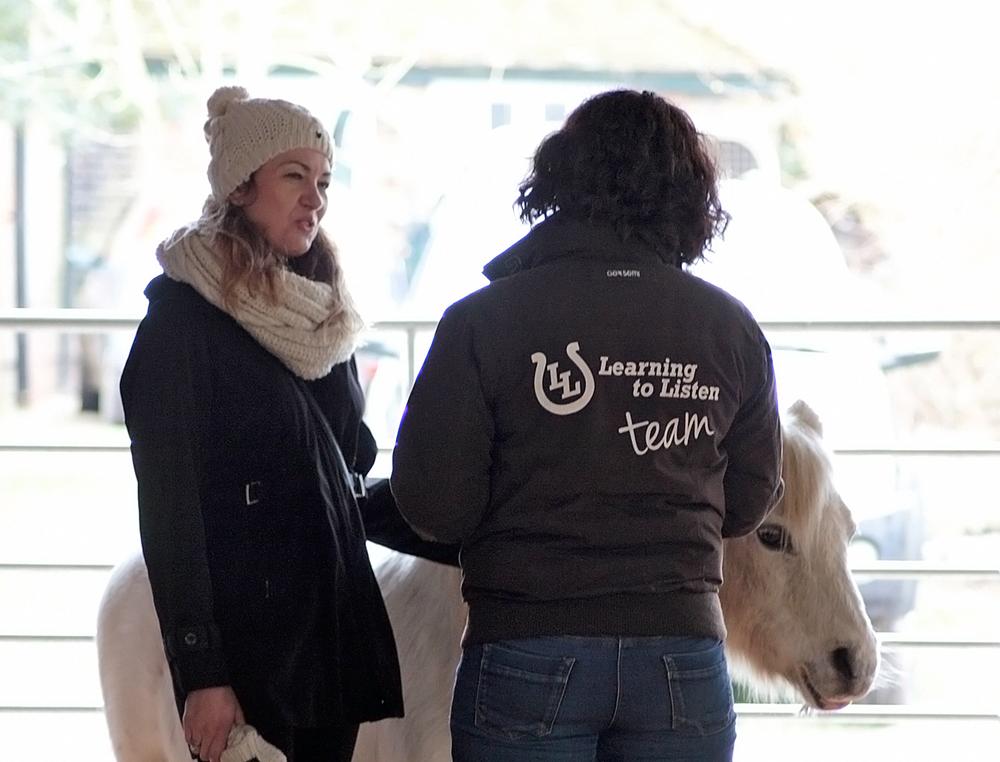
Haelan Therapy has done just this by collaborating with Learning for Life, a team of equine facilitated coaches, at its nearby stables.
TRAINING EAL and EAT are relatively new therapies and it’s essential practitioners are properly trained, something Kolkka is very aware of. “Just because a licensed mental health professional or training facilitator loves horses doesn’t mean they’re qualified to put these two worlds together,” she says. In Australia, EAT is a two-year government accredited training course founded by Jane Faulkner, one of four equine therapists at Gwinganna.
In the US, Webb references certification from the Professional Association of Therapeutic Horsemanship (PATH). There’s also the Equine Assisted Growth and Learning Association (EAGALA).
In the UK, Haelan’s Kelly, leads horse-based sessions and is a professional mentor and transformational coach. She also took an equine facilitated coaching qualification through Lantra.
THE OPERATOR’S VIEW - Miraval Arizona
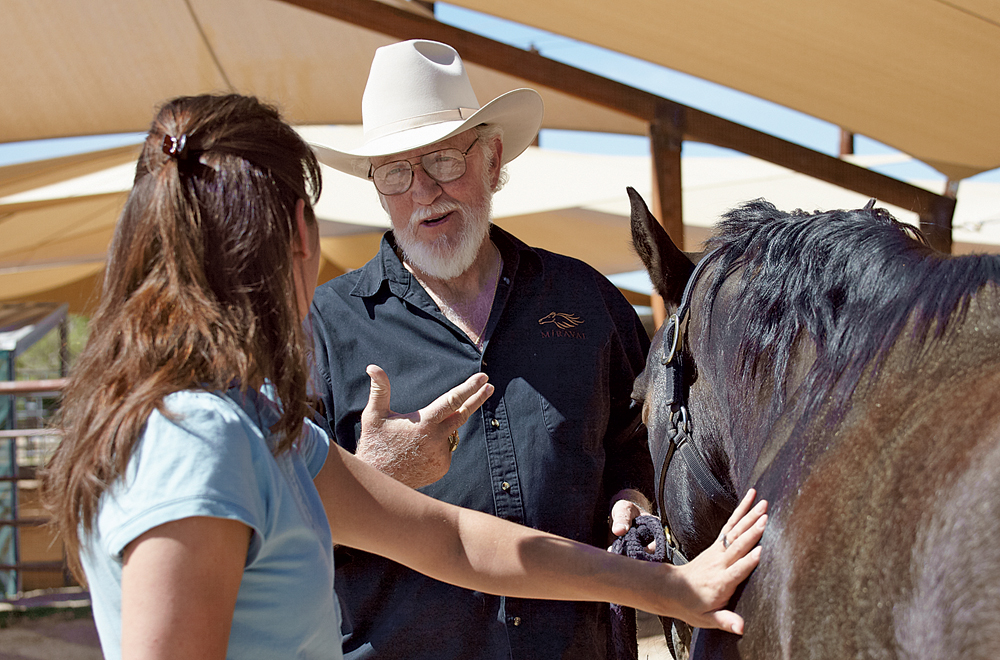
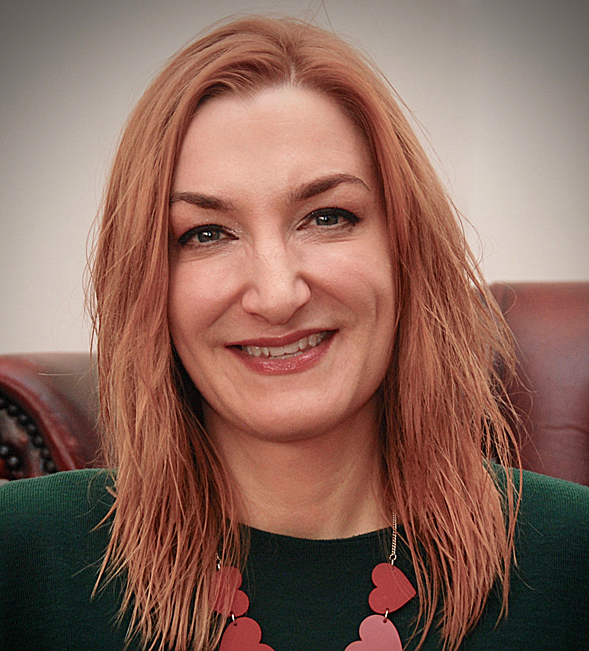
Wyatt Webb designed the seven different equine therapy courses at Miraval
With 65 per cent of Miraval Arizona guests having at least one equine activity during their stay, equine therapy is among the destination spa’s most sought after experiences.
Designed by director of equine programmes Wyatt Webb, the classes complement the workshops, meditations and treatments the spa offers. “Our guiding purpose is to give our guests the tools to live a more balanced, present life,” he explains. “Many people have said that equine therapy has made a difference. They’ve changed careers or stopped being doormats for other people. By looking at and evaluating their own stories, they realise that’s what matters in life, not the stories told by others. The work’s very empowering.”
It’s Not About the Horse, a US$150 (€133, £119), 2.5-hour session, is the most popular of seven equine courses. This involves tasks such as picking up the horse’s hoof or walking it around the ring, allowing the horse to sense the participants energy and help guests break down learned human behaviour and barriers. “Guests seek it out because it leaves them feeling more in tune with their inner selves and emotions,” Webb says. “They gain more confidence in themselves and their abilities to communicate.”
Also popular is the US$75 (€66, £60), 2-hour Unforgettable Canvas class where guests paint onto the horse, encouraging in-the-moment creativity.
The more intense Miraval Equine Experience Immersion devotes four days to helping guests discover their authentic selves. They spend three hours each morning with the horses and three hours in the afternoon in group processing sessions. This is priced at US$650 (€574, £510).
First person experience - Kathleen Whyman
Haelan Therapy equine session
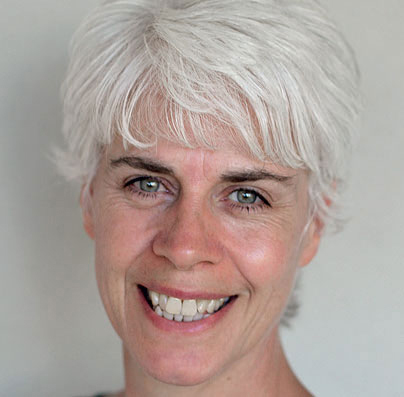
Kathleen Whyman
Not being used to horses, I was nervous before my equine session with Haelan Therapy founder and Learning to Listen coach Rebecca Kelly. And a little sceptical. I couldn’t understand how standing near a horse was going to help me.
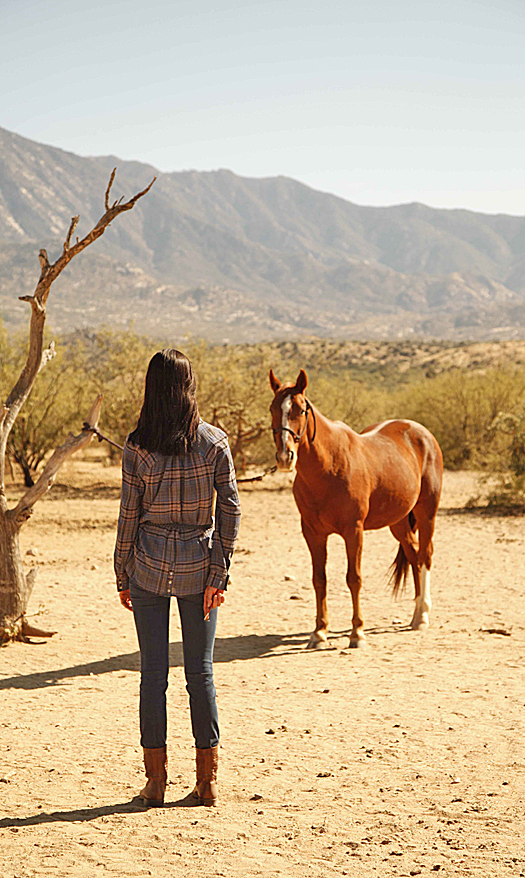
First, Rebecca asked about my feelings and if there was anything I’d like to address. I explained that the eldest of my two children was being very defiant and I didn’t know how to deal with it. In the paddock were two horses. One, Topper, came straight up to me and I surprised myself by feeling relaxed and confident enough to pet her. But every time I went near the other horse, Bow, Topper blocked me and Bow was forced away. This reflected my home dynamic exactly – whenever I focused on my eldest child, my younger one intervened. It was no wonder the eldest was being defiant – she felt rejected and second best. Rebecca explained this to me and advised how to take control and show Topper, in a calm, non-tactile way, that she needed to back off and give me and Bow some space.
My equine therapy session made me view my situation in a new way – one that I could understand, address and resolve. From being sceptical, I now think everyone should try it!
Kathleen Whyman is a Spa Business contributor. Email: [email protected]
Read more from this issue of Spa Business magazine
Spa Programmes: On the menu
Event saunas, sunlight therapy
and health and happiness retreats
feature in our programming series
Interview: Marc Cohen
Dr Marc Cohen is launching an extreme
bathing retreat and writing children’s
books. He talks to Jane Kitchen
Promotional feature: Vital Tech
Infrared technology is growing in popularity, Vital Tech’s Alexandra Gavsevitch
and Serge Parienti explain how it works
Focus on: Equine therapy
What is equine therapy and how
can spas tap into horsepower?
Kathleen Whyman finds out
Wellness: Chill out
Is going sub-zero the next big thing?
Kath Hudson takes a closer look
at the benefits of cryotherapy
Promotional feature: The Wellness
Noha Khalil of The Wellness discusses how
gym and spa elements are increasingly
coming together through design to
deliver outstanding fitness concepts
In today’s premium spa environment, every detail shapes the guest experience – right down to
the softness of towels and the freshness of linens. [more...]
Equine therapy helps people learn about themselves and improve
their lives. But what is it, what are the benefits and how are facilities
– from destination to day spas – tapping into horsepower?
By Kathleen Whyman | Published in Spa Business 2019 issue 1
Coaches use a horse’s response to people to delve into deep-rooted issues
THE THEORY As prey animals, horses live in the present moment, are guided by their intuition and senses and, due to their ultra-sensitivity to energy and body language, are experts at non-verbal communication.
Their reactions to people are used in treatment sessions to peel back the layers of deep-rooted issues, such as career or relationship difficulties. Someone may say they feel fine, but something as subtle as a tail flick from the horse can indicate frustration or yawning can reveal submission. Coaches use a horse’s response to guide their questions to delve into feeling and behaviour patterns, and offer suggestions on how to work through them. Sessions take place either in a group or one-to-one.
Equine Assisted Therapy (EAT) is an experiential form of psychotherapy and is used to assist individuals dealing with emotional disorders, such as anxiety, depression and PTSD, and help people through difficult life transitions, such as divorce or bereavement.
Equine Assisted Learning (EAL) helps people develop heightened self-awareness while gaining valuable insights into their behaviour. This improves their emotional and social interaction skills. This therapy can also be used in leadership training and corporate team building events.
WHY OFFER IT? As an alternative way to help guests look after their minds, equine therapy could well be the dark horse on a spa’s menu.
At Miraval Arizona, US, equine therapy is a powerful spa offering. “It transforms the lives of many of those who experience it, especially in their relationships with others and themselves,” says Wyatt Webb, who heads up one of seven experiences. “We’ve had prominent CEOs say it’s helped them be more mindful in how they carry out their professional responsibilities and deal with stressful situations,” he says.
Equine experiences at Miraval cost between US$45-US$650 (€40-€574, £35-£510)
Sharon Kolkka, general manager and wellness director at the Gwinganna lifestyle retreat in Australia, noticed that many guests wanted to interact with her horses that live onsite, so looked for a trained equine therapist. “From the very first moment it was one of our most talked about experiences. It delights guests who are keen to try something new and offers Gwinganna a point of difference,” she says.
Gwinganna offers four classes, starting at AU$240 (US$174, €152, £136) an hour, plus a three-night Life in Balance programme which includes EAL and costs AU$1,705 (US$1,221, €1,082, £972) with accommodation. “It’s helped increase our secondary revenue and improved our facilities for both equine and emotional wellbeing services,” Kolkka adds.
In the UK, holistic centre Haelan Therapy uses horses and offers a gamut of other complementary modalities to ‘help people live happy, healthier lives’. “Our bodies hold onto our emotions, be that grief or stress from work or a relationship,” says founder Rebecca Kelly. “Equine therapy is another method to help clients understand themselves.” The centre offers group equine sessions, one-to-ones and a £250 (US$314, €278) transformation day with yoga and holistic therapies.
FACILITIES AND WELFARE Set on a mountain on the Gold Coast, Gwinganna has an ample 10 acres of pasture for its horses to roam. Guests aren’t permitted to enter the paddock unattended and the horses work a maximum of four hours a day, on limited days of the week.
At Miraval Arizona’s stables, which are a three-minute ride from the spa, horses’ emotional and mental needs are prioritised. “No horse is forced to participate in a class they’re not comfortable with,” says Webb.
Equine therapy doesn’t just have to be limited to destination spas either. Facilities restricted by space, can partner with stables and sanctuaries already offering EAL or EAT. Christine Badoux, founder of Equine Experiential Coaching in Arizona would welcome such a relationship. “By partnering with established equestrian centres, spas can offer life-enhancing experiences with horses, without taking on the considerable investment in time, expertise and money that’s required to properly care for horses,” she says.
Haelan Therapy has done just this by collaborating with Learning for Life, a team of equine facilitated coaches, at its nearby stables.
TRAINING EAL and EAT are relatively new therapies and it’s essential practitioners are properly trained, something Kolkka is very aware of. “Just because a licensed mental health professional or training facilitator loves horses doesn’t mean they’re qualified to put these two worlds together,” she says. In Australia, EAT is a two-year government accredited training course founded by Jane Faulkner, one of four equine therapists at Gwinganna.
In the US, Webb references certification from the Professional Association of Therapeutic Horsemanship (PATH). There’s also the Equine Assisted Growth and Learning Association (EAGALA).
In the UK, Haelan’s Kelly, leads horse-based sessions and is a professional mentor and transformational coach. She also took an equine facilitated coaching qualification through Lantra.
THE OPERATOR’S VIEW - Miraval Arizona
Wyatt Webb designed the seven different equine therapy courses at Miraval
With 65 per cent of Miraval Arizona guests having at least one equine activity during their stay, equine therapy is among the destination spa’s most sought after experiences.
Designed by director of equine programmes Wyatt Webb, the classes complement the workshops, meditations and treatments the spa offers. “Our guiding purpose is to give our guests the tools to live a more balanced, present life,” he explains. “Many people have said that equine therapy has made a difference. They’ve changed careers or stopped being doormats for other people. By looking at and evaluating their own stories, they realise that’s what matters in life, not the stories told by others. The work’s very empowering.”
It’s Not About the Horse, a US$150 (€133, £119), 2.5-hour session, is the most popular of seven equine courses. This involves tasks such as picking up the horse’s hoof or walking it around the ring, allowing the horse to sense the participants energy and help guests break down learned human behaviour and barriers. “Guests seek it out because it leaves them feeling more in tune with their inner selves and emotions,” Webb says. “They gain more confidence in themselves and their abilities to communicate.”
Also popular is the US$75 (€66, £60), 2-hour Unforgettable Canvas class where guests paint onto the horse, encouraging in-the-moment creativity.
The more intense Miraval Equine Experience Immersion devotes four days to helping guests discover their authentic selves. They spend three hours each morning with the horses and three hours in the afternoon in group processing sessions. This is priced at US$650 (€574, £510).
First person experience - Kathleen Whyman
Haelan Therapy equine session
Kathleen Whyman
Not being used to horses, I was nervous before my equine session with Haelan Therapy founder and Learning to Listen coach Rebecca Kelly. And a little sceptical. I couldn’t understand how standing near a horse was going to help me.
First, Rebecca asked about my feelings and if there was anything I’d like to address. I explained that the eldest of my two children was being very defiant and I didn’t know how to deal with it. In the paddock were two horses. One, Topper, came straight up to me and I surprised myself by feeling relaxed and confident enough to pet her. But every time I went near the other horse, Bow, Topper blocked me and Bow was forced away. This reflected my home dynamic exactly – whenever I focused on my eldest child, my younger one intervened. It was no wonder the eldest was being defiant – she felt rejected and second best. Rebecca explained this to me and advised how to take control and show Topper, in a calm, non-tactile way, that she needed to back off and give me and Bow some space.
My equine therapy session made me view my situation in a new way – one that I could understand, address and resolve. From being sceptical, I now think everyone should try it!
Kathleen Whyman is a Spa Business contributor. Email: [email protected]
Read more from this issue of Spa Business magazine
Spa Programmes: On the menu
Event saunas, sunlight therapy
and health and happiness retreats
feature in our programming series
Interview: Marc Cohen
Dr Marc Cohen is launching an extreme
bathing retreat and writing children’s
books. He talks to Jane Kitchen
Promotional feature: Vital Tech
Infrared technology is growing in popularity, Vital Tech’s Alexandra Gavsevitch
and Serge Parienti explain how it works
Focus on: Equine therapy
What is equine therapy and how
can spas tap into horsepower?
Kathleen Whyman finds out
Wellness: Chill out
Is going sub-zero the next big thing?
Kath Hudson takes a closer look
at the benefits of cryotherapy
Promotional feature: The Wellness
Noha Khalil of The Wellness discusses how
gym and spa elements are increasingly
coming together through design to
deliver outstanding fitness concepts
The annual wellness festival dedicated to wellbeing, culture, longevity and human connection,
called Alma, will be hosted by Rocco Forte hotel, Verdura Resort in Sicily, Italy.
Capella Hotel Group has appointed Feisal Jaffer as chief development officer as the company
ramps up its global expansion of both its Capella and Patina brands.
People taking GLP-1 weight loss medications such as Ozempic, Wegovy, Mounjaro and Zepbound
may be losing weight, but they’re also becoming less physically active, according to new
research presented at the ENDO 2026 annual meeting of the Endocrine Society
Abu Dhabi-based investment firm Mubadala Capital has made a binding, fully financed
€1 billion
offer to acquire Pierre and Vacances SA, the European holiday resort operator behind the
continental European Center Parcs business.
Global retreat trade show, Synergy The Retreat Show, has launched a resource called The
Source, which hosts an open-access online Transformation Series programme.
The Standards Authority for Touch in Cancer Care (SATCC) charity has announced its first five-
day Living with Cancer and Beyond retreat, which will be held at Carden Park Hotel and Spa in
Cheshire, UK, between 1 and 5 September.
Patmos Aktis, a Luxury Collection Resort and Spa, has opened in Greece, with a renovated and
rebranded wellness offering called Ansana Wellness and Spa.
The Mauna Kea Beach Hotel, an Autograph Collection property in Hawaii, US, has opened its
22,000 sq ft indoor-outdoor Spa at Mauna Kea as the final step in the property’s overall
renovation, which has cost more than US$180 million (€166 million, £140 mill
The UK spa review and discovery platform for consumers, the Good Spa Guide, has announced
it will host the Good Spa Guide Awards 2026 during an event on 16 November at Sopwell House
Hotel in St Albans, UK.
Eighty-four per cent of consumers now say wellness is a top priority in their lives, with this
percentage increasing year on year, according to a preview presentation of McKinsey’s Future of
Wellness 2026 research report.
In today’s premium spa environment, every detail shapes the guest experience – right down to
the softness of towels and the freshness of linens. [more...]