Yes! Send me the FREE digital editions of Spa Business and Spa Business insider magazines and the FREE weekly Spa Business and Spa Business insider ezines and breaking news alerts!
According to UN scientists, we’re at a code red situation. Everyone
needs to act now if we’re going to avert climate catastrophe, so
how should the spa industry respond? Kath Hudson reports
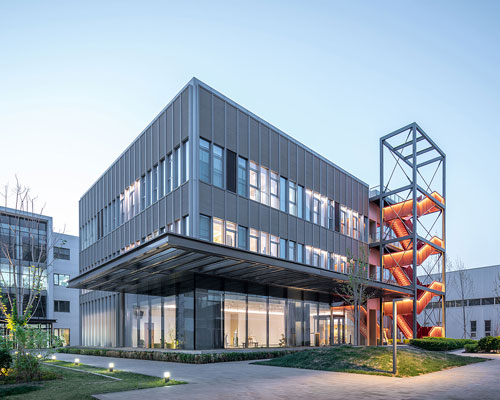
Therme Group is working to become net-zero carbon / photo: Therme Group (MANCHESTER)
This year there have been uncontrollable fires raging in Greece and California and catastrophic floods in Germany – among other things.
Added to this we have melting icebergs, a major pollution problem from single-use plastics, which COVID-19 is adding to, and a continued reliance on fossil fuels.
The latest climate report from the UN says the ongoing emissions of warming gases could see a key temperature limit broken in just over a decade, while a rise in sea levels approaching 2m by the end of the century cannot be ruled out. It’s depressingly sobering stuff and we need to act fast to avert catastrophe.
Behaving in a more environmentally conscious way can seem costly and inconvenient, yet there are tangible business benefits, including attracting the best new talent, adopting lean business techniques which save money on waste and procurement, inspiring team and client loyalty and elevated brand recognition.
Everyone has a responsibility to be part of the solution, but with the spa industry’s emphasis on promoting good health and wellbeing, we should be leading the way.
Spas which are doing it well are not making piecemeal changes, they are embedding sustainability as part of their business DNA, from the top down so that it’s a consideration in every decision. Success is measured not just in the bottom line, but the triple bottom line of people, planet and profit. It’s a radical mindset change, but an essential one.
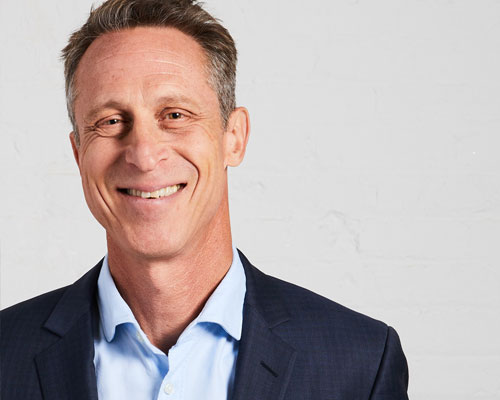
Sarah Watterson
Master trainer, EarthCheck
photo: R Broadbent
Responsible sourcing and consumption is important: as an industry we need to understand the value chain of the business and the impact of all the stakeholders, including suppliers, and create responsible sourcing policies, engaging with suppliers to encourage them to share information about their own sourcing practices and products.
Many suppliers are implementing change to make their products and packaging more environmentally friendly and we can engage, collaborate and advocate changes by supporting these businesses. Support Fairtrade and source locally, check the provenance of products and look at the lifecycle, whether it could be recycled, refilled, repurposed or returned.
Waste auditing is one way to reduce spa waste, increase profits and protect the planet. Facility management teams worth their salt are always looking to identify the most effective business models. However, what some might have overlooked is how a good waste audit can be the best catalyst in supporting sustainability goals.
More long-term and challenging actions involve governance. Some industries are mandated to cut emissions and receive grants and incentives to achieve goals. Collaborations with partners such as EarthCheck provide frameworks for environmental, social and governance (ESG) reporting and action plans for the tourism and hospitality sectors, including spas.
We need to embody sustainability in every aspect of our industry: concept, design and operations and adapt the 3 P approach aiming to be successful in people, planet and profit versus profit only and in doing so create a circular economy.
• As an EarthCheck master trainer, Sarah Watterson works with organisations to develop and establish a culture of sustainability
A good waste audit can be the best
catalyst in supporting sustainability goals
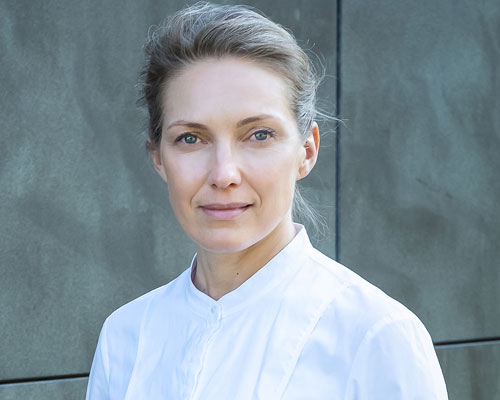
Stelian Iacob
CEO, Therme Group
photo: Therme Group
At Therme Group the key driver of sustainability is the availability of our resorts close to where people live. We incorporate local customs but also materials, trades and especially suppliers, which drastically reduces the carbon footprint of projects. Taking a long-term view, we design, build and operate using sustainable materials and locally sourced crafts. Combined with energy conservation and innovative technology solutions, this creates some of the most natural and healthy buildings in the world.
Our structures are designed and operated under LEED Platinum standards and the strategy around water conservation, reuse, ozonation and treatment allows us to reduce water use by 80 per cent. We use trigeneration, green roofs and photovoltaic systems to produce electricity. Efficient automation of advanced machinery (HVAC heat recovery), together with a clear and sustained waste control strategy and recycling are initiatives we are implementing in our facilities worldwide. The low carbon strategy we’re currently implementing throughout the group, combined with the explorations of botanical applications in energy use and conservation are setting new industry benchmarks with a view to becoming net-zero carbon.
Therme Group is actively engaged in a number of ventures to explore the frontiers of sustainable design, construction and operation, including biomimetic, dynamic, reactive structures, 3D printed technology, kinetic buildings, research in usage of alternative sustainable materials and waste management, as well as botanical application for air purification, water treatment and energy production.
• Stelian Iacob has been with Therme Group since 2010, the company operates thermal resorts around the world
Incorporating local materials, trades
and especially suppliers drastically
reduces the carbon footprint of projects
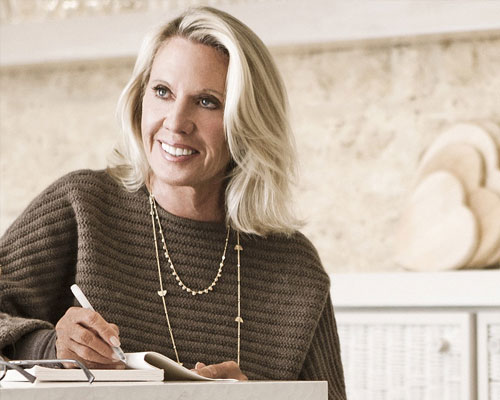
Lucy Brialey
Co-founder and director, the Sustainable Spa Association
photo: Lucy Brialey
With the spa industry having its roots in health, vitality, the natural world and quality experiences, it’s a natural fit for us to be actively leading the way in the area of sustainability. This will be a foundation to grow the industry in years to come.
Although isolated actions such as single-use plastic packaging, waste and using materials or ingredients which are harmful to communities or the environment are problematic, what does the most damage is an attitude that sustainability is someone else’s responsibility. It’s up to all of us to make a difference.
Sustainability is more than caring for the environment, it’s a set of core business values. The pillars of sustainability are people, planet and profit. In advanced stages some businesses also look towards regeneration.
A purpose-driven approach to business is the best route to sustainability. Spa businesses should embark on a comprehensive plan with business policies which support sustainable development and allow a timeline for change to be communicated and delivered.
Two spa operators that are doing this very well are Six Senses and Ikos and Sani Resorts. Sustainability shines through everything that they do, thanks to having dedicated directors and departments to continuously develop the business through the lens of sustainability.
Their endeavours cascade from head office right through to each individual team member.
Our industry should be aiming for business-to-business encouragement and support so we can all be proud of the results we produce together. It doesn’t take one large company to make big efforts it takes lots of companies making as much effort as they can at any one time to bring about large scale improvement and positive impact.
• Lucy Brialey is chair of the GWI’s UN SDG initiative and head of the Sustainable Spa Association
What does the most damage, is
an attitude that sustainability is
someone else’s responsibility”
Bryan Hoare
Area director of wellness, Soneva
photo credit: Aksham Abdul Gadir
Sustainability has been a part of our culture since we started bottling our own water in glass bottles 25 years ago. Now we’re always on the hunt for ways to be more sustainable and bring in experts from science, technology and even the arts.
There are some easy wins spas can make in terms of sustainability, for example switching to using compostable underwear from Zero Waste and speaking to suppliers to package deliveries in reusable or recyclable packaging.
While we’re working with suppliers to receive products in glass, aluminium or plant-based plastics, it’s still very difficult to have the whole container plastic free. Many pumps, which are used to keep the product air locked, contain plastic so we’re always on the look out for new brands which may solve this problem.
We use glass and plastic packaging for building materials and artwork at our amazing glass-blowing workshop. We also produce our own coconut oil at Soneva Fushi which is used as the base for many of our treatments.
There are many exciting innovations happening, such as the use of Mycelium as new sustainable packaging which is a completely organic, farm-grown material made from the roots of a mushroom.
As an industry we need to continue to educate and inspire consumers to make sustainable choices and find value in re-use, downsizing and finding magic in creating their own lifetime of rare experiences, as well as engaging with our programmes when they stay with us.
In the longer term we need to hold one another accountable for any overuse or unnecessary consumerism, giving people what they need without excesses.
• Bryan Hoare oversees wellness operations, development and new projects at Soneva Group in the Maldives
There are some easy wins spas can
make in terms of sustainability
Mark Sands
Vice president of wellness, Six Senses
photo: six senses
An industry is only sustainable if it operates in that sweet spot where people, planet and profit overlap. The spa industry is responsible for a great deal of carbon and we all need to stop thinking it’s someone else’s problem and act. Now.
The biggest issues are plastic use in packaging, sometimes in the products themselves, and the shipping of these items all around the world, often multiple times. Plastics come from fossil fuels and will take up 15 per cent of the world’s carbon budget by 2050. Six Senses has a bold target to be free of plastics by 2022, with reductions at the operations and supply chains.
Six Senses has always made and bottled its own water, so we avoid the shipping, packaging and plastic involved in the drinking water industry. We work with suppliers like Ecolab which provide a dehydrated product which is then hydrated onsite reducing carbon relating to shipping.
Spa skincare product suppliers like Subtle Energies provide options to our spas to sell products online and have drop-shipped to guests homes directly. We work with our suppliers to help them change packaging in line with our goal to be plastic free in 2022. No easy task and one we will no doubt gloriously fail to achieve but we have made huge strides and we have not gone backwards during the pandemic.
Six Senses also has a sustainability fund, to which we direct 0.5 per cent of our revenues, to be used on local projects to help address climate impacts in our local communities.
• Mark Sands joined Six Senses in 2011 as area spa director, prior to this he worked at Ananda in the Himalayas.
We have a bold target to
be free of plastics by 2022
Davide Bollati
Chair, Davines Family Group Companies – Comfort Zone
photo credit: stefano Guindani
Sustainability is not a choice anymore, it’s an absolute need. The beauty industry and the spa sector should feel this need even more, as our mission is people’s wellbeing.
The starting point is to evaluate all the possible impacts on environment, people and community, define clear objectives, create an action plan to achieve them and then measure them regularly. The challenges of carbon and water footprint, people and community welfare need to be addressed at the same time. It’s a huge commitment, but absolutely necessary.
Sustainability has always been part of our DNA, and we have been B Corp certified since 2016. We’re committed to becoming carbon neutral by 2030, which is a very challenging goal for a beauty company, especially when it comes to packaging. However, this autumn we start a new plastic compensation programme, collecting more plastic from all over the world than we are leaking in the environment. At the same time we continue to reduce and recycle, looking for more sustainable packaging solutions.
One of our new and most interesting projects is a partnership with Rodale Institute to promote regenerative organic agriculture. Starting this autumn, the first European Rodale-Davines Group Center for Regenerative Organic Agriculture will begin its activity in Parma. Ten hectares of land dedicated to growing and studying ingredients specifically for the beauty industry – but not exclusively – will inspire our new formulas, while also contributing to soil carbon sinking and biodiversity. Our Comfort Zone Sacred Nature formulas are already based on regenerative agriculture ingredients, as well as our Sublime Skin line which launches this October. We want to extend this choice to all of our products.
• Davide Bollati is an Italian entrepreneur and pioneer in beauty, wellness and sustainable business. His family founded the Davines Group in 1983.
We’re committed to becoming
carbon neutral by 2030, which
is a very challenging goal
Kath Hudson is editor of the Spa Business Handbook
| [email protected]
Read more from this issue of Spa Business magazine
View contents of Spa Business 2021 issue 3
Editor's letter: All about the people
With global staff shortages threatening to stall economic recovery, it’s time to reboot our commitment to driving improvements in pay and working conditions across the spa and wellness industry
Spa people: Dr Mark Hyman
Dr Mark Hyman MD believes functional medicine has the power to be life-changing in the health and wellbeing of patients.
New opening: Six Senses Shaharut
Six Senses has opened the doors to its new 60-key retreat in Israel’s southern Negev Desert, complete with a 1,900sq m, two-level spa and wellness sanctuary
New opening: QC NY
A 74,000sq ft Italian day spa has opened on New York’s Governors Island after a US$50m investment and seven years of planning, building and restoration.
Interview: Kenneth Ryan
We talk to the global head of spa at Marriott International about navigating the global lockdown, re-imagining the company's brand portfolio and what it will take to succeed post-COVID-19
Sponsored: Time out
Answering a growing demand
for non-invasive, anti-ageing skin
care, Comfort Zone is relaunching
its Sublime Skin line with a new
filler-like natural formula that
reverses cellular degeneration
Research: Total impact
Latest ISPA report considers the economic fallout of the pandemic and the spa industry's road to recovery
Sponsored: Gharieni Group
CEO Sammy Gharieni talks about his relentless drive
to deliver innovative products to underpin operators’ success
Analysis: Role model
What business models are showing the most potential in the wellness industry? Lyndsay Madden Nadeau shares her insights
Interview: Lorenzo Giannuzzi
The hospitality veteran dreamed of reinventing an historic Italian palazzo as a world-class medical spa. Lisa Starr went to find out more
Sponsored: TechnoAlpin
Snow rooms are creating a ‘wow’ factor for customers,
while reducing operating costs in the delivery of hot and cold
experiences
Interview: Gloria Caulfield
The executive director of Lake Nona wellness community talks about tapping into the latest tech to create healthy living environments
Software: Revenue management
How software suppliers have been supporting spas to get savvy with yield management since the pandemic began
Promotion: Iyashi Dôme
Iyashi Dôme’s touchless infrared tech is the perfect investment for the post-lockdown world, says Florent Cornelis
Contrast therapy, based on the alternation of hot and cold rituals, has become one of the
most valued practices in the fields of wellness and recovery. [more...]
In the fast-paced world of fitness and wellness, where high-intensity workouts push us to
our limits and the sweat pours, the importance of efficient recovery cannot be overstated. [more...]
+ More featured suppliers
COMPANY PROFILES
Knesko Skin
Known for their unique approach to wellness and beauty, Knesko’s products combine ancient healing tr [more...]
Aquaform
With a rich heritage in the spa industry, Aquaform offers a diverse array of water wellness experien [more...]
According to UN scientists, we’re at a code red situation. Everyone
needs to act now if we’re going to avert climate catastrophe, so
how should the spa industry respond? Kath Hudson reports
Therme Group is working to become net-zero carbon / photo: Therme Group (MANCHESTER)
This year there have been uncontrollable fires raging in Greece and California and catastrophic floods in Germany – among other things.
Added to this we have melting icebergs, a major pollution problem from single-use plastics, which COVID-19 is adding to, and a continued reliance on fossil fuels.
The latest climate report from the UN says the ongoing emissions of warming gases could see a key temperature limit broken in just over a decade, while a rise in sea levels approaching 2m by the end of the century cannot be ruled out. It’s depressingly sobering stuff and we need to act fast to avert catastrophe.
Behaving in a more environmentally conscious way can seem costly and inconvenient, yet there are tangible business benefits, including attracting the best new talent, adopting lean business techniques which save money on waste and procurement, inspiring team and client loyalty and elevated brand recognition.
Everyone has a responsibility to be part of the solution, but with the spa industry’s emphasis on promoting good health and wellbeing, we should be leading the way.
Spas which are doing it well are not making piecemeal changes, they are embedding sustainability as part of their business DNA, from the top down so that it’s a consideration in every decision. Success is measured not just in the bottom line, but the triple bottom line of people, planet and profit. It’s a radical mindset change, but an essential one.
Sarah Watterson
Master trainer, EarthCheck
photo: R Broadbent
Responsible sourcing and consumption is important: as an industry we need to understand the value chain of the business and the impact of all the stakeholders, including suppliers, and create responsible sourcing policies, engaging with suppliers to encourage them to share information about their own sourcing practices and products.
Many suppliers are implementing change to make their products and packaging more environmentally friendly and we can engage, collaborate and advocate changes by supporting these businesses. Support Fairtrade and source locally, check the provenance of products and look at the lifecycle, whether it could be recycled, refilled, repurposed or returned.
Waste auditing is one way to reduce spa waste, increase profits and protect the planet. Facility management teams worth their salt are always looking to identify the most effective business models. However, what some might have overlooked is how a good waste audit can be the best catalyst in supporting sustainability goals.
More long-term and challenging actions involve governance. Some industries are mandated to cut emissions and receive grants and incentives to achieve goals. Collaborations with partners such as EarthCheck provide frameworks for environmental, social and governance (ESG) reporting and action plans for the tourism and hospitality sectors, including spas.
We need to embody sustainability in every aspect of our industry: concept, design and operations and adapt the 3 P approach aiming to be successful in people, planet and profit versus profit only and in doing so create a circular economy.
• As an EarthCheck master trainer, Sarah Watterson works with organisations to develop and establish a culture of sustainability
A good waste audit can be the best
catalyst in supporting sustainability goals
Stelian Iacob
CEO, Therme Group
photo: Therme Group
At Therme Group the key driver of sustainability is the availability of our resorts close to where people live. We incorporate local customs but also materials, trades and especially suppliers, which drastically reduces the carbon footprint of projects. Taking a long-term view, we design, build and operate using sustainable materials and locally sourced crafts. Combined with energy conservation and innovative technology solutions, this creates some of the most natural and healthy buildings in the world.
Our structures are designed and operated under LEED Platinum standards and the strategy around water conservation, reuse, ozonation and treatment allows us to reduce water use by 80 per cent. We use trigeneration, green roofs and photovoltaic systems to produce electricity. Efficient automation of advanced machinery (HVAC heat recovery), together with a clear and sustained waste control strategy and recycling are initiatives we are implementing in our facilities worldwide. The low carbon strategy we’re currently implementing throughout the group, combined with the explorations of botanical applications in energy use and conservation are setting new industry benchmarks with a view to becoming net-zero carbon.
Therme Group is actively engaged in a number of ventures to explore the frontiers of sustainable design, construction and operation, including biomimetic, dynamic, reactive structures, 3D printed technology, kinetic buildings, research in usage of alternative sustainable materials and waste management, as well as botanical application for air purification, water treatment and energy production.
• Stelian Iacob has been with Therme Group since 2010, the company operates thermal resorts around the world
Incorporating local materials, trades
and especially suppliers drastically
reduces the carbon footprint of projects
Lucy Brialey
Co-founder and director, the Sustainable Spa Association
photo: Lucy Brialey
With the spa industry having its roots in health, vitality, the natural world and quality experiences, it’s a natural fit for us to be actively leading the way in the area of sustainability. This will be a foundation to grow the industry in years to come.
Although isolated actions such as single-use plastic packaging, waste and using materials or ingredients which are harmful to communities or the environment are problematic, what does the most damage is an attitude that sustainability is someone else’s responsibility. It’s up to all of us to make a difference.
Sustainability is more than caring for the environment, it’s a set of core business values. The pillars of sustainability are people, planet and profit. In advanced stages some businesses also look towards regeneration.
A purpose-driven approach to business is the best route to sustainability. Spa businesses should embark on a comprehensive plan with business policies which support sustainable development and allow a timeline for change to be communicated and delivered.
Two spa operators that are doing this very well are Six Senses and Ikos and Sani Resorts. Sustainability shines through everything that they do, thanks to having dedicated directors and departments to continuously develop the business through the lens of sustainability.
Their endeavours cascade from head office right through to each individual team member.
Our industry should be aiming for business-to-business encouragement and support so we can all be proud of the results we produce together. It doesn’t take one large company to make big efforts it takes lots of companies making as much effort as they can at any one time to bring about large scale improvement and positive impact.
• Lucy Brialey is chair of the GWI’s UN SDG initiative and head of the Sustainable Spa Association
What does the most damage, is
an attitude that sustainability is
someone else’s responsibility”
Bryan Hoare
Area director of wellness, Soneva
photo credit: Aksham Abdul Gadir
Sustainability has been a part of our culture since we started bottling our own water in glass bottles 25 years ago. Now we’re always on the hunt for ways to be more sustainable and bring in experts from science, technology and even the arts.
There are some easy wins spas can make in terms of sustainability, for example switching to using compostable underwear from Zero Waste and speaking to suppliers to package deliveries in reusable or recyclable packaging.
While we’re working with suppliers to receive products in glass, aluminium or plant-based plastics, it’s still very difficult to have the whole container plastic free. Many pumps, which are used to keep the product air locked, contain plastic so we’re always on the look out for new brands which may solve this problem.
We use glass and plastic packaging for building materials and artwork at our amazing glass-blowing workshop. We also produce our own coconut oil at Soneva Fushi which is used as the base for many of our treatments.
There are many exciting innovations happening, such as the use of Mycelium as new sustainable packaging which is a completely organic, farm-grown material made from the roots of a mushroom.
As an industry we need to continue to educate and inspire consumers to make sustainable choices and find value in re-use, downsizing and finding magic in creating their own lifetime of rare experiences, as well as engaging with our programmes when they stay with us.
In the longer term we need to hold one another accountable for any overuse or unnecessary consumerism, giving people what they need without excesses.
• Bryan Hoare oversees wellness operations, development and new projects at Soneva Group in the Maldives
There are some easy wins spas can
make in terms of sustainability
Mark Sands
Vice president of wellness, Six Senses
photo: six senses
An industry is only sustainable if it operates in that sweet spot where people, planet and profit overlap. The spa industry is responsible for a great deal of carbon and we all need to stop thinking it’s someone else’s problem and act. Now.
The biggest issues are plastic use in packaging, sometimes in the products themselves, and the shipping of these items all around the world, often multiple times. Plastics come from fossil fuels and will take up 15 per cent of the world’s carbon budget by 2050. Six Senses has a bold target to be free of plastics by 2022, with reductions at the operations and supply chains.
Six Senses has always made and bottled its own water, so we avoid the shipping, packaging and plastic involved in the drinking water industry. We work with suppliers like Ecolab which provide a dehydrated product which is then hydrated onsite reducing carbon relating to shipping.
Spa skincare product suppliers like Subtle Energies provide options to our spas to sell products online and have drop-shipped to guests homes directly. We work with our suppliers to help them change packaging in line with our goal to be plastic free in 2022. No easy task and one we will no doubt gloriously fail to achieve but we have made huge strides and we have not gone backwards during the pandemic.
Six Senses also has a sustainability fund, to which we direct 0.5 per cent of our revenues, to be used on local projects to help address climate impacts in our local communities.
• Mark Sands joined Six Senses in 2011 as area spa director, prior to this he worked at Ananda in the Himalayas.
We have a bold target to
be free of plastics by 2022
Davide Bollati
Chair, Davines Family Group Companies – Comfort Zone
photo credit: stefano Guindani
Sustainability is not a choice anymore, it’s an absolute need. The beauty industry and the spa sector should feel this need even more, as our mission is people’s wellbeing.
The starting point is to evaluate all the possible impacts on environment, people and community, define clear objectives, create an action plan to achieve them and then measure them regularly. The challenges of carbon and water footprint, people and community welfare need to be addressed at the same time. It’s a huge commitment, but absolutely necessary.
Sustainability has always been part of our DNA, and we have been B Corp certified since 2016. We’re committed to becoming carbon neutral by 2030, which is a very challenging goal for a beauty company, especially when it comes to packaging. However, this autumn we start a new plastic compensation programme, collecting more plastic from all over the world than we are leaking in the environment. At the same time we continue to reduce and recycle, looking for more sustainable packaging solutions.
One of our new and most interesting projects is a partnership with Rodale Institute to promote regenerative organic agriculture. Starting this autumn, the first European Rodale-Davines Group Center for Regenerative Organic Agriculture will begin its activity in Parma. Ten hectares of land dedicated to growing and studying ingredients specifically for the beauty industry – but not exclusively – will inspire our new formulas, while also contributing to soil carbon sinking and biodiversity. Our Comfort Zone Sacred Nature formulas are already based on regenerative agriculture ingredients, as well as our Sublime Skin line which launches this October. We want to extend this choice to all of our products.
• Davide Bollati is an Italian entrepreneur and pioneer in beauty, wellness and sustainable business. His family founded the Davines Group in 1983.
We’re committed to becoming
carbon neutral by 2030, which
is a very challenging goal
Kath Hudson is editor of the Spa Business Handbook
| [email protected]
Read more from this issue of Spa Business magazine
View contents of Spa Business 2021 issue 3
Editor's letter: All about the people
With global staff shortages threatening to stall economic recovery, it’s time to reboot our commitment to driving improvements in pay and working conditions across the spa and wellness industry
Spa people: Dr Mark Hyman
Dr Mark Hyman MD believes functional medicine has the power to be life-changing in the health and wellbeing of patients.
New opening: Six Senses Shaharut
Six Senses has opened the doors to its new 60-key retreat in Israel’s southern Negev Desert, complete with a 1,900sq m, two-level spa and wellness sanctuary
New opening: QC NY
A 74,000sq ft Italian day spa has opened on New York’s Governors Island after a US$50m investment and seven years of planning, building and restoration.
Interview: Kenneth Ryan
We talk to the global head of spa at Marriott International about navigating the global lockdown, re-imagining the company's brand portfolio and what it will take to succeed post-COVID-19
Sponsored: Time out
Answering a growing demand
for non-invasive, anti-ageing skin
care, Comfort Zone is relaunching
its Sublime Skin line with a new
filler-like natural formula that
reverses cellular degeneration
Research: Total impact
Latest ISPA report considers the economic fallout of the pandemic and the spa industry's road to recovery
Sponsored: Gharieni Group
CEO Sammy Gharieni talks about his relentless drive
to deliver innovative products to underpin operators’ success
Analysis: Role model
What business models are showing the most potential in the wellness industry? Lyndsay Madden Nadeau shares her insights
Interview: Lorenzo Giannuzzi
The hospitality veteran dreamed of reinventing an historic Italian palazzo as a world-class medical spa. Lisa Starr went to find out more
Sponsored: TechnoAlpin
Snow rooms are creating a ‘wow’ factor for customers,
while reducing operating costs in the delivery of hot and cold
experiences
Interview: Gloria Caulfield
The executive director of Lake Nona wellness community talks about tapping into the latest tech to create healthy living environments
Software: Revenue management
How software suppliers have been supporting spas to get savvy with yield management since the pandemic began
Promotion: Iyashi Dôme
Iyashi Dôme’s touchless infrared tech is the perfect investment for the post-lockdown world, says Florent Cornelis
Anna Bjurstam has left her role as Wellness Pioneer at Six Senses Hotels and Resorts and
launched a new wellness, longevity and “consciousness consultancy” called Wahayla.
Fairmont Cheshire, The Mere, has opened today (10 July) in the Northwest of England with a
1,715sq m Fairmont Spa that has been designed using a ‘Wellness without Walls’ concept.
Wellness hotels generating less than US$1 million (€932,700, £785,200) – or 10 per cent of
total revenue from wellness and leisure – recorded the strongest RevPAR and TRevPAR growth
in 2025 across categories when compared with 2024, according to the latest Wellness Real
Estate Report by RLA Global, produced in partnership with P and L benchmarking firm HotStats.
Lefay Resorts, the portfolio of two luxury wellness properties in Italy, has added emotional
dance classes and group cold plunge sessions in response to market demand for social
connection.
Aditya Saluja, an industry leader in luxury wellness hospitality, has been
appointed as
commercial director of spa and wellness for the spa management division of
Minor Hotels,
MSpa International.
Preidlhof Luxury DolceVita Resort, a destination resort and spa in Naturno, South Tyrol in Italy,
will reveal a new spa in February 2027, which has been designed by wellness expert and
consultant Patrizia Bortolin.
Contrast therapy, based on the alternation of hot and cold rituals, has become one of the
most valued practices in the fields of wellness and recovery. [more...]
In the fast-paced world of fitness and wellness, where high-intensity workouts push us to
our limits and the sweat pours, the importance of efficient recovery cannot be overstated. [more...]
+ More featured suppliers
COMPANY PROFILES
Knesko Skin Known for their unique approach to wellness and beauty, Knesko’s products combine ancient healing tr [more...]