It’s easier to control epigenetic processes than reverse DNA mutations / Photo: shurkin_son/shutterstock
A 13-year study by researchers at Harvard University has shown for the first time that the modification of gene expression can lead to cell ageing.
For years mainstream thinking in scientific circles has been that ageing is caused by mutations in genetic code which causes cells to malfunction and die, however, this new study, published in the journal Cell, suggests that it’s the way DNA is governed that drives ageing.
In layman’s terms, the researchers are suggesting that ageing doesn’t mean cells are damaged and incapable of behaving like young cells, but rather that something has got lost in translation in their genetic make-up. So, in theory, if we use epigenetic interventions to get cells back on the right path, they can ‘remember’ how to be young and fully functioning again – effectively reversing the ageing process.
Main experiment In the main experiment, scientists at Harvard mimicked breaks in chromosomes that cells experience every day in response to things such as breathing, exposure to sunlight and contact with certain chemicals. They ensured these breaks did not occur in the coding regions of the DNA so mutations were prevented from occurring over time.
The team noticed that the epigenome grew disorganised leading to more aged looks and behaviour. Next, they delivered gene therapy to reverse the changes and found the organs and tissues had resumed their youthful state.
“It’s like rebooting a malfunctioning computer,” says the paper’s senior author David Sinclair, explaining that the therapy “led cells to restore the epigenetic information they had when they were young”.
A different view Co-first author Jae-Hyun Yang adds: “We expect the findings will transform the way we view the process of ageing and the way we approach the treatment of diseases associated with ageing.”
This is because it’s easier to manipulate the molecules that control epigenetic processes rather than to reverse DNA mutations. Such interventions could include injecting stem cells to “help rewind mature cells”, for example, or using drugs.
Sinclair hopes the work inspires other scientists to study how to control ageing to prevent and eliminate age-related conditions such as frailty, cardiovascular disease and Type 2 diabetes.
The ultimate goal, he concludes, would be to address the root causes of ageing to help people live healthier lives for longer.
• Sinclair, D. et al. Loss of epigenetic information as a cause of mammalian aging. Cell, January 2023
Read more from this issue of Spa Business magazine
Write to reply: Letters
Zulal's Sandie Johannessen shares her passion for medical wellness and Kloodos' Julie Cichocki says wellness protocols should start with the vagus nerve
Spa People: Leekyung Han
The South Korean-born spa consultant on why her home country should be on the radar of all wellness developers
Sponsored: Art of Cryo: Working well
Spa operators and corporate offices can now offer a comprehensive, six-part wellness journey designed by Art of Cryo to elevate health
Research: Wellness Travel Consumer Survey
A general reboot and nature/outdoor activities are key considerations for wellness tourists according to a new study by WTA. Anne Dimon reports
First person: Doctor’s orders
Can a partnership with an international hospital elevate a wellness retreat? Neena Dhillon visits RAKxa in Bangkok, Thailand to find out
Interview: Justin Musgrove
We talk to the CEO of Core Life, the exclusive lifestyle brand which has ambitions to expand to the world's most affluent cities
Sponsored: Starpool: Zerobody Cryo
The new Zerobody Cryo will deliver comfortable cold therapy for spa, wellness and sports says Starpool CEO, Riccardo Turri
The MSpa Oslo series is a perennial bestseller in global markets. With innovative
engineering and premium performance, this completely portable spa line-up is expertly
designed to meet the needs of customers worldwide. [more...]
In the fast-paced world of fitness and wellness, where high-intensity workouts push us to
our limits and the sweat pours, the importance of efficient recovery cannot be overstated. [more...]
+ More featured suppliers
COMPANY PROFILES
Wellhub
Wellhub (formerly Gympass) is the
world’s leading corporate wellness
platform, trusted by 70,000+ [more...]
It’s easier to control epigenetic processes than reverse DNA mutations / Photo: shurkin_son/shutterstock
A 13-year study by researchers at Harvard University has shown for the first time that the modification of gene expression can lead to cell ageing.
For years mainstream thinking in scientific circles has been that ageing is caused by mutations in genetic code which causes cells to malfunction and die, however, this new study, published in the journal Cell, suggests that it’s the way DNA is governed that drives ageing.
In layman’s terms, the researchers are suggesting that ageing doesn’t mean cells are damaged and incapable of behaving like young cells, but rather that something has got lost in translation in their genetic make-up. So, in theory, if we use epigenetic interventions to get cells back on the right path, they can ‘remember’ how to be young and fully functioning again – effectively reversing the ageing process.
Main experiment In the main experiment, scientists at Harvard mimicked breaks in chromosomes that cells experience every day in response to things such as breathing, exposure to sunlight and contact with certain chemicals. They ensured these breaks did not occur in the coding regions of the DNA so mutations were prevented from occurring over time.
The team noticed that the epigenome grew disorganised leading to more aged looks and behaviour. Next, they delivered gene therapy to reverse the changes and found the organs and tissues had resumed their youthful state.
“It’s like rebooting a malfunctioning computer,” says the paper’s senior author David Sinclair, explaining that the therapy “led cells to restore the epigenetic information they had when they were young”.
A different view Co-first author Jae-Hyun Yang adds: “We expect the findings will transform the way we view the process of ageing and the way we approach the treatment of diseases associated with ageing.”
This is because it’s easier to manipulate the molecules that control epigenetic processes rather than to reverse DNA mutations. Such interventions could include injecting stem cells to “help rewind mature cells”, for example, or using drugs.
Sinclair hopes the work inspires other scientists to study how to control ageing to prevent and eliminate age-related conditions such as frailty, cardiovascular disease and Type 2 diabetes.
The ultimate goal, he concludes, would be to address the root causes of ageing to help people live healthier lives for longer.
• Sinclair, D. et al. Loss of epigenetic information as a cause of mammalian aging. Cell, January 2023
Read more from this issue of Spa Business magazine
Write to reply: Letters
Zulal's Sandie Johannessen shares her passion for medical wellness and Kloodos' Julie Cichocki says wellness protocols should start with the vagus nerve
Spa People: Leekyung Han
The South Korean-born spa consultant on why her home country should be on the radar of all wellness developers
Sponsored: Art of Cryo: Working well
Spa operators and corporate offices can now offer a comprehensive, six-part wellness journey designed by Art of Cryo to elevate health
Research: Wellness Travel Consumer Survey
A general reboot and nature/outdoor activities are key considerations for wellness tourists according to a new study by WTA. Anne Dimon reports
First person: Doctor’s orders
Can a partnership with an international hospital elevate a wellness retreat? Neena Dhillon visits RAKxa in Bangkok, Thailand to find out
Interview: Justin Musgrove
We talk to the CEO of Core Life, the exclusive lifestyle brand which has ambitions to expand to the world's most affluent cities
Sponsored: Starpool: Zerobody Cryo
The new Zerobody Cryo will deliver comfortable cold therapy for spa, wellness and sports says Starpool CEO, Riccardo Turri
Manipulating the gut microbiome could become a powerful tool for preserving brain health and
resilience as people age, according to research led by Professor Paola Tognini, a neuroscientist
at the Sant'Anna School of Advanced Studies in Pisa, Italy.
Jessica Sloyan, a wellness operations and training expert, has established an independent
private training academy to provide professional qualifications for practitioners looking to offer
immersive wellness experiences.
The International Spa Association (ISPA) has published its full 2026 US Spa Industry Study,
providing further insights into the region’s total US$1 billion (€855 million, £780 million)
industry revenue increase from 2024 to 2025.
Ameyalli, the 78-acre wellbeing resort and residential community in Midway in Utah, US, has
broken ground on phase two of the hot spring development – the Ameyalli Resort and Spa –
which is due to open in 2028.
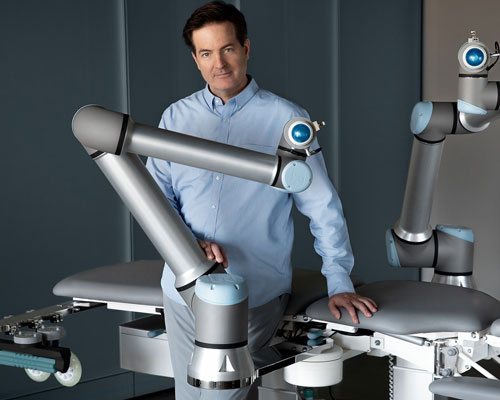
TLee Spas and Wellness has revealed the design concept for a high-tech spa with body
mapping scanners to improve public health, for AI company Midjourney.
Gran Hotel Taoro in northern Tenerife, Spain, has completed the final phase of its three-year
renovation with the debut of its Sandára Wellness Centre.
Hand and Stone Massage and Facial Spa, the spa business with more than 650 locations across
the US and Canada, has appointed franchise expert Carrie Walsh as CEO as the company plans
to expand.
Synergy – The Retreat Show, the global trade show for retreats, has launched a global research
initiative that will provide insights into the retreat sector from both consumer and industry
perspectives.
The Wellness Tourism Association (WTA) has published a non-regulatory global industry
framework designed to ensure the retreat market offers responsible experiences.
The MSpa Oslo series is a perennial bestseller in global markets. With innovative
engineering and premium performance, this completely portable spa line-up is expertly
designed to meet the needs of customers worldwide. [more...]
In the fast-paced world of fitness and wellness, where high-intensity workouts push us to
our limits and the sweat pours, the importance of efficient recovery cannot be overstated. [more...]
+ More featured suppliers
COMPANY PROFILES
Wellhub Wellhub (formerly Gympass) is the
world’s leading corporate wellness
platform, trusted by 70,000+ [more...]