Yes! Send me the FREE digital editions of Spa Business and Spa Business insider magazines and the FREE weekly Spa Business and Spa Business insider ezines and breaking news alerts!
The vaults above Westminster Abbey are opening to the public
for the first time as the Queen’s Diamond Jubilee Galleries.
Scott Craddock, Head of visitor experience, explains
By Alice Davis | Published in Attractions Management 2018 issue 1
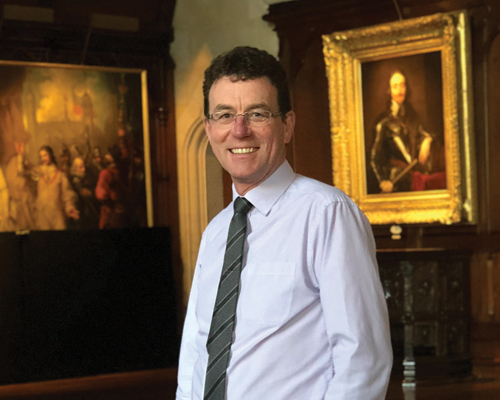
Scott Craddock oversees visitor engagement and guest services at Westminster Abbey
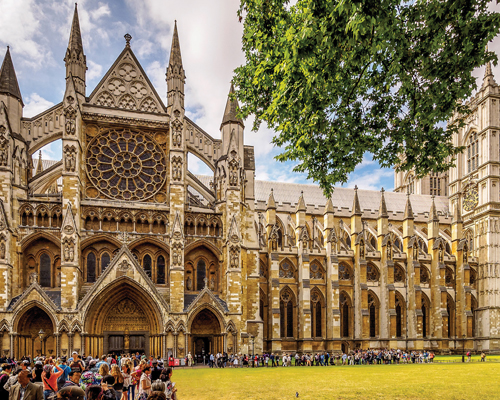
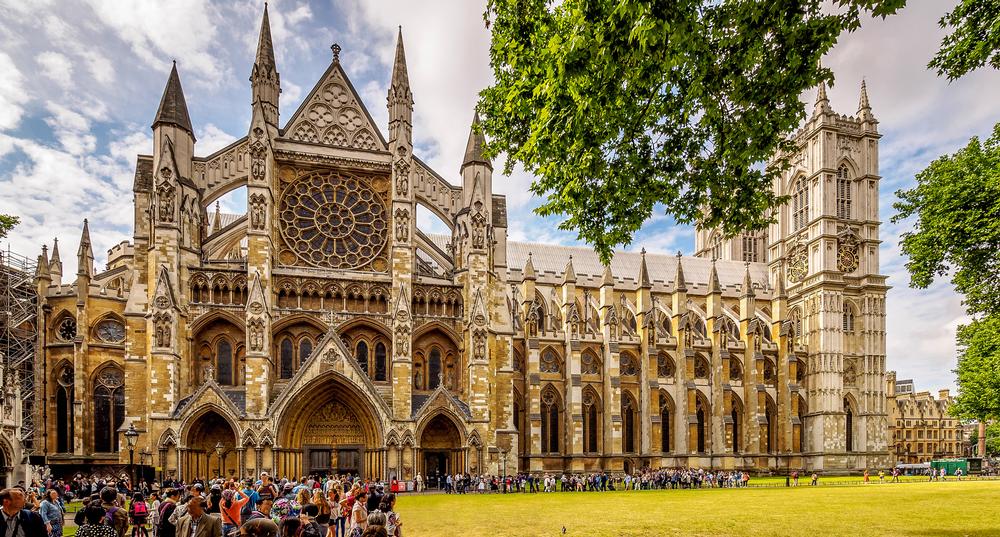
London’s Westminster Abbey, one of the UK’s busiest attractions, is undergoing work on a new museum – marking the first addition to the visitor experience at the historic site since 1745.
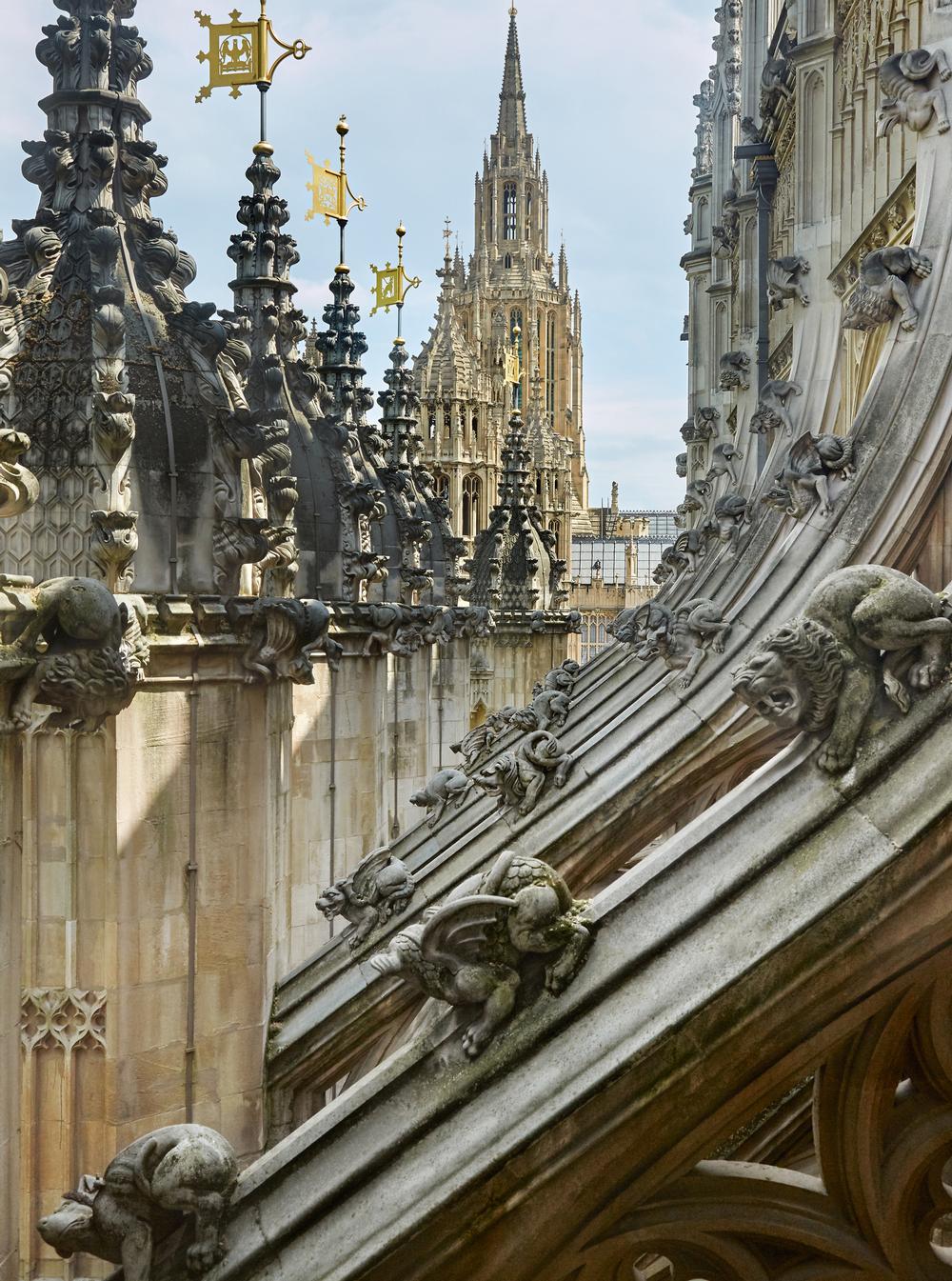
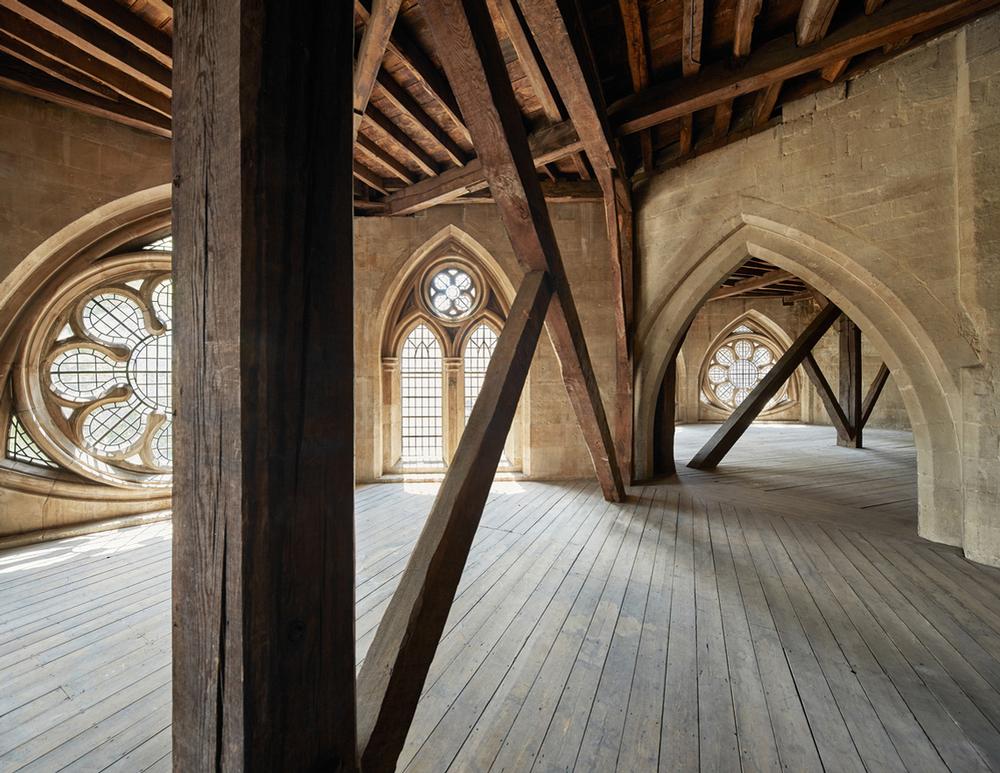
The £23m museum, named the Queen’s Diamond Jubilee Galleries, will be located inside the triforium – the loft-like space above the arches of the nave of a church – some 15 metres above the Abbey’s floor.
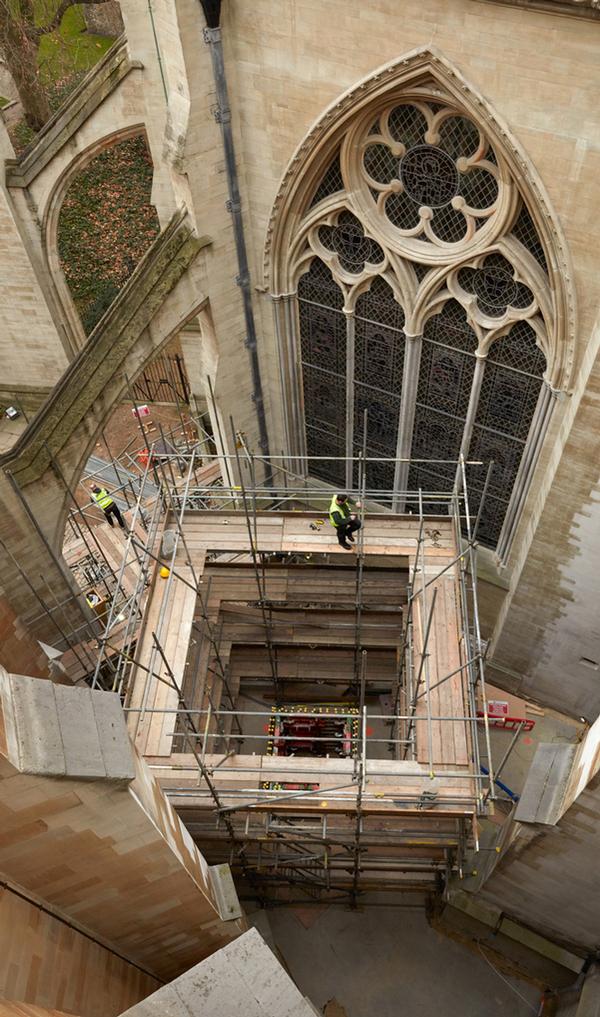
To provide access to the triforium galleries, a slim tower – constructed from stone, glass, lead and oak – is being built in a courtyard at Poet’s Corner. The tower, inspired by the Gothic architecture of the 1,000-year-old Abbey, was designed by conservation and restoration architect Ptolemy Dean, who is Surveyor of the Fabric at the Abbey. Inside the Queen’s Diamond Jubilee Galleries, more than 300 artefacts will be on display, with exhibition design by MUMA (McInnes Usher McKnight Architects).
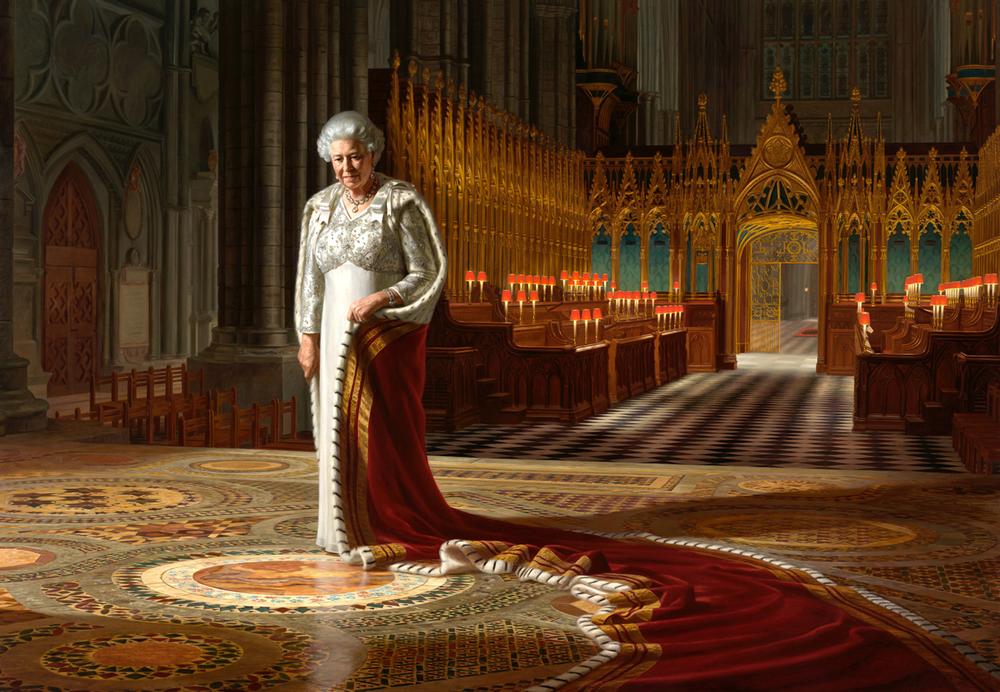
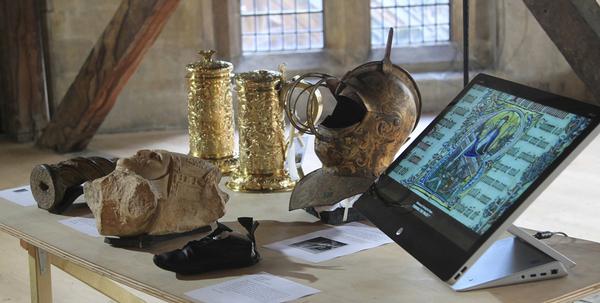
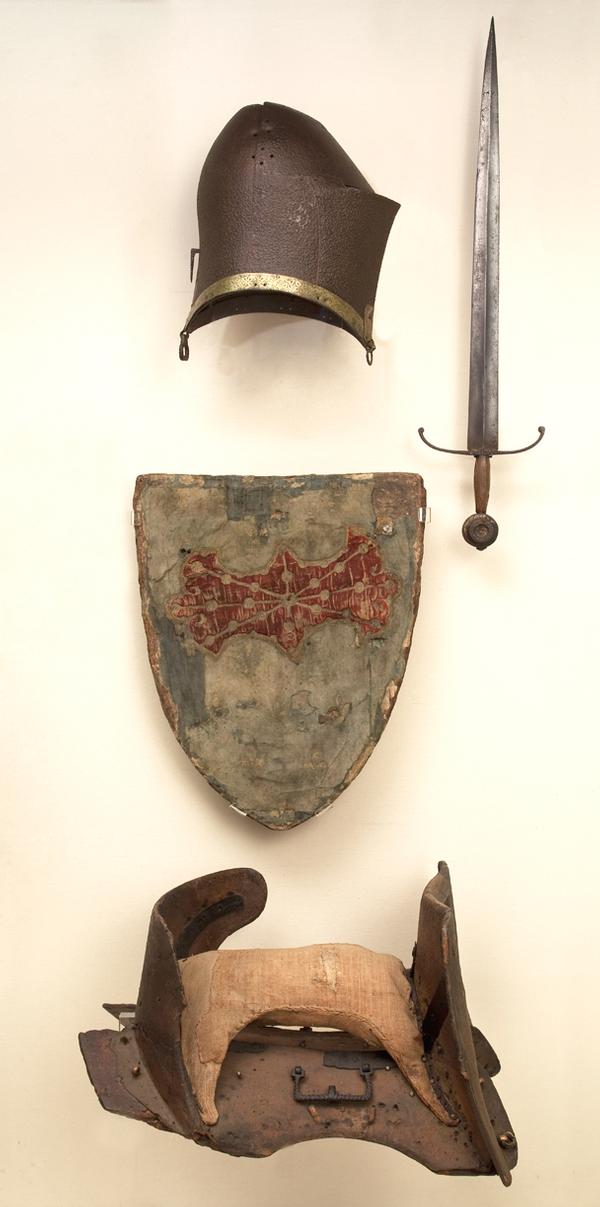
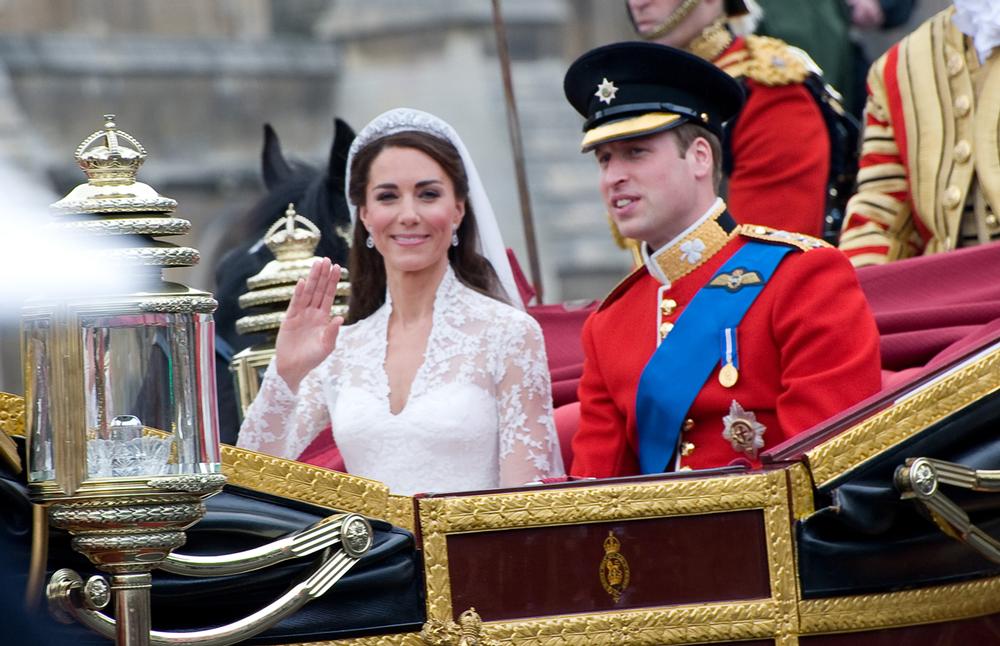
Visitors will be able to browse a variety of objects from the Abbey’s collection, including the 14th-century Liber Regalis – a manuscript that explains the schedule for a coronation service – an ancient altarpiece, a corset belonging to Elizabeth I and artefacts from the reigns of Henry V and VII, guidebooks to the Abbey dating back to 1600, Prince William and Kate Middleton’s marriage license and artist Ralph Heimans’ celebratory Diamond Jubilee portrait of Queen Elizabeth II.
The museum opens in June.
Scott Craddock, Head of visitor experience, Westminster Abbey
How long have you been at Westminster Abbey and what does your job entail? I have been head of visitor experience at Westminster Abbey since 2014. My role involves overseeing our visitor operation, promoting engaging visitor services, and ensuring a warm welcome for over 1.5 million visitors and worshippers each year.
How did the idea to transform the triforium into a museum come about? The Abbey has been planning to create a new museum in the triforium for several years. As well as giving visitors the chance to see this hidden attic space for the first time, it will also allow us to display the greatest treasures from the Abbey’s collection, many of which have never been shown before.
Can you describe what the visitor experience will be like? For visitor access to the Galleries, a new tower has been built outside Poets’ Corner, tucked between the Abbey’s 13th-century Chapter House and 16th-century Lady Chapel. The tower houses a lift and staircase and will offer full disabled access. It is also the most significant addition to the Abbey since Nicholas Hawksmoor’s west towers were completed in 1745.
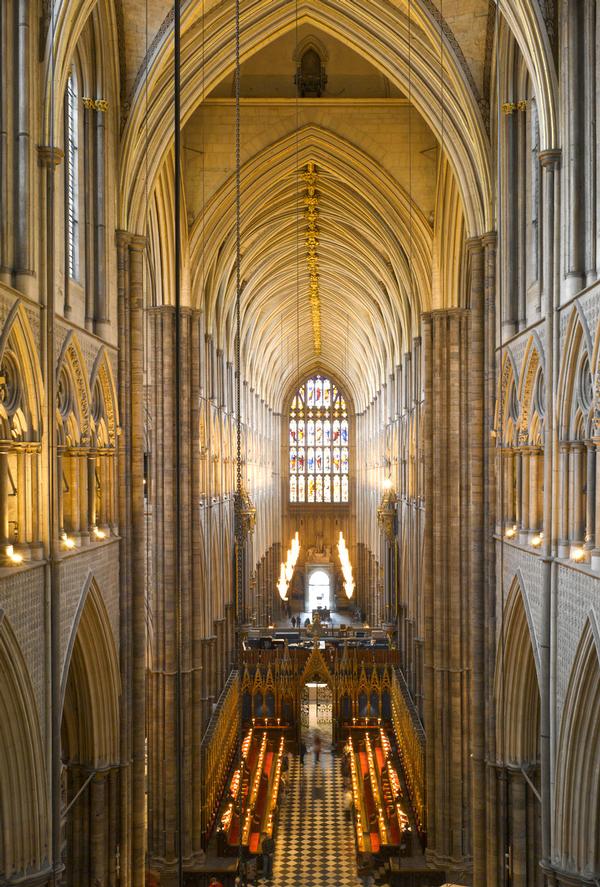
Once visitors have travelled up the new tower, they will enter the triforium – a gallery which runs more than 15 metres above the floor of Westminster Abbey. Here the museum will tell the history of the Abbey through 300 objects from our collection.
Visitors will also get to experience a new perspective on the Abbey’s interior – a view that the poet John Betjeman described as the best in Europe, and which has so far only been seen by the public on television. The Galleries will also offer amazing views out towards Parliament and the Palace of Westminster.
Have you been in the triforium and what is it like? How do you get up there at the moment? It’s an incredible experience – being in a space high above the Abbey floor that has not been accessible for visitors for 700 years. The views are amazing and there will be so much to see from the Abbey collection too. During the building works, we have been accessing the space via an external builders’ lift, which in itself was an experience.
What are your main aims with the galleries – for example, what do you hope visitors will learn or take away with them? Westminster Abbey has a rich thousand-year history and we really wanted to offer a place where visitors can deepen their understanding of the Abbey and explore treasures from our collection in a spectacular setting. People don’t always realise that we are a working church and we are holding 28 services every week.
Was there any opposition to any aspect of this project? Despite the new tower and exhibition being the most significant addition to the Abbey for more than 250 years, there were no objections to our plans.
How many visitors will be allowed at one time? Is it a limited space experience and how will you handle that? The Queen’s Diamond Jubilee Galleries will be able to manage a capacity of up to 230 people at a time, which will be managed by a timed ticket allocation system.
How will the ticketing/entry system work? Entry will be managed through a mix of advance online sales and a limited number of tickets available on-site on the day.
Will there be a charge? The new museum experience will be offered as an optional additional part of a visit to the Abbey. There will be an extra £5 charge to visit the Galleries.
How long do you expect visitors will stay? We estimate that visitors will spend around 45 minutes browsing the new Galleries.
How many visitors do you expect annually? We’re expecting to welcome around 200,000 visitors to the Galleries in their first year.
Carrying out any work at the Abbey must be very complex. How have you worked with Ptolemy Dean to make sure the new tower will be sympathetic? Ptolemy Dean is the Abbey’s Surveyor of the Fabric (consultant architect). His design for the tower is in keeping with Gothic style of Westminster Abbey. He has worked closely with Dædalus Conservation, a specialist contractor that has extensive experience working with Britain’s built heritage and whose purpose it is to preserve and protect ancient buildings, through the use of traditional tradesmanship.
The tower has been built from traditional materials used in the Abbey: stone, glass, lead and oak, whilst taking advantage of modern materials, including steel and concrete, to keep the new structure as slim and slender as possible. It is clad in lead with leaded light windows set in metal frames. Stained glass fragments which were found during the excavation of the triforium vaults have also been included in the new windows.
Do any of these considerations apply to the exhibit design? The aim of the design is to preserve the atmosphere, contemplative character, natural daylight and spiritual quality of the space. Both the architectural design by Ptolemy Dean Architects and the exhibition design by MUMA have had a minimal impact on the quality of the space and the fabric of the building.
Can you tell us a bit about MUMA’s plans for the exhibition? The exhibition will tell the story of the Abbey’s history presented through four separate themes.
• Westminster Abbey: The Building – Exploring the way the Abbey buildings have evolved over 1,000 years. Westminster Abbey is one of the great medieval Gothic churches and yet most generations have left their distinctive mark.
• Worship and Daily Life – Exploring the Abbey’s life as a working church with daily worship at its heart, from its medieval monastic origins to the present day. Today, special services and other occasions make the Abbey the focus of national attention and some of the objects on display are still in use from time to time.
• Westminster Abbey and the Monarchy – Exploring the close links between Westminster Abbey and the crown. The Abbey has been the coronation church since 1066 and is the burial place of many monarchs, including St Edward the Confessor, whose shrine can be seen from the Galleries. The Abbey’s role as a Royal Peculiar (subject to the direct jurisdiction of the monarch) gives it a special relationship with the crown.
• The Abbey and Nation’s Memory – People from all walks of life and fields of endeavour are buried or commemorated in the Abbey. The Abbey has been a visitor attraction for at least 400 years, partly because of its monuments and memorials. This theme explores memorialisation and commemoration, the process of placing memorials in the Abbey and the forms of remembrance arising from military conflicts.
Do you plan to have docents or guides? Yes, we will have a team of Abbey Marshals, ticketing staff and Abbey Guide volunteers who will be working in the Queen’s Diamond Jubilee Galleries, with support from Heritage Cleaners too, to ensure our collection and the space itself is well cared for.
Is there scope for changing the exhibits/hosting temporary or special exhibitions? The space is a permanent exhibition space, so the layout won’t change. Some objects will be rotated for conservation reasons or because they are sometimes still used in the daily life of the Abbey.
Read more from this issue of Spa Business magazine
Industry Opinion: Waterparks
More water leisure operators are investing in becoming more accessible, writes WWA's Aleatha Ezra
Industry Opinion: Zoos & Aquariums
Species survival expert Bill Robichaud shares the trials of the saola and what zoos are doing to save this near-extinct creature
Interview: Bob White
Bob White, COO of Village Roadshow, on
weathering a dip in attendance and keeping
his eyes on investment and expansion
Inclusivity: Open to All
Kath Hudson reports on some inspiring
initiatives to help include people who
face physical, social or economic
obstacles to visiting attractions
Heritage: Lofty Ideals
Westminster Abbey is getting an attic
conversion of sorts. We found out more
Waterparks: Under the Weather
Meet the team who helped bring
Epic Waters to fruition – an undercover
Texas waterpark on an epic scale
Profile: Andreas Andersen
IAAPA’s new chair Andreas Andersen sat
down with Tom Anstey to talk about industry
growth, sustainability – and queueing
Theme Parks: Think Big
Liseberg CEO Andreas Andersen reveals
details of the park’s €200m expansion
Themed design: The Story Builders
Disney’s Joe Rohde and Scott Trowbridge
and Universal’s Thierry Coup reveal the
secrets of their trade – well, some of them!
The vaults above Westminster Abbey are opening to the public
for the first time as the Queen’s Diamond Jubilee Galleries.
Scott Craddock, Head of visitor experience, explains
By Alice Davis | Published in Attractions Management 2018 issue 1
Scott Craddock oversees visitor engagement and guest services at Westminster Abbey
London’s Westminster Abbey, one of the UK’s busiest attractions, is undergoing work on a new museum – marking the first addition to the visitor experience at the historic site since 1745.
The £23m museum, named the Queen’s Diamond Jubilee Galleries, will be located inside the triforium – the loft-like space above the arches of the nave of a church – some 15 metres above the Abbey’s floor.
To provide access to the triforium galleries, a slim tower – constructed from stone, glass, lead and oak – is being built in a courtyard at Poet’s Corner. The tower, inspired by the Gothic architecture of the 1,000-year-old Abbey, was designed by conservation and restoration architect Ptolemy Dean, who is Surveyor of the Fabric at the Abbey. Inside the Queen’s Diamond Jubilee Galleries, more than 300 artefacts will be on display, with exhibition design by MUMA (McInnes Usher McKnight Architects).
Visitors will be able to browse a variety of objects from the Abbey’s collection, including the 14th-century Liber Regalis – a manuscript that explains the schedule for a coronation service – an ancient altarpiece, a corset belonging to Elizabeth I and artefacts from the reigns of Henry V and VII, guidebooks to the Abbey dating back to 1600, Prince William and Kate Middleton’s marriage license and artist Ralph Heimans’ celebratory Diamond Jubilee portrait of Queen Elizabeth II.
The museum opens in June.
Scott Craddock, Head of visitor experience, Westminster Abbey
How long have you been at Westminster Abbey and what does your job entail? I have been head of visitor experience at Westminster Abbey since 2014. My role involves overseeing our visitor operation, promoting engaging visitor services, and ensuring a warm welcome for over 1.5 million visitors and worshippers each year.
How did the idea to transform the triforium into a museum come about? The Abbey has been planning to create a new museum in the triforium for several years. As well as giving visitors the chance to see this hidden attic space for the first time, it will also allow us to display the greatest treasures from the Abbey’s collection, many of which have never been shown before.
Can you describe what the visitor experience will be like? For visitor access to the Galleries, a new tower has been built outside Poets’ Corner, tucked between the Abbey’s 13th-century Chapter House and 16th-century Lady Chapel. The tower houses a lift and staircase and will offer full disabled access. It is also the most significant addition to the Abbey since Nicholas Hawksmoor’s west towers were completed in 1745.
Once visitors have travelled up the new tower, they will enter the triforium – a gallery which runs more than 15 metres above the floor of Westminster Abbey. Here the museum will tell the history of the Abbey through 300 objects from our collection.
Visitors will also get to experience a new perspective on the Abbey’s interior – a view that the poet John Betjeman described as the best in Europe, and which has so far only been seen by the public on television. The Galleries will also offer amazing views out towards Parliament and the Palace of Westminster.
Have you been in the triforium and what is it like? How do you get up there at the moment? It’s an incredible experience – being in a space high above the Abbey floor that has not been accessible for visitors for 700 years. The views are amazing and there will be so much to see from the Abbey collection too. During the building works, we have been accessing the space via an external builders’ lift, which in itself was an experience.
What are your main aims with the galleries – for example, what do you hope visitors will learn or take away with them? Westminster Abbey has a rich thousand-year history and we really wanted to offer a place where visitors can deepen their understanding of the Abbey and explore treasures from our collection in a spectacular setting. People don’t always realise that we are a working church and we are holding 28 services every week.
Was there any opposition to any aspect of this project? Despite the new tower and exhibition being the most significant addition to the Abbey for more than 250 years, there were no objections to our plans.
How many visitors will be allowed at one time? Is it a limited space experience and how will you handle that? The Queen’s Diamond Jubilee Galleries will be able to manage a capacity of up to 230 people at a time, which will be managed by a timed ticket allocation system.
How will the ticketing/entry system work? Entry will be managed through a mix of advance online sales and a limited number of tickets available on-site on the day.
Will there be a charge? The new museum experience will be offered as an optional additional part of a visit to the Abbey. There will be an extra £5 charge to visit the Galleries.
How long do you expect visitors will stay? We estimate that visitors will spend around 45 minutes browsing the new Galleries.
How many visitors do you expect annually? We’re expecting to welcome around 200,000 visitors to the Galleries in their first year.
Carrying out any work at the Abbey must be very complex. How have you worked with Ptolemy Dean to make sure the new tower will be sympathetic? Ptolemy Dean is the Abbey’s Surveyor of the Fabric (consultant architect). His design for the tower is in keeping with Gothic style of Westminster Abbey. He has worked closely with Dædalus Conservation, a specialist contractor that has extensive experience working with Britain’s built heritage and whose purpose it is to preserve and protect ancient buildings, through the use of traditional tradesmanship.
The tower has been built from traditional materials used in the Abbey: stone, glass, lead and oak, whilst taking advantage of modern materials, including steel and concrete, to keep the new structure as slim and slender as possible. It is clad in lead with leaded light windows set in metal frames. Stained glass fragments which were found during the excavation of the triforium vaults have also been included in the new windows.
Do any of these considerations apply to the exhibit design? The aim of the design is to preserve the atmosphere, contemplative character, natural daylight and spiritual quality of the space. Both the architectural design by Ptolemy Dean Architects and the exhibition design by MUMA have had a minimal impact on the quality of the space and the fabric of the building.
Can you tell us a bit about MUMA’s plans for the exhibition? The exhibition will tell the story of the Abbey’s history presented through four separate themes.
• Westminster Abbey: The Building – Exploring the way the Abbey buildings have evolved over 1,000 years. Westminster Abbey is one of the great medieval Gothic churches and yet most generations have left their distinctive mark.
• Worship and Daily Life – Exploring the Abbey’s life as a working church with daily worship at its heart, from its medieval monastic origins to the present day. Today, special services and other occasions make the Abbey the focus of national attention and some of the objects on display are still in use from time to time.
• Westminster Abbey and the Monarchy – Exploring the close links between Westminster Abbey and the crown. The Abbey has been the coronation church since 1066 and is the burial place of many monarchs, including St Edward the Confessor, whose shrine can be seen from the Galleries. The Abbey’s role as a Royal Peculiar (subject to the direct jurisdiction of the monarch) gives it a special relationship with the crown.
• The Abbey and Nation’s Memory – People from all walks of life and fields of endeavour are buried or commemorated in the Abbey. The Abbey has been a visitor attraction for at least 400 years, partly because of its monuments and memorials. This theme explores memorialisation and commemoration, the process of placing memorials in the Abbey and the forms of remembrance arising from military conflicts.
Do you plan to have docents or guides? Yes, we will have a team of Abbey Marshals, ticketing staff and Abbey Guide volunteers who will be working in the Queen’s Diamond Jubilee Galleries, with support from Heritage Cleaners too, to ensure our collection and the space itself is well cared for.
Is there scope for changing the exhibits/hosting temporary or special exhibitions? The space is a permanent exhibition space, so the layout won’t change. Some objects will be rotated for conservation reasons or because they are sometimes still used in the daily life of the Abbey.
Read more from this issue of Spa Business magazine
Industry Opinion: Waterparks
More water leisure operators are investing in becoming more accessible, writes WWA's Aleatha Ezra
Industry Opinion: Zoos & Aquariums
Species survival expert Bill Robichaud shares the trials of the saola and what zoos are doing to save this near-extinct creature
Interview: Bob White
Bob White, COO of Village Roadshow, on
weathering a dip in attendance and keeping
his eyes on investment and expansion
Inclusivity: Open to All
Kath Hudson reports on some inspiring
initiatives to help include people who
face physical, social or economic
obstacles to visiting attractions
Heritage: Lofty Ideals
Westminster Abbey is getting an attic
conversion of sorts. We found out more
Waterparks: Under the Weather
Meet the team who helped bring
Epic Waters to fruition – an undercover
Texas waterpark on an epic scale
Profile: Andreas Andersen
IAAPA’s new chair Andreas Andersen sat
down with Tom Anstey to talk about industry
growth, sustainability – and queueing
Theme Parks: Think Big
Liseberg CEO Andreas Andersen reveals
details of the park’s €200m expansion
Themed design: The Story Builders
Disney’s Joe Rohde and Scott Trowbridge
and Universal’s Thierry Coup reveal the
secrets of their trade – well, some of them!
People taking GLP-1 weight loss medications such as Ozempic, Wegovy, Mounjaro and Zepbound
may be losing weight, but they’re also becoming less physically active, according to new
research presented at the ENDO 2026 annual meeting of the Endocrine Society
Abu Dhabi-based investment firm Mubadala Capital has made a binding, fully financed
€1 billion
offer to acquire Pierre and Vacances SA, the European holiday resort operator behind the
continental European Center Parcs business.
Global retreat trade show, Synergy The Retreat Show, has launched a resource called The
Source, which hosts an open-access online Transformation Series programme.
The Standards Authority for Touch in Cancer Care (SATCC) charity has announced its first five-
day Living with Cancer and Beyond retreat, which will be held at Carden Park Hotel and Spa in
Cheshire, UK, between 1 and 5 September.
Patmos Aktis, a Luxury Collection Resort and Spa, has opened in Greece, with a renovated and
rebranded wellness offering called Ansana Wellness and Spa.
The Mauna Kea Beach Hotel, an Autograph Collection property in Hawaii, US, has opened its
22,000 sq ft indoor-outdoor Spa at Mauna Kea as the final step in the property’s overall
renovation, which has cost more than US$180 million (€166 million, £140 mill
The UK spa review and discovery platform for consumers, the Good Spa Guide, has announced
it will host the Good Spa Guide Awards 2026 during an event on 16 November at Sopwell House
Hotel in St Albans, UK.
Eighty-four per cent of consumers now say wellness is a top priority in their lives, with this
percentage increasing year on year, according to a preview presentation of McKinsey’s Future of
Wellness 2026 research report.
Mass protests have been taking place since Monday 1 June in Albania over the development of
a luxury resort by Donald Trump’s daughter Ivanka Trump and her husband Jared Kushner.
Global Wellness Day (GWD) marked its 15th anniversary on Saturday 13 June 2026, with the
theme: #JoyMagenta – a celebration of the healing qualities of simple gestures and activities
that spark joy.