Yes! Send me the FREE digital editions of Spa Business and Spa Business insider magazines and the FREE weekly Spa Business and Spa Business insider ezines and breaking news alerts!
In a polarised wellness market, we’ll see both “analog wellness” and a futuristic “augmented biology” for superhuman optimisation. Beth McGroarty outlines ten trends from the Global Wellness Summit’s 2025 Future of Wellness report
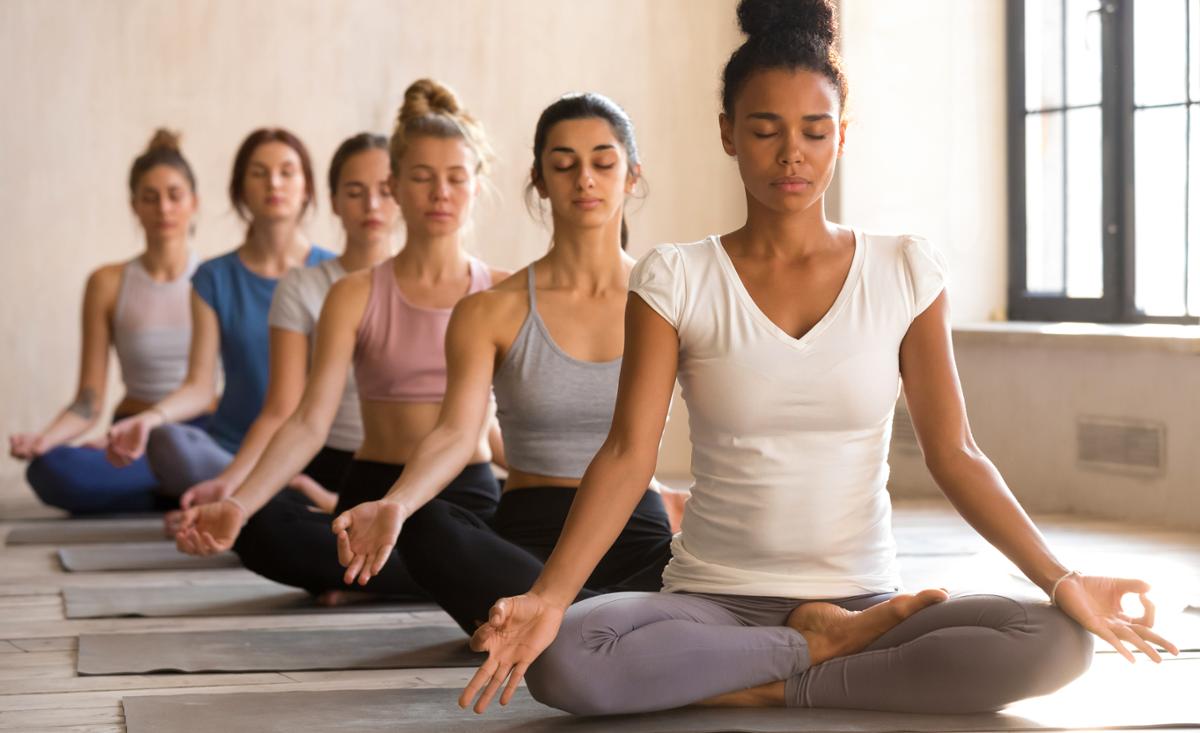
Programming for teens can help address the mental health crisis / shutterstock/fizkes
The Global Wellness Summit’s (GWS) 2025 Future of Wellness trends report reveals a wellness market that’s fast becoming a place of contradictory mindsets, with a dramatically more high-tech, medical, hyper-optimising and expensive market emerging at the same time as consumer desire for simpler, more low-tech, and affordable wellness with a focus on social and emotional wellbeing.
Analog Wellness The ‘Analog Wellness’ trend illustrates the demand for slower, low-tech lives. Trailblazed by younger generations, there’s a growing obsession with retro tech and analog hobbies and experiences that restore our attention and the sense of the tactile.
Structured, super-social classes and clubs revolving around every type of analog experience are exploding globally: social ceramics studios, old-school game-playing clubs, intellectual “academic bars”, reading salons set to live music.
The digital detox and analog experiences trends are also transforming travel; digital detox cabins in nature, such as the UK’s Unplugged or phone-free adventure tours such as FLTO’s, feel more aspirational than spa palaces. Retro-tech mania – for old-school cameras, vinyl records, vintage typewriters – is hitting resorts, from deep listening vinyl record nights in saunas to swapping guests’ phones for digital detox kits with Polaroid cameras, paper maps and board games. Wellness resorts are launching sophisticated analog arts programming: painting, ceramics, calligraphy and writing workshops.
The digital disconnection and analog living trends will shake up everything from travel to government policy to home design.
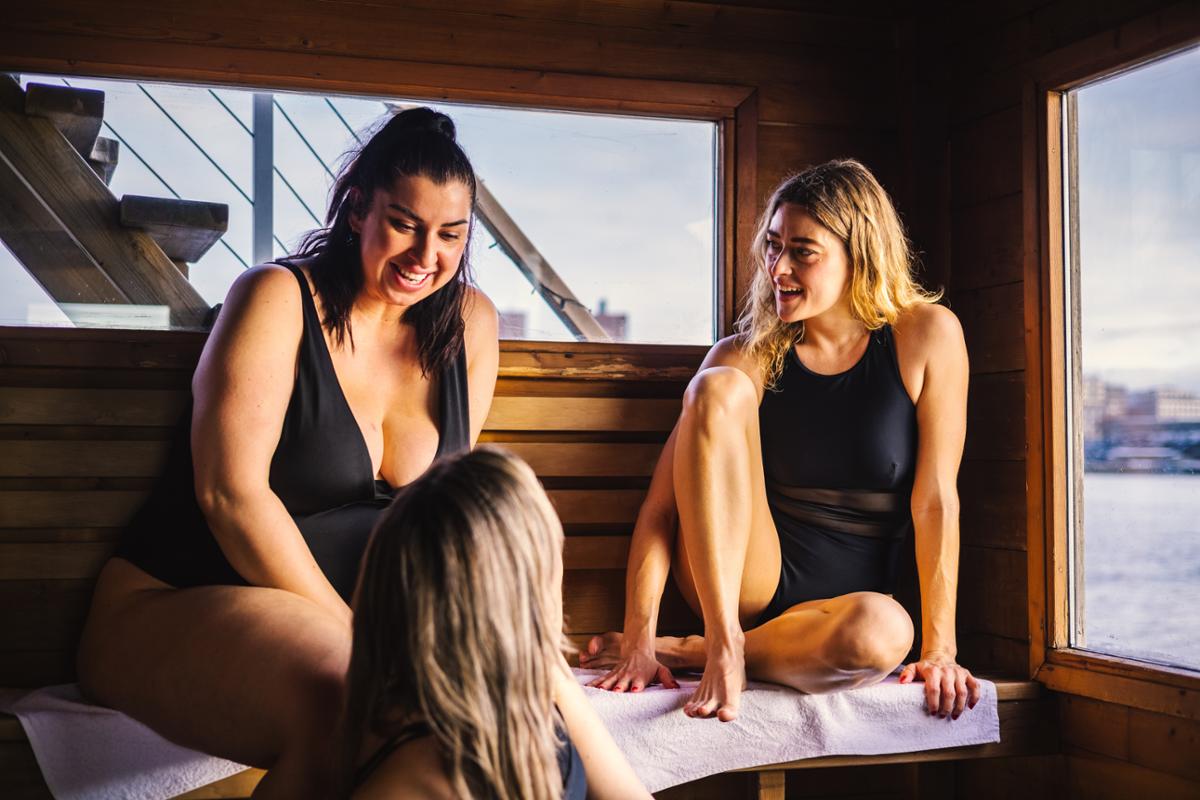
Sauna Reimagined The ‘Sauna Reimagined’ trend investigates the boom in, and reinvention of, one of the most lo-fi, ancient and social types of wellness. While saunas have been around for thousands of years, they’re currently enjoying an incredible renaissance, from new urban saunas in New York and Chicago, to rustic waterfront saunas in Oslo or Brighton, to saunas with immersive art installations in Tokyo.
Today’s saunas represent a reinvention of an age-old tradition – and an increasingly younger, hipper crowd is taking notice. The Aufguss movement, once mainly found in European countries, is gaining momentum, with event saunas that fit dozens – or even hundreds – of people popping up worldwide. Younger consumers, craving real-life connections beyond bars and clubs, are flocking to these social saunas, which can feature DJs, drag queens or full-blown concerts. Where saunas were once sometimes a sad, dark, lonely box in a basement, today they’re lively, social, cultural and entertainment hubs, often with fantastic views and in incredible locations, and people just can’t get enough.
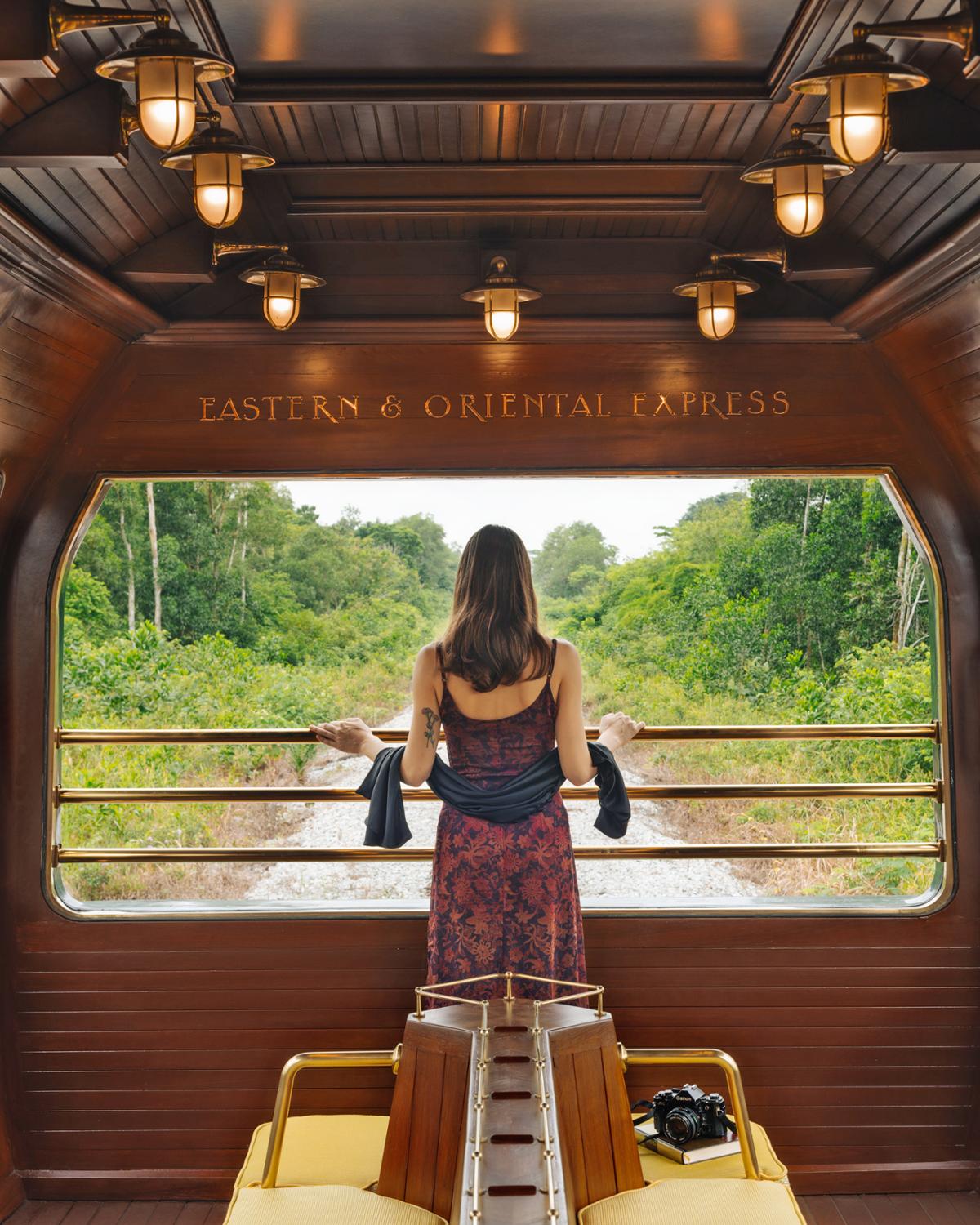
Wellness on the Line The ‘Wellness on the Line’ trend, refers to the explosion of creative wellness experiences on cruises and rail journeys, which is being powered by the hunger for slower, more mindful travel. Both trains and ships are exploring itineraries with a host of holistic wellness programmes, resort-level facilities, on-board health experts, and wellness-focused excursions.
From dedicated Dior spa carriages on Belmond’s fleet of luxury trains, to a boom in wellness retreats at sea, wellness is playing an important role in offering unique programming that helps to differentiate in a crowded marketplace.
Wellness-focused excursions for cruise and train travellers increasingly offer guests the opportunity to explore local wellness traditions, from wild swimming in Scandinavia to gathering medicinal plants with a Mayan shaman in Mexico and soaking in onsen in Japan.
As silent tourism and ‘calmcations’ grow in popularity, rail and ship travel – which can transport guests away from light and noise pollution – will capitalise on these trends.
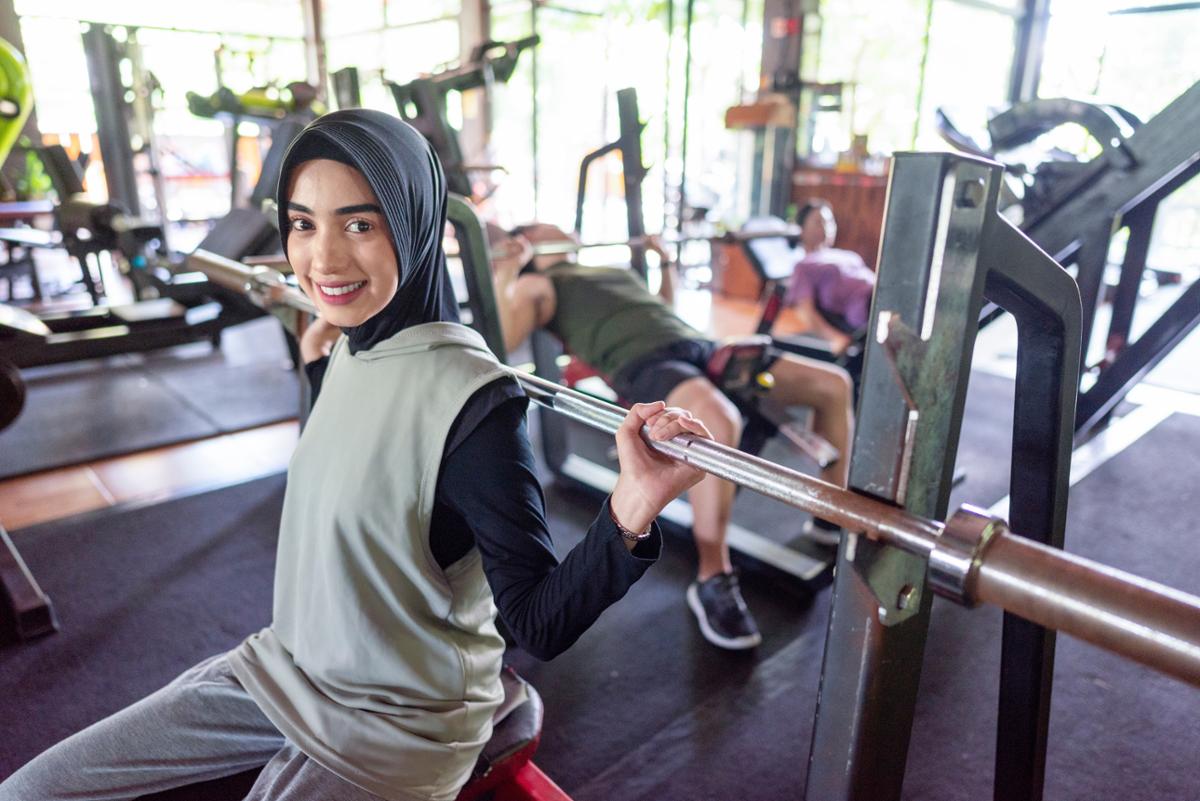
Augmented Biology Nothing captures hyper-optimised wellness like the ‘Augmented Biology’ trend, which is founded on a new fusion of body and machine to push the potential of people’s brains and bodies to superhuman levels.
Rising consumer demand for wellness solutions that optimise cognitive, emotional and physical states will see the idea of unlocking untapped human potential become a reality.
Breakthroughs include performance-enhancing brain-computer interfaces, extreme performance fitness and wearable robotics with exoskeletons that help athletes endure intense exertion.
We’re on the cusp of an era where we’re beginning to not only understand our biology more deeply, but also take active control of it. We’re pushing the boundaries of what it means to be human – unlocking radically new possibilities for health, brain power, longevity and performance. The future will not be defined by our limitations, but by our endless capacity for growth and improvement.
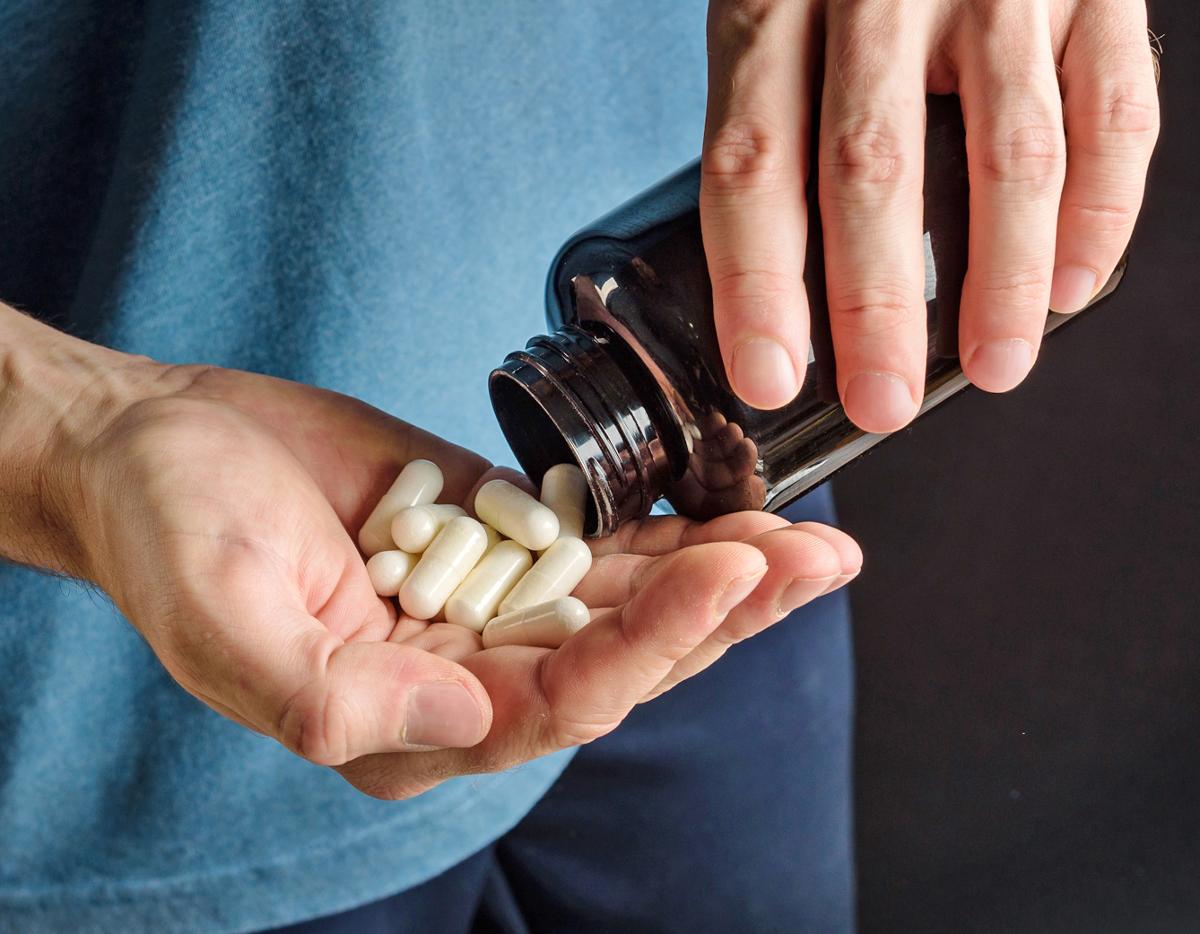
The Supplement Paradox The Supplement Paradox explores new science-grounded and high-tech directions in the vast supplement market, which is working to overcome the trust issues plaguing that industry. With glossy packaging, celebrity endorsements and high price tags, supplements sometimes mean status as much as health.
Parts of the industry have long been characterised by lax regulations and ‘science washing’ and this trend explores new directions that could help create pivotal shifts in the perceptions of supplements’ efficacy and value.
Science is meeting premiumisation, from hyper-personalised formulations to a focus on cellular longevity, as supplements evolve into precise tools of lifestyle optimisation.
Teen Wellness If some spas and wellness operators have treated teens as a side note or in infantilising ways, the Teen Wellness trend explores an industry finally getting serious about their wellbeing, given the skyrocketing teen mental health crisis fueled by societal crises and social media pressures.
From off-grid sanctuaries in Bali that help teenagers deal with the overstimulation of the digital age, to surf therapy retreats in the UK and Morocco that combine the mindfulness of surfing with trauma therapy, culture and connection, new programming is using powerful wellness tools such as sound therapy, meditation and nature immersion to fight the rising teenage ‘diseases of despair’.
The wellness industry has a vital opportunity and responsibility to support this generation and foster healthier, more balanced young lives and we expect more serious teen wellness solutions to emerge in the coming years.
Wellness Tackles Addiction The ‘Wellness Tackles Addiction’ trend identifies a new wellness category poised to further topple taboos around addiction, and covers everything from wellness-focused packaged goods brands targeting harm reduction, to medical treatment centre programming that’s worthy of a five-star wellness resort and new sober-curious retreats.
The line between wellness resorts and medical addiction treatment centres is blurring as treatment centres realise that wellness approaches are helpful in supporting people in their recovery.
Even if a guest’s addictions don’t require a two-week medical stay, with the rise of the sober curious movement, more hotels and wellness resorts are looking to host wellness-focused sobriety retreats to help their guests cut down on everything from booze to technology.
As drug use climbs and alcohol is named a Class 1 carcinogen, creative, judgement-free options are needed.
Watershed Wellness The spa and wellness industries have been villains in the global water crisis, but the ‘Watershed Wellness’ trend reveals how more wellness destinations will preserve and renew our water supplies.
As our planet heats and droughts and water shortages become commonplace, it will become imperative for wellness establishments to do more to help preserve, replenish, and renew water supplies, reinforcing the idea that wellness is not just selfishly about individual health, but also about the health of the planet.
Many wellness destinations at the forefront of the movement are adopting sustainable practices to reduce their water usage, or even to implement processes to help with water shortages in their communities. Given the importance of water in spa and wellness businesses and treatments, the industry is in a unique position to lead by example in promoting water conservation and environmental stewardship.
Longevity Redefines Work The ‘Longevity Redefines Work’ trend explores the radical changes that are coming to work and workplaces due to ageing populations, as the proportion of younger workers reduces and the over-65 workforce grows.
It’s hard to believe, but the fastest-growing workforce age group globally is now the over-75s.
Many forces are driving people to work for longer: the vast knowledge they hold, their financial needs, the desperate need for labour and the 4 per cent GDP boost available to countries for every one year of increased participation in work.
The wellness industry will be a key player in helping employees work longer and well and if we don’t create solutions that put workers on a path of longevity, our economies will fail.
Expect to see the emergence of advisors specialising in the wellness of very valuable corporate older workers.
The Middle East’s Wellness Ambitions ‘The Middle East’s Wellness Ambitions’ explores how the Middle East is emerging as a global wellness leader.
Several Middle Eastern countries have articulated strategic national visions that emphasise wellness and preventive healthcare as integral components of their development strategies, understanding that wellbeing is vital to economic diversification and success, as well as the health and wellbeing of all parts of the population.
Large-scale travel destinations, such as Red Sea Global’s AMAALA in Saudi Arabia, which will include 30 world-class wellness destinations when complete, highlight the region’s ambitious moves into wellness tourism.
Elsewhere, traditional Arabic wellness traditions and dramatic landscapes are creating authentic experiences that highlight the region’s beauty and heritage.
Extremely ambitious investment in preventative healthcare, sports, and wellness infrastructure and tourism are creating a new global hub for wellbeing.
Beth McGroarty is vice president of research and forecasting for the Global Wellness Institute and Global Wellness Summit, and editor of The Future of Wellness: 2025 Trends.
In a polarised wellness market, we’ll see both “analog wellness” and a futuristic “augmented biology” for superhuman optimisation. Beth McGroarty outlines ten trends from the Global Wellness Summit’s 2025 Future of Wellness report
Programming for teens can help address the mental health crisis / shutterstock/fizkes
The Global Wellness Summit’s (GWS) 2025 Future of Wellness trends report reveals a wellness market that’s fast becoming a place of contradictory mindsets, with a dramatically more high-tech, medical, hyper-optimising and expensive market emerging at the same time as consumer desire for simpler, more low-tech, and affordable wellness with a focus on social and emotional wellbeing.
Analog Wellness The ‘Analog Wellness’ trend illustrates the demand for slower, low-tech lives. Trailblazed by younger generations, there’s a growing obsession with retro tech and analog hobbies and experiences that restore our attention and the sense of the tactile.
Structured, super-social classes and clubs revolving around every type of analog experience are exploding globally: social ceramics studios, old-school game-playing clubs, intellectual “academic bars”, reading salons set to live music.
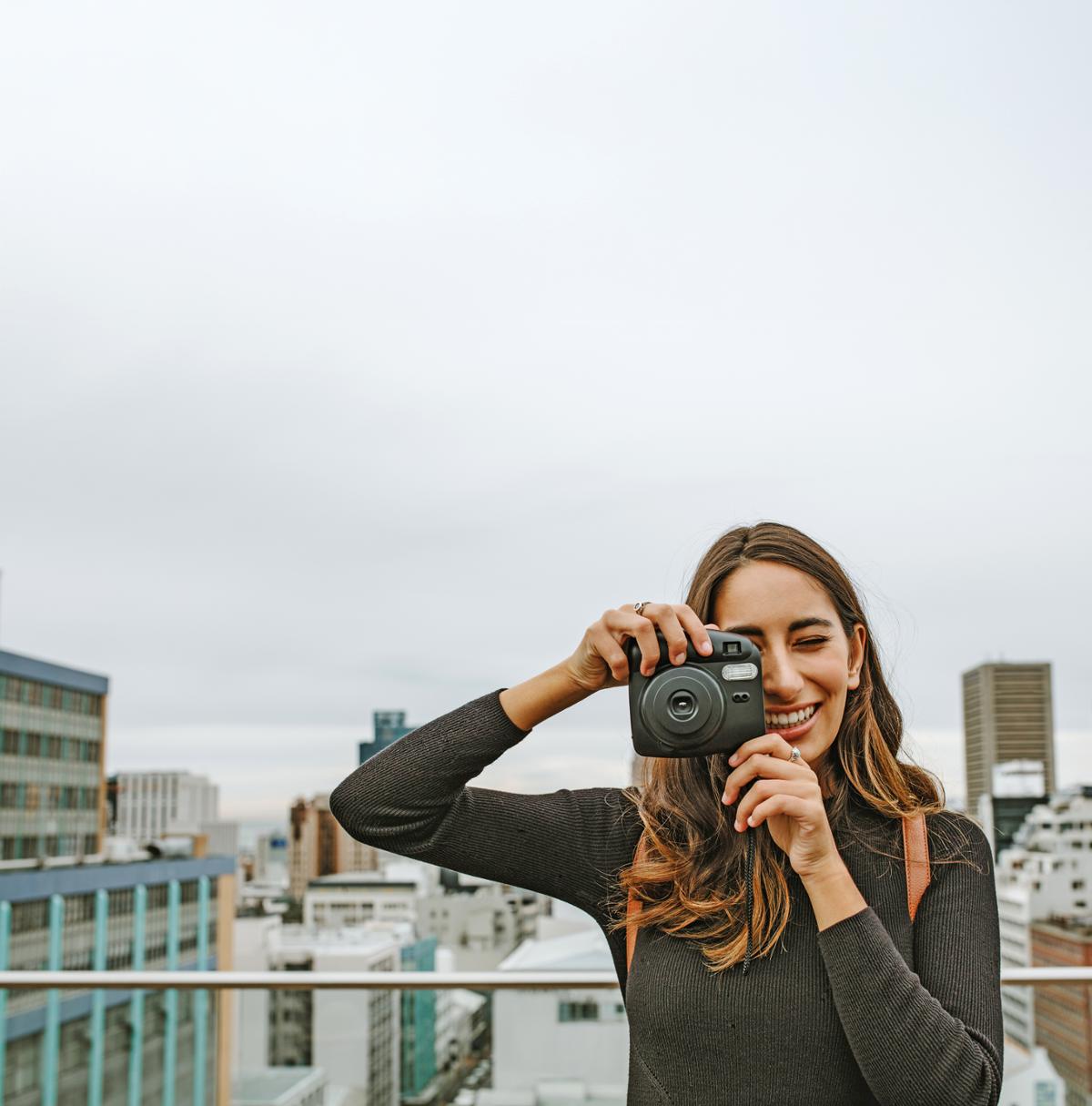
The digital detox and analog experiences trends are also transforming travel; digital detox cabins in nature, such as the UK’s Unplugged or phone-free adventure tours such as FLTO’s, feel more aspirational than spa palaces. Retro-tech mania – for old-school cameras, vinyl records, vintage typewriters – is hitting resorts, from deep listening vinyl record nights in saunas to swapping guests’ phones for digital detox kits with Polaroid cameras, paper maps and board games. Wellness resorts are launching sophisticated analog arts programming: painting, ceramics, calligraphy and writing workshops.
The digital disconnection and analog living trends will shake up everything from travel to government policy to home design.
Sauna Reimagined The ‘Sauna Reimagined’ trend investigates the boom in, and reinvention of, one of the most lo-fi, ancient and social types of wellness. While saunas have been around for thousands of years, they’re currently enjoying an incredible renaissance, from new urban saunas in New York and Chicago, to rustic waterfront saunas in Oslo or Brighton, to saunas with immersive art installations in Tokyo.
Today’s saunas represent a reinvention of an age-old tradition – and an increasingly younger, hipper crowd is taking notice. The Aufguss movement, once mainly found in European countries, is gaining momentum, with event saunas that fit dozens – or even hundreds – of people popping up worldwide. Younger consumers, craving real-life connections beyond bars and clubs, are flocking to these social saunas, which can feature DJs, drag queens or full-blown concerts. Where saunas were once sometimes a sad, dark, lonely box in a basement, today they’re lively, social, cultural and entertainment hubs, often with fantastic views and in incredible locations, and people just can’t get enough.
Wellness on the Line The ‘Wellness on the Line’ trend, refers to the explosion of creative wellness experiences on cruises and rail journeys, which is being powered by the hunger for slower, more mindful travel. Both trains and ships are exploring itineraries with a host of holistic wellness programmes, resort-level facilities, on-board health experts, and wellness-focused excursions.
From dedicated Dior spa carriages on Belmond’s fleet of luxury trains, to a boom in wellness retreats at sea, wellness is playing an important role in offering unique programming that helps to differentiate in a crowded marketplace.
Wellness-focused excursions for cruise and train travellers increasingly offer guests the opportunity to explore local wellness traditions, from wild swimming in Scandinavia to gathering medicinal plants with a Mayan shaman in Mexico and soaking in onsen in Japan.
As silent tourism and ‘calmcations’ grow in popularity, rail and ship travel – which can transport guests away from light and noise pollution – will capitalise on these trends.
Augmented Biology Nothing captures hyper-optimised wellness like the ‘Augmented Biology’ trend, which is founded on a new fusion of body and machine to push the potential of people’s brains and bodies to superhuman levels.
Rising consumer demand for wellness solutions that optimise cognitive, emotional and physical states will see the idea of unlocking untapped human potential become a reality.
Breakthroughs include performance-enhancing brain-computer interfaces, extreme performance fitness and wearable robotics with exoskeletons that help athletes endure intense exertion.
We’re on the cusp of an era where we’re beginning to not only understand our biology more deeply, but also take active control of it. We’re pushing the boundaries of what it means to be human – unlocking radically new possibilities for health, brain power, longevity and performance. The future will not be defined by our limitations, but by our endless capacity for growth and improvement.
The Supplement Paradox The Supplement Paradox explores new science-grounded and high-tech directions in the vast supplement market, which is working to overcome the trust issues plaguing that industry. With glossy packaging, celebrity endorsements and high price tags, supplements sometimes mean status as much as health.
Parts of the industry have long been characterised by lax regulations and ‘science washing’ and this trend explores new directions that could help create pivotal shifts in the perceptions of supplements’ efficacy and value.
Science is meeting premiumisation, from hyper-personalised formulations to a focus on cellular longevity, as supplements evolve into precise tools of lifestyle optimisation.
Teen Wellness If some spas and wellness operators have treated teens as a side note or in infantilising ways, the Teen Wellness trend explores an industry finally getting serious about their wellbeing, given the skyrocketing teen mental health crisis fueled by societal crises and social media pressures.
From off-grid sanctuaries in Bali that help teenagers deal with the overstimulation of the digital age, to surf therapy retreats in the UK and Morocco that combine the mindfulness of surfing with trauma therapy, culture and connection, new programming is using powerful wellness tools such as sound therapy, meditation and nature immersion to fight the rising teenage ‘diseases of despair’.
The wellness industry has a vital opportunity and responsibility to support this generation and foster healthier, more balanced young lives and we expect more serious teen wellness solutions to emerge in the coming years.
Wellness Tackles Addiction The ‘Wellness Tackles Addiction’ trend identifies a new wellness category poised to further topple taboos around addiction, and covers everything from wellness-focused packaged goods brands targeting harm reduction, to medical treatment centre programming that’s worthy of a five-star wellness resort and new sober-curious retreats.
The line between wellness resorts and medical addiction treatment centres is blurring as treatment centres realise that wellness approaches are helpful in supporting people in their recovery.
Even if a guest’s addictions don’t require a two-week medical stay, with the rise of the sober curious movement, more hotels and wellness resorts are looking to host wellness-focused sobriety retreats to help their guests cut down on everything from booze to technology.
As drug use climbs and alcohol is named a Class 1 carcinogen, creative, judgement-free options are needed.
Watershed Wellness The spa and wellness industries have been villains in the global water crisis, but the ‘Watershed Wellness’ trend reveals how more wellness destinations will preserve and renew our water supplies.
As our planet heats and droughts and water shortages become commonplace, it will become imperative for wellness establishments to do more to help preserve, replenish, and renew water supplies, reinforcing the idea that wellness is not just selfishly about individual health, but also about the health of the planet.
Many wellness destinations at the forefront of the movement are adopting sustainable practices to reduce their water usage, or even to implement processes to help with water shortages in their communities. Given the importance of water in spa and wellness businesses and treatments, the industry is in a unique position to lead by example in promoting water conservation and environmental stewardship.
Longevity Redefines Work The ‘Longevity Redefines Work’ trend explores the radical changes that are coming to work and workplaces due to ageing populations, as the proportion of younger workers reduces and the over-65 workforce grows.
It’s hard to believe, but the fastest-growing workforce age group globally is now the over-75s.
Many forces are driving people to work for longer: the vast knowledge they hold, their financial needs, the desperate need for labour and the 4 per cent GDP boost available to countries for every one year of increased participation in work.
The wellness industry will be a key player in helping employees work longer and well and if we don’t create solutions that put workers on a path of longevity, our economies will fail.
Expect to see the emergence of advisors specialising in the wellness of very valuable corporate older workers.
The Middle East’s Wellness Ambitions ‘The Middle East’s Wellness Ambitions’ explores how the Middle East is emerging as a global wellness leader.
Several Middle Eastern countries have articulated strategic national visions that emphasise wellness and preventive healthcare as integral components of their development strategies, understanding that wellbeing is vital to economic diversification and success, as well as the health and wellbeing of all parts of the population.
Large-scale travel destinations, such as Red Sea Global’s AMAALA in Saudi Arabia, which will include 30 world-class wellness destinations when complete, highlight the region’s ambitious moves into wellness tourism.
Elsewhere, traditional Arabic wellness traditions and dramatic landscapes are creating authentic experiences that highlight the region’s beauty and heritage.
Extremely ambitious investment in preventative healthcare, sports, and wellness infrastructure and tourism are creating a new global hub for wellbeing.
Beth McGroarty is vice president of research and forecasting for the Global Wellness Institute and Global Wellness Summit, and editor of The Future of Wellness: 2025 Trends.
The Standards Authority for Touch in Cancer Care (SATCC) charity has announced its first five-
day Living with Cancer and Beyond retreat, which will be held at Carden Park Hotel and Spa in
Cheshire, UK, between 1 and 5 September.
Patmos Aktis, a Luxury Collection Resort and Spa, has opened in Greece, with a renovated and
rebranded wellness offering called Ansana Wellness and Spa.
The Mauna Kea Beach Hotel, an Autograph Collection property in Hawaii, US, has opened its
22,000 sq ft indoor-outdoor Spa at Mauna Kea as the final step in the property’s overall
renovation, which has cost more than US$180 million (€166 million, £140 mill
The UK spa review and discovery platform for consumers, the Good Spa Guide, has announced
it will host the Good Spa Guide Awards 2026 during an event on 16 November at Sopwell House
Hotel in St Albans, UK.
Eighty-four per cent of consumers now say wellness is a top priority in their lives, with this
percentage increasing year on year, according to a preview presentation of McKinsey’s Future of
Wellness 2026 research report.
Mass protests have been taking place since Monday 1 June in Albania over the development of
a luxury resort by Donald Trump’s daughter Ivanka Trump and her husband Jared Kushner.
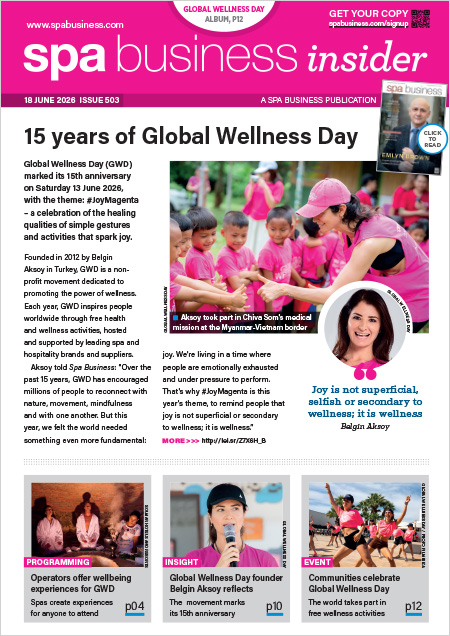
Global Wellness Day (GWD) marked its 15th anniversary on Saturday 13 June 2026, with the
theme: #JoyMagenta – a celebration of the healing qualities of simple gestures and activities
that spark joy.
Global luxury hospitality brand, Six Senses, has partnered with longevity healthcare provider,
HUM2N, to launch a clinic at Six Senses London, at The Whiteley.
As part of its first hotel partnership, Mayrlife – the medical health resort company known for its
site in Altaussee, Austria – has launched a day clinic at the Rosewood Vienna.
Premium London health club, KX Chelsea, will imminently unveil its most significant
redevelopment since its launch in 2002 to create an integrated wellness model combining
training, recovery and relaxation.