Yes! Send me the FREE digital editions of Spa Business and Spa Business insider magazines and the FREE weekly Spa Business and Spa Business insider ezines and breaking news alerts!
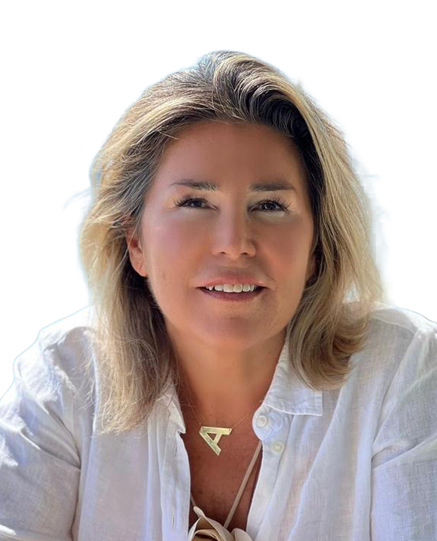
LEED AP; WELL AP; principal, KALĀ Design Group & co-founder, Ancestral Handmade Hotels
credit: ana ramirez
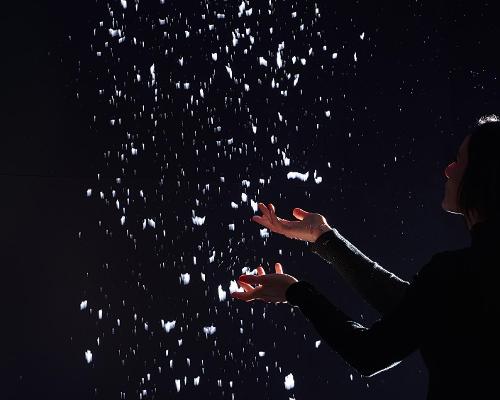
The future of hospitality and spa design lies in leveraging neuroscience, sensory intelligence, and vibrational medicine to create environments that actively enhance wellbeing. Spaces are no longer just places for relaxation; they are becoming immersive sanctuaries that engage all senses to reset and rewire the body and brain.
Emerging research in neuroplasticity highlights those environments rich in multi-sensory diversity – from curated soundscapes and geometric spatial design to personalised sensory experiences – can positively influence cognitive function, emotional balance, and nervous system regulation. By merging ancient modalities like sound healing and sacred geometry with modern innovations in frequency-based wellness, spas and hotels can create spaces that align with the body’s natural rhythms.
This shift toward neuroscience-informed design is redefining wellness real estate, integrating biophilic architecture, resonance-enhancing materials, and spatial acoustics to shape environments that support deep healing and restoration. Studies show that biophilic design reduces stress, enhances cognitive performance, and fosters emotional wellbeing, making it an essential pillar in future-forward hospitality.
As hospitality evolves, leaders who embrace neuroaesthetic and sensory-driven design will pioneer a new era of wellness travel, one where spaces do more than soothe – they activate the brain, enhance resilience, and shape wellbeing at a neurological level.
Leaders who embrace neuroaesthetic and sensory-driven design will pioneer a new era of wellness travel
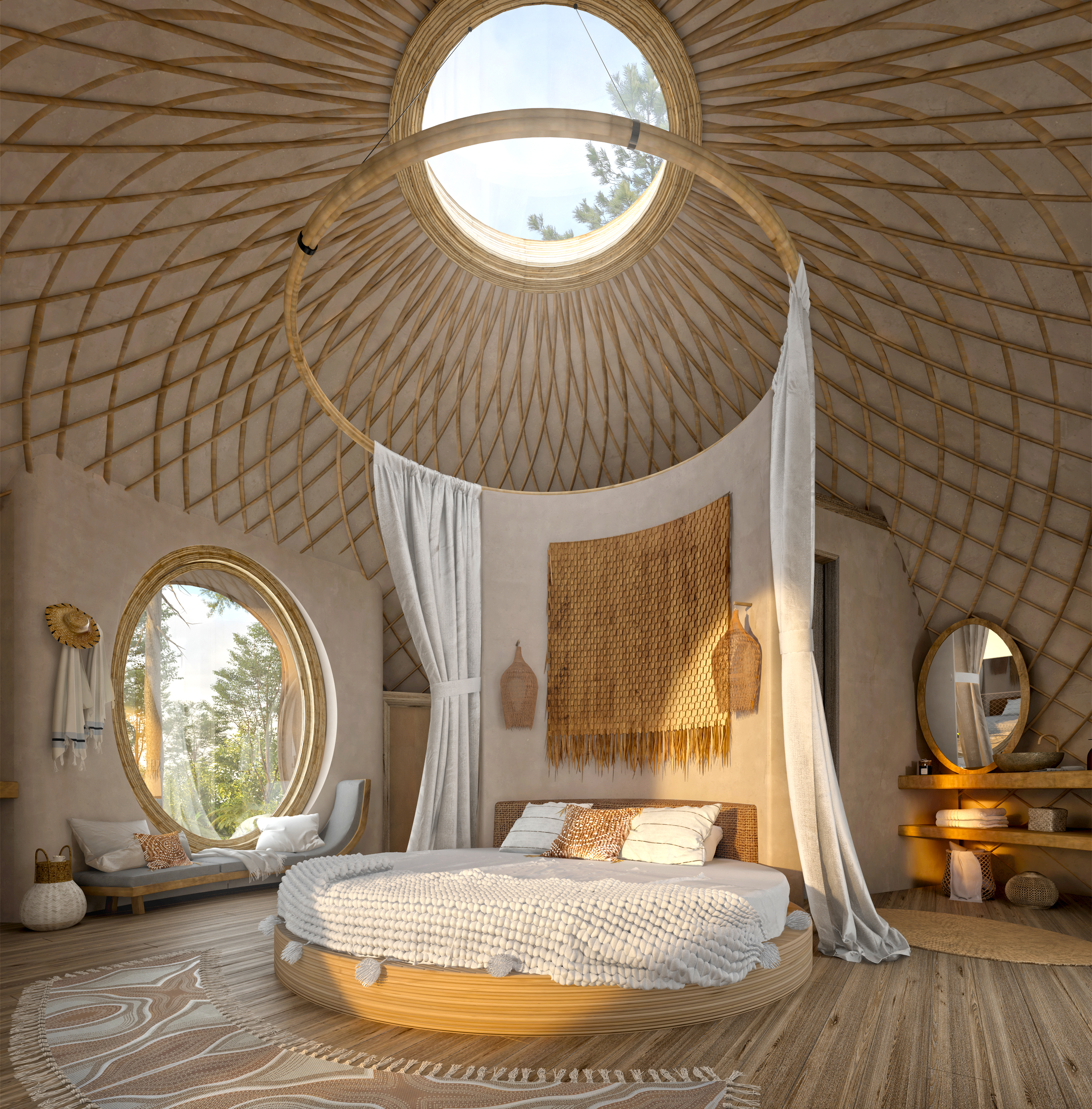
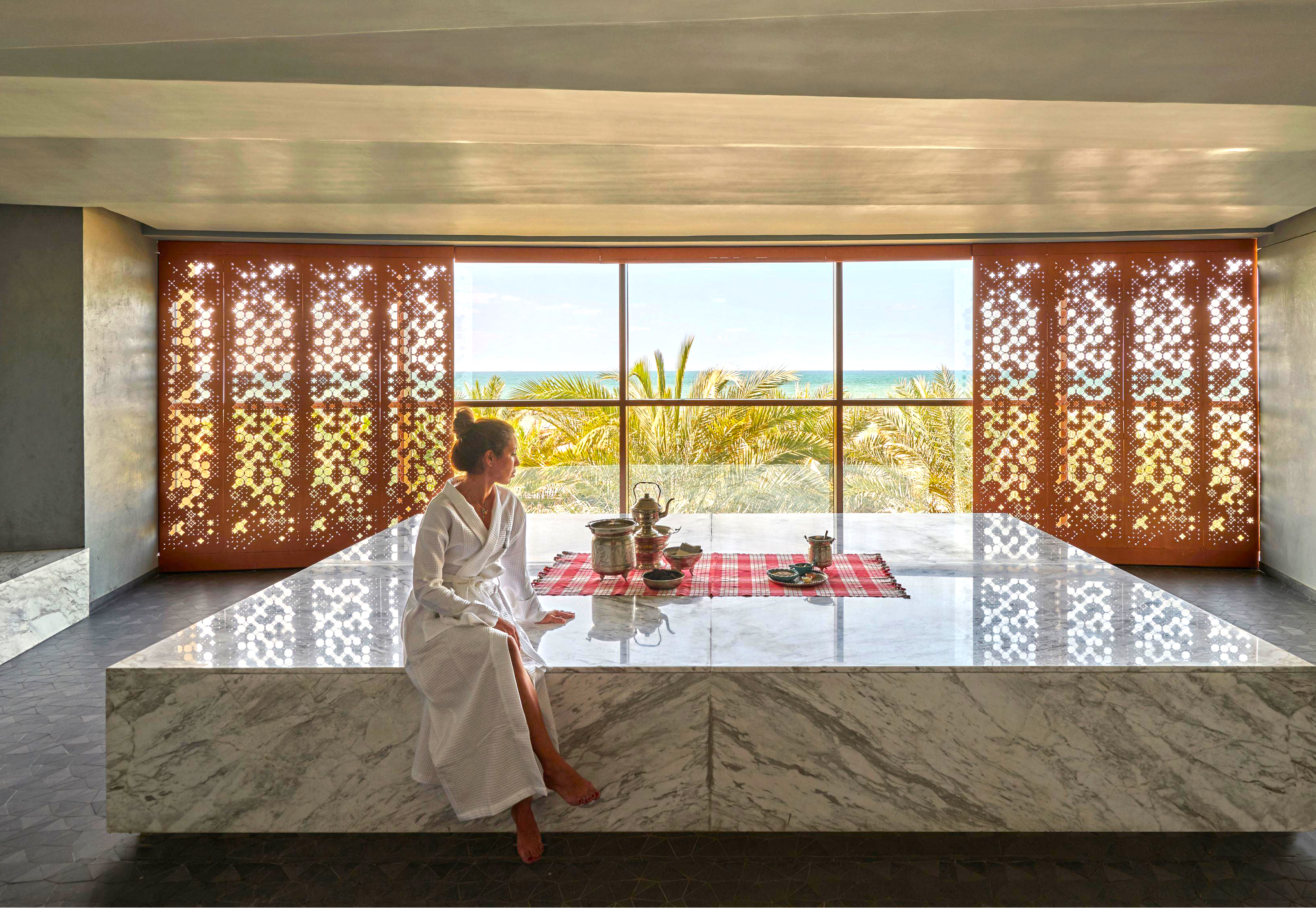
Biophilic architecture and spatial acoustics can support deep healing and restoration / credit: kala design group
Verena Lasvigne
Managing director & founder, VLF Spa Consulting
Mary Blank
The traditional spa model is evolving as operators recognise the need to create monetisable wellness experiences. One of the most significant shifts we’re seeing is the growing separation between spa and wellness spaces, with wellness areas becoming curated, chargeable experiences rather than complimentary add-ons.
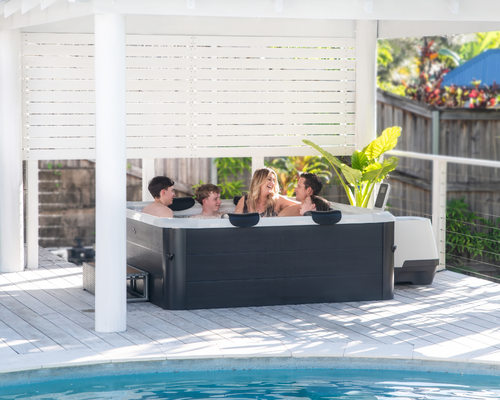
Guests are no longer left to navigate or randomly use thermal circuits, saunas, steam rooms, hot tubs, cold plunge pools, or hydrotherapy pools on their own. Instead, wellness menus are offering structured guidance on how to maximise each facility’s benefits. These menus prescribe the optimal sequence, time of day, and complementary treatments for a results-driven wellness experience – whether it’s an immunity-boosting circuit in the morning, a rejuvenation sequence for cellular repair and anti-ageing, or a relaxation protocol promoting sleep.
This shift mirrors the demand for intentional wellness – consumers want to know not just what to do, but how and why it enhances their health. Leading destinations are already charging for curated wellness offerings, moving beyond traditional spa treatments into personalised wellness journeys.
As more wellness facilities embrace this approach, the opportunity lies in creating tiered access models that differentiate between general wellness amenities and impactful wellness experiences. This not only elevates guest engagement but also unlocks new revenue streams, ensuring long-term profitability in an evolving, competitive market.
Wellness menus are offering structured guidance on how to maximise each facility’s benefits
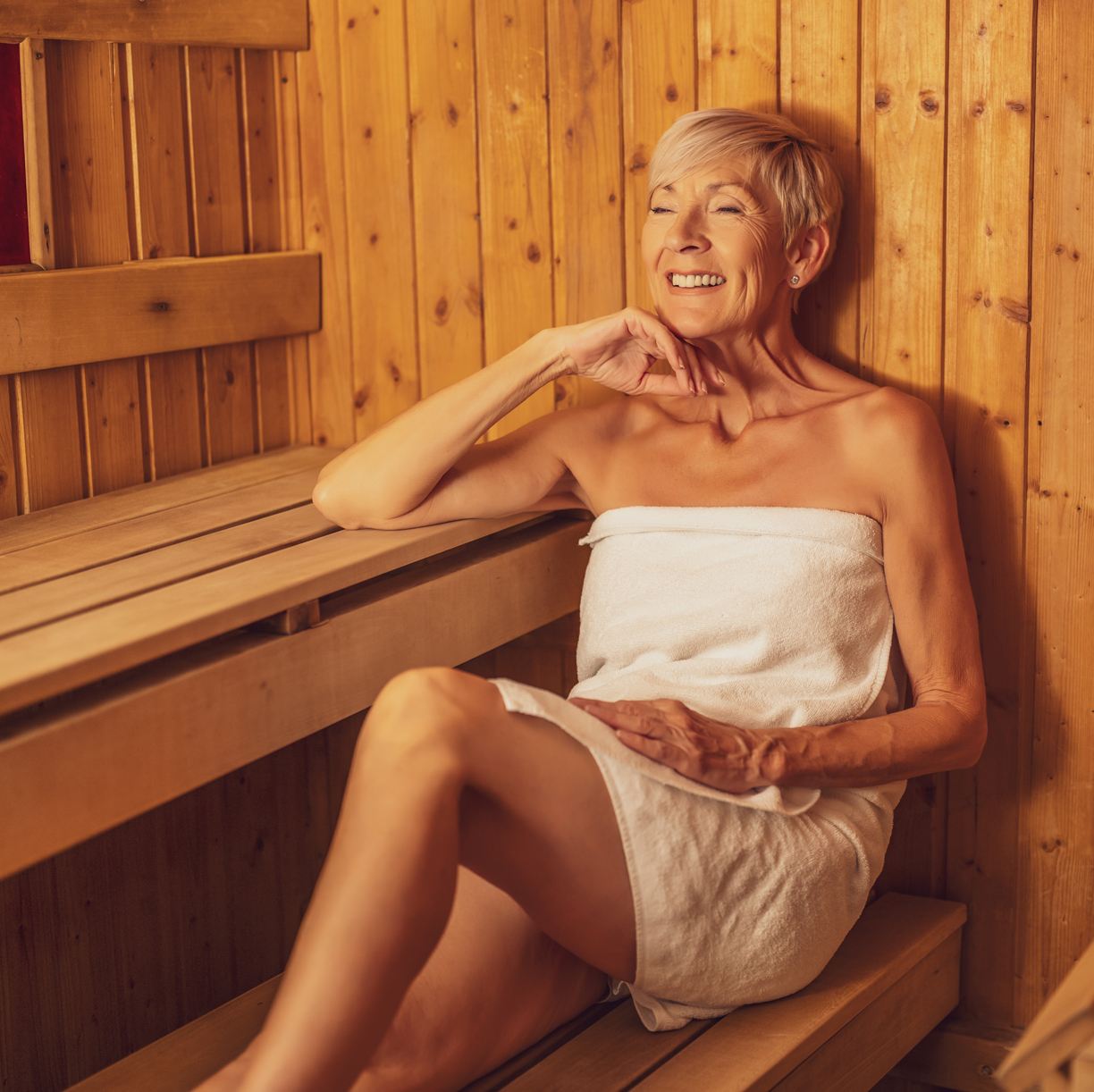
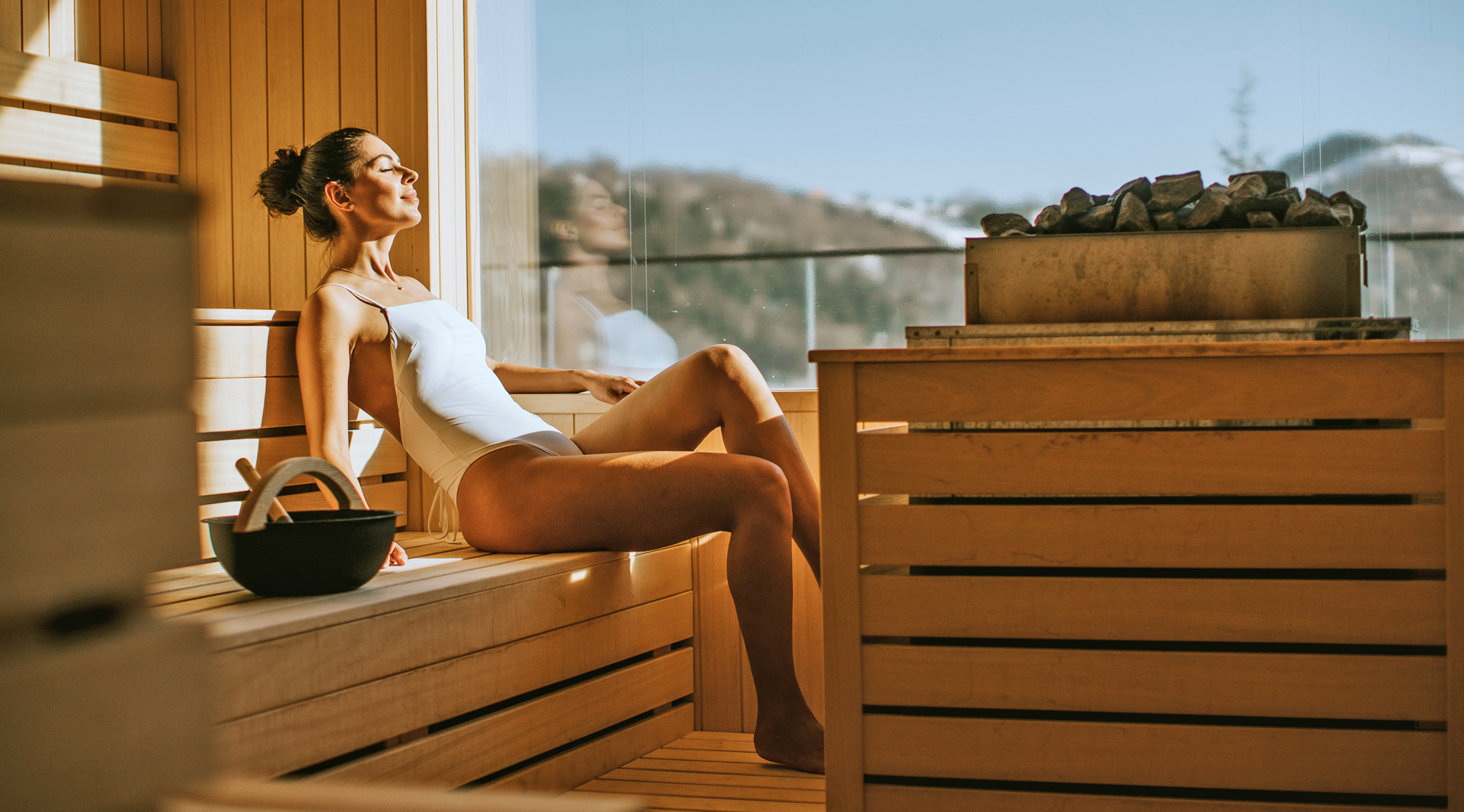
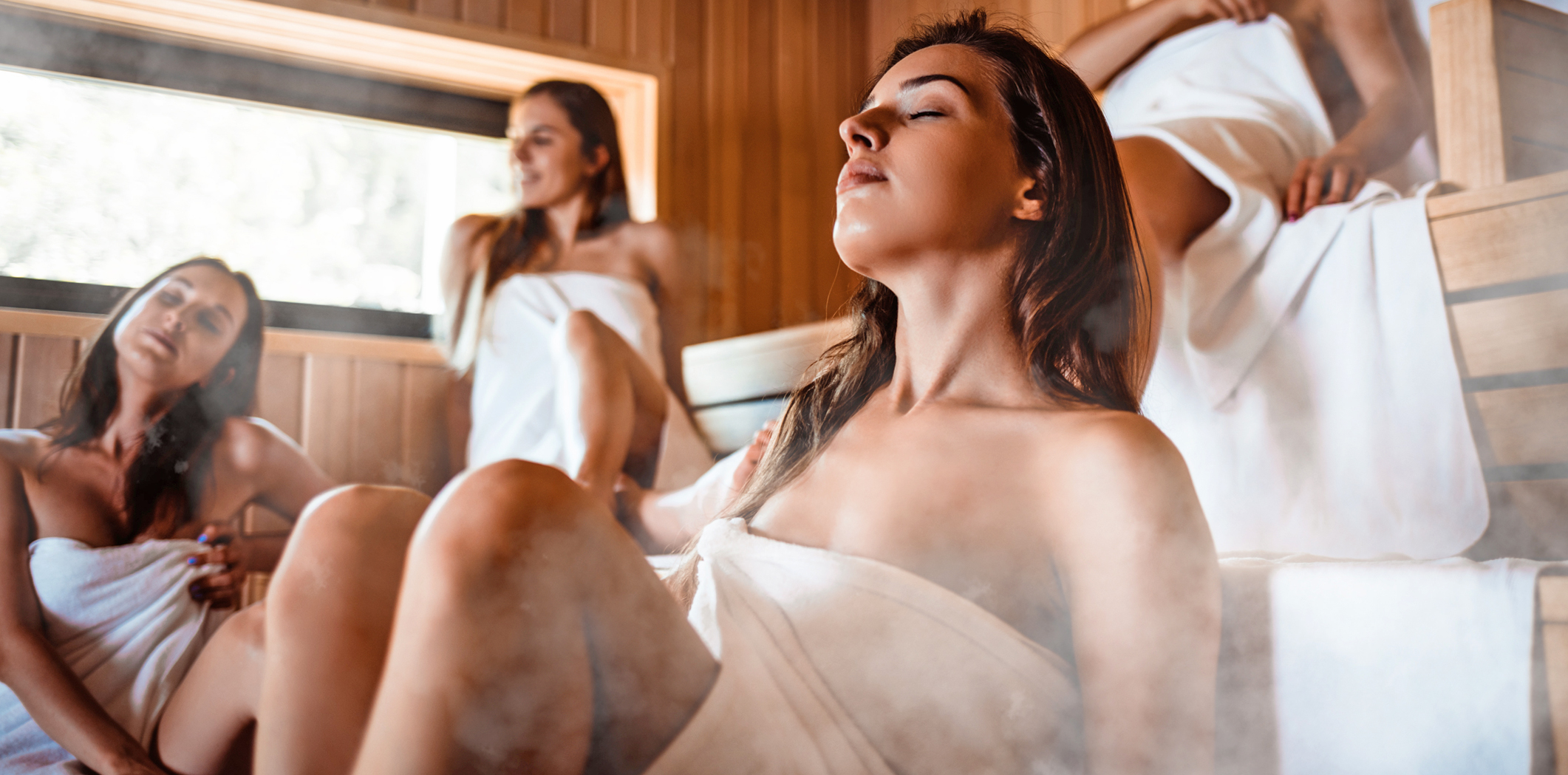
Spas are offering guidance on how to use thermal circuits / shutterstock/Mladen Mitrinovic
Today’s ever-shifting customer needs and expectations – including hyper-personalisation, self-direction and the multiplicity of choices available – demand an evolution in how we operate wellness business models, and at the heart of this evolution is the guest experience and the activation of the “experience economy” paradigm. Within the context of the experience economy, the wellness industry stands to be not just one of its net winners, but one of its leading innovators.
Intentional experience design or the “how” of customer experience, and user experience is creating a new way to “architect” the delivery of a seamless wellness experience. This new approach combines behavioural science, design thinking, and co-creation to enhance guest experiences that create lasting, positive behavioural changes, and megawatt value to both primary and secondary wellness consumers. Although most know the “why” and the “what” of integrated product and services delivery, we are still challenged by the “how” of it. The new wellness offering is multi-interdisciplinary yet still works with outdated assumptions that have driven previous models but are no longer valid.
The wellness persona has changed and continues to evolve at a velocity never seen before, and the additional complexity of the digital age warrants a new way to think about how we design and curate both our experiences and our physical spaces.
Now more than ever, conscious consumers want entertainment, value and autonomy. Future wellness experience successes will go far beyond technological advances and look toward well-designed service delivery cycles. The human-centric principles of experience design provide a convergence and an alignment for innovators to clearly see what really matters to users – supporting owner/operators to eliminate costly mistakes and creating optimal conditions for sustained and predictable profitability. The experience is not by accident – it’s by design.
The experience is not by accident – it’s by design
Co-creation can enhance the guest experience / shutterstock/Space_Cat
Alex Glasscock
Co-founder, The Ranch
courtesy of the ranch
People are seeking destinations to reset and enhance their longevity and endurance in a healthy and vibrant way. In today’s world, the wellness movement expands beyond at-home habits as people look to wellness retreats to embrace experiences that lead to lasting results. There’s also been an uptick in people focused on their healthspan – the period in life in which they are healthy.
Active wellness retreats provide measurable results, with the education, structure, and tools needed to create meaningful, long-term change. Guests can immerse themselves in nature through guided wellness programmes, resetting habits, and for many, taking the first step towards increasing longevity. Being in nature is one of the best things you can do for your overall health, and that’s something guests can still access after they get home.
The power of community is equally important. At The Ranch, guests find motivation and support from those on a similar journey in our intimate group environment. Corporate and private groups often book the programme, as it naturally lends itself to promoting encouragement and team-building. There’s a beautiful sense of camaraderie among guests, which helps build results that last long after the programme ends. Community and longevity go hand-in-hand.
Community and longevity go hand-in-hand
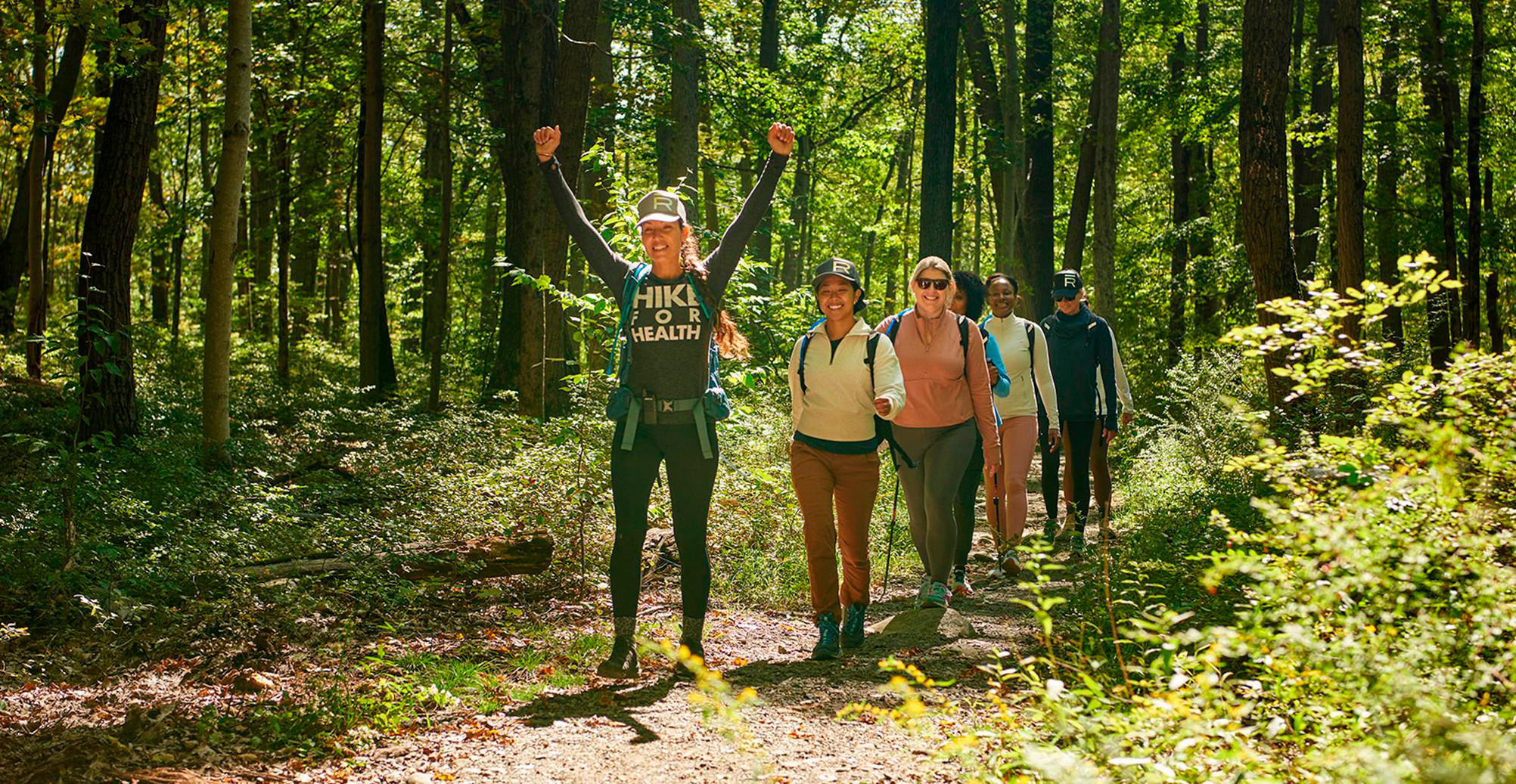
Guests can find support from those on a similar journey / The Ranch Hudson Valley
Lasse Eriksen
Development manager, Farris Bad
Milosz Nycz
As bathhouses and sauna spots open at an astonishing pace across the globe, I find myself pausing to reflect. In our collective pursuit of efficiency – squeezing wellness into short time slots, jumping between hot and cold extremes, and swiftly returning to busy lives – are we at risk of losing something sacred? Are we, perhaps, losing our relationship with time itself? More than ever, I believe time is the essence we need to rediscover.
In today’s ever-accelerating world, time has become our most precious luxury – a silent thread we often lose in the hum of notifications, deadlines, and distraction. As children, a single day felt infinite. As adults, years rush by. This shift reveals a deeper truth: the need to reclaim time for ourselves, our loved ones, and our wellbeing. Spas are uniquely positioned to answer this call. They are sanctuaries where time is not spent, but savoured. One of my mentors once said: the essence of sauna is not heat – it is time. Surrendering to it. Being present in it. Only then can we truly cleanse, heal, and feel gratitude in stillness.
Today, we witness a shift in behaviour. Guests are no longer just asking, “How hot is it? How long does it last?” – they’re craving longer, deeper experiences that honour time’s power to transform. From extended retreats to ancient ceremonies and the quiet practice of simply sitting in nature, people are remembering how to be still.
Spas and wellness spaces must now rise as timekeepers of the soul – crafting unhurried, intentional journeys that restore what is most finite and irreplaceable. Because when we embrace time – not as a constraint, but as a pathway to presence and healing – we unlock the true magic of wellness.
Spas are sanctuaries where time is not spent, but savoured
Consumers are craving longer, deeper experiences at spas / shutterstock/BGStock72
Natasha Richardson
Founder and director, The TLC Method & REWIRE
Jamie O’Mara for REWIRE
Teenagers – and specifically teenage girls – are facing an unprecedented mental health crisis. Anxiety and depression rates have skyrocketed post-pandemic, with studies revealing that nearly one in three teen girls has considered committing suicide – an alarming 60 per cent increase in the last decade. Additionally, 14-17 year olds are the most susceptible to chronic anxiety in both the UK and US.
As the reality of how we use technology changes, so does childhood; this is something the travel industry can thoughtfully address through its health, wellness and family offerings. The travel industry needs to start speaking to our reluctantly square-eyed Gen Z vacationers directly, by offering them meaningful, phone-free, human-to-human experiences on holidays that they can’t get at home.
Addressing this crisis isn’t just about reducing screen time – it’s about reclaiming headspace and rewriting their future. If the mind is shaped by its environment, then the environments we create for young people must change. Teenage mental health will not be saved by another app, another extended spa offering, or another fleeting digital escape. It will be shaped by young, relatable, experienced practitioners who challenge the teens’ status quo, and help them rewire into a reality they choose. The travel and wellness industries have a unique opportunity to become architects of this shift – offering Gen Z something different: awakening experiences answering the call of young people, where deeper connections offer more fulfillment than fear, where everyone’s innate creativity can be expressed, and where the natural world is the classroom of choice.
If the mind is shaped by its environment, then the environments we create for young people must change
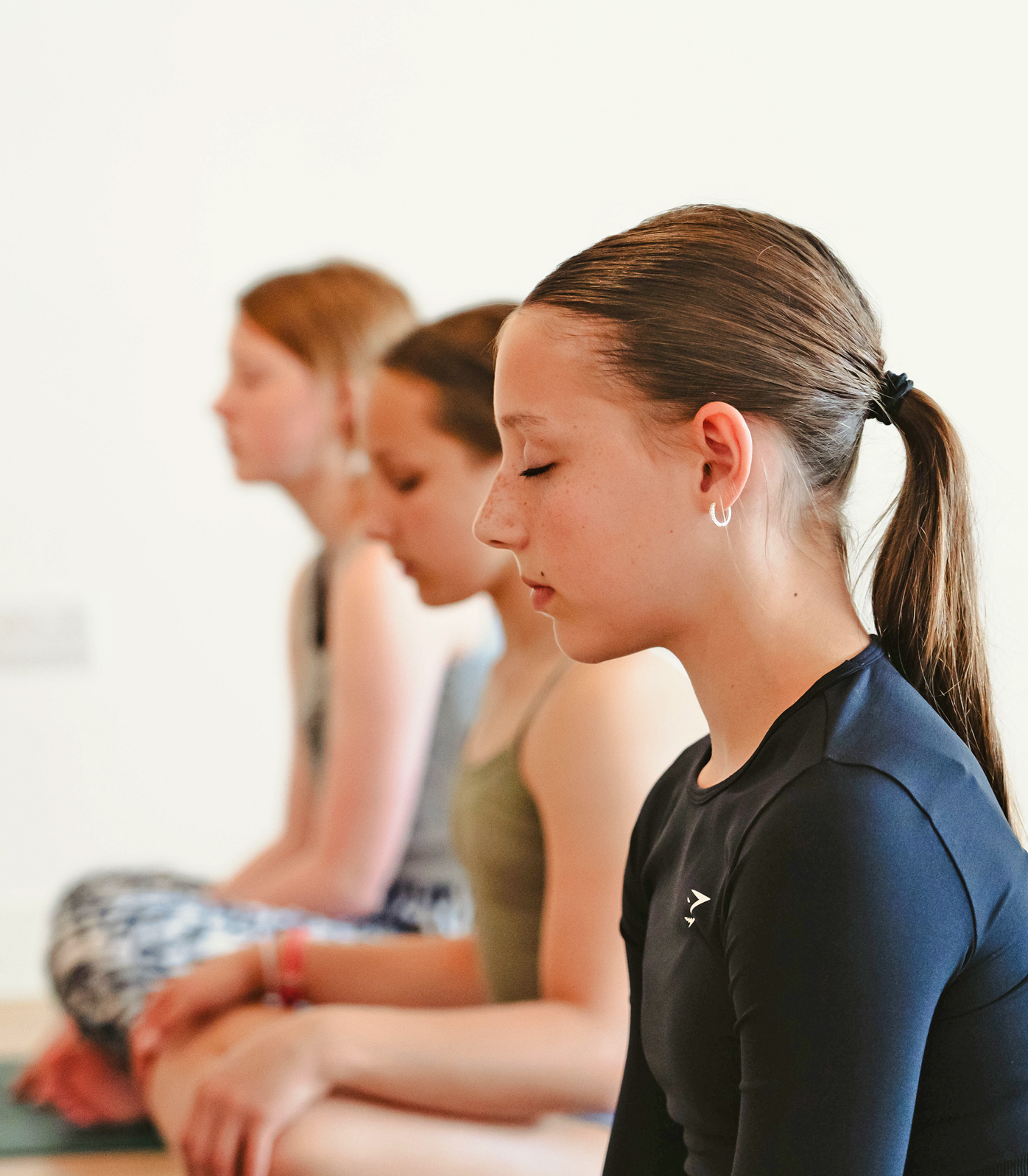
The travel industry needs to start speaking to Gen Z / Jamie O’Mara for REWIRE
Allison Bevan
Spa director at The Joule, Dallas, Texas
The Joule
Guests are looking for results-driven treatments that fit seamlessly into their busy schedules without sacrificing quality, and urban spas are becoming less of just a place for occasional indulgence and more of an essential part of a high-performing lifestyle. Because time is such a luxury, express services such as targeted facials, advanced body treatments, and recovery treatments have been a game-changer, making self-care doable even with a packed schedule. Results-driven express facials and recovery-focused services like cryotherapy and lymphatic drainage are thriving because they aren’t just “quick fixes” – they’re highly effective, science-backed treatments designed for people who want to maintain their skin, body, and wellbeing without necessarily slowing down.
Also, the way people experience spas is shifting – self-care is becoming more social. Wellness is increasingly a shared experience, whether with friends, coworkers or as part of a celebratory occasion that fosters connection. This shift is pushing urban spas to rethink their spaces and services, ensuring they cater to both individual relaxation and communal experiences in a high-touch way. We’ve seen groups come in for bachelorette parties, team-building events, babymoons, engagements, and other occasions, and having a communal space for guests to unwind and enjoy light bites between services adds an extra touch.
Another major component is accessibility. As self-care and wellness evolve, it’s not just about exclusivity, but also about seamlessly integrating wellness into daily life. Focusing on training and education allows our team of therapists to be true experts, guiding guests to the services that suit their needs. The ability for consumers to easily communicate with experts and providers about maintaining their results creates a luxury service that is also sustainable, approachable, and convenient.
The way people experience spas is shifting
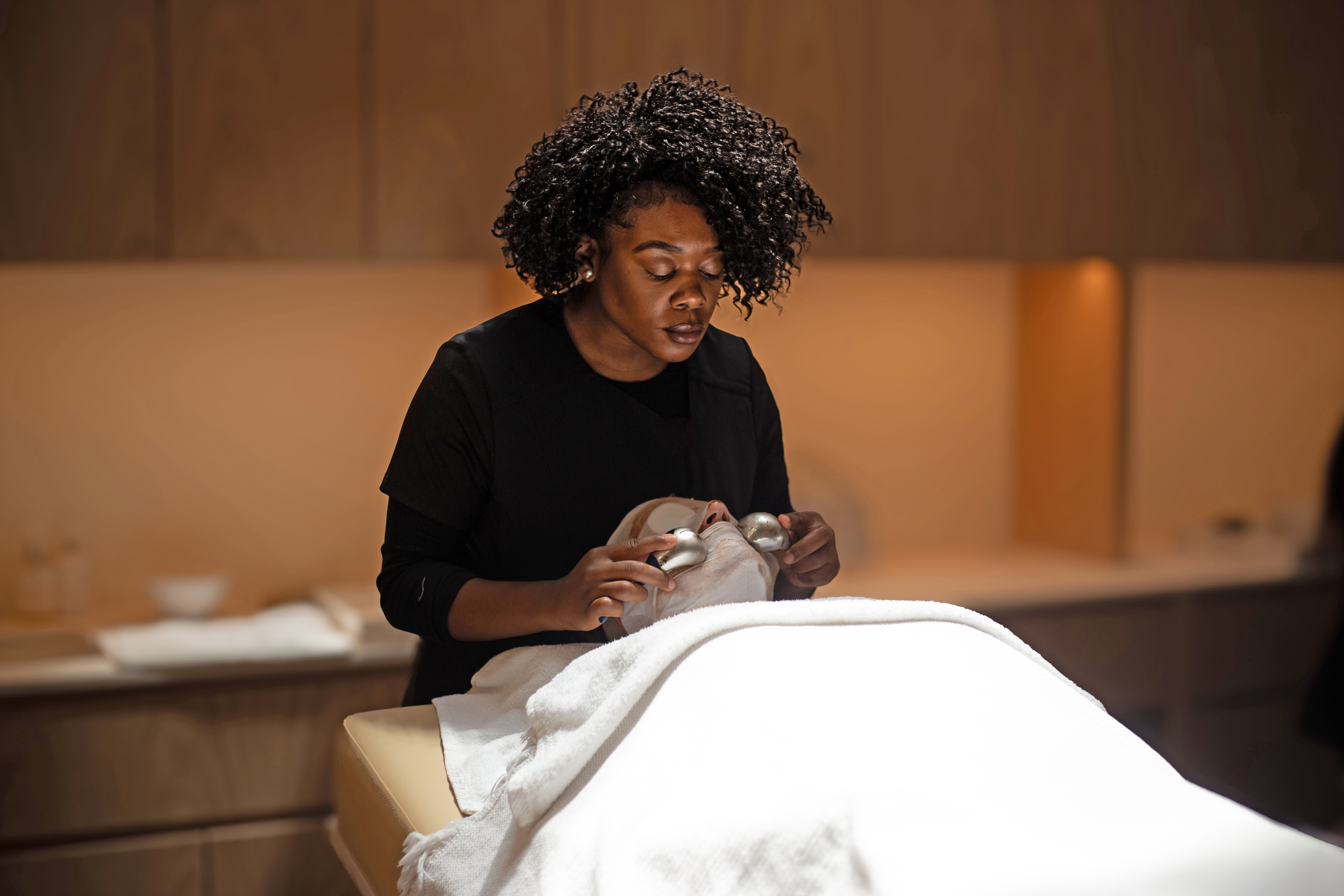
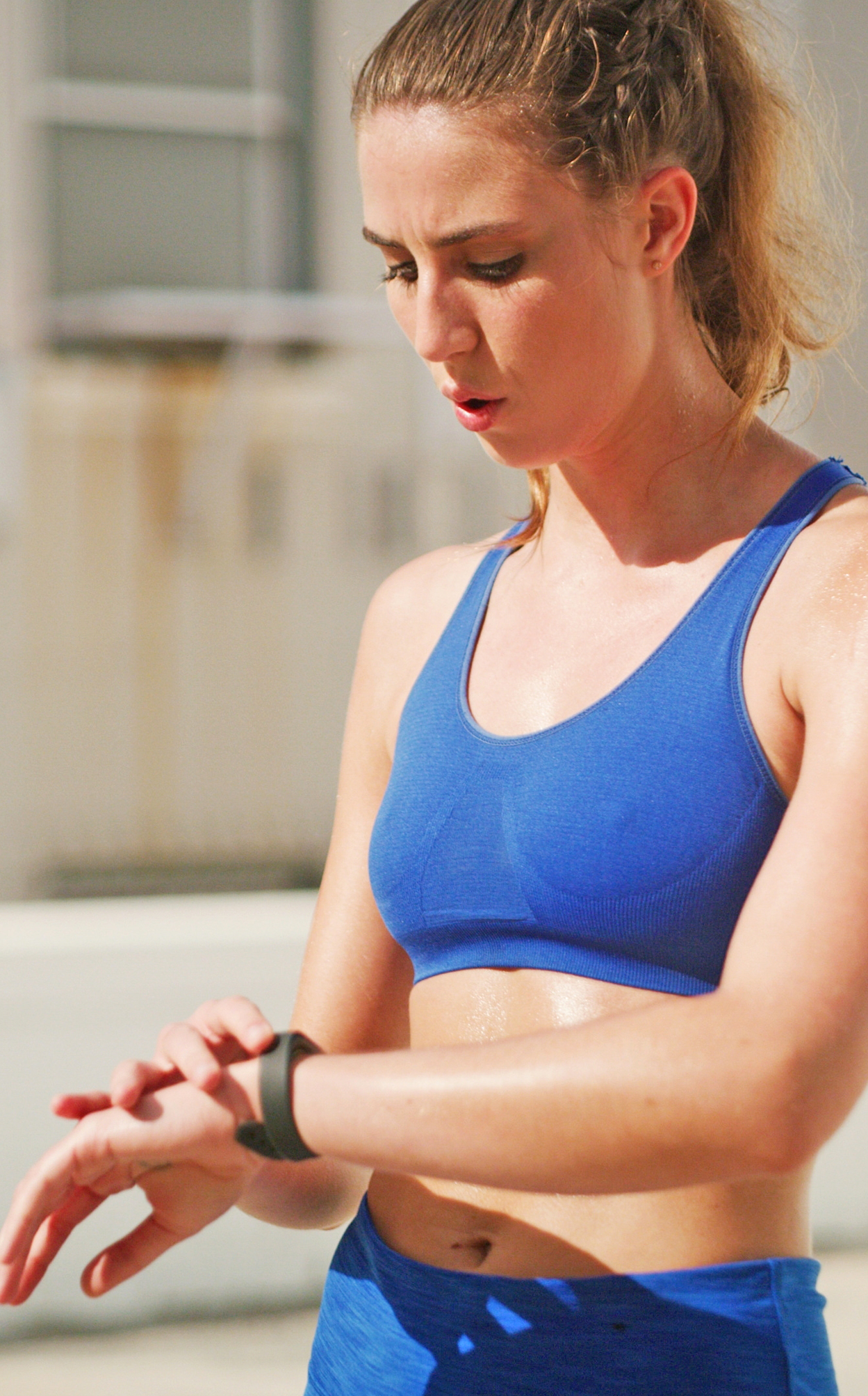
Express services can be a game-changer for spas / Dan Padgett
Dan Padgett
Christian Kiefer
Founder, Spa Wellness Project Management
Wellbeings Holistic Healing
The Middle East’s wellness industry is experiencing a rapid shift, moving beyond traditional spa services to embrace a more expansive, experience-driven approach. Wellness is no longer confined to treatment rooms. It is shaping how people socialise, travel, and engage with their surroundings. In the UAE, we are seeing an increased demand for immersive wellness experiences, from art-infused breakfasts that stimulate creativity to guided sound healing sessions designed for urban professionals seeking balance.
The region’s hospitality and wellness sectors are evolving in response. Luxury resorts are integrating biohacking and longevity-focused retreats. Urban wellness hubs are rethinking traditional offerings to cater to a new generation of consumers who view wellbeing as an essential lifestyle pillar rather than an occasional indulgence. The rise of community-driven wellness events, whether ice bath gatherings or corporate mindfulness programmes, signals a broader cultural shift toward proactive self-care.
With a 30 per cent increase in wellness-focused tourism and the global wellness economy projected to reach US$7 trillion by 2025, Middle Eastern wellness operators must evolve beyond traditional models. The future belongs to those who can anticipate changing consumer expectations, craft authentic wellness experiences, and create meaningful engagement beyond the treatment room.
Middle Eastern wellness operators must evolve beyond traditional models
Changing consumer behaviour means crafting authentic wellness experiences is key / Wellbeings Holistic Healing
Dr. Diego Martínez Conde
General practitioner, regenerative & well-ageing doctor, SHA Mexico
SHA
Longevity and the quest for an extended healthspan have become central topics in the pursuit of optimal wellbeing. As individuals strive to maintain vitality well into old age, regenerative therapies are emerging as a groundbreaking frontier. Among these, mesenchymal stem cells (MSCs) have garnered significant attention for their remarkable ability to repair and regenerate tissues, offering promising advancements in longevity and overall health.
At the cellular level, longevity is intrinsically tied to the process of regeneration. Stem cells possess the extraordinary capability to divide into two distinct cells – one that remains a stem cell and another that differentiates into a specialised tissue cell. This regenerative process restores damaged tissues without forming scar tissue, effectively returning affected areas to their original state.
The global interest in MSCs is experiencing rapid growth, fueled by advances in regenerative medicine. As of 2023, nearly 3,500 clinical trials worldwide are actively investigating MSC applications across a diverse range of health conditions. Mexico stands out in this evolving landscape due to its comprehensive regulatory framework, which fully governs both autologous and heterologous mesenchymal stem cell transplants. This presents a unique opportunity for individuals seeking the benefits of cellular therapy in a well-regulated environment.
Heterologous stem cell therapy, in particular, has shown promise in alleviating pain from trauma-induced injuries and mitigating symptoms of chronic degenerative diseases, including diabetes, hypertension, Alzheimer’s, Parkinson’s, obesity, and insulin resistance. In such conditions, MSCs contribute to a profound cellular rejuvenation effect, enhancing overall health outcomes.
As precision medicine continues to lead the future of healthcare, MSC-based therapies offer highly personalised treatment approaches. Clinicians can tailor protocols by adjusting dosage concentration and volume, selecting from six distinct stem cell origins, choosing between autologous (self-derived) or heterologous (allogenic) sources, determining precise injection sites, and integrating MSCs with exosomes for enhanced efficacy. Furthermore, the success of cell therapy is significantly amplified when combined with holistic lifestyle interventions, including optimised nutrition, regular exercise, adequate rest, and effective stress management.
With its unparalleled potential for tissue regeneration and personalised treatment strategies, MSC therapy represents the forefront of next-generation regenerative medicine, unlocking new possibilities for improved health, longevity, and overall wellbeing.
MSC therapy represents the forefront of next-generation regenerative medicine
Longevity has become central to the business of wellness / SHA
Lorenzo Moretti
COO Aquaform
Lorenzo Moretti
At the dawn of my twenties, I find myself as one of the youngest professionals in the spa industry. Engaging with more experienced colleagues, I realise that my perspective on spas is often quite different. The spa world seems largely tailored to an older audience, overlooking the interests and desires of younger generations. Sure, an older clientele may be more affluent, but there are plenty of young people today with spending power, and if we don’t get them excited about spas now, they won’t be our clients tomorrow.
So, what can we, as spa professionals, do to educate young people and inspire them to embrace our industry? I don’t claim to have a perfect solution, but one thing is clear: younger generations crave immersive experiences, dynamic environments, and spaces that evoke strong emotions.
They want personalisation, a sense of exclusivity, and moments worth sharing, as well as experiences that feel authentic and connected to their lifestyle. Wellness for young people isn’t just a stress escape – it’s a mindset, linked to fitness, self-care, mental health, and even adventure. Spas need to rethink their offerings and atmosphere, creating vibrant, innovative, and inclusive spaces.
As a young professional, I find the spa industry a bit stuck in the past, clinging to ideas of luxury that no longer resonate with the new generations. What’s needed is a true change, an evolution that speaks to the spirit of today’s youth. It’s time for the spa industry to embrace new ideas, igniting a passion for wellness among young people. The message is clear: adapt or get left behind. If you don’t capture the interest of the new generations now, they won’t be booking appointments tomorrow.
Wellness for young people isn’t just a stress escape – it’s a mindset
In the rapidly changing world of wellness, staying ahead requires more than just keeping up with spa trends – it demands looking beyond them. True innovation comes from the ability to absorb ideas from other industries and transform them into unique experiences. Drawing inspiration from unexpected fields fosters differentiation and ensures long-term relevance in an increasingly competitive market. Too many businesses focus solely on best practices within the sector, missing opportunities to integrate fresh ideas from hospitality, technology, psychology, and even the arts.
As a consultant in spa design and management, I’ve seen firsthand how cross-industry inspiration fuels creativity. A spa that embraces smart technology, like AI-driven personalisation or biometric wellness tracking, instantly elevates its offering. Borrowing from the entertainment industry, immersive experiences – like virtual reality meditation or sound healing inspired by music therapy – create deeper emotional engagement.
In my experience, curiosity opens doors. Participate in events beyond the wellness sphere, investigate diverse markets, and consider: How might this concept transform the spa experience? The most remarkable ideas often arise not from our own sector but from those who are willing to venture beyond it. Innovation thrives not in isolation but at the intersection of industries.
Cross-industry inspiration fuels creativity
Embracing smart technology elevates experiences / shuttersstock/PeopleImages.com - Yuri A
Jill Haidler
Spa director at The Waldorf Astoria Spa, New Orleans
The Roosevelt New Orleans, A Waldorf Astoria Hotel
Mindfulness and holistic wellness play an essential role in a city like New Orleans, where the vibrant party culture is a major part of its identity. While the city is known for celebration, there is also a growing awareness of the need for balance – both physically and mentally. Mindfulness offers a way to stay present and grounded, whether through massage, meditation, breathwork, movement, or simply taking moments of stillness amidst the energy. In a place where indulgence is often encouraged, wellness practices help individuals recharge, reset, and sustain their wellbeing without feeling the need to choose between enjoyment and self-care.
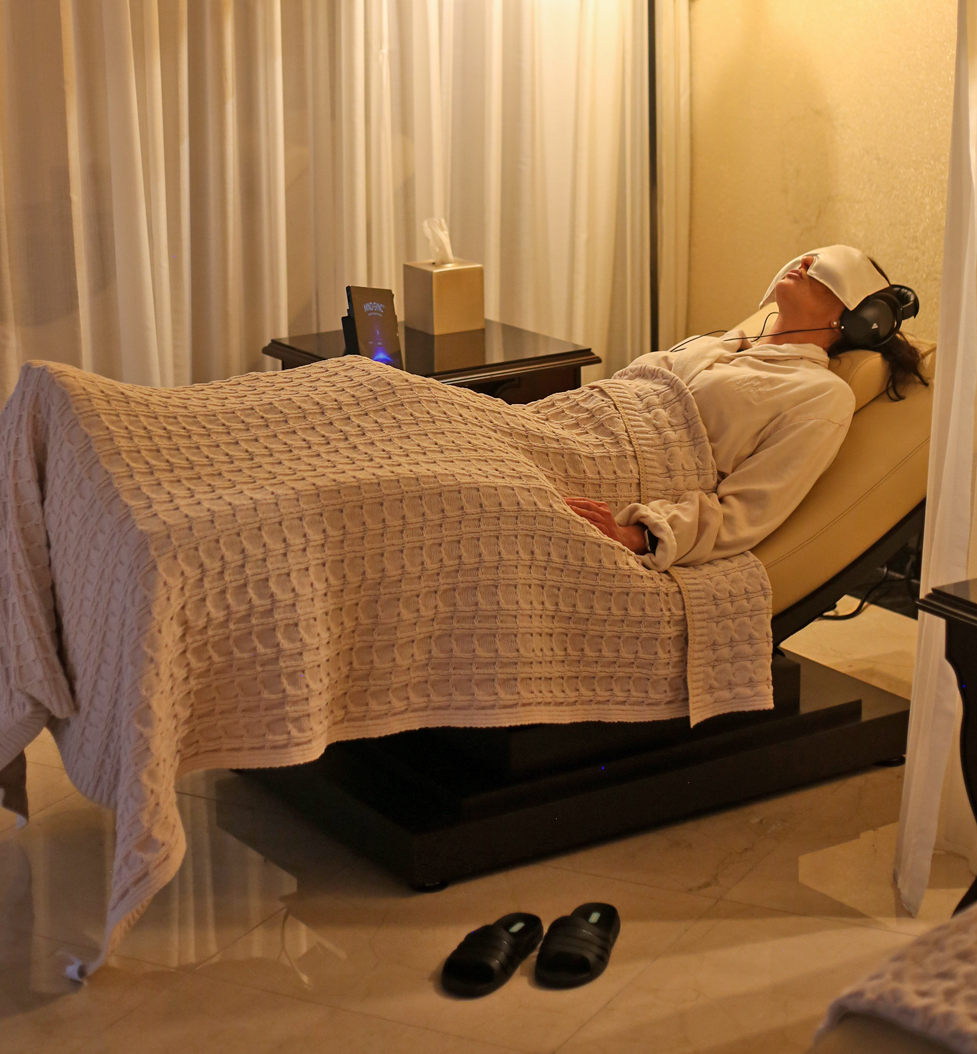
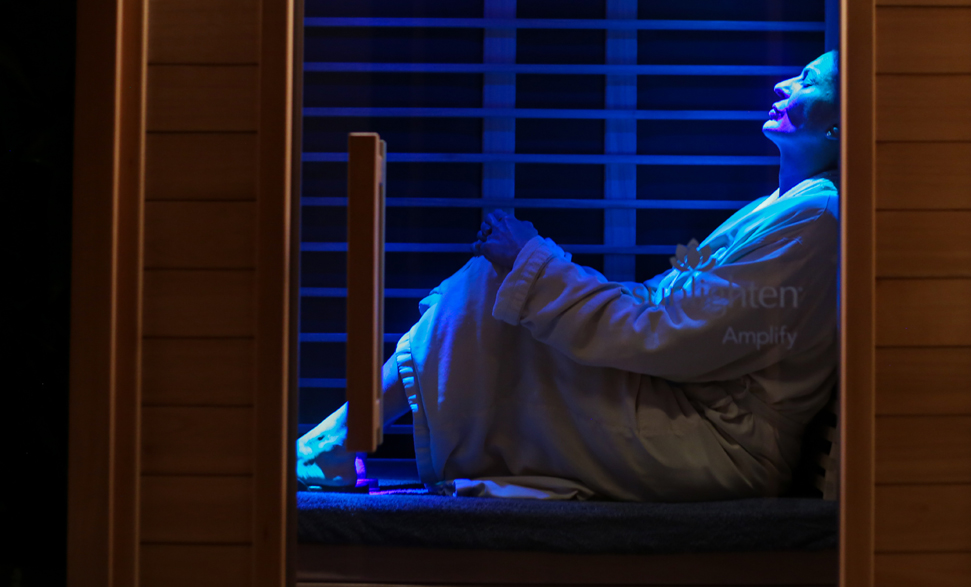
More people – locals and visitors alike – are embracing practices that support recovery, whether it’s through fitness, nutrition, restorative therapies, contrast therapy, or mindful rituals. Our recently launched Recovery Lounge within the Waldorf Astoria Spa integrates these science-backed practices to provide the perfect balance of recovery and rejuvenation. The recovery programme includes contrast therapy featuring infrared sauna and cold plunge, pneumonic compression therapy complete with redlight masks and boots, and harmonic wellness utilising sound therapy, Mind Sync anti-gravity loungers and optional plus ups like Smart Goggles. Combining luxury spa experiences with personalised service, the recovery programme with customisable packages allows us to meet guests where they are on their wellness journeys. The key is integration: making wellness an accessible part of daily life rather than something separate from the culture of the city.
More people are embracing practices that support recovery, whether it’s through fitness, nutrition, restorative therapies, contrast therapy, or mindful rituals
Taking moments of stillness is key in an urban environment / The Roosevelt New Orleans, A Waldorf Astoria Hotel
A recovery lounge helps guests with rejuvenation / The Roosevelt New Orleans, A Waldorf Astoria Hotel
The MSpa Oslo series is a perennial bestseller in global markets. With innovative
engineering and premium performance, this completely portable spa line-up is expertly
designed to meet the needs of customers worldwide. [more...]
In the fast-paced world of fitness and wellness, where high-intensity workouts push us to
our limits and the sweat pours, the importance of efficient recovery cannot be overstated. [more...]
+ More featured suppliers
COMPANY PROFILES
Fenix Group srl
Founded in Italy by Gianluca Cavalletti, Fenix Group introduced Endospheres with the aim of redefini [more...]
Clinique La Prairie
Clinique La Prairie is a name that has been synonymous with health and longevity for over 90 years, [more...]
LEED AP; WELL AP; principal, KALĀ Design Group & co-founder, Ancestral Handmade Hotels
credit: ana ramirez
The future of hospitality and spa design lies in leveraging neuroscience, sensory intelligence, and vibrational medicine to create environments that actively enhance wellbeing. Spaces are no longer just places for relaxation; they are becoming immersive sanctuaries that engage all senses to reset and rewire the body and brain.
Emerging research in neuroplasticity highlights those environments rich in multi-sensory diversity – from curated soundscapes and geometric spatial design to personalised sensory experiences – can positively influence cognitive function, emotional balance, and nervous system regulation. By merging ancient modalities like sound healing and sacred geometry with modern innovations in frequency-based wellness, spas and hotels can create spaces that align with the body’s natural rhythms.
This shift toward neuroscience-informed design is redefining wellness real estate, integrating biophilic architecture, resonance-enhancing materials, and spatial acoustics to shape environments that support deep healing and restoration. Studies show that biophilic design reduces stress, enhances cognitive performance, and fosters emotional wellbeing, making it an essential pillar in future-forward hospitality.
As hospitality evolves, leaders who embrace neuroaesthetic and sensory-driven design will pioneer a new era of wellness travel, one where spaces do more than soothe – they activate the brain, enhance resilience, and shape wellbeing at a neurological level.
Leaders who embrace neuroaesthetic and sensory-driven design will pioneer a new era of wellness travel
Biophilic architecture and spatial acoustics can support deep healing and restoration / credit: kala design group
Verena Lasvigne
Managing director & founder, VLF Spa Consulting
Mary Blank
The traditional spa model is evolving as operators recognise the need to create monetisable wellness experiences. One of the most significant shifts we’re seeing is the growing separation between spa and wellness spaces, with wellness areas becoming curated, chargeable experiences rather than complimentary add-ons.
Guests are no longer left to navigate or randomly use thermal circuits, saunas, steam rooms, hot tubs, cold plunge pools, or hydrotherapy pools on their own. Instead, wellness menus are offering structured guidance on how to maximise each facility’s benefits. These menus prescribe the optimal sequence, time of day, and complementary treatments for a results-driven wellness experience – whether it’s an immunity-boosting circuit in the morning, a rejuvenation sequence for cellular repair and anti-ageing, or a relaxation protocol promoting sleep.
This shift mirrors the demand for intentional wellness – consumers want to know not just what to do, but how and why it enhances their health. Leading destinations are already charging for curated wellness offerings, moving beyond traditional spa treatments into personalised wellness journeys.
As more wellness facilities embrace this approach, the opportunity lies in creating tiered access models that differentiate between general wellness amenities and impactful wellness experiences. This not only elevates guest engagement but also unlocks new revenue streams, ensuring long-term profitability in an evolving, competitive market.
Wellness menus are offering structured guidance on how to maximise each facility’s benefits
Spas are offering guidance on how to use thermal circuits / shutterstock/Mladen Mitrinovic
Today’s ever-shifting customer needs and expectations – including hyper-personalisation, self-direction and the multiplicity of choices available – demand an evolution in how we operate wellness business models, and at the heart of this evolution is the guest experience and the activation of the “experience economy” paradigm. Within the context of the experience economy, the wellness industry stands to be not just one of its net winners, but one of its leading innovators.
Intentional experience design or the “how” of customer experience, and user experience is creating a new way to “architect” the delivery of a seamless wellness experience. This new approach combines behavioural science, design thinking, and co-creation to enhance guest experiences that create lasting, positive behavioural changes, and megawatt value to both primary and secondary wellness consumers. Although most know the “why” and the “what” of integrated product and services delivery, we are still challenged by the “how” of it. The new wellness offering is multi-interdisciplinary yet still works with outdated assumptions that have driven previous models but are no longer valid.
The wellness persona has changed and continues to evolve at a velocity never seen before, and the additional complexity of the digital age warrants a new way to think about how we design and curate both our experiences and our physical spaces.
Now more than ever, conscious consumers want entertainment, value and autonomy. Future wellness experience successes will go far beyond technological advances and look toward well-designed service delivery cycles. The human-centric principles of experience design provide a convergence and an alignment for innovators to clearly see what really matters to users – supporting owner/operators to eliminate costly mistakes and creating optimal conditions for sustained and predictable profitability. The experience is not by accident – it’s by design.
The experience is not by accident – it’s by design
Co-creation can enhance the guest experience / shutterstock/Space_Cat
Alex Glasscock
Co-founder, The Ranch
courtesy of the ranch
People are seeking destinations to reset and enhance their longevity and endurance in a healthy and vibrant way. In today’s world, the wellness movement expands beyond at-home habits as people look to wellness retreats to embrace experiences that lead to lasting results. There’s also been an uptick in people focused on their healthspan – the period in life in which they are healthy.
Active wellness retreats provide measurable results, with the education, structure, and tools needed to create meaningful, long-term change. Guests can immerse themselves in nature through guided wellness programmes, resetting habits, and for many, taking the first step towards increasing longevity. Being in nature is one of the best things you can do for your overall health, and that’s something guests can still access after they get home.
The power of community is equally important. At The Ranch, guests find motivation and support from those on a similar journey in our intimate group environment. Corporate and private groups often book the programme, as it naturally lends itself to promoting encouragement and team-building. There’s a beautiful sense of camaraderie among guests, which helps build results that last long after the programme ends. Community and longevity go hand-in-hand.
Community and longevity go hand-in-hand
Guests can find support from those on a similar journey / The Ranch Hudson Valley
Lasse Eriksen
Development manager, Farris Bad
Milosz Nycz
As bathhouses and sauna spots open at an astonishing pace across the globe, I find myself pausing to reflect. In our collective pursuit of efficiency – squeezing wellness into short time slots, jumping between hot and cold extremes, and swiftly returning to busy lives – are we at risk of losing something sacred? Are we, perhaps, losing our relationship with time itself? More than ever, I believe time is the essence we need to rediscover.
In today’s ever-accelerating world, time has become our most precious luxury – a silent thread we often lose in the hum of notifications, deadlines, and distraction. As children, a single day felt infinite. As adults, years rush by. This shift reveals a deeper truth: the need to reclaim time for ourselves, our loved ones, and our wellbeing. Spas are uniquely positioned to answer this call. They are sanctuaries where time is not spent, but savoured. One of my mentors once said: the essence of sauna is not heat – it is time. Surrendering to it. Being present in it. Only then can we truly cleanse, heal, and feel gratitude in stillness.
Today, we witness a shift in behaviour. Guests are no longer just asking, “How hot is it? How long does it last?” – they’re craving longer, deeper experiences that honour time’s power to transform. From extended retreats to ancient ceremonies and the quiet practice of simply sitting in nature, people are remembering how to be still.
Spas and wellness spaces must now rise as timekeepers of the soul – crafting unhurried, intentional journeys that restore what is most finite and irreplaceable. Because when we embrace time – not as a constraint, but as a pathway to presence and healing – we unlock the true magic of wellness.
Spas are sanctuaries where time is not spent, but savoured
Consumers are craving longer, deeper experiences at spas / shutterstock/BGStock72
Natasha Richardson
Founder and director, The TLC Method & REWIRE
Jamie O’Mara for REWIRE
Teenagers – and specifically teenage girls – are facing an unprecedented mental health crisis. Anxiety and depression rates have skyrocketed post-pandemic, with studies revealing that nearly one in three teen girls has considered committing suicide – an alarming 60 per cent increase in the last decade. Additionally, 14-17 year olds are the most susceptible to chronic anxiety in both the UK and US.
As the reality of how we use technology changes, so does childhood; this is something the travel industry can thoughtfully address through its health, wellness and family offerings. The travel industry needs to start speaking to our reluctantly square-eyed Gen Z vacationers directly, by offering them meaningful, phone-free, human-to-human experiences on holidays that they can’t get at home.
Addressing this crisis isn’t just about reducing screen time – it’s about reclaiming headspace and rewriting their future. If the mind is shaped by its environment, then the environments we create for young people must change. Teenage mental health will not be saved by another app, another extended spa offering, or another fleeting digital escape. It will be shaped by young, relatable, experienced practitioners who challenge the teens’ status quo, and help them rewire into a reality they choose. The travel and wellness industries have a unique opportunity to become architects of this shift – offering Gen Z something different: awakening experiences answering the call of young people, where deeper connections offer more fulfillment than fear, where everyone’s innate creativity can be expressed, and where the natural world is the classroom of choice.
If the mind is shaped by its environment, then the environments we create for young people must change
The travel industry needs to start speaking to Gen Z / Jamie O’Mara for REWIRE
Allison Bevan
Spa director at The Joule, Dallas, Texas
The Joule
Guests are looking for results-driven treatments that fit seamlessly into their busy schedules without sacrificing quality, and urban spas are becoming less of just a place for occasional indulgence and more of an essential part of a high-performing lifestyle. Because time is such a luxury, express services such as targeted facials, advanced body treatments, and recovery treatments have been a game-changer, making self-care doable even with a packed schedule. Results-driven express facials and recovery-focused services like cryotherapy and lymphatic drainage are thriving because they aren’t just “quick fixes” – they’re highly effective, science-backed treatments designed for people who want to maintain their skin, body, and wellbeing without necessarily slowing down.
Also, the way people experience spas is shifting – self-care is becoming more social. Wellness is increasingly a shared experience, whether with friends, coworkers or as part of a celebratory occasion that fosters connection. This shift is pushing urban spas to rethink their spaces and services, ensuring they cater to both individual relaxation and communal experiences in a high-touch way. We’ve seen groups come in for bachelorette parties, team-building events, babymoons, engagements, and other occasions, and having a communal space for guests to unwind and enjoy light bites between services adds an extra touch.
Another major component is accessibility. As self-care and wellness evolve, it’s not just about exclusivity, but also about seamlessly integrating wellness into daily life. Focusing on training and education allows our team of therapists to be true experts, guiding guests to the services that suit their needs. The ability for consumers to easily communicate with experts and providers about maintaining their results creates a luxury service that is also sustainable, approachable, and convenient.
The way people experience spas is shifting
Express services can be a game-changer for spas / Dan Padgett
Dan Padgett
Christian Kiefer
Founder, Spa Wellness Project Management
Wellbeings Holistic Healing
The Middle East’s wellness industry is experiencing a rapid shift, moving beyond traditional spa services to embrace a more expansive, experience-driven approach. Wellness is no longer confined to treatment rooms. It is shaping how people socialise, travel, and engage with their surroundings. In the UAE, we are seeing an increased demand for immersive wellness experiences, from art-infused breakfasts that stimulate creativity to guided sound healing sessions designed for urban professionals seeking balance.
The region’s hospitality and wellness sectors are evolving in response. Luxury resorts are integrating biohacking and longevity-focused retreats. Urban wellness hubs are rethinking traditional offerings to cater to a new generation of consumers who view wellbeing as an essential lifestyle pillar rather than an occasional indulgence. The rise of community-driven wellness events, whether ice bath gatherings or corporate mindfulness programmes, signals a broader cultural shift toward proactive self-care.
With a 30 per cent increase in wellness-focused tourism and the global wellness economy projected to reach US$7 trillion by 2025, Middle Eastern wellness operators must evolve beyond traditional models. The future belongs to those who can anticipate changing consumer expectations, craft authentic wellness experiences, and create meaningful engagement beyond the treatment room.
Middle Eastern wellness operators must evolve beyond traditional models
Changing consumer behaviour means crafting authentic wellness experiences is key / Wellbeings Holistic Healing
Dr. Diego Martínez Conde
General practitioner, regenerative & well-ageing doctor, SHA Mexico
SHA
Longevity and the quest for an extended healthspan have become central topics in the pursuit of optimal wellbeing. As individuals strive to maintain vitality well into old age, regenerative therapies are emerging as a groundbreaking frontier. Among these, mesenchymal stem cells (MSCs) have garnered significant attention for their remarkable ability to repair and regenerate tissues, offering promising advancements in longevity and overall health.
At the cellular level, longevity is intrinsically tied to the process of regeneration. Stem cells possess the extraordinary capability to divide into two distinct cells – one that remains a stem cell and another that differentiates into a specialised tissue cell. This regenerative process restores damaged tissues without forming scar tissue, effectively returning affected areas to their original state.
The global interest in MSCs is experiencing rapid growth, fueled by advances in regenerative medicine. As of 2023, nearly 3,500 clinical trials worldwide are actively investigating MSC applications across a diverse range of health conditions. Mexico stands out in this evolving landscape due to its comprehensive regulatory framework, which fully governs both autologous and heterologous mesenchymal stem cell transplants. This presents a unique opportunity for individuals seeking the benefits of cellular therapy in a well-regulated environment.
Heterologous stem cell therapy, in particular, has shown promise in alleviating pain from trauma-induced injuries and mitigating symptoms of chronic degenerative diseases, including diabetes, hypertension, Alzheimer’s, Parkinson’s, obesity, and insulin resistance. In such conditions, MSCs contribute to a profound cellular rejuvenation effect, enhancing overall health outcomes.
As precision medicine continues to lead the future of healthcare, MSC-based therapies offer highly personalised treatment approaches. Clinicians can tailor protocols by adjusting dosage concentration and volume, selecting from six distinct stem cell origins, choosing between autologous (self-derived) or heterologous (allogenic) sources, determining precise injection sites, and integrating MSCs with exosomes for enhanced efficacy. Furthermore, the success of cell therapy is significantly amplified when combined with holistic lifestyle interventions, including optimised nutrition, regular exercise, adequate rest, and effective stress management.
With its unparalleled potential for tissue regeneration and personalised treatment strategies, MSC therapy represents the forefront of next-generation regenerative medicine, unlocking new possibilities for improved health, longevity, and overall wellbeing.
MSC therapy represents the forefront of next-generation regenerative medicine
Longevity has become central to the business of wellness / SHA
Lorenzo Moretti
COO Aquaform
Lorenzo Moretti
At the dawn of my twenties, I find myself as one of the youngest professionals in the spa industry. Engaging with more experienced colleagues, I realise that my perspective on spas is often quite different. The spa world seems largely tailored to an older audience, overlooking the interests and desires of younger generations. Sure, an older clientele may be more affluent, but there are plenty of young people today with spending power, and if we don’t get them excited about spas now, they won’t be our clients tomorrow.
So, what can we, as spa professionals, do to educate young people and inspire them to embrace our industry? I don’t claim to have a perfect solution, but one thing is clear: younger generations crave immersive experiences, dynamic environments, and spaces that evoke strong emotions.
They want personalisation, a sense of exclusivity, and moments worth sharing, as well as experiences that feel authentic and connected to their lifestyle. Wellness for young people isn’t just a stress escape – it’s a mindset, linked to fitness, self-care, mental health, and even adventure. Spas need to rethink their offerings and atmosphere, creating vibrant, innovative, and inclusive spaces.
As a young professional, I find the spa industry a bit stuck in the past, clinging to ideas of luxury that no longer resonate with the new generations. What’s needed is a true change, an evolution that speaks to the spirit of today’s youth. It’s time for the spa industry to embrace new ideas, igniting a passion for wellness among young people. The message is clear: adapt or get left behind. If you don’t capture the interest of the new generations now, they won’t be booking appointments tomorrow.
Wellness for young people isn’t just a stress escape – it’s a mindset
In the rapidly changing world of wellness, staying ahead requires more than just keeping up with spa trends – it demands looking beyond them. True innovation comes from the ability to absorb ideas from other industries and transform them into unique experiences. Drawing inspiration from unexpected fields fosters differentiation and ensures long-term relevance in an increasingly competitive market. Too many businesses focus solely on best practices within the sector, missing opportunities to integrate fresh ideas from hospitality, technology, psychology, and even the arts.
As a consultant in spa design and management, I’ve seen firsthand how cross-industry inspiration fuels creativity. A spa that embraces smart technology, like AI-driven personalisation or biometric wellness tracking, instantly elevates its offering. Borrowing from the entertainment industry, immersive experiences – like virtual reality meditation or sound healing inspired by music therapy – create deeper emotional engagement.
In my experience, curiosity opens doors. Participate in events beyond the wellness sphere, investigate diverse markets, and consider: How might this concept transform the spa experience? The most remarkable ideas often arise not from our own sector but from those who are willing to venture beyond it. Innovation thrives not in isolation but at the intersection of industries.
Cross-industry inspiration fuels creativity
Embracing smart technology elevates experiences / shuttersstock/PeopleImages.com - Yuri A
Jill Haidler
Spa director at The Waldorf Astoria Spa, New Orleans
The Roosevelt New Orleans, A Waldorf Astoria Hotel
Mindfulness and holistic wellness play an essential role in a city like New Orleans, where the vibrant party culture is a major part of its identity. While the city is known for celebration, there is also a growing awareness of the need for balance – both physically and mentally. Mindfulness offers a way to stay present and grounded, whether through massage, meditation, breathwork, movement, or simply taking moments of stillness amidst the energy. In a place where indulgence is often encouraged, wellness practices help individuals recharge, reset, and sustain their wellbeing without feeling the need to choose between enjoyment and self-care.
More people – locals and visitors alike – are embracing practices that support recovery, whether it’s through fitness, nutrition, restorative therapies, contrast therapy, or mindful rituals. Our recently launched Recovery Lounge within the Waldorf Astoria Spa integrates these science-backed practices to provide the perfect balance of recovery and rejuvenation. The recovery programme includes contrast therapy featuring infrared sauna and cold plunge, pneumonic compression therapy complete with redlight masks and boots, and harmonic wellness utilising sound therapy, Mind Sync anti-gravity loungers and optional plus ups like Smart Goggles. Combining luxury spa experiences with personalised service, the recovery programme with customisable packages allows us to meet guests where they are on their wellness journeys. The key is integration: making wellness an accessible part of daily life rather than something separate from the culture of the city.
More people are embracing practices that support recovery, whether it’s through fitness, nutrition, restorative therapies, contrast therapy, or mindful rituals
Taking moments of stillness is key in an urban environment / The Roosevelt New Orleans, A Waldorf Astoria Hotel
A recovery lounge helps guests with rejuvenation / The Roosevelt New Orleans, A Waldorf Astoria Hotel
Hand and Stone Massage and Facial Spa, the spa business with more than 650 locations across
the US and Canada, has appointed franchise expert Carrie Walsh as CEO as the company plans
to expand.
Synergy – The Retreat Show, the global trade show for retreats, has launched a global research
initiative that will provide insights into the retreat sector from both consumer and industry
perspectives.
The Wellness Tourism Association (WTA) has published a non-regulatory global industry
framework designed to ensure the retreat market offers responsible experiences.
A new survey of UK and international spa practitioners shows that stress, burnout and
wellbeing concerns have caused one in three respondents to consider leaving the industry.
The UK's four Chief Medical Officers have published a refreshed edition of Physical activity
guidelines: UK Chief Medical Officers' report, updating the evidence that underpins the nation's
physical activity recommendations and placing greater emphasis on strength, balance, reducing
sedentary behaviour and, for the first time, supporting people taking weight loss medications.
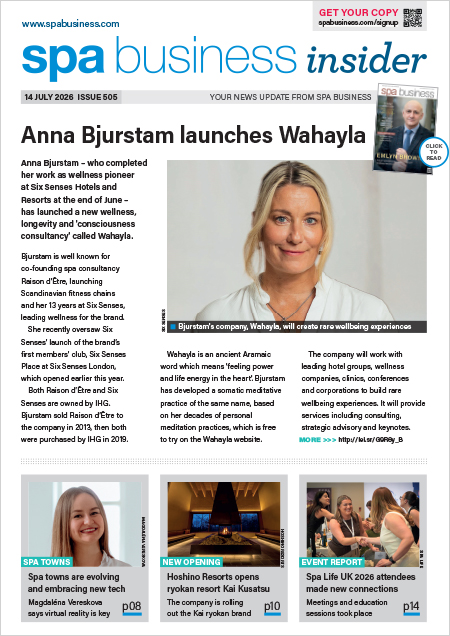
Anna Bjurstam has left her role as Wellness Pioneer at Six Senses Hotels and Resorts and
launched a new wellness, longevity and “consciousness consultancy” called Wahayla.
Fairmont Cheshire, The Mere, has opened today (10 July) in the Northwest of England
with a
1,715sq m Fairmont Spa that has been designed using a ‘Wellness without Walls’
concept.
Wellness hotels generating less than US$1 million (€932,700, £785,200) – or 10 per cent of
total revenue from wellness and leisure – recorded the strongest RevPAR and TRevPAR growth
in 2025 across categories when compared with 2024, according to the latest Wellness Real
Estate Report by RLA Global, produced in partnership with P and L benchmarking firm HotStats.
The MSpa Oslo series is a perennial bestseller in global markets. With innovative
engineering and premium performance, this completely portable spa line-up is expertly
designed to meet the needs of customers worldwide. [more...]
In the fast-paced world of fitness and wellness, where high-intensity workouts push us to
our limits and the sweat pours, the importance of efficient recovery cannot be overstated. [more...]
+ More featured suppliers
COMPANY PROFILES
Fenix Group srl Founded in Italy by Gianluca Cavalletti, Fenix Group introduced Endospheres with the aim of redefini [more...]