South Korea has the potential to be the next
up-and-coming destination for wellness,
says Leekyung Han. Investors and
developers should be paying attention
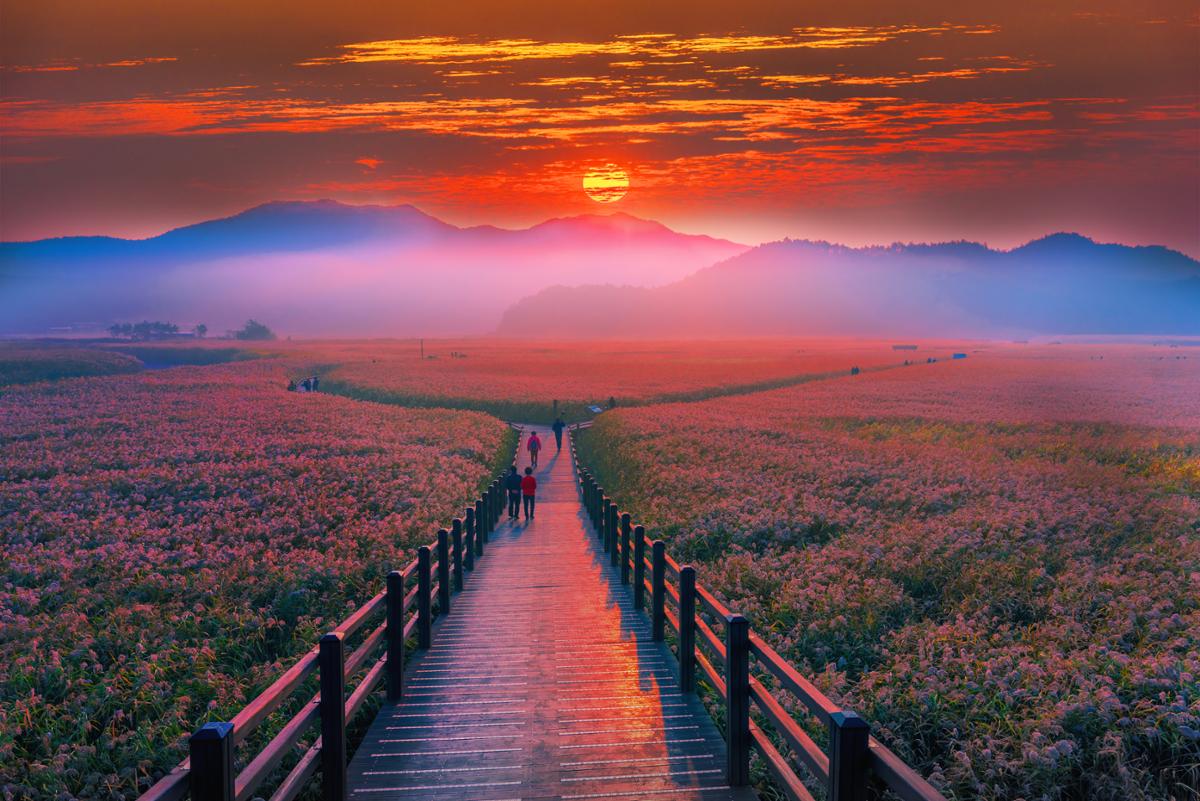
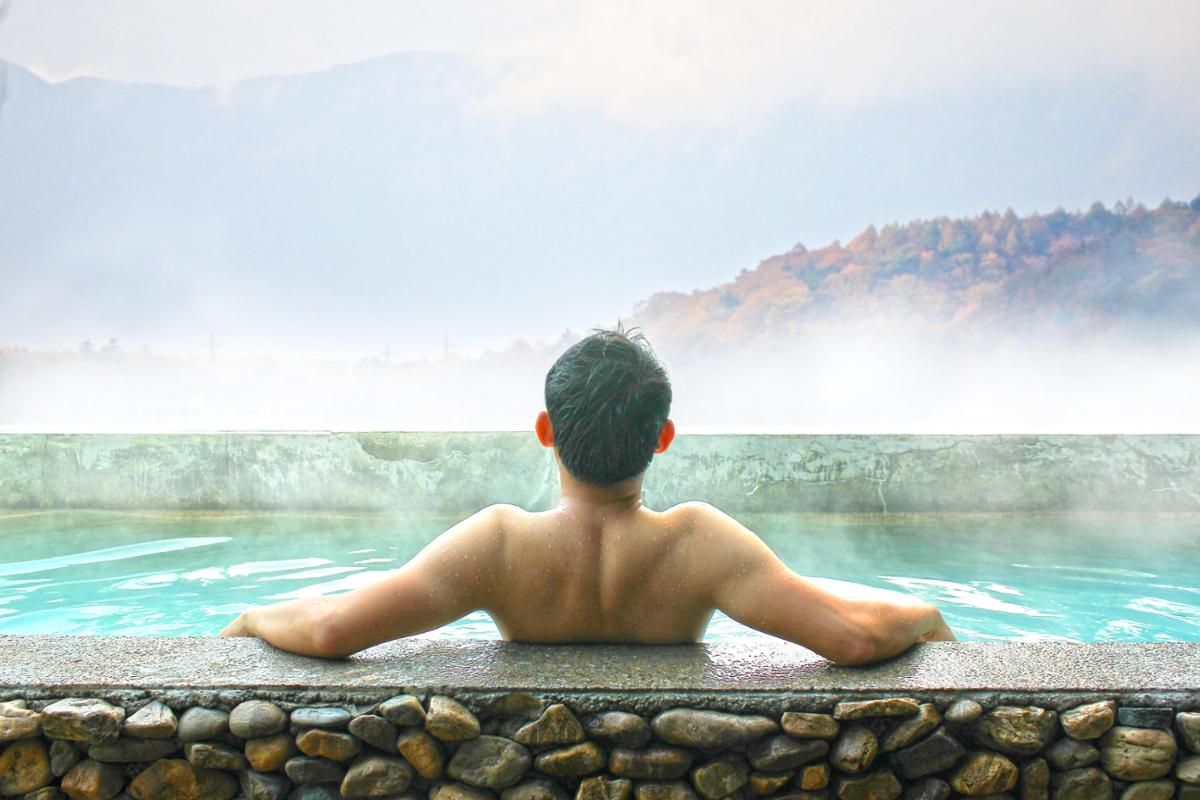
Space to grow: there’s little spa development in rural areas at the moment / photo: chanchai duangdoosan
Although K-Pop and K-Beauty have hit the mainstream, much of Korean culture is still under-represented, including Korean wellness. But wellness has existed in Korea for more than 5,000 years and South Korea has the potential to be the next up-and-coming destination for wellness investors and operators. With a strong influence from shamanism, it’s typically known as traditional Korean medicine (TKM) and is similar to traditional Chinese medicine. South Korea is ready for wellness development and investment because of its distinctive natural attributes and traditions that lend themselves to the creation of new wellness customer journeys.
In addition to TKM, significant draws include an abundance of natural hot springs, salt farms, a history of healthy cuisine and a high concentration of sacred sites. South Korea has many beautiful myths associated with the landscape and is known as a country with great chi. This lays an excellent foundation for brand storytelling that can be translated into every detail of a retreat. Creating a sense of place can help to create a much more impactful experience, because it’s clear guests are being immersed in a healing landscape as soon as they arrive.
The country’s culture of public bathing already runs deep in its DNA, with bathhouses used as a social space for people to relax together. In the early 90s, this public bath concept was transformed into a new form called ‘jjimjilbang’. This introduced a range of saunas with varying temperatures, as well as sleeping areas and F&B outlets.
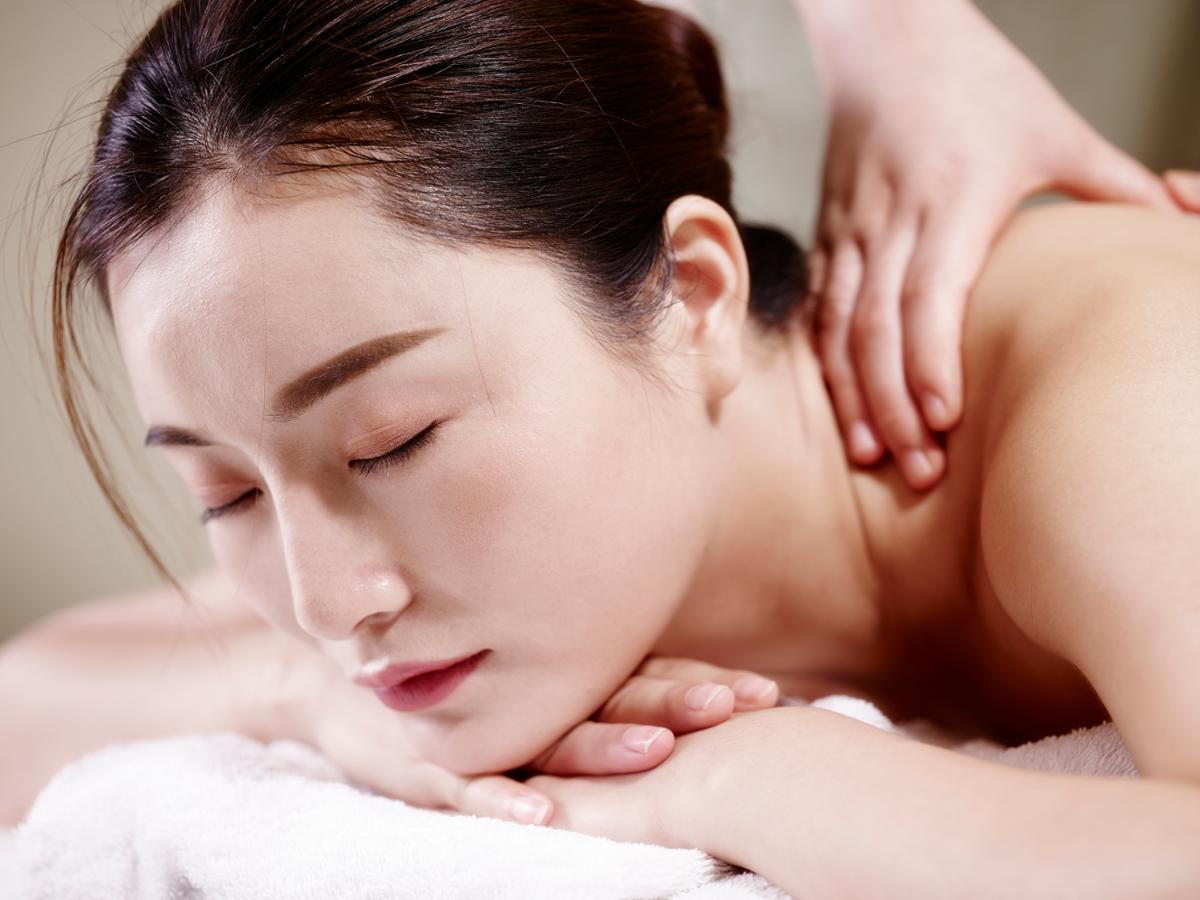
South Koreans tend to gravitate towards wellness offerings backed by medicine, whether this is TKM or Western medicine. However, acupuncture, cupping and boyak (a customised herb medicine to balance energy) are also very popular activities. Sound healing, yoga, IV therapy, ayurveda and immunity-focused experiences, in particular involving crystals, are also popular.
Most investment into wellness is funded by domestic companies to create more jjimjilbangs and hotel spas in urban areas, but there’s a growing demand for rural retreats as people look to de-stress further afield from their busy daily lives. If investors branch into more rural areas, the development costs will be lower in comparison with city space, and ROI could be just as good.
The most important thing for the South Korean wellness market to take off is a change in mindset. Developers need to break away from their comfort zone and look at the country’s natural assets to harness its full potential as a wellness destination.
Furthermore, if the country can blend its beautiful traditional healing rituals with its natural healing assets, it will attract both domestic and international tourists by offering distinctively Korean wellness experiences that can only be felt authentically in the country.
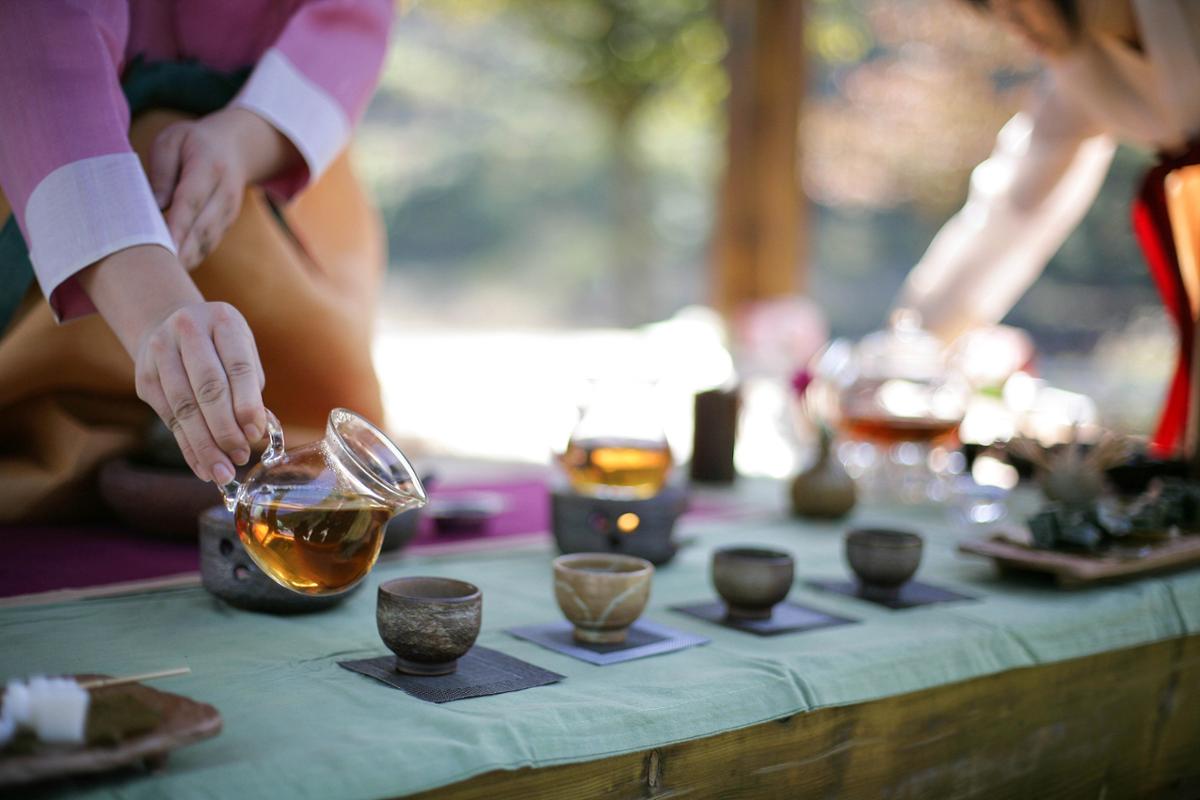
Investors should focus on bringing a destination wellness offering that offers the usual aspects of wellness programming, but also provides something that can only be found or experienced in South Korea. For example, a full-moon meditation and halotherapy ritual on a salt farm, body scrub rituals at jjimjilbangs, a customised TKM tea ceremony or culinary experience of Korean Buddhist food.
These unique offerings will attract adventurous travellers who are curious about Korean wellness. If there’s a buzz from domestic consumers, this will then catch the attention of the international market too.
About the author:
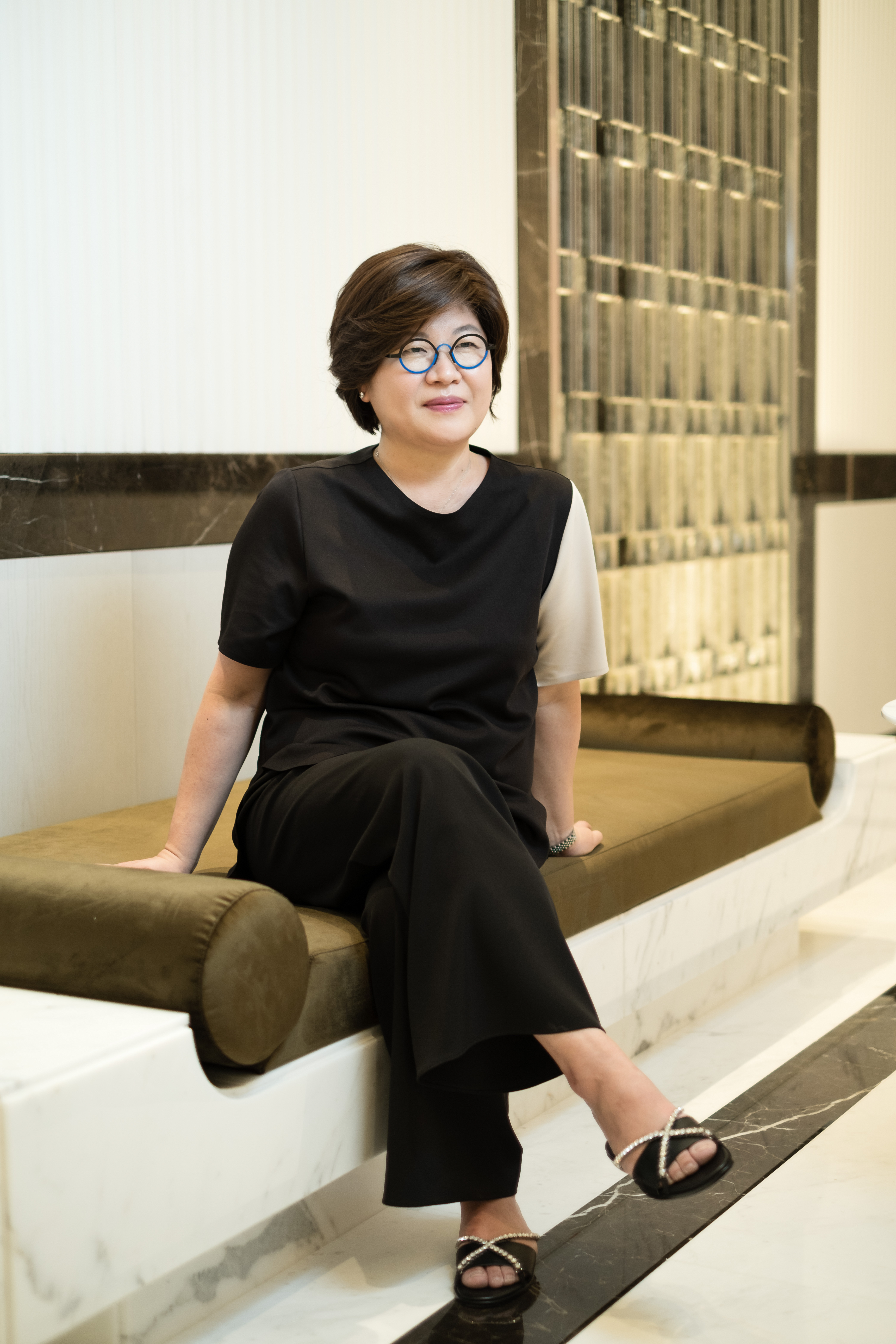
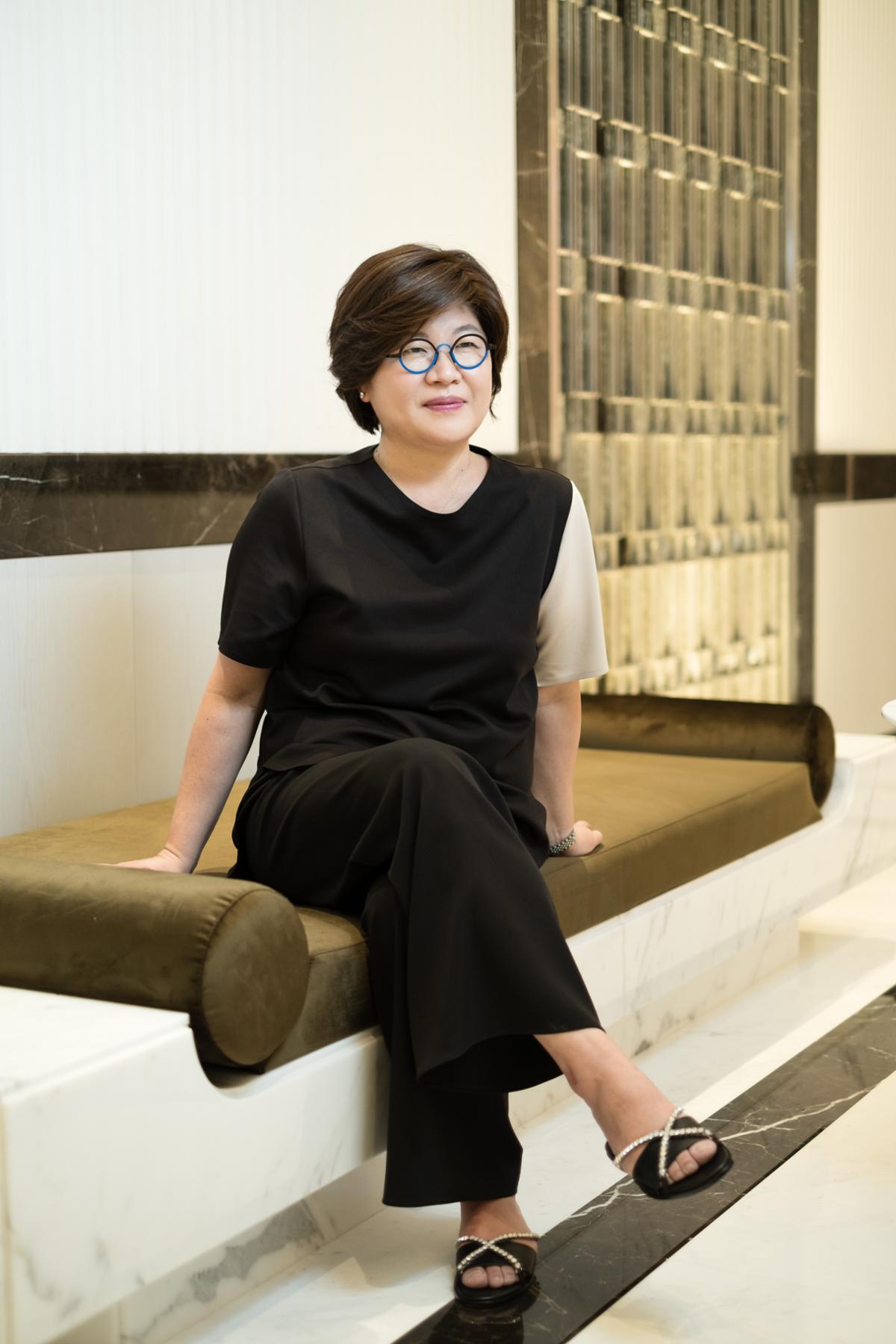
Leekyung Han is founder and managing director of Seoul-based Polaris Advisor. Before founding Polaris, she served as head of real estate development at China’s new wellness community, Sangha by Octave Living.
The Spa Life UK Convention returns from 21–23 June 2026 at Whittlebury Park Hotel, Spa &
Golf Resort, bringing together spa managers, directors and owners for two days of focused
education, meaningful connection and commercial insight. [more...]
+ More featured suppliers
COMPANY PROFILES
The Wellness
Founded in 2007, headquartered in Dubai and based in Hong Kong and Singapore, The Wellness is an int [more...]
Comfort Zone
Comfort Zone’s comprehensive face and body professional and retail range allows clients
to experien [more...]
South Korea has the potential to be the next
up-and-coming destination for wellness,
says Leekyung Han. Investors and
developers should be paying attention
Space to grow: there’s little spa development in rural areas at the moment / photo: chanchai duangdoosan
Although K-Pop and K-Beauty have hit the mainstream, much of Korean culture is still under-represented, including Korean wellness. But wellness has existed in Korea for more than 5,000 years and South Korea has the potential to be the next up-and-coming destination for wellness investors and operators. With a strong influence from shamanism, it’s typically known as traditional Korean medicine (TKM) and is similar to traditional Chinese medicine. South Korea is ready for wellness development and investment because of its distinctive natural attributes and traditions that lend themselves to the creation of new wellness customer journeys.
In addition to TKM, significant draws include an abundance of natural hot springs, salt farms, a history of healthy cuisine and a high concentration of sacred sites. South Korea has many beautiful myths associated with the landscape and is known as a country with great chi. This lays an excellent foundation for brand storytelling that can be translated into every detail of a retreat. Creating a sense of place can help to create a much more impactful experience, because it’s clear guests are being immersed in a healing landscape as soon as they arrive.
The country’s culture of public bathing already runs deep in its DNA, with bathhouses used as a social space for people to relax together. In the early 90s, this public bath concept was transformed into a new form called ‘jjimjilbang’. This introduced a range of saunas with varying temperatures, as well as sleeping areas and F&B outlets.
South Koreans tend to gravitate towards wellness offerings backed by medicine, whether this is TKM or Western medicine. However, acupuncture, cupping and boyak (a customised herb medicine to balance energy) are also very popular activities. Sound healing, yoga, IV therapy, ayurveda and immunity-focused experiences, in particular involving crystals, are also popular.
Most investment into wellness is funded by domestic companies to create more jjimjilbangs and hotel spas in urban areas, but there’s a growing demand for rural retreats as people look to de-stress further afield from their busy daily lives. If investors branch into more rural areas, the development costs will be lower in comparison with city space, and ROI could be just as good.
The most important thing for the South Korean wellness market to take off is a change in mindset. Developers need to break away from their comfort zone and look at the country’s natural assets to harness its full potential as a wellness destination.
Furthermore, if the country can blend its beautiful traditional healing rituals with its natural healing assets, it will attract both domestic and international tourists by offering distinctively Korean wellness experiences that can only be felt authentically in the country.
Investors should focus on bringing a destination wellness offering that offers the usual aspects of wellness programming, but also provides something that can only be found or experienced in South Korea. For example, a full-moon meditation and halotherapy ritual on a salt farm, body scrub rituals at jjimjilbangs, a customised TKM tea ceremony or culinary experience of Korean Buddhist food.
These unique offerings will attract adventurous travellers who are curious about Korean wellness. If there’s a buzz from domestic consumers, this will then catch the attention of the international market too.
About the author:
Leekyung Han is founder and managing director of Seoul-based Polaris Advisor. Before founding Polaris, she served as head of real estate development at China’s new wellness community, Sangha by Octave Living.
Global Wellness Day (GWD) will mark its 15th anniversary on Saturday 13 June 2026, with the
theme: #JoyMagenta – a celebration of the healing qualities of simple gestures and activities
that spark joy.
Global luxury hospitality brand, Six Senses, has partnered with longevity healthcare provider,
HUM2N, to launch a clinic at Six Senses London, at The Whiteley.
As part of its first hotel partnership, Mayrlife – the medical health resort company known for its
site in Altaussee, Austria – has launched a day clinic at the Rosewood Vienna.
Premium London health club, KX Chelsea, will imminently unveil its most significant
redevelopment since its launch in 2002 to create an integrated wellness model combining
training, recovery and relaxation.
Rosewood Le Guanahani St Barth, on the northeast coast of Saint Barthélemy in the French
West Indies, is offering a programme of ocean-inspired yoga classes between 8-14 June to
celebrate Global Wellness Day (GWD).
Hotel de France, located on the British Isle of Jersey, has created a wellness retreat package
that includes a hot yoga session that will take place in Jersey Zoo’s butterfly sanctuary.
The Ritz-Carlton, Langkawi, in Malaysia, has revealed a schedule for Global Wellness Day
(GWD) that includes guided rainforest walks, mindful movement and guided coastal meditation
experiences.
Longevitix, a clinical platform for preventive and longevity medicine, has launched its AI-
powered intelligence system to help physicians deliver continuous, personalised longevity-
focused care at scale.
Atmantan Wellness Centre, an integrative wellness destination in Mulshi, near Pune in India, is
expanding its portfolio by adding a new centre in Hyderabad that will launch between 2028 and
2029.
The Spa Life UK Convention returns from 21–23 June 2026 at Whittlebury Park Hotel, Spa &
Golf Resort, bringing together spa managers, directors and owners for two days of focused
education, meaningful connection and commercial insight. [more...]
+ More featured suppliers
COMPANY PROFILES
The Wellness Founded in 2007, headquartered in Dubai and based in Hong Kong and Singapore, The Wellness is an int [more...]