Linda Conlon, a longtime champion of science centres, talks about the issues impacting the attractions industry, including migration and workplace diversity, warning it’s time to strategise for a different future
By Alice Davis | Published in Attractions Management 2016 issue 4
When Attractions Management caught up with Linda Conlon, CEO of the International Centre for Life (LIFE) science centre and chair of the Association of Science and Technology Centres (ASTC), she had just returned from the organisation’s annual conference in Tampa, Florida. The conference, which was attended by more than 1,700 delegates from 45 countries, is an important opportunity for members of the science centres and museums community to network, learn, exchange ideas and debate the issues of the day.
And there’s no shortage of issues to discuss – many of them impacting (or set to impact) huge swathes of people and even humanity itself. Climate change, migration, war, mass inequality, water and energy crises, the ageing global population; these are problems that science centres and museums tackle on a daily basis.
“When I gave my speech at the ASTC conference, I said that the pace of change in the world has accelerated to the point where it’s becoming critical,” says Conlon, from her Newcastle office. “And I would say that the burning topic for the sector is globalisation and changing audiences.”
Science centres, of all the attractions sectors, are uniquely placed to address these global and local issues. It is part of their mission, and by design they must tackle such topics in an impartial, evidence-based and educational way. But, it’s also time to take stock of how these changes are affecting science attractions – in fact, all types of attractions – themselves.
Tipping point “The world is on the move and globalisation brings tremendous benefits, but it also brings challenges,” Conlon says, reminding us that one of the principal drivers behind Britain’s vote to leave the EU was the issue of immigration.
“Every business – not just attractions – has to reassess its model because the audiences are going to change in a relatively short period of time,” she says. “The business model of today may not be fit for purpose tomorrow. We’re going to come to a tipping point where the majority audience of today is going to be the minority audience of tomorrow.”
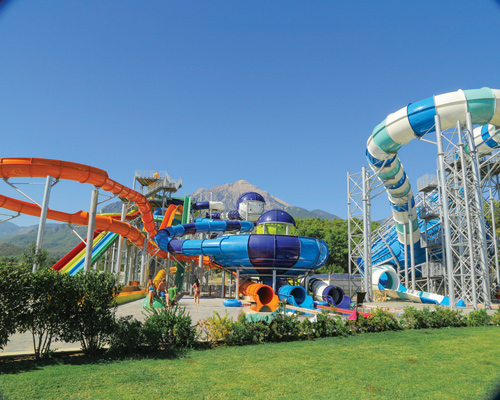
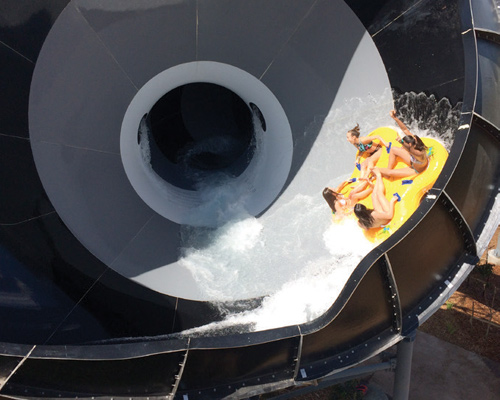
Reexamining who a business or an organisation actually serves is a huge undertaking, but a vital one. Conlon points out that if the demographics of your community are going to change radically, you need to make sure you know how to communicate with and cater for those people. Some attractions are already doing this. There are art galleries that run special programmes focused on visitors who suffer from dementia – catering to an ageing audience. There are waterparks that offer ladies-only sessions and sell burkinis and modest swimwear – catering to an increasingly multicultural audience.
Conlon likes looking at megatrends, defined as huge, decades-long shifts in environmental, social and economic conditions that will substantially change the way people live and have an impact on everyone. The world getting older is one.
Redefining the visitor Always ready with facts and statistics, Conlon says that in 2012, 11 per cent of the world’s population was over 60. By 2050 it’s going to double to 22 per cent. She says we’ve reached “peak child” – a term coined by statistician Hans Rosling.
“There’ll never be more children in the world than there are today. That’s quite a staggering thing, isn’t it? We’ve reached peak child,” she says. “Soon, 90 per cent of the global youth population will be in developing countries. Is it going to be possible to integrate these young people into saturated labour markets? Are those young people going to stay or seek work elsewhere? What all of that means for people in leisure, not just science centres, is we’re going to have to start redefining our definition of the typical visitor.
“Does it mean that we need to start thinking more about older people? Does it mean that our workforce is going to be made up of older people? And that brings us back to the argument about audiences – and workforces – being increasingly diverse because people are moving round the world more than they’ve ever done.”
There are examples of actions sciences museums are taking to address these matters at grassroots level. In Munich, Germany, the Deutsches Museum is responding to the refugee crisis by offering German lessons and workshops. At the Explora science centre in Albuquerque, New Mexico, efforts have been made to engage with – and employ – people from Mexican, Vietnamese and Chinese immigrant groups in the community, showing diversity of staff is as important as diversity of visitors.
“It seems to be a success. Visitors liked that there were people like them working there,” she says. It’s more than being accessible to everyone, it’s about being relevant to everyone and that’s “a big ask”.
Living LIFE But how about closer to home? Conlon, who in 2015 received an MBE for her services to science, is highly regarded for the success she has made of the Newcastle attraction. With a background in regional development and large-scale urban regeneration projects, Conlon was able to nurture LIFE when other so-called “millennium projects” failed. LIFE receives no funding but manages to be 100 per cent financially self-sustaining thanks to its commercial partnerships.
LIFE is part of a £90m ($109m, €100m) science village, which has diversified to include a university medical research institute, two National Health Service (NHS) clinics, a fertility clinic that’s helped create more than 5,000 babies, biotechnology businesses, a nightclub and a pub. The science centre benefits from increased visitation because of these faculties and amenities, which draw in 500,000 people per year. They raise money, too – about 75 per cent of LIFE’s income is from rental from the pub and nightclub and leasing the outdoor square for concerts and events. (It’s an ice rink for three months each year.)
“In the UK, the wave of science centres that came into existence around the millennium has done an incredible job in being entrepreneurial in their approach,” Conlon says (see page 40). “They’re entrepreneurial because they have to be.
“LIFE is unusual in that our income is 100 per cent earned. This was inherent in the original concept and business model. Newcastle is not a big city. It doesn’t have a large population and it’s not a destination so it was absolutely critical to introduce complementary income generators.”
Conlon admits it’s an unusual mix of ventures in the village, but they work in synergy and attract different people.
“Every attraction works differently, but the key is to identify and establish a business model that is going to work for you, given the product that you have and the environment in which you operate.”
World Science Centre Day The international science centre community recently announced the first ever World Science Centre Day will be on 10 November to raise awareness of both individual attractions and their uniting missions. The news came after long talks between the ASTC and UNESCO. A “Year of the Science Centre” was considered, but they thought a one-day celebration every 12 months would pack more punch, with UNESCO willing to continue the initiative for years to come.
“We’ve been wanting to do something of global stature for some time. It’s about getting greater recognition for science centres and a recognition of the role they play in helping to address some of the really critical issues facing the world.”
UNESCO’s Sustainable Development Goals are designed to improve education and alleviate societal inequalities, protect the environment and the oceans and preserve culture and heritage for future generations. Conlon says science centres have long been addressing these issues, whether looking at gender equality, health and wellbeing, clean energy, climate change, sustainable cities or numerous other universal topics. “All of the goals as expressed through UNESCO are things that science centres are already doing.”
Every science centre in the world is invited to sign up to do something to celebrate on 10 November, with a few hundred ASTC members set to participate. There will be a high-level forum in Paris, with UNESCO’s director general Irina Bokova in attendance – “quite a coup,” says Conlon – and live video links to science centres around the world.
Looking further forward in the diary, Conlon is involved in the triennial Science Centre World Summit, which is coming to the Miraikan science centre, Tokyo, in November 2017. The super-conference is led by ASTC in association with Ecsite and ASPAC, making it a truly global occasion.
“It’s an opportunity for us to elevate ourselves from the everyday and to look at things from an international point of view, look at things strategically,” Conlon says. “We bring in significant external speakers – commentators, science communicators, politicians, business people – so that it’s not simply the field looking in on itself, we’re getting the perspective of external parties as well. It’s a big event for us.”
Read more from this issue of Spa Business magazine
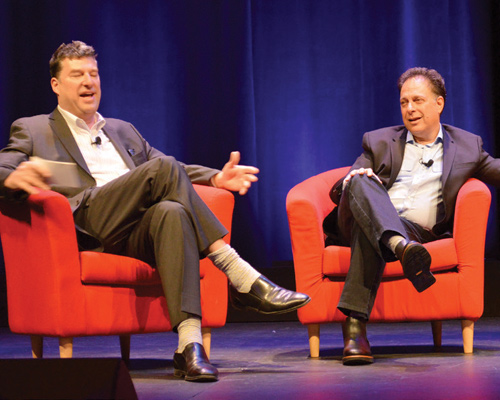
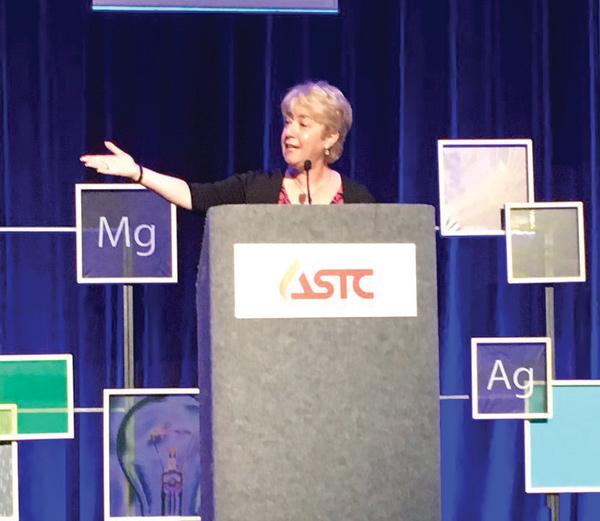
Linda Conlon warns of a post-Brexit “new divide” in a recent speech
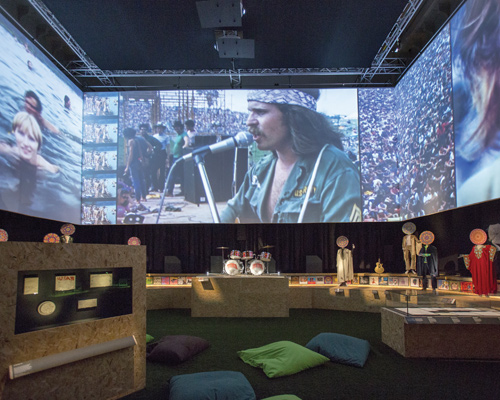
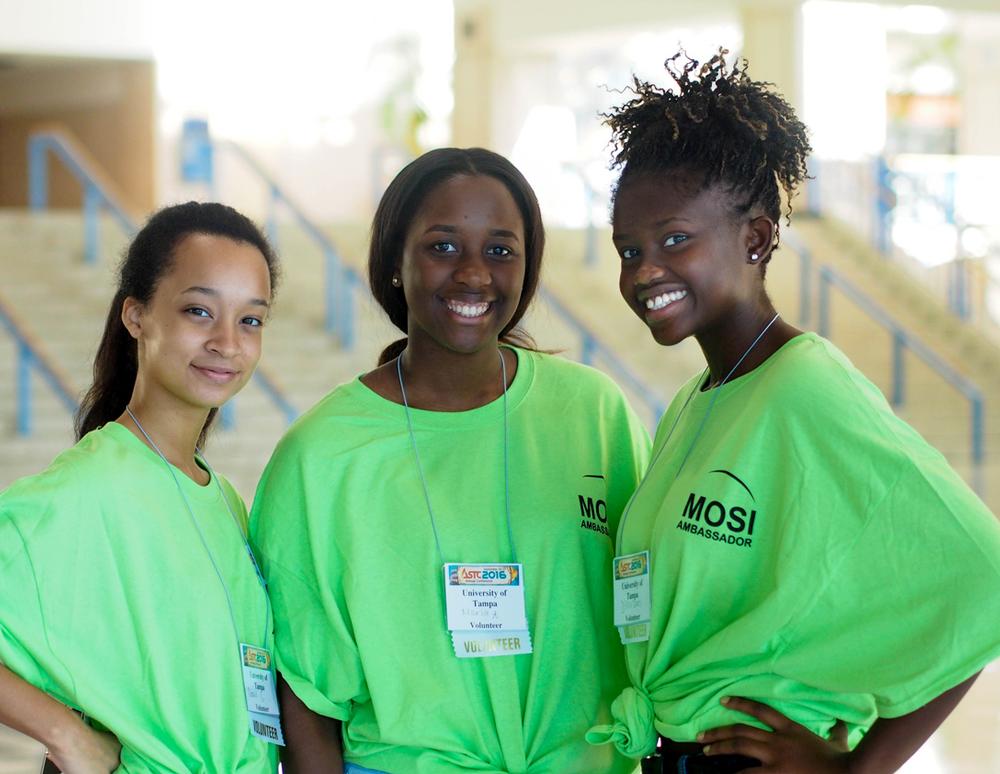
This year’s ASTC Conference was held at the Museum of Science and Industry (MOSI) in Tampa, Florida
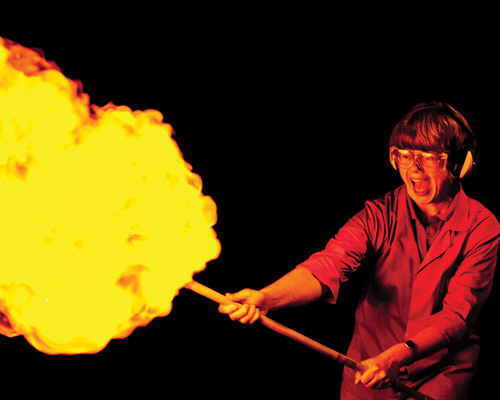
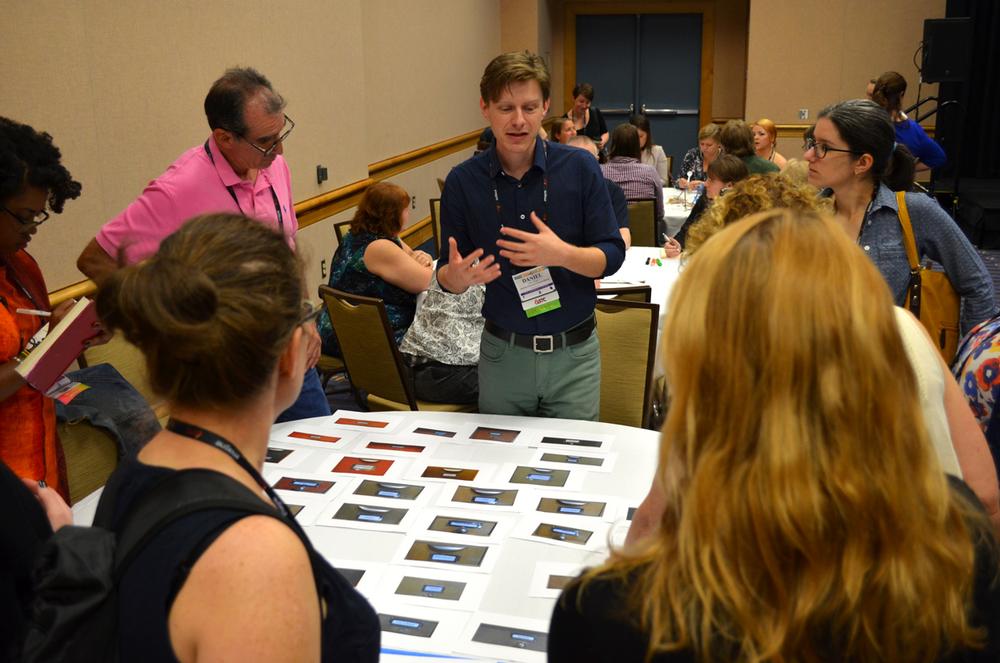
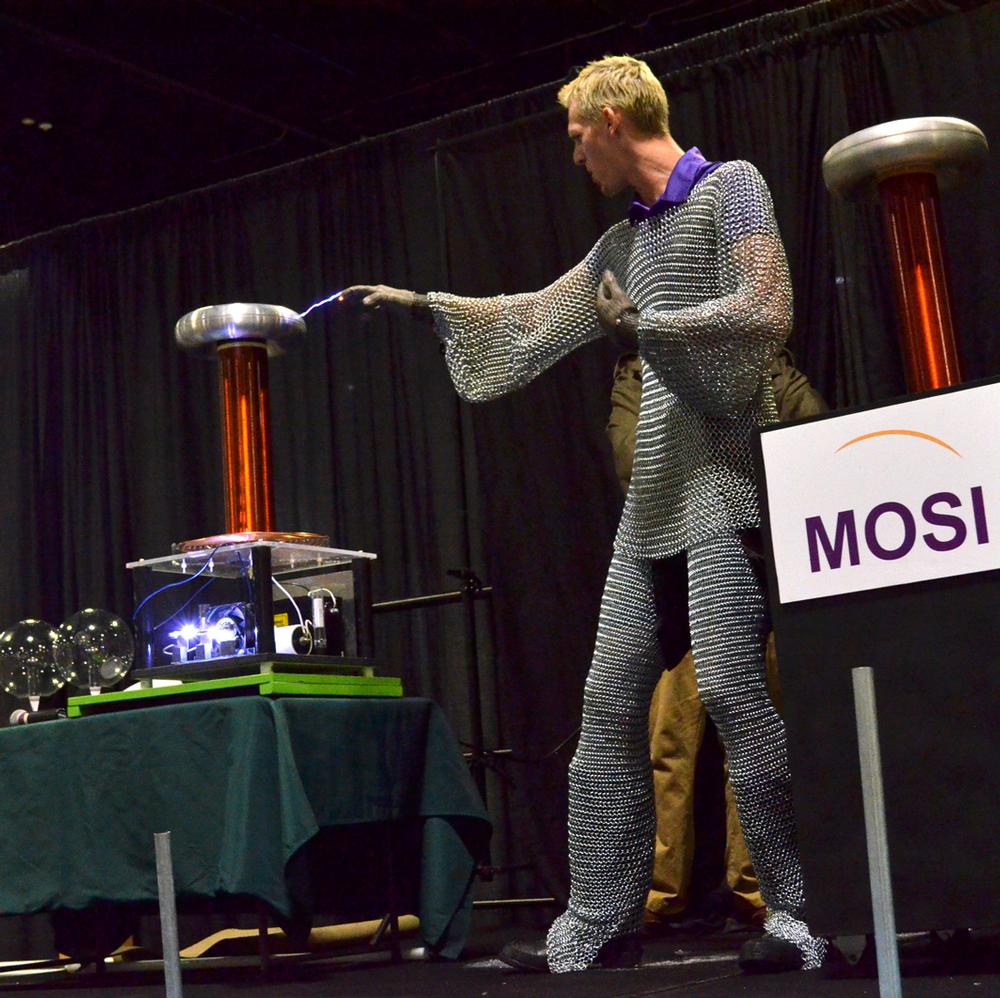
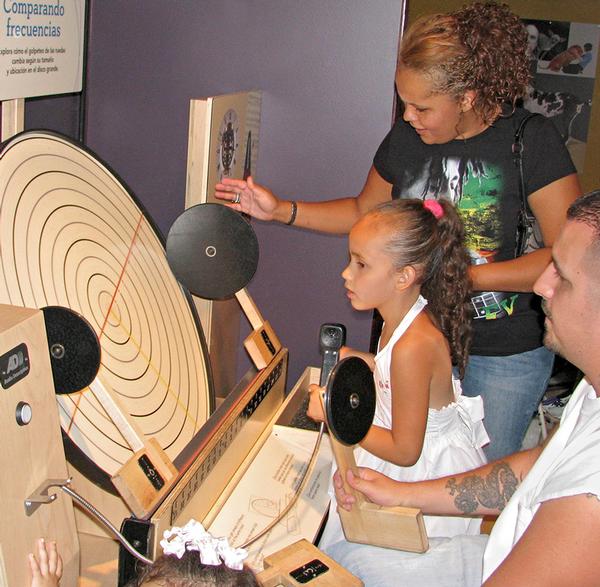
The event featured workshops and live demos, while seminars covered diverse topics, including transgender visitors, the migrant crisis and fundraising trends
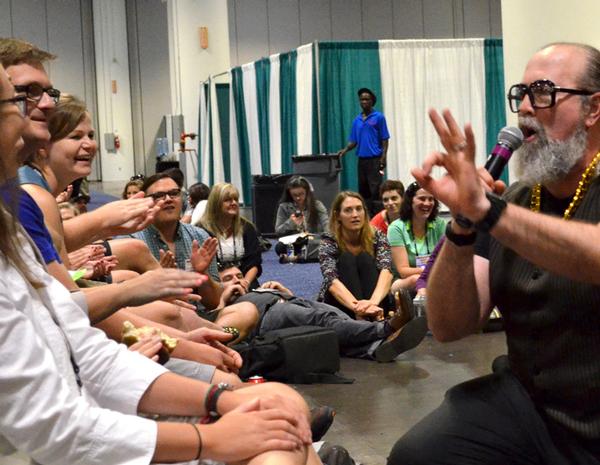
The event featured workshops and live demos, while seminars covered diverse topics, including transgender visitors, the migrant crisis and fundraising trends
The event featured workshops and live demos, while seminars covered diverse topics, including transgender visitors, the migrant crisis and fundraising trends
Refugee children take part in Deutsches Museum’s Science Without Borders programme
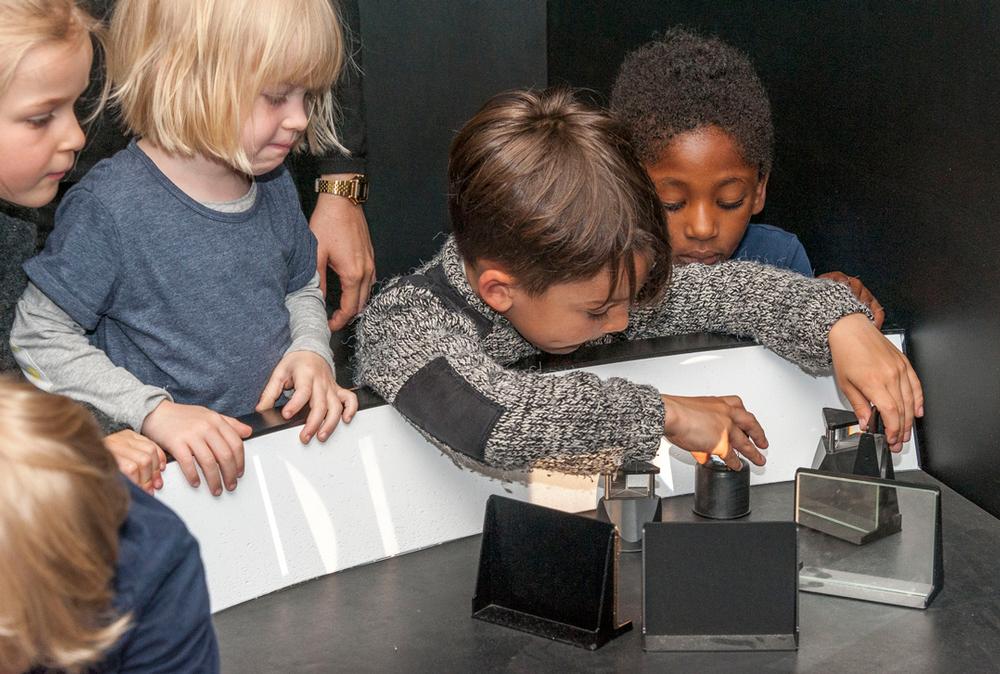
Explora adopts a “listen, welcome, co-create” approach to collaborating with diverse audiences
Explora adopts a “listen, welcome, co-create” approach to collaborating with diverse audiences
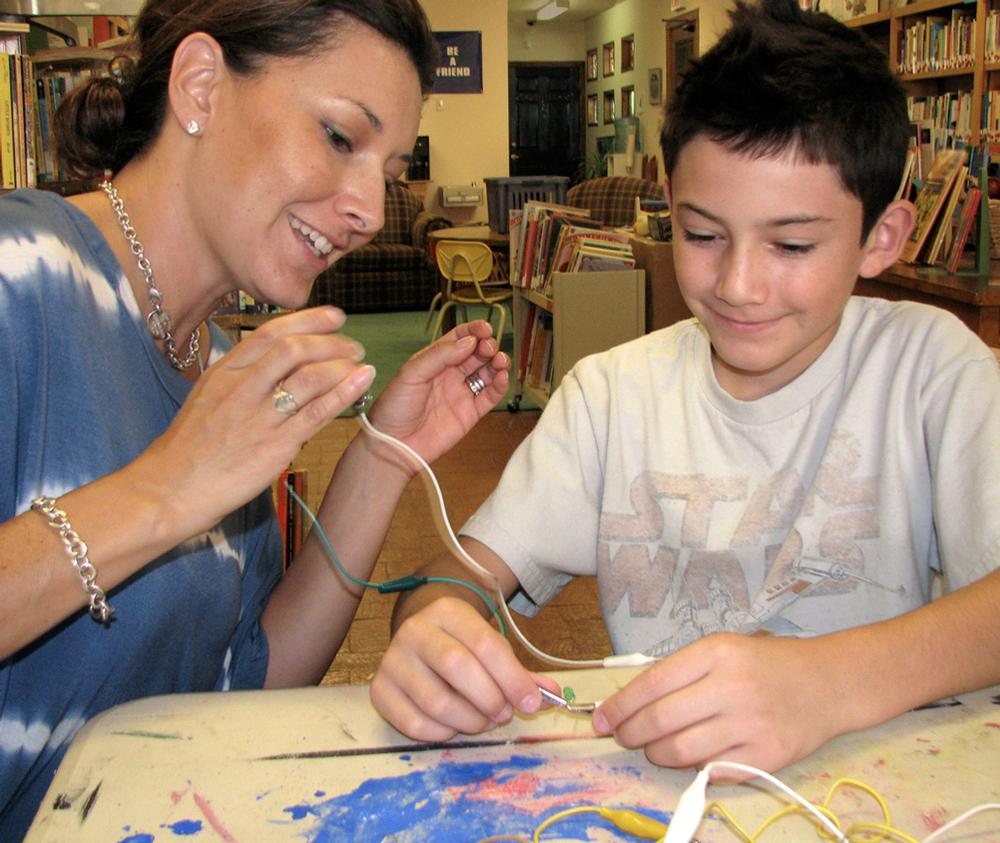
LIFE offers adults-only workshops / IMAGES: North News & Pictures Ltd
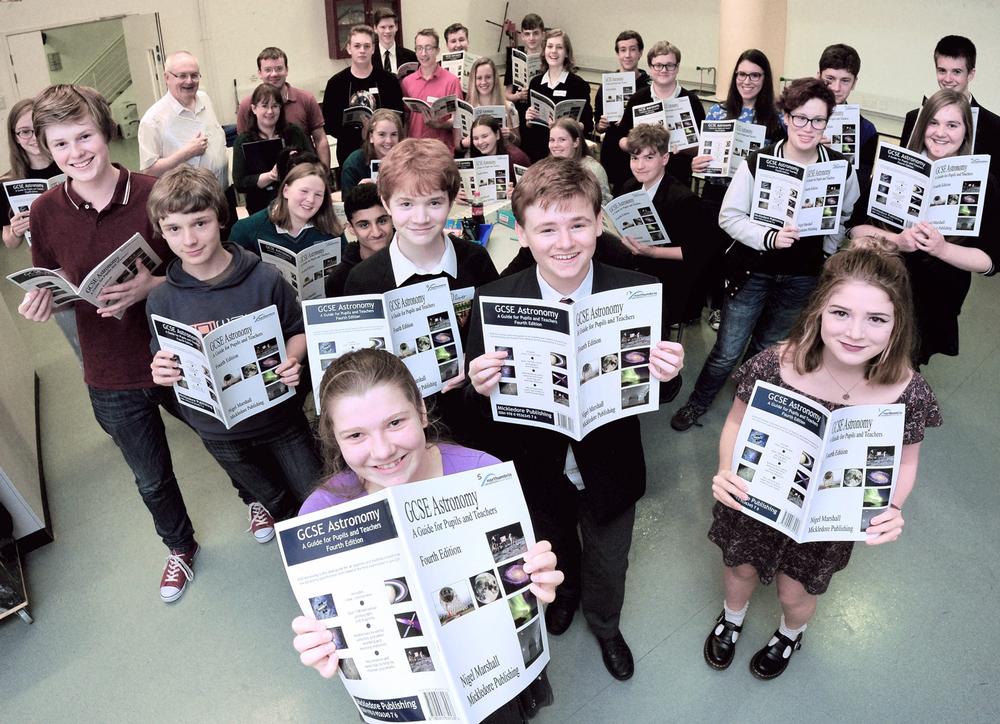
LIFE offers GCSE Astronomy classes / IMAGES: North News & Pictures Ltd
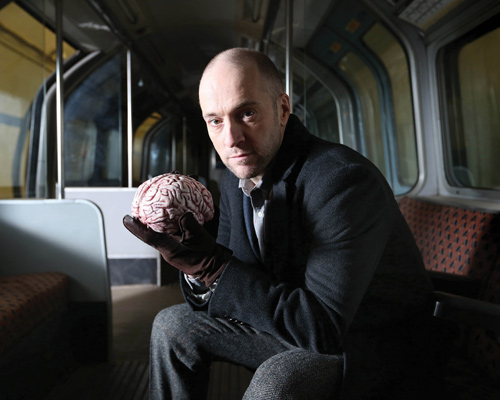
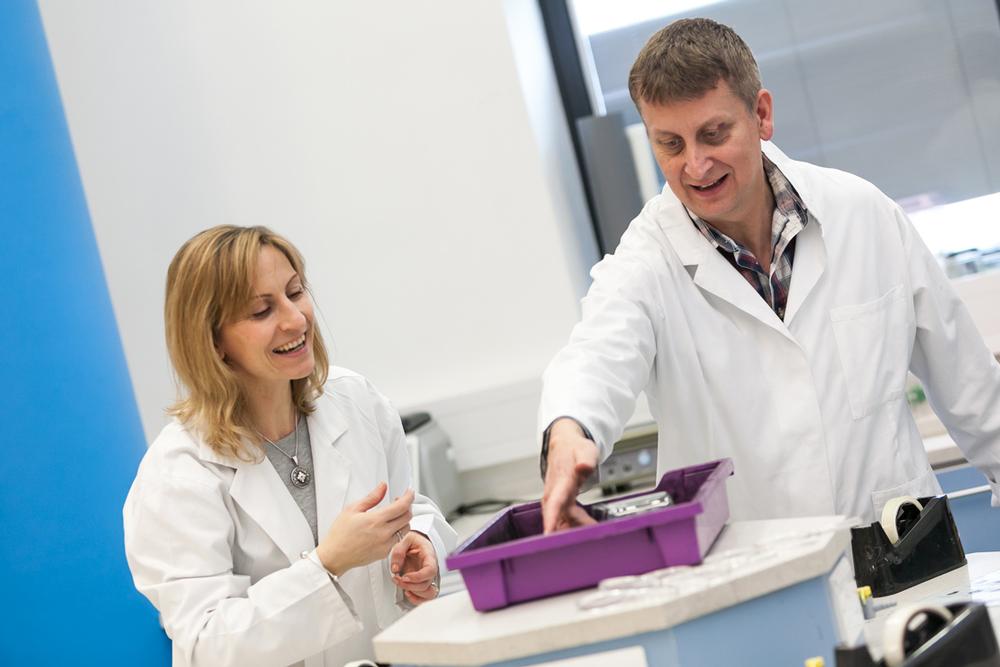
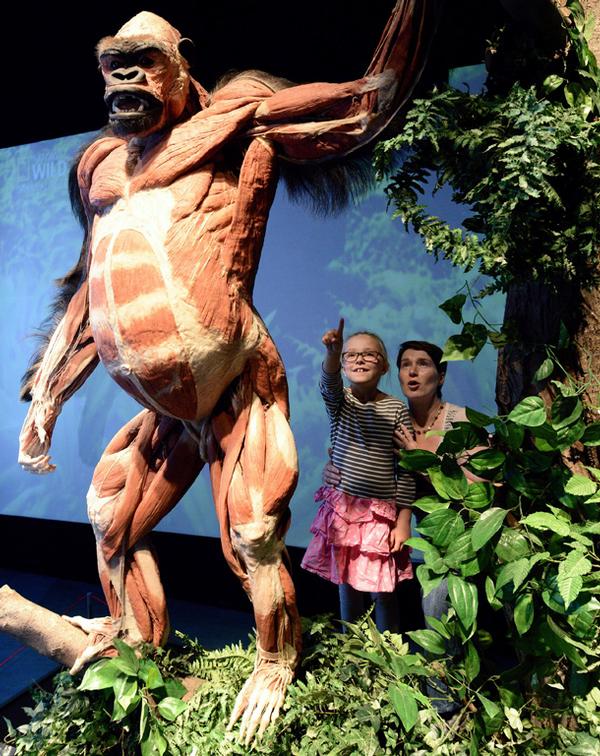
Animal Inside Out is a major travelling exhibition currently on show at LIFE / IMAGES: North News & Pictures Ltd
Linda Conlon, a longtime champion of science centres, talks about the issues impacting the attractions industry, including migration and workplace diversity, warning it’s time to strategise for a different future
By Alice Davis | Published in Attractions Management 2016 issue 4
When Attractions Management caught up with Linda Conlon, CEO of the International Centre for Life (LIFE) science centre and chair of the Association of Science and Technology Centres (ASTC), she had just returned from the organisation’s annual conference in Tampa, Florida. The conference, which was attended by more than 1,700 delegates from 45 countries, is an important opportunity for members of the science centres and museums community to network, learn, exchange ideas and debate the issues of the day.
And there’s no shortage of issues to discuss – many of them impacting (or set to impact) huge swathes of people and even humanity itself. Climate change, migration, war, mass inequality, water and energy crises, the ageing global population; these are problems that science centres and museums tackle on a daily basis.
“When I gave my speech at the ASTC conference, I said that the pace of change in the world has accelerated to the point where it’s becoming critical,” says Conlon, from her Newcastle office. “And I would say that the burning topic for the sector is globalisation and changing audiences.”
Science centres, of all the attractions sectors, are uniquely placed to address these global and local issues. It is part of their mission, and by design they must tackle such topics in an impartial, evidence-based and educational way. But, it’s also time to take stock of how these changes are affecting science attractions – in fact, all types of attractions – themselves.
Tipping point “The world is on the move and globalisation brings tremendous benefits, but it also brings challenges,” Conlon says, reminding us that one of the principal drivers behind Britain’s vote to leave the EU was the issue of immigration.
“Every business – not just attractions – has to reassess its model because the audiences are going to change in a relatively short period of time,” she says. “The business model of today may not be fit for purpose tomorrow. We’re going to come to a tipping point where the majority audience of today is going to be the minority audience of tomorrow.”
Reexamining who a business or an organisation actually serves is a huge undertaking, but a vital one. Conlon points out that if the demographics of your community are going to change radically, you need to make sure you know how to communicate with and cater for those people. Some attractions are already doing this. There are art galleries that run special programmes focused on visitors who suffer from dementia – catering to an ageing audience. There are waterparks that offer ladies-only sessions and sell burkinis and modest swimwear – catering to an increasingly multicultural audience.
Conlon likes looking at megatrends, defined as huge, decades-long shifts in environmental, social and economic conditions that will substantially change the way people live and have an impact on everyone. The world getting older is one.
Redefining the visitor Always ready with facts and statistics, Conlon says that in 2012, 11 per cent of the world’s population was over 60. By 2050 it’s going to double to 22 per cent. She says we’ve reached “peak child” – a term coined by statistician Hans Rosling.
“There’ll never be more children in the world than there are today. That’s quite a staggering thing, isn’t it? We’ve reached peak child,” she says. “Soon, 90 per cent of the global youth population will be in developing countries. Is it going to be possible to integrate these young people into saturated labour markets? Are those young people going to stay or seek work elsewhere? What all of that means for people in leisure, not just science centres, is we’re going to have to start redefining our definition of the typical visitor.
“Does it mean that we need to start thinking more about older people? Does it mean that our workforce is going to be made up of older people? And that brings us back to the argument about audiences – and workforces – being increasingly diverse because people are moving round the world more than they’ve ever done.”
There are examples of actions sciences museums are taking to address these matters at grassroots level. In Munich, Germany, the Deutsches Museum is responding to the refugee crisis by offering German lessons and workshops. At the Explora science centre in Albuquerque, New Mexico, efforts have been made to engage with – and employ – people from Mexican, Vietnamese and Chinese immigrant groups in the community, showing diversity of staff is as important as diversity of visitors.
“It seems to be a success. Visitors liked that there were people like them working there,” she says. It’s more than being accessible to everyone, it’s about being relevant to everyone and that’s “a big ask”.
Living LIFE But how about closer to home? Conlon, who in 2015 received an MBE for her services to science, is highly regarded for the success she has made of the Newcastle attraction. With a background in regional development and large-scale urban regeneration projects, Conlon was able to nurture LIFE when other so-called “millennium projects” failed. LIFE receives no funding but manages to be 100 per cent financially self-sustaining thanks to its commercial partnerships.
LIFE is part of a £90m ($109m, €100m) science village, which has diversified to include a university medical research institute, two National Health Service (NHS) clinics, a fertility clinic that’s helped create more than 5,000 babies, biotechnology businesses, a nightclub and a pub. The science centre benefits from increased visitation because of these faculties and amenities, which draw in 500,000 people per year. They raise money, too – about 75 per cent of LIFE’s income is from rental from the pub and nightclub and leasing the outdoor square for concerts and events. (It’s an ice rink for three months each year.)
“In the UK, the wave of science centres that came into existence around the millennium has done an incredible job in being entrepreneurial in their approach,” Conlon says (see page 40). “They’re entrepreneurial because they have to be.
“LIFE is unusual in that our income is 100 per cent earned. This was inherent in the original concept and business model. Newcastle is not a big city. It doesn’t have a large population and it’s not a destination so it was absolutely critical to introduce complementary income generators.”
Conlon admits it’s an unusual mix of ventures in the village, but they work in synergy and attract different people.
“Every attraction works differently, but the key is to identify and establish a business model that is going to work for you, given the product that you have and the environment in which you operate.”
World Science Centre Day The international science centre community recently announced the first ever World Science Centre Day will be on 10 November to raise awareness of both individual attractions and their uniting missions. The news came after long talks between the ASTC and UNESCO. A “Year of the Science Centre” was considered, but they thought a one-day celebration every 12 months would pack more punch, with UNESCO willing to continue the initiative for years to come.
“We’ve been wanting to do something of global stature for some time. It’s about getting greater recognition for science centres and a recognition of the role they play in helping to address some of the really critical issues facing the world.”
UNESCO’s Sustainable Development Goals are designed to improve education and alleviate societal inequalities, protect the environment and the oceans and preserve culture and heritage for future generations. Conlon says science centres have long been addressing these issues, whether looking at gender equality, health and wellbeing, clean energy, climate change, sustainable cities or numerous other universal topics. “All of the goals as expressed through UNESCO are things that science centres are already doing.”
Every science centre in the world is invited to sign up to do something to celebrate on 10 November, with a few hundred ASTC members set to participate. There will be a high-level forum in Paris, with UNESCO’s director general Irina Bokova in attendance – “quite a coup,” says Conlon – and live video links to science centres around the world.
Looking further forward in the diary, Conlon is involved in the triennial Science Centre World Summit, which is coming to the Miraikan science centre, Tokyo, in November 2017. The super-conference is led by ASTC in association with Ecsite and ASPAC, making it a truly global occasion.
“It’s an opportunity for us to elevate ourselves from the everyday and to look at things from an international point of view, look at things strategically,” Conlon says. “We bring in significant external speakers – commentators, science communicators, politicians, business people – so that it’s not simply the field looking in on itself, we’re getting the perspective of external parties as well. It’s a big event for us.”
Read more from this issue of Spa Business magazine
Linda Conlon warns of a post-Brexit “new divide” in a recent speech
This year’s ASTC Conference was held at the Museum of Science and Industry (MOSI) in Tampa, Florida
The event featured workshops and live demos, while seminars covered diverse topics, including transgender visitors, the migrant crisis and fundraising trends
The event featured workshops and live demos, while seminars covered diverse topics, including transgender visitors, the migrant crisis and fundraising trends
The event featured workshops and live demos, while seminars covered diverse topics, including transgender visitors, the migrant crisis and fundraising trends
Refugee children take part in Deutsches Museum’s Science Without Borders programme
Explora adopts a “listen, welcome, co-create” approach to collaborating with diverse audiences
Explora adopts a “listen, welcome, co-create” approach to collaborating with diverse audiences
LIFE offers adults-only workshops / IMAGES: North News & Pictures Ltd
LIFE offers GCSE Astronomy classes / IMAGES: North News & Pictures Ltd
Animal Inside Out is a major travelling exhibition currently on show at LIFE / IMAGES: North News & Pictures Ltd
As part of its first hotel partnership, Mayrlife – the medical health resort company known for its
site in Altaussee, Austria – has launched a day clinic at the Rosewood Vienna.
Premium London health club, KX Chelsea, will imminently unveil its most significant
redevelopment since its launch in 2002 to create an integrated wellness model combining
training, recovery and relaxation.
Rosewood Le Guanahani St Barth, on the northeast coast of Saint Barthélemy in the French
West Indies, is offering a programme of ocean-inspired yoga classes between 8-14 June to
celebrate Global Wellness Day (GWD).
Hotel de France, located on the British Isle of Jersey, has created a wellness retreat package
that includes a hot yoga session that will take place in Jersey Zoo’s butterfly sanctuary.
The Ritz-Carlton, Langkawi, in Malaysia, has revealed a schedule for Global Wellness Day
(GWD) that includes guided rainforest walks, mindful movement and guided coastal meditation
experiences.
Longevitix, a clinical platform for preventive and longevity medicine, has launched its AI-
powered intelligence system to help physicians deliver continuous, personalised longevity-
focused care at scale.
Atmantan Wellness Centre, an integrative wellness destination in Mulshi, near Pune in India, is
expanding its portfolio by adding a new centre in Hyderabad that will launch between 2028 and
2029.
A recent survey by the UK Spa Association (UKSA) into the industry’s approach to cancer care
has revealed that almost half of participating respondents (46 per cent) are unaware that
cancer is a disability and guests with a cancer diagnosis must be given
Mexican operator, Solmar Hotels and Resorts, is hosting a series of events in celebration of
Global Wellness Day, including a Temazcal ceremony at its Playa Grande Resort and Spa in Los
Cabos.
Mandarin Oriental has announced a standalone residence brand, Mansions, which will debut at
Emirates Palace, Mandarin Oriental Mansions, Abu Dhabi, in 2029.