Yes! Send me the FREE digital editions of Spa Business and Spa Business insider magazines and the FREE weekly Spa Business and Spa Business insider ezines and breaking news alerts!
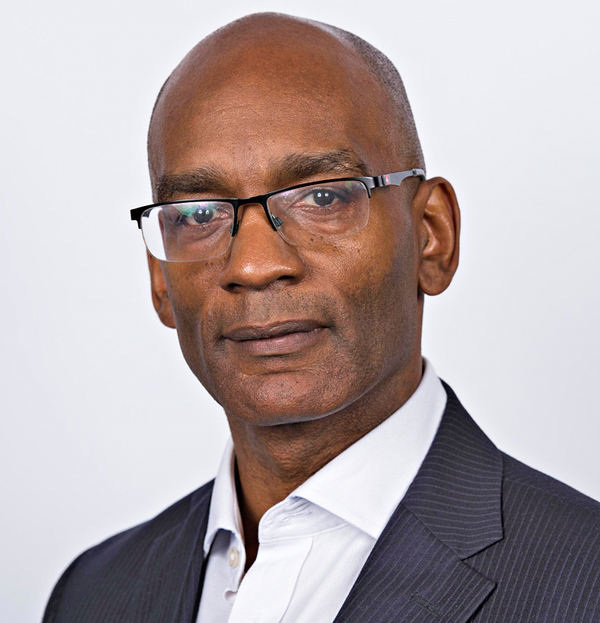
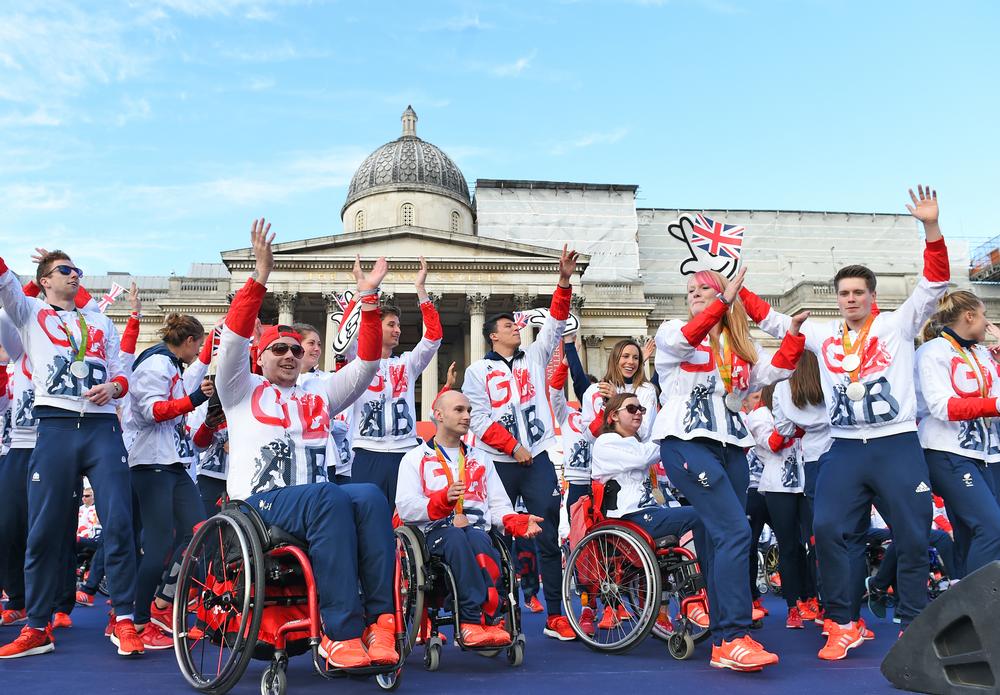
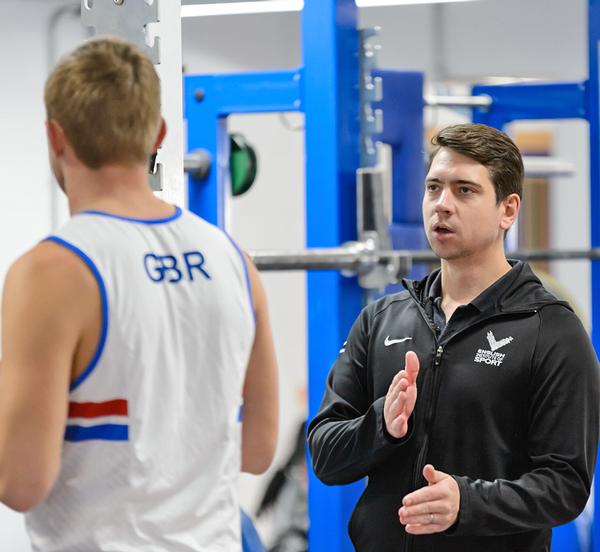
In the past decade, the English Institute of Sport has played a large part in the success of athletes from Great Britain at the Olympic and Paralympic Games. National Director Nigel Walker talks about the institute’s progress and his plans to build on it
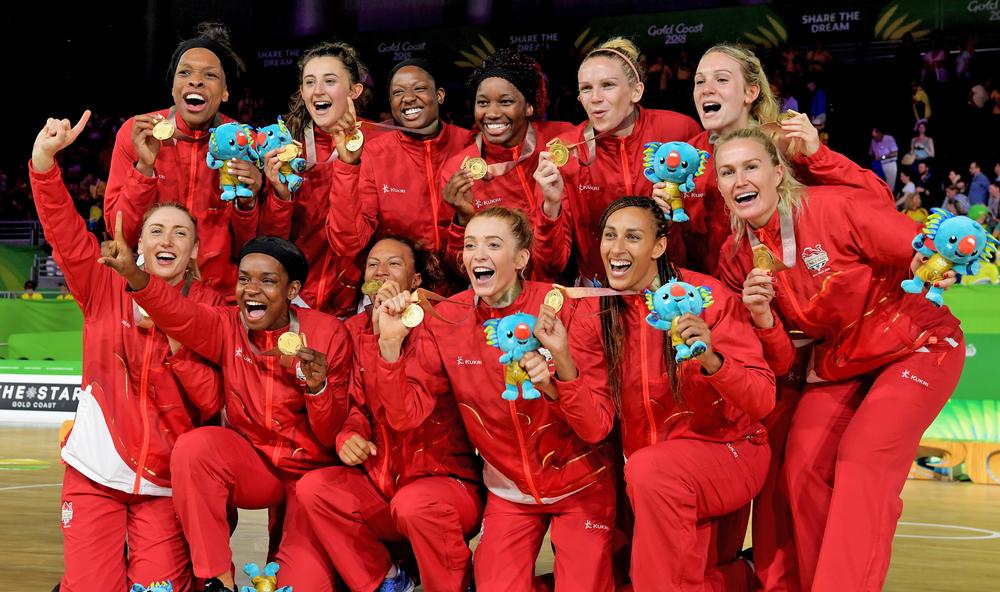
What exactly does the EIS cover? It’s quite broad, but in simple terms, we’re responsible for science, medicine, technology and engineering delivery to the British Olympic Team and the British Paralympic Team. We also work with a couple of English sports, netball and squash.
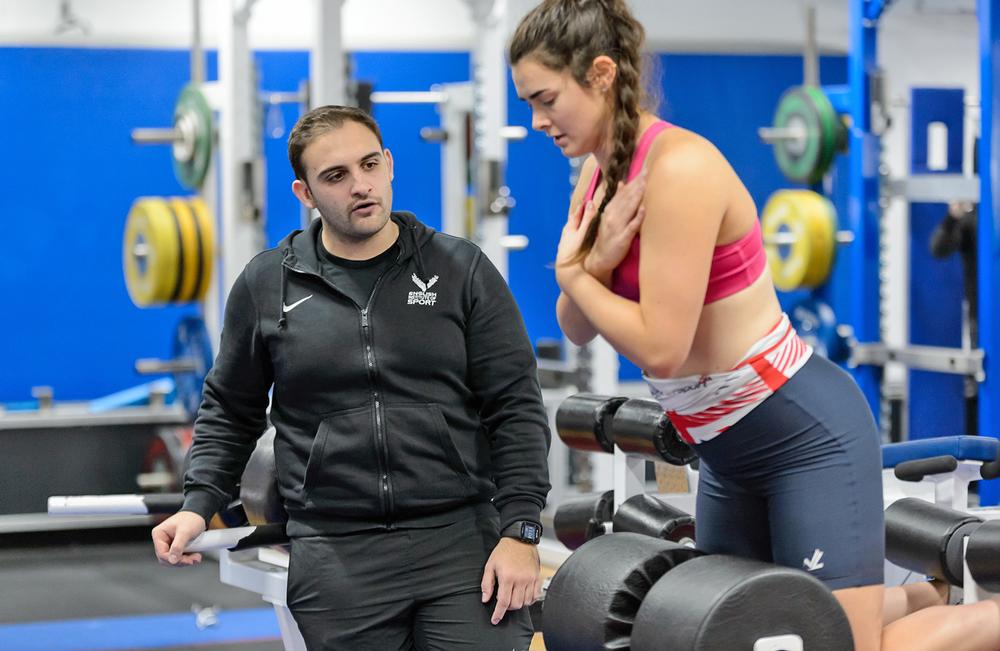
So, across the 30+ Olympic and Paralympic sports we provide science, which includes strength and conditioning coaches, physiotherapists, nutritionists, physiologists, psychologists, performance analysts, biomechanics and performance lifestyle, medicine and doctors.
The technology engineering could be as simple as aerodynamic helmets or suits for the cycling or skeleton team, or it could be the bikes or sleds themselves.
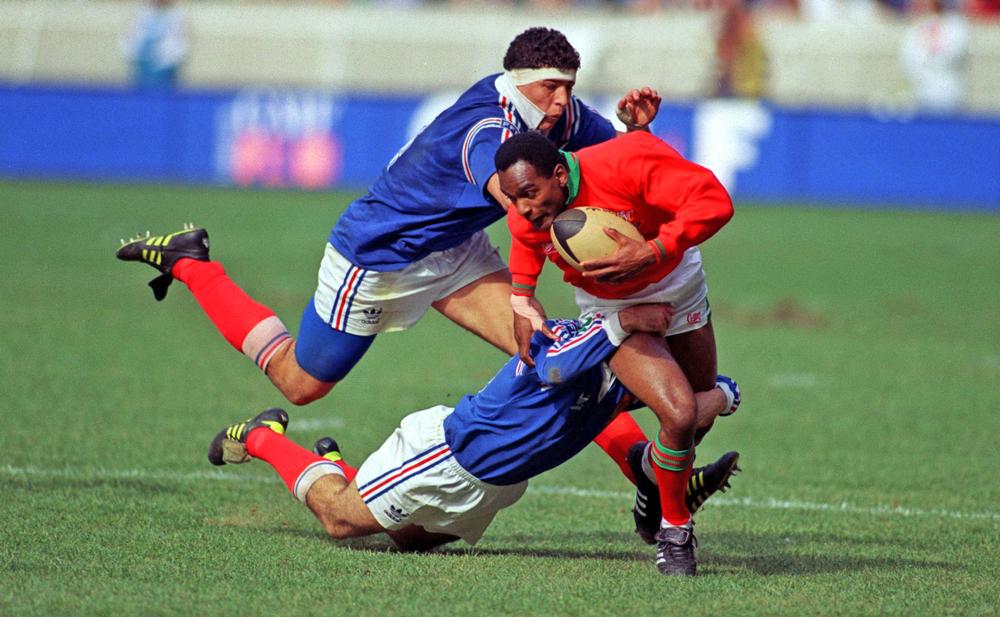
How did you come to head up the EIS? I’m a former track and field athlete, I ran for Great Britain in the Olympics and World Championships, then retired from athletics and took up rugby. I played rugby for six years, playing for Cardiff and Wales.
I then worked in broadcasting, as a commentator, presenter and reporter. After that, I worked for the BBC – I was head of sport at BBC Wales and I was also head of change and internal communication.
At the same time, I was a UK Sport board member and during this time the national director post at EIS came up and I was asked to apply, which I did. I became the national director in 2010.
How does your background as an athlete influence your role? As an athlete myself, and having been around Olympic and World Championship gold medallists, I feel I know what it takes for an athlete to be successful – even though it was quite a few years ago that I was competing. I always try to put the athlete and the coach first in everything we do and make it an athlete-centred and coach-centred approach to training and preparation, and I find that’s invaluable.
How has the organisation evolved over the years? It was established in 2002, and I am reliably informed that at the Christmas party that year there were 37 people. At our most recent national conference, there were 400 people in attendance, including just under 350 members of staff.
We’ve also grown the level of impact we have in our relationships with sport, across optimising training programmes, maximising performance in competitions, identifying and developing talent, improving health and wellbeing and at the same time minimising training days lost to injury and illness.
For instance, as far as identifying talent is concerned, we have a performance pathways team, which has run a series of talent identification programmes over the course of the last few Olympic cycles. Two of the best known and most successful people identified by these programmes include world and Olympic rowing champion, Helen Glover, and double Olympic champion in the skeleton, Lizzy Yarnold.
What changes have you made during your time as national director? We’re working more closely with the sports and have moved to the centre ground in the high-performance system, so we’re working across those areas that the sports have told us they couldn’t do themselves. These are areas where it is more efficient and effective for it to be done centrally, such as cross-performance innovation and athlete health.
We’ve got a project on the go at the moment, for example, which is a respiratory tract infection project. We’re looking to identify the people who are most susceptible to respiratory tract infections and to try to reduce how often they contract them. We’re then looking at when they do get them and how to reduce the amount of time they’re away from training and competitions.
This is a project that couldn’t be done individually by one sport, but it’s done by the EIS for the benefit of all sports.
How do you undertake research? We have more than 20 PhD students who are doing various research projects. This research is driven by performance issues that have been identified by the sports. We have links with the universities, and we commission individuals to undertake a Masters or PhD based on these performance issues. So we don’t do research for research’s sake, we do research to find solutions for problems identified by sports.
Have there been any big advances recently? I don’t mean to sound like somebody out of MI5, but when we do make advances we tend not to talk about them! We only talk about them when we’ve squeezed every last pip of benefit out of it, so that we don’t give any information away to our competitors.
Does this research eventually filter down to benefit grassroots sport? Yes. For example with the respiratory project, if we make a breakthrough there, and we can minimise the incidence of upper respiratory tract infections in our competitive cohort, there’s obviously a benefit for grassroots athletes and even non-athletes. That’s why we’re currently working with the Royal Brompton Hospital – so that any advances can automatically be used for the wider population.
How does the EIS compare to other countries’ sports institutes? Well, it’s interesting that when we were established, the first national director, a woman called Wilma Shakespear, had been working in the Australian system before she came across and set up the EIS in 2002.
Now, we have requests from our contemporaries in Australia to come across and look at what we’re doing, as well as requests from Denmark and Holland, and India and China, and other countries. And I’m not saying we’re the best institute in the world, but we’re certainly in the leading group. Rather than following the pack now, a large part of the pack is following what we’re doing, to understand how we have been so successful across Beijing, London and Rio.
So you’ve caught up to other institutes over the last three Olympic cycles? Definitely. We were learning and developing before that, but in 2008 we had the big breakthrough in Beijing, in terms of medals won across Olympic and Paralympic sport. London was better again, and then Rio was better again. For a country of our size, we’re certainly punching above our weight. Yes, we’re well resourced, but that money is targeted and used effectively and efficiently for maximum effect.
Sport England is now focusing on physical activity rather than traditional sport.
How do you think this shift in focus might affect elite sport in years to come? Sport England is still considering what its future programme should be. We know there’s a split between Sport England and UK Sport. UK Sport is at the performance end; Sport England is at the recreation end, primarily. The performance end focuses on athletes who are within eight years of potentially winning medals at World or European level. But there is some overlap – both UK Sport and Sport England run programmes to reach those who are nine to 12 years away from podium potential.
There’s an ongoing conversation around how the two organisations can work most effectively to make sure that the nine to 12 years – and immediately below that – is as strong as it possibly can be. So, it is about the health of the general population, but it’s also about the first stages of the performance pathway. And if those two continue to work together there will be no detrimental impact on what happens at Olympic and Paralympic and World level, irrespective of how the programmes change within Sport England’s remit.
What are your future plans for the EIS? For us to continue to impact on sports programmes when they compete at Olympic, World and Paralympic level. For example, in London we worked with 27 of the 29 sports that won medals, and we worked with 86 per cent of the athletes that won medals. In Rio, that increased to 93 per cent of the athletes that won medals and 31 of the 34 sports that won medals. We would like to continue to increase the number of athletes that we work with, so that every penny the government gives us is having maximum impact.
Lastly, how important do you think the EIS is to the public image of sport? A lot of the public wouldn’t have even heard of the EIS, and that’s not a bad thing. I think in terms of the success of GB, we know the impact it had on the country in London 2012 and again at Rio 2016. It’s not necessarily the EIS itself, but it’s our work that leads to the impact those athletes have. I’d like to think we’re at the heart of the high performance system, and we’ll continue to work hand in glove with sport to give athletes their best chance of succeeding on the world stage.
BREATHE EASY
EIS researchers are working to better understand respiratory illnesses
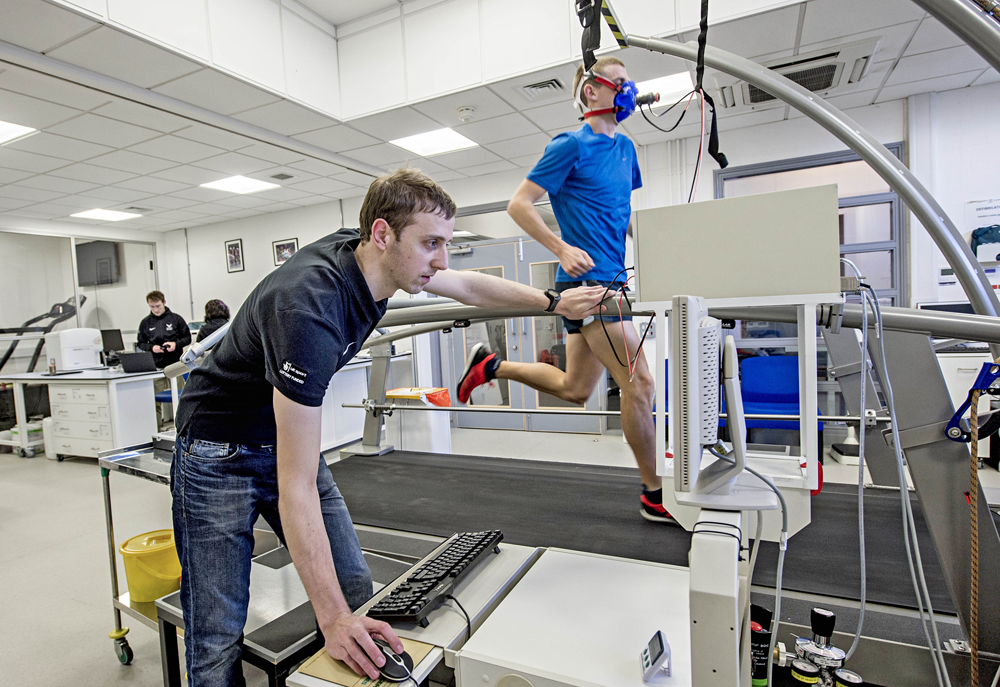
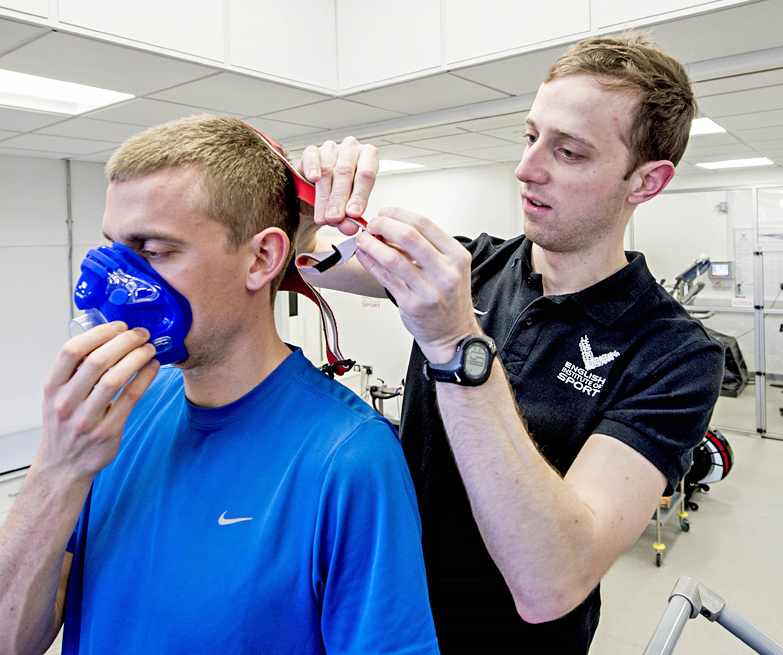
The EIS, in collaboration with the Institute of Sport Exercise & Health (ISEH), Royal Brompton & Harefield NHS Foundation Trust and Imperial College London, is working on a project aimed at optimising respiratory health in a large cohort of elite athletes known to be susceptible to respiratory illness.
The collaborative project is one of several EIS Athlete Respiratory Health initiatives aimed at reducing the impact of respiratory illness on training and competition availability. The results are likely to have wider public application, with respiratory illness being a major economic and healthcare concern in the UK.
The project will evaluate and support improved care in the prevention, detection and diagnosis of respiratory illness in over a hundred athletes identified as being susceptible to respiratory illness from a cross-section of Olympic and Paralympic sports.
Respite from respiratory illness
Dr James Hull, consultant respiratory physician at Royal Brompton Hospital and Imperial College London, and an expert in athlete respiratory health, said: “Respiratory illness is the most prevalent health issue in athletes. This project offers a great opportunity for us to really understand this area properly, to help athletes remain fully available for training and competition.
“We plan to work with the EIS to apply the world-leading clinical and research expertise at Royal Brompton & Harefield NHS Foundation Trust and the National Heart and Lung Institute to inform best care for athletes, by identifying and supporting the application of state-of-the-art assessment and treatments.”
No time to be unwell
In the two-year period to 20 July 2017, there were 630 respiratory illnesses recorded in 402 athletes, with an average of nine days of restricted training per occurrence. This totalled around 5,800 days – nearly 16 years of training days – that were impacted.
Over 30 per cent of the affected athletes had repeated occurrences in the two-year period with the diagnosis of upper respiratory tract infection (URTI e.g. sinusitis, laryngitis and the common cold) accounting for 85 per cent per cent of respiratory illness occurrences, followed by asthma with 11 per cent.
It is also likely that under-reporting and self-managing of respiratory illness means that the rate and impact of respiratory illnesses is higher still.
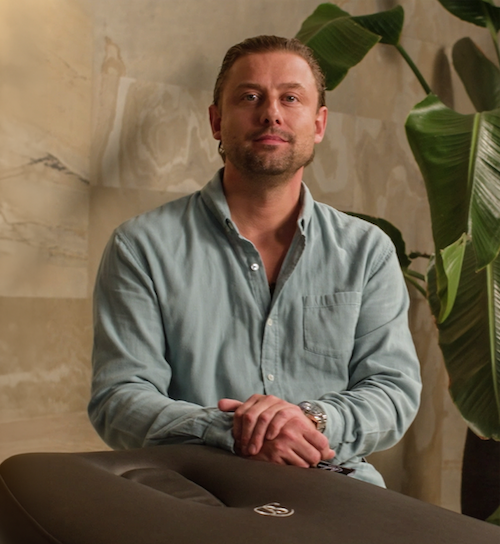
Le Atelier by C.O.D.E. doesn't offer a standard bespoke service, it provides a highly
customised approach to designing massage beds and loungers in high-end wellness
environments. [more...]
In the past decade, the English Institute of Sport has played a large part in the success of athletes from Great Britain at the Olympic and Paralympic Games. National Director Nigel Walker talks about the institute’s progress and his plans to build on it
What exactly does the EIS cover? It’s quite broad, but in simple terms, we’re responsible for science, medicine, technology and engineering delivery to the British Olympic Team and the British Paralympic Team. We also work with a couple of English sports, netball and squash.
So, across the 30+ Olympic and Paralympic sports we provide science, which includes strength and conditioning coaches, physiotherapists, nutritionists, physiologists, psychologists, performance analysts, biomechanics and performance lifestyle, medicine and doctors.
The technology engineering could be as simple as aerodynamic helmets or suits for the cycling or skeleton team, or it could be the bikes or sleds themselves.
How did you come to head up the EIS? I’m a former track and field athlete, I ran for Great Britain in the Olympics and World Championships, then retired from athletics and took up rugby. I played rugby for six years, playing for Cardiff and Wales.
I then worked in broadcasting, as a commentator, presenter and reporter. After that, I worked for the BBC – I was head of sport at BBC Wales and I was also head of change and internal communication.
At the same time, I was a UK Sport board member and during this time the national director post at EIS came up and I was asked to apply, which I did. I became the national director in 2010.
How does your background as an athlete influence your role? As an athlete myself, and having been around Olympic and World Championship gold medallists, I feel I know what it takes for an athlete to be successful – even though it was quite a few years ago that I was competing. I always try to put the athlete and the coach first in everything we do and make it an athlete-centred and coach-centred approach to training and preparation, and I find that’s invaluable.
How has the organisation evolved over the years? It was established in 2002, and I am reliably informed that at the Christmas party that year there were 37 people. At our most recent national conference, there were 400 people in attendance, including just under 350 members of staff.
We’ve also grown the level of impact we have in our relationships with sport, across optimising training programmes, maximising performance in competitions, identifying and developing talent, improving health and wellbeing and at the same time minimising training days lost to injury and illness.
For instance, as far as identifying talent is concerned, we have a performance pathways team, which has run a series of talent identification programmes over the course of the last few Olympic cycles. Two of the best known and most successful people identified by these programmes include world and Olympic rowing champion, Helen Glover, and double Olympic champion in the skeleton, Lizzy Yarnold.
What changes have you made during your time as national director? We’re working more closely with the sports and have moved to the centre ground in the high-performance system, so we’re working across those areas that the sports have told us they couldn’t do themselves. These are areas where it is more efficient and effective for it to be done centrally, such as cross-performance innovation and athlete health.
We’ve got a project on the go at the moment, for example, which is a respiratory tract infection project. We’re looking to identify the people who are most susceptible to respiratory tract infections and to try to reduce how often they contract them. We’re then looking at when they do get them and how to reduce the amount of time they’re away from training and competitions.
This is a project that couldn’t be done individually by one sport, but it’s done by the EIS for the benefit of all sports.
How do you undertake research? We have more than 20 PhD students who are doing various research projects. This research is driven by performance issues that have been identified by the sports. We have links with the universities, and we commission individuals to undertake a Masters or PhD based on these performance issues. So we don’t do research for research’s sake, we do research to find solutions for problems identified by sports.
Have there been any big advances recently? I don’t mean to sound like somebody out of MI5, but when we do make advances we tend not to talk about them! We only talk about them when we’ve squeezed every last pip of benefit out of it, so that we don’t give any information away to our competitors.
Does this research eventually filter down to benefit grassroots sport? Yes. For example with the respiratory project, if we make a breakthrough there, and we can minimise the incidence of upper respiratory tract infections in our competitive cohort, there’s obviously a benefit for grassroots athletes and even non-athletes. That’s why we’re currently working with the Royal Brompton Hospital – so that any advances can automatically be used for the wider population.
How does the EIS compare to other countries’ sports institutes? Well, it’s interesting that when we were established, the first national director, a woman called Wilma Shakespear, had been working in the Australian system before she came across and set up the EIS in 2002.
Now, we have requests from our contemporaries in Australia to come across and look at what we’re doing, as well as requests from Denmark and Holland, and India and China, and other countries. And I’m not saying we’re the best institute in the world, but we’re certainly in the leading group. Rather than following the pack now, a large part of the pack is following what we’re doing, to understand how we have been so successful across Beijing, London and Rio.
So you’ve caught up to other institutes over the last three Olympic cycles? Definitely. We were learning and developing before that, but in 2008 we had the big breakthrough in Beijing, in terms of medals won across Olympic and Paralympic sport. London was better again, and then Rio was better again. For a country of our size, we’re certainly punching above our weight. Yes, we’re well resourced, but that money is targeted and used effectively and efficiently for maximum effect.
Sport England is now focusing on physical activity rather than traditional sport.
How do you think this shift in focus might affect elite sport in years to come? Sport England is still considering what its future programme should be. We know there’s a split between Sport England and UK Sport. UK Sport is at the performance end; Sport England is at the recreation end, primarily. The performance end focuses on athletes who are within eight years of potentially winning medals at World or European level. But there is some overlap – both UK Sport and Sport England run programmes to reach those who are nine to 12 years away from podium potential.
There’s an ongoing conversation around how the two organisations can work most effectively to make sure that the nine to 12 years – and immediately below that – is as strong as it possibly can be. So, it is about the health of the general population, but it’s also about the first stages of the performance pathway. And if those two continue to work together there will be no detrimental impact on what happens at Olympic and Paralympic and World level, irrespective of how the programmes change within Sport England’s remit.
What are your future plans for the EIS? For us to continue to impact on sports programmes when they compete at Olympic, World and Paralympic level. For example, in London we worked with 27 of the 29 sports that won medals, and we worked with 86 per cent of the athletes that won medals. In Rio, that increased to 93 per cent of the athletes that won medals and 31 of the 34 sports that won medals. We would like to continue to increase the number of athletes that we work with, so that every penny the government gives us is having maximum impact.
Lastly, how important do you think the EIS is to the public image of sport? A lot of the public wouldn’t have even heard of the EIS, and that’s not a bad thing. I think in terms of the success of GB, we know the impact it had on the country in London 2012 and again at Rio 2016. It’s not necessarily the EIS itself, but it’s our work that leads to the impact those athletes have. I’d like to think we’re at the heart of the high performance system, and we’ll continue to work hand in glove with sport to give athletes their best chance of succeeding on the world stage.
BREATHE EASY
EIS researchers are working to better understand respiratory illnesses
The EIS, in collaboration with the Institute of Sport Exercise & Health (ISEH), Royal Brompton & Harefield NHS Foundation Trust and Imperial College London, is working on a project aimed at optimising respiratory health in a large cohort of elite athletes known to be susceptible to respiratory illness.
The collaborative project is one of several EIS Athlete Respiratory Health initiatives aimed at reducing the impact of respiratory illness on training and competition availability. The results are likely to have wider public application, with respiratory illness being a major economic and healthcare concern in the UK.
The project will evaluate and support improved care in the prevention, detection and diagnosis of respiratory illness in over a hundred athletes identified as being susceptible to respiratory illness from a cross-section of Olympic and Paralympic sports.
Respite from respiratory illness
Dr James Hull, consultant respiratory physician at Royal Brompton Hospital and Imperial College London, and an expert in athlete respiratory health, said: “Respiratory illness is the most prevalent health issue in athletes. This project offers a great opportunity for us to really understand this area properly, to help athletes remain fully available for training and competition.
“We plan to work with the EIS to apply the world-leading clinical and research expertise at Royal Brompton & Harefield NHS Foundation Trust and the National Heart and Lung Institute to inform best care for athletes, by identifying and supporting the application of state-of-the-art assessment and treatments.”
No time to be unwell
In the two-year period to 20 July 2017, there were 630 respiratory illnesses recorded in 402 athletes, with an average of nine days of restricted training per occurrence. This totalled around 5,800 days – nearly 16 years of training days – that were impacted.
Over 30 per cent of the affected athletes had repeated occurrences in the two-year period with the diagnosis of upper respiratory tract infection (URTI e.g. sinusitis, laryngitis and the common cold) accounting for 85 per cent per cent of respiratory illness occurrences, followed by asthma with 11 per cent.
It is also likely that under-reporting and self-managing of respiratory illness means that the rate and impact of respiratory illnesses is higher still.
Global Wellness Day (GWD) marked its 15th anniversary on Saturday 13 June 2026, with the
theme: #JoyMagenta – a celebration of the healing qualities of simple gestures and activities
that spark joy.
Global luxury hospitality brand, Six Senses, has partnered with longevity healthcare provider,
HUM2N, to launch a clinic at Six Senses London, at The Whiteley.
As part of its first hotel partnership, Mayrlife – the medical health resort company known for its
site in Altaussee, Austria – has launched a day clinic at the Rosewood Vienna.
Premium London health club, KX Chelsea, will imminently unveil its most significant
redevelopment since its launch in 2002 to create an integrated wellness model combining
training, recovery and relaxation.
Rosewood Le Guanahani St Barth, on the northeast coast of Saint Barthélemy in the French
West Indies, is offering a programme of ocean-inspired yoga classes between 8-14 June to
celebrate Global Wellness Day (GWD).
Hotel de France, located on the British Isle of Jersey, has created a wellness retreat package
that includes a hot yoga session that will take place in Jersey Zoo’s butterfly sanctuary.
The Ritz-Carlton, Langkawi, in Malaysia, has revealed a schedule for Global Wellness Day
(GWD) that includes guided rainforest walks, mindful movement and guided coastal meditation
experiences.
Longevitix, a clinical platform for preventive and longevity medicine, has launched its AI-
powered intelligence system to help physicians deliver continuous, personalised longevity-
focused care at scale.
Atmantan Wellness Centre, an integrative wellness destination in Mulshi, near Pune in India, is
expanding its portfolio by adding a new centre in Hyderabad that will launch between 2028 and
2029.
Le Atelier by C.O.D.E. doesn't offer a standard bespoke service, it provides a highly
customised approach to designing massage beds and loungers in high-end wellness
environments. [more...]